

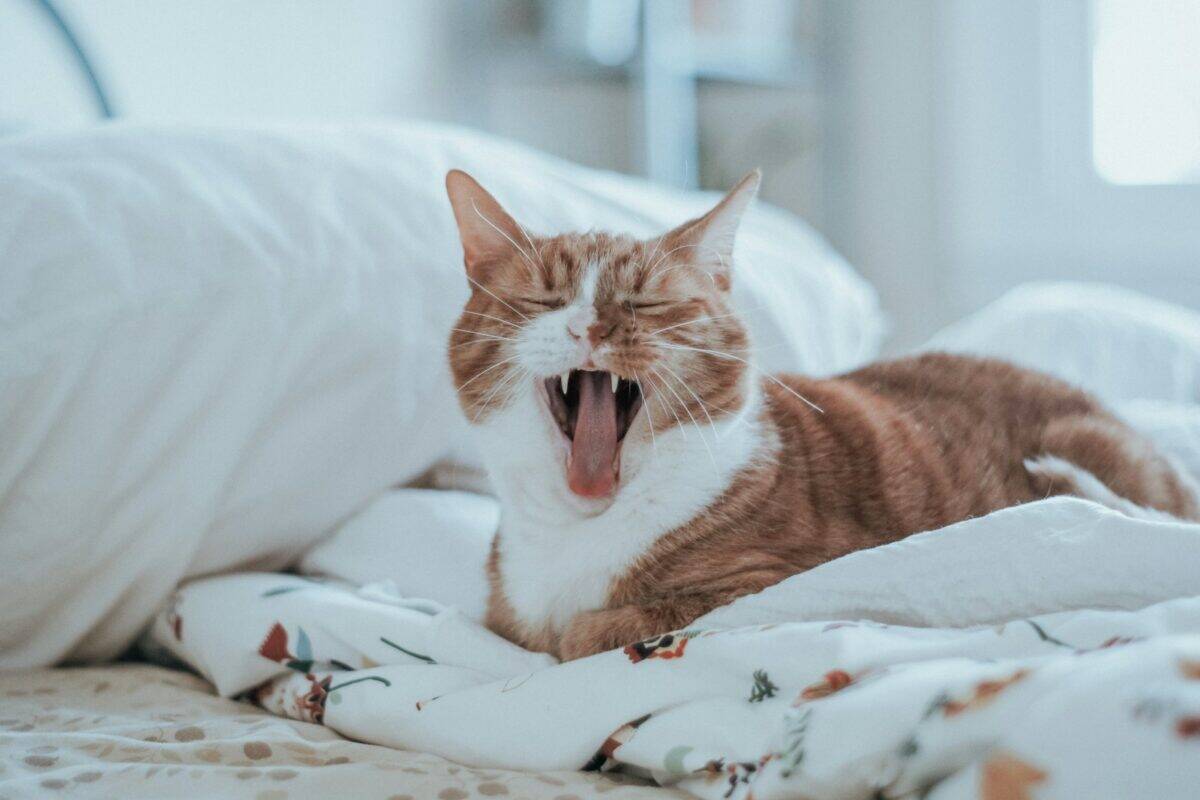
Cats have a reputation for being independent and aloof, but any devoted cat parent knows this isn’t always the case. Many felines form deep, meaningful bonds with their human companions, displaying their affection in subtle and sometimes not-so-subtle ways. If you’ve ever wondered whether your furry friend is just tolerating your presence or genuinely adores you, you’re not alone. Understanding feline behavior can help decode the secret language of cats and reveal just how much your cat might be obsessed with you. From persistent following to slow blinks, these fifteen telltale signs will help you recognize when your cat has developed a special attachment to you.
15. The Constant Shadow: Following You Everywhere

One of the most obvious signs of a cat’s obsession is their tendency to follow you from room to room like a furry shadow. This behavior, often called “velcro cat syndrome” by veterinarians, indicates strong attachment. Unlike dogs, who have been bred for thousands of years to work alongside humans, cats choose to follow their people purely out of affection and interest. According to animal behaviorists, this following behavior stems from your cat’s desire to be involved in your activities and to maintain proximity to their favorite human. If your cat trails behind you even during mundane tasks like using the bathroom or taking a shower, rest assured—you have an admirer who simply can’t bear to be apart from you.
14. The Kneading Connection
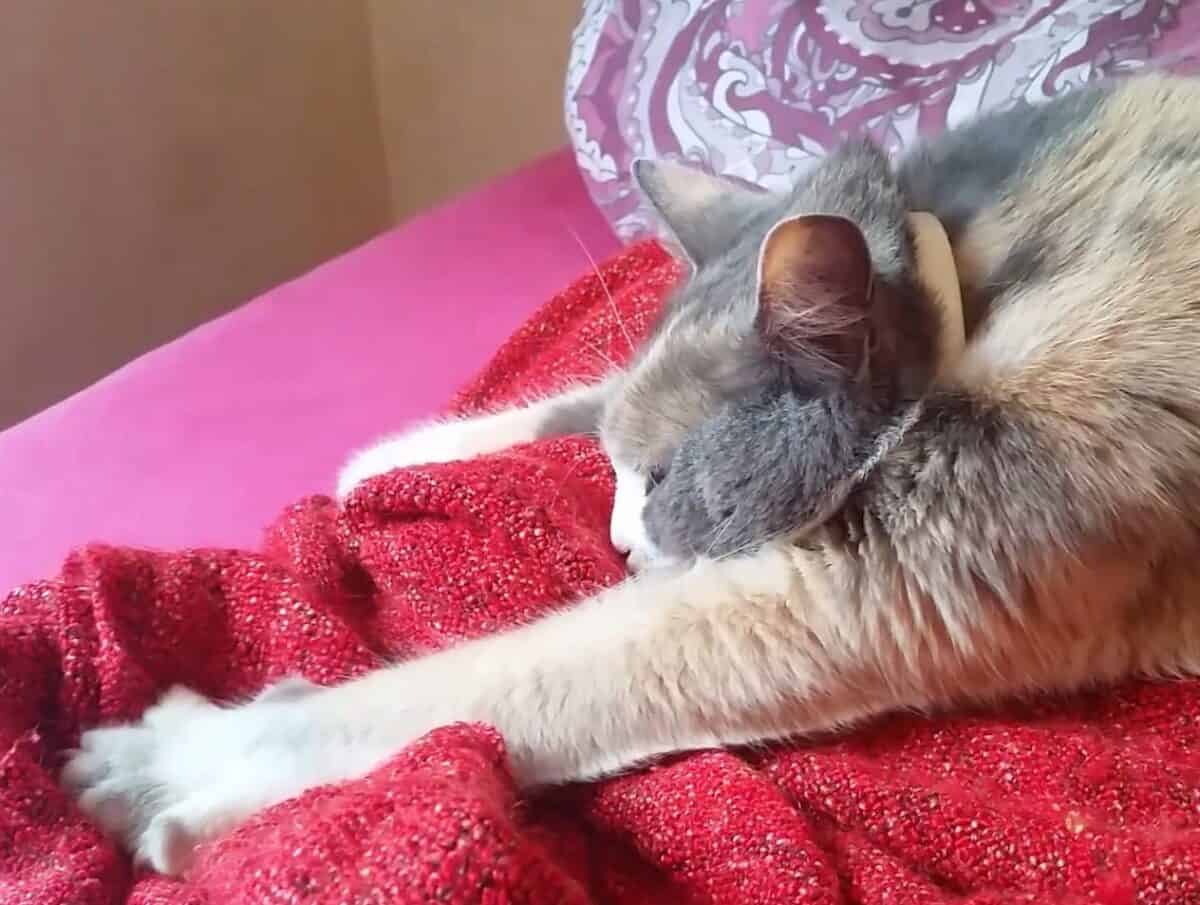
When your cat pushes their paws against you in a rhythmic motion—often called “making biscuits”—they’re displaying a behavior rooted in kittenhood. Kneading originally helped stimulate milk flow from their mother’s mammary glands. When your adult cat kneads on your lap, stomach, or even your arm, they’re exhibiting a behavior associated with comfort, security, and contentment. This regression to kittenhood behavior suggests your cat views you as a parental figure and source of safety. Feline behaviorists note that the more vigorous and frequent the kneading, the stronger the emotional bond your cat likely feels toward you. Some cats even drool during this activity, further indicating they’ve reached a state of pure bliss in your presence.
13. The Slow Blink Love Language
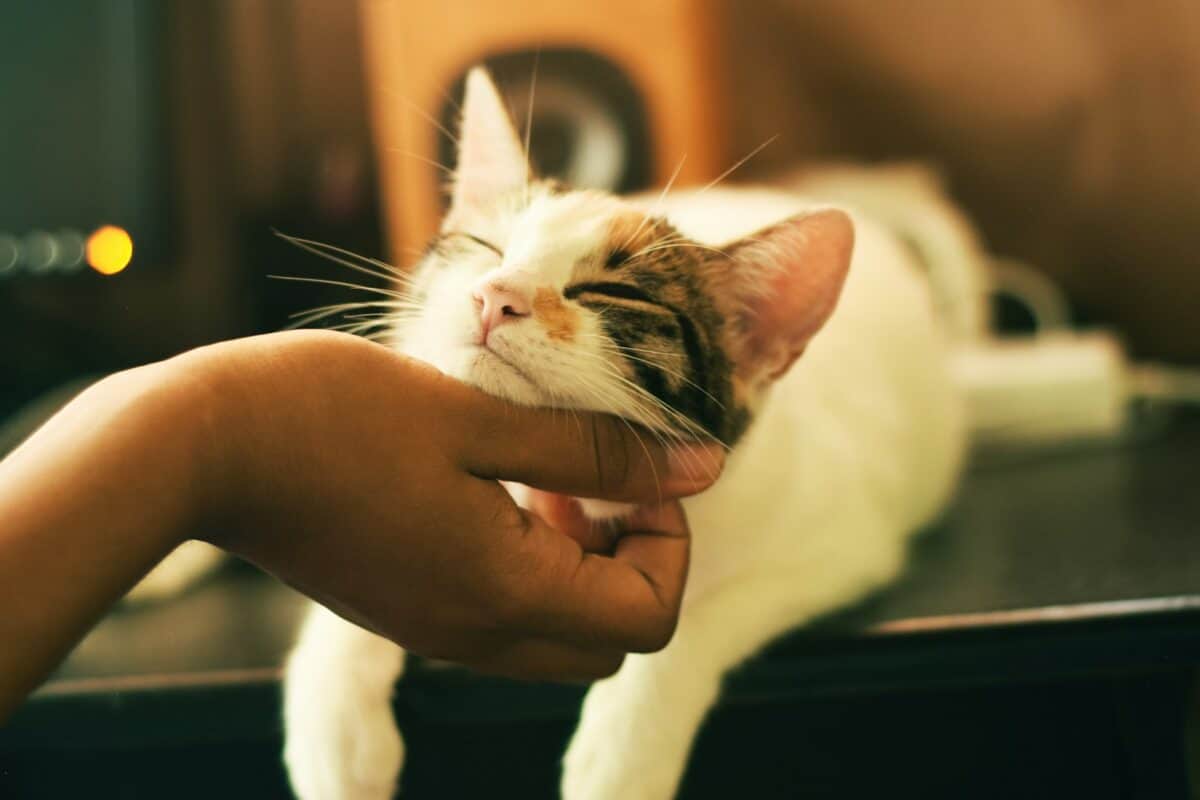
Cat communication researchers have confirmed what many cat lovers have long suspected: the slow blink is essentially a feline kiss. Often called a “cat kiss” or “eye kiss,” this behavior involves your cat looking at you and deliberately closing their eyes slowly before opening them again. This gesture demonstrates tremendous trust, as cats are naturally vigilant predators who don’t typically close their eyes around beings they don’t completely trust. When your cat offers you these slow blinks repeatedly, they’re expressing deep affection and comfort in your presence. You can reciprocate this show of love by slow-blinking back, establishing a non-verbal conversation of mutual trust and admiration. If your cat frequently initiates these eye exchanges, they’re actively trying to strengthen their bond with you.
12. Bringing You “Gifts”
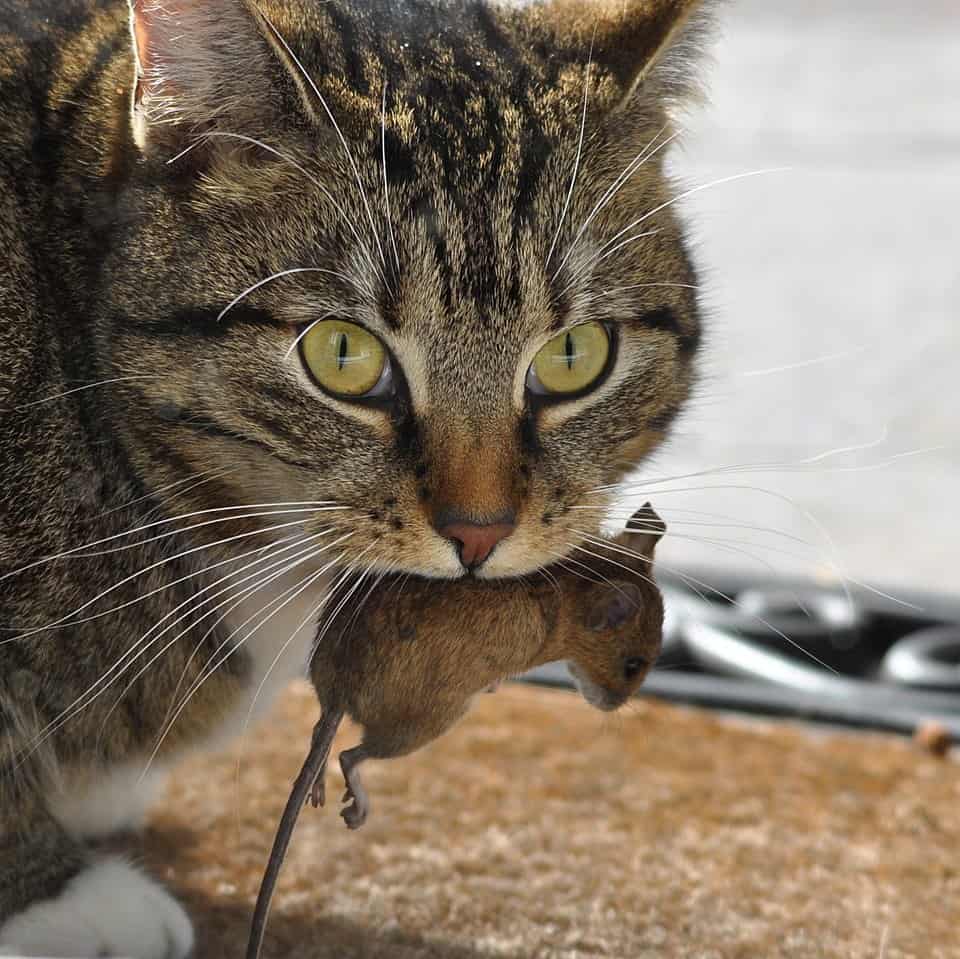
While finding a dead mouse or mangled toy on your doorstep might not seem like a token of affection, in the feline world, it’s one of the highest compliments. Cats are natural hunters, and sharing their “prey” with you demonstrates that they consider you part of their family or colony. This behavior stems from the wild, where mother cats teach their kittens to hunt by bringing them prey. When your domestic cat brings you these offerings, they’re treating you as either a family member they want to feed or a less-skilled hunter they’re trying to teach. Either interpretation points to a strong bond—your cat is either caring for you or trying to educate you in the ways of successful hunting. This sharing behavior only occurs with those your cat truly values in their social circle.
11. The Head-Butting Ritual
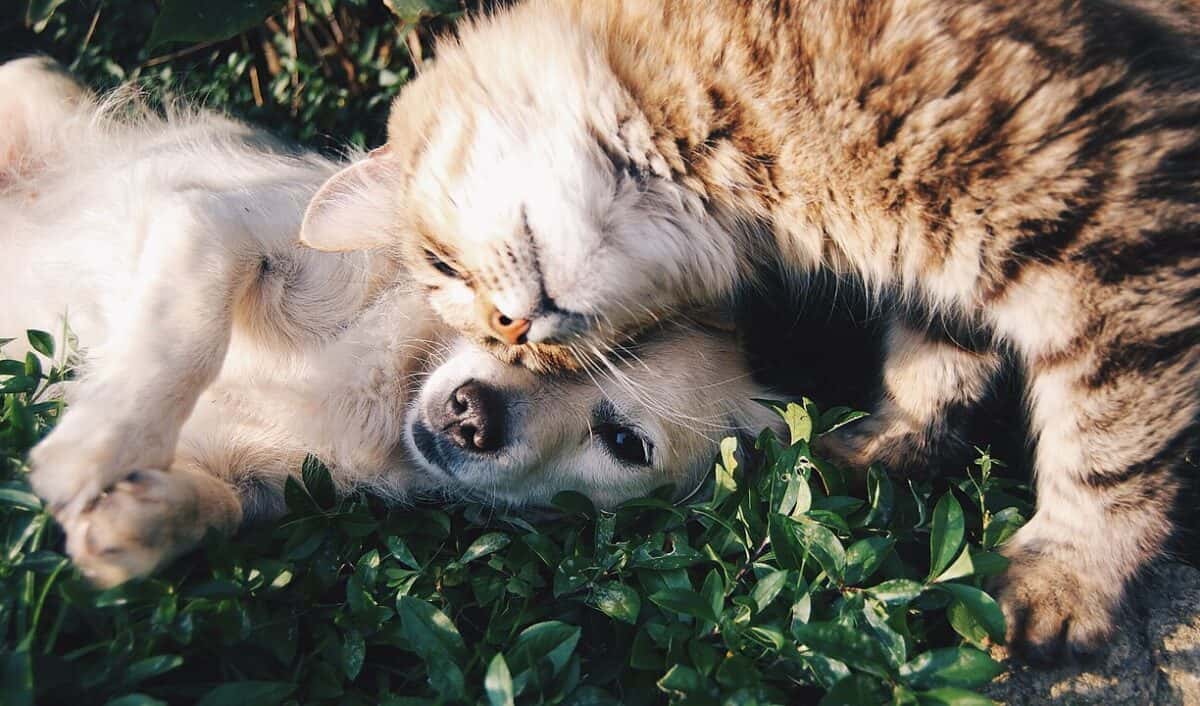
When your cat bumps their head against you—a behavior known as “bunting”—they’re engaging in an intimate greeting ritual. Through this action, cats deposit facial pheromones from scent glands located around their cheeks, chin, and forehead. These pheromones serve as a form of olfactory marking, essentially labeling you as their territory or property. Far from being possessive in a negative sense, this marking is your cat’s way of creating a unified group scent that brings them comfort and signals to other animals that you belong together. The more frequently and enthusiastically your cat engages in bunting with you, the stronger their desire to reinforce your shared bond. Some cats will even rise on their hind legs to reach your face for this special greeting—a clear sign of feline devotion.
10. Vocalizing for Your Attention

Research into feline communication reveals that adult cats don’t typically meow at each other—they’ve developed this vocalization specifically for communicating with humans. If your cat has a special set of meows, trills, chirps, or purrs they use exclusively with you, they’ve essentially created a private language for your relationship. Cats who are particularly attached to their humans often develop an extensive vocal repertoire to express different needs and emotions. Listen for greeting trills when you return home, insistent meows when they want your attention, and soft chirps when they’re feeling affectionate. The development of these specialized vocalizations indicates your cat has invested significant cognitive resources in establishing effective communication with you—a clear sign they value your relationship and want to maintain a strong connection.
9. The Belly Exposure Trust Signal
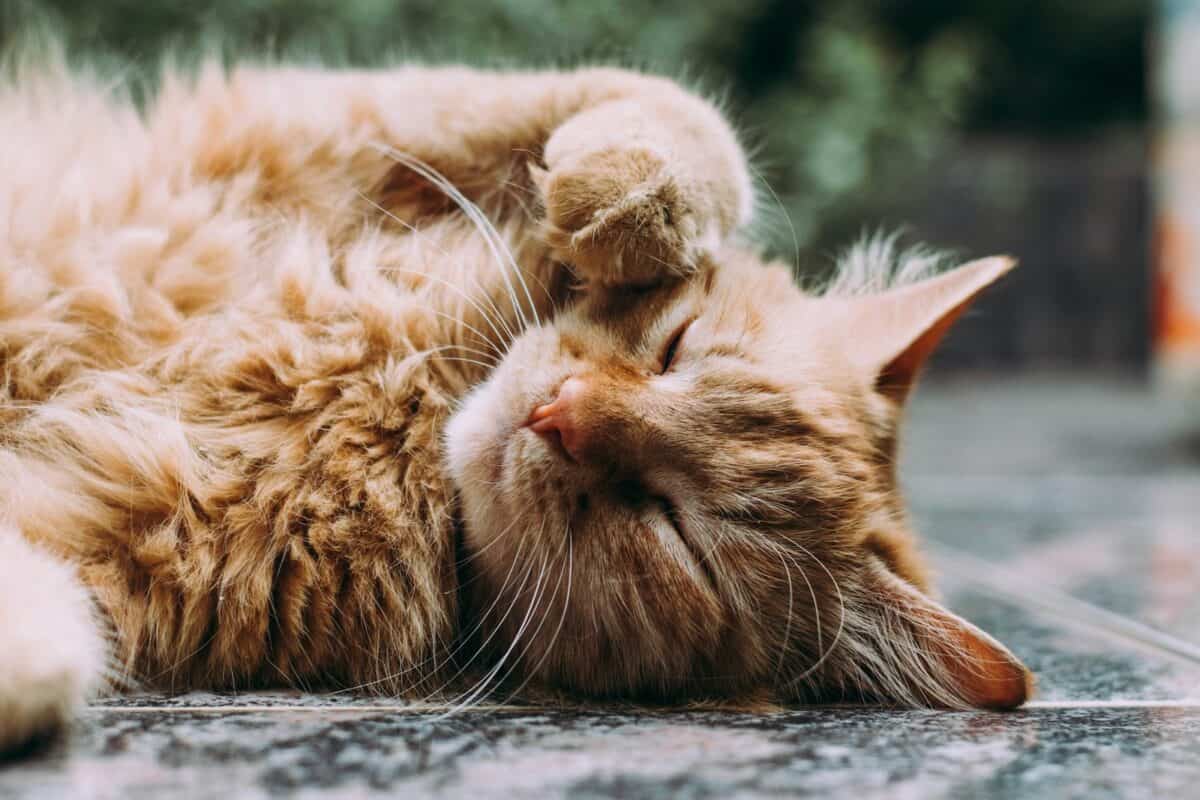
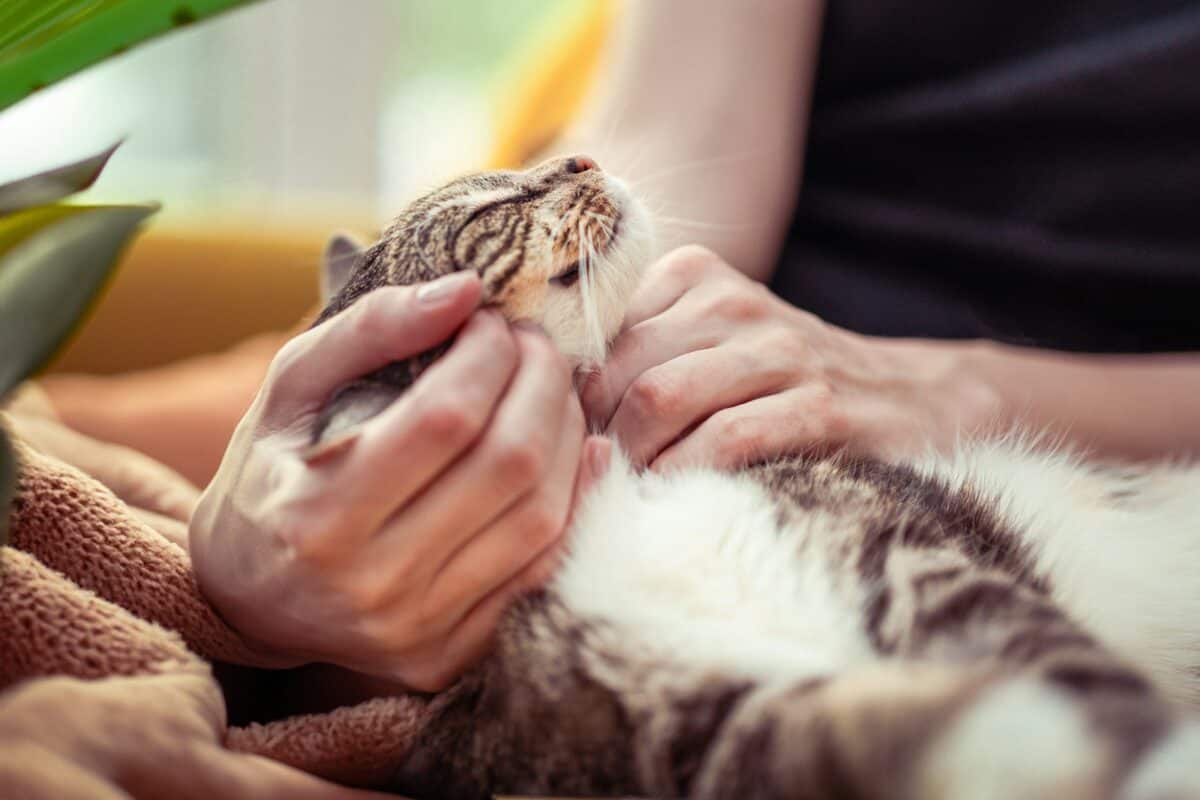
A cat’s belly is their most vulnerable area, containing vital organs with minimal protection. In the wild, exposing this region would be dangerously risky. When your domestic cat rolls over and displays their belly in your presence, they’re demonstrating profound trust that you won’t take advantage of their vulnerability. This position puts them at a serious defensive disadvantage, making it a significant indicator of security and comfort. However, feline behavior experts caution that belly exposure isn’t always an invitation for touch—sometimes it’s simply a declaration of trust and relaxation. If your cat not only shows their belly but also allows you to touch this sensitive area without reacting defensively, you’ve achieved an extraordinary level of trust in your relationship that relatively few cat-human bonds reach.
8. Sleep Positioning as Affection

Cats spend approximately 12-16 hours daily sleeping, making their choice of sleep location particularly meaningful. When your cat consistently chooses to sleep on or against you despite having multiple comfortable options throughout your home, they’re making a significant statement about their attachment. Sleep is a vulnerable state for cats, and they only rest deeply in environments and with companions they trust implicitly. Moreover, the specific positioning can reveal the depth of their affection. A cat who sleeps with their back against you is protecting you while remaining alert to potential dangers. One who sleeps on your chest near your face is seeking closeness to your heartbeat and breath—reminiscent of how kittens sleep with their mothers. If your cat arranges their sleep schedule to align with yours or waits for you before settling down for the night, these are profound demonstrations of their desire to synchronize their life with yours.
7. The Greeting Ceremony

An enthusiastic greeting when you return home—whether from a long vacation or just a quick trip to get the mail—indicates your cat has been eagerly anticipating your return. Cats with strong human attachments often develop elaborate welcome rituals that may include running to the door when they hear your car or keys, vocalizing excitedly, rubbing against your legs, or performing a “happy dance” with their tail held high and quivering. These behaviors release dopamine in your cat’s brain, creating a pleasurable association with your return. The intensity and consistency of these greetings reflect the strength of your cat’s bond with you. Some particularly attached cats may even wait by the door or window for extended periods, watching for signs of your return. This vigilance demonstrates that your presence is a central focus of their daily life and emotional well-being.
6. Grooming You Like Another Cat

When your cat licks your hair, face, hands, or other accessible body parts, they’re engaging in allogrooming—a social behavior typically reserved for members of their immediate family or colony. In feline social structures, mutual grooming strengthens bonds between cats who share strong affiliative connections. By grooming you, your cat is treating you as a fellow feline family member despite the obvious species difference. This behavior serves multiple purposes: it distributes a group scent among colony members, expresses care, and reinforces social hierarchies. The frequency and duration of these grooming sessions often correlate with attachment strength. Some deeply bonded cats become quite persistent in their grooming efforts, seeming determined to “fix” your clearly inadequate human grooming habits. While sometimes uncomfortable for humans due to cats’ rough tongues, this behavior represents one of the highest compliments in the feline world—full acceptance into their inner circle.
5. Territorial Behavior Around Other People
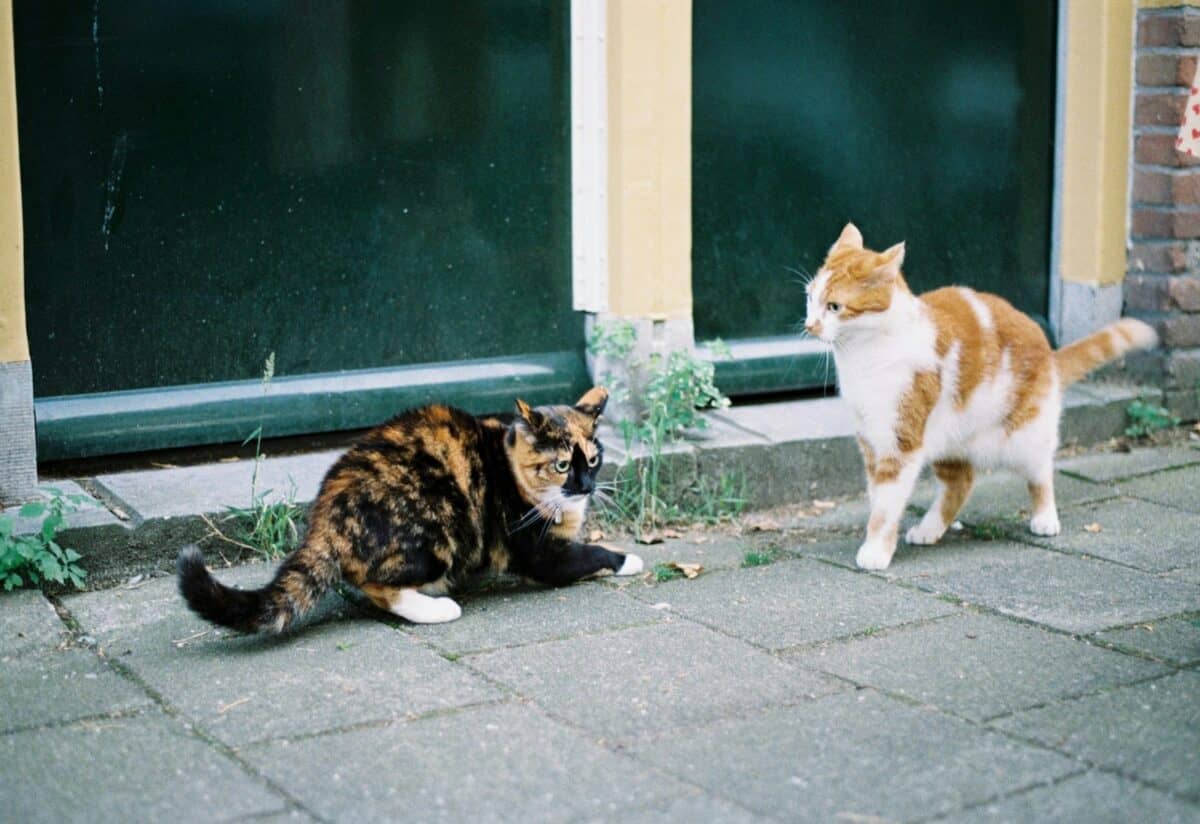
A cat who displays mild territorial behavior when others interact with you may be showing signs of healthy attachment rather than problematic possessiveness. This might manifest as inserting themselves between you and visitors, sitting on your lap when someone else enters the room, or monitoring interactions from a nearby perch. These behaviors indicate your cat considers you a valuable resource worth protecting and maintaining exclusive access to. The distinction between normal attachment and problematic jealousy lies in the intensity and aggression level. Mild displacement behaviors suggest your cat highly values their relationship with you, while excessive aggression toward others would indicate an unhealthy attachment pattern requiring professional attention. If your cat politely but persistently reclaims their place with you after visitors leave, they’re demonstrating their perception that you share a special bond that differs from your relationships with others.
4. The Synchronized Schedule
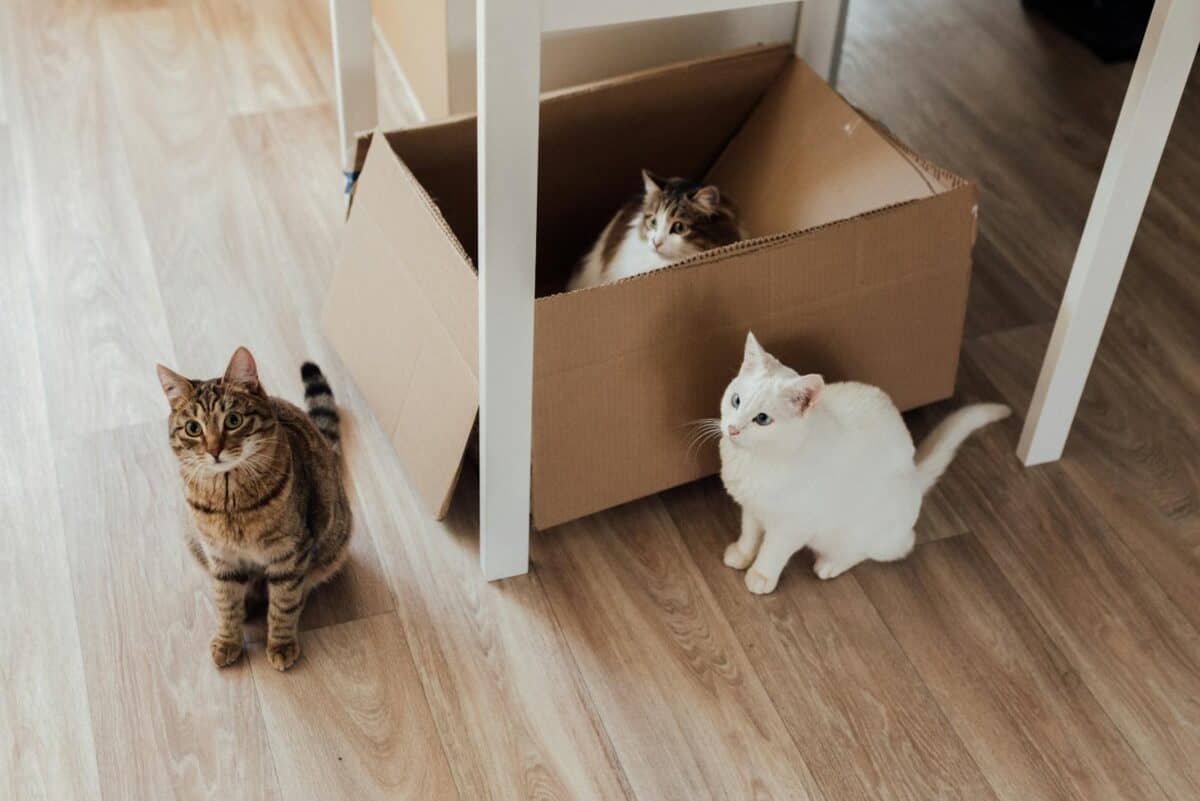
Cats are creatures of habit who generally prefer to maintain their own schedules based on natural instincts and preferences. When a cat deliberately adjusts their routine to align with yours, they’re making a significant adaptation that indicates deep attachment. This might manifest as waking when you wake (even if it’s earlier than they’d prefer), coming to bed when you do, or appearing for meals when you sit down to eat. Research on companion animals indicates that this synchronization of daily rhythms occurs primarily in relationships with strong emotional bonds. Your cat may even anticipate your schedule, waiting by the door before your usual arrival time or sitting by their food bowl shortly before you typically serve meals. This adaptation represents a remarkable compromise for a species known for its independence and suggests your cat has integrated you fully into their understanding of daily life and security.
3. Seeking Your Scent
A cat obsessed with their human often displays a fascination with items carrying their scent. You might notice your cat sleeping on your clothes, kneading your dirty laundry, or curling up on your side of the bed when you’re away. Unlike humans who primarily rely on visual and auditory recognition, cats navigate their world largely through scent. Your unique odor provides comfort and security to a bonded cat, particularly during your absence. This behavior has biological roots—the olfactory comfort from your scent releases calming neurochemicals in your cat’s brain similar to those produced during positive physical interactions. Some particularly attached cats develop preferences for items with concentrated scent, such as shoes, gym clothes, or pillowcases. While this might seem odd from a human perspective (especially given our differing opinions on what smells pleasant), from your cat’s viewpoint, surrounding themselves with your scent is the next best thing to being with you.
2. The Persistent Paw

The gentle tap of a paw on your arm, face, or any accessible body part is your cat’s deliberate attempt to initiate interaction. This behavior, sometimes called “solicitation purring” when accompanied by vocalization, demonstrates your cat’s desire for your attention even when you’re occupied with other activities. The fascinating aspect of this behavior is its targeted nature—cats typically direct these tactile requests specifically to the humans they feel closest to rather than any available person. They learn precisely how much pressure to apply for effective communication without causing irritation. When your cat repeatedly seeks your attention through gentle pats, especially when they have other entertainment options available, they’re expressing a specific desire for interaction with you personally rather than just general stimulation. This selective social solicitation indicates they value engagement with you above other available activities and companions.
1. Relaxed Body Language in Your Presence

Perhaps the most subtle but meaningful sign of feline attachment is completely relaxed body language exclusively in your presence. This might manifest as fully extended stretches, exposing their underside while lying nearby, maintaining a half-closed eye state, or holding their tail in a relaxed position with a slight curve at the tip. Feline behavior experts emphasize that cats only display these vulnerable postures in environments where they feel utterly secure. A particularly telling indicator is the difference in your cat’s body language when they’re alone with you versus when strangers or less familiar people are present. If your cat maintains vigilant postures (ears fully erect, body slightly tensed, tail more animated) around others but literally “lets their guard down” with you, they’re demonstrating a level of trust reserved for their most important relationship. This pattern of selective relaxation represents the culmination of a secure attachment bond built over time through consistent positive interactions.
Understanding What Your Cat’s Obsession Really Means

The behaviors that indicate your cat’s attachment aren’t just charming quirks—they represent sophisticated social adaptations from an animal whose ancestors were primarily solitary hunters. Your cat’s demonstration of these attachment behaviors indicates they’ve formed what animal behaviorists call a “secure attachment bond,” similar to the relationship between human parents and children. This bond provides your cat with a secure base from which they can confidently explore their environment while having a safe haven to return to when stressed. Research into feline cognition suggests these strong human-cat bonds positively affect both species, with cat owners reporting improved mental health and stress reduction. Understanding and appreciating these signs of feline affection allows you to respond appropriately, strengthening the relationship further through consistent, gentle interaction and respect for your cat’s communication style. The mutual benefits of this interspecies bond remind us that despite our evolutionary differences, the capacity for meaningful connection transcends species boundaries in remarkable ways.

- This Fish Eats Coral and Poops Out Perfect White Sand - July 28, 2026
- The Most Unstoppable Ants Invading American Homes - July 28, 2026
- 15 Animals and Wildlife that Start with V - July 28, 2026