


When you wiggle your toes in the pristine white sand of tropical beaches, you might be standing on something quite unexpected: fish poop. Specifically, parrotfish poop. These colorful reef-dwelling creatures have a unique dietary habit that contributes significantly to the creation of the world’s most beautiful beaches. Using their strong beak-like teeth (which give them their name), parrotfish scrape algae off coral reefs, inevitably ingesting the calcium carbonate skeleton of the coral in the process. This coral material passes through their digestive system and emerges as fine white sand grains, creating some of the most perfect beach sand in the world.
A single large parrotfish can produce up to 840 pounds (380 kg) of sand each year. Multiply that by the thousands of parrotfish living on a typical reef ecosystem, and you have a remarkable natural sand factory. This process is not just a biological curiosity but a vital ecological function that helps maintain the health of both coral reef ecosystems and the breathtaking white-sand beaches that draw tourists to tropical destinations worldwide. These fish are literal ecosystem engineers, transforming hard coral structures into soft, powdery beach material through the simple act of eating and digesting.
Meet the Parrotfish: Nature’s Sand Factory

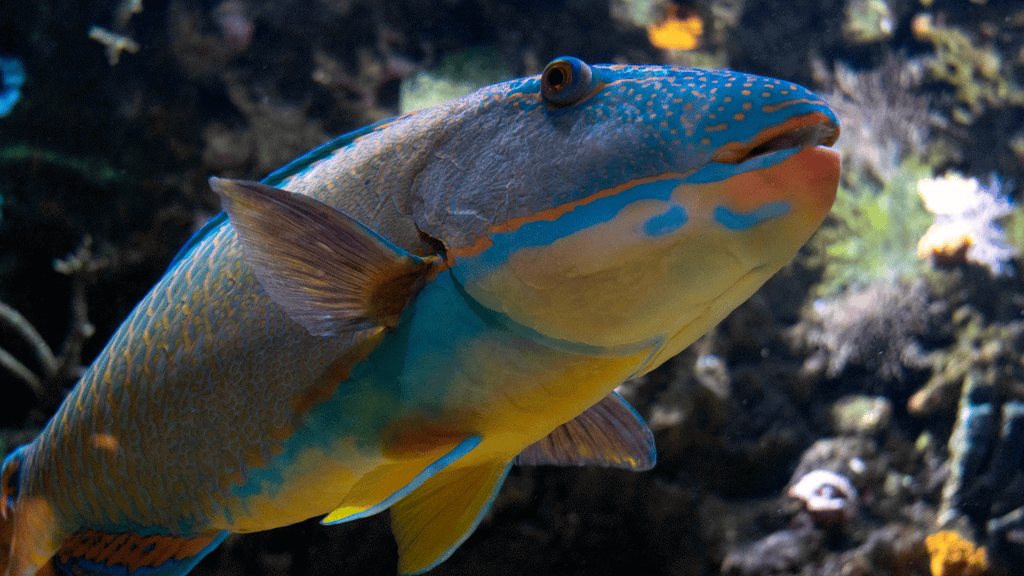
Parrotfish belong to the family Scaridae, comprising about 95 species found primarily in tropical and subtropical oceans worldwide. Their most distinctive feature is their dentition – multiple teeth that are fused together to form a strong, parrot-like beak. This powerful tool allows them to scrape algae from coral surfaces and bite off chunks of coral skeleton. Parrotfish can range in size from 1 foot to over 4 feet in length, depending on the species, and display some of the most vibrant colors in the marine world. Many species exhibit dramatic color changes throughout their lifecycle and can even change sex – typically from female to male – as they mature.
What makes parrotfish particularly special in the marine world is their internal sand-making machinery. After scraping and ingesting coral material, special molar-like teeth in their throats, called pharyngeal teeth, grind the hard calcium carbonate into fine particles. Their digestive system then processes this material, and the fish excrete fine, white sand particles. This biological process effectively turns one of the ocean’s hardest substances – coral skeleton – into perfectly formed grains of beach sand. The connection between these colorful fish and the formation of tropical beaches represents one of nature’s most fascinating ecological relationships.
The Coral Diet: Why Parrotfish Eat What They Eat

Parrotfish aren’t actually targeting coral for their nutrition – they’re after the algae that grow on coral surfaces. These fish play a critical role in coral reef ecosystems as grazers who keep algae populations in check. Without parrotfish and other herbivorous reef fish, algae would quickly overgrow and smother coral polyps, killing the living coral. When parrotfish scrape these algae off the coral’s surface using their powerful beaks, they inevitably ingest some of the coral’s calcium carbonate skeleton along with their intended meal. This incidental consumption of coral material is what leads to their remarkable sand-producing ability.
Different species of parrotfish have varying diets, with some being primarily herbivores (focusing on algae) while others are corallivores (consuming more coral material). The percentage of their diet that consists of coral varies by species, location, and food availability. Some species may derive up to 70% of their diet from living coral, while others focus almost exclusively on algae. Regardless of their specific feeding preferences, all parrotfish process significant amounts of calcium carbonate through their digestive systems, contributing to sand production. Scientists estimate that in some tropical regions, up to 85% of the sand on beaches originates from parrotfish digestive processes.
The Digestive Journey: From Coral to Sand
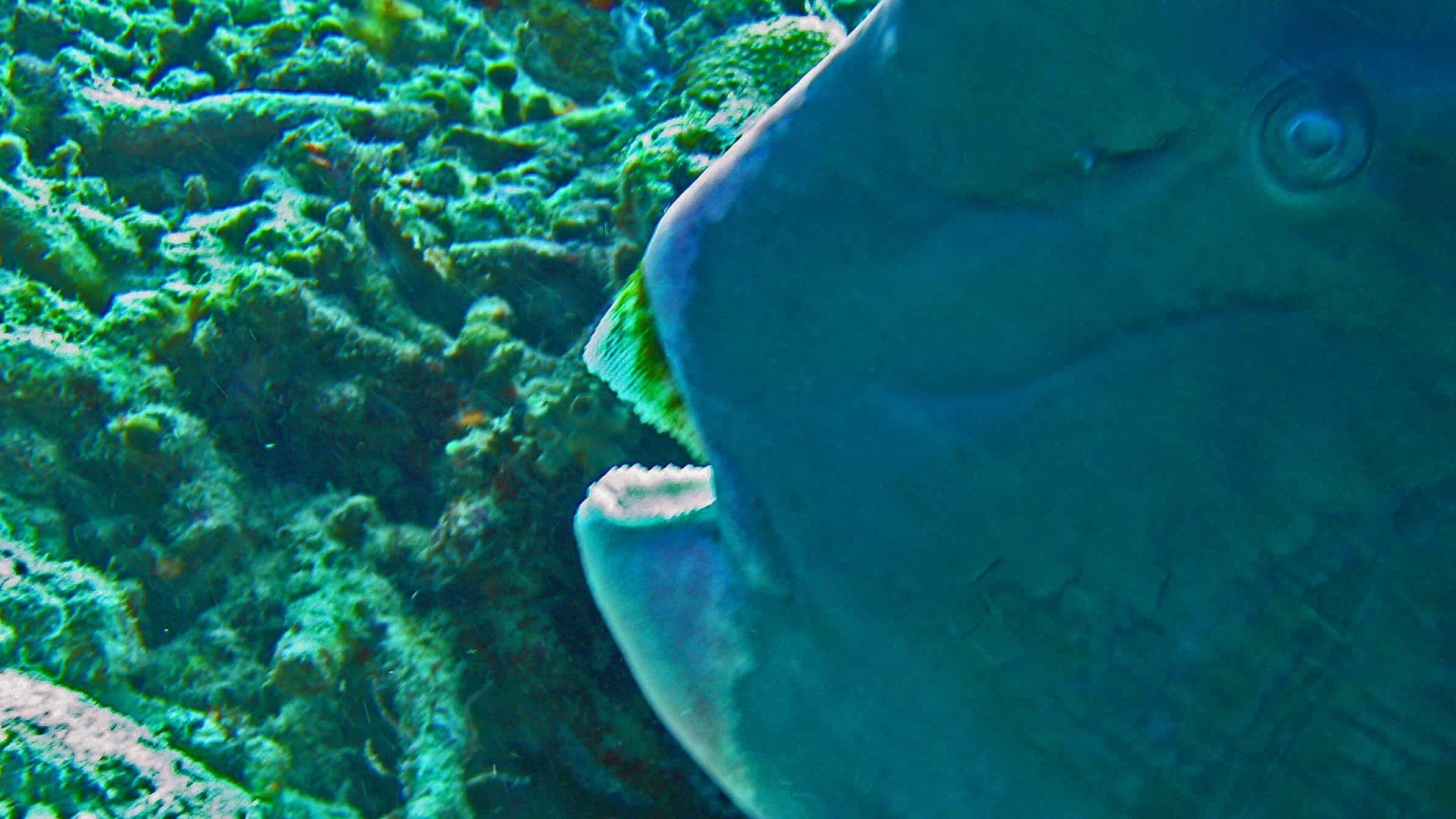
The transformation of hard coral skeleton into fine beach sand is a remarkable biological process. After the parrotfish bites off pieces of coral with its powerful beak-like front teeth, the material moves to the pharyngeal mill – a secondary set of teeth located in the fish’s throat. This specialized grinding apparatus pulverizes the coral fragments into smaller pieces. These pharyngeal teeth are so powerful that you can actually hear parrotfish feeding underwater – the grinding creates a distinctive crunching sound audible to divers and snorkelers. The ground material then moves through the digestive tract, where it’s further broken down.
What’s fascinating is that parrotfish don’t actually digest the calcium carbonate components of coral. Their digestive systems extract the nutritional elements (primarily the algae living on the coral), while the indigestible calcium carbonate passes through relatively unchanged chemically, though physically transformed into a finer consistency. When the fish eventually excretes this material, it emerges as perfect grains of white sand. Under a microscope, freshly produced parrotfish sand shows uniform, smooth particles that are ideal for beach formation. Over time, wave action and other natural processes further refine these grains, contributing to the soft, powdery texture of tropical beaches.
Beach Formation: How Fish Poop Becomes Paradise
The journey from parrotfish digestive tract to picture-perfect beach involves several natural processes. Once excreted by the fish, the sand particles are dispersed by ocean currents, gradually making their way to shorelines. Wave action, tides, and coastal currents work together to deposit these sand grains along beaches. Over time, this continuous deposition builds up the stunning white-sand beaches that characterize many tropical destinations. On some atolls and islands in the Maldives, Hawaii, and the Caribbean, it’s estimated that more than 70% of the beach sand originated in the digestive tracts of parrotfish.
The quality of parrotfish-produced sand is particularly notable. Because it’s composed primarily of calcium carbonate, it remains brilliantly white and reflects sunlight, creating that characteristic tropical beach glow. The sand tends to be fine-grained and soft underfoot, making it ideal for barefoot walks along the shore. Its composition also helps it remain cool even under the intense tropical sun. The next time you visit a pristine white-sand beach in the tropics, take a moment to appreciate that much of that perfect sand has passed through the digestive system of parrotfish – nature’s most unexpected beach architects.
Ecological Importance: Beyond Beach Building
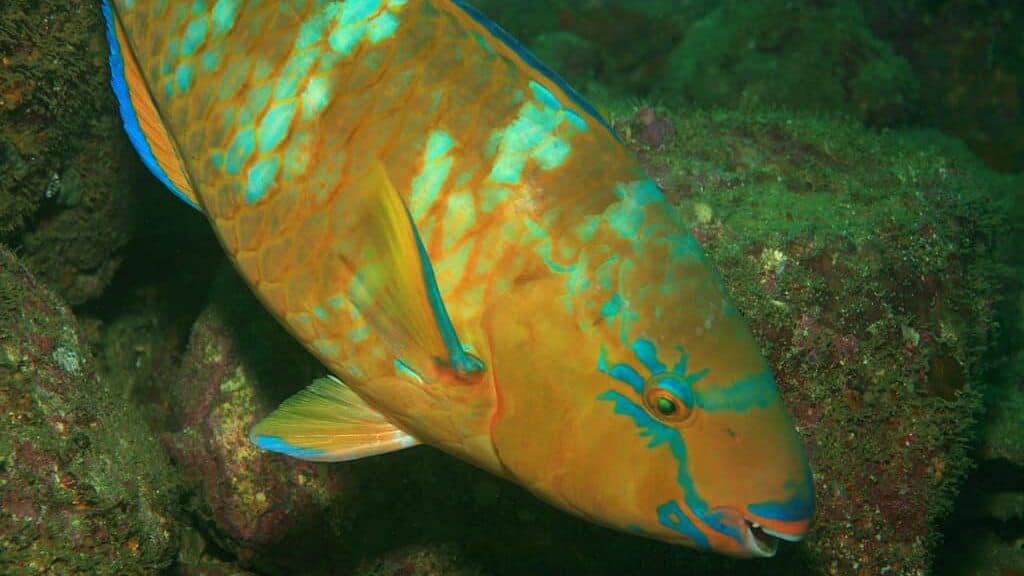
Parrotfish serve multiple crucial roles in coral reef ecosystems that extend far beyond their sand-producing capabilities. Their primary ecological function is controlling algae growth on coral reefs. Without parrotfish grazing, algae would quickly outcompete and smother coral polyps, leading to coral death and eventual reef degradation. Studies have demonstrated that reefs with healthy parrotfish populations show significantly better coral growth and recovery rates after disturbances like bleaching events. One research project in the Caribbean found that reefs with protected parrotfish populations were more than 50% more likely to recover from coral bleaching events than those where parrotfish were heavily fished.
Beyond algae control, parrotfish contribute to reef health through bioerosion – the breakdown of dead coral material. This process creates space for new coral growth and helps maintain the complex three-dimensional structure of reefs that provides habitat for countless marine species. Their sand production also helps replenish beaches, which provide natural barriers protecting coastlines from erosion and storm damage. The sand created by parrotfish also creates substrate for seagrass beds and other nearshore ecosystems. The interconnection between parrotfish, coral reefs, and beach ecosystems demonstrates the remarkable complexity of marine ecological relationships.
Threats to Nature’s Sand Factories

Despite their ecological importance, parrotfish face numerous threats worldwide. Overfishing represents the most direct danger to parrotfish populations. In many regions, these fish are targeted for food, with some cultures particularly prizing them. They’re also often caught as bycatch in less selective fishing methods. In the Caribbean, some parrotfish species have declined by over 80% in recent decades due to fishing pressure. This decline has serious consequences, as research has shown direct correlations between parrotfish depletion and declining coral reef health, increased algal overgrowth, and even reduced sand production for beaches.
Habitat destruction presents another significant threat. As coral reefs degrade due to climate change, pollution, and direct physical damage, parrotfish lose both their food sources and their homes. Ocean acidification, a consequence of increasing carbon dioxide absorption by seawater, may also affect parrotfish by weakening the coral skeletons they feed on and potentially impacting their own skeletal development. Additionally, in some regions, the introduction of invasive algae species has disrupted the natural balance of reef ecosystems, challenging the grazing capacity of native parrotfish populations. The combination of these threats puts both parrotfish and their remarkable sand-producing ecosystem service at risk.
Conservation Efforts: Protecting the Beach Builders
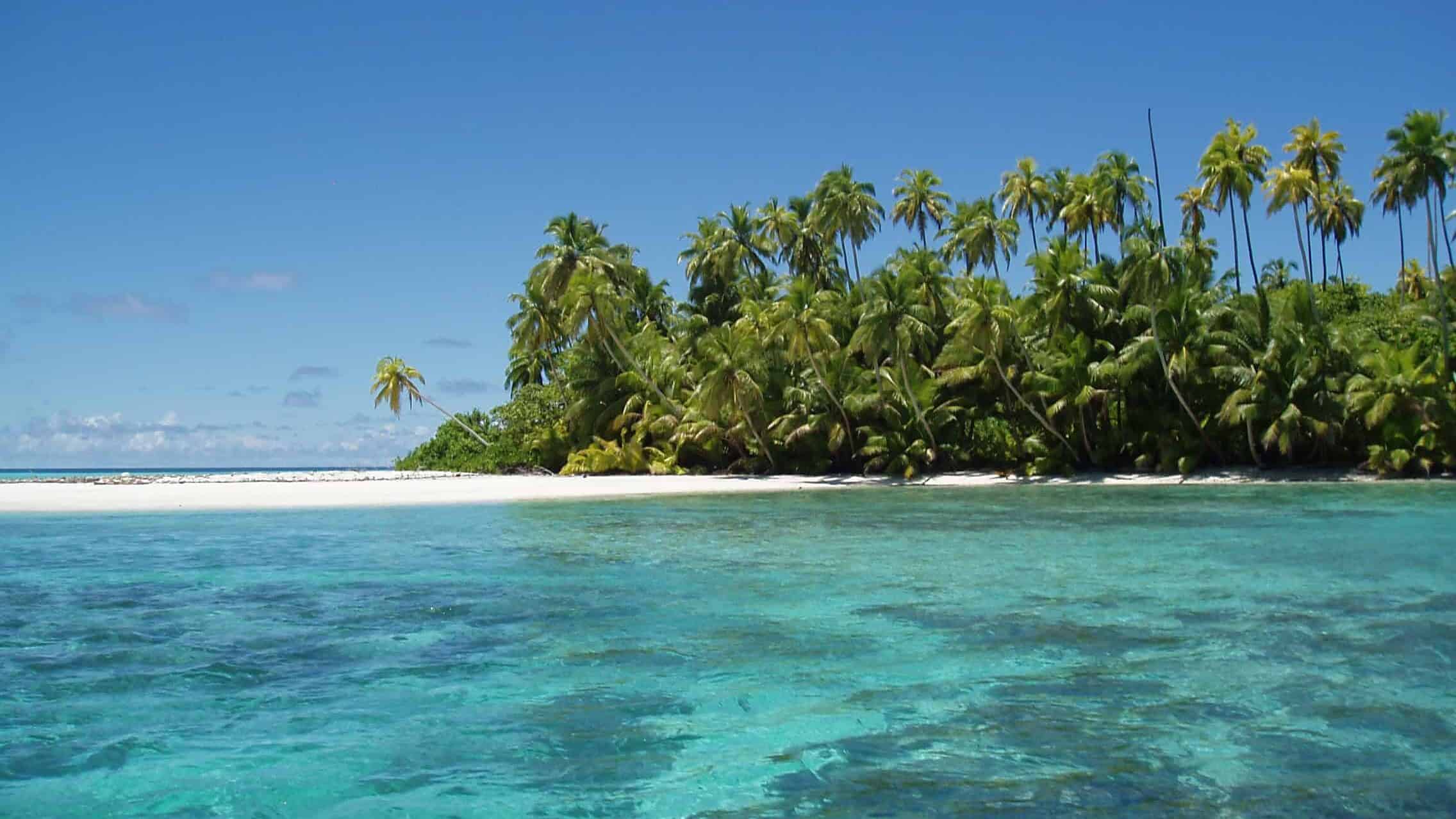
Recognizing the vital ecological role of parrotfish, many countries have implemented protective measures to ensure their survival. Belize, Bonaire, and the Dominican Republic have enacted complete bans on parrotfish harvesting, while other nations have established size limits, catch quotas, or seasonal restrictions. Marine protected areas (MPAs) provide safe havens where parrotfish can thrive without fishing pressure. Evidence shows these conservation efforts can be remarkably effective – protected reefs often show parrotfish population recoveries within just a few years of protection implementation, with corresponding improvements in coral health and reduced algal cover.
Education initiatives also play a crucial role in parrotfish conservation. Many coastal communities and tourists remain unaware of the link between these colorful fish and the beaches that support local economies through tourism. Awareness campaigns highlighting the “fish that makes beaches” have proven effective in garnering support for conservation measures. Some resorts and tourism operators have become advocates for parrotfish protection, recognizing that their business depends on healthy reefs and beautiful beaches. Conservation organizations also work with fishers to develop sustainable alternatives to parrotfish harvesting, ensuring both ecological and economic sustainability in coastal communities.
Scientific Research: Measuring the Sand Machine
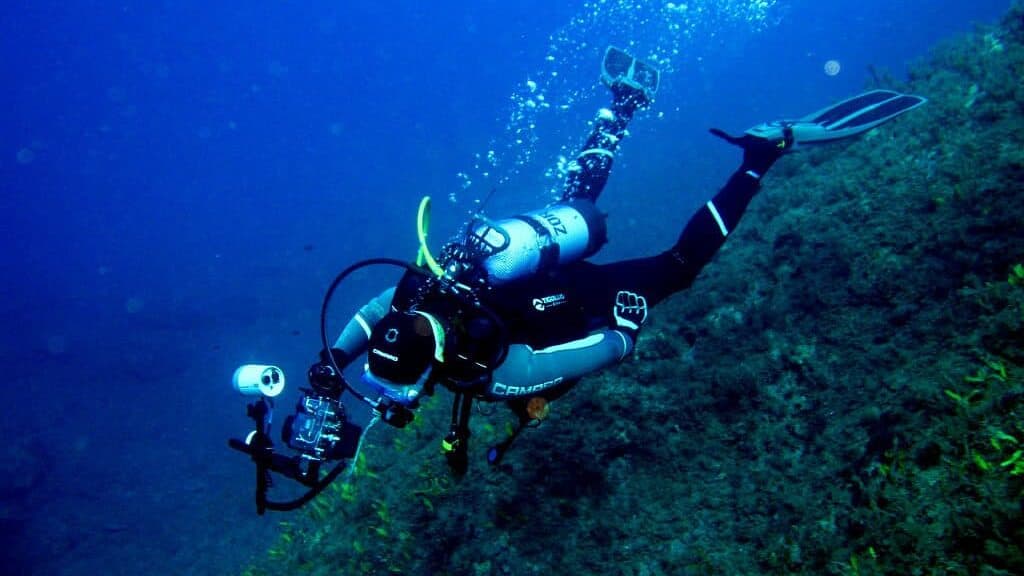
Scientists have developed sophisticated methods to quantify exactly how much sand parrotfish produce. Researchers use underwater observations, sometimes involving following individual fish for hours while collecting their sandy excretions in specialized containers. These samples are then analyzed for volume, composition, and grain characteristics. Other studies employ population estimates combined with laboratory measurements of sand production rates to calculate reef-wide or regional contributions. Through such research, scientists have determined that in the Maldives, parrotfish produce approximately 275 kilograms of sand per square meter of reef annually – a substantial contribution to island formation and maintenance in this low-lying nation.
Research has also revealed fascinating variations in sand production among different parrotfish species. The largest species, such as the bumphead parrotfish (Bolbometopon muricatum), can produce astonishing amounts of sand – up to 5 tons per individual annually. Scientists are currently investigating how climate change might affect parrotfish feeding behavior and sand production rates. Some early studies suggest that warming oceans could alter algal growth patterns on reefs, potentially changing parrotfish feeding habits and, consequently, their sand production. This research underscores the complex connections between climate, reef ecosystems, and the natural processes that maintain tropical beaches.
Cultural Significance: Fish Poop in Human History
The connection between parrotfish and beach sand has been recognized by various indigenous cultures long before modern science confirmed it. In Hawaii, native ecological knowledge includes understanding of the relationship between uhu (parrotfish) and the formation of sandy beaches. Some Pacific Island cultures incorporated this knowledge into their traditional resource management practices, implementing seasonal fishing restrictions on parrotfish to maintain beach integrity. These cultural practices represent some of the earliest examples of ecosystem-based management, acknowledging the interconnectedness of species and habitats centuries before Western science adopted similar approaches.
Today, the parrotfish’s sand-making ability has become part of tourism lore in many tropical destinations. Tour guides often share the remarkable story of “fish poop beaches” with visitors, creating memorable educational moments that often lead to greater appreciation for marine conservation. Artists and cultural practitioners in coastal communities have incorporated parrotfish imagery and themes into their work, celebrating these fish as creators of the landscapes that define their homes. In some places, parrotfish have even become unofficial mascots for beach conservation efforts, with their image appearing on educational materials, conservation campaigns, and even local currency – a fitting tribute to these architects of tropical paradise.
Other Sand-Producing Marine Life

While parrotfish are the most famous sand producers, they’re not the only marine creatures contributing to beach formation. Sea urchins employ a similar process, scraping algae from rocky surfaces and inadvertently ingesting calcium carbonate material that passes through their digestive systems as sand. Various species of marine worms and mollusks also contribute to sand production through their feeding and digestive processes. Some sea cucumbers specialize in processing sediment, extracting organic matter, and excreting finer sand particles. Together, these organisms form a diverse guild of marine sand producers, each contributing to the complex mixture of particles that make up beaches worldwide.
In contrast to biologically-produced sand, much of the world’s beach material comes from the physical erosion of rocks and minerals. Quartz sand, which makes up many non-tropical beaches, results from the breakdown of granite and other rocks through weathering processes. These different sand types have distinct characteristics – biogenic sand (from organisms) tends to be whiter, more uniform, and composed primarily of calcium carbonate, while mineral sand shows greater variation in color and composition. The prevalence of biologically-produced sand in tropical regions highlights the critical role of marine organisms like parrotfish in creating and maintaining some of the world’s most iconic beaches.
The remarkable relationship between parrotfish and tropical beaches faces unprecedented challenges in the Anthropocene era. Climate change threatens this natural system from multiple angles. Rising sea temperatures increase coral bleaching events, reducing the healthy coral that parrotfish depend on for food. Ocean acidification weakens coral skeletons, potentially altering their calcium carbonate content and affecting sand quality. Sea level rise places additional pressure on beach ecosystems, potentially accelerating erosion rates beyond what natural sand production can replenish. These factors create a complex and concerning outlook for the future of biogenic sand beaches.
However, conservation success stories provide reasons for optimism. Areas that have implemented parrotfish protections have seen remarkable recoveries in both fish populations and coral health. New marine protected area designations continue to expand safe havens for these important fish. Increasing public awareness about the ecological importance of parrotfish has led to greater support for conservation measures. Scientists are also developing innovative approaches to coral reef restoration that could help maintain habitat for parrotfish. The future of fish-made beaches depends on our collective actions to protect both the fish and their coral reef homes. By understanding and appreciating the remarkable natural process by which parrotfish transform coral into perfect beach sand, we gain powerful motivation to preserve this extraordinary example of nature’s ingenuity.

- This Fish Eats Coral and Poops Out Perfect White Sand - July 28, 2026
- The Most Unstoppable Ants Invading American Homes - July 28, 2026
- 15 Animals and Wildlife that Start with V - July 28, 2026
Leave a comment
You must be logged in to post a comment.