

Nestled in the heart of Zambia lies one of Africa’s best-kept wildlife secrets: Kafue National Park. Established in 1924, this vast wilderness spans an impressive 22,400 square kilometers, making it Zambia’s largest national park and one of the biggest conservation areas in Africa. Despite its immense size and extraordinary biodiversity, Kafue remains relatively undiscovered by mainstream tourism, creating an authentic safari experience that feels worlds away from the crowded game drives of more popular destinations. Among its many treasures, Kafue has emerged as perhaps the finest place on the continent to encounter one of Africa’s most endangered and elusive predators – the African wild dog. With healthy pack numbers, open landscapes perfect for sightings, and conservation efforts yielding impressive results, Kafue offers wildlife enthusiasts unparalleled opportunities to witness these remarkable creatures in their natural habitat.
The African Wild Dog: A Critically Endangered Icon
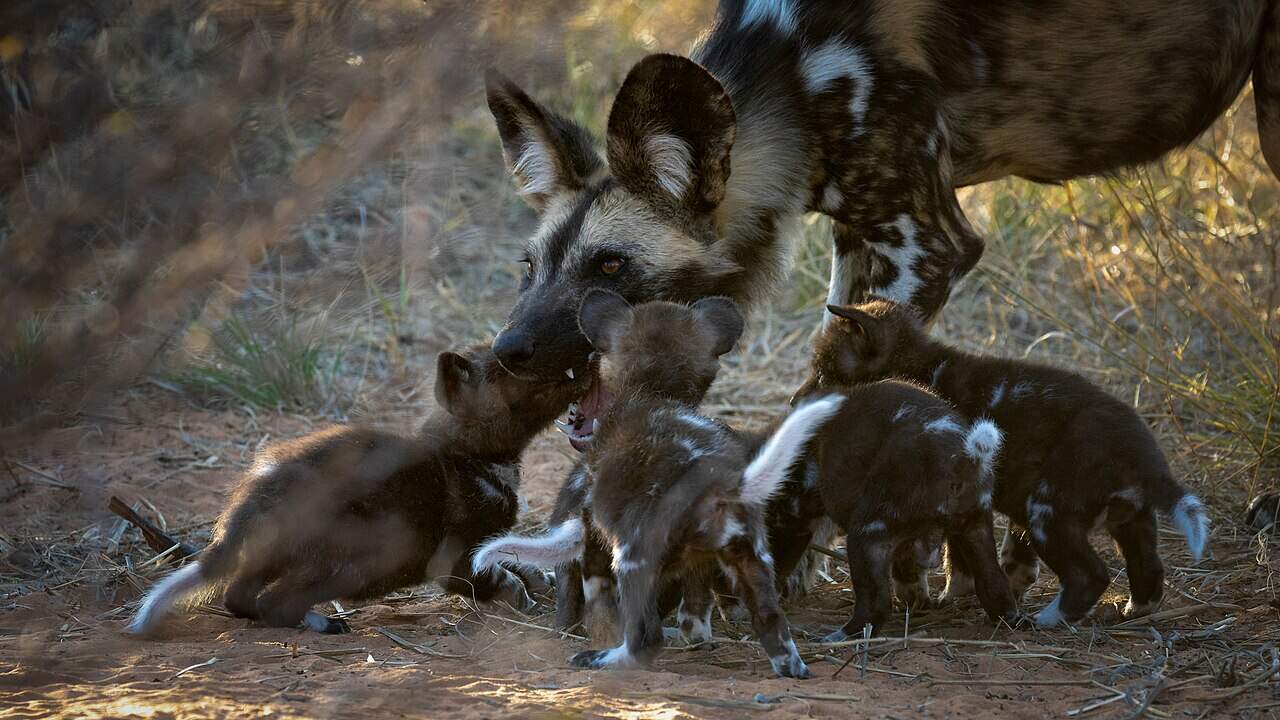
African wild dogs (Lycaon pictus) – also known as painted wolves for their distinctive mottled coat patterns – represent one of Africa’s most endangered large carnivores. With fewer than 6,600 individuals remaining in the wild, every population is precious. These highly social animals live in tight-knit packs led by an alpha pair, and their cooperative hunting techniques result in higher success rates than any other African predator, with up to 80% of hunts ending in a kill. Despite their remarkable hunting efficiency and complex social structures, wild dogs face numerous threats, including habitat fragmentation, human-wildlife conflict, poaching, and disease transmission from domestic dogs. Their plight is so severe that they’ve disappeared from 25 of the 39 countries they once roamed. Understanding the rarity and vulnerability of these magnificent animals makes spotting them in Kafue all the more magical – this isn’t just a wildlife sighting; it’s a privilege to witness a species fighting for survival.
Kafue’s Wild Dog Population: A Conservation Success Story
Kafue National Park stands as a beacon of hope in African wild dog conservation efforts. While exact numbers fluctuate due to the dynamic nature of pack formations and the challenges of monitoring such a vast area, researchers estimate that Kafue hosts between 100-150 wild dogs distributed among approximately 10-12 active packs. This represents one of the continent’s most significant and viable populations. The success of wild dogs in Kafue can be attributed to several factors: the park’s sheer size providing adequate territory for multiple packs, diverse prey populations, effective anti-poaching measures, and dedicated conservation programs. The Zambian Carnivore Programme, working alongside the Department of National Parks and Wildlife, has conducted extensive research and monitoring of Kafue’s wild dog population since 2005, helping to identify critical denning sites, track population trends, and implement protection strategies. Their work has been instrumental in transforming Kafue into what many wildlife experts now consider the premier destination for wild dog encounters in Africa.
Perfect Habitat: Why Kafue Suits Wild Dogs
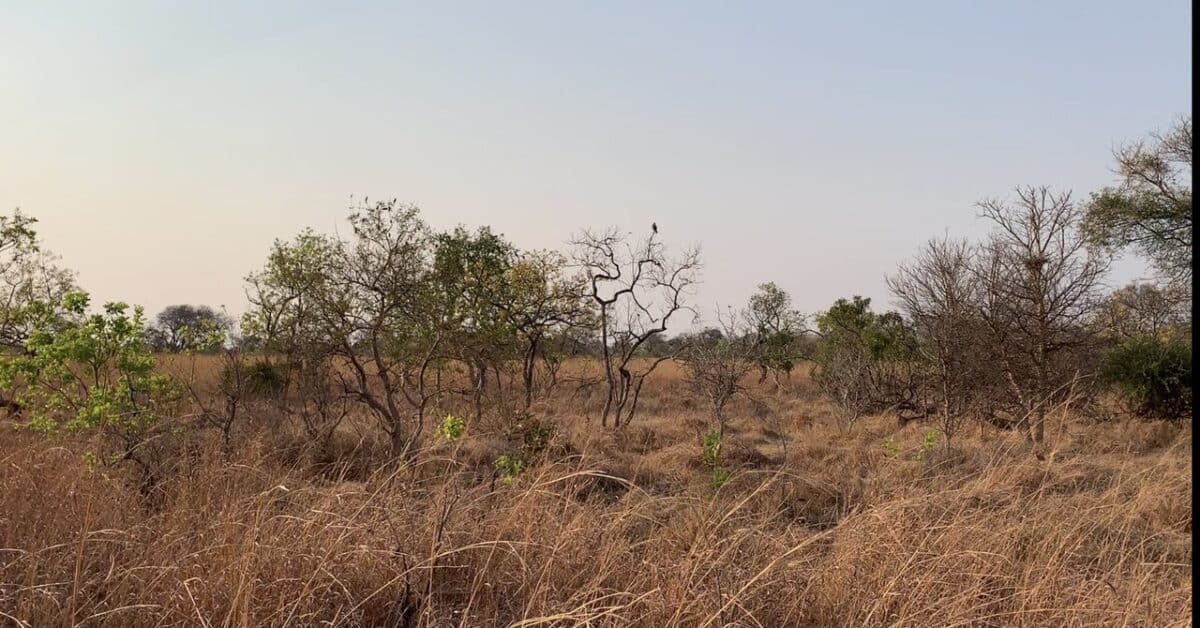
Kafue National Park provides the ideal ecological conditions for African wild dogs to thrive. The park’s landscape is characterized by a mosaic of habitats, from miombo woodlands and dense riverine forests to extensive open plains and seasonal floodplains known as dambos. This diversity creates the perfect environment for wild dogs, who prefer a mix of cover for denning and open areas for their spectacular high-speed chases. Unlike some predators that rely on ambush tactics, wild dogs are pursuit hunters that can maintain speeds of 40-45 mph over distances of several kilometers. Kafue’s extensive Busanga Plains and other open grasslands offer perfect hunting grounds where visitors can witness the dogs’ coordinated hunting strategy in action. Additionally, the park’s healthy populations of impala, puku, lechwe, and other medium-sized antelopes provide an abundant prey base that sustains multiple packs throughout the year. The seasonal variations in water availability, particularly around the Kafue River and its tributaries, create dynamic movement patterns that concentrate both predator and prey, further enhancing viewing opportunities.
Strategic Viewing: Best Times and Places for Wild Dog Sightings
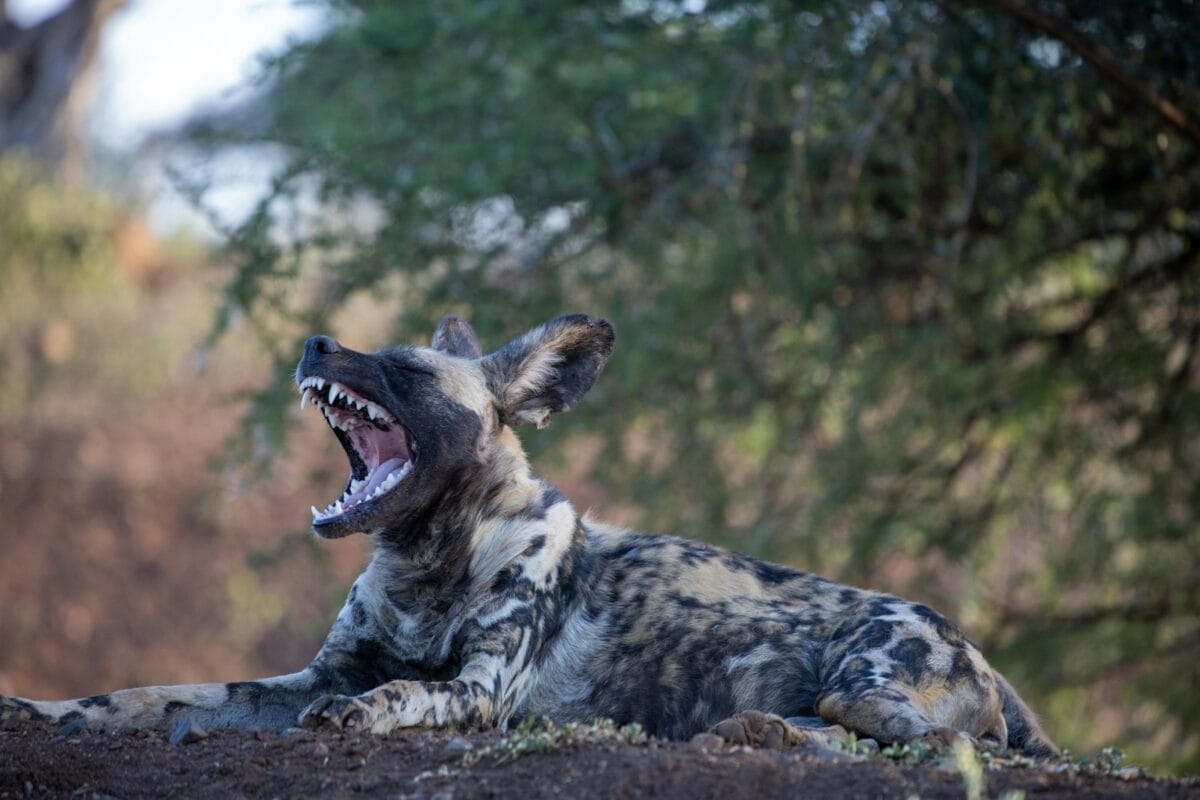
While wild dog sightings can never be guaranteed, Kafue offers some of the most consistent opportunities anywhere in Africa. The dry season, running from June to October, provides the highest probability of encounters as animals concentrate around remaining water sources and visibility improves with thinning vegetation. The denning season, typically occurring between June and August, offers particularly special viewing opportunities. During this period, packs become more sedentary as they raise their pups, often returning to the same area daily. The northern section of Kafue, particularly around the Busanga Plains, has historically delivered excellent wild dog sightings. Operators in this region, such as Wilderness Safaris’ Shumba and Busanga Bush Camp, report regular pack encounters. In the central and southern sections, the areas around Kafue River and Lufupa River junction have also proven productive. Kafue’s relatively low tourism density means that when wild dogs are spotted, you’re unlikely to share the experience with multiple vehicles – a stark contrast to more commercialized safari destinations where sightings can attract dozens of vehicles.
The Kafue Wild Dog Experience: What Makes It Unique

Witnessing wild dogs in Kafue offers a fundamentally different experience compared to other African parks. The combination of vast landscapes, relatively few visitors, and healthy dog populations creates opportunities to observe authentic natural behaviors rarely seen elsewhere. In many parks, wild dog sightings are fleeting glimpses or distant views, but Kafue frequently delivers extended encounters where entire hunting sequences, social interactions, and pack dynamics can be observed. The park’s open terrain means visitors can follow at a respectful distance as packs move through their territory or engage in hunts. Equally special are the denning site experiences, where patience is rewarded with intimate glimpses of pack life – adults returning from hunts to regurgitate food for waiting pups, playful interactions between pack members, and the fascinating social dynamics that make these animals so captivating. Adding to the experience is the knowledge shared by Kafue’s expert guides, many of whom have developed deep relationships with specific packs over years of observation, allowing them to interpret behaviors and predict movements in ways that dramatically enhance visitor understanding.
Conservation Initiatives: Protecting Kafue’s Wild Dogs
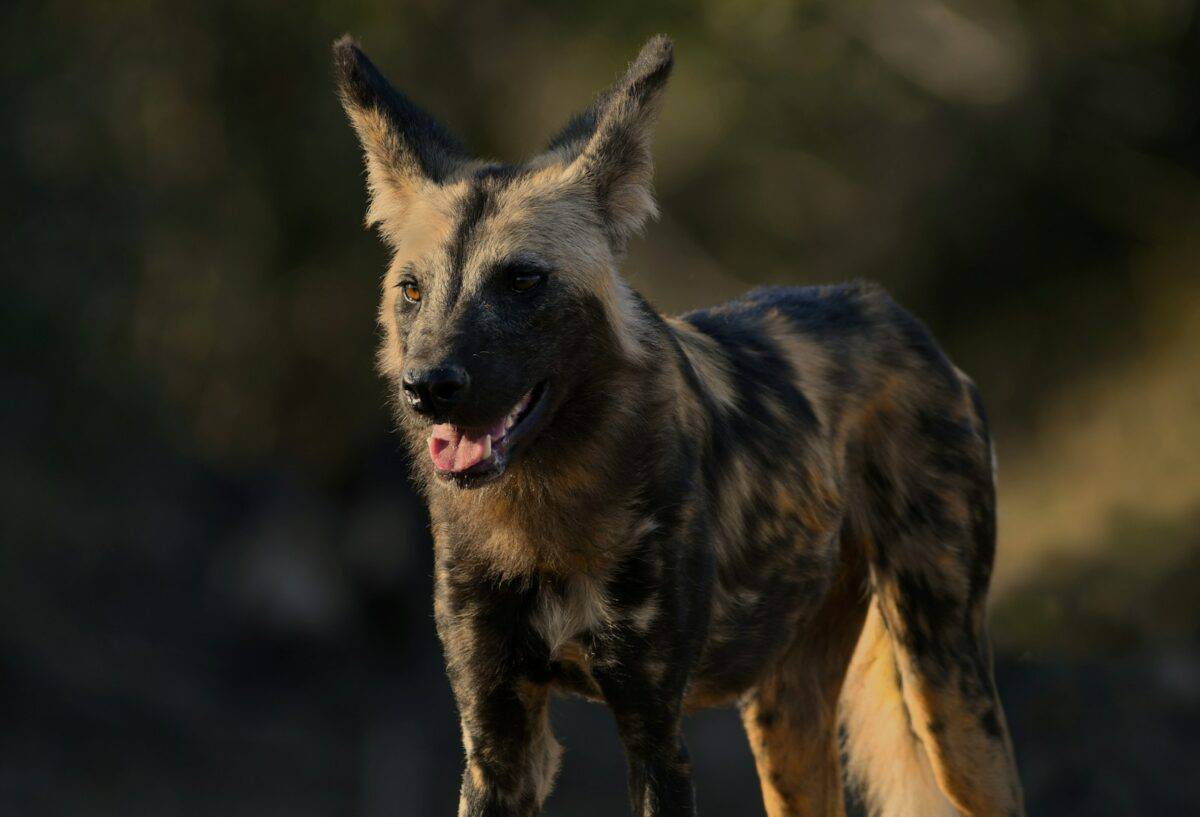
The prominence of Kafue as a wild dog haven didn’t happen by accident – it represents decades of dedicated conservation work by multiple organizations. The Zambian Carnivore Programme (ZCP) has spearheaded efforts to monitor and protect the park’s predator populations since the early 2000s. Their work includes fitting select pack members with GPS collars to track movements, identify critical habitats, and rapidly respond to threats. This technology has proved invaluable in understanding how wild dogs utilize Kafue’s vast landscape and in identifying areas where they face the greatest risks. Complementing ZCP’s research, organizations like Panthera and the Department of National Parks and Wildlife have implemented anti-poaching measures that benefit all wildlife, including wild dogs. Tourism itself plays a crucial conservation role, with many lodges directly supporting monitoring efforts and providing employment alternatives to local communities who might otherwise turn to poaching. Visitors to Kafue can often engage directly with conservation initiatives through presentations by researchers or by participating in citizen science projects that collect valuable observational data, creating a deeper connection between tourists and conservation efforts.
Beyond Wild Dogs: Kafue’s Extraordinary Biodiversity
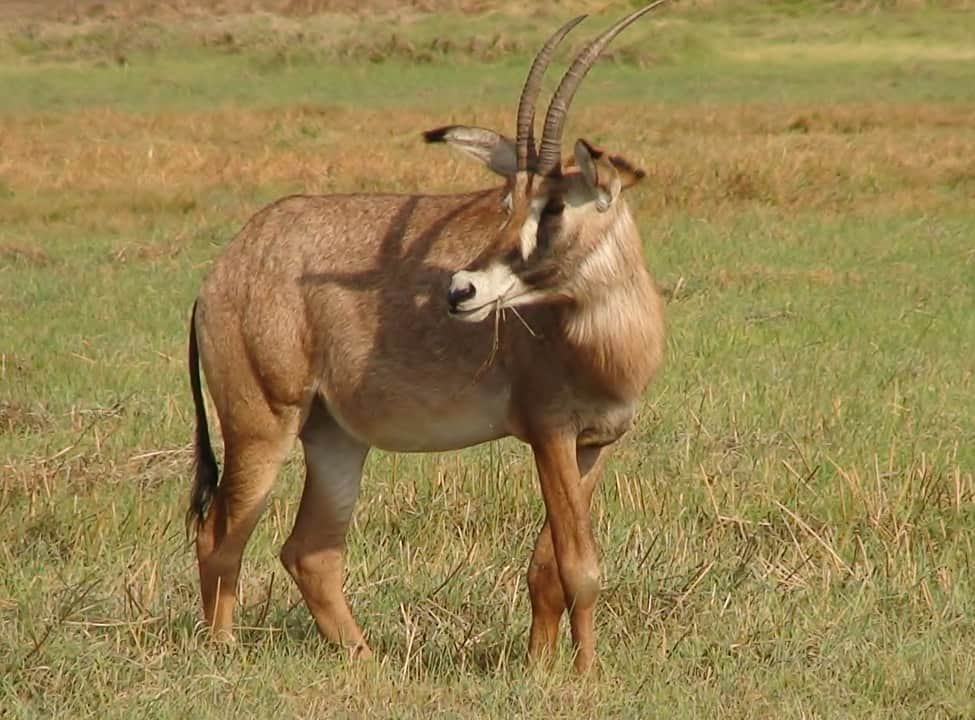
While wild dogs may be the star attraction for many visitors, Kafue’s ecological significance extends far beyond a single species. The park hosts an astonishing array of wildlife, including 158 mammal species – more than any other national park in Africa. All three big cats are present, with lions particularly prevalent in the northern Busanga Plains and leopards commonly sighted along the riverine forests. Cheetahs, though less numerous, find favorable hunting conditions in Kafue’s open grasslands. The park is also home to 21 antelope species, from tiny duikers to massive elands, including specialities like roan, sable, and the endemic Kafue lechwe. For bird enthusiasts, Kafue is nothing short of paradise, with over 500 recorded species, including rarities like the wattled crane, Pel’s fishing owl, and African finfoot. This extraordinary biodiversity means that while searching for wild dogs, visitors continually encounter other remarkable wildlife, creating a safari experience of unparalleled richness and variety. Unlike parks that have become famous for a single species or attraction, Kafue delivers a comprehensive wilderness experience that reveals new treasures with each game drive.
Accommodations and Access: Planning Your Wild Dog Safari
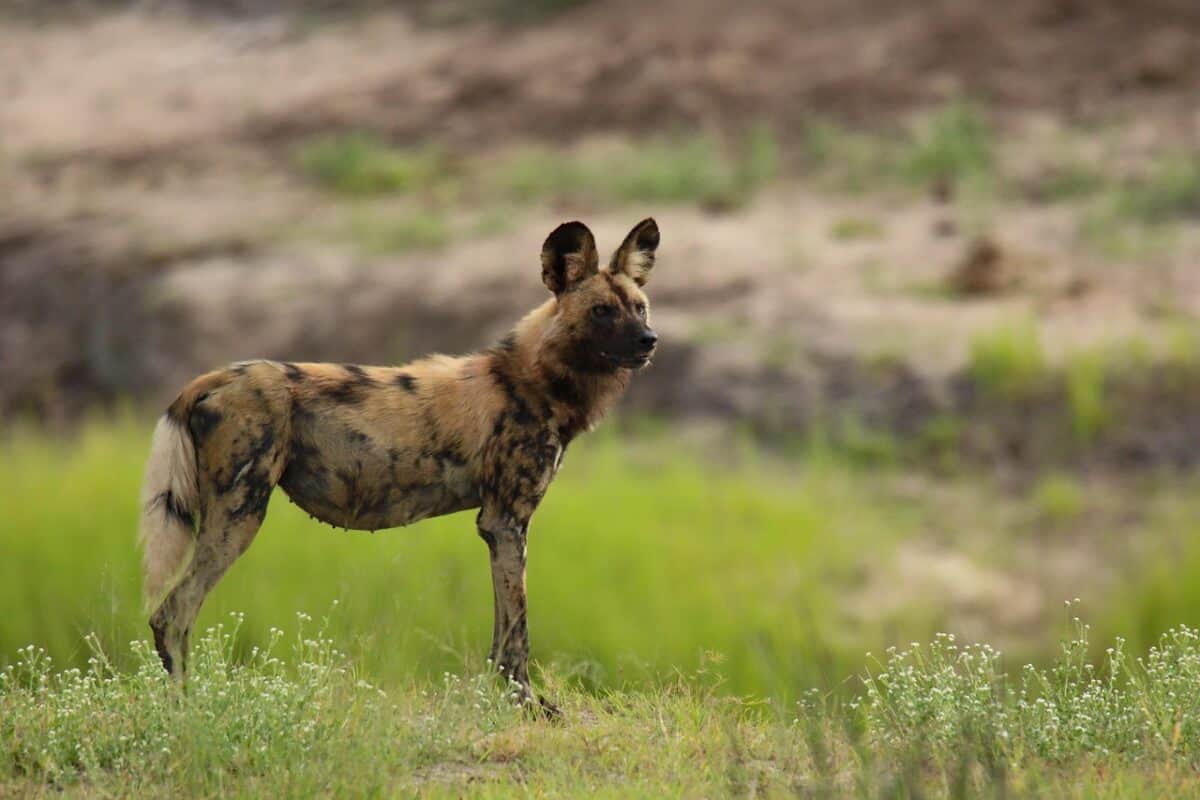
Kafue offers a range of accommodation options catering to different budgets and preferences, though all share a commitment to low-impact tourism that preserves the park’s wilderness character. The northern section features several luxury options, including Wilderness Safaris’ Shumba Camp and Busanga Bush Camp, both known for exceptional wild dog sightings on the surrounding plains. In the central region, Mukambi Safari Lodge offers comfortable access to diverse habitats along the Kafue River, with their Fig Tree Bush Camp providing a more immersive experience. The southern section, while less developed, features gems like Konkamoya Lodge and Kaingu Safari Lodge, where wildlife viewing combines with spectacular scenery. Most lodges offer both driving and walking safaris, with the latter providing fascinating opportunities to track wild dogs and observe the landscape from their perspective. Accessing Kafue has become increasingly straightforward, with scheduled flights connecting Lusaka to various airstrips within the park. Alternatively, self-driving is possible, with the drive from Lusaka taking approximately 4-6 hours depending on your destination within the park. Most lodges recommend stays of at least 3-4 nights to maximize wild dog sighting opportunities.
Wild Dog Behavior: What You Might Witness in Kafue
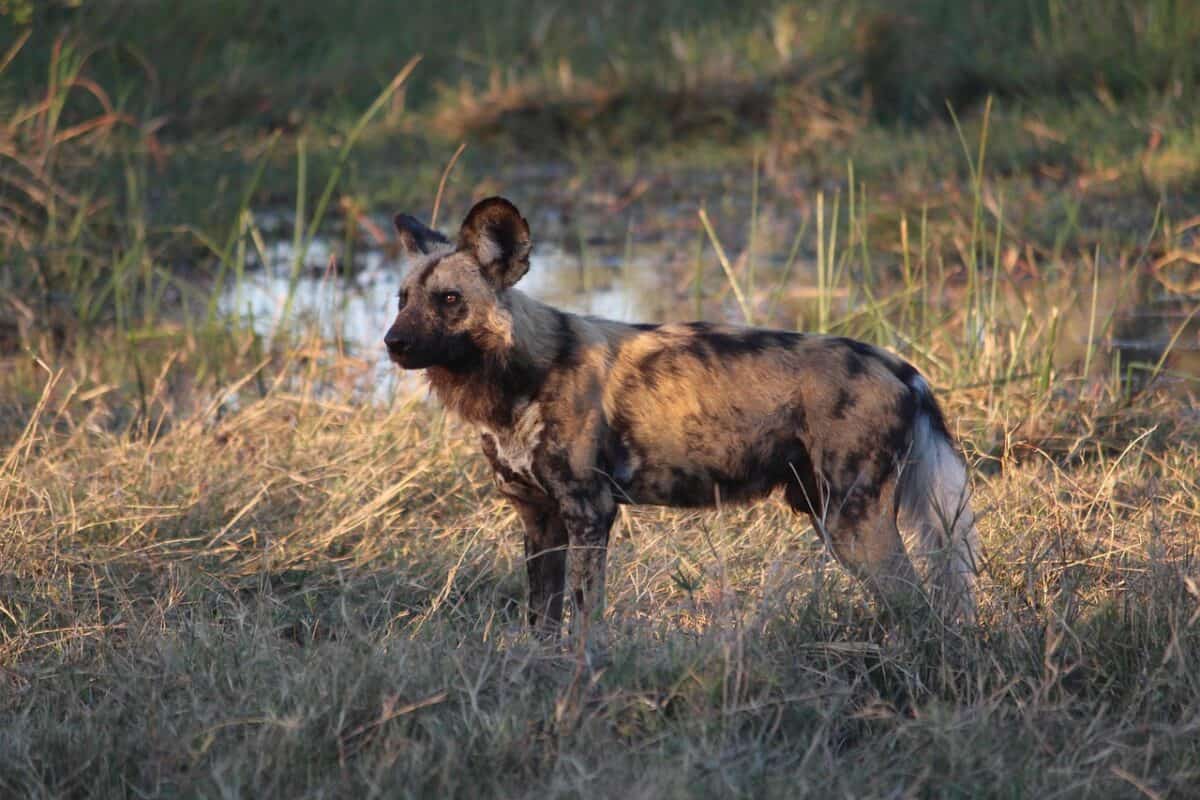
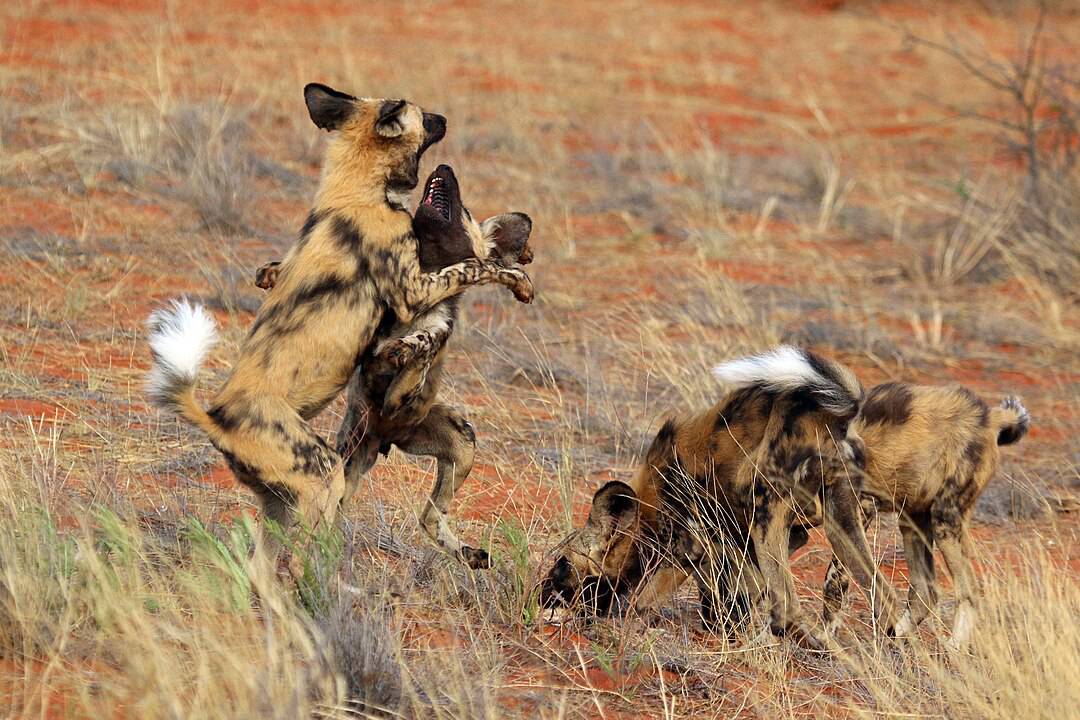
The relatively consistent wild dog sightings in Kafue provide extraordinary opportunities to observe the complex behaviors that make these animals so fascinating. Early morning game drives might encounter packs during their hunting hours, showcasing their remarkable coordination and strategy. Unlike the ambush techniques employed by cats, wild dogs hunt as a cohesive unit, taking turns pursuing prey to wear it down – a spectacle of endurance and teamwork rarely witnessed elsewhere. During midday rest periods, visitors can observe elaborate greeting ceremonies when pack members awaken – a charming ritual involving jumping, vocalizing, and face-licking that reinforces social bonds. One of the most privileged sightings occurs when packs return to denning sites with food for the alpha female and pups. The entire pack participates in pup-rearing, regurgitating meat for young ones and protecting them with fierce dedication. The hierarchy within packs becomes apparent through subtle interactions – from who eats first to who initiates hunts and greetings. These behavioral observations are not merely entertaining but provide windows into one of nature’s most successful social structures – a democratic system that prioritizes pack survival above individual dominance.
Photography Opportunities: Capturing Wild Dogs in Action

For wildlife photographers, Kafue presents unparalleled opportunities to capture compelling images of African wild dogs. The park’s open landscapes allow for clear sightings with minimal visual obstruction, while the relatively low visitor numbers mean photographers can position themselves optimally without competing with dozens of other vehicles. The quality of light, particularly during the golden hours of early morning and late afternoon, bathes the dogs’ intricately patterned coats in warm tones that highlight their unique markings – no two wild dogs share the same pattern, making each individual as distinctive as a human fingerprint. Action shots abound during hunting sequences, when the dogs’ athletic prowess and coordination create dramatic photographic moments. Equally compelling are the intimate pack interactions, from playful greetings to tender moments between adults and pups. Kafue’s varied landscapes – from misty floodplains to golden grasslands – provide diverse backdrops that add context and atmosphere to images. Many lodges employ guides specifically trained to anticipate animal behavior and position vehicles for optimal photography, while some offer specialized photography vehicles with swivel seats and camera supports. For photographers seeking the definitive wild dog portfolio, Kafue offers advantages few other destinations can match.
Comparing Kafue to Other Wild Dog Hotspots
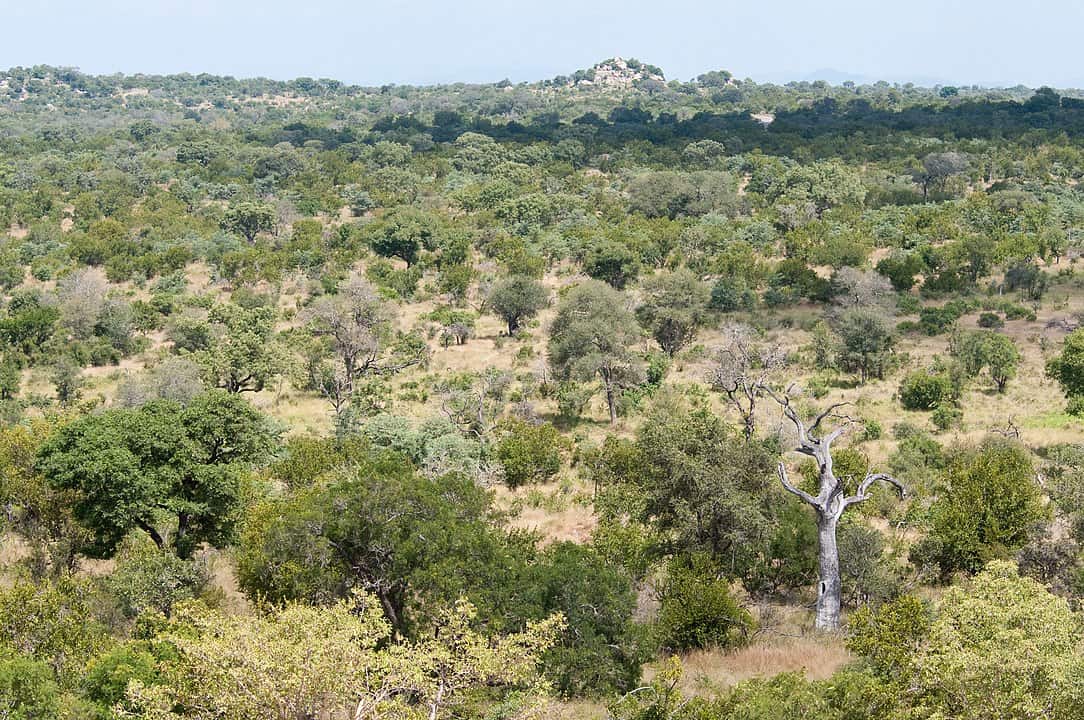
While several African parks host notable wild dog populations, specific factors elevate Kafue above its competitors for dedicated wild dog enthusiasts. South Africa’s Kruger National Park and adjacent private reserves certainly host wild dogs, but high visitor numbers often result in crowded sightings, and the dogs’ extensive territories within this fenced ecosystem make consistent viewing challenging. Tanzania’s Selous Game Reserve (now Nyerere National Park) historically offered excellent wild dog viewing, but recent population declines and increasing tourism pressure have diminished reliability. Zimbabwe’s Mana Pools provides spectacular opportunities when dogs are present, with walking safaris allowing close encounters, but sightings tend to be highly seasonal and unpredictable. Botswana’s Moremi Game Reserve, particularly the Khwai region, delivers consistent wild dog viewing but suffers from high vehicle density during peak season. What sets Kafue apart is the combination of healthy pack numbers, vast landscapes with ideal viewing conditions, low tourism density, and year-round presence (though denning season remains optimal). Additionally, Kafue’s wild dog population appears to be stable or increasing, while some other destinations have experienced concerning declines. For the dedicated wild dog enthusiast seeking quality, ethical encounters, Kafue simply offers advantages that no single competing destination can match.
Kafue National Park stands as Africa’s premier destination for encountering African wild dogs, offering a rare combination of factors that create exceptional viewing opportunities for one of the continent’s most endangered and fascinating predators. The park’s thriving wild dog population, estimated between 100-150 individuals across multiple packs, represents one of the most significant remaining strongholds for a species facing serious threats throughout its range. Kafue’s varied landscape – with its perfect mix of open plains for hunting and secluded woodlands for denning – provides ideal habitat conditions that allow visitors to witness the full spectrum of wild dog behaviors, from spectacular cooperative hunts to intimate pack interactions. The relatively undiscovered nature of Kafue means that these extraordinary encounters typically occur without the crowds that characterize more popular safari destinations, creating authentic wildlife experiences that feel like genuine discoveries rather than staged tourist attractions. For wildlife enthusiasts, conservationists, photographers, or anyone seeking to witness one of Africa’s most charismatic and threatened species in its element, Kafue National Park truly deserves its crown as the finest place on Earth to experience the magic of African wild dogs.

- How Animals Learn From Their Elders in the Wild - July 26, 2026
- Do Pets Really Dream? Science Explains - July 26, 2026
- How Bees Keep Ecosystems Alive — And What Happens if They Disappear - July 26, 2026