


In the shadows of human conflict, a different kind of battle rages—one fought by dedicated rangers who stand as the last line of defense for wildlife caught in war zones. These environmental guardians navigate dangers far beyond those faced by their counterparts in peaceful regions, combining conservation expertise with conflict-zone survival skills. Operating in areas where governance has collapsed, conservation rangers protect endangered species from becoming casualties of war or targets for illegal wildlife trade that often flourishes in these unstable regions. Their work spans from the gorilla habitats in the Democratic Republic of Congo to elephant ranges in South Sudan and tiger territories in Myanmar. This article explores the extraordinary challenges these conservation heroes face and their innovative approaches to wildlife protection amidst some of humanity’s most devastating conflicts.
The Dual Threat of Armed Conflict to Wildlife
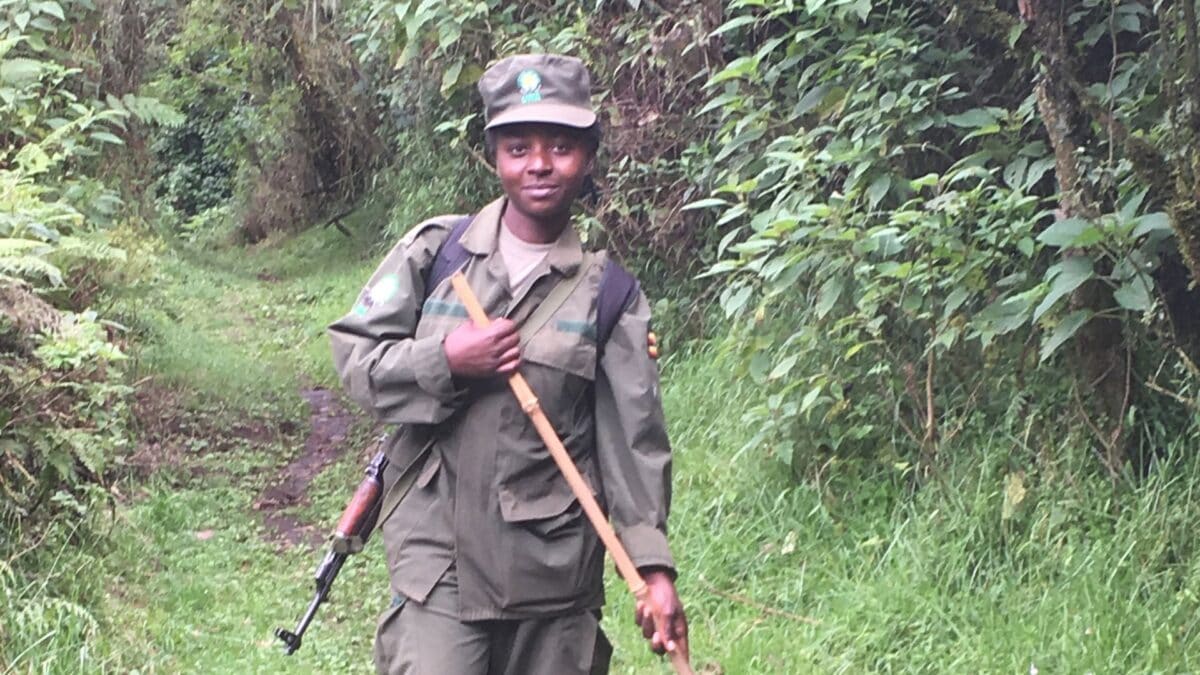
Armed conflicts create a dangerous dual threat to wildlife populations. First, the chaos of war often leads to a governance vacuum where poaching and illegal wildlife trafficking flourish unchecked. Second, habitat destruction accelerates as displaced populations seek resources, military operations damage ecosystems, and environmental regulations collapse. Research published in Nature has documented that more than 80% of major armed conflicts between 1950 and 2000 occurred within global biodiversity hotspots, placing some of Earth’s most valuable ecosystems directly in harm’s way. In recent conflicts, wildlife populations have declined by an average of 40-60% in affected regions, with some endangered species facing near-extinction in conflict zones. Rangers in these areas must address not only traditional conservation challenges but also the compounding effects of societal breakdown and militarization.
Rangers Without Borders: Who Are Conflict-Zone Wildlife Protectors?
Conservation rangers in conflict zones come from diverse backgrounds but share remarkable dedication. Many are local conservationists who choose to remain in their communities despite escalating dangers. Others include international conservation professionals who specialize in high-risk environments, often with military or security backgrounds. Organizations like the International Anti-Poaching Foundation and African Parks recruit and train rangers specifically for conflict-affected protected areas. These individuals typically receive specialized training beyond standard ranger protocols, including conflict de-escalation, first aid for gunshot wounds, and negotiation skills for dealing with armed groups. What unites them is an unwavering commitment to wildlife protection under extraordinary circumstances. They frequently operate with minimal support, sometimes going months without salaries during political upheaval, yet continue their patrols driven by deep personal commitment to the animals and ecosystems they protect.
Virunga’s Guardians: Conservation Success Against All Odds
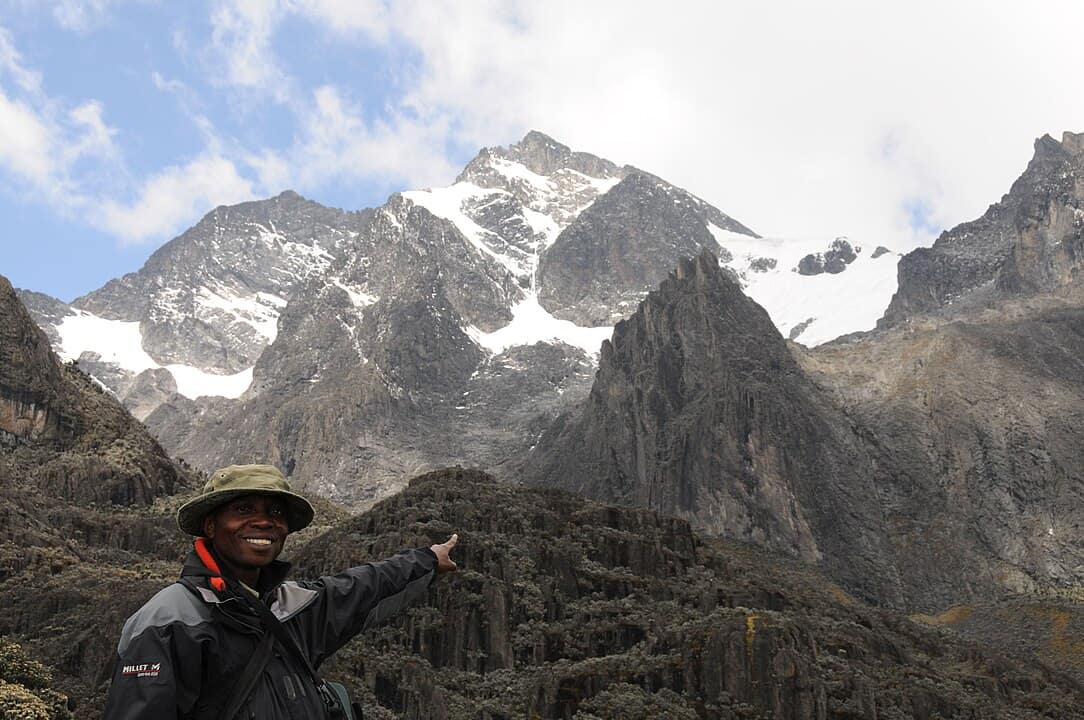
Perhaps no conservation effort better exemplifies ranger courage in conflict zones than Virunga National Park in the Democratic Republic of Congo. Since 1994, over 200 rangers have lost their lives protecting this UNESCO World Heritage site and its endangered mountain gorillas amid persistent armed conflicts. Despite these losses, Virunga’s rangers have achieved remarkable conservation successes. When civil war erupted in 1996, the mountain gorilla population stood at just 650 individuals worldwide. Today, despite constant threats, that number has grown to over 1,000—the only great ape species increasing in population. Rangers maintain daily monitoring of gorilla families even in active conflict zones, sometimes negotiating directly with rebel groups to establish wildlife protection agreements. Their work extends beyond anti-poaching to include intelligence gathering, community engagement, and sustainable development initiatives that provide alternatives to poaching and militia recruitment. Virunga’s ranger force now includes over 700 highly-trained individuals, including growing numbers of female rangers who have proven especially effective at community engagement and intelligence gathering.
The Militarization of Conservation: Ethical Dilemmas and Practical Realities

The increasingly militarized approach to wildlife protection in conflict zones presents complex ethical dilemmas. As poachers and wildlife traffickers adopt military-grade weapons and tactics, rangers have responded with more robust security approaches, including armed patrols, tactical training, and sometimes coordination with military forces. Organizations like African Parks now employ former special forces operators to train rangers in counter-poaching tactics. This “green militarization” has proven effective in deterring poachers but raises questions about the appropriate use of force in conservation. Critics argue militarization can harm relationships with local communities and potentially contribute to human rights concerns. Proponents counter that in regions where poachers routinely kill both wildlife and rangers, robust security measures represent the only viable protection strategy. The reality on the ground often necessitates a balanced approach where rangers maintain defensive capabilities while emphasizing community engagement and non-violent intervention whenever possible. Leading conservation organizations now implement strict human rights protocols and ethics training alongside tactical preparation.
Technology on the Frontlines: New Tools for High-Risk Conservation
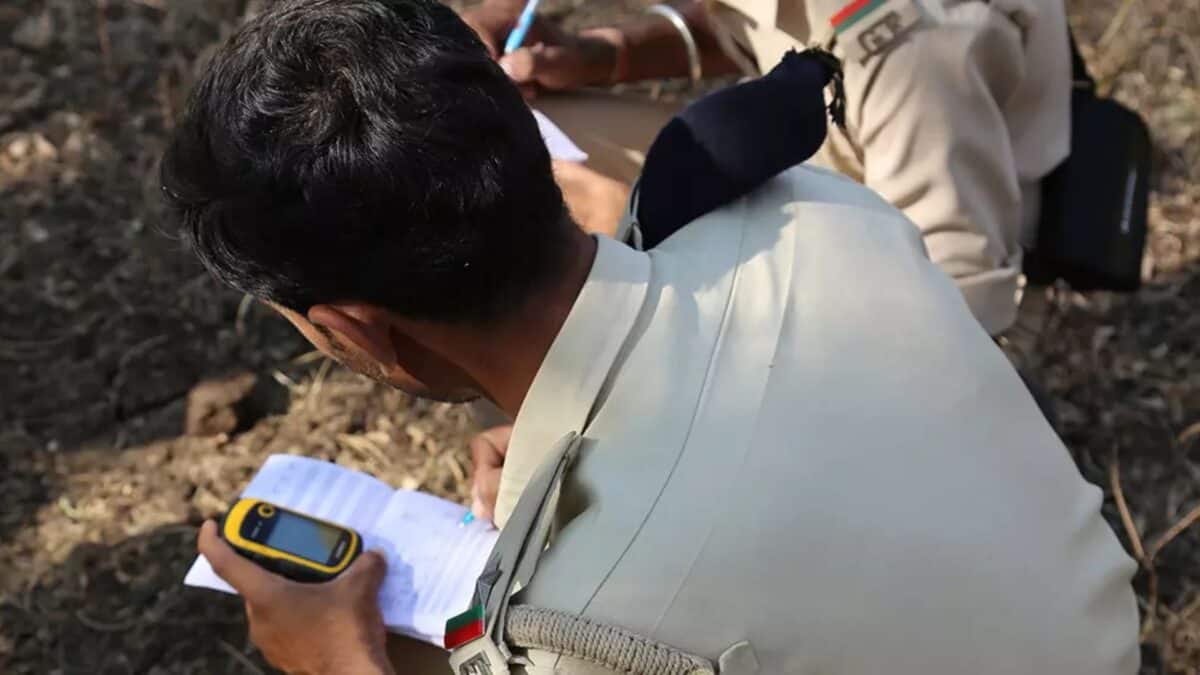
Technology has become a crucial force-multiplier for rangers working in conflict zones with limited personnel and resources. Satellite monitoring allows rangers to track habitat changes and potential poaching activities remotely, reducing exposure to high-risk areas. Organizations like SMART (Spatial Monitoring and Reporting Tool) provide specially-designed software that helps ranger teams collect, analyze and communicate patrol data even in low-connectivity environments. In Garamba National Park in the DRC, rangers deploy acoustic gunshot detection systems that immediately alert patrol bases to poaching activity. Thermal drones enable night monitoring without revealing ranger positions. Perhaps most important in conflict settings is communications technology—secure radio networks and encrypted messaging systems that help ranger teams coordinate safely in dangerous territory. The African Parks network has pioneered many of these technological innovations, creating systems specifically designed for low-resource, high-threat environments. While technology cannot replace boots on the ground, it significantly enhances ranger effectiveness and safety in conflict zones.
Community Alliances: The Most Powerful Conservation Tool
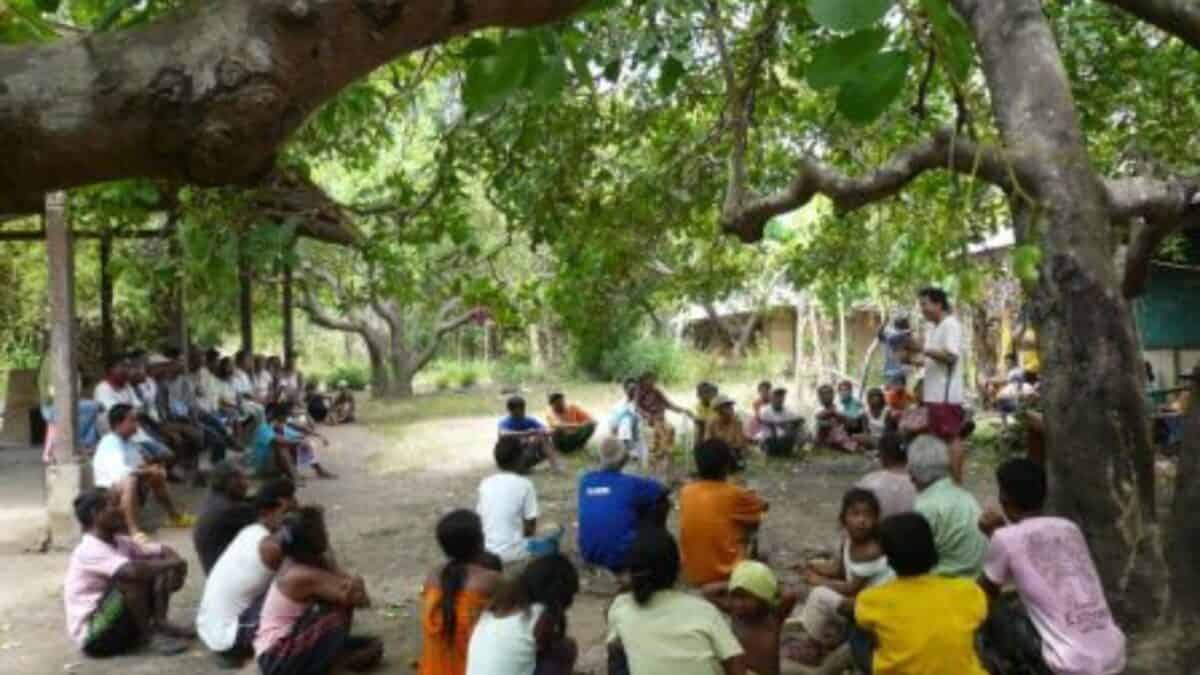
Despite the attention given to armed protection and technology, rangers in conflict zones consistently identify community support as their most critical asset. When local populations view wildlife as valuable and rangers as allies, conservation becomes significantly more effective. Progressive ranger programs devote substantial resources to community engagement, including developing revenue-sharing from conservation activities, creating wildlife-friendly livelihood opportunities, and involving community members in protection efforts. In South Sudan’s conflict-affected Boma National Park, the establishment of a community wildlife guard program reduced poaching by over 30% as local pastoralists became invested in protecting migration routes shared by both their cattle and endangered white-eared kob antelope. In Afghanistan’s Wakhan Corridor, the creation of community-managed protected areas for snow leopards has preserved critical habitat despite surrounding conflicts. These approaches recognize that sustainable conservation cannot be imposed through force alone—it requires addressing human needs and building local partnerships that can withstand the pressures of conflict.
The Gender Dimension: Women Rangers Changing Conservation
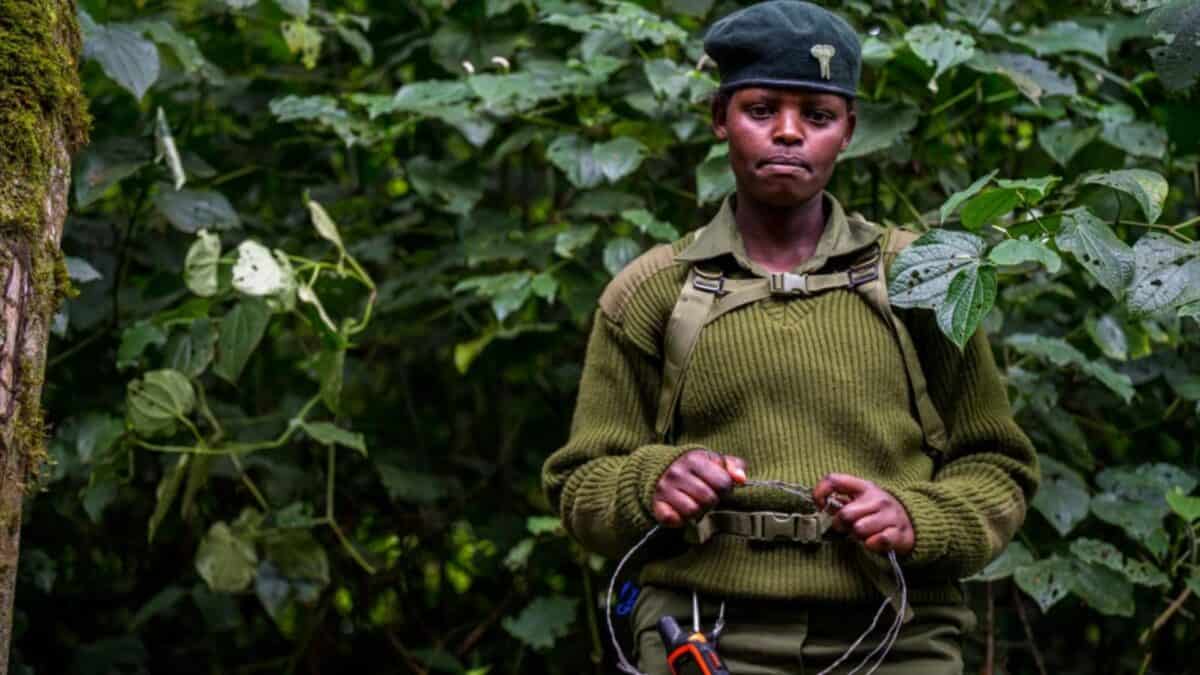
Female rangers are increasingly becoming vital assets in conflict-zone conservation efforts, bringing unique advantages to wildlife protection work. Organizations like Zimbabwe’s Akashinga program (“The Brave Ones”) specifically recruit women from marginalized communities, many directly affected by conflict, to serve as rangers. These all-female units have demonstrated exceptional effectiveness, particularly in intelligence gathering and community engagement. Women rangers often establish stronger information networks within communities, gaining access to social spaces where poaching activities are discussed but male rangers would be excluded. In areas where armed conflicts have left many female-headed households, women rangers serve as powerful role models and economic leaders. Research from conflict-affected protected areas in the Democratic Republic of Congo shows that teams with female rangers have, on average, 35% better community cooperation rates and intelligence collection success. Despite facing additional challenges, including cultural barriers and family responsibilities, women rangers now constitute growing percentages of ranger forces in conflict-affected protected areas across Africa and Asia, bringing new approaches and perspectives to conservation in these challenging environments.
Health and Psychological Challenges Beyond the Obvious Dangers
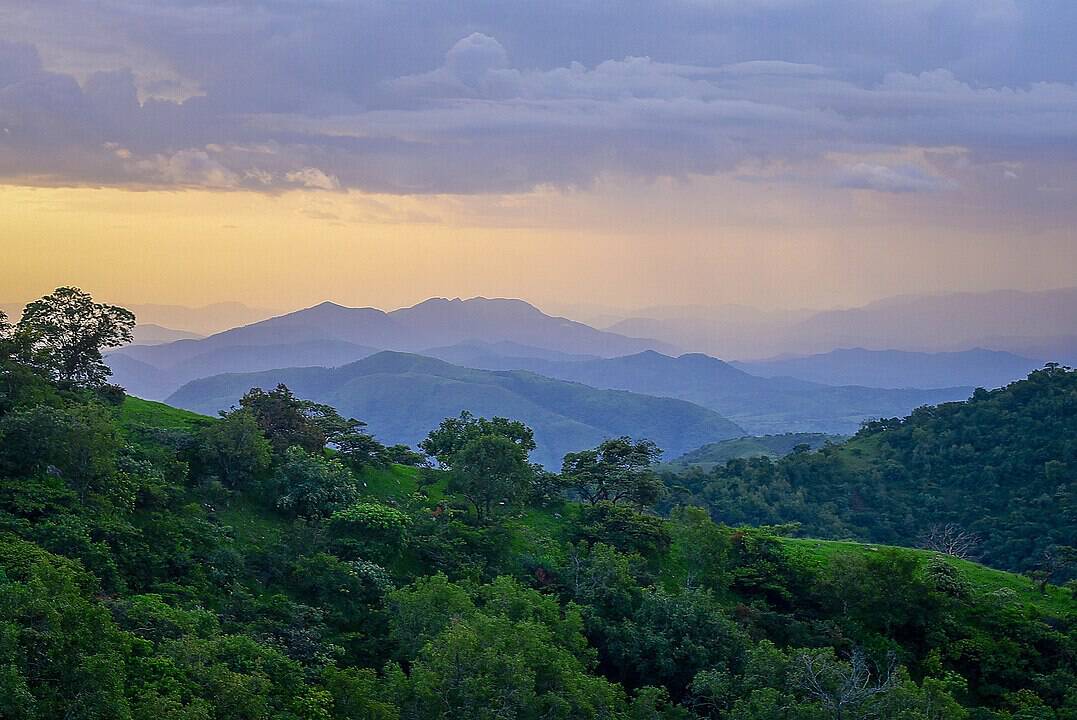
The physical dangers faced by rangers in conflict zones—from armed poachers, militia groups, and the conflicts themselves—are well documented, but less attention has been paid to the severe health and psychological challenges they endure. Rangers frequently operate in regions with endemic diseases like malaria, work for extended periods in remote locations without access to medical care, and face severe psychological stress. Studies conducted by the Thin Green Line Foundation found that rangers in conflict zones show rates of PTSD comparable to frontline combat veterans, with over 60% reporting symptoms of trauma-related disorders. The constant strain of operating in high-threat environments while witnessing wildlife slaughter and habitat destruction creates profound psychological burdens. Progressive conservation organizations now recognize these challenges and are developing specialized mental health support programs for rangers, including peer support networks, rotation schedules to limit exposure to high-stress environments, and cultural approaches to healing that respect local traditions. These efforts acknowledge that ranger welfare is both a moral obligation and essential for effective conservation.
When Conservation Becomes Peacebuilding: Environmental Diplomacy
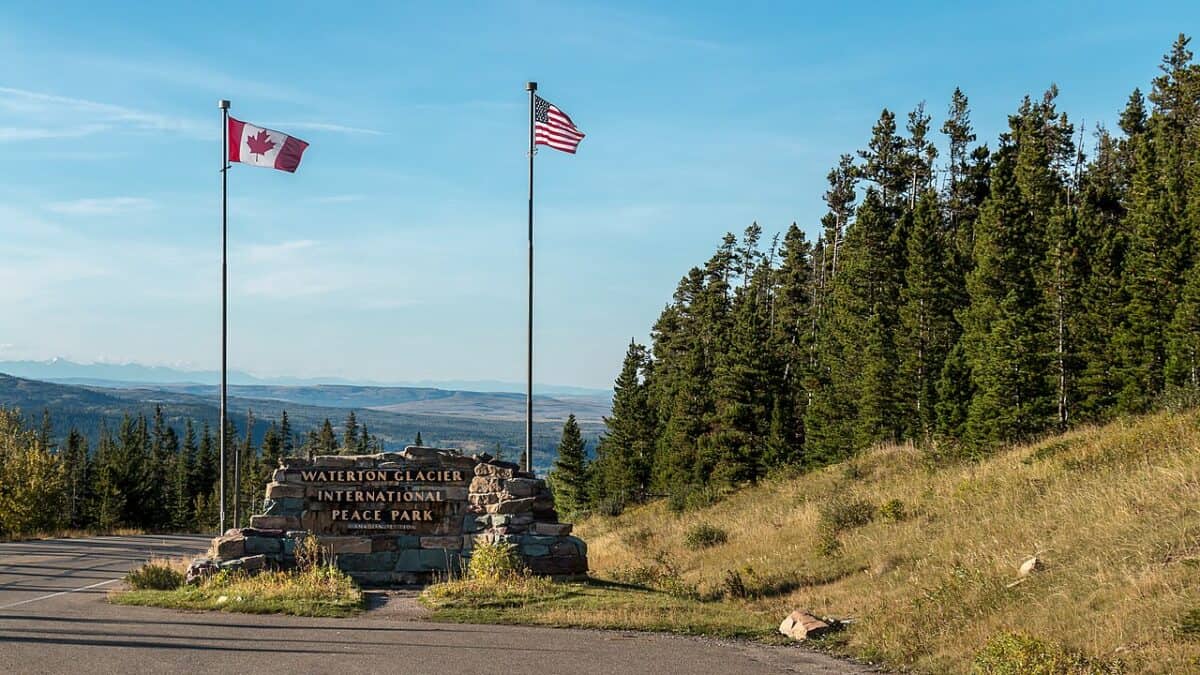
In remarkable cases, wildlife protection efforts have transcended their immediate conservation goals to become vehicles for broader peacebuilding. The concept of Peace Parks or Transfrontier Conservation Areas specifically leverages conservation as a diplomatic tool across political boundaries. The Kavango-Zambezi Transfrontier Conservation Area spans territories in Angola, Botswana, Namibia, Zambia, and Zimbabwe—regions that have experienced various conflicts—creating shared governance mechanisms that foster cooperation beyond wildlife protection. In the Golan Heights, the tracking and protection of wolves and gazelles has created rare opportunities for Israeli and Syrian conservation professionals to communicate despite broader political tensions. These environmental diplomacy efforts recognize that wildlife often ignores human boundaries, creating natural opportunities for cooperation. Rangers involved in these initiatives find themselves serving as de facto diplomats, establishing relationships that sometimes evolve into broader conflict resolution mechanisms. Conservation organizations increasingly recognize this potential and now explicitly design programs in conflict zones with peacebuilding components, creating conservation approaches that simultaneously protect wildlife and contribute to human security.
Legal Frameworks: Protecting Wildlife When Laws Collapse
Conflict zones typically experience a collapse in governance and legal enforcement that creates particular challenges for wildlife protection. Rangers must navigate complex questions about their authority and jurisdiction when state power fragments or competing authorities emerge. International frameworks like CITES (Convention on International Trade in Endangered Species) theoretically remain in effect during conflicts, but implementation becomes problematic without functioning government agencies. Progressive approaches include developing memoranda of understanding with all parties to a conflict, establishing wildlife protection as a neutral, humanitarian concern. In Somalia, conservation organizations negotiated agreements with clan authorities to maintain anti-poaching efforts when central government authority disappeared. The International Committee of the Red Cross has expanded its traditional scope to address environmental protection in conflict zones, recognizing the humanitarian implications of environmental collapse. Rangers increasingly document wildlife crimes using internationally admissible evidence collection standards, preserving the possibility of prosecutions when functioning legal systems return. These adaptations represent crucial innovations in maintaining environmental governance when conventional legal structures fail.
Resource Challenges: Funding Conservation Amid Humanitarian Crises
Securing resources for wildlife protection presents unique challenges when conflicts create competing humanitarian priorities. Conservation organizations operating in conflict zones report consistent difficulties maintaining donor support when media attention focuses on human suffering. Yet the interconnections between environmental protection and human welfare are particularly evident in these settings, where ecosystem collapse often contributes to food insecurity and displacement. Innovative funding approaches have emerged to address these challenges, including dedicated conflict-zone conservation funds like the Rapid Response Facility that can quickly deploy resources when conflicts threaten protected areas. Some organizations have successfully integrated conservation with humanitarian programming, demonstrating how ranger employment provides crucial economic stability in conflict-affected communities. The Virunga Alliance model creates sustainable financing by developing hydroelectric power from park rivers, providing electricity to conflict-affected communities while generating revenue for conservation. These integrated approaches recognize that in conflict settings, effective conservation cannot be separated from human welfare and requires funding models that address both simultaneously.
Future Horizons: Climate Change, Conflict, and Conservation

Looking forward, the intersection of climate change with conflict presents daunting new challenges for rangers protecting wildlife in vulnerable regions. Climate security research consistently identifies environmental stress as both a conflict multiplier and a direct threat to wildlife. Rangers in the Sahel region already report how changing rainfall patterns have intensified resource competition between herders and farmers, creating new conflict dynamics that threaten protected areas. Rising temperatures in mountainous conflict zones push species toward higher elevations, often forcing wildlife into smaller, more vulnerable habitat fragments. Forward-thinking conservation organizations are developing climate adaptation strategies specifically designed for conflict settings, including identifying and protecting climate refugia—areas projected to maintain suitable conditions despite changing climate patterns. Ranger training increasingly incorporates climate monitoring and adaptive management approaches. These efforts acknowledge that future conservation in conflict zones will require unprecedented flexibility as ecosystems transform under the combined pressures of climate change and human conflict. Despite these challenges, rangers continue to demonstrate remarkable resilience and innovation in protecting wildlife under the most difficult circumstances imaginable.
The wildlife rangers operating in conflict zones represent conservation’s most dedicated yet often least recognized heroes, standing as the final barrier between endangered species and extinction in the world’s most volatile regions. Their work demonstrates how conservation resilience depends not only on policies and protections but on the extraordinary human commitment to wildlife even when surrounding social systems collapse. The innovative approaches they’ve developed—from community engagement and technology adoption to environmental peacebuilding—offer valuable lessons for conservation globally as environmental pressures intensify. As climate change and resource competition potentially increase global conflicts, the specialized knowledge developed by these frontline conservationists becomes increasingly relevant beyond current conflict zones. Their dedication reminds us that even amid humanity’s darkest moments, the commitment to protecting our shared natural heritage endures, offering a powerful form of hope in otherwise desperate circumstances.

- Top Places to See Beavers at Work in the Wild - July 19, 2026
- Cuddling for Warmth: How Meerkats Stay Cozy - July 18, 2026
- This U.S. Lake Is Mysteriously Disappearing—Here’s What Scientists Say - July 18, 2026