


Despite their gentle appearance and seemingly vulnerable stature, giraffes have survived for millions of years on the African savanna, a landscape teeming with formidable predators. Standing as the tallest land animals on Earth, reaching heights of up to 18 feet, giraffes have evolved remarkable defense mechanisms that often allow them to avoid physical confrontation altogether. While many might assume these majestic creatures would be easy targets for predators, giraffes employ a sophisticated array of non-combative defense strategies that have proven highly effective throughout their evolutionary journey. From their impressive height advantage to their remarkable sensory capabilities and complex social structures, these magnificent animals demonstrate that sometimes the best defense doesn’t involve fighting at all.
The Height Advantage

A giraffe’s most obvious defense mechanism is its extraordinary height. Adult giraffes typically stand between 14 and 18 feet tall, making them the tallest land animals on Earth. This exceptional stature provides them with a significant surveillance advantage, allowing them to spot approaching predators from great distances—often several miles away in open savanna conditions. Lions, hyenas, and other potential threats simply cannot approach undetected when giraffes are present, effectively serving as the savanna’s early warning system. This height advantage gives giraffes crucial extra time to prepare their escape or coordinate group defensive positions, demonstrating that sometimes the best defensive strategy is simply being able to see trouble coming from far away.
Exceptional Vision

Complementing their height advantage, giraffes possess remarkable vision that further enhances their defensive capabilities. With their eyes positioned on the sides of their head, giraffes enjoy an almost 360-degree panoramic view of their surroundings, with approximately 300 degrees of monocular vision and an overlap of about 20-30 degrees providing binocular vision in front. Their large, dark eyes contain specialized adaptations that allow them to detect movement at extreme distances, even in low-light conditions. Studies indicate that giraffes can spot movement up to two miles away on open plains. Additionally, giraffes possess excellent color vision, which helps them distinguish between harmless environmental movements and the distinctive movements of predators. This exceptional visual acuity means that giraffes rarely find themselves in situations where they need to physically defend themselves—they simply avoid dangerous encounters before they develop.
Powerful Kicks

When avoidance fails, giraffes possess one of the animal kingdom’s most formidable defensive weapons: their powerful kick. Though technically a last resort and potentially combative, a giraffe’s kick is primarily defensive rather than aggressive. A single forward kick from a giraffe’s front leg can deliver over 2,000 pounds of force—enough to decapitate a lion or fatally damage a predator’s skull. Their rear kicks can generate even more power. What makes this defense mechanism particularly effective is that giraffes can kick in almost any direction and with impressive accuracy. They can deliver these devastating blows without engaging in prolonged fighting—often a single kick is sufficient to discourage even the most determined predator. Lions and other predators typically learn to approach giraffes with extreme caution, demonstrating how this potential for defensive action serves as a passive deterrent that helps giraffes avoid actual confrontations.
Speed and Stamina
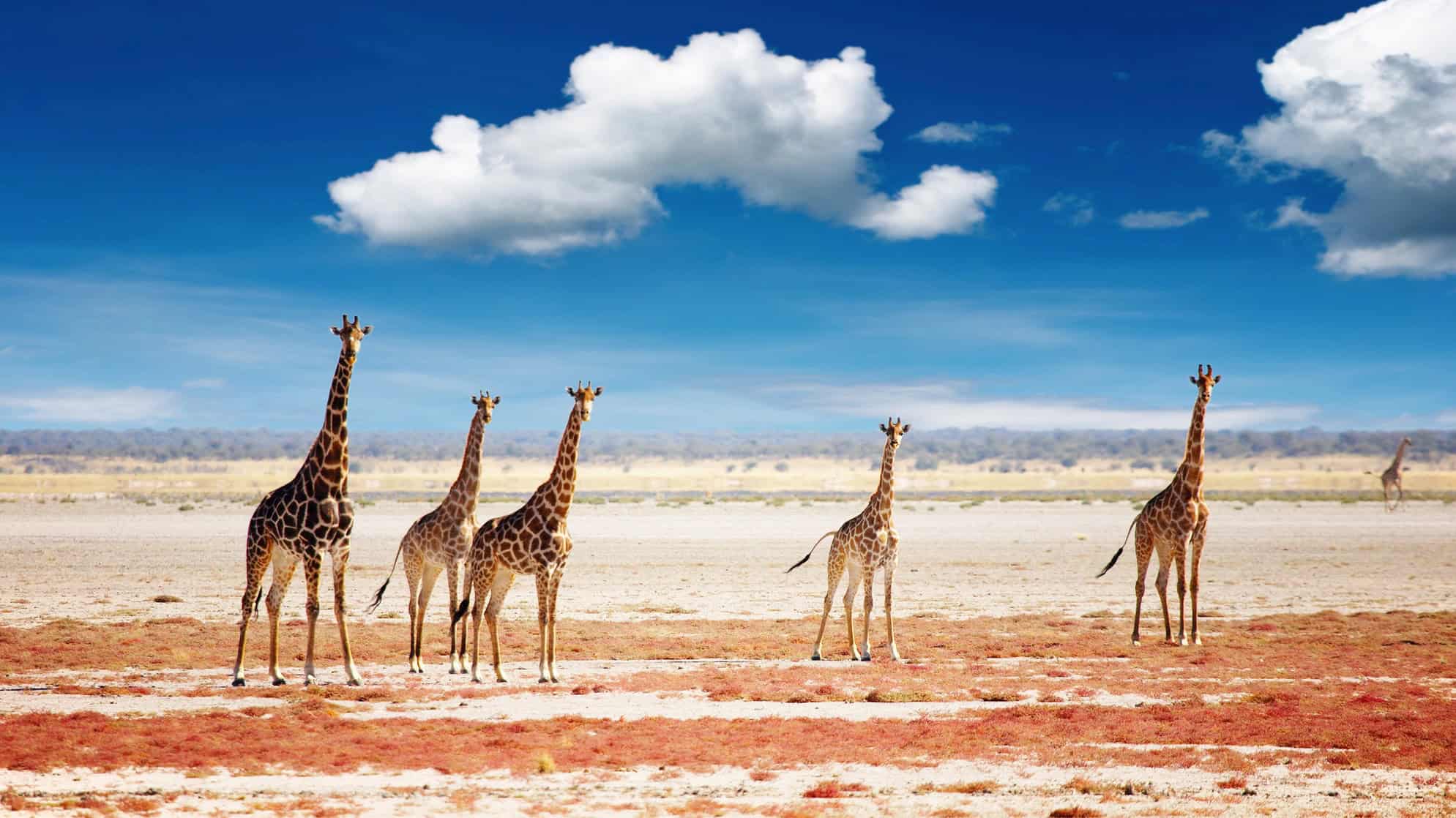
Giraffes possess surprising speed and remarkable endurance that serve as excellent defensive assets. Despite their ungainly appearance, these towering mammals can reach running speeds of up to 37 miles per hour (60 km/h) in short bursts, outpacing most predators during initial pursuit. More impressively, giraffes can maintain a steady pace of 10-15 miles per hour for extended periods, allowing them to put considerable distance between themselves and threats. Their unique running gait, where both legs on the same side move together in a distinctive “pacing” movement, enables efficient energy usage during prolonged flight. Adult giraffes can also alternate between walking and running for several hours when necessary, outlasting most predator pursuit capabilities. This combination of speed and stamina means that even when spotted by predators, giraffes often simply outrun threats rather than confronting them—a highly effective non-combative defense strategy that leverages their physiological advantages.
Safety in Numbers
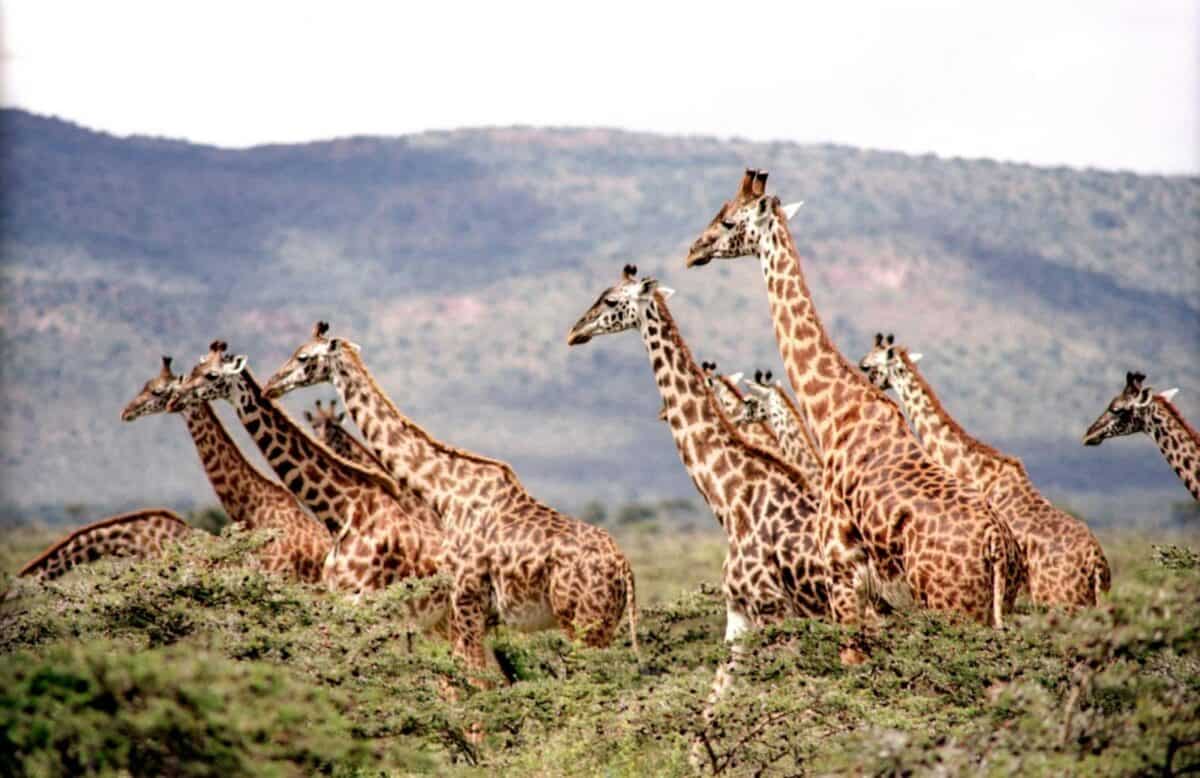
Giraffes employ sophisticated social strategies as a form of collective defense. While they don’t maintain permanent herds, giraffes gather in loose, flexible groups of 10-20 individuals that researchers call “towers” when stationary and “journeys” when moving. These social arrangements provide significant defensive advantages. With multiple sets of vigilant eyes scanning for threats from their elevated position, predator detection rates increase dramatically. Studies show that giraffes in groups demonstrate higher feeding efficiency since individuals take turns maintaining vigilance, allowing others to focus on eating. Particularly fascinating is their “kindergarten” system, where a few adult females remain with multiple calves while other adults feed elsewhere, taking turns in this protective duty. Research published in the African Journal of Ecology found that calf survival rates are significantly higher in groups that practice this rotational guarding system. These social defensive strategies allow giraffes to protect their most vulnerable members without direct confrontation, demonstrating that cooperation itself serves as an effective defensive mechanism.
Strategic Sleep Patterns
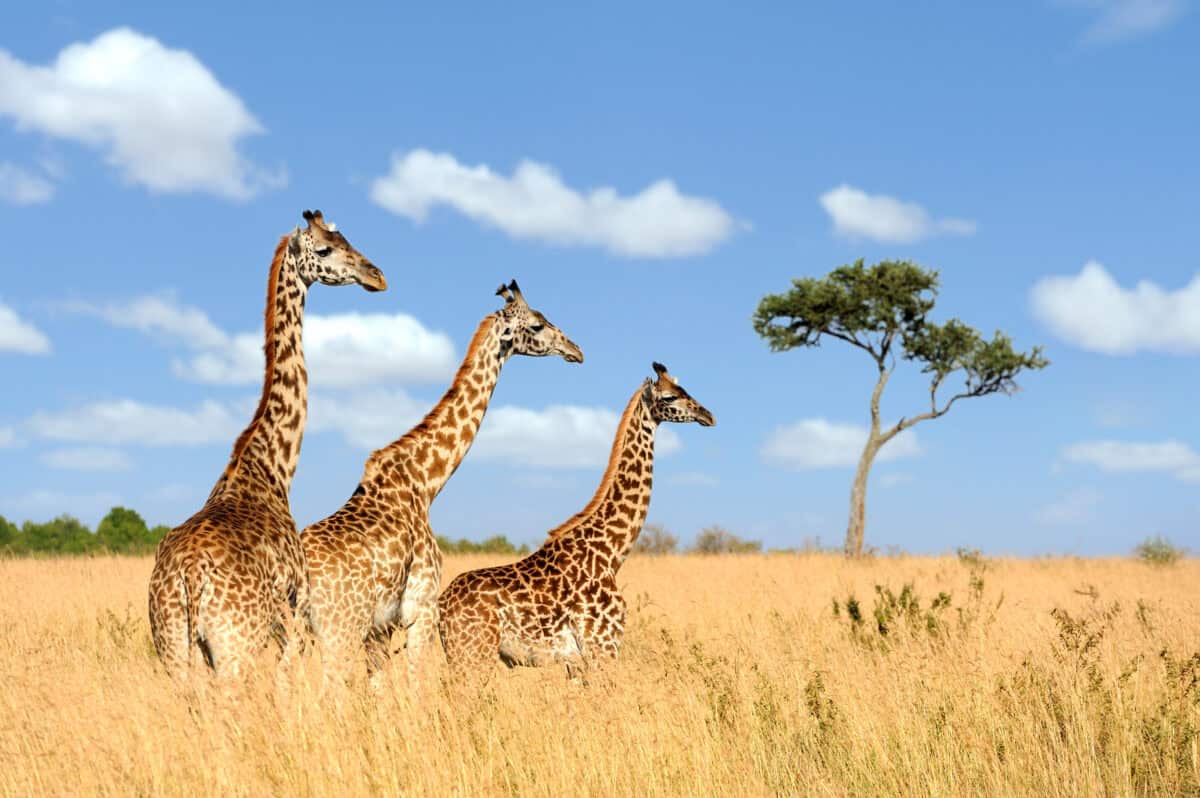
Giraffes have evolved one of the animal kingdom’s most unusual sleep patterns as a defensive adaptation. Adult giraffes require remarkably little sleep—typically just 30 minutes to two hours within any 24-hour period. Even more impressively, they take this limited sleep in brief increments of only a few minutes each, usually while standing up. When giraffes do lie down to enter deeper sleep phases, they typically do so for periods of just 5-10 minutes at a time, with their necks remaining upright. This unique sleep strategy evolved specifically as a defense mechanism, as lying down makes giraffes vulnerable to predator attacks and requires significant time to return to a standing position. Within giraffe groups, individuals take turns sleeping, ensuring that some members remain vigilant at all times. This strategic approach to sleep represents a remarkable evolutionary compromise between physiological needs and defensive requirements, allowing giraffes to remain alert to potential threats nearly 24 hours a day without resorting to direct confrontation.
Camouflage

While it might seem impossible for the world’s tallest animal to hide, a giraffe’s distinctive coat pattern actually provides remarkable camouflage in their natural habitat. The irregular, jagged patches of color—ranging from light tan to nearly black—create a disruptive pattern that breaks up their outline against the dappled light and shadow of acacia trees and woodland edges. This effect, known as disruptive coloration, makes giraffes surprisingly difficult to spot at medium to long distances, despite their size. Research published in the Journal of Zoology demonstrated that giraffe patterns vary regionally in correlation with their native habitat vegetation patterns, suggesting evolutionary adaptation for optimal camouflage. This passive defense mechanism is particularly effective during dawn and dusk, when most predators are active and ambient lighting conditions enhance the camouflage effect. For younger, more vulnerable giraffes, whose coats typically display darker patterns, this camouflage offers crucial protection during their first months of life. By simply blending into their environment, giraffes effectively avoid many potential confrontations without actively engaging in defensive behaviors.
Specialized Senses
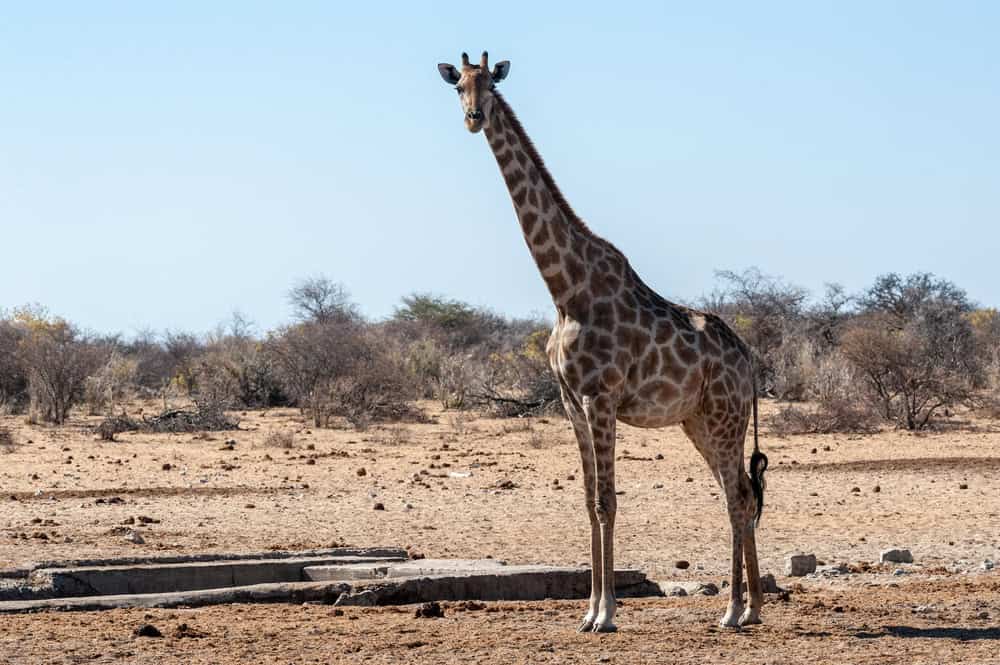
Beyond their exceptional vision, giraffes possess heightened sensory capabilities that significantly enhance their defensive arsenal without requiring confrontation. Their hearing is remarkably acute, with studies suggesting they can detect low-frequency sounds, including the subtle vibrations of approaching predators, from considerable distances. Giraffes also possess an extraordinary sense of smell, with nasal passages and olfactory receptors specialized to detect airborne chemical signals. This olfactory prowess allows them to detect predators from downwind positions exceeding half a mile under favorable conditions. Perhaps most fascinating is their potential sensitivity to infrasound—sounds below the threshold of human hearing. Research indicates giraffes may communicate and potentially detect threats using these low-frequency sound waves that can travel for miles across the savanna. Some biologists theorize this might explain how widely separated giraffe groups coordinate movements in response to distant threats. By leveraging these specialized sensory adaptations, giraffes effectively create an invisible perimeter of awareness around themselves, allowing them to avoid dangerous situations long before physical defenses become necessary.
Concealed Birth and Calf Protection
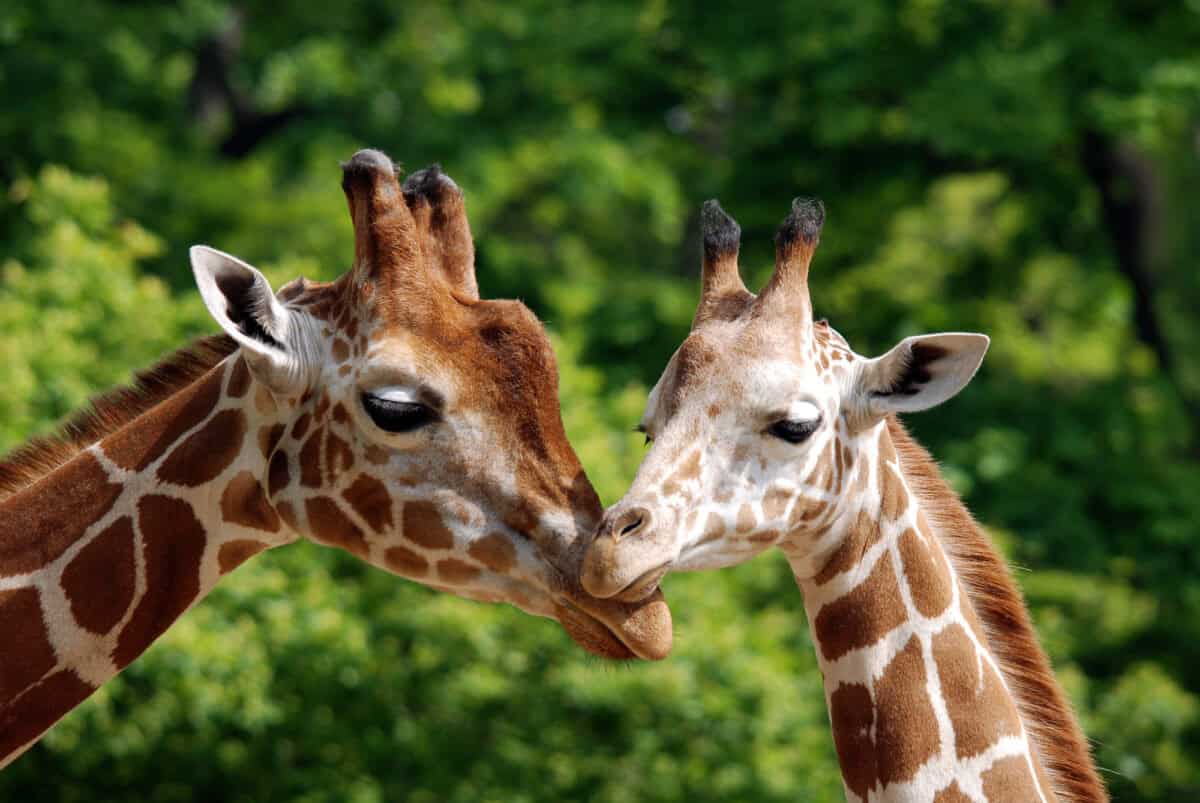
Female giraffes have developed specialized defensive behaviors to protect their most vulnerable members—newborn calves. Pregnant females deliberately separate from their groups as birth approaches, seeking dense vegetation where they can deliver in relative seclusion, away from the attention of predators. This isolation strategy significantly reduces the scent signals and visual cues that might attract lions or hyenas. After birth, mother giraffes employ additional protective measures, including consuming the afterbirth and other birth materials to eliminate scent trails. Newborn calves, which stand an impressive 6 feet tall at birth, receive an extra defensive advantage from their coat patterns, which are typically darker and provide better camouflage in shadowed areas. The mother keeps her calf isolated for the first two weeks of life, allowing it to develop critical motor skills before rejoining the larger group. When the pair does return to the herd, the calf benefits from the collective protection of multiple adults. These specialized maternal behaviors represent sophisticated defensive strategies that protect giraffes during their most vulnerable life stage without requiring direct confrontation with predators.
Vigilance Behaviors
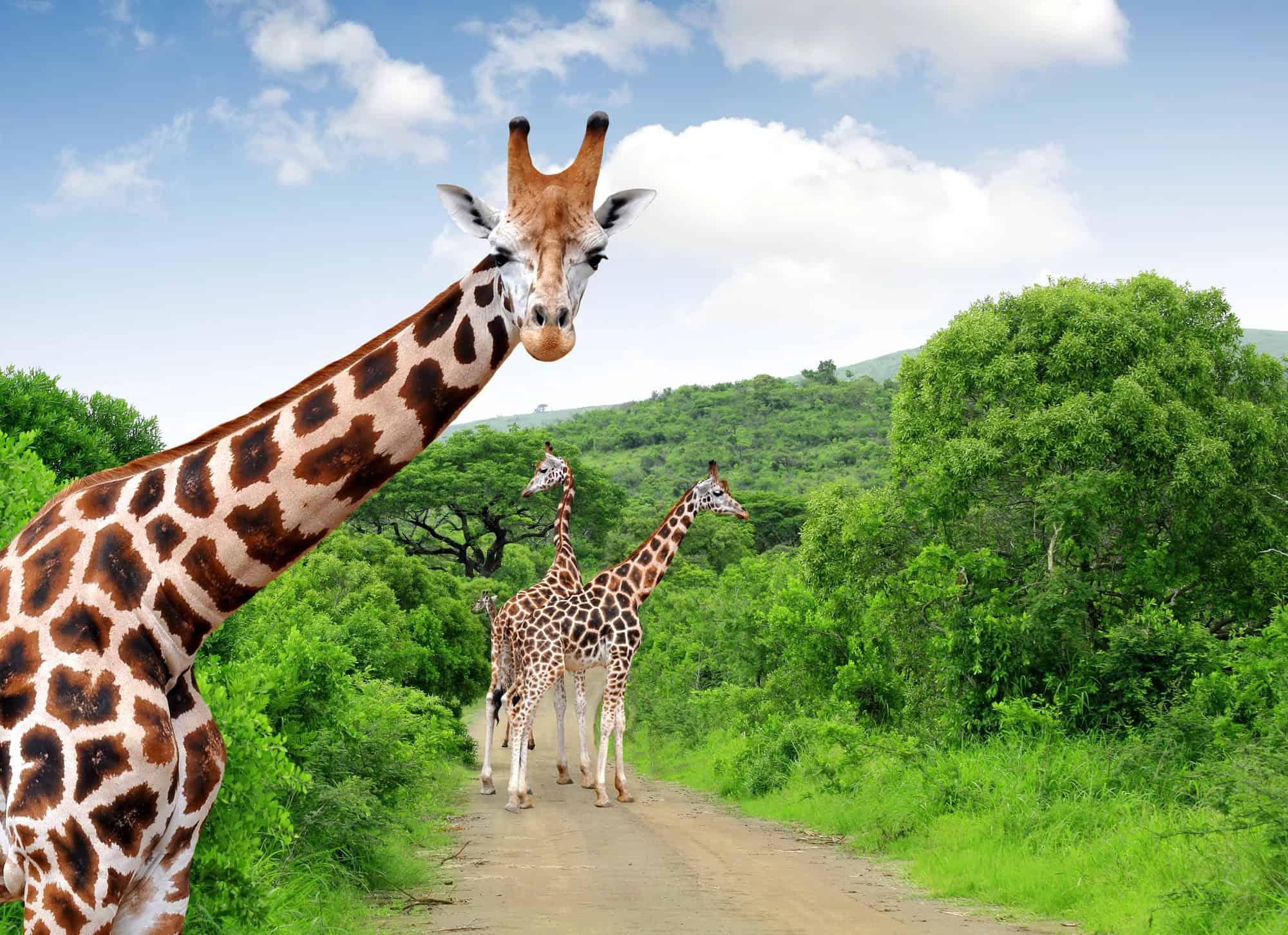
Giraffes have developed a sophisticated repertoire of vigilance behaviors that serve as proactive defense mechanisms. Studies published in the journal Animal Behaviour document that adult giraffes spend between 40-50% of their time in active vigilance, regularly pausing their feeding to scan their surroundings with methodical head movements that provide comprehensive visual coverage. What makes this behavior particularly effective is its coordinated nature within groups—giraffes synchronize their vigilance patterns to ensure continuous surveillance while allowing individuals to feed efficiently. They also exhibit “sentinel behavior,” where certain individuals (often post-reproductive females) assume primary vigilance roles while others focus on feeding or caring for young. Perhaps most impressive is their context-specific vigilance adjustment: research shows giraffes increase vigilance during seasonal predator concentration periods, in areas with limited visibility, and when calves are present. These behaviors represent a cognitive defensive strategy rather than a physical one, allowing giraffes to identify and avoid potential threats long before confrontation becomes necessary. Through these vigilance behaviors, giraffes effectively create a temporal and spatial buffer zone around themselves, significantly reducing their vulnerability without direct engagement.
Special Adaptations for Young Giraffes
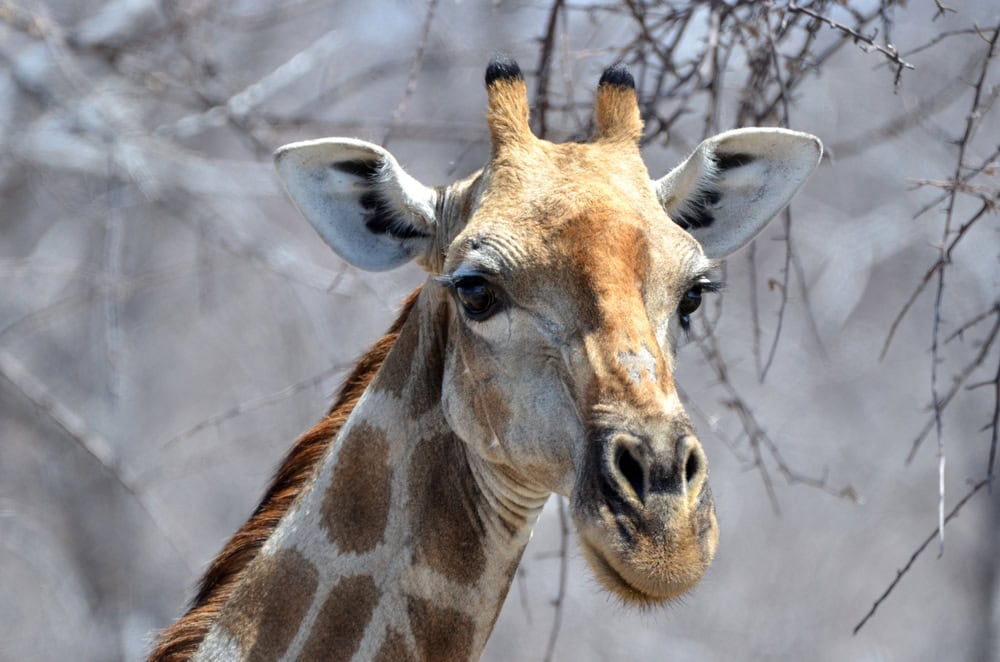
Young giraffes possess several specialized defensive adaptations that compensate for their greater vulnerability. Newborn giraffes undergo perhaps the most dramatic entrance to the world of any mammal—dropping nearly six feet to the ground during birth. This seemingly harsh introduction serves a defensive purpose, as the impact stimulates immediate breathing and rapid physical development. Within hours of birth, calves can run, a crucial defense mechanism that far exceeds the developmental timeline of most ungulates. Young giraffes also feature a distinct coat coloration that provides enhanced camouflage—their patches are typically darker and more densely arranged than those of adults, helping them blend into shadowed vegetation. Additionally, giraffe calves emit very little scent compared to other young ungulates, making them difficult for predators to detect through olfactory means. Perhaps most fascinating is their accelerated growth rate—giraffe calves can grow up to an inch per day during their first week, rapidly increasing their height and strength. These specialized adaptations represent an integrated defensive strategy focused on rapid development of escape capabilities, allowing young giraffes to quickly decrease their vulnerability without relying on direct defensive confrontation.
Threat Detection Communication

Giraffes have developed sophisticated visual and behavioral communication systems that enhance their collective defense without requiring vocalization that might attract predator attention. When a giraffe detects a potential threat, it assumes a distinctive alert posture—head held high, neck straight, and body oriented toward the danger. This posture serves as a visual signal that can be recognized by other giraffes from significant distances. Studies have documented that this alert posture triggers an immediate vigilance response in other group members, creating a cascade of awareness that can spread through an entire giraffe journey within seconds. Additionally, giraffes use subtle head movements and ear positions to communicate different threat levels, allowing the group to respond proportionally to the degree of danger. Particularly interesting is their synchronized movement response—when retreating from threats, giraffes often move in coordinated patterns, with adults positioning themselves strategically around vulnerable calves. This sophisticated visual communication system allows giraffes to coordinate complex defensive strategies without making sounds that might further attract predator attention, representing a specialized adaptation that enhances their safety through silent cooperation rather than confrontation.
Strategic Habitat Selection
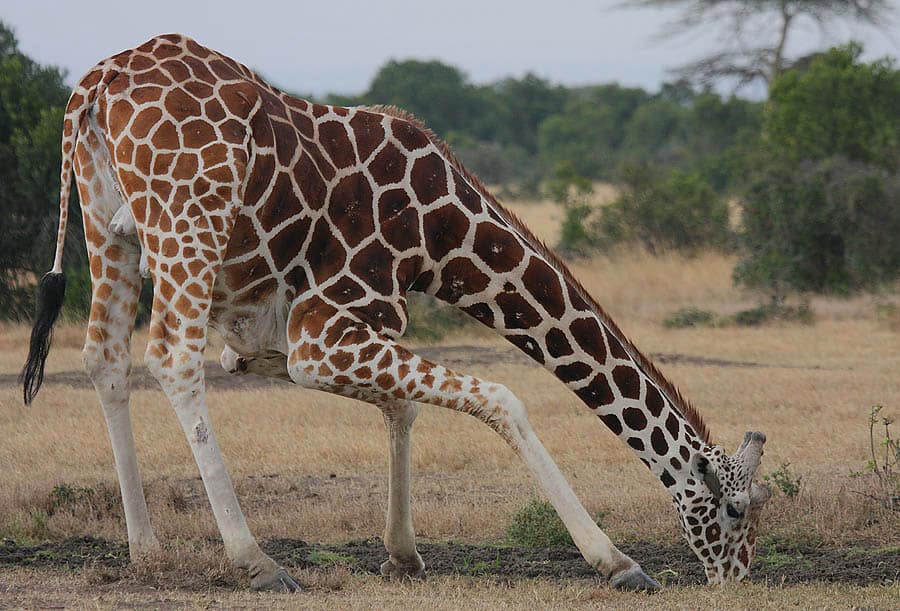
Giraffes employ sophisticated habitat selection strategies that significantly enhance their defensive position without requiring direct confrontation. Rather than wandering randomly across the savanna, researchers have documented that giraffes deliberately choose feeding locations that offer optimal combinations of nutrition and safety. They preferentially select areas with scattered trees that provide both food and unobstructed sightlines, allowing them to maintain their crucial vigilance advantage. Studies using GPS tracking have revealed that giraffe movements are strongly influenced by predator density mapping—they actively avoid areas with high predator concentrations, particularly during vulnerable periods like calving season. Additionally, giraffes demonstrate temporal habitat selection, adjusting their usage patterns to minimize risk. For example, they tend to utilize more exposed feeding areas during daylight hours when visibility is maximized, while opting for more densely vegetated regions during dawn and dusk when predators are most active. Perhaps most fascinating is their weather-responsive habitat selection: during full moon periods when nighttime predator success rates typically increase, giraffes shift toward more protected habitats. These complex habitat selection behaviors represent a proactive defensive strategy that helps giraffes avoid dangerous encounters through intelligent navigation of their environment rather than physical confrontation.
Biological Adaptations

Giraffes possess several biological adaptations that serve defensive functions beyond their obvious height advantage. Their cardiovascular system, which must pump blood up their extraordinary necks, generates the highest blood pressure of any land animal—approximately twice that of humans. This powerful circulatory system provides giraffes with exceptional stamina during extended flight from predators. Their distinctive coat patterns aren’t merely camouflage—the dark patches contain specialized blood vessels that create a sophisticated thermoregulatory system, helping giraffes maintain optimal body temperature during high-speed runs when overheating would otherwise limit their escape capabilities. Even their skeletal structure serves defensive purposes: giraffes possess a modified atlas-axis joint (the first two vertebrae in the neck) that allows for rapid, precise head movements essential for comprehensive surveillance. Perhaps most remarkably, research published in the Journal of Comparative Physiology suggests that giraffes have unusually high pain tolerance and accelerated wound healing, adaptations that improve survival after escaping from predator encounters. These biological adaptations represent millions of years of evolutionary refinement focused on enhancing survivability without direct confrontation, demonstrating nature’s preference for avoidance over combat in this iconic species.
The Ultimate Non-Combatants: Why Giraffes’ Defensive Strategies Matter

The diverse range of non-combative defensive strategies employed by giraffes offers profound insights into evolutionary adaptations and survival mechanisms in the natural world. By prioritizing threat detection, avoidance, and passive deterrence over direct confrontation, giraffes have successfully maintained their species for millions of years despite being surrounded by formidable predators. Their integrated defensive system—combining physiological advantages, behavioral adaptations, social structures, and specialized sensory capabilities—demonstrates nature’s preference for efficiency over aggression. These strategies have significant implications for understanding broader ecological relationships and predator-prey dynamics across ecosystems. As habitats continue to fragment and giraffe populations face increasing pressures from human activities, preserving the environmental conditions that allow these magnificent animals to execute their sophisticated defensive strategies becomes increasingly important for their conservation. The giraffe’s approach to survival stands as a powerful reminder that sometimes the most effective defense isn’t about fighting at all—it’s about developing systems that make fighting unnecessary.

As a little kid, I fell in love with nature, wildlife, and animals. Living in the USA, South Africa, Italy, China and Germany gave me the opportunity to discover the world's Wildlife. My favorite animals are Mountain Gorillas, Siberian Tigers, and Great White Sharks.
I'm a certified PADI Open Water Diver, went to Everest Base Camp and Trekked Gorillas in Uganda. I hold a Master of Science in Economics and Finance.
Please send any feedback to feedback@animalsaroundtheglobe.com
- 11 Most Endangered Insects Buzzing in America Today - July 22, 2026
- 10 Most Frequently Googled Animal Birth Facts - July 22, 2026
- 10 Incredible Migration Journeys in the Animal Kingdom - July 22, 2026