

There is something almost unbelievable about the idea of millions of wild, tusked, rooting beasts tearing through American farmland, suburban golf courses, and forested wetlands. Yet that is exactly what is happening across large parts of the United States right now. Wild hogs, also called feral pigs, razorbacks, or feral swine, have become one of the most destructive invasive species this country has ever faced.
Their numbers today are estimated to be as high as 9 million across the United States. The number of counties affected by wild hogs has nearly tripled since the early 1980s, from 550 in 1982 to 1,496 in 2023. What started as a colonial food source has evolved into a full-scale ecological and agricultural crisis. Here is a closer look at the states bearing the heaviest burden, and what that really means for the land, the people, and the wildlife living there. Let’s dive in.
Texas: The Wild Hog Capital of America
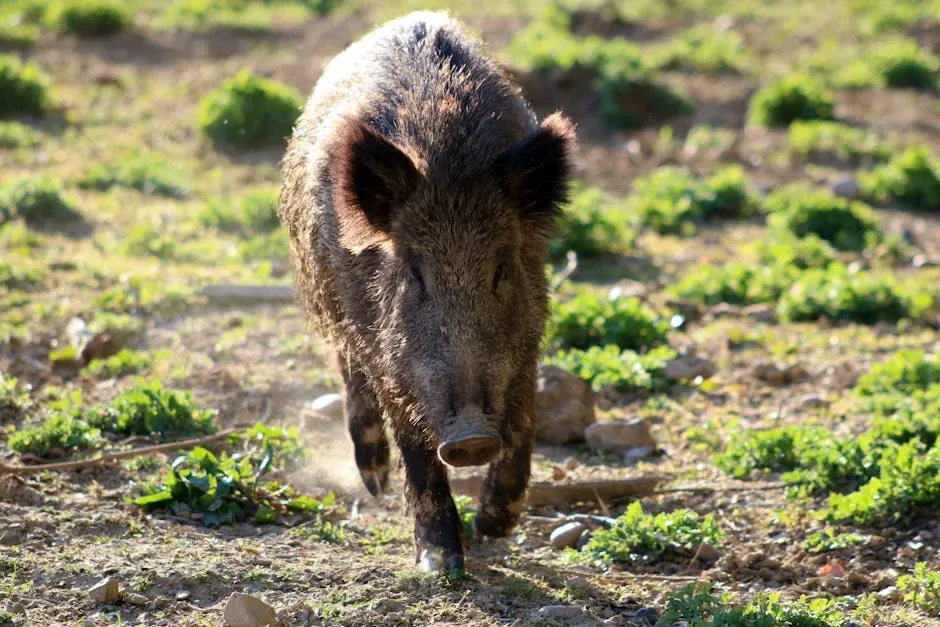
Let’s be real. No conversation about wild hogs in America starts anywhere other than Texas. Texas is home to upwards of 3 million feral hogs, undoubtedly the largest population in the country. To put that in perspective, that is more wild hogs than the entire population of the city of Chicago, roaming freely through fields, forests, and backyards.
In Texas, feral hogs are established in 253 of 254 counties. That is essentially every corner of the state. Total agricultural costs were highest in Texas, reaching an estimated $871 million in a single surveyed year. Honestly, those numbers are staggering for a single state.
To control feral pig numbers, American hunters have taken to trapping and killing as many individuals as they can, and some in Texas have even turned the trapping and killing of razorbacks into small businesses. It is one of those rare situations where a genuine environmental crisis has also created its own cottage industry.
Oklahoma and Louisiana: The Southern Frontlines
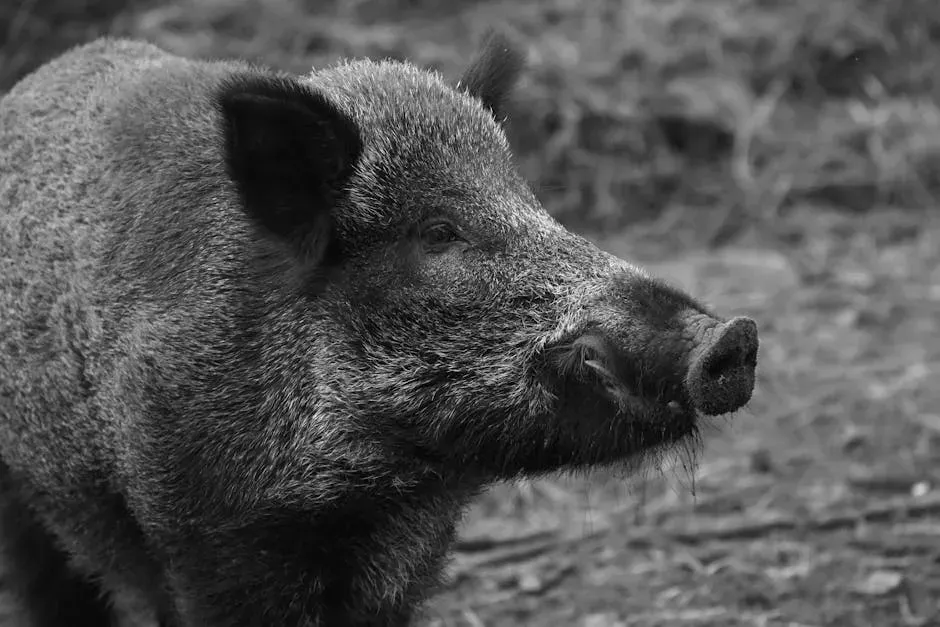
Oklahoma holds an estimated 1.5 million wild hogs, while Louisiana has approximately 750,000. These two states represent a kind of southern frontline where agricultural pressure from feral swine is felt on a daily basis. Farmers in both states face relentless damage during every growing season.
Feral pigs have few natural predators, making it easy for them to flourish in Oklahoma, with farmers especially feeling the pressure during planting season. The state promotes both public and private trapping efforts to control the booming population. Meanwhile, Louisiana is a feral hog haven with its bayous and marshes, giving hogs endless food and shelter, with farmers facing losses to their sugarcane and rice fields. State agencies are experimenting with high-tech trapping systems to curb the spread.
Georgia and Florida: When Hogs Move to the Suburbs
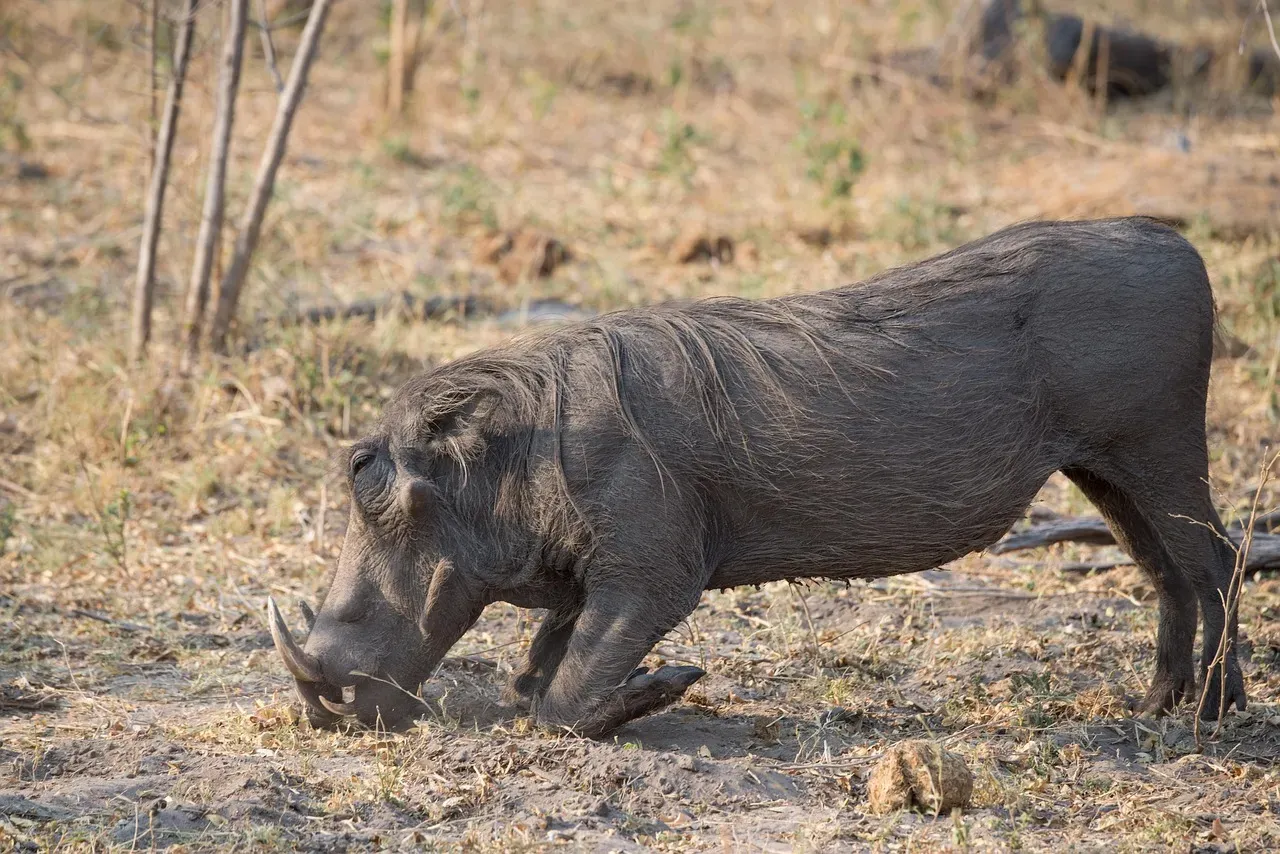
Georgia has an estimated 600,000 wild hogs and Florida approximately 500,000, making both states serious players in this national crisis. What makes these two states particularly fascinating, and alarming, is that the problem is no longer just a rural farming issue.
Georgia’s rising hog numbers are causing trouble in both rural and suburban areas alike. These pigs are not afraid of people, and they tear up gardens and even golf courses. Florida has its own strange chapter in the hog story. In Florida, a runway collision with a pair of wild pigs once totaled an F-16 fighter jet in 1988. If that does not capture how serious and wide-reaching this problem is, nothing will.
South Carolina and Alabama: Deep South Destruction
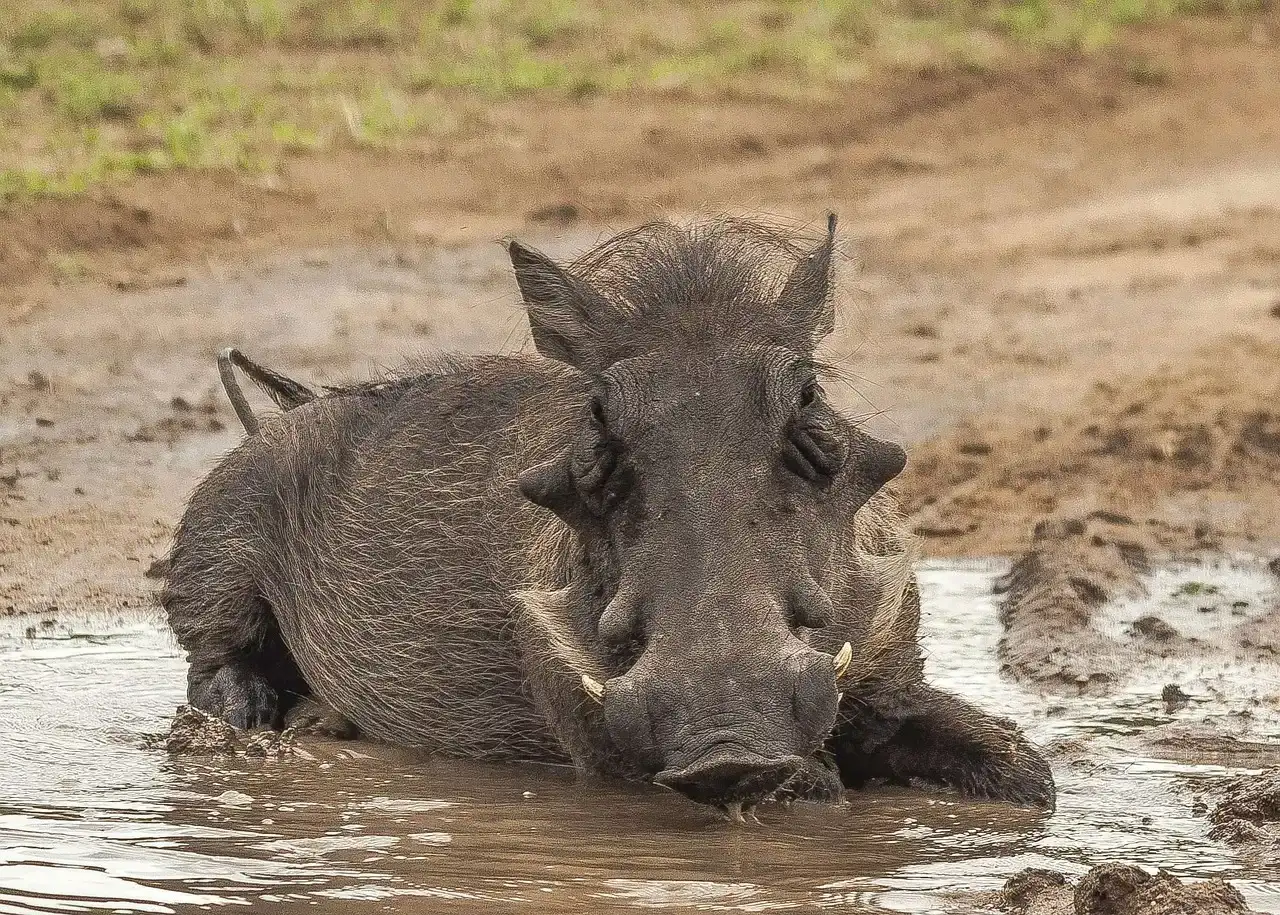
South Carolina carries an estimated 450,000 wild hogs, while Alabama is home to approximately 225,000. Both states deal with feral hogs that have been embedded in the landscape for generations, making them particularly difficult to manage. South Carolina’s feral hogs are descended from colonial-era pigs, now roaming coastal plains and surrounding regions, and despite hunters pursuing them aggressively, the population keeps bouncing back, with damage to crops and wildlife habitat remaining a major concern.
Feral hogs are wreaking havoc on Alabama’s farmland and forests, rooting through soil and damaging tree roots in ways that have real repercussions for farmers’ livelihoods. Some counties offer bounty programs, but with feral pig litters as large as a dozen piglets, it is extremely hard to keep up. Think of it like bailing out a sinking boat with a teacup.
New Mexico and California: The Unexpected Hotspots
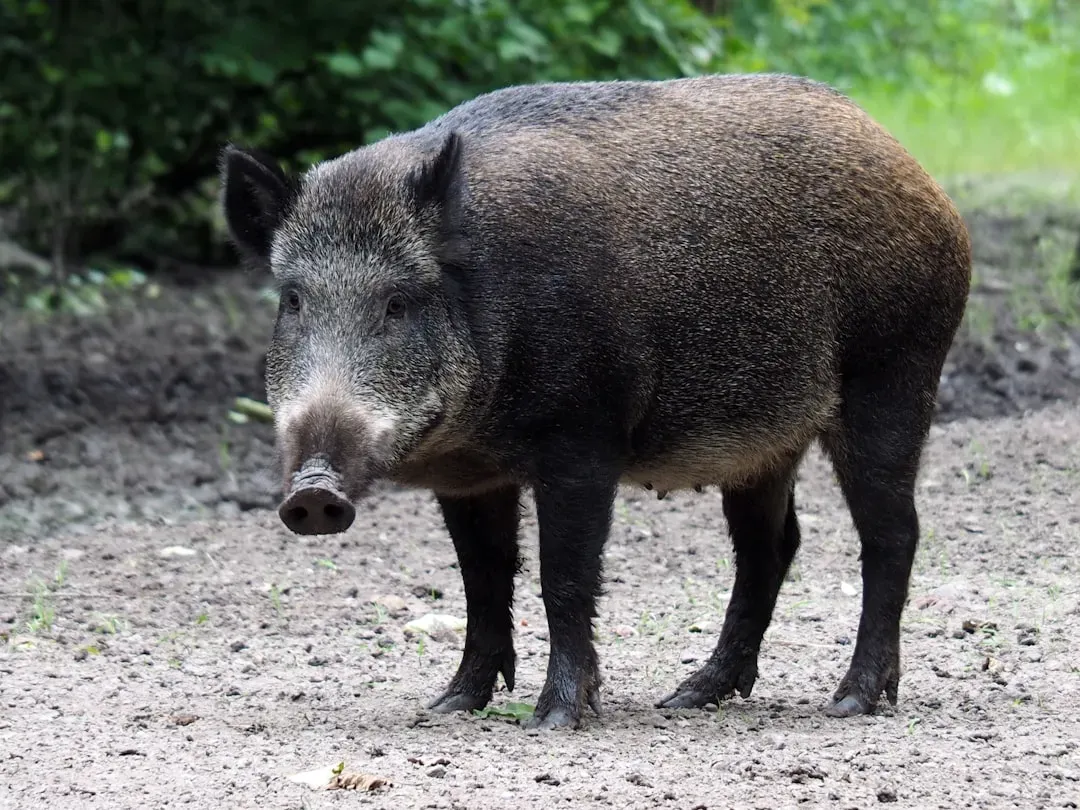
Most people picture wild hogs as a Deep South problem, and that thinking is understandable. But New Mexico and California each host an estimated 500,000 and 400,000 wild hogs respectively, which surprises a lot of people. These are not your typical bayou states.
Wild hogs are now popping up in vineyards and even state parks across California, and their population growth has raised serious concerns over habitat destruction and water contamination, with some counties supporting night hunts to help manage the outrageous numbers. The Wildlife Damage Management division within the USDA documented that feral hogs in California possess a disease known as pseudorabies, which affects both livestock and humans. That is a detail that rarely makes the headlines, but it absolutely should.
The Billion-Dollar Damage Problem Across All States
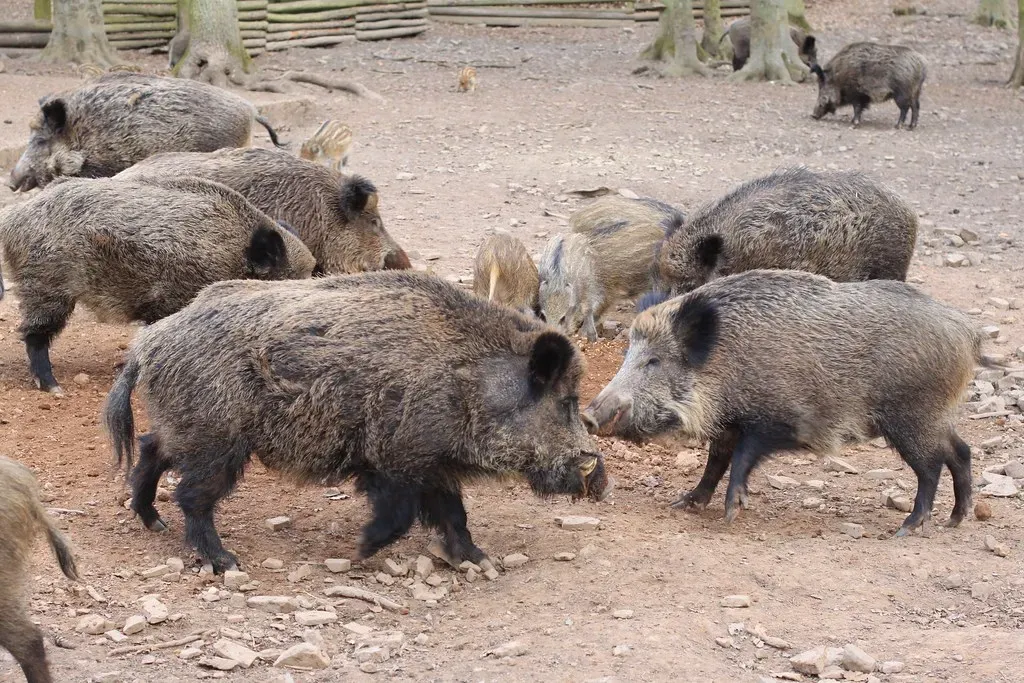
Here is the thing, wild hogs are not just an inconvenience. They are a financial catastrophe unfolding in slow motion. Combined across 13 surveyed states, feral hogs caused an estimated $1.6 billion in agricultural losses in a single year, averaging approximately $2,415 per farm in the region. That is an extraordinary burden placed on American producers by a single invasive species.
These animals cause extensive harm to agriculture by consuming and uprooting crops, degrading pastureland, damaging fences and infrastructure, and directly impacting livestock through predation and competition for feed and water. They also pose serious disease transmission risks to both domestic livestock and wildlife. Wild pigs are capable of carrying and transmitting at least 30 bacterial, fungal, and viral diseases which threaten humans, livestock, and wildlife, including brucellosis, leptospirosis, toxoplasmosis, and trichinosis. It is hard to say for sure exactly what the full economic toll is, but every estimate suggests it is far higher than most Americans realize.
What Is Being Done to Stop the Spread?
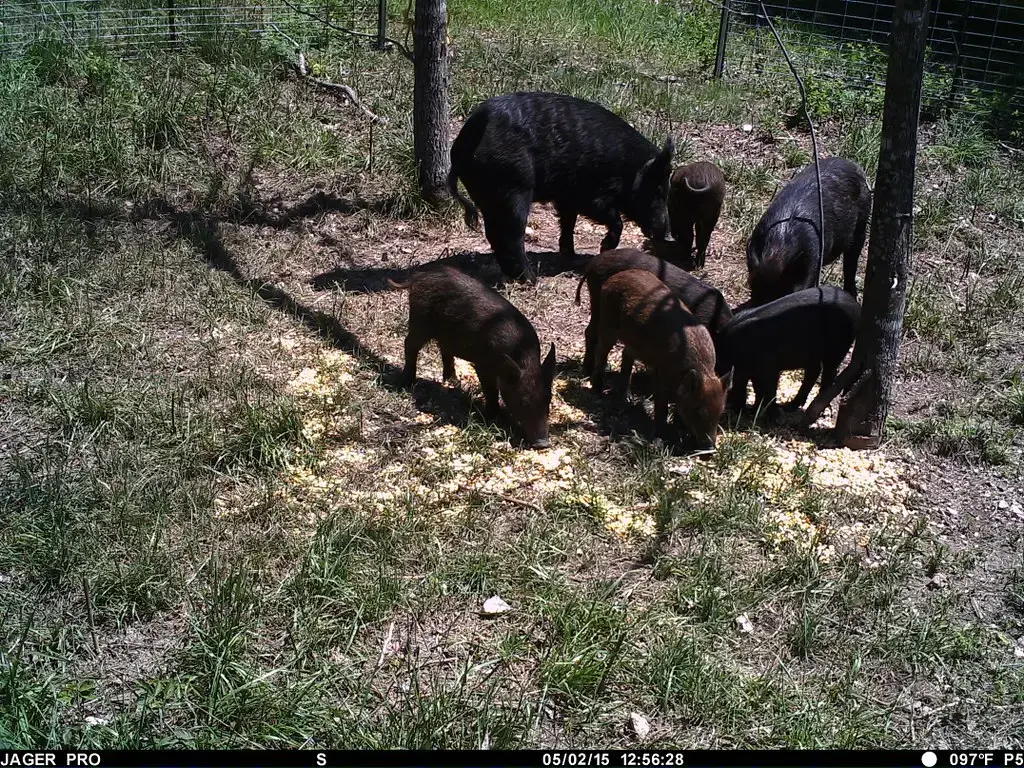
Four decades ago, feral swine had a presence in only 20 states, primarily in the South, but over time that figure has grown to 36 states as the animal’s range has expanded more westward and northward. The response from governments and researchers has been real but uneven. Colorado became the first state to completely eliminate invasive feral pigs in 2020, which is actually a remarkable achievement worth celebrating.
Officials in some states warn that recreational hunting is backfiring, as it often causes hogs to scatter and populate new territory rather than reducing numbers overall. Two major control methods currently in use are aerial shooting and remote-controlled traps that send cellphone pictures when a hog group is inside, and some states have legalized night hunting for feral swine. The creative methods being tested are genuinely impressive, but the scale of the problem means there are no easy or quick solutions on the horizon.
Conclusion
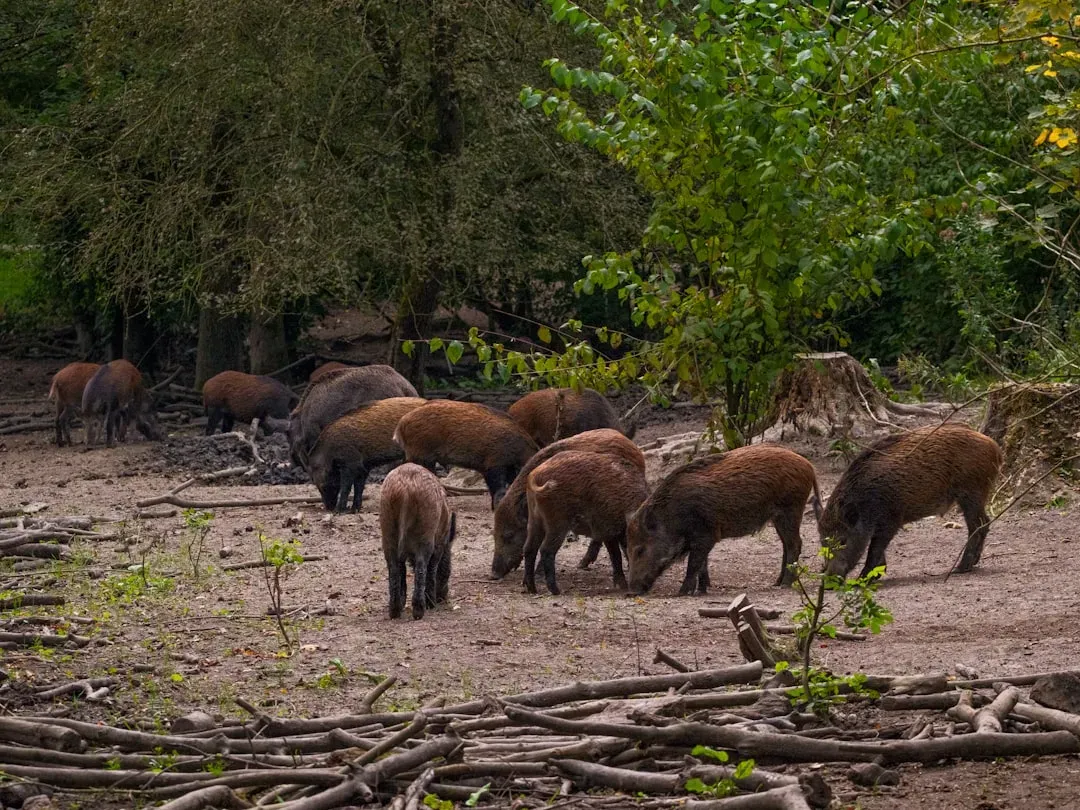
Wild hogs have gone from a historical curiosity to a national crisis in just a few decades. The states hardest hit, Texas above all, are fighting a battle that touches agriculture, public health, native wildlife, and even road safety. The numbers are sobering, the damage is real, and the spread continues.
What is perhaps most striking is how quietly this problem has grown. Millions of tusked, disease-carrying, crop-destroying animals now roam across most of the American continent, and most people outside of farming communities have barely heard about it. The are not just dealing with a pest problem. They are managing an ecological emergency, one rooted snout-first in the American soil.
What would you do if a sounder of wild hogs showed up in your backyard tomorrow? It is happening to more Americans every year, and the number is only growing. What do you think should be done? Share your thoughts in the comments below.

- 14 Quiet Signs Your Dog Knows Its Time Is Near and Wants You Close - July 22, 2026
- 10 Falcon Facts That Will Blow Your Mind - July 22, 2026
- 5 Incredible Migratory Journeys Animals Make Every Year - July 22, 2026