

In the miniature world beneath our feet exists one of nature’s most remarkable problem-solvers: the ant. Despite having brains smaller than a pinhead—containing just 250,000 neurons compared to our 86 billion—ants accomplish feats of engineering, navigation, agriculture, and warfare that seem impossible without centralized intelligence. Their colonies build elaborate structures, find optimal foraging routes, farm fungi, raise aphids like livestock, and coordinate massive military campaigns. What makes this particularly fascinating is that ants achieve these complex behaviors without a brain center directing their activities. Instead, they operate through decentralized intelligence and collective decision-making processes that scientists are still working to fully understand. This article explores the fascinating mechanisms behind how these tiny creatures solve complex problems without the centralized neural command centers that larger animals rely on.
The Ant Brain: Small Yet Sophisticated

An ant’s brain is remarkably tiny, measuring about 0.3 millimeters across—roughly the size of a pinhead. Despite this minuscule size, it contains approximately 250,000 neurons, which is substantial for an insect but minimal compared to the human brain’s 86 billion neurons. The ant brain primarily consists of sensory processing centers that handle visual, chemical, and tactile information. While capable of learning and memory formation, particularly regarding spatial navigation and food sources, ant brains lack the prefrontal cortex or other higher reasoning centers found in vertebrates. This absence of a “command center” raises the question of how ants coordinate their complex behaviors. The answer lies not in individual cognitive abilities but in the collective intelligence that emerges when many simple units interact through basic rules—a phenomenon scientists call swarm intelligence or distributed cognition.
Stigmergy: Communication Through Environment
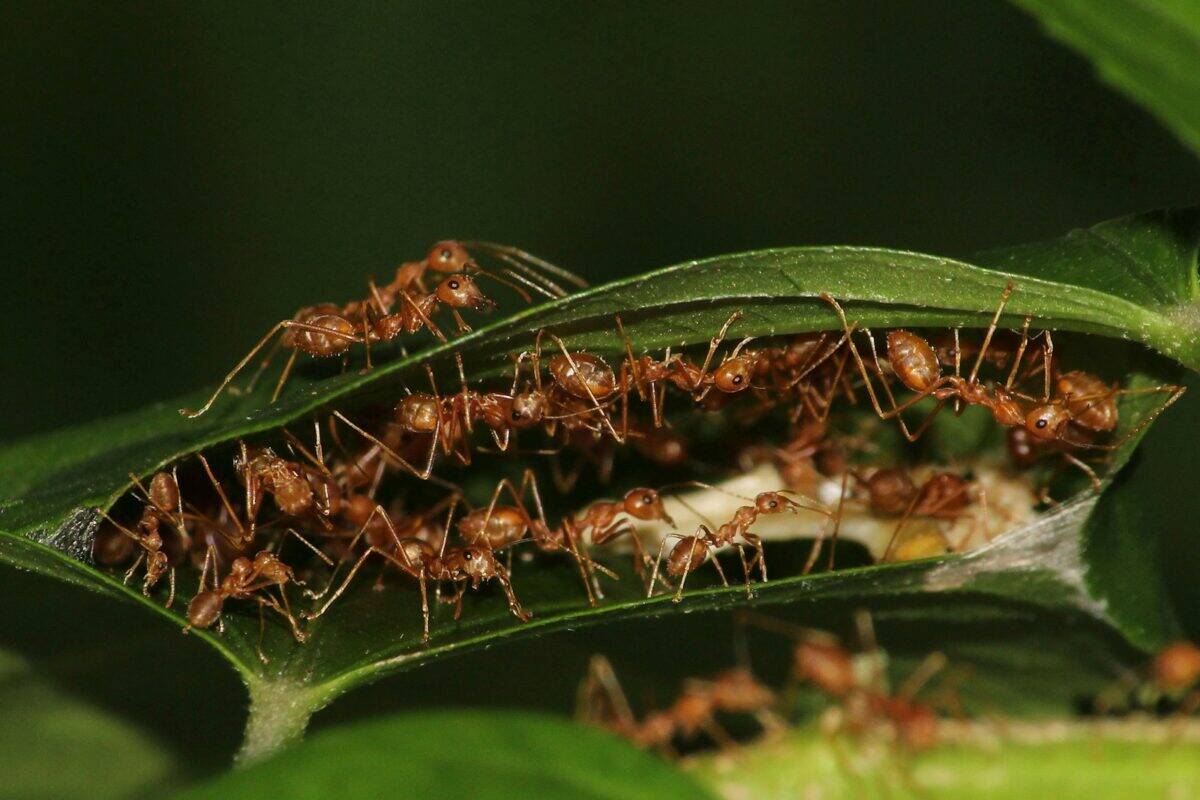
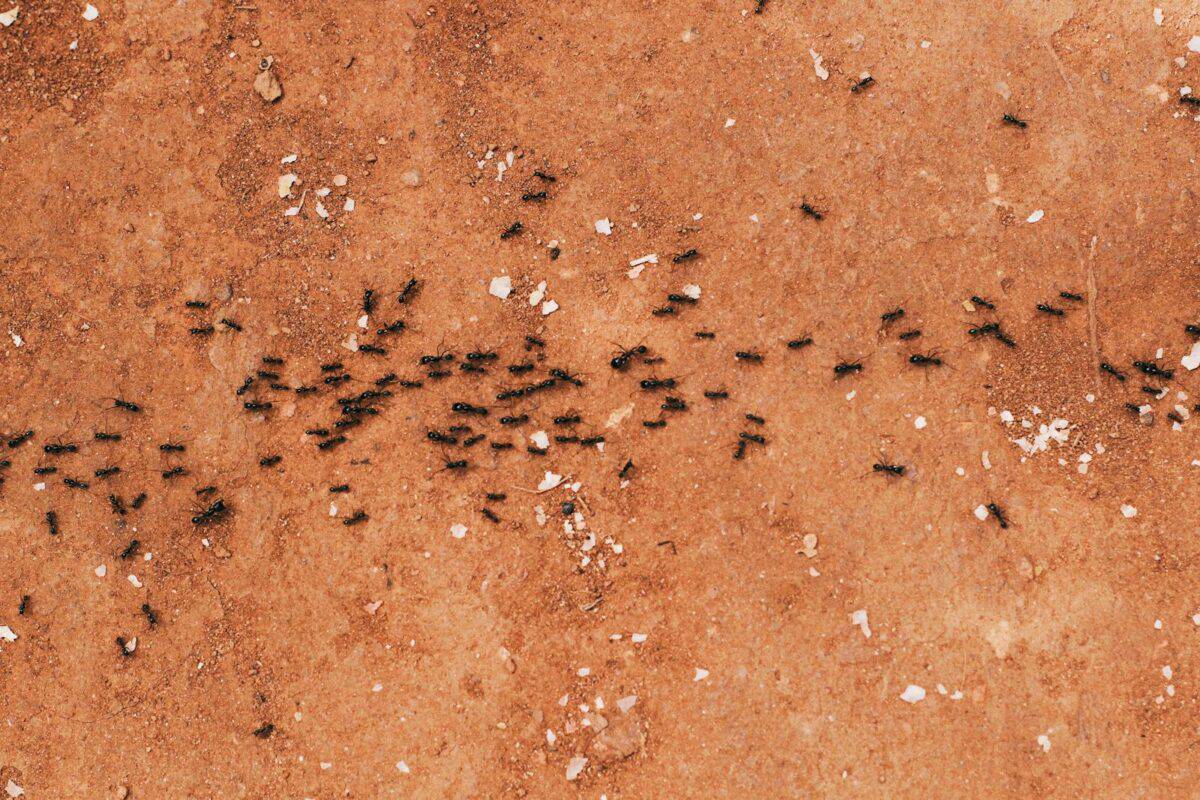
One of the fundamental mechanisms that allows ants to solve complex problems is stigmergy—indirect communication through modifications of the environment. When an ant discovers food, it deposits pheromone trails on its return journey to the nest. These chemical markers serve as signals that other ants can detect and follow, creating a positive feedback loop: the more ants that follow a successful path, the stronger the pheromone trail becomes. Conversely, unsuccessful paths receive fewer travelers, and their pheromone trails evaporate. This simple mechanism enables ant colonies to find optimal routes to food sources without any central planning. The beauty of stigmergy is that it requires no direct communication or complex cognitive processing by individual ants; rather, it emerges naturally from simple behavioral rules followed by each colony member. This decentralized approach to problem-solving has inspired numerous algorithms in computer science, including ant colony optimization techniques used to solve routing problems in telecommunications and transportation networks.
Collective Decision-Making Through Quorum Sensing

Ants frequently face life-or-death decisions as a colony, such as selecting a new nest site when their current home becomes unsuitable due to predators, weather damage, or overcrowding. Rather than relying on a leader to make these crucial choices, ants employ a democratic process called quorum sensing. Scout ants explore potential new nest sites and evaluate them based on criteria like size, darkness, humidity, and structural integrity. When a scout finds a promising location, it returns to the colony and recruits other ants through a tandem running process—physically leading them to the new site. The remarkable aspect is what happens next: the scout doesn’t simply advocate for its found site indefinitely. Instead, if it discovers that many other ants are already visiting a different potential nest (indicating that other scouts found it favorable), it will switch its allegiance to the more popular site. This creates a decision-making system where the colony converges on the highest-quality option without any individual ant having complete information or authority. Research by Dr. Deborah Gordon at Stanford University has shown that this decentralized approach actually produces better decisions than if a single leader were making the choice, as it aggregates the independent assessments of many individuals.
The Wisdom of the Colony: Distributed Problem Solving
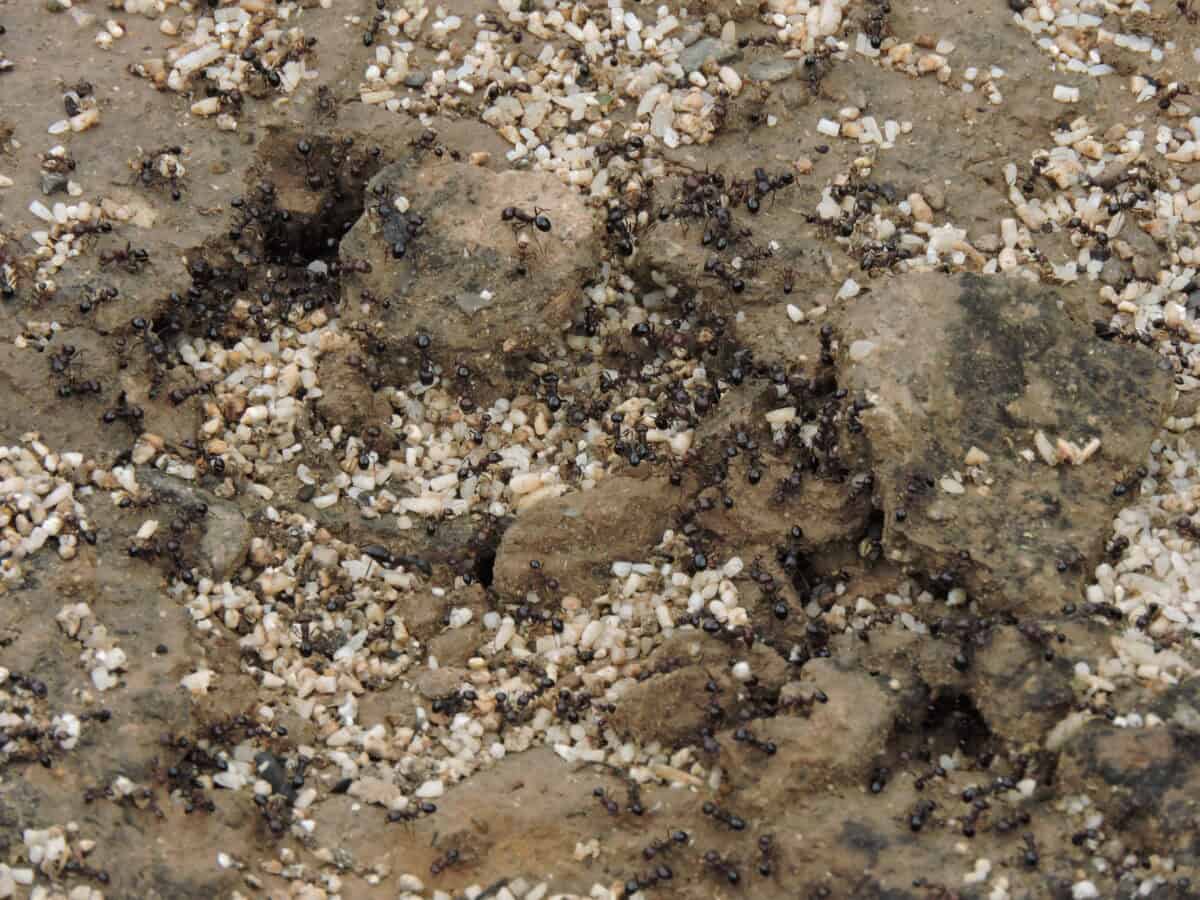
Ant colonies demonstrate a remarkable capacity for what scientists call distributed problem solving—breaking down complex tasks into simpler components that can be handled by individual ants following basic rules. Take nest construction as an example: certain species create elaborate structures with temperature regulation, multiple chambers, and ventilation systems. No single ant possesses a blueprint of the final design, yet the colony consistently produces architecturally sound structures. This emerges from each ant following simple behavioral rules: pick up loose soil particles, move them to where other ants are working, deposit them where pheromone concentrations are highest. Through thousands of these micro-decisions, complex structures take shape. Similarly, when forming living bridges across gaps using their own bodies, army ants don’t receive commands about where to position themselves. Instead, each ant responds to local stimuli—attaching where needed and detaching when its position becomes redundant. The colony’s collective intelligence distributes the computational load across many small brains, allowing it to solve problems far beyond the capacity of any individual member. This phenomenon, where sophisticated behaviors emerge from interactions among simpler parts, exemplifies what scientists call emergent properties in complex systems.
Task Allocation Without Central Management
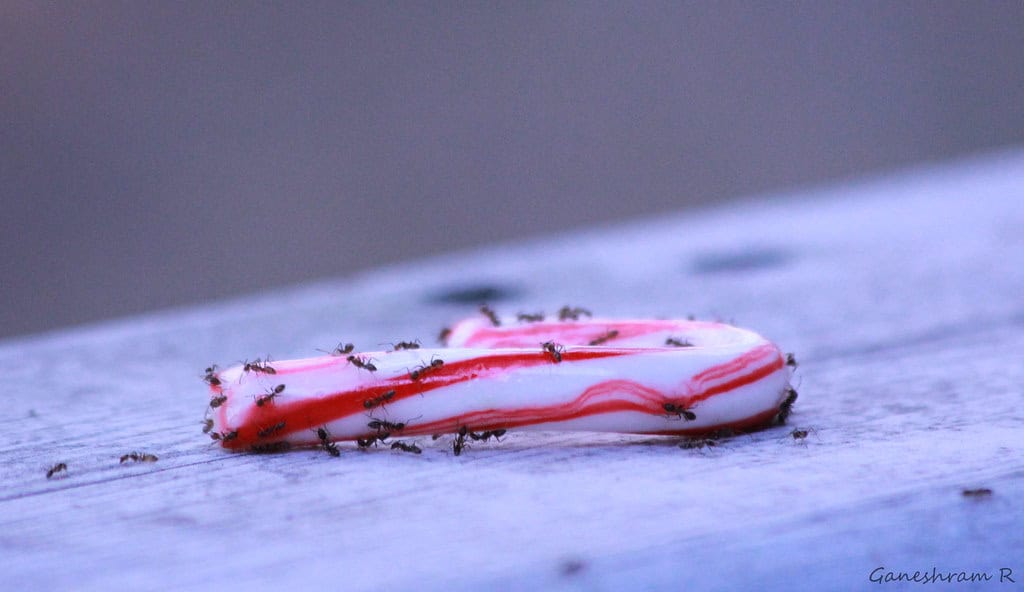
A mature ant colony operates like a well-oiled machine, with different individuals performing specialized roles: foragers collecting food, nurses tending to larvae, soldiers defending the nest, and maintenance workers repairing structures. Yet this division of labor happens without managers assigning roles or directing activities. Instead, ants employ a sophisticated system of decentralized task allocation based primarily on age and internal thresholds. Younger ants typically work inside the nest as nurses, while older ants transition to riskier tasks like foraging outside. However, this isn’t a rigid system. If environmental conditions change—say a sudden abundance of food or an attack on the colony—ants can rapidly reassign themselves to different tasks. This flexibility emerges from each ant having internal response thresholds to different stimuli. When a particular need (like food shortage) exceeds an ant’s threshold for that task, it begins performing the relevant behavior. These thresholds vary among individuals and can change with age and experience, creating a workforce that automatically redistributes itself to meet the colony’s changing needs. Studies by researchers like Deborah Gordon at Stanford University have shown that this decentralized approach allows colonies to respond more efficiently to environmental changes than would be possible with centralized control.
Pheromone Communication: The Chemical Internet

Ants have developed an elaborate language of chemical signals that serves as their primary communication system—essentially a “chemical internet” that transmits information throughout the colony. Scientists have identified dozens of pheromones used by various ant species, each conveying specific messages: food location, danger alerts, recognition of nestmates versus intruders, territorial marking, mating readiness, and even the presence of dead ants that need removal. What makes this system particularly sophisticated is that ants can modulate these signals through concentration, combinations, and context. For instance, the same pheromone might trigger different behaviors depending on its concentration—at low levels signaling a food source, but at high levels indicating danger. This chemical communication network enables complex coordination without direct orders. Information flows through the colony as each ant responds to local chemical signals and, in turn, produces signals that influence others. The beauty of this system is its resilience—unlike centralized communication networks that can fail if the central node is damaged, the ant’s chemical internet continues functioning even if many individuals are lost. This distributed communication method allows colonies to maintain coherent behavior patterns despite constant changes in personnel and environmental conditions.
Navigational Expertise Without GPS

Desert ants of the genus Cataglyphis perform one of the most impressive feats of navigation in the insect world. Foraging in the harsh Saharan environment where temperatures can reach 70°C (158°F), these ants venture up to 200 meters from their nest—the equivalent of a human traveling about 40 kilometers—and then return in a direct straight line. They accomplish this without landmarks (in the featureless desert), without following pheromone trails (which would evaporate in the heat), and without a centralized brain for complex mapping. Instead, these ants use a combination of path integration and celestial cues. Path integration, often called “dead reckoning,” involves the ant continuously calculating its position relative to the nest by measuring distance traveled and angles turned. The ant’s tiny brain maintains a vector—a running calculation of direction and distance—that allows it to “know” exactly where home is at all times. To measure direction, the ants use the position of the sun and patterns of polarized light in the sky. For distance, they count their steps using an internal pedometer. Professor Rüdiger Wehner of the University of Zürich and colleagues demonstrated this by showing that ants whose legs were shortened or lengthened after reaching a food source would under-shoot or overshoot their nest respectively, proving they weren’t using external landmarks but internal step counting. This sophisticated navigation system operates with minimal neural hardware, showing how evolutionary pressure has created efficient solutions that don’t require large brains.
Swarm Intelligence and Self-Organization
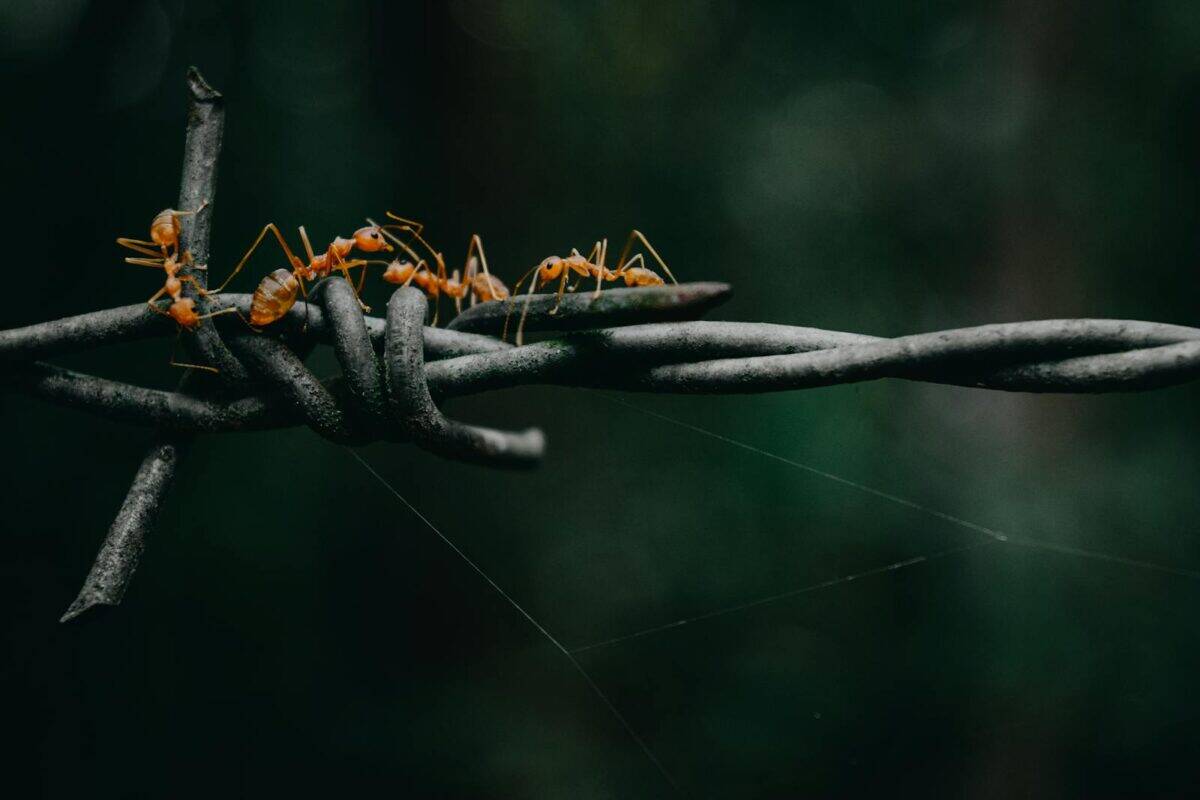
The concept of swarm intelligence lies at the heart of ants’ problem-solving abilities. This phenomenon occurs when simple individual behaviors, following local rules, collectively produce complex, seemingly intelligent outcomes at the group level. For instance, when army ants build living bridges to cross gaps, no individual ant directs the process. Instead, each ant follows simple rules: step onto other ants if you feel tension from multiple directions, hold position if you feel ants walking over you, and release if the traffic above diminishes. These basic behaviors, multiplied across hundreds of individuals, create structures that appear intelligently designed. Similarly, when foraging, ants don’t need a centralized planner to optimize resource collection. Through simple feedback mechanisms—more pheromone on successful paths, less on unsuccessful ones—the colony naturally converges on efficient solutions. Research by scientists like Nigel Franks at the University of Bristol has shown that this self-organizing behavior can solve complex optimization problems that would challenge even advanced computers. What’s particularly fascinating is that these emergent solutions often display mathematical optimality. For example, ant foraging networks often approximate solutions to the “traveling salesman problem”—finding the shortest route that visits multiple locations once before returning to the starting point—a notoriously difficult computational challenge. This demonstrates how evolution has produced elegant solutions that achieve complex outcomes through simple, distributed processing rather than centralized control.
Learning and Adaptation Without Big Brains
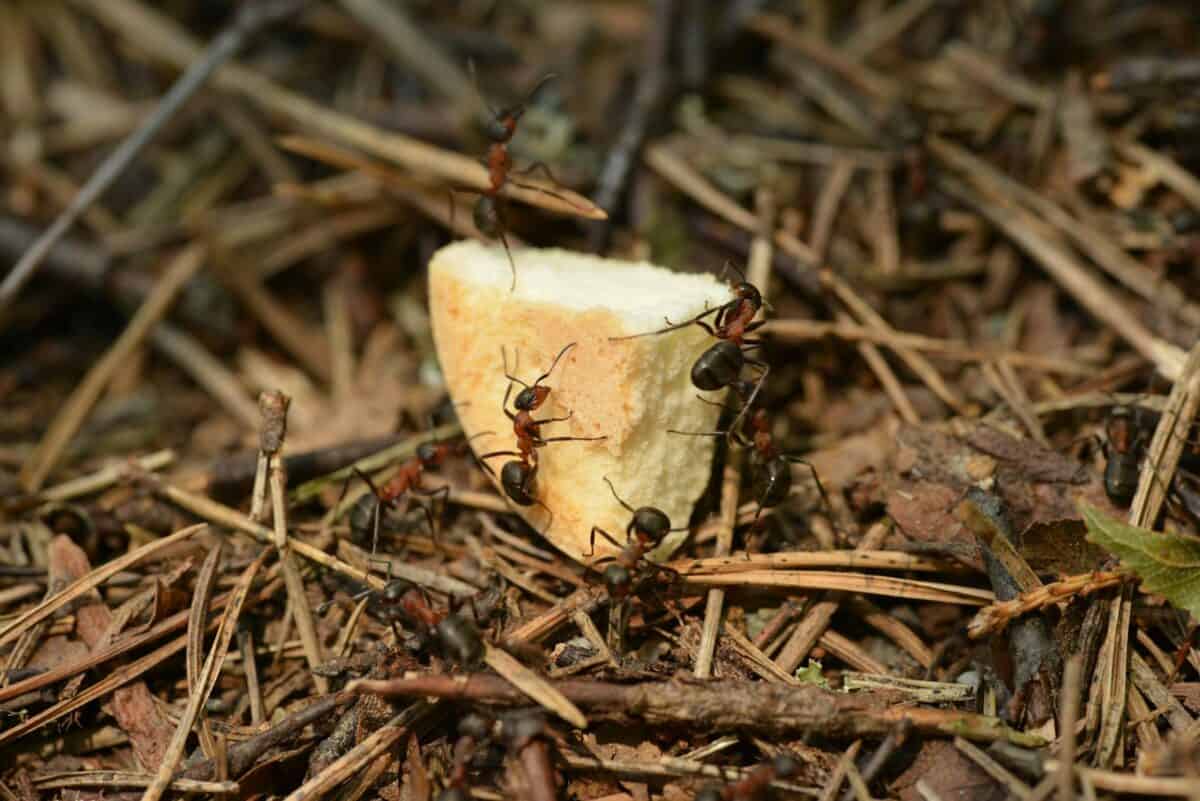
Despite their tiny brains, ants display remarkable abilities to learn and adapt to changing circumstances. While they lack the neural architecture for complex abstract reasoning, they excel at associative learning—connecting stimuli with outcomes. For example, ants can learn to associate certain odors with food rewards or danger. This learning occurs at both individual and colony levels. Individual ants can modify their behavior based on experience, such as avoiding areas where they previously encountered predators. At the colony level, adaptation emerges through changes in the distribution of tasks and responses to stimuli. Research by Laurent Keller’s team at the University of Lausanne demonstrated that ant colonies can learn to solve maze problems: after initially exploring all paths, colonies gradually focus their activity on the most efficient routes to food sources. What’s particularly interesting is how this learning perpetuates even as individual ants die and new ones are born. The colony’s “memory” exists not in any central location but in the distribution of pheromones, the allocation of workers to different tasks, and the collective modification of the environment. This distributed approach to learning and memory allows colonies to adapt to environmental changes without requiring any single ant to understand the big picture—another example of how complex capabilities can emerge from systems of simple components following basic rules.
Social Immunity: Collective Disease Management

Ant colonies face significant challenges from pathogens and parasites, especially given their dense living conditions and genetic relatedness, which should make them vulnerable to disease outbreaks. Yet they’ve evolved sophisticated disease management strategies that don’t require centralized coordination or individual comprehension of epidemiology. Their approach to social immunity includes multiple layers of defense implemented through simple individual behaviors that collectively create a powerful colony-level immune system. When an ant detects a pathogen on another colony member, it may perform “social grooming,” removing spores before they can germinate. If grooming fails and a nestmate dies from infection, worker ants quickly remove the corpse from the nest, reducing exposure to others. Some species even create “quarantine zones” for waste and corpses. Perhaps most remarkably, research by Sylvia Cremer and colleagues at the Institute of Science and Technology Austria has shown that ants practice a form of “vaccination.” When workers encounter pathogens at low levels, they transfer small amounts to nestmates through social contact, triggering immune responses without causing disease. These behaviors don’t require any ant to understand the concept of disease transmission; instead, simple stimulus-response patterns—such as removing anything with the chemical signature of decay—create sophisticated colony-level prophylaxis. This emergent disease management system demonstrates how natural selection has shaped collective behaviors that protect the colony without requiring centralized control or complex individual cognition.
Agricultural Systems Without Farmers

Some of the most sophisticated problem-solving behaviors in the ant world appear in species that practice agriculture—particularly the leafcutter ants of Central and South America. These ants maintain complex fungal farming systems that have been evolving for approximately 50 million years, far predating human agriculture. Leafcutter colonies harvest fresh vegetation, process it into suitable substrate, cultivate specific fungal species, protect their crops from pests and competitors, and manage waste to prevent contamination. This agricultural system is remarkably sophisticated, featuring specialized chambers with controlled microclimates for optimal fungal growth. Yet no individual ant understands agriculture or possesses knowledge of fungal biology. Instead, the farming system emerges from distributed behaviors: foragers respond to chemical cues indicating suitable leaves, gardener ants detect and remove contaminants from fungal gardens, and waste management workers isolate exhausted substrate in dedicated chambers. Research by Ulrich Mueller at the University of Texas has shown that leafcutter ants even produce antibiotic compounds to suppress competing microbes in their gardens—essentially practicing biological pest control. The colony maintains this complex agricultural system without any central coordination, relying instead on each ant responding to local stimuli according to its caste-specific behavioral repertoire. This showcases how a sophisticated technological practice like agriculture can evolve and function through distributed cognition rather than centralized understanding.
Bioinspired Computing: Learning From Ant Algorithms
The problem-solving capabilities of ants have not gone unnoticed by computer scientists and engineers, who have developed a field called ant colony optimization (ACO) that translates ant behavior into powerful computational algorithms. These algorithms, first developed by Marco Dorigo in the 1990s, mimic how ant colonies find efficient paths using pheromone trails and have proven remarkably effective at solving complex optimization problems. In telecommunications, ACO algorithms route data traffic through networks in ways that minimize congestion, similar to how ants naturally distribute their foragers across multiple food sources. In logistics, these algorithms optimize delivery routes, determining the most efficient paths for vehicles delivering goods—essentially the same problem ants solve when foraging. Even in industrial scheduling, ant-inspired algorithms help factories determine the optimal sequence of operations to maximize productivity. What makes these bio-inspired approaches particularly valuable is their robustness and adaptability. Like real ant colonies, these algorithms can quickly adjust to changing conditions—if a network connection fails or a road becomes blocked, the virtual “ants” find alternative routes without requiring a complete system reset. This practical application of ant problem-solving demonstrates how understanding decentralized biological systems can lead to technological innovations, particularly for complex problems where traditional, centralized computation struggles. The success of these ant-inspired algorithms provides strong validation of the power of decentralized problem-solving approaches in both natural and artificial systems.
The Collective Intelligence Paradox
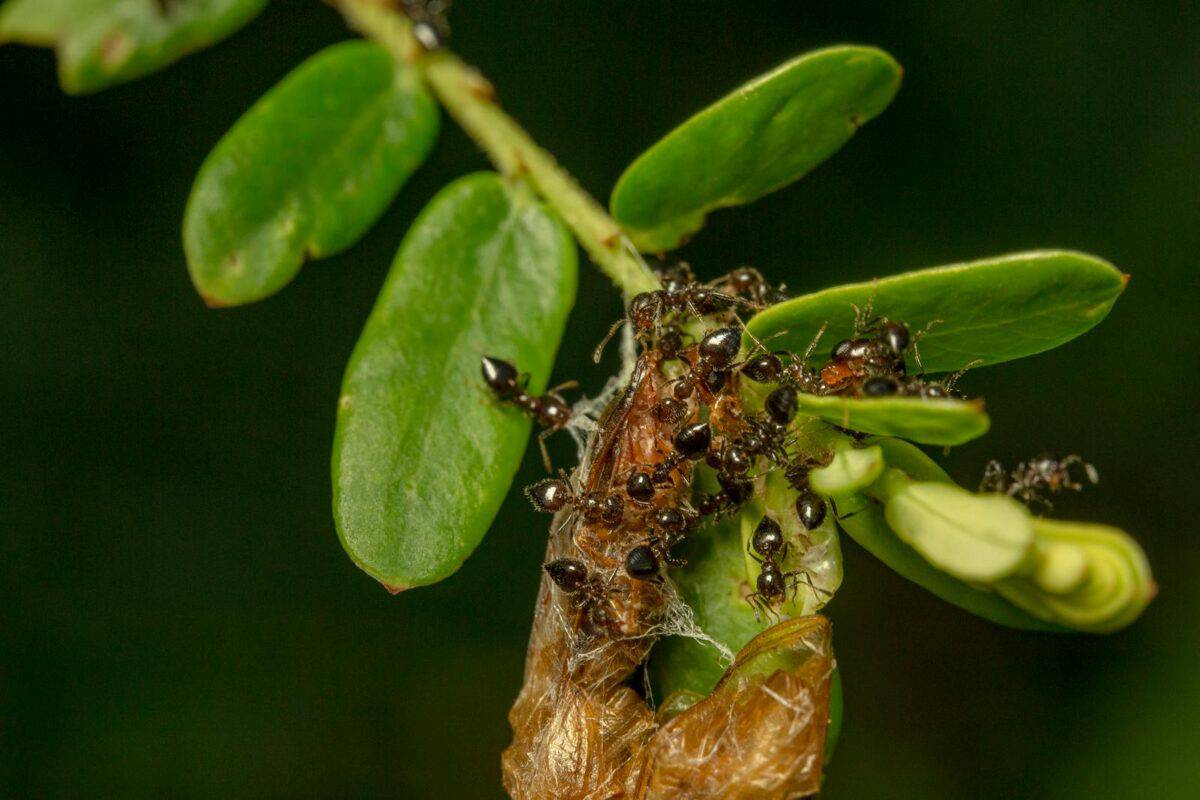
The remarkable problem-solving abilities of ants present us with a fascinating paradox: how can a collection of simple individuals with limited cognitive capacity produce behaviors that appear intelligent, purposeful, and optimized? This question touches on fundamental principles in complexity science and emergence theory. The key insight is that complexity doesn’t necessarily require complexity at the component level—rather, it can emerge from the interactions among simple parts following simple rules. In ant colonies, no individual has the cognitive capacity to comprehend the challenges the colony faces, yet collectively they solve problems that would challenge even advanced artificial intelligence systems. This emergent intelligence occurs because information processing is distributed throughout the system rather than centralized in a single location. Each ant processes limited local information and responds according to simple rules, but the network of interactions creates a system capable of sophisticated computation. This distribution of cognitive load across many small brains allows the colony to perform complex calculations without any individual understanding the entire problem. Researchers like Deborah Gordon at Stanford University have shown that this distributed approach to problem-solving is not just a curiosity but a fundamentally different computational paradigm than centralized processing. The ant colony demonstrates that intelligence isn’t necessarily about having a big brain or complex neural architecture; instead, it can emerge from the collective interactions of many simple agents following basic rules—

- Where to See Puffins Nesting in the United States - June 19, 2026
- Orangutan Moms Build a New Nest Every Night - June 19, 2026
- 12 Subtle Signs That Your Dog Is Anxious - June 19, 2026