

Space exploration represents one of humanity’s greatest adventures, pushing the boundaries of our knowledge and technological capabilities. However, as astronauts venture beyond Earth’s protective atmosphere, their bodies, particularly their brains, undergo remarkable adaptations and face unique challenges. Scientists are increasingly discovering that the extreme environment of space induces significant neurological changes, some temporary and others potentially long-lasting. Understanding these changes has become crucial not only for astronaut health but also for the future of long-duration missions to the Moon, Mars, and beyond. This article explores the fascinating and sometimes concerning ways that space travel affects the human brain, from structural changes visible on brain scans to alterations in cognition and sensory perception.
The Unique Neural Challenges of Microgravity

In the microgravity environment of space, the human brain must adapt to an entirely new physical reality where the constant pull of Earth’s gravity is absent. This fundamental change triggers a cascade of neurological adjustments. Without the familiar downward force, cerebrospinal fluid redistributes throughout the brain and spinal cord, causing increased intracranial pressure. NASA’s SPACECOG studies have shown that this fluid shift can lead to what astronauts call “space brain”—a constellation of symptoms including headaches, cognitive sluggishness, and altered spatial orientation. Perhaps most concerning is evidence from MRI studies showing that the brain itself physically shifts upward within the skull in microgravity, potentially compressing neural tissues and blood vessels at the top of the brain while creating additional space at the bottom.
Visual Impairment and Intracranial Pressure Syndrome

One of the most documented neurological effects of spaceflight is Visual Impairment and Intracranial Pressure syndrome (VIIP), which affects approximately 60% of astronauts who spend extended periods on the International Space Station. This condition manifests as flattening of the back of the eyeball, swelling of the optic nerve, and changes in vision acuity—particularly farsightedness. Research from the NASA Spaceflight Associated Neuro-ocular Syndrome (SANS) study indicates these changes occur because elevated pressure in the brain pushes on the back of the eye, altering its shape. While some visual changes resolve upon return to Earth, others persist for months or even years, raising concerns about permanent structural damage to the visual system for future long-duration missions to Mars, which could last three years or more.
Brain Structure Remodeling in Space

Advanced neuroimaging techniques have revealed that spending time in space actually changes the physical structure of the brain. A landmark 2018 study published in the New England Journal of Medicine used MRI scans to examine astronauts before and after spaceflight, discovering significant narrowing of the central sulcus (a prominent groove separating the brain’s motor and sensory regions) and upward shifting of the brain within the skull. More recent research from the University of Michigan has shown that gray matter volume decreases in some brain regions while increasing in others, particularly in areas involved with motor control and spatial navigation. These structural changes appear to be the brain’s attempt to adapt to an environment where conventional movement patterns and spatial relationships no longer apply. Although many of these changes eventually reverse after return to Earth, the time course varies, with some alterations persisting for months.
Cosmic Radiation and Cognitive Function

Perhaps the most insidious threat to astronauts’ brains comes from cosmic radiation. Beyond Earth’s protective magnetosphere, astronauts are exposed to high-energy particles that can penetrate spacecraft walls and human tissue. Research conducted at the NASA Space Radiation Laboratory has demonstrated that even low doses of galactic cosmic radiation can damage neural tissues. Animal studies have shown that exposure to space-like radiation leads to inflammation, disruption of synaptic connections, and degradation of the hippocampus—a brain region crucial for learning and memory. These effects manifest behaviorally as deficits in spatial learning, memory recall, and attention. Particularly concerning is evidence suggesting that radiation damage can continue to progress months or years after initial exposure, raising serious questions about the long-term cognitive health of astronauts on future deep space missions where radiation exposure would be significantly higher than on missions in low Earth orbit.
Sleep Disruption and Circadian Rhythms

The human brain depends on regular sleep patterns to maintain optimal function, yet space environments severely disrupt these natural cycles. Aboard the International Space Station, astronauts experience 16 sunrises and sunsets every 24 hours as they orbit Earth, wreaking havoc on their circadian rhythms. Studies from NASA’s Sleep Monitoring program reveal that astronauts typically get only 6 hours of fractured sleep per night, far below the recommended amount. This chronic sleep deprivation leads to measurable decreases in reaction time, working memory capacity, and decision-making abilities. Neuroimaging studies have shown that sleep deprivation in space affects the prefrontal cortex particularly strongly, potentially impairing executive functions that are critical for mission success. Even more concerning, research indicates that the brain’s glymphatic system—which clears metabolic waste during sleep—functions suboptimally in space, potentially allowing neurotoxic proteins to accumulate.
Sensory Recalibration and Spatial Disorientation
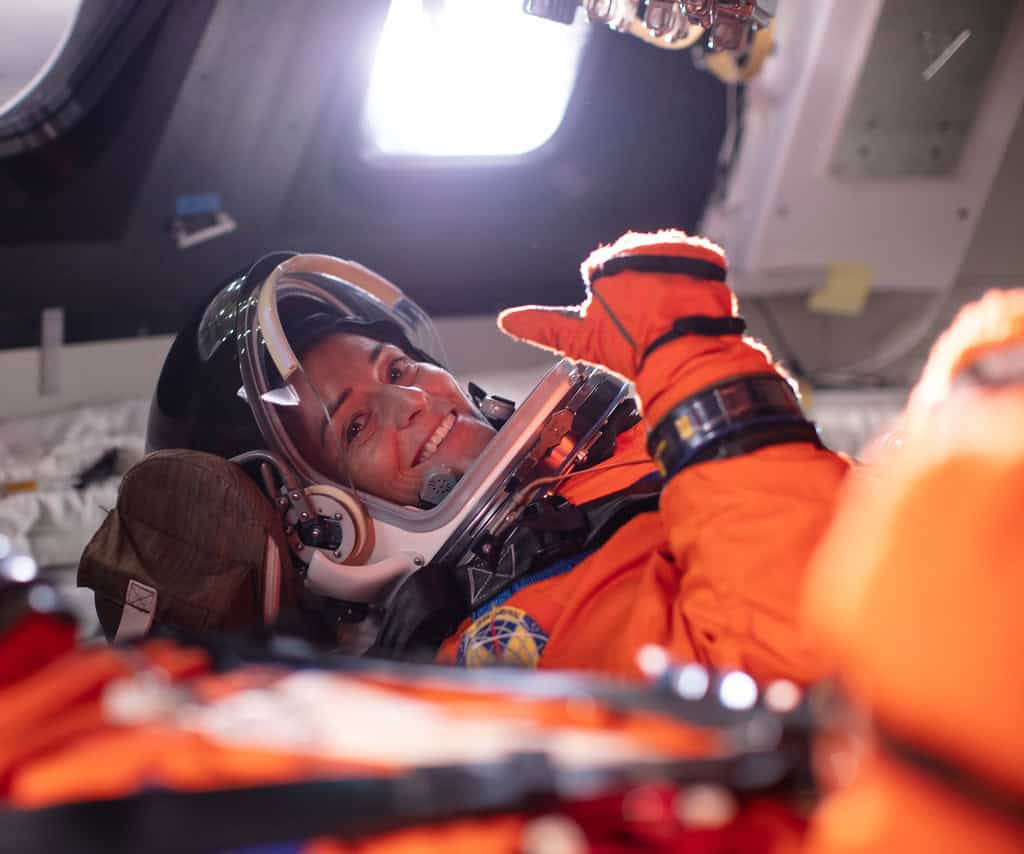
In space, the brain must dramatically recalibrate its sensory interpretation systems. Without reliable gravitational cues, the vestibular system—responsible for balance and spatial orientation—sends conflicting signals to the brain. This sensory mismatch manifests as Space Adaptation Syndrome (space sickness) in about 70% of astronauts during their first few days in orbit. Functional MRI studies show increased activity in the cerebellum, thalamus, and insular cortex as the brain works overtime to integrate contradictory sensory inputs. Over time, the brain adapts by relying more heavily on visual cues for orientation, essentially rewiring neural pathways. This remarkable neuroplasticity comes at a cost, however. Upon returning to Earth, astronauts must undergo a reverse adaptation process, experiencing difficulty with balance, coordination, and spatial judgments for days or weeks as their brains readjust to gravity’s presence.
Isolation, Confinement, and Brain Chemistry
The psychological stress of space travel—characterized by extreme isolation, confinement in small quarters, and distance from loved ones—triggers neurochemical changes that affect brain function. Research from isolation simulation studies like NASA’s Human Exploration Research Analog (HERA) shows that extended isolation increases cortisol levels, altering activity in the amygdala and prefrontal cortex. These changes can manifest as mood disturbances, increased stress reactivity, and altered decision-making processes. Particularly noteworthy are changes in dopamine signaling pathways, which affect motivation and reward systems. Studies of Antarctic winter-over crews (often used as space mission analogs) demonstrate that isolation leads to decreased dopamine receptor availability, potentially explaining the “winter-over syndrome” of apathy and cognitive dulling observed in isolated environments. For future Mars missions lasting years rather than months, these neurochemical adaptations could significantly impact crew cohesion and mission success.
The Blood-Brain Barrier in Space

Recent discoveries suggest that spaceflight may compromise the blood-brain barrier—the critical protective interface that prevents potentially harmful substances in the bloodstream from entering the brain. Research published in FASEB Journal in 2021 found evidence of blood-brain barrier leakage in mice exposed to simulated spaceflight conditions. When this barrier becomes more permeable, it potentially allows inflammatory compounds, pathogens, and toxic molecules to access the brain, triggering neuroinflammation. Studies of returned astronauts have detected elevated levels of inflammatory markers in their cerebrospinal fluid, consistent with this hypothesis. The combination of radiation exposure and microgravity appears particularly damaging to barrier integrity. Scientists are concerned that prolonged missions might lead to chronic neuroinflammation, which has been linked to various neurodegenerative conditions and cognitive impairments on Earth. Developing countermeasures to protect the blood-brain barrier has therefore become a priority for space neuroscience research.
Neuroplasticity: The Brain’s Adaptive Response
Despite the challenges space poses to the human brain, its remarkable plasticity enables adaptation to the extreme environment. Longitudinal studies of astronauts show that the brain forms new neural connections to compensate for altered sensory inputs and physical demands. The motor cortex demonstrates particularly dramatic reorganization as astronauts learn to move efficiently without gravity’s familiar constraints. Advanced neuroimaging techniques like diffusion tensor imaging reveal changes in white matter tracts—the brain’s communication highways—indicating strengthened connections in areas controlling eye-hand coordination and spatial navigation. These adaptive changes exemplify the brain’s incredible resilience. However, this plasticity is double-edged: the same mechanisms allowing adaptation to space make readjustment to Earth more challenging. Research from the University of Michigan’s Space Neuroimaging Laboratory suggests that older astronauts might experience slower readaptation due to age-related decreases in neuroplasticity, raising important considerations for astronaut selection and post-mission rehabilitation programs.
Countermeasures and Neuroprotective Strategies

As our understanding of space-induced neurological changes has improved, so too have the strategies to mitigate them. Physical countermeasures include specialized exercise protocols designed to maintain cerebral blood flow patterns, artificial gravity systems that periodically expose astronauts to gravitational forces, and specialized helmets that redistribute intracranial pressure. Pharmacological approaches are also being investigated, including anti-inflammatory compounds that protect against radiation-induced neuroinflammation and drugs that support the blood-brain barrier’s integrity. Cognitive countermeasures involve computerized brain training programs that target specific neural systems vulnerable to degradation in space. NASA’s Cognition test battery allows regular assessment of astronauts’ cognitive functions, enabling early detection of potential declines. Perhaps most promising are combination approaches that integrate physical, pharmacological, and cognitive interventions tailored to individual astronauts’ neurological risk profiles. The European Space Agency’s “Mental Gym” program exemplifies this comprehensive approach, combining cognitive training with biofeedback and virtual reality environments designed to maintain optimal brain function during long-duration missions.
Implications for Long-Duration Deep Space Missions
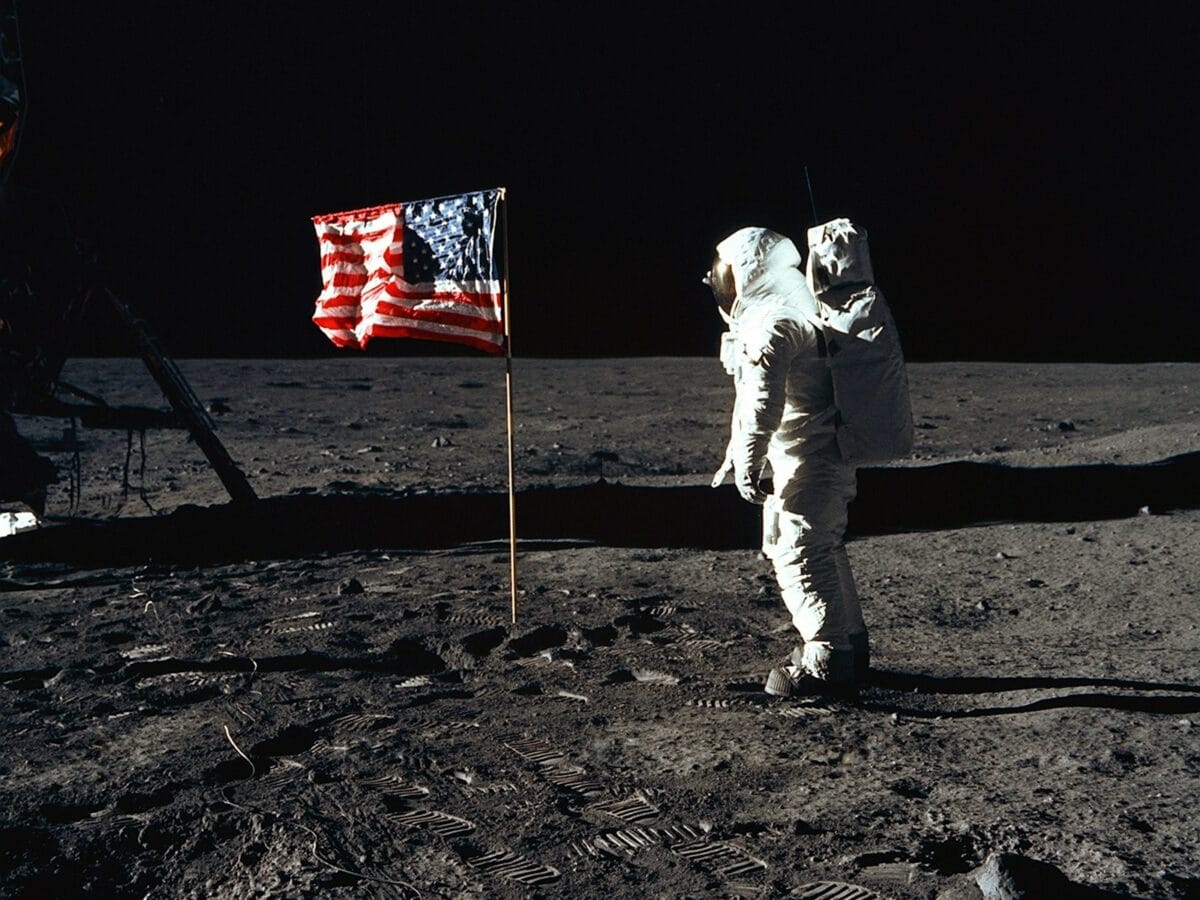
As space agencies prepare for missions to Mars and beyond, understanding and mitigating neurological risks becomes increasingly critical. These future missions will expose astronauts to deeper space radiation, longer periods of microgravity, and unprecedented isolation—a trifecta of conditions potentially harmful to brain health. Computational models based on current data suggest that without improved countermeasures, astronauts on a three-year Mars mission might experience cognitive decrements equivalent to several years of accelerated brain aging. Particular concerns exist around decision-making capabilities during critical mission phases and the potential for permanent cognitive changes that might affect astronauts’ quality of life after mission completion. These challenges have spurred technological innovations, including advanced spacecraft shielding designs, biomedical monitoring systems that can detect neurological changes in real-time, and artificial intelligence systems that could complement human capabilities during periods of cognitive vulnerability. Nevertheless, significant knowledge gaps remain, particularly regarding how multiple space stressors might interact synergistically to affect the brain over multi-year timeframes.
Lessons for Neuroscience on Earth
The study of brain changes in space has yielded unexpected benefits for understanding neurological conditions on Earth. The fluid shifts in astronauts’ brains bear striking similarities to those in patients with idiopathic intracranial hypertension, providing new insights into this challenging condition. Space-related research has also accelerated the development of portable neuroimaging technologies and cognitive assessment tools with applications in remote medicine and neurological monitoring. The brain’s adaptation to microgravity has informed rehabilitation approaches for vestibular disorders and balance issues. Perhaps most significantly, understanding how the healthy brain responds to extreme environmental stressors has provided valuable models for studying neuroplasticity and resilience. Research into radiation countermeasures for astronauts has yielded promising compounds that might protect against radiation exposure during cancer treatments. As we continue expanding our presence in space, these cross-disciplinary connections between space neuroscience and terrestrial medicine will likely multiply, creating a virtuous cycle of discovery that benefits both astronauts and patients on Earth.
Conclusion: The Next Frontier in Space Health

The human brain’s journey into space represents one of the most remarkable adaptation stories in our species’ history. From structural shifts visible on MRI scans to subtle changes in neural signaling and cognitive performance, space travel is literally reshaping our understanding of the brain’s capabilities and vulnerabilities. As we stand at the threshold of a new era in human spaceflight—with plans for long-duration lunar habitation and eventual Mars exploration—protecting astronauts’ neurological health has emerged as a critical challenge that will determine the feasibility and success of these ambitious endeavors. The brain’s remarkable adaptability gives cause for optimism, while the persistence of certain neurological changes after return to Earth reminds us of the formidable challenges that space poses to human physiology. Through continued research, innovative countermeasures, and interdisciplinary collaboration, we can develop the knowledge and technologies needed to safeguard the most complex and precious organ in the human body as it ventures into the final frontier.

- The Secret Language of Dolphins Decoded by Researchers - July 20, 2026
- 7 Animals That Can Survive Extreme Environments You Couldn’t - July 20, 2026
- The Longest Snake Ever Found in the U.S. - July 20, 2026