

In the face of increasingly devastating wildfires across the Western United States, an unlikely hero has emerged from the riparian zones: the North American beaver (Castor canadensis). These industrious rodents, once trapped to near extinction for their valuable pelts, are now being recognized as crucial ecosystem engineers whose dam-building activities create natural firebreaks and increase landscape resilience to wildfire. As climate change drives hotter, drier conditions across the American West, beavers’ water-storing capabilities are proving to be a powerful natural tool in wildfire prevention and mitigation efforts. From Colorado to California, scientists, land managers, and conservationists are increasingly looking to beaver-created wetlands as a cost-effective, sustainable strategy to combat the growing wildfire crisis.
The Growing Wildfire Crisis in the Western United States
The American West is experiencing a wildfire crisis of unprecedented proportions. In the past decade alone, wildfires have burned millions of acres, destroyed thousands of homes, claimed hundreds of lives, and cost billions in damages and suppression efforts. Climate scientists point to several converging factors driving this crisis: rising temperatures, prolonged droughts, earlier snowmelt, increased fuel loads from past fire suppression policies, and expanding human development into fire-prone landscapes. The 2020 fire season shattered records with over 10.3 million acres burned across western states. California’s 2020 fire season alone saw five of the six largest wildfires in state history, while Oregon experienced its most destructive fire season on record. As these extreme fire events become more frequent and intense, communities and agencies are desperately seeking innovative solutions to increase landscape resilience—and beavers are emerging as an unexpected ally in this fight.
Understanding Beaver Ecology and Engineering

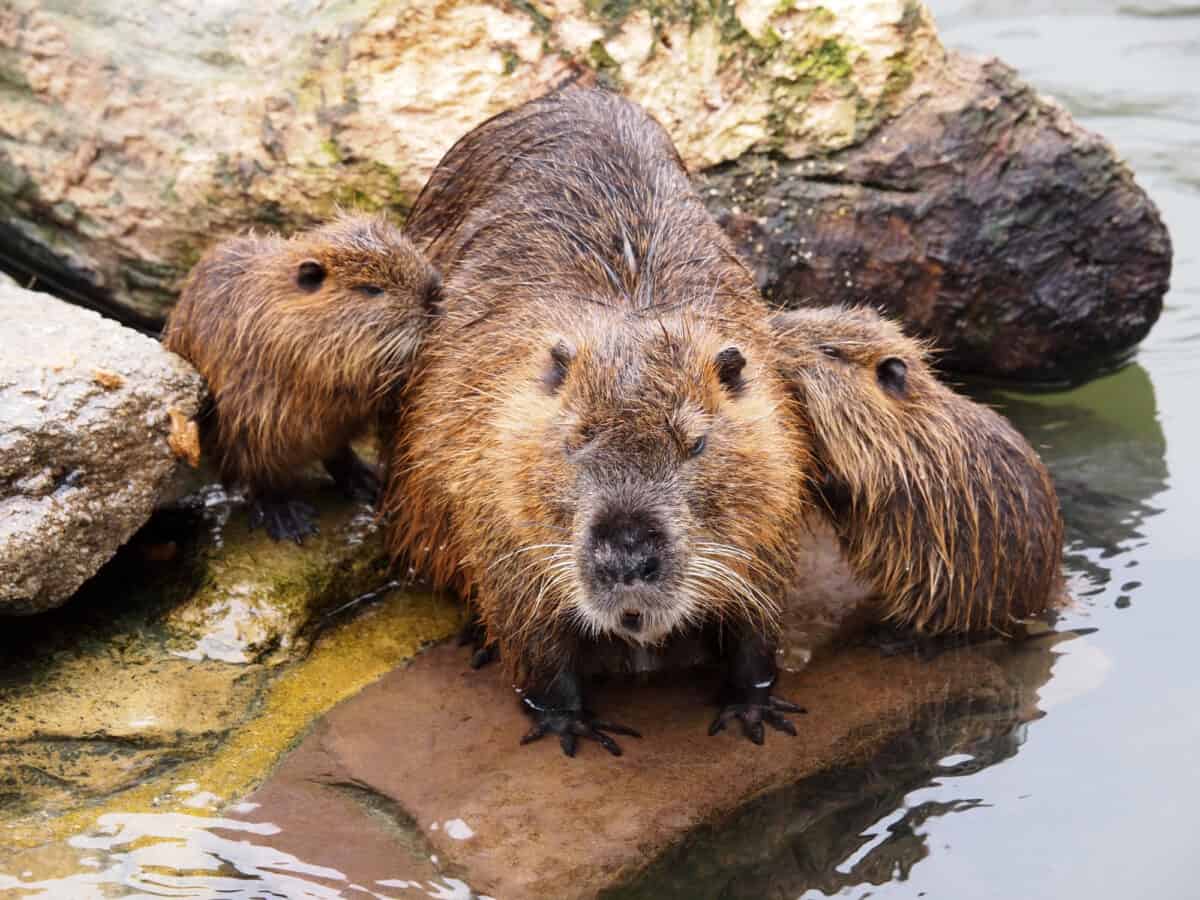
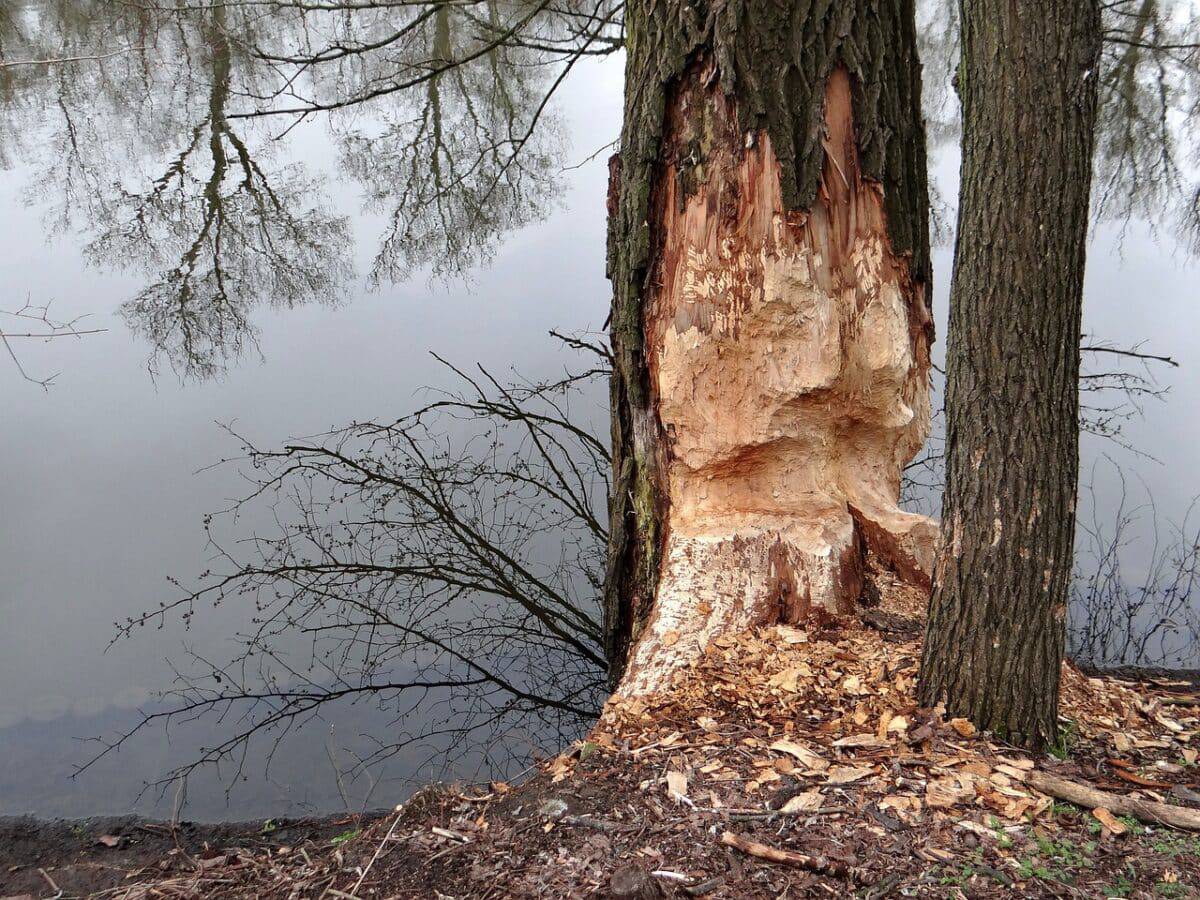
Beavers are nature’s hydrological engineers, transforming landscapes through their dam-building activities. Using branches, mud, and stones, these 40-60 pound rodents construct dams that can span hundreds of feet across streams. This dam-building behavior serves several purposes for the beavers: it creates deep pools that provide protection from predators, ensures access to food during winter when ponds freeze over, and expands riparian habitat for the trees and plants they feed on. What makes beavers unique among wildlife is their ability to actively modify their environment to suit their needs rather than simply adapting to existing conditions. A single beaver family can maintain multiple dams within their territory, creating a complex of ponds, channels, and wetlands. These beaver-engineered ecosystems can persist for decades or even centuries, continually evolving as beavers maintain, abandon, or rebuild dams in response to changing conditions. This constant landscape modification creates a mosaic of varying habitat ages and types—precisely the kind of landscape heterogeneity that helps interrupt the spread of wildfire.
Creating Natural Firebreaks Through Wetland Development

One of the most direct ways beavers help prevent wildfire spread is by creating natural firebreaks in the form of ponds, wetlands, and saturated soils. When a wildfire encounters a beaver complex—the network of dams, ponds, and wet meadows created by beaver activity—the fire typically slows or stops altogether. These water features and soggy areas act as barriers to fire progression, creating discontinuity in fuels across the landscape. Research in the Methow Valley of Washington state documented how beaver complexes halted the advance of the 2014 Twisp River Fire, saving adjacent forest stands while surrounding areas burned intensely. Similarly, during Colorado’s 2020 Cameron Peak Fire, satellite imagery revealed how beaver-influenced wetlands remained as green islands in a sea of burned landscape. Emily Fairfax, a hydrology scientist at California State University Channel Islands, has pioneered research in this area, using drone footage and satellite imagery to document the “green island” effect of beaver complexes during wildfire events. Her research has shown that areas with active beaver colonies are 3-5 times more likely to remain unburned during wildfire events compared to similar riparian areas without beavers.
Increasing Landscape Water Storage Capacity

Beyond creating firebreaks, beavers dramatically increase the water storage capacity of watersheds—a critical factor in wildfire resilience. By damming streams, beavers slow water flow, allowing it to spread across floodplains and seep into groundwater. A single beaver dam can hold thousands of gallons of water, and a system of multiple dams can store millions of gallons across a watershed. This water storage function is particularly valuable in the drought-prone West, where seasonal water scarcity contributes to wildfire risk. Studies in Colorado have shown that beaver-influenced watersheds can store 5-10 times more water than those without beavers, maintaining higher soil moisture levels throughout the dry season. This increased moisture extends the “green-up” period of riparian vegetation well into the fire season. Research from Oregon State University has documented that riparian areas with beaver activity maintain vegetation moisture content 15-25% higher than those without beavers during late summer months—when wildfire risk peaks. This higher moisture content makes vegetation less susceptible to ignition and slows fire spread rates when blazes do occur.
Restoring Riparian Vegetation and Creating Fire-Resistant Corridors

Beavers transform vegetation patterns in ways that enhance fire resistance across landscapes. When beavers dam a stream, they raise the water table in surrounding areas, which promotes the growth of riparian vegetation like willows, cottonwoods, and aspens—trees that retain higher moisture content than coniferous species. These deciduous trees create natural fire breaks, as they don’t burn as readily as pine, fir, and spruce during wildfire events. Additionally, beaver ponds and the resulting elevated water tables support lush undergrowth of sedges, rushes, and other wetland plants that remain green even during drought conditions. Over time, beaver activity creates a mosaic of diverse vegetation types at different successional stages. This landscape heterogeneity interrupts the continuity of fuels that would otherwise allow fires to spread rapidly. Research in Yellowstone National Park following the 1988 fires demonstrated that areas with beaver-maintained wetlands recovered faster and experienced less severe burns than similar riparian areas without beaver influence. These beaver-created “green ribbons” now serve as critical fire-resistant corridors throughout western landscapes.
The Historical Context: Beaver Depletion and Wildfire Increase

The connection between beaver removal and increased wildfire vulnerability becomes clearer when examining historical patterns. Prior to European colonization, an estimated 100-200 million beavers inhabited North America, engineering virtually every suitable stream system on the continent. By the late 1800s, commercial trapping had reduced beaver populations by more than 90%, with many watersheds losing beavers entirely. This massive reduction in beaver populations coincided with significant changes to western watersheds: streams began to cut deeper channels, disconnecting from their floodplains; wetlands dried up; water tables dropped; and riparian vegetation declined. These hydrological changes, compounded by 20th-century fire suppression policies, created conditions more conducive to high-severity wildfires. Historical ecology research using sediment cores from western meadows shows a correlation between beaver removal and changes in fire regimes. Paleoecological studies examining charcoal layers in sediment records indicate that watersheds maintained higher moisture levels and experienced less severe fire effects during periods with abundant beaver populations. This historical perspective supports the idea that restoring beavers to western landscapes could help recreate historical conditions that were more resistant to catastrophic wildfire.
Case Studies: Beaver Restoration Success Stories

Across the West, numerous projects are demonstrating the fire-mitigating benefits of beaver restoration. In central Oregon’s Bridge Creek watershed, a decade-long beaver restoration project has transformed a degraded stream system into a complex of ponds and wetlands. When the 2020 Frog Fire burned through the area, beaver-influenced sections experienced significantly lower burn severity than nearby areas without beavers. Similarly, in Nevada’s Elko County, the Susie Creek watershed has seen dramatic improvements in riparian condition following beaver reintroduction in 2005. During the 2018 South Sugarloaf Fire, beaver complexes in Susie Creek acted as natural fire breaks, protecting critical habitat for endangered Lahontan cutthroat trout. Perhaps the most compelling example comes from California’s Scott Valley, where beaver restoration efforts began in 2015. When the 2021 Antelope Fire approached the valley, fire crews reported that beaver-created wetlands helped them establish containment lines and protect nearby communities. These success stories highlight how relatively small investments in beaver restoration can yield significant wildfire resilience benefits across large landscapes.
Beaver Dam Analogues: Human-Assisted Beaver Engineering

Recognizing the benefits of beaver-created wetlands, scientists and land managers have developed techniques to jumpstart the process when beavers are absent or unable to build dams naturally. Beaver Dam Analogues (BDAs) are human-built structures that mimic natural beaver dams, typically constructed with wooden posts driven into the streambed with interwoven branches and vegetation. These structures slow water flow, trap sediment, raise water tables, and create habitat conditions favorable for beaver colonization. BDAs have become an increasingly popular watershed restoration tool, with thousands installed across western states. The low-tech, relatively inexpensive nature of BDAs makes them accessible to communities seeking cost-effective wildfire protection. In northern New Mexico, the Rio Grande Water Fund has installed over 250 BDAs in high-priority watersheds that supply water to Albuquerque and Santa Fe, with early monitoring showing increased soil moisture and reduced fire risk. Similarly, California’s Plumas National Forest has incorporated BDAs into its fire management strategy, installing structures in strategic locations to create discontinuity in fuels across the forest. These human-assisted beaver engineering efforts are particularly valuable in landscapes where beaver populations haven’t yet recovered but where fire risk is high.
Measuring the Impact: Scientific Evidence of Beaver’s Fire-Fighting Effect
The scientific evidence supporting beavers’ role in wildfire mitigation continues to grow. A groundbreaking 2020 study published in Ecological Applications analyzed 30 years of satellite imagery across five western states to evaluate how beaver-influenced stream reaches responded to wildfires compared to similar streams without beavers. The results were striking: beaver-dammed stream sections were three times more likely to remain unburned during wildfire events. When fires did burn through beaver complexes, the severity was significantly lower than in comparable riparian areas without beavers. Another study in Oregon’s Bridge Creek watershed used thermal imaging during the 2018 fire season to compare ground temperatures in beaver-influenced areas versus similar terrain without beavers. During peak afternoon heat, ground temperatures in beaver-influenced areas averaged 15-20°F cooler than nearby areas without beaver activity—a difference that significantly affects vegetation moisture content and fire behavior. Research from Colorado State University has quantified that streams with beaver dams retain approximately 870% more water than those without dams during summer months. This dramatic increase in water retention translates directly to increased fire resistance during the peak fire season. These scientific findings are helping land managers make the case for including beaver restoration in wildfire management planning.
Challenges and Limitations of Beaver-Based Fire Prevention

Despite their benefits, beaver-based approaches to wildfire mitigation face several challenges. First, beavers cannot inhabit all landscapes—they require perennial water sources and suitable vegetation. In arid regions where wildfire risk is highest, suitable beaver habitat may be limited to major stream corridors, leaving large upland areas unprotected. Additionally, beaver activity can sometimes conflict with human infrastructure and land uses. Beavers may block culverts, flood roads, or damage irrigation systems, creating management challenges for landowners and agencies. There are also regulatory hurdles in some states where beavers are still classified as nuisance wildlife or furbearers with liberal trapping seasons, making protection and restoration efforts more difficult. Ecological limitations exist as well—beaver dams can be temporary structures that wash out during high flow events, potentially limiting their long-term effectiveness as firebreaks in some systems. Finally, while beaver-created wetlands can help mitigate moderate wildfires, they may prove insufficient against the most extreme, high-intensity fire events that are becoming more common with climate change. These challenges highlight the need for integrated approaches that combine beaver restoration with other fire management strategies tailored to local conditions and needs.
Policy Implications and Management Recommendations

The growing recognition of beavers’ role in wildfire mitigation is influencing natural resource policy across the West. Several states have revised their beaver management regulations to facilitate restoration efforts. Washington state now classifies beaver relocations as a restoration activity rather than a nuisance wildlife control measure when used for watershed enhancement. California’s Department of Fish and Wildlife has developed new permitting pathways for beaver reintroduction projects that demonstrate wildfire resilience benefits. At the federal level, the U.S. Forest Service and Bureau of Land Management have included beaver restoration in their wildfire risk reduction strategies for selected watersheds. The 2021 Infrastructure Investment and Jobs Act allocated $500 million for watershed restoration projects, with beaver-based restoration specifically mentioned as an eligible activity. For land managers considering beaver-based approaches to wildfire mitigation, experts recommend several best practices: conduct thorough site assessments to identify suitable habitat; engage with adjacent landowners early to address potential concerns; implement monitoring programs to document outcomes; combine beaver restoration with other fire management strategies such as strategic fuel breaks; and develop adaptive management plans to address conflicts if they arise. These policy developments and management approaches reflect a growing consensus that working with—rather than against—these natural watershed engineers can yield significant benefits for wildfire resilience.
Community Engagement and Education Efforts

Successful beaver-based wildfire mitigation requires community support and engagement. Across the West, organizations are working to build public understanding of beavers’ ecological benefits, particularly regarding fire protection. The Beaver Coalition, a national network of beaver advocates, conducts workshops for landowners, firefighters, and community leaders focused on beaver-based watershed restoration for fire resilience. In California’s Sierra Nevada, the Sierra Fund has launched a “Beavers and Blazes” public education campaign highlighting how beaver restoration can protect mountain communities from catastrophic wildfire. Several Native American tribes, including the Tulalip Tribes in Washington and the Confederated Tribes of Warm Springs in Oregon, have integrated traditional ecological knowledge about beavers into contemporary fire management practices and conduct community education about these connections. These education efforts are particularly important in communities with negative perceptions of beavers based on past conflicts. In Montana’s Blackfoot Valley, a community-based watershed group has transformed attitudes about beavers by installing flow devices that prevent flooding while maintaining beaver dams and documenting how these beaver complexes helped protect ranches during recent wildfires. These community engagement approaches demonstrate how education about beavers’ fire-mitigating benefits can build support for coexistence and restoration efforts.
The Future of Beaver-Based Fire Ecology in a Changing Climate

As climate change continues to alter western landscapes, the role of beavers in wildfire adaptation strategies is likely to expand. Climate projections indicate the American West will experience increasing temperatures, more variable precipitation, reduced snowpack, and longer fire seasons in coming decades—conditions that will amplify wildfire risk across the region. In this context, beaver-created wetlands represent critical climate adaptation features that can buffer landscapes against these changes. Hydrological modeling suggests that watersheds with beaver activity are more resilient to climate-driven changes, maintaining higher base flows during drought and moderating flood peaks during intense precipitation events. Several major climate adaptation initiatives now explicitly include beaver restoration as a strategy for building landscape resilience. California’s 30×30 conservation initiative, which aims to protect 30% of the state’s lands and waters by 2030, identifies beaver restoration in fire-prone watersheds as a priority action. Similarly, Colorado’s Forest Action Plan now includes beaver habitat protection in its climate adaptation framework. Looking forward, researchers are using climate and fire behavior models to identify priority watersheds where beaver restoration could yield the greatest fire mitigation benefits under future climate scenarios. These forward-looking approaches recognize that as climate change intensifies fire risk, nature-based solutions like beaver restoration will become increasingly valuable tools in the wildfire management toolkit.
Conclusion: Embracing Nature’s Firefighters

As the American West confronts an escalating wildfire crisis, the humble beaver has emerged as an unexpected ally in creating more fire-resistant landscapes. Through their dam-building activities, beavers engineer watersheds in ways that naturally mitigate wildfire risk—creating wet barriers that slow fire spread, maintaining higher soil and vegetation moisture during drought, and promoting fire-resistant riparian vegetation. The growing body of scientific evidence documenting these benefits has sparked a movement to restore beaver populations as a cost-effective, sustainable strategy

- Prehistoric Shark Fossils Found Off the Coast of Florida - July 24, 2026
- Could Bioluminescent Animals Help Cure Cancer? - July 24, 2026
- A Transparent Amphibian Was Discovered in American Wetlands - July 24, 2026