


When Richard Caldow first stood on the cliffs of Purbeck, watching a dwindling group of puffins fight for survival, he knew he couldn’t turn away. These colourful seabirds, once thriving along the Dorset coast, are now down to just three nesting pairs. For Caldow, this is more than a job—it’s a mission to save one of England’s last mainland puffin colonies before it’s too late.
Searching for Clues Among the Cliffs

The story begins on the rugged coastline, where puffins once filled the skies. In the 1950s, around 80 pairs nested here, but now, only a handful remain. Richard Caldow and his team, armed with motion-sensor cameras and binoculars, spend countless hours scanning the cliffs. They’re looking for answers—why aren’t the puffins breeding? Despite their efforts, no chicks have been confirmed in recent years, and the mystery deepens.
Guardians of the Coast
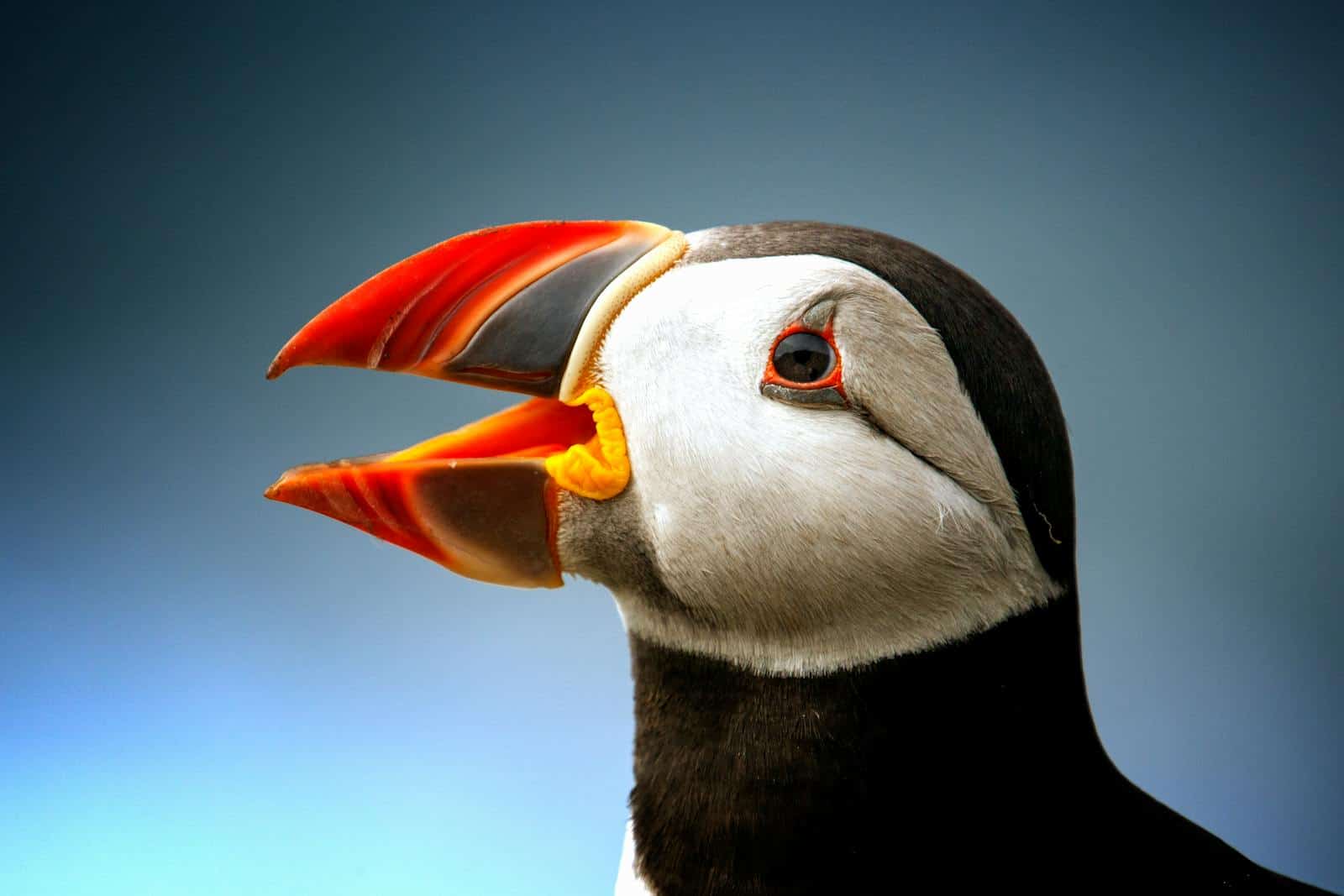
While puffins struggle, Caldow is not alone. Local volunteers, some lifelong residents, have become guardians of the coast. They trek dangerous paths and brave the winds, helping to track the birds’ behavior. The cliffs are difficult to access, but these puffin protectors are determined. Their dedication brings hope to a fight that feels increasingly urgent.
Puffins in Peril
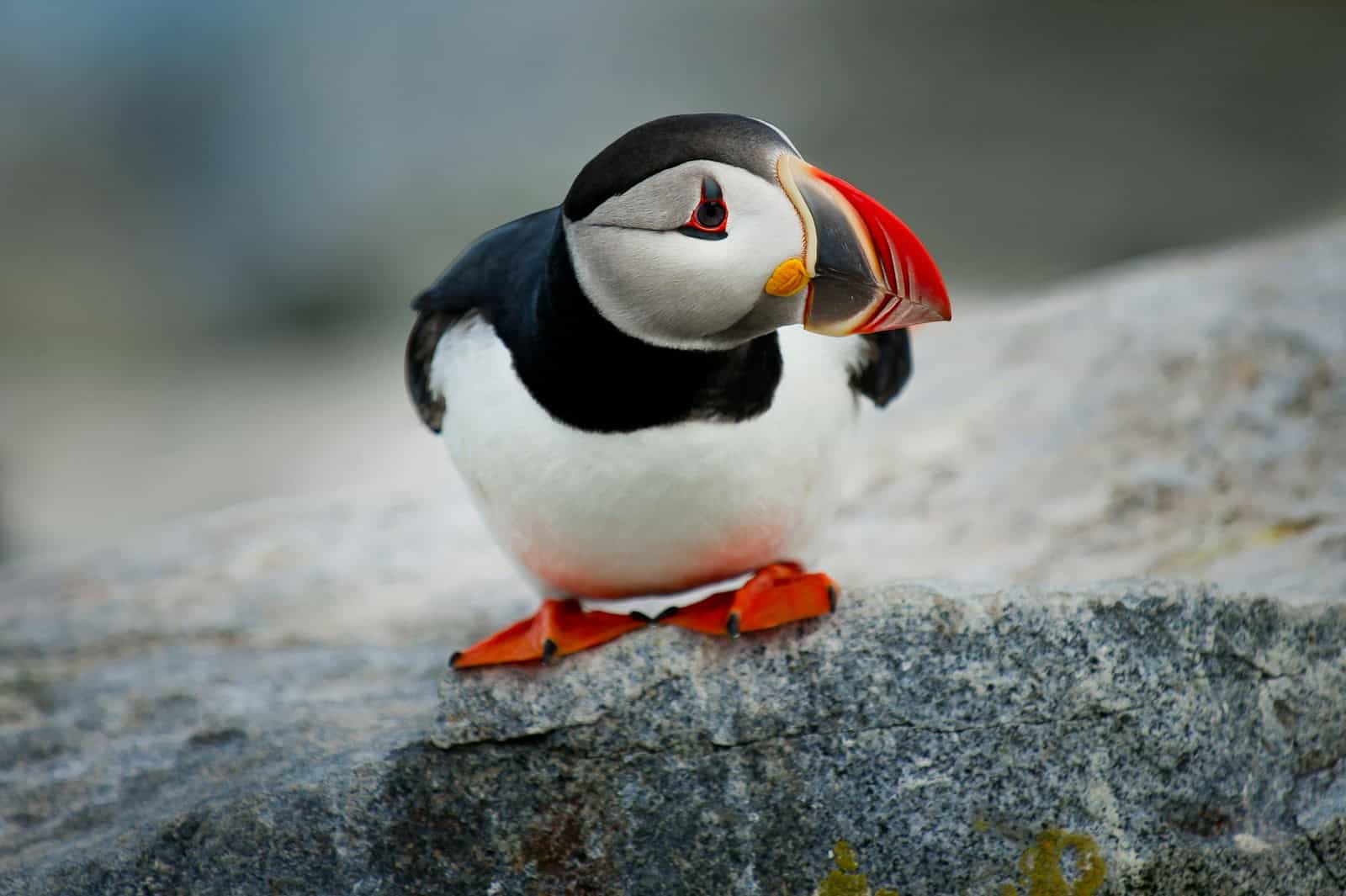
Predators like rats and crows could be to blame, but so far, no clear evidence has been found. Other seabirds in the area, like razorbills and guillemots, seem unaffected. This suggests that puffins face unique challenges. Perhaps it’s a mix of predation, climate shifts, or habitat changes. For now, the cause remains uncertain, and every lost breeding season feels heavier than the last.
A Community’s Last Stand
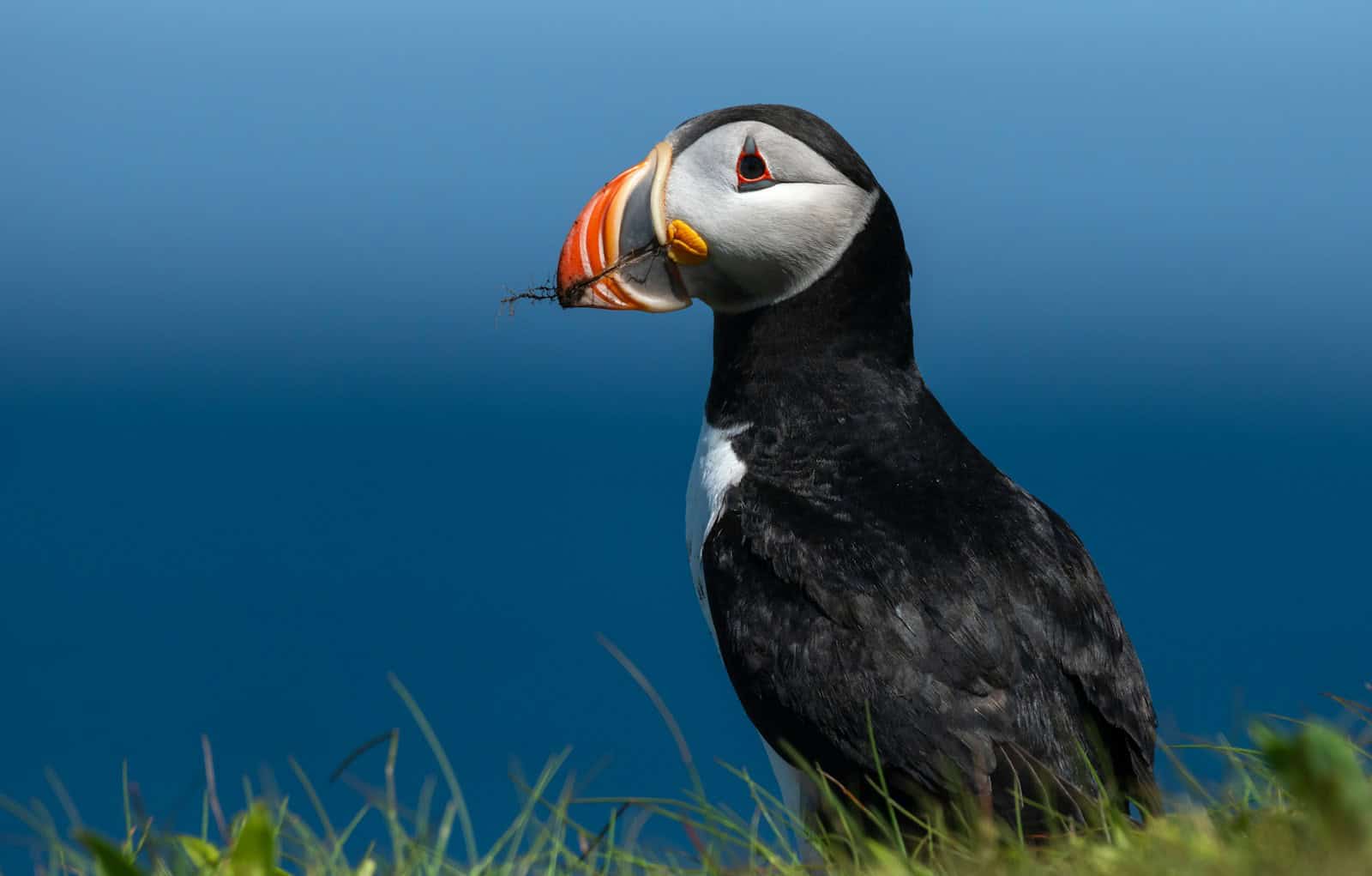
The people of Dorset are rallying behind the puffins. Conservation groups like the National Trust and Dorset Wildlife Trust are offering support, while local boat captains assist with sea-based observations. These combined efforts show a community’s love for its wildlife. They refuse to let the last of the Purbeck puffins vanish without a fight.
Holding On to Hope

Despite the grim numbers, Caldow believes in resilience—both in nature and in people. He’s seen moments of promise, like puffins returning to the cliffs, even if just for a while. The team pushes forward, improving their methods, hoping to spot fledglings again. It’s a race against time, but one they’re not ready to lose.
A Legacy Worth Saving
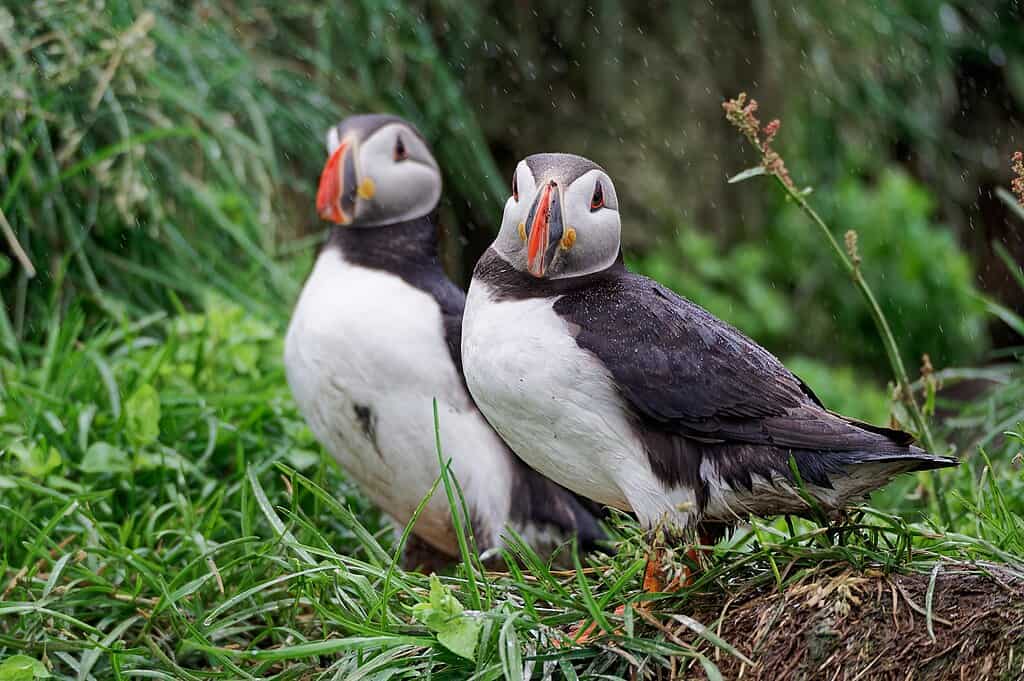
For Richard Caldow, saving these puffins isn’t just about birds—it’s about preserving a piece of England’s wild heart. The bond between humans and these seabirds runs deep, built on respect and care. If the Purbeck puffins are to survive, it will be because of this shared commitment. In the cliffs of Dorset, the last chapter is still being written—and with it, the hope that puffins will once again thrive.

adventuring, photography and videography. I am currently working towards a BSc in Biodiversity and Ecology at Stellenbosch University to go on to specialise in Marine Sciences one day.
Please send any feedback to Feedback@animalsaroundtheglobe.com
- Top 21 Must-see Birds For Bird Watchers In America - July 20, 2026
- Italy Mourns Hero Police Dog Killed by Food Laced with Nails - July 20, 2026
- Pigeon Turns into Fashionista and Wears Bread - July 19, 2026