

Turtles have been roaming the Earth for over 220 million years, surviving mass extinctions and evolving remarkable adaptations that allow them to thrive in diverse environments. While their protective shells might be their most recognizable feature, many wild turtle species possess surprising abilities that go far beyond simple defense. From freezing solid during winter to navigating using Earth’s magnetic field, these ancient reptiles have developed extraordinary capabilities that help them survive in their respective habitats. This article explores fourteen wild turtle species with unexpected and fascinating abilities that showcase nature’s ingenuity and the remarkable adaptability of these resilient creatures.
14. Painted Turtles The Freeze-Resistant Survivors

Painted turtles (Chrysemys picta) have developed one of the most remarkable cold-weather survival techniques in the reptile world. These freshwater turtles can survive freezing solid during harsh winter months in northern climates. Their bodies produce glucose and other compounds that act as natural antifreeze, preventing fatal ice crystal formation in their cells. Even more impressively, painted turtles can endure without oxygen for up to five months while frozen, as their metabolic rate drops to nearly zero. Their hearts stop beating, blood stops flowing, and they essentially enter a state of suspended animation until spring arrives with warmer temperatures. This extraordinary adaptation allows painted turtles to expand their range far north into Canada, inhabiting regions where most other reptiles cannot survive.
13. Loggerhead Sea Turtles Master Navigators

Loggerhead sea turtles (Caretta caretta) possess an astonishing ability to navigate across thousands of miles of open ocean using Earth’s magnetic field. These marine turtles hatch on beaches and immediately head to sea, where they embark on transoceanic journeys before returning to their natal beaches as adults to nest. Research has shown that loggerheads have magnetite crystals in their brains that function as a biological GPS, allowing them to detect both the intensity and angle of Earth’s magnetic field. This gives them a precise positional and directional sense that humans can only achieve with advanced technology. Scientists have demonstrated that hatchlings can distinguish between magnetic signatures of different coastal areas, enabling them to stay within their oceanic habitat and return to their birthplace with remarkable accuracy, often within just a few kilometers of where they originally hatched despite years at sea.
12. Mata Mata Turtles Masters of Aquatic Camouflage

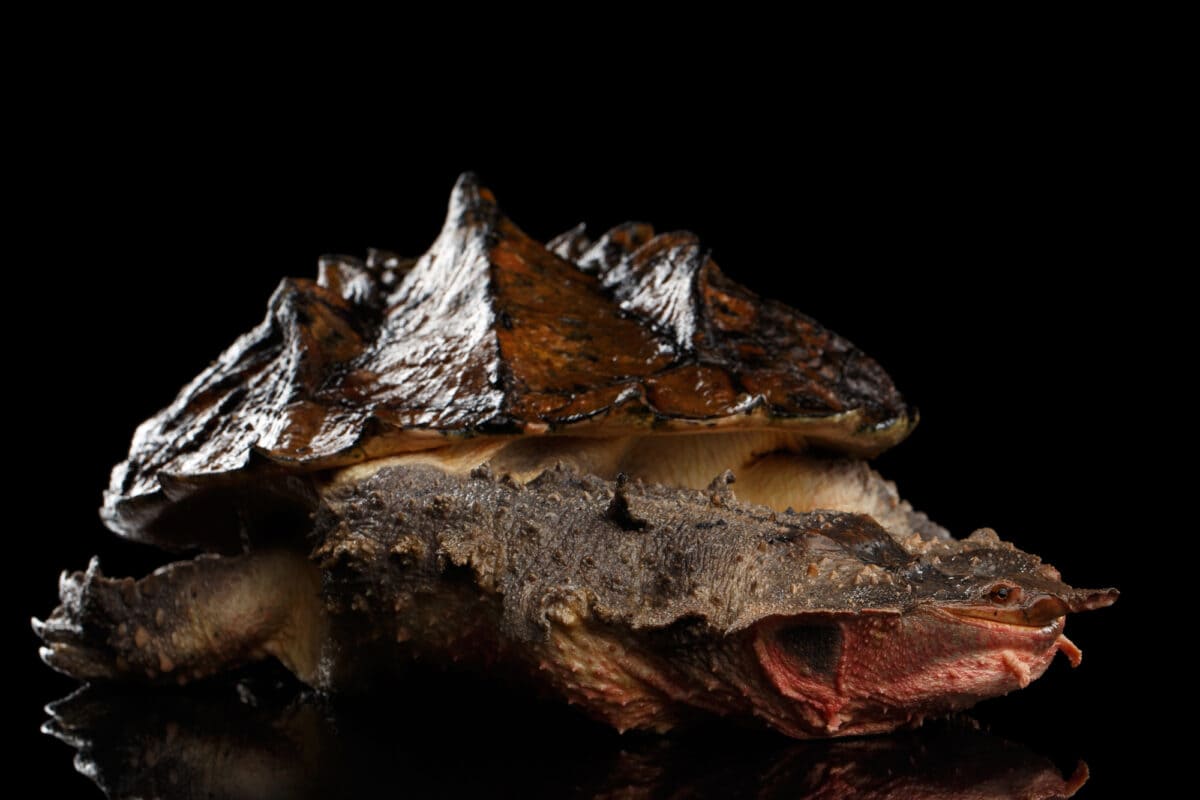
The Mata Mata turtle (Chelus fimbriata) from South America’s Amazon and Orinoco basins has evolved one of the most effective camouflage systems among reptiles. With a flattened, leaf-like shell covered in algae and a head that resembles fallen debris, these turtles become nearly invisible when motionless on river bottoms. What makes their ability truly exceptional is their unique hunting technique that capitalizes on this camouflage. Rather than actively pursuing prey, Mata Matas create a vacuum by rapidly expanding their throat. This sudden suction pulls unsuspecting fish directly into their mouths before the prey can register the danger. Their triangular, flattened head contains sensory organs that can detect the slightest water movements from nearby fish, allowing them to strike with precision even when visibility is poor. This combination of extreme camouflage and specialized feeding adaptation makes them one of the most uniquely adapted aquatic predators in the turtle world.
11. Eastern Box Turtles Natural Pharmacists
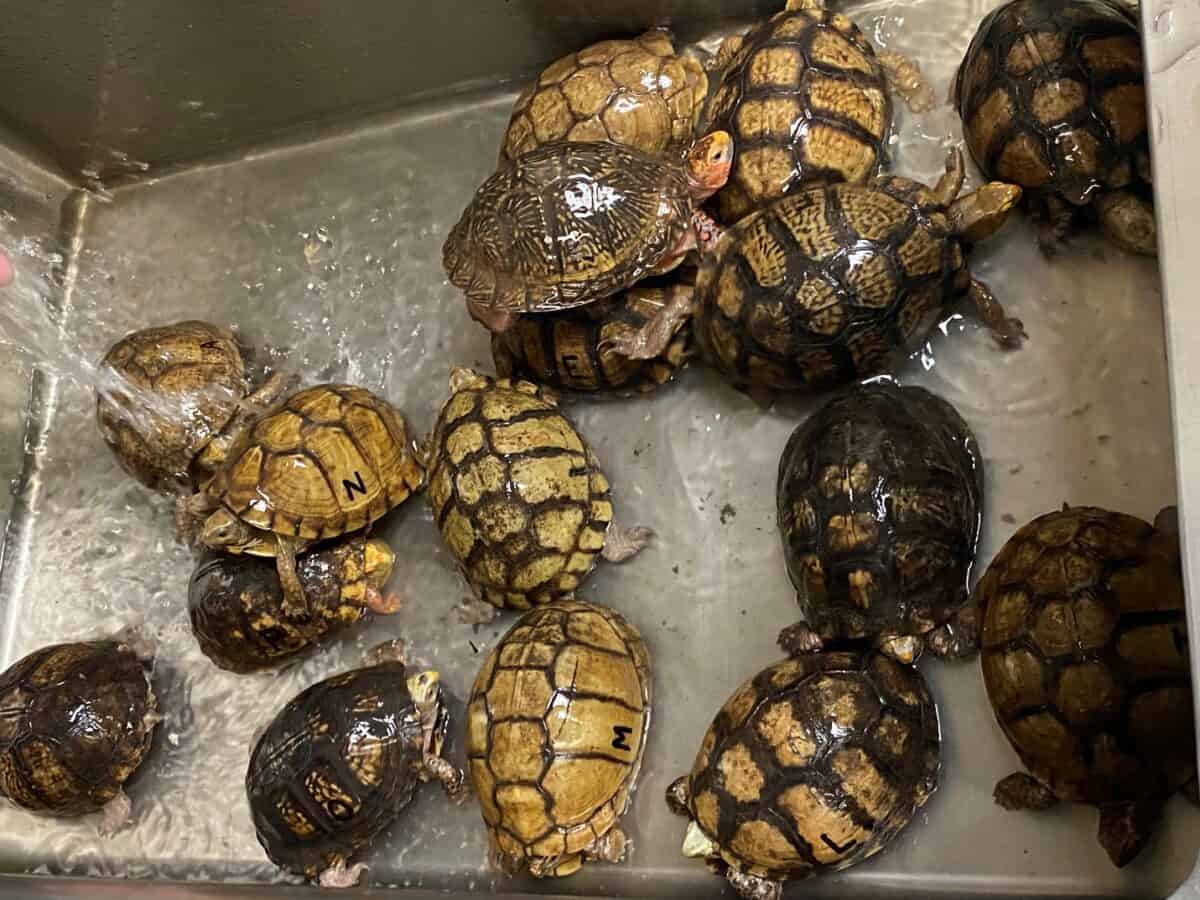
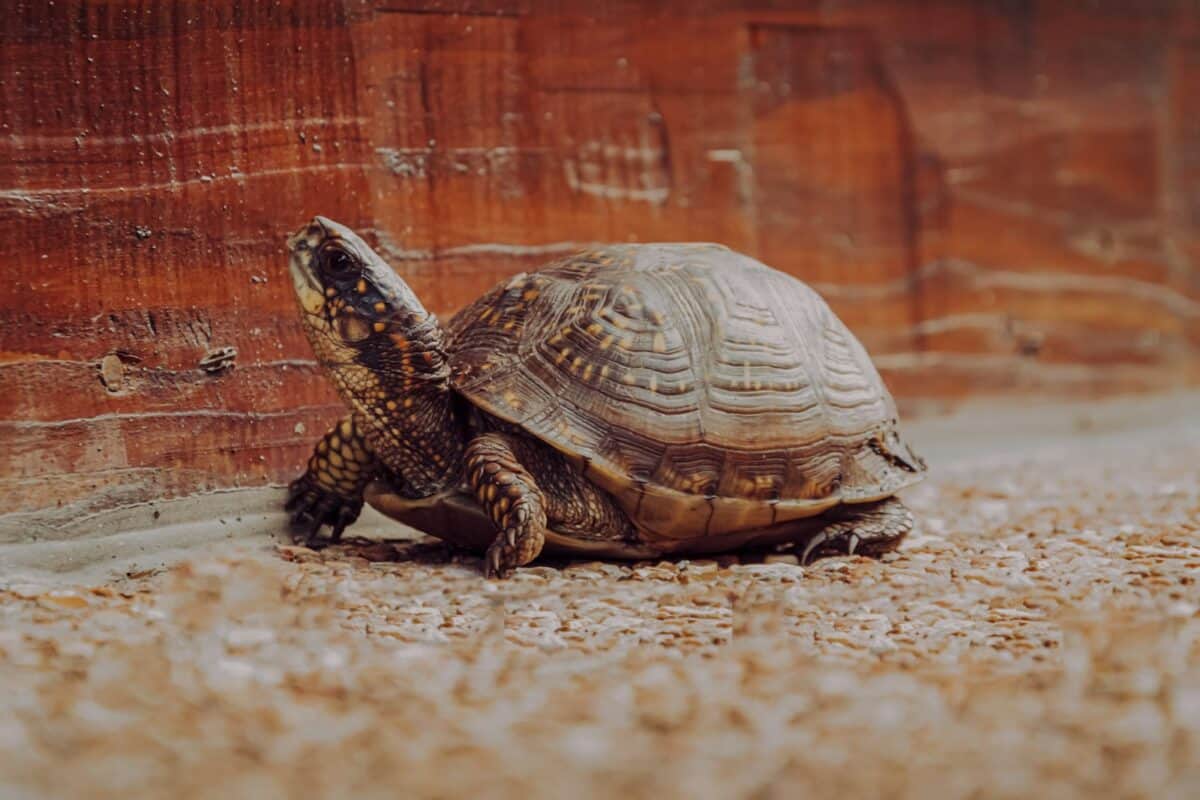
Eastern box turtles (Terrapene carolina carolina) possess a surprising ability to self-medicate using natural remedies found in their woodland habitats. Researchers have observed these turtles intentionally seeking out and consuming specific plants with medicinal properties when ill or injured. They have been documented eating plants containing compounds with antibacterial and antiparasitic properties, effectively treating their own ailments. Perhaps even more remarkable is their extraordinary tolerance to toxins. Box turtles can safely consume poisonous mushrooms that would be lethal to humans and many other animals. Some scientists theorize they may even store these toxins in their tissues as a defense mechanism, making predators ill if they consume the turtle. This natural pharmacy knowledge seems to be partly instinctual and partly learned, representing a sophisticated health maintenance system that humans have only recently begun to understand.
10. Alligator Snapping Turtles Lingual Luring Masters

The alligator snapping turtle (Macrochelys temminckii), North America’s heaviest freshwater turtle, employs a fishing technique so sophisticated it rivals human ingenuity. Inside its mouth lies a specialized pink appendage on its tongue that remarkably resembles a wriggling worm. When hunting, this turtle opens its jaws and wriggles this lure, attracting curious fish directly into its mouth. What makes this ability particularly impressive is that the turtle performs this luring behavior while remaining completely motionless, sometimes for hours, showing extraordinary patience. The worm-like appendage contains blood vessels that give it a pinkish color similar to actual worms and can be controlled independently from the rest of the tongue. This form of aggressive mimicry represents one of the most specialized hunting adaptations among reptiles. With a bite force measured at over 1,000 pounds, once prey investigates the lure, the turtle’s powerful jaws snap shut with explosive speed, escaping virtually impossible.
9. Australian Fitzroy River Turtle Butt Breathing Specialists

The Fitzroy River turtle (Rheodytes leukops) from Queensland, Australia, has developed one of the most unusual respiratory adaptations in the animal kingdom: the ability to breathe through its cloaca (the posterior opening that serves as the single exit for the intestinal and urinary tracts). This specialized form of respiration, known as cloacal respiration, allows these turtles to extract oxygen from water passing through their highly vascularized cloacal cavity. This remarkable adaptation enables Fitzroy River turtles to remain underwater for extended periods—up to three weeks without surfacing for air—giving them a significant advantage in predator avoidance and foraging. The efficiency of this system is so great that during periods of high underwater activity, up to 68% of their oxygen intake can occur through this unconventional breathing method. This adaptation also allows them to remain active during winter months when cooler temperatures would normally reduce a reptile’s activity levels, making them one of the most aquatically adapted freshwater turtles in the world.
8. Leatherback Sea Turtles Deep-Diving Thermal Regulators
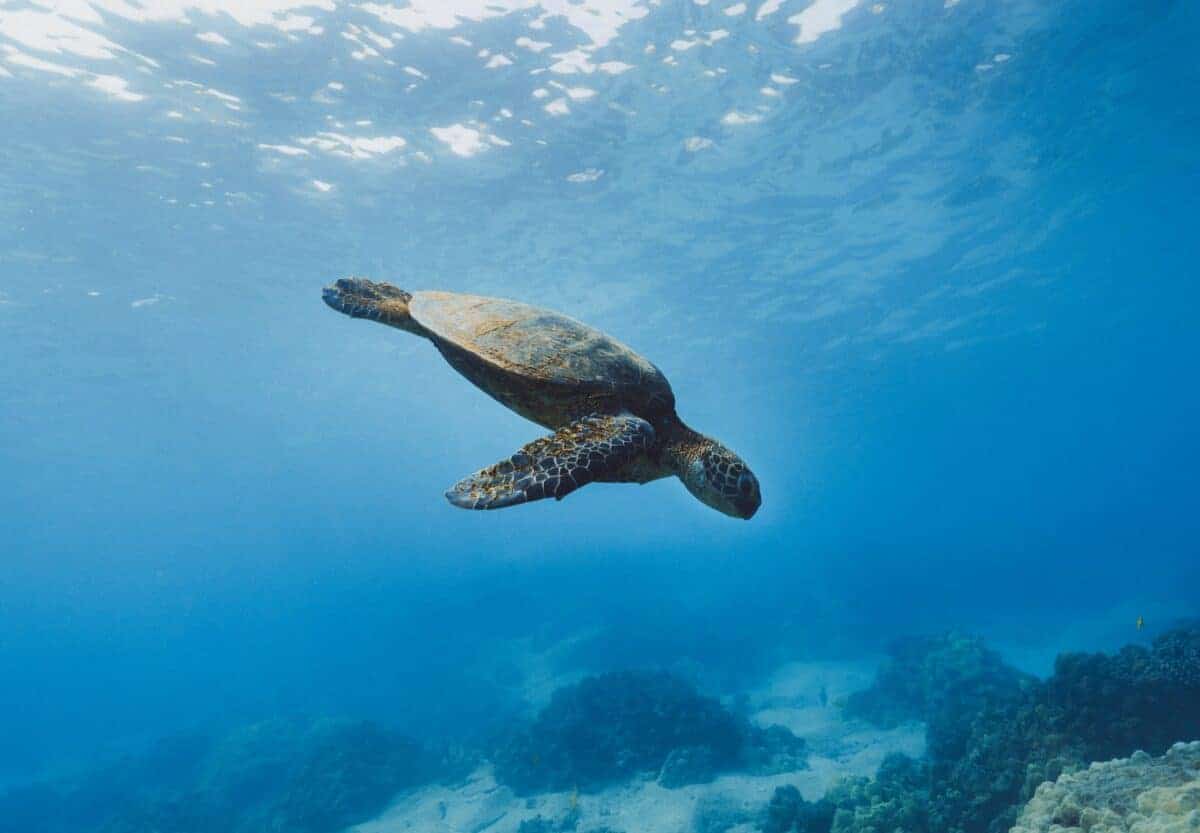
Leatherback sea turtles (Dermochelys coriacea) possess an extraordinary ability that defies typical reptilian physiology: they can maintain elevated body temperatures in cold ocean waters. Unlike other turtles, leatherbacks have evolved specialized adaptations that function similarly to mammalian thermoregulation. Their massive size (weighing up to 2,000 pounds) creates a favorable volume-to-surface ratio that helps retain heat, while a thick layer of fat provides insulation. Additionally, they possess a unique countercurrent heat exchange system in their flippers and specialized oil in their bodies that remains fluid at low temperatures. These adaptations allow leatherbacks to venture into frigid waters that would immobilize other reptiles, diving to astonishing depths of over 4,000 feet—deeper than most marine mammals. Their ability to maintain core body temperatures up to 18°C (32°F) warmer than surrounding water enables them to be the most widely distributed reptile on Earth, ranging from tropical waters to near-Arctic regions. This remarkable thermal regulation capability also powers their exceptionally strong muscles, making them the fastest swimmers among all sea turtles.
7. Chinese Soft-Shelled Turtles Urinary Innovation
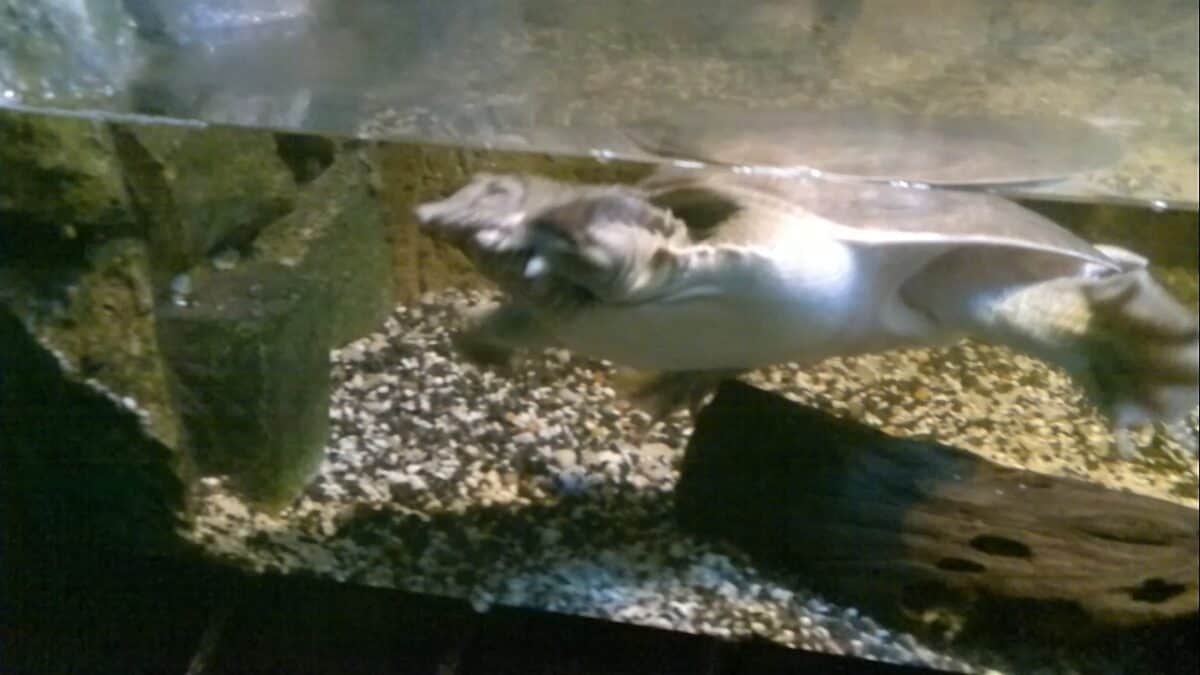
The Chinese soft-shelled turtle (Pelodiscus sinensis) has developed one of the most unusual physiological adaptations among vertebrates: the ability to effectively urinate through its mouth. Unlike most animals that eliminate urea through kidneys and bladder, these turtles expel a significant portion of their waste nitrogen by rinsing their mouths in water and expelling urea through specialized cells in their oral cavities. Scientists have discovered that these turtles possess gene expressions in their mouth tissues similar to mammalian kidneys, effectively turning part of their mouths into auxiliary excretory organs. This extraordinary adaptation provides a significant survival advantage in their brackish water habitats, where conserving body water is essential. By excreting urea orally rather than through more water-intensive urinary processes, these turtles can remain in saltier environments for longer periods without dehydrating. This unique ability represents one of the most dramatic examples of physiological innovation in reptilian evolution and demonstrates how selective pressures can produce unexpected biological solutions.
6. Pig-Nosed Turtles Electroreception Hunters
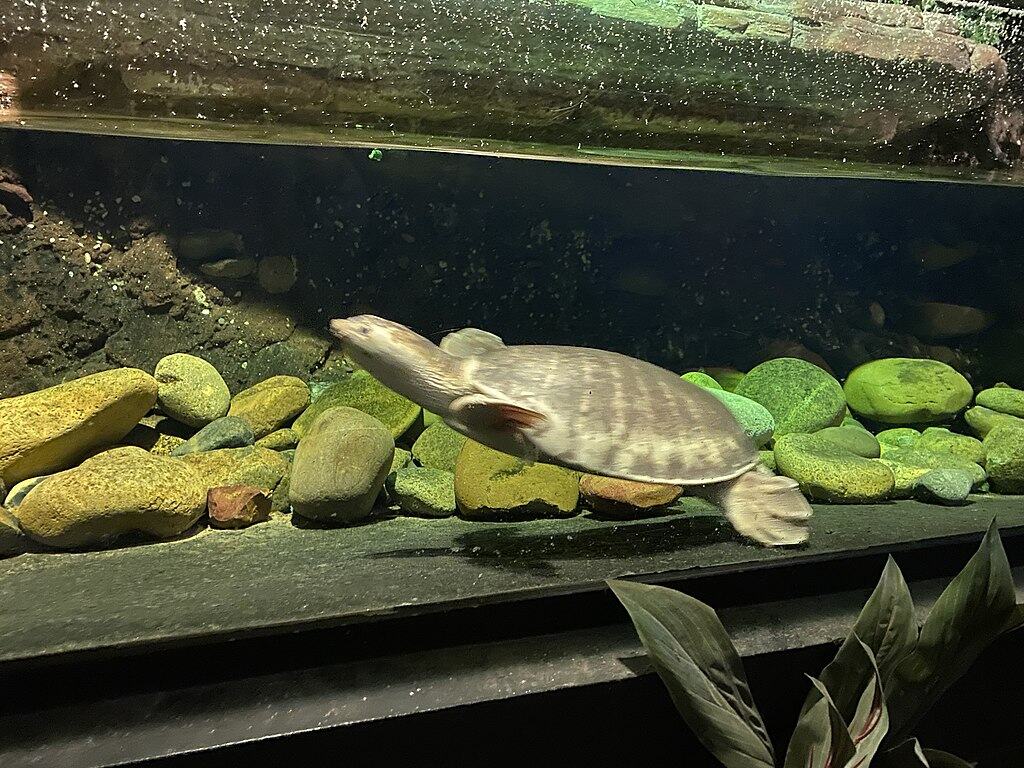
The pig-nosed turtle (Carettochelys insculpta) from northern Australia and southern New Guinea possesses an extraordinary sensory ability rare among reptiles: electroreception. Similar to sharks and platypuses, these unique turtles can detect the minute electrical fields generated by the muscular contractions of prey animals. This ability is made possible by specialized sensory organs in their distinctive fleshy, pig-like snout. These electroreceptors allow pig-nosed turtles to locate prey hidden in murky waters or buried in river sediment with remarkable precision, even in complete darkness or highly turbid conditions. What makes this adaptation particularly valuable is that their primary habitats—tropical rivers with heavy seasonal rainfall—often become extremely muddy with near-zero visibility. While most visual predators would struggle in such environments, pig-nosed turtles can continue hunting efficiently by essentially “seeing” the electrical signatures of potential meals. This rare sensory capability, combined with their unique fully-flippered limbs (unusual for freshwater turtles), makes them one of the most distinctively adapted turtle species on the planet.
5. Red-Eared Sliders Exceptional Environmental Adapters

Red-eared sliders (Trachemys scripta elegans) display an extraordinary ability to adapt to diverse environmental conditions, which explains their status as one of the world’s 100 most invasive species. While many turtles are specialists, red-eared sliders possess remarkable physiological plasticity that allows them to thrive in environments ranging from pristine natural waters to highly polluted urban ponds. They can modify their diet from primarily carnivorous as juveniles to mostly herbivorous as adults based on available resources. Perhaps most impressive is their ability to adjust their gender ratio in response to environmental temperatures—a phenomenon known as temperature-dependent sex determination. Warmer incubation temperatures produce females, while cooler temperatures result in males. In changing climate conditions, these turtles can shift their nesting behaviors to maintain population balance. Additionally, they possess exceptional tolerance to water pollution and can bioaccumulate toxins that would kill other species, sometimes concentrating environmental contaminants in their tissues at levels hundreds of times higher than their surroundings without apparent ill effects. This suite of adaptable traits makes them unparalleled environmental opportunists among chelonians.
4. Yellow-Bellied Slider Biological Antibiotic Production
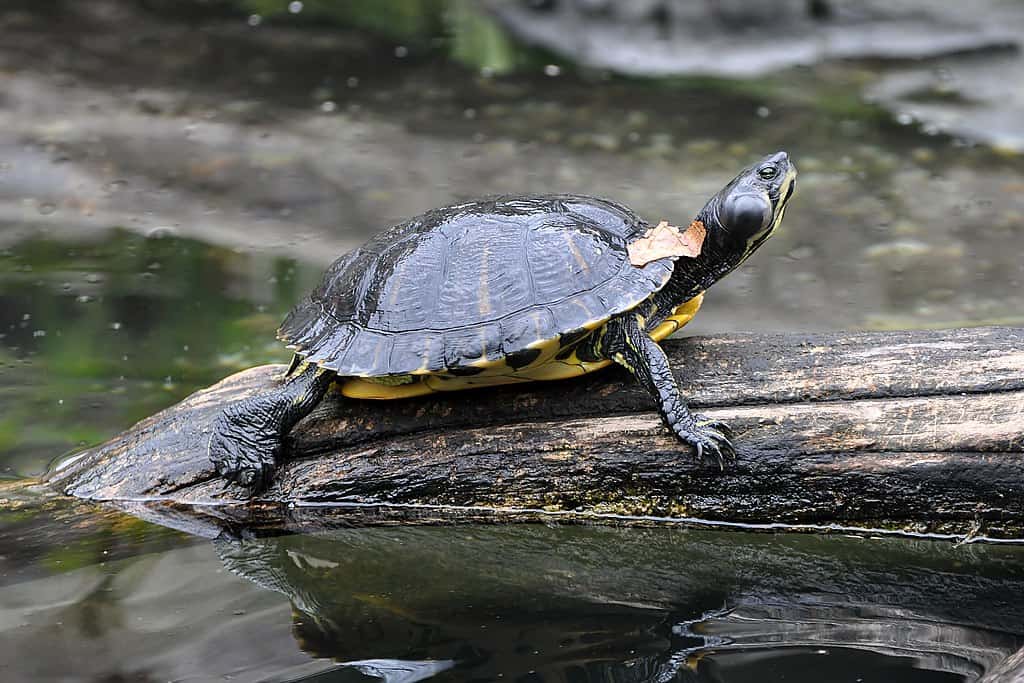
The yellow-bellied slider (Trachemys scripta scripta) possesses a remarkable ability to produce natural antibiotics in its blood. Research has shown that these turtles manufacture antimicrobial peptides that effectively combat a wide range of bacteria, fungi, and even some viruses. This natural defense system is so powerful that scientists have isolated these compounds to study their potential applications in human medicine, particularly against antibiotic-resistant bacteria. What makes this ability especially valuable is that yellow-bellied sliders frequently inhabit waters with high bacterial loads that would cause serious infections in most other animals. Their skin and shell constantly sustain minor injuries as they navigate rough surfaces, yet they rarely develop infections. Additionally, these turtles can heal wounds at rates significantly faster than many other reptiles due to these natural antimicrobial properties. The compounds they produce appear to work through mechanisms different from conventional antibiotics, potentially offering new pathways for medical research. This biological pharmacy they carry in their bloodstream represents one of the most medically significant adaptations in the turtle world.
3. Wood Turtles Tool-Using Intellectuals

Wood turtles (Glyptemys insculpta) display cognitive abilities that challenge our understanding of reptilian intelligence. These North American turtles have been documented using a form of tool use to acquire food—a behavior once thought exclusive to mammals and birds. In a technique known as “worm stomping,” wood turtles deliberately stomp or rock their shells against the ground, creating vibrations that mimic rainfall. These vibrations bring earthworms to the surface, where the turtles can easily capture them. This behavior demonstrates not only problem-solving abilities but also an understanding of cause and effect. Research has shown that wood turtles can solve maze problems as effectively as rats and can remember the solutions for months or even years. They can also recognize individual human faces and distinguish between caregivers and strangers, showing signs of social intelligence typically not associated with reptiles. Their exceptional spatial memory allows them to create detailed mental maps of their home ranges, which can span several square miles, remembering locations of seasonal food sources from year to year. This combination of tool use, problem-solving, and advanced memory places wood turtles among the most intellectually sophisticated reptiles in the world.
2. Roti Island Snake-Necked Turtle Masters of Defensive Deception
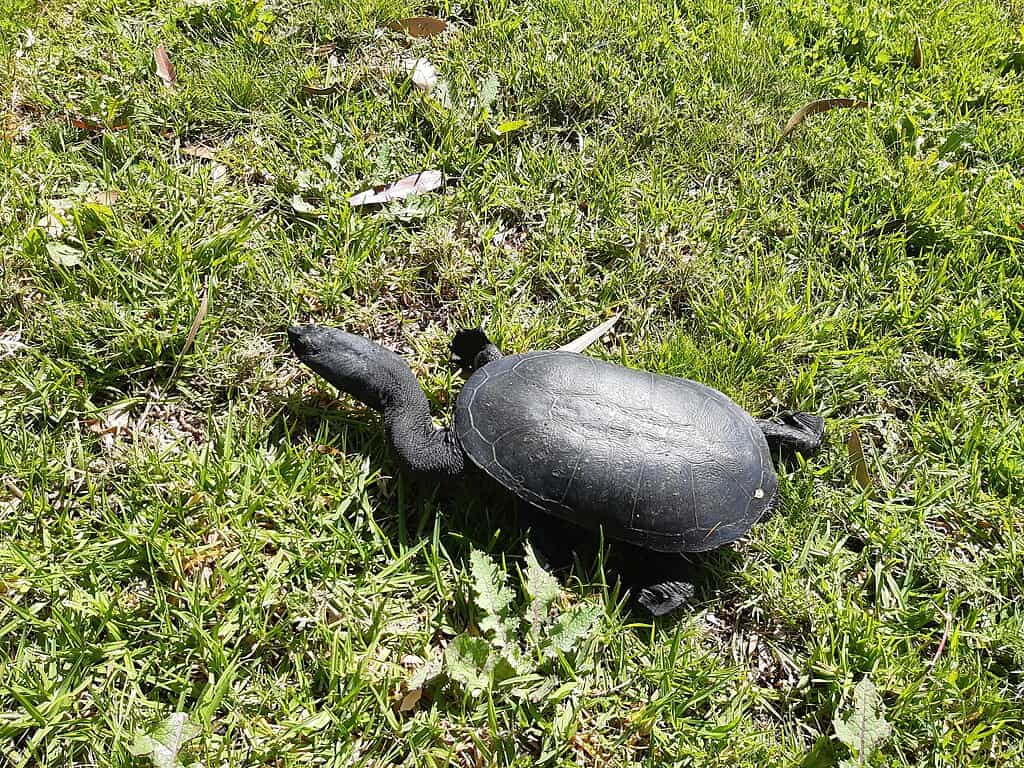
The Roti Island snake-necked turtle (Chelodina mccordi) from Indonesia employs one of the most elaborate defensive displays in the reptile world. When threatened, these turtles can extend their extraordinarily long necks with lightning speed, striking like a snake while simultaneously releasing a powerful musk from specialized glands that creates a noxious cloud around them. What makes this ability particularly unusual is that they can aim this chemical defense with remarkable precision, often directing it directly at a predator’s face or eyes. The chemicals in this secretion not only smell revolting but also cause intense irritation to mucous membranes and can temporarily blind would-be attackers. Additionally, these turtles can perform a sophisticated death-feigning behavior, going completely limp while secreting a blood-like substance from their mouth and cloaca, convincing predators they’re already dead and potentially diseased. Their snake-like neck can fold in complex S-shaped curves, allowing it to retract completely into their shell despite being nearly as long as their entire body. This combination of chemical warfare, mimicry, and anatomical specialization makes their defensive repertoire one of the most comprehensive among all turtles.
1. Blanding’s Turtle Negligible Senescence Phenomenon

Blanding’s turtles (Emydoidea blandingii) possess an ability that has captivated biologists and gerontologists alike: they barely age. These North American freshwater turtles exhibit a phenomenon known as negligible senescence, showing almost no physical decline or increased mortality rate with age. Unlike most animals whose reproductive capacity diminishes over time, Blanding’s turtles actually become more fertile as they get older, with females in their 70s and 80s producing larger and more viable egg clutches than younger turtles. Their cells show remarkable resistance to oxidative damage, and their telomeres (the protective caps on chromosomes that typically shorten with age) degrade at extremely slow rates. Research has identified special enzyme systems and DNA repair mechanisms that prevent the cellular degradation typically associated with aging. Some individuals have been documented to live well beyond 80 years while maintaining the physical capabilities of much younger turtles. This virtual immunity to aging represents one of nature’s most profound mysteries and has made Blanding’s turtles an important study species for researchers investigating the biological mechanisms of aging and potential applications for human longevity science.
Conclusion Nature’s Ingenious Evolutionary Solutions
The extraordinary abilities displayed by these 14 wild turtle species demonstrate the remarkable diversity of evolutionary adaptations that can develop in response to environmental challenges. From the freeze-resistant painted turtles to the age-defying Blanding’s turtles, these capabilities represent millions of years of natural selection producing highly specialized solutions to survival problems. Many of these adaptations—such as electroreception, magnetic navigation, and negligible senescence—push the boundaries of what we typically associate with reptilian capabilities, challenging us to reconsider our understanding of these ancient creatures. As we continue to study these remarkable turtles, we not only gain insights into evolutionary processes but also discover potential applications in fields ranging from medicine to

As a little kid, I fell in love with nature, wildlife, and animals. Living in the USA, South Africa, Italy, China and Germany gave me the opportunity to discover the world's Wildlife. My favorite animals are Mountain Gorillas, Siberian Tigers, and Great White Sharks.
I'm a certified PADI Open Water Diver, went to Everest Base Camp and Trekked Gorillas in Uganda. I hold a Master of Science in Economics and Finance.
Please send any feedback to feedback@animalsaroundtheglobe.com
- 12 Sea Animals Believed to Bring Luck or Doom - July 29, 2026
- The Lizard That Can Run on Water – Nature’s Real-Life Jesus Lizard - July 29, 2026
- Why Some Fish Can Live in Both Freshwater and Saltwater - July 29, 2026