


Dogs have been human companions for thousands of years, but some breeds stand out for their exceptional ability to form deep, meaningful bonds with children. These canine companions become more than pets—they transform into protectors, playmates, confidants, and even emotional support systems for kids. The special connection between children and dogs can promote emotional development, teach responsibility, and create lifelong memories. When selecting a family dog, understanding which breeds naturally gravitate toward forming strong relationships with children can help ensure a harmonious household and magical childhood experiences for your little ones.
Golden Retrievers The Gentle Giants
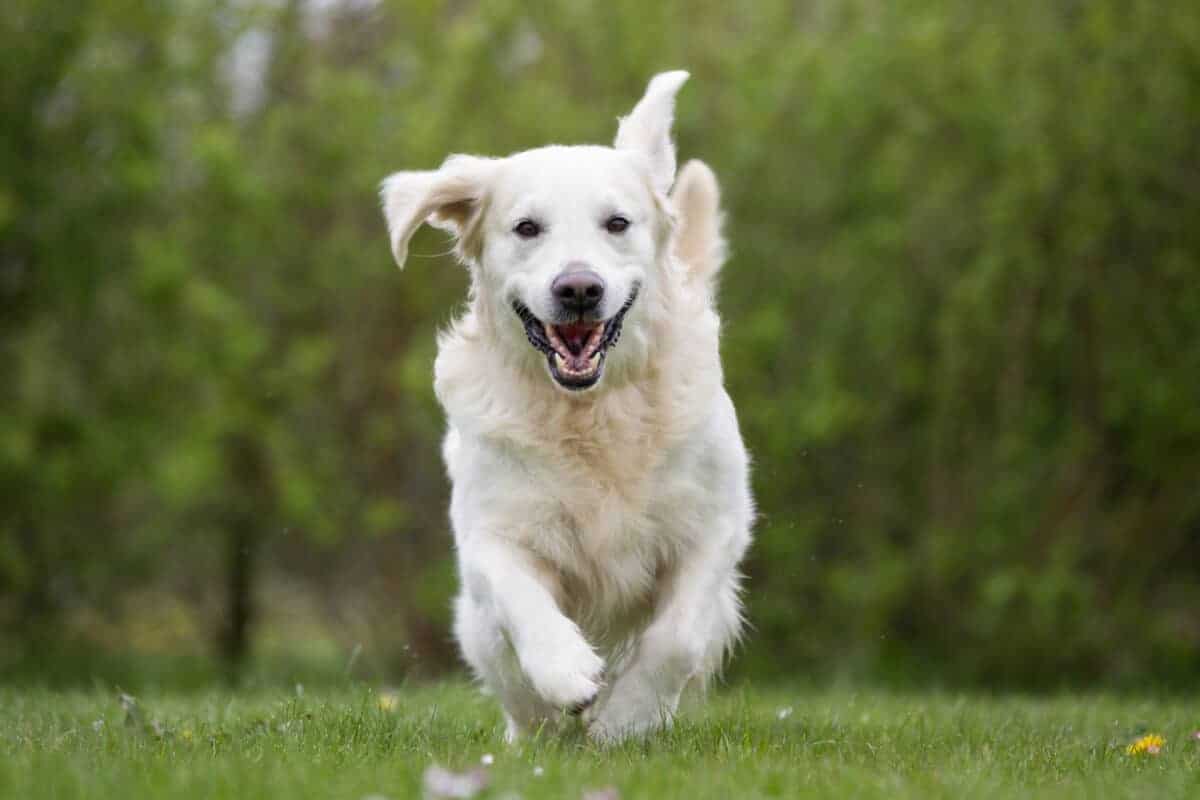
Golden Retrievers consistently rank among the top family dogs for good reason. Their patience is legendary—they’ll tolerate ear-pulling, costume dress-up sessions, and clumsy hugs from toddlers with a wagging tail and a smile. Originally bred as hunting companions, these dogs have an innate desire to please their human family members, making them exceptionally trainable and responsive to children’s cues. Golden Retrievers possess a natural gentleness that allows them to adjust their play style to match a child’s age and energy level.
Beyond their friendly demeanor, Golden Retrievers demonstrate remarkable emotional intelligence. They often sense when a child is sad or upset, offering comfort by leaning against them or placing their head in a child’s lap. Their moderate energy level strikes the perfect balance—energetic enough for backyard games but calm enough for indoor activities. With their fluffy coats and perpetual “smile,” Goldens create an inviting presence that naturally draws children to them, forming bonds that frequently last throughout childhood and beyond.
Labrador Retrievers Playful and Protective

America’s most popular dog breed for decades, Labrador Retrievers excel at forming meaningful connections with children. Their sturdy build makes them resilient playmates who can withstand the sometimes rough-and-tumble nature of playing with kids. Labs possess an infectious enthusiasm for life that resonates with children’s natural exuberance. Whether splashing in puddles, retrieving balls, or simply lounging on the couch, Labs approach activities with the same wholehearted joy that children do, creating an instant connection.
What makes Labs particularly special is their balanced temperament. They’re protective without being aggressive, alerting families to potential concerns while maintaining their friendly disposition. Their intelligence makes training relatively straightforward, allowing even young family members to participate in basic commands and tricks. Labs are also highly adaptable, thriving in various living situations from spacious rural homes to more modest urban environments, as long as they receive adequate exercise. Their desire to be involved in family activities means they naturally integrate into a child’s daily routine—from morning breakfast to bedtime stories.
Beagles Compact Companions

Beagles offer the perfect combination of size and temperament for families with children. Their medium stature makes them less intimidating to small children while being robust enough for play. Originally bred as scent hounds, Beagles possess a natural curiosity that mirrors a child’s desire to explore and discover the world around them. This shared sense of adventure creates immediate common ground between beagles and kids, often resulting in a child’s first “best friend.”
The Beagle’s expressive face—with soulful eyes and distinctive long ears—seems designed to communicate with children on an emotional level. Their pack-oriented nature means they thrive on family inclusion, rarely wanting to be left out of activities. While Beagles can sometimes be stubborn during training sessions, this independence is balanced by their incredible loyalty and affection toward family members. Their moderate exercise needs align well with a child’s natural activity level, making daily walks and backyard play sessions mutually beneficial. The distinctive “bay” of a Beagle might be loud, but their hearts are even bigger when it comes to bonding with the children in their family.
Newfoundlands Natural Nannies

Despite their massive size—often weighing between 100-150 pounds—Newfoundlands are renowned for their extraordinary gentleness with children. Historically called “nanny dogs,” these giants seem to possess an innate understanding of their own strength, moving carefully and deliberately around small humans. Their protective instincts are legendary; Newfoundlands have been known to position themselves between children and perceived dangers, creating a living barrier of fur and devotion. This natural guardianship extends to water settings, where their remarkable swimming abilities and water rescue heritage make them vigilant companions near pools, lakes, or oceans.
Newfoundlands demonstrate exceptional patience, often allowing children to climb on them, use them as pillows, or decorate them with accessories without complaint. Their thick double coat not only makes them cuddly comfort objects but also provides children with a sense of security and warmth—both physically and emotionally. While their size requires adequate space and their drooling habits demand some tolerance, families with Newfoundlands often report that these minor inconveniences pale in comparison to the profound bonds these dogs form with children. Their calm demeanor serves as a stabilizing presence for high-energy kids, while their playful side emerges at just the right moments to engage in meaningful interaction.
Bulldogs Sturdy and Steady

With their distinctive wrinkled faces and stocky builds, Bulldogs create unmistakable impressions on children who are often drawn to their unique appearance. Their moderate energy levels make them excellent companions for families that prefer lounging to long hikes. Bulldogs typically display remarkable patience, tolerating the unpredictable behaviors of young children with stoic acceptance. Their sturdy build makes them resilient during play, while their natural inclination toward gentleness ensures safe interactions.
Bulldogs form particularly strong attachments to their families, often developing special relationships with children. They seem to understand their role as both playmate and protector, adapting their behavior accordingly. While they might not be the most athletic breed, their comical antics and expressive faces provide endless entertainment for children. Their lower exercise requirements make them suitable for urban environments or families with limited outdoor space. It’s worth noting that Bulldogs can be prone to certain health issues including breathing difficulties and overheating, so supervision during active play with children is important. Despite these considerations, the bonds formed between Bulldogs and children are characterized by mutual adoration and unwavering loyalty.
Collies Intelligent and Intuitive
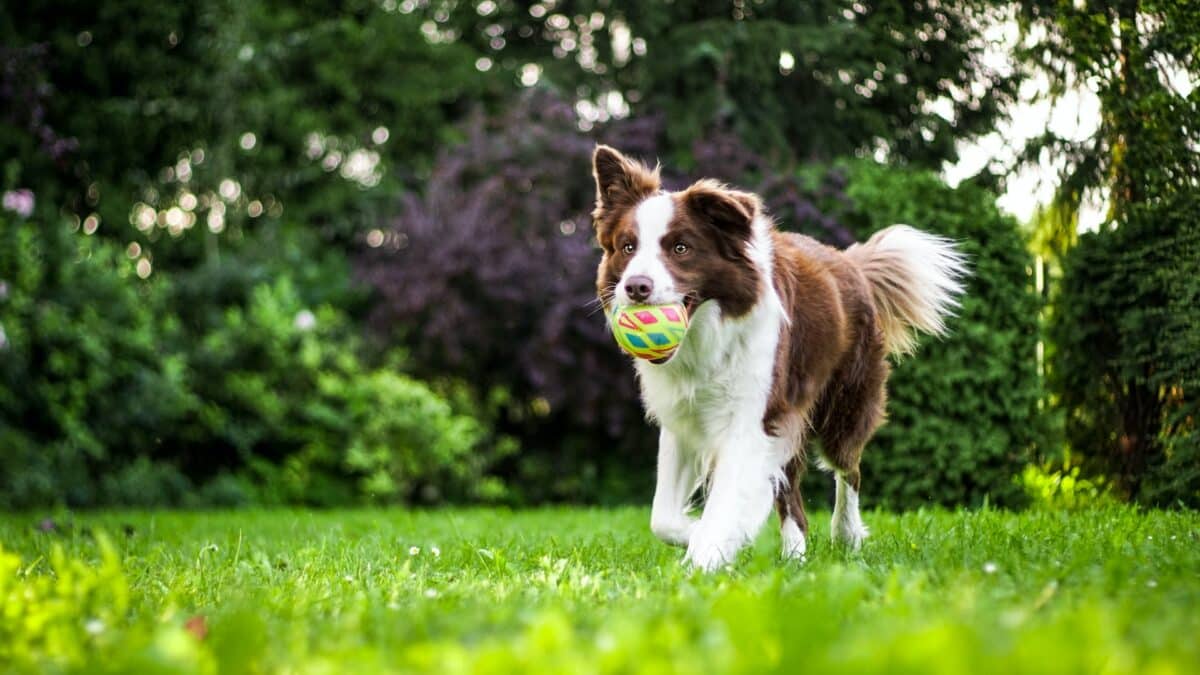
Immortalized by the character Lassie, Collies have earned their reputation as exceptional family dogs through their remarkable intelligence and intuition. These herding dogs possess an uncanny ability to sense a child’s emotional state, often responding with precisely the type of interaction needed—whether it’s energetic play or gentle companionship. Their herding heritage translates to a natural protectiveness toward children, with many Collie owners reporting their dogs “checking in” on sleeping children or positioning themselves strategically to keep track of kids during outdoor play.
Collies’ high intelligence makes them quickly responsive to training, allowing them to learn appropriate behaviors around even the youngest family members. Their patience is notable, tolerating the sometimes erratic movements and noises of children without becoming startled or aggressive. The Collie’s gorgeous coat—particularly in the rough-coated variety—provides a tactile experience that many children find soothing, while their expressive eyes seem capable of conveying deep understanding. While they require regular grooming and moderate exercise, Collies reward these efforts with unwavering devotion to their young human companions. Their ability to distinguish between rough-housing and genuine distress makes them perceptive guardians who know when to intervene and when to simply observe.
Cavalier King Charles Spaniels Lap-Sized Love

For families seeking a smaller dog that excels at emotional connection, the Cavalier King Charles Spaniel stands out as exceptional. These elegant spaniels combine the athleticism of sporting breeds with the temperament of lap dogs, creating versatile companions for children of all ages. Their moderate size—typically 13-18 pounds—makes them substantial enough for gentle play while being compact enough for apartment living. Cavaliers are renowned for their “soft” mouths, naturally taking treats and toys with remarkable gentleness, a trait that translates to careful interactions with small hands.
What truly distinguishes Cavaliers is their affectionate nature. These dogs seem to possess an almost supernatural ability to sense when emotional support is needed, often pressing against a child who is sad or anxious. Their expressive, large eyes create powerful connections with children, who often report feeling “understood” by their Cavalier companions. While they enjoy romping and playing, Cavaliers are equally content to snuggle during quiet moments, making them adaptable to a family’s changing energy levels throughout the day. Their natural tendency to form strong attachments means they thrive on inclusion in family activities, creating countless opportunities for meaningful bonding with children. Their relatively low exercise requirements make them accessible companions even for families with busy schedules.
Boxers Playful Protectors

Boxers bring an unmatched combination of playfulness and protectiveness to families with children. Their boundless energy and natural athleticism make them ideal playmates for active kids who enjoy outdoor adventures and physical games. Despite their muscular build and impressive strength, Boxers demonstrate remarkable awareness of their own power, adjusting their play style to accommodate children of different ages and sizes. Their patient nature allows them to tolerate the sometimes clumsy interactions of younger children without becoming frustrated or aggressive.
Boxers’ protective instincts activate naturally around “their” children, creating a vigilant yet non-threatening presence. Their expressive faces—with prominent eyes and unique ability to form almost human-like expressions—facilitate deep emotional connections with children who can readily interpret their dog’s moods and reactions. While Boxers maintain their puppy-like playfulness well into adulthood, they also possess an intuitive understanding of appropriate behavior, knowing when to engage in rambunctious play and when gentle interaction is needed. Their loyalty to family members, particularly children, creates a foundation for relationships built on mutual trust and affection. Boxers do require consistent exercise and mental stimulation, making them best suited for families who can provide regular activity and engagement—a requirement that often aligns perfectly with the natural energy levels of children.
Bernese Mountain Dogs Gentle Giants

Bernese Mountain Dogs combine impressive size with extraordinary gentleness, creating companions that many children describe as “living teddy bears.” Despite weighing between 70-115 pounds, these tri-colored giants move with surprising grace around small children, seeming to understand the need for careful navigation of shared spaces. Their patience is legendary—Berners will sit through tea parties, costume changes, and impromptu training sessions with unwavering tolerance. Originally bred as farm dogs in Switzerland, they have a natural affinity for family life and thrive when included in household activities.
The Bernese’s calm demeanor provides a steadying influence for children, while their playful spirit emerges during appropriate moments of outdoor activity. They demonstrate remarkable emotional intelligence, often positioning themselves near children who are upset or anxious without being intrusive. Their thick, plush coat not only makes them irresistible to touch but also creates a comfort object that many children seek out during times of stress. While their large size requires adequate space and their relatively short lifespan (7-10 years) can be a consideration, the depth of connection formed during those years creates lasting impacts on children’s emotional development. Berners excel at distinguishing between rough play and genuine threats, making them discerning protectors who rarely overreact but remain vigilant where their children are concerned.
Pit Bulls Misunderstood Marvels
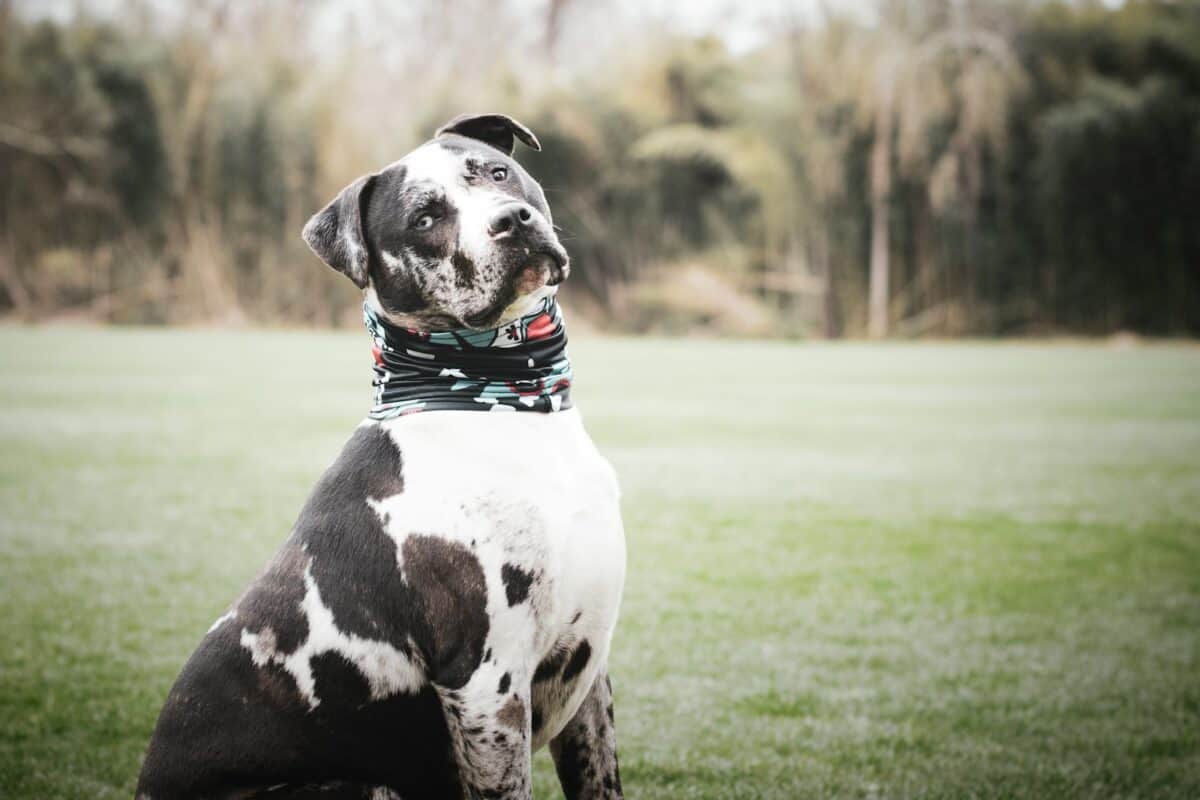
Despite controversial public perceptions, properly raised and socialized Pit Bulls often demonstrate exceptional bonds with children. The term “Pit Bull” encompasses several breeds including American Pit Bull Terriers, American Staffordshire Terriers, and Staffordshire Bull Terriers—all known for their loyalty and people-oriented temperaments. Historically called “nanny dogs” in early 20th century America, well-bred Pit Bulls typically display remarkable patience with children, tolerating noise and activity while maintaining gentle demeanors. Their sturdy build makes them resilient playmates, while their natural athleticism provides children with energetic companions for outdoor activities.
What truly distinguishes well-raised Pit Bulls is their extraordinary devotion to family members, particularly children. They form deep attachments characterized by protective instincts that rarely manifest as aggression but rather as vigilant awareness. Their expressive faces—with distinctive “smiles” and soulful eyes—facilitate powerful emotional connections with children who often describe feeling especially “chosen” by their Pit Bull companions. While responsible ownership is paramount—including early socialization, positive training methods, and appropriate supervision—families who commit to these requirements often discover companions whose loyalty and gentleness with children rivals any other breed. Their desire to please their humans creates highly trainable pets who can learn appropriate boundaries around even the youngest family members.
Poodles Versatile and Vigilant
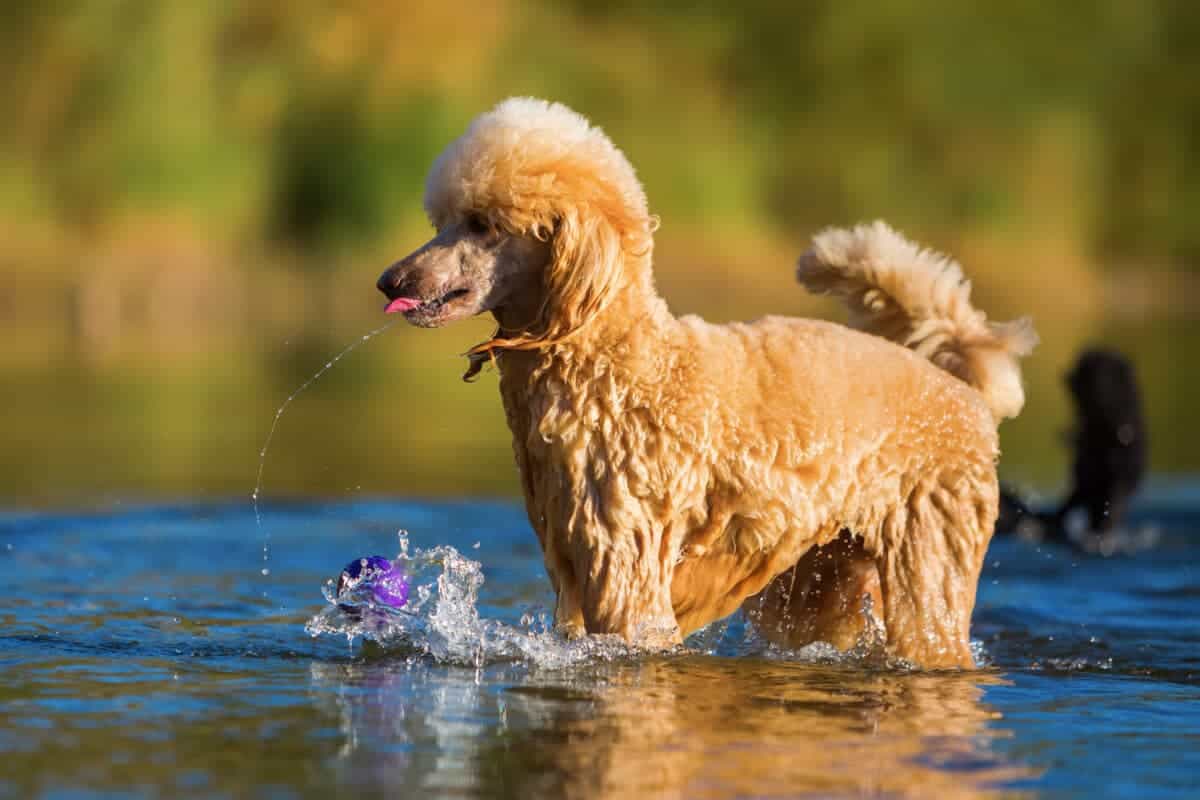
Available in three size varieties (Standard, Miniature, and Toy), Poodles offer families flexibility in finding the perfect fit while maintaining consistent temperament traits across all sizes. Far from the prissy stereotype sometimes portrayed, Poodles are athletic, intelligent dogs with natural affinities for children. Their hypoallergenic coats make them accessible to families with allergies, while their minimal shedding reduces household maintenance. Standard Poodles (over 15 inches tall) provide sturdy playmates for active children, while smaller varieties offer more manageable companions for younger kids or those in smaller living spaces.
Poodles’ exceptional intelligence—consistently ranked among the smartest dog breeds—allows them to learn appropriate behaviors around children quickly and to distinguish between rough play and real distress. Their attentiveness creates vigilant companions who maintain awareness of their young charges’ activities without becoming overprotective. Poodles form deep emotional bonds with children, often selecting a particular family member with whom they develop special relationships characterized by mutual understanding and communication. Their playful nature persists throughout their lives, creating engaging companions who can match a child’s energy while maintaining the good sense to know when calm behavior is appropriate. While their elaborate grooming requirements demand some commitment, many families find that the exceptional relationship between Poodles and children more than compensates for this maintenance.
Irish Setters Energetic Enthusiasts

With their flowing mahogany coats and boundless energy, Irish Setters create spectacular visual impressions while offering children enthusiastic companionship. These sporting dogs bring a joyful approach to life that resonates powerfully with children’s natural exuberance. Their playful nature persists well into adulthood, creating long-term playmates for growing children. Originally bred as hunting dogs, Irish Setters possess the perfect combination of athleticism for outdoor adventures and affection for quiet moments of connection.
Irish Setters form particularly strong bonds with school-aged children who can match their energy levels. Their natural sensitivity allows them to adjust their behavior according to a child’s mood—ramping up the fun during playtime or providing gentle companionship during quiet moments. While they require significant exercise (making them less suitable for sedentary families), this requirement often creates opportunities for meaningful shared activities between children and their dogs. Their intelligence makes them responsive to training, especially when that training involves their beloved young family members. The Irish Setter’s legendary loyalty creates a foundation of trust that allows children to develop confidence in their relationship with their vibrant, rust-colored companions. Their sociable nature typically extends to children’s friends as well, making them welcoming additions to playgroups and social gatherings.
Mixed-Breed Dogs Unique Bonds

While purebred dogs offer predictable traits, mixed-breed dogs (often adopted from shelters) frequently form exceptional bonds with children that rival any pedigree. These “unique edition” canines bring combinations of traits that can be perfectly suited to family life. Shelter staff can often provide valuable insights into a particular dog’s temperament with children, allowing families to match personalities and energy levels appropriately. The adoption process itself often creates powerful initial bonds, as children participate in selecting their new family member and providing a forever home.
Mixed-breed dogs frequently display “hybrid vigor”—generally better health and longevity than some purebred counterparts—creating companions that may accompany children throughout their entire childhood and adolescence. Many families report that there’s something particularly special about the connection formed when a rescued dog seems to recognize the second chance they’ve been given through adoption. Children often develop profound empathy through understanding their dog’s background and needs, creating relationships built on mutual respect and care. The unique appearance of mixed breeds—from distinctive markings to one-of-a-kind expressions—gives children a companion unlike any other, reinforcing the special nature of
Conclusion:

Choosing the right dog breed for a family with children is about more than temperament—it’s about finding a companion who will become an integral part of childhood itself. Whether it’s the gentle embrace of a Golden Retriever, the lively spirit of an Irish Setter, or the loyal heart of a rescued mixed-breed, each dog brings something special to the lives of the children they grow up with. These dogs don’t just play and protect—they teach empathy, patience, and unconditional love. In return, children offer companionship, joy, and a sense of purpose that dogs thrive on. The connection forged between a child and their dog becomes a powerful bond that often shapes both lives forever—one paw print, and one memory, at a time.

As a little kid, I fell in love with nature, wildlife, and animals. Living in the USA, South Africa, Italy, China and Germany gave me the opportunity to discover the world's Wildlife. My favorite animals are Mountain Gorillas, Siberian Tigers, and Great White Sharks.
I'm a certified PADI Open Water Diver, went to Everest Base Camp and Trekked Gorillas in Uganda. I hold a Master of Science in Economics and Finance.
Please send any feedback to feedback@animalsaroundtheglobe.com
- 10 Amazing Ways Animals Survive Extreme Cold - August 1, 2026
- Why America Next Megaquake Might Strike Sooner Than We Think - August 1, 2026
- 10 Lakes With Strange and Deadly Secrets - August 1, 2026