


In the vast theater of life on Earth, humans often take center stage as the planet’s premier problem-solvers. Our capacity for innovation and tool use has certainly changed the world, but we’re not the only species with impressive cognitive abilities. Across the animal kingdom, creatures large and small regularly demonstrate remarkable ingenuity when faced with challenges. From developing novel hunting techniques to creating sophisticated tools, these animal innovators remind us that intelligence takes many forms beyond our human experience. The following examples showcase 14 remarkable instances where animals have independently developed solutions to complex problems, highlighting the diverse and often underappreciated cognitive abilities found throughout the natural world.
Ravens Creating Specialized Tools
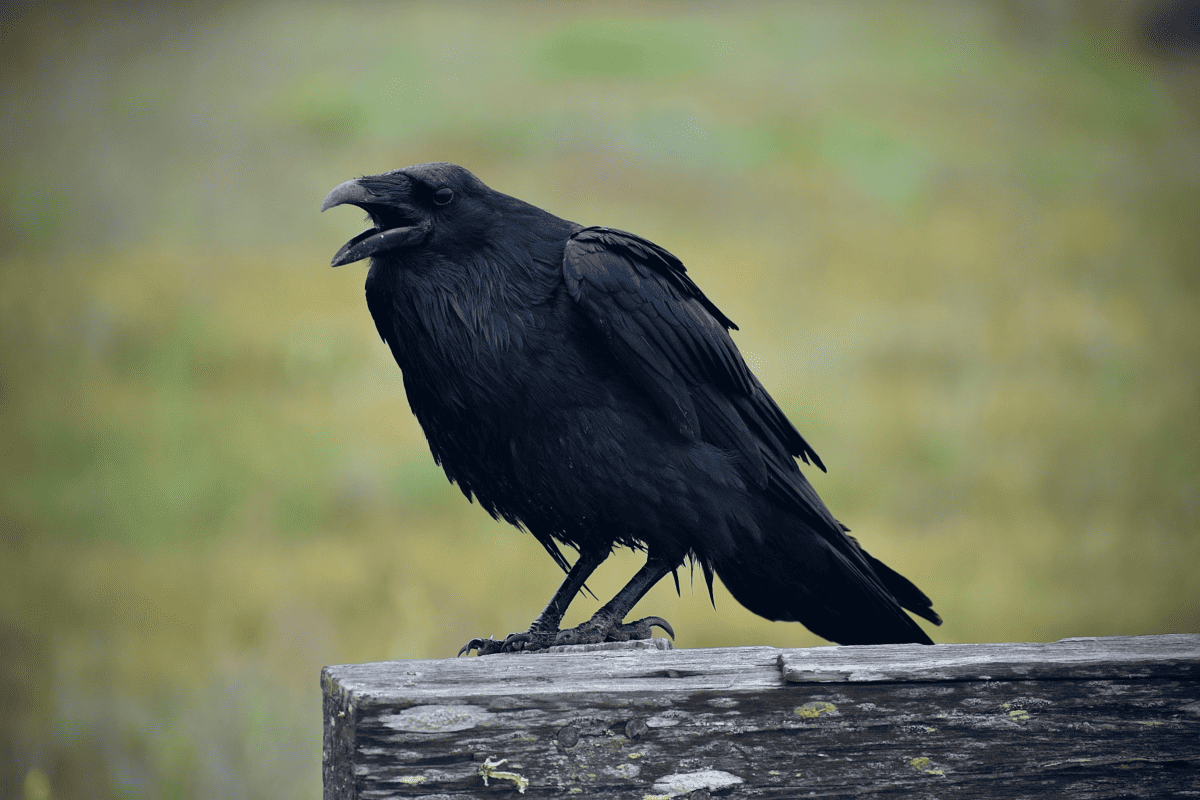
Ravens stand among the most intelligent birds on the planet, displaying problem-solving abilities that rival those of great apes. In a particularly striking example, scientists at Cambridge University observed ravens spontaneously crafting hooks from straight pieces of wire to retrieve food from containers. What makes this achievement remarkable is that the ravens had never seen wire before the experiment, nor had they been trained to manipulate it. They assessed the problem, recognized the properties of the new material, and fashioned an appropriate tool entirely through their own reasoning. Even more impressively, they refined their hook designs over successive attempts, creating more effective tools with each iteration. This level of spontaneous tool creation and improvement was previously thought to be exclusive to humans and, to a lesser extent, great apes.
Dolphins Using Sea Sponges as Protective Gear

In Shark Bay, Australia, scientists have documented a fascinating cultural innovation among bottlenose dolphins. These marine mammals have been observed breaking off sea sponges and wearing them over their snouts (rostra) while foraging on the seafloor. This behavior, known as “sponging,” serves as a form of protective gear that shields their sensitive rostra from sharp rocks, stingrays, and other hazards while they search for prey in the sandy substrate. What’s particularly remarkable about this behavior is its cultural transmission—primarily female dolphins teach this technique to their daughters, creating a matrilineal tradition of tool use that has persisted for generations. Researchers estimate this cultural practice began at least 180 years ago and represents one of the most well-documented cases of material culture and tool use in marine mammals.
Chimpanzees Self-Medicating with Plants

Chimpanzees in Tanzania’s Gombe Stream National Park have demonstrated a sophisticated understanding of pharmacology through their selective consumption of medicinal plants. Researchers have observed chimps suffering from intestinal parasites or bacterial infections specifically seeking out and chewing on the bitter pith of Vernonia amygdalina (bitter leaf) plants, which contain compounds with antiparasitic and antibacterial properties. The chimps don’t normally eat these plants as part of their regular diet due to their unpleasant taste, but will specifically select them when ill. They carefully remove the leaves and outer bark before chewing on the pith to extract the medicinal compounds, swallowing the bitter juice but spitting out the fibrous material. This targeted self-medication, known as zoopharmacognosy, demonstrates not only an ability to recognize and remember which plants have medicinal value but also to process them in specific ways to maximize their therapeutic effects.
Elephants Creating Water Access During Drought

During severe droughts in Africa, elephants have demonstrated extraordinary problem-solving abilities by digging wells to access underground water sources. Using their trunks, tusks, and feet, elephants can excavate holes up to a meter deep in dry riverbeds to reach water flowing beneath the surface. These elephant-engineered wells then serve as critical water sources not just for the elephants themselves but for numerous other species during dry periods. Researchers in Hwange National Park, Zimbabwe, documented elephants returning to the same locations year after year to re-excavate these wells, suggesting they maintain mental maps of these underground water sources across vast stretches of territory. Even more remarkably, some elephant herds have been observed covering their wells with bark or branches when they leave, apparently to reduce evaporation or prevent the wells from filling with sand—displaying foresight and resource management capabilities previously thought unique to humans.
Crows Adapting Urban Tools

New Caledonian crows have long been celebrated for their sophisticated tool use in the wild, fashioning hooks from twigs to extract insects from crevices. However, urban crows worldwide have demonstrated remarkable adaptability by incorporating human-made materials into their problem-solving repertoire. In Japan, carrion crows have been documented collecting walnuts, flying to intersections, placing the nuts in front of waiting cars, then waiting for passing vehicles to crack the shells before retrieving the exposed nutmeat during red lights. In urban environments across North America and Europe, crows have been observed fashioning tools from wire, paperclips, and other discarded items to access food in tight spaces. One particularly ingenious example comes from a captive crow named Betty at Oxford University, who, without prior training, bent a straight piece of wire into a hook to retrieve food from a tube when her usual hooked tool was unavailable—demonstrating not just tool use but spontaneous tool creation and causal reasoning.
Octopuses Using Coconut Shells as Portable Shelters
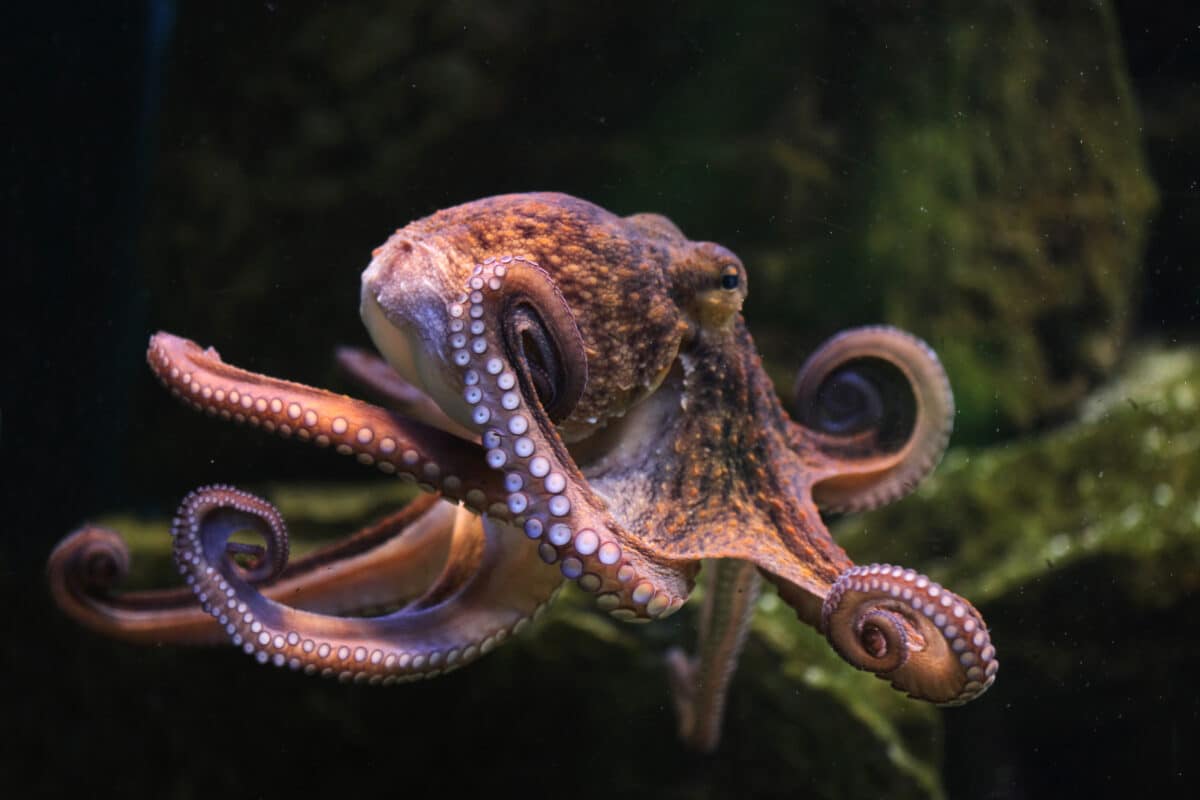
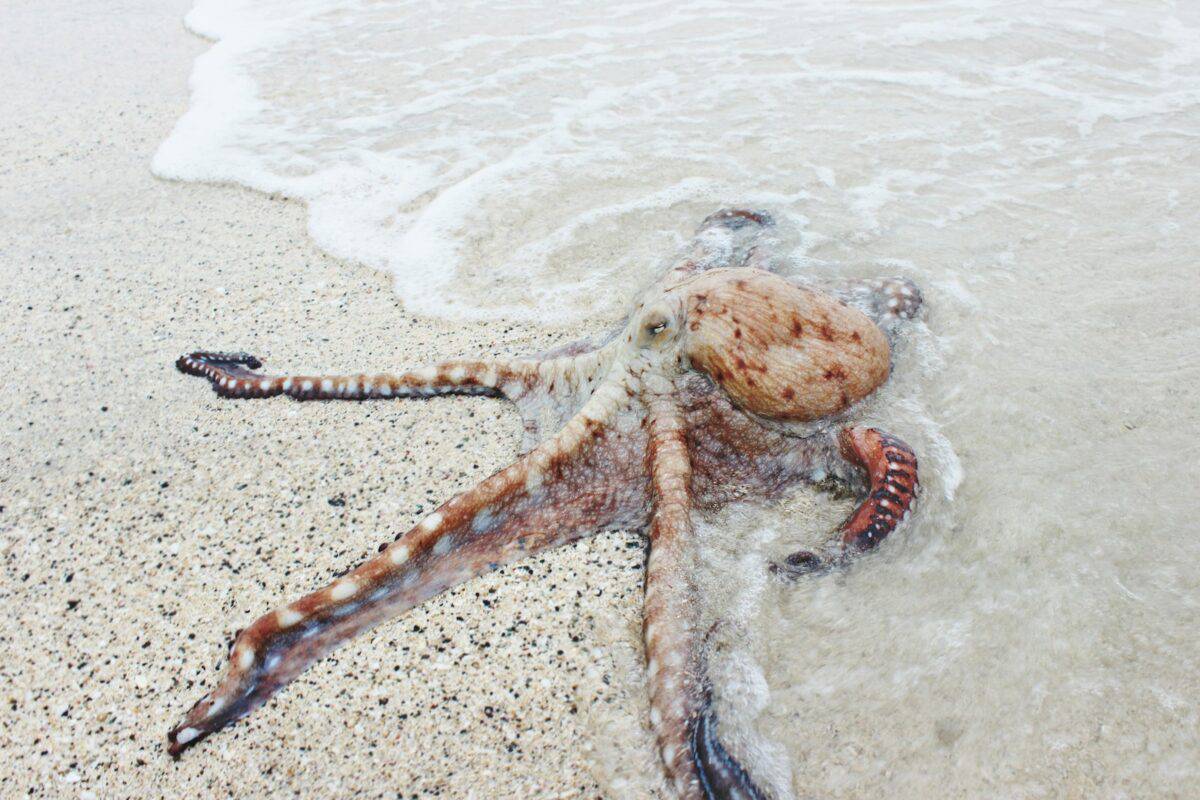
The veined octopus (Amphioctopus marginatus) from the tropical western Pacific has astounded marine biologists with its innovative approach to protection. These remarkable cephalopods collect discarded coconut half-shells from the ocean floor, clean them out, and carry them around as portable shelters. When threatened, they can rapidly assemble two half-shells into a spherical protective enclosure, effectively creating a mobile home that shields them from predators. What makes this behavior particularly significant is that it represents a form of tool use that involves future planning—the octopuses transport these shells across the ocean floor despite the energetic cost and awkwardness of carrying them, demonstrating they anticipate a future need for shelter. This level of foresight and planning was previously thought to be beyond the cognitive capabilities of invertebrates. The behavior also displays impressive problem-solving, as the octopuses must select appropriate shells, sometimes stacking and carrying multiple shells of different sizes to ensure they fit together properly.
Ants Creating Living Bridges
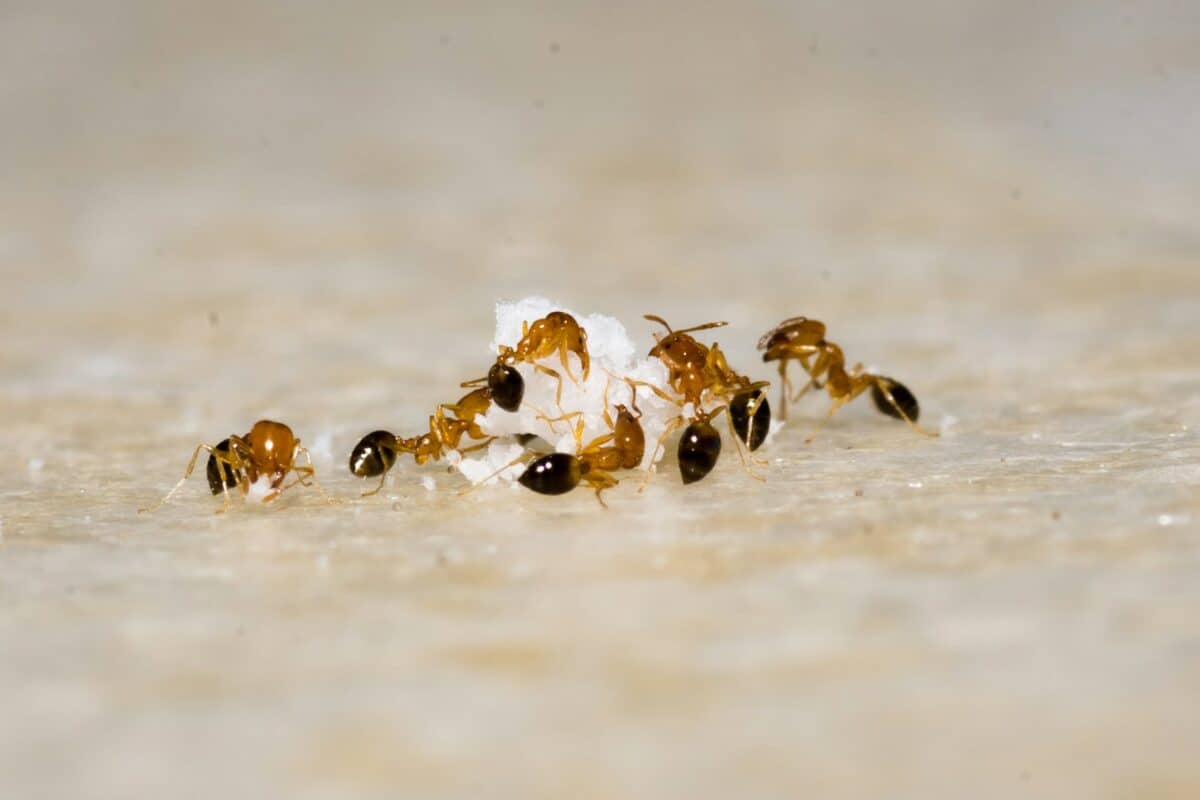
Army ants (Eciton burchellii) in Central and South American rainforests have evolved a remarkable collective solution to navigational challenges. When encountering gaps in their path, these ants spontaneously form living bridges using their own bodies, linking themselves together to create structures that allow their colony mates to traverse obstacles efficiently. What makes these bridges extraordinary is their sophisticated self-regulation. The ants don’t simply build bridges anywhere—they construct them at locations that optimize the colony’s overall travel efficiency. Even more impressively, these living structures adjust dynamically, growing or shrinking based on traffic flow. If traffic decreases, ants gradually leave the bridge and rejoin the main foraging trail. Army ant bridges demonstrate that complex problem-solving doesn’t require large brains or even individual intelligence—instead, relatively simple rules followed by many individuals can produce remarkably sophisticated solutions through emergent collective intelligence.
Beavers Engineering Ecosystems

Beavers stand as nature’s premier ecosystem engineers, fundamentally transforming landscapes to suit their needs through the construction of dams and lodges. Without any human guidance or instruction, beavers assess water flow patterns and strategically place logs, branches, stones, and mud to create structures that can span over 100 meters in length and stand several meters high. These dams serve multiple purposes: they create deep pools that protect beaver lodges from predators, provide underwater food storage during winter, and ensure year-round access to water. What’s particularly remarkable is the beavers’ adaptive problem-solving—they respond to the sound of running water by reinforcing dams at leak points, and they build canals (sometimes hundreds of meters long) to float building materials and food from distant locations. The environmental impact of this problem-solving extends far beyond the beavers themselves, creating wetland habitats that support biodiversity, filter water, reduce erosion, and mitigate both drought and flooding effects.
Sea Otters Using Rocks as Tools

Sea otters have developed a sophisticated solution to accessing their preferred shellfish diet. These marine mammals are one of the few non-primate species known to regularly use tools, employing stones as anvils and hammers to crack open hard-shelled prey. An otter will dive to the ocean floor to collect shellfish, then resurface and float on its back while placing a flat stone on its chest. It then smashes the shellfish against this stone anvil until the shell breaks, allowing access to the meat inside. What makes this behavior particularly remarkable is that individual otters often maintain a preferred stone, storing it in a pouch of loose skin under their foreleg while diving for food. Some otters even develop preferences for particular stone types based on their effectiveness, demonstrating an understanding of tool properties and suitability for specific tasks. This tool use solves the critical problem of accessing nutritious but well-protected food sources that would otherwise remain unavailable.
Gorillas Assessing Water Depth with Sticks

Wild gorillas face the challenge of traversing swampy areas in their forest habitats, where deep water poses risks to these non-swimming primates. Researchers in the Republic of Congo documented a remarkable solution: gorillas using branches as measuring sticks to test water depth before deciding whether to proceed. A female gorilla named Leah was observed breaking off a branch, walking bipedally into a pool of water, and repeatedly jabbing the stick into the water ahead of her to assess its depth. When the water proved too deep, she returned to shore and found an alternate route. This example of spontaneous tool use for information gathering—rather than for directly obtaining food, which is more commonly observed—demonstrates sophisticated causal reasoning. The gorilla understood that the stick could provide information about an invisible property (water depth) and used this information to make decisions about safe passage. This behavior represents a form of tool use specifically for risk assessment and route planning, showing remarkable cognitive flexibility.
Orangutans Creating Rain Hats
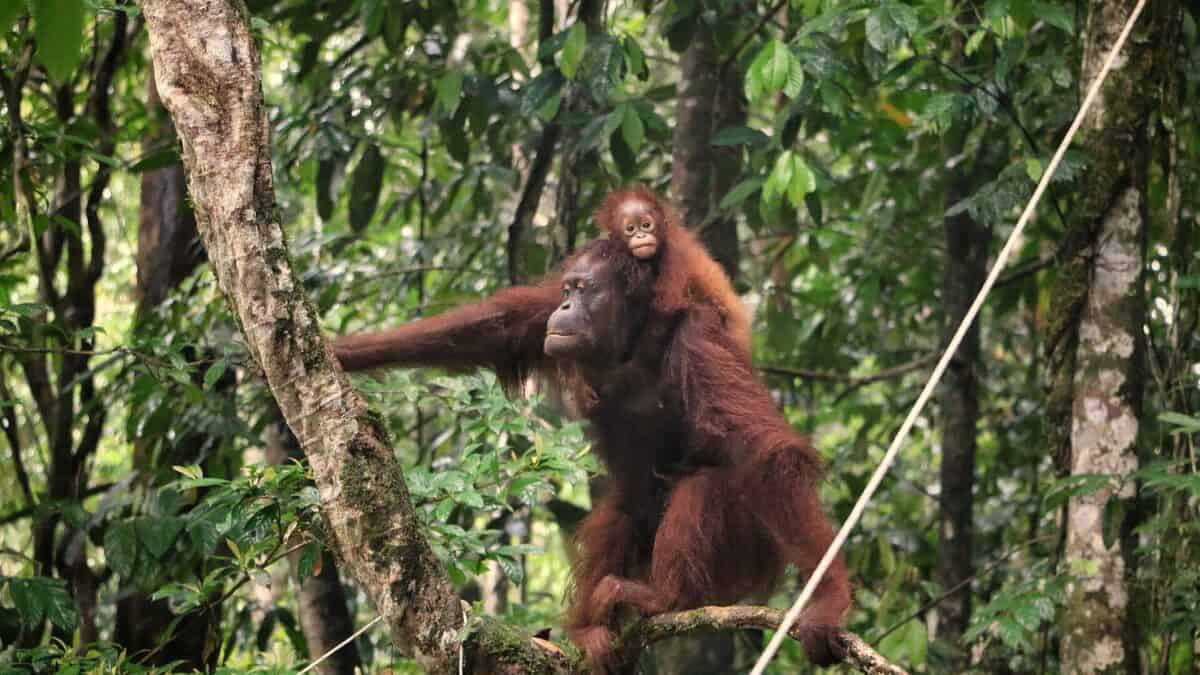
Orangutans in Borneo’s rainforests have devised an ingenious solution to staying dry during frequent downpours. Researchers have observed these great apes selecting large leaves, often from certain plant species known for their broad, water-resistant foliage, and positioning them over their heads as improvised umbrellas. Some orangutans take this innovation further by folding or layering leaves to create more effective rain protection. One particularly notable observation documented an orangutan breaking off a leafy branch, removing extraneous twigs, and fashioning it into a more comfortable and effective rain cover. What makes this behavior significant is that it demonstrates both causal understanding (recognizing that the leaves block water) and manufacturing (modifying materials to better serve a purpose). This leaf umbrella innovation appears to be culturally transmitted, with juveniles learning the technique by observing adults, creating regional “traditions” of rain protection that vary between different orangutan populations.
Termites Building Climate-Controlled Structures

Termites in Africa’s savannas have developed one of nature’s most sophisticated architectural solutions to the challenge of maintaining stable living conditions in extreme environments. Their mounds, which can reach heights of 9 meters, function as complex passive ventilation systems that maintain remarkably constant internal temperatures and humidity levels despite external conditions that fluctuate between scorching days and cool nights. Without any centralized planning or blueprint, millions of individual termites coordinate to construct structures featuring strategically placed tunnels, chambers, and pores that facilitate air circulation through convection currents. The mounds are aligned to minimize solar heating, with many species building thinner mound walls on the east-west axis and thicker walls on the north-south axis. Some species even incorporate specialized “chimneys” and “cellar” systems that enhance ventilation and temperature regulation. These extraordinary structures solve multiple problems simultaneously: they protect against predators, regulate temperature and humidity, manage airflow to remove carbon dioxide and bring in oxygen, and even include agricultural chambers where termites cultivate specific fungi species as food sources.
Bumblebees Solving Puzzle Boxes for Rewards

Bumblebees have demonstrated unexpected problem-solving abilities that challenge our understanding of insect cognition. In a series of experiments at Queen Mary University of London, researchers presented bumblebees with artificial flowers covered by lids that needed to be rotated or pulled to access sugar rewards. Without any demonstration, the bees learned to manipulate these mechanisms through trial and error. Even more impressively, bees that hadn’t solved the puzzle themselves were able to learn the technique by observing successful bees—demonstrating a form of social learning previously thought beyond the capabilities of insects. In follow-up studies, bees showed the ability to improve upon the techniques they observed, sometimes finding more efficient solutions than those they had witnessed. This capacity for observational learning and innovation is remarkable considering a bumblebee’s brain contains fewer than one million neurons (compared to a human’s 86 billion). The bees’ success suggests that complex problem-solving and even rudimentary culture can emerge from relatively simple neural systems when under strong selective pressure.
Archerfish Calculating Complex Physics
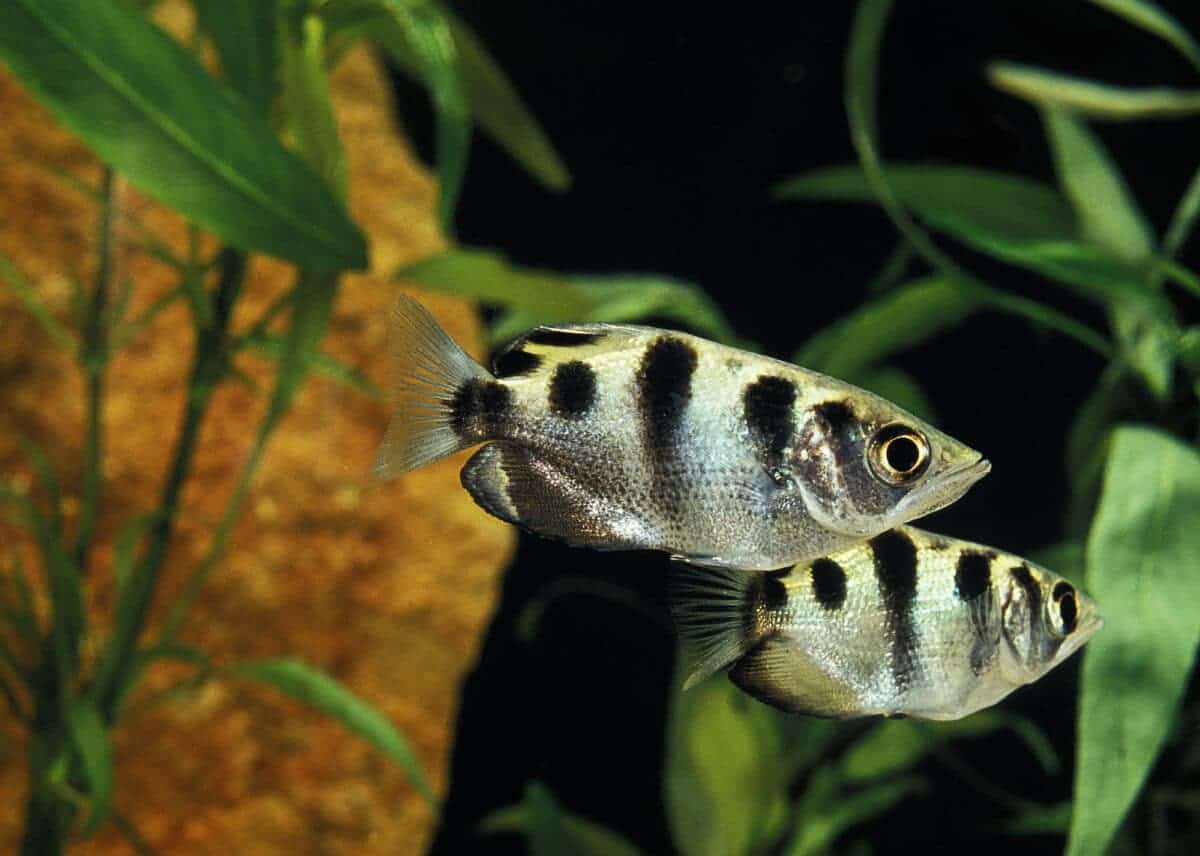
Archerfish have evolved one of the animal kingdom’s most remarkable hunting techniques, solving the complex physics problem of hitting moving aerial targets from underwater. These fish shoot down insects and other prey by forcefully expelling jets of water from their specialized mouths, effectively creating biological water guns. What makes this ability truly extraordinary is that archerfish must solve several physics challenges simultaneously: they must account for the refraction of light at the water-air interface (which distorts the apparent position of their target), calculate the trajectory needed for their water jet to hit a moving target, and adjust the force of their shot based on distance. Research has shown that archerfish can hit targets up to 2 meters above the water surface with remarkable accuracy, even compensating for the movement of prey. When hunting moving targets, they don’t aim directly at the prey’s apparent position but instead calculate where the prey will be by the time their water jet arrives—displaying predictive capabilities that suggest sophisticated neural processing.
Conclusion: The Remarkable Intelligence of Nature
These 14 examples of animal innovation merely scratch the surface of nature’s vast repertoire of evolutionary problem-solving. From the microscopic navigation systems of slime molds to the sophisticated social strategies of great apes, the natural world abounds with intelligence that takes forms we’re only beginning to understand. What’s particularly striking is how these cognitive abilities have evolved independently across vastly different taxonomic groups, suggesting that intelligence is not a linear progression culminating in humans, but rather a diverse array of adaptations shaped by each species’ unique evolutionary challenges. The examples highlighted here demonstrate that foresight, creativity, cultural transmission, and causal reasoning exist throughout the animal kingdom in ways that blur the traditional boundaries between human and animal cognition. As we continue to study animal problem-solving with more sophisticated tools and more open minds, we’ll likely discover that the cognitive gap between humans and other species is narrower and more nuanced than we once believed.

As a little kid, I fell in love with nature, wildlife, and animals. Living in the USA, South Africa, Italy, China and Germany gave me the opportunity to discover the world's Wildlife. My favorite animals are Mountain Gorillas, Siberian Tigers, and Great White Sharks.
I'm a certified PADI Open Water Diver, went to Everest Base Camp and Trekked Gorillas in Uganda. I hold a Master of Science in Economics and Finance.
Please send any feedback to feedback@animalsaroundtheglobe.com
- 12 Amazing Marine Animals You Can See in Florida - July 31, 2026
- 12 Species That Outsmart Humans with Their Survival Strategies - July 31, 2026
- 15 Animal Behaviors Scientists Still Can not Explain - July 31, 2026