

When we think of intelligent animals, dolphins, chimpanzees, and border collies often come to mind. However, one animal whose cognitive abilities continue to astound researchers might be rooting around in mud on a farm near you. Pigs, those seemingly simple barnyard animals, possess problem-solving abilities that rival—and sometimes surpass—those of our closest primate relatives and beloved canine companions. Their capacity to navigate complex puzzles, use tools, and understand abstract concepts showcases a level of intelligence that challenges our perception of these animals as mere livestock. This article explores the remarkable cognitive capabilities of pigs, specifically focusing on their impressive puzzle-solving skills that have scientists reconsidering what we know about animal intelligence.
The Cognitive Capabilities of Sus Scrofa Domesticus

Domestic pigs (Sus scrofa domesticus) possess cognitive abilities that are among the most sophisticated in the animal kingdom. Their brains, while different in structure from human brains, show remarkable similarities in certain regions associated with intelligence. Pigs have a well-developed cerebral cortex and a brain-to-body ratio comparable to other highly intelligent species. Neurologically, they’re equipped with approximately 450 million neurons in their cerebral cortex—significantly more than many animals of similar size. This neural complexity provides the foundation for their advanced cognitive functions, including exceptional memory, emotional processing, and the ability to understand cause-and-effect relationships—critical components for puzzle-solving and learning tasks.
How Scientists Test Pig Intelligence
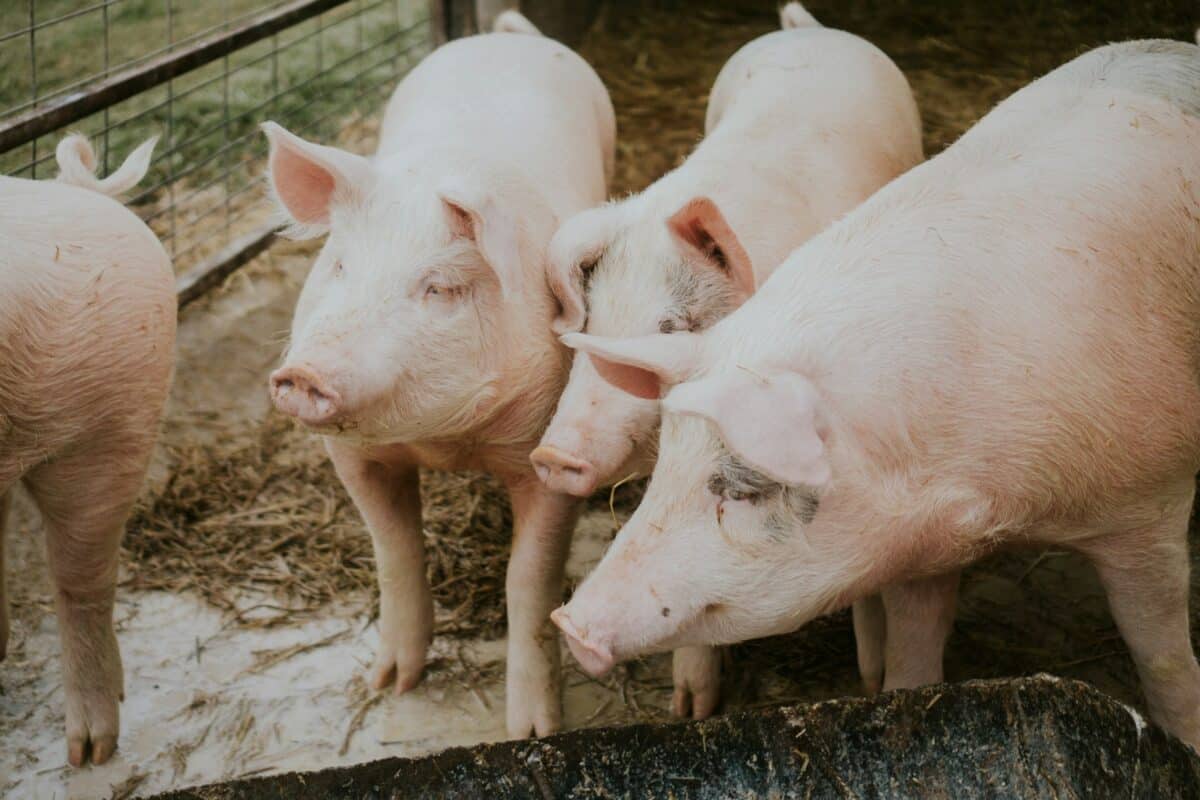
Researchers employ various methodologies to evaluate porcine cognitive abilities. Maze tests, like the “T-maze” and “radial arm maze,” allow scientists to measure spatial memory and learning capabilities. Object-displacement tests examine a pig’s understanding of object permanence—the concept that objects continue to exist even when out of sight. Mirror recognition tests assess self-awareness, while delayed gratification experiments measure impulse control and planning abilities. Perhaps most impressive are tool-use tests, where pigs must manipulate objects to obtain rewards, and symbolic language experiments, where they learn to associate symbols with specific meanings. These scientific protocols have consistently demonstrated that pigs possess cognitive skills previously thought exclusive to primates and a few other mammalian species, establishing them as cognitive heavyweights in the animal kingdom.
The Pig IQ: Comparing Intelligence Across Species

When comparing pig intelligence to other animals, the results are eye-opening. Pigs consistently outperform dogs in certain cognitive tests and show problem-solving abilities on par with chimpanzees in specific contexts. In one notable study from Purdue University, pigs demonstrated the ability to use joysticks to control a cursor on a screen—a task requiring advanced visuospatial understanding—performing at levels comparable to primates. Their episodic memory (the ability to recall specific events) exceeds that of many laboratory animals, including rats and mice. While different species excel in different cognitive domains based on evolutionary pressures, pigs rank among the top five most intelligent non-human animals when considering overall cognitive flexibility, alongside great apes, dolphins, elephants, and certain corvids. This cognitive prowess makes them exceptionally adept at tackling novel puzzles and learning from experience.
Pigs and Puzzle Boxes: Laboratory Findings
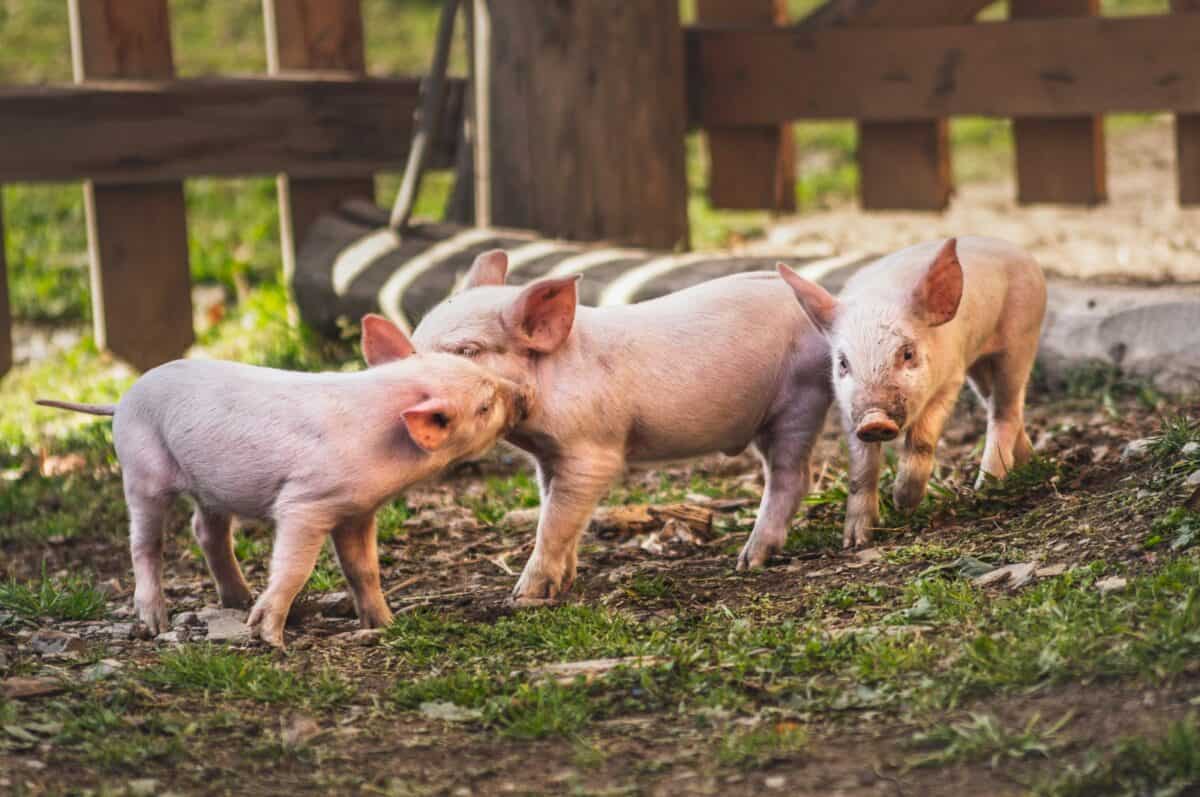
Research involving puzzle boxes has provided compelling evidence of porcine intelligence. In controlled laboratory settings, pigs quickly master multi-step puzzle boxes that require sequences of actions to obtain rewards. A landmark study at the University of Cambridge found that Yorkshire pigs could solve complex mechanical puzzles with sliding bolts and levers in as few as five attempts. More impressively, they remembered the solutions months later without additional training. In another study at Penn State University, pigs not only solved food-dispensing puzzles but demonstrated the ability to adjust their approach when researchers modified the puzzles—showing both problem-solving skills and cognitive flexibility. Perhaps most remarkably, some subjects exhibited innovative solutions not anticipated by the researchers, such as using their snouts as levers in unexpected ways or combining approaches to overcome barriers, suggesting creative thinking beyond simple trial and error.
Tool Use Among Pigs: Beyond Basic Problem-Solving

Tool use, once considered a hallmark of higher primates, has been documented among domestic and wild pigs. Researchers at the Family Pig Project in Hungary observed pigs using sticks to dig, manipulate objects to reach food, and even construct rudimentary nests using available materials. In controlled experiments, pigs learned to use simple tools like rakes to retrieve out-of-reach food items after just a few demonstrations. At the Edinburgh Zoo, a Visayan warty pig was documented using bark as a shovel to prepare its nest—planned tool use requiring forethought. Unlike instinctive behaviors, these examples demonstrate true instrumental learning, where pigs understand the relationship between the tool and the outcome. Their ability to improvise tools from available objects further suggests an understanding of object properties and potential functions—cognitive capabilities previously considered beyond the reach of non-primate species.
Social Learning: How Pigs Learn From Each Other

Pigs excel at social learning, readily acquiring knowledge by observing their peers. Research at the University of Cambridge demonstrated that naive pigs could solve complex food puzzles after merely watching experienced pigs complete them, cutting their learning time by more than half. This observational learning extends to tool use, foraging strategies, and navigation of novel environments. Intergenerational knowledge transfer has also been documented, with piglets learning complex behaviors from their mothers. Unlike simple mimicry, pigs demonstrate true social learning by adapting observed behaviors to new contexts—suggesting they understand the underlying principles rather than merely copying actions. This capacity for cultural transmission of knowledge creates “information cascades” within pig communities, where innovative solutions spread rapidly through social groups, allowing collective problem-solving that exceeds individual capabilities.
The Mirror Test: Self-Recognition in Pigs

The mirror self-recognition test is considered a gold standard for assessing self-awareness in animals, and pigs have shown promising results in these assessments. While not as conclusive as great apes or dolphins, research at the University of Cambridge found that pigs can use mirrors to locate hidden food, suggesting an understanding of reflective properties. More tellingly, some pigs demonstrated behaviors consistent with self-recognition, such as using mirrors to examine marks placed on their bodies. In a 2015 study published in Animal Behaviour, pigs initially treated their reflection as another pig but quickly learned to use the mirror as a tool to find food hidden behind barriers. This understanding of the relationship between their movements and the mirror image suggests a rudimentary form of self-awareness. While debate continues about whether this constitutes true self-recognition, these abilities exceed those of many mammals and correlate with their success in complex puzzle-solving tasks.
Memory Champions: The Remarkable Recall of Pigs

Pig memory capabilities are nothing short of extraordinary. Studies have confirmed that pigs can remember specific individuals (both pig and human) for years, recognize dozens of distinct objects even after long intervals, and recall complex spatial layouts indefinitely. At the Pig Cognition and Care Project, pigs successfully navigated mazes they hadn’t seen for over three years, demonstrating exceptional long-term spatial memory. Their episodic memory allows them to recall not just what happened but when and where events occurred—a sophisticated cognitive ability once thought unique to humans. This memory prowess enables pigs to remember puzzle solutions indefinitely; researchers at Pennsylvania State University found that pigs could recall complex puzzle box solutions with perfect accuracy after a six-month interval without practice. This remarkable memory capacity underpins their puzzle-solving abilities, allowing them to build upon previous experiences and develop increasingly sophisticated approaches to new challenges.
Video Game Pigs: Digital Problem-Solving
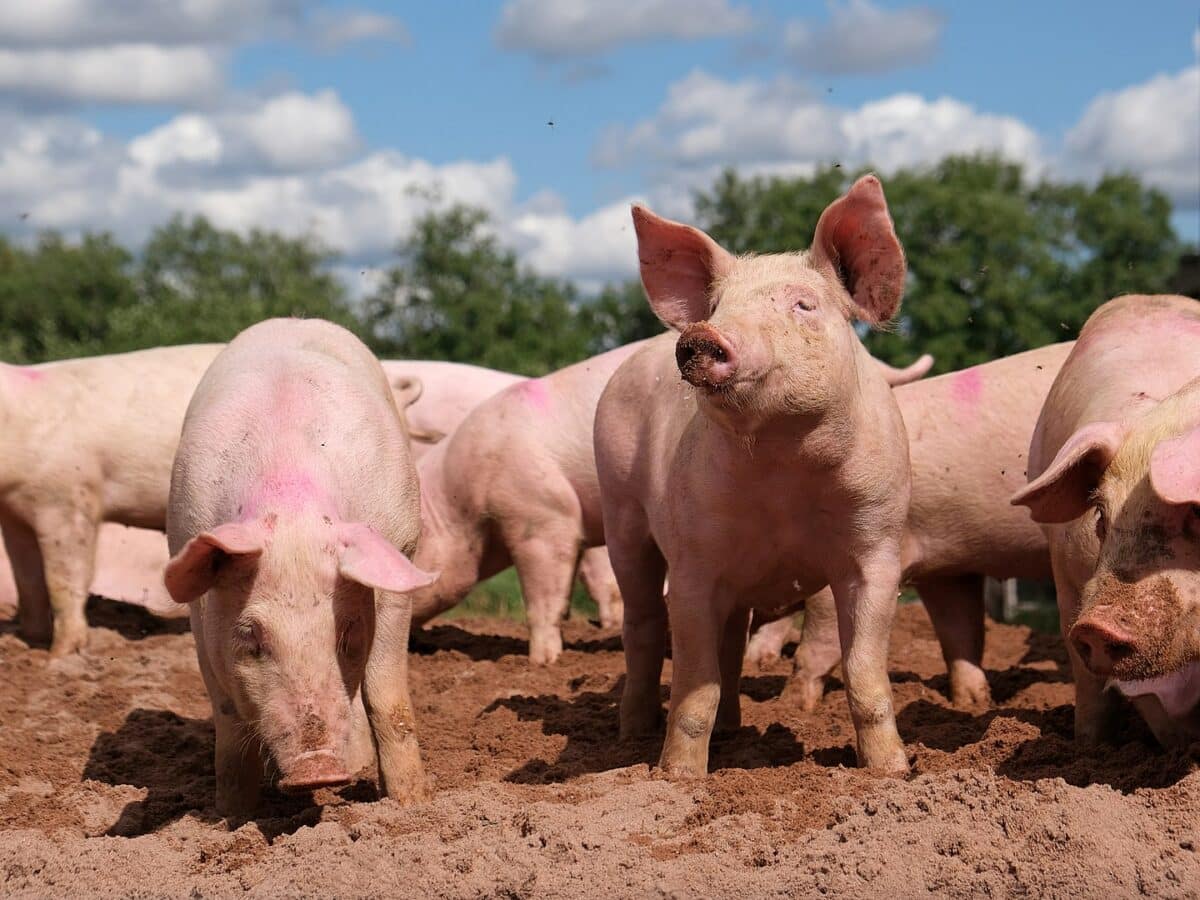
Perhaps one of the most surprising demonstrations of pig intelligence comes from their ability to master simplified video games and digital interfaces. At Purdue University’s Center for Animal Welfare Science, researchers trained pigs to use joysticks with their snouts to move cursors on screens toward target areas—a complex task requiring understanding of symbolic representation and cause-effect relationships. Despite being physically disadvantaged (lacking hands and having visual systems not evolved for screens), the pigs mastered these tasks with remarkable proficiency. In a similar study at Penn State, pigs learned to use touch screens to select specific symbols for rewards, demonstrating understanding of abstract representations. Some subjects even showed evidence of strategic thinking, developing efficient patterns of movement to maximize rewards while minimizing effort. These digital puzzles represent arguably the most abstract problem-solving challenge pigs have mastered, requiring cognitive processes far removed from their natural foraging behaviors.
Emotional Intelligence and Puzzle Solving
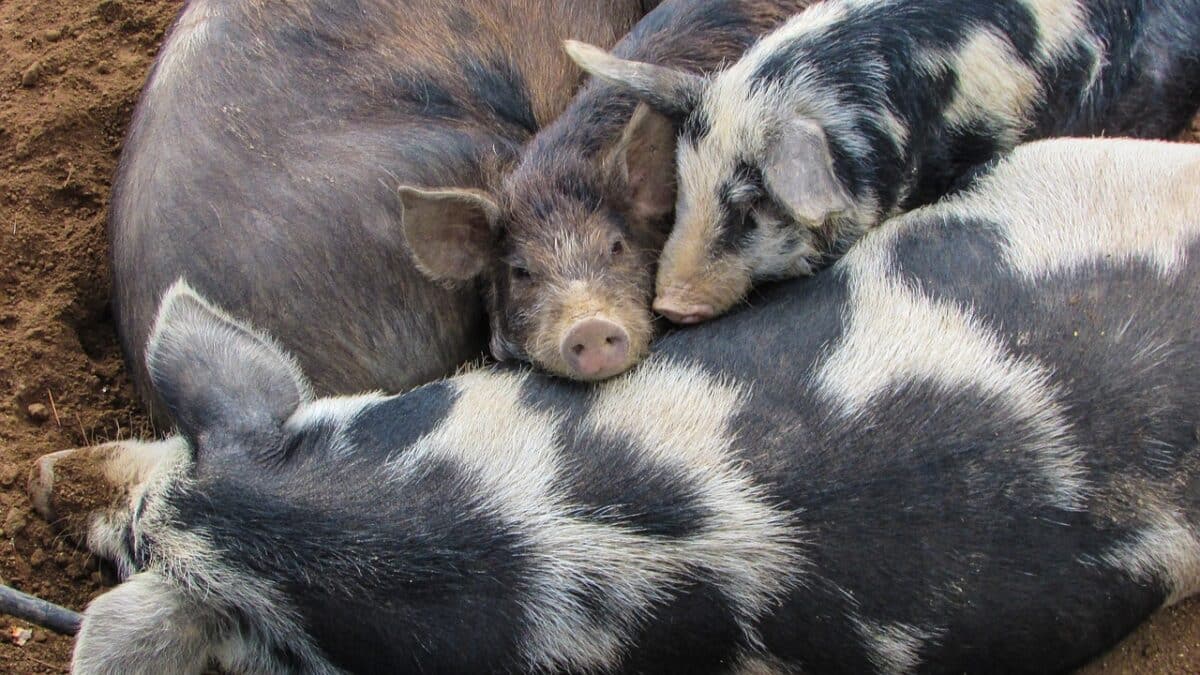
The emotional intelligence of pigs plays a crucial role in their problem-solving capabilities. Research has shown that pigs experience a wide range of emotions—including joy, frustration, anxiety, and even optimism or pessimism—that influence their approach to challenges. A study from the University of Lincoln found that pigs’ emotional states significantly impact their puzzle-solving strategies; optimistic pigs (those in positive emotional states) showed greater persistence and creative approaches to difficult puzzles. Pigs also demonstrate emotional contagion—the spreading of emotional states between individuals—which facilitates collaborative problem-solving. Their capacity for empathy has been documented in studies showing that pigs become distressed when witnessing the distress of their companions. This emotional sophistication contributes to their puzzle-solving abilities by providing motivation, facilitating social learning, and enabling them to regulate frustration during challenging tasks—qualities that are remarkably similar to those that aid human problem-solving.
Wild Intelligence: Problem-Solving in Natural Settings

The problem-solving abilities observed in domestic pigs extend to their wild counterparts, with feral pigs and wild boars demonstrating remarkable adaptability and ingenuity in natural settings. Field researchers have documented wild pigs using running water to wash food, employing tools to test soil depth before digging, and developing complex strategies to access protected food sources. In Australia, feral pigs have been observed using coordinated efforts to breach farm defenses, with some individuals specializing in different aspects of the “break-in.” Wildlife biologists in Texas noted wild pigs deliberately pushing floating logs toward duck blinds to trigger hunter movement, suggesting an understanding of cause and effect in predator detection. Perhaps most impressively, wild pigs in the Pyrenees were observed using natural hot springs to clean food items—behavior that combines tool use, understanding of physical properties, and multi-step planning. These natural observations complement laboratory findings, confirming that pig intelligence is not an artifact of experimental design but a genuine cognitive adaptation with real-world applications.
Implications for Animal Welfare and Ethics

The demonstrated intelligence of pigs raises profound ethical questions about their treatment in agricultural settings. Conventional intensive farming systems typically provide minimal cognitive stimulation and restrict natural behaviors, potentially leading to psychological distress in these intelligent animals. Research from the University of Bristol shows that pigs denied environmental enrichment develop abnormal behaviors analogous to psychological disorders in humans. Agricultural systems that incorporate cognitive enrichment—including puzzle feeders, varied environments, and social housing—report higher welfare outcomes and reduced stress markers in pigs. From an ethical perspective, acknowledging pig intelligence necessitates reconsidering practices that cause suffering to animals with demonstrated emotional and cognitive complexity. Several countries, including Sweden and the UK, have implemented welfare regulations based partly on cognitive research, requiring environmental enrichment and prohibiting the most restrictive housing systems. The growing body of evidence regarding pig intelligence thus has real-world implications for agricultural policy, animal welfare legislation, and ethical consumption choices.
Conclusion: Reimagining Our Relationship With Pigs

The scientific evidence is compelling: pigs possess cognitive abilities that rival many species we typically consider intelligent, demonstrating problem-solving skills that challenge our traditional hierarchies of animal cognition. Their aptitude for mastering complex puzzles, using tools, learning from observation, and even navigating digital interfaces reveals intelligence that extends far beyond what’s required for survival in their natural environment. These findings invite us to reconsider not only our scientific understanding of animal cognition but also our ethical relationship with these remarkable animals. As we continue to uncover the depths of pig intelligence, the distinction between “livestock” and “companion animal” increasingly appears as an arbitrary human construct rather than a reflection of cognitive capacity. Perhaps the most important puzzle these animals help us solve is how to create a more compassionate and scientifically informed relationship between humans and the other intelligent species with whom we share our planet.

- 10 Animals That Cheat Death in the Most Unexpected Ways - July 19, 2026
- The Shrimp That Punches Like a Bullet - July 19, 2026
- This Tiny Mammal Can Slow Its Heartbeat to One Beat Per Minute - July 19, 2026