

In the miniature landscapes beneath our feet, complex societies engage in conflicts that mirror human warfare with surprising sophistication. Ant colonies, with their intricate social structures and territorial instincts, conduct military campaigns that include reconnaissance missions, front-line battles, siege tactics, and even chemical warfare. These tiny creatures, some measuring just millimeters in length, execute war strategies with military precision that would impress even the greatest human generals. This article explores the fascinating world of warring ant colonies, their motivations for conflict, battle tactics, and the evolutionary significance of these intercolonial wars.
The Strategic Motivations Behind Ant Warfare

Ant warfare is rarely random or without purpose. These conflicts typically arise from competition for limited resources critical to colony survival and prosperity. Territory containing food sources is perhaps the most common cause of intercolonial conflict. A productive foraging area can mean the difference between a thriving colony and starvation. Nesting sites represent another valuable resource worth fighting for, particularly in environments where suitable locations are scarce. Beyond basic necessities, some species conduct raids specifically to capture brood (eggs, larvae, and pupae) from neighboring colonies, either to consume as protein-rich food or, in the case of slave-making species, to raise as workers for their own colony. Research has demonstrated that these conflicts intensify during resource scarcity, suggesting that ants make calculated decisions about when warfare becomes necessary for survival.
The Evolution of Ant Warfare
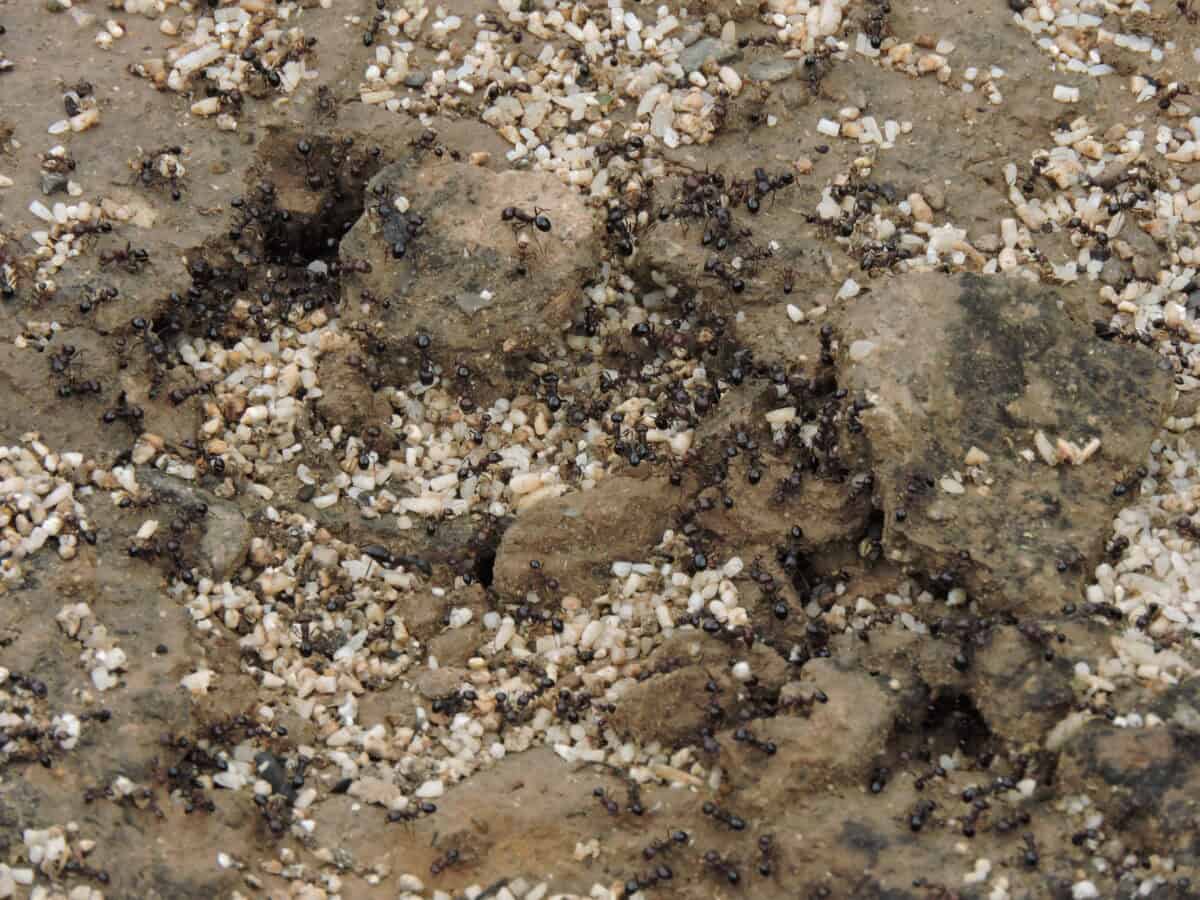
Ant warfare has deep evolutionary roots, having developed over the estimated 150 million years that ants have existed on Earth. The ability to wage effective war against competing colonies has provided significant evolutionary advantages, allowing successful species to expand their territories and access to resources. This evolutionary pressure has resulted in remarkable specializations. Many species have developed soldier castes with enlarged mandibles or chemical defense mechanisms specifically for combat. The Argentine ant (Linepithema humile) offers a fascinating evolutionary case study. In their native South America, these ants maintain many competing colonies. However, when introduced to new environments like California or Europe, they form “supercolonies” that cooperate rather than fight with genetically similar nests, allowing them to dominate new territories by directing their aggression solely toward native species. This evolutionary flexibility in warfare strategy has made them one of the world’s most successful invasive species.
The Army Ant: Nature’s Ultimate Military Force
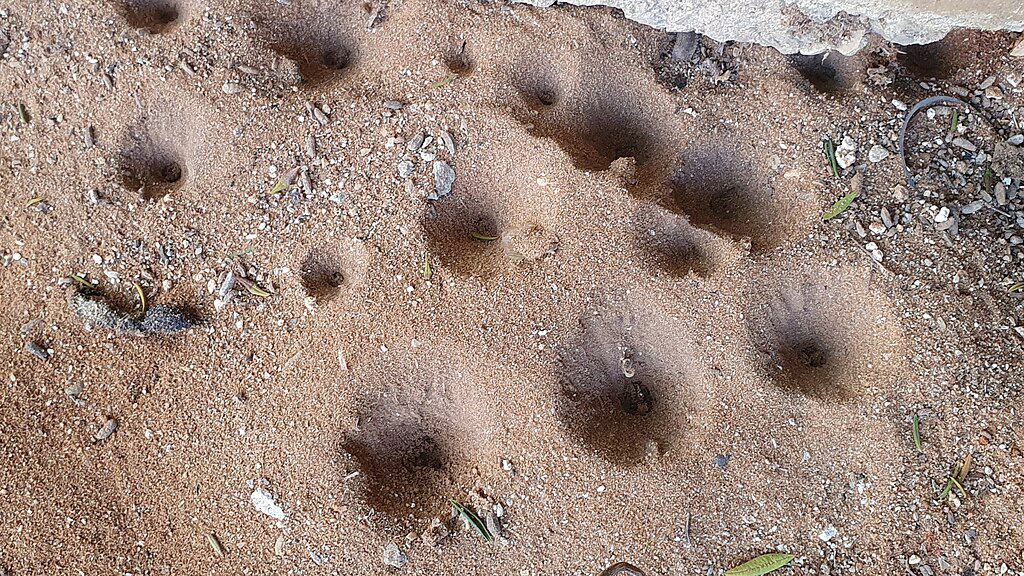
No discussion of ant warfare would be complete without examining army ants, the epitome of offensive military specialization in the insect world. Species like Eciton burchellii in South America and various Dorylus species in Africa have evolved into essentially nomadic military machines. These colonies, sometimes containing millions of individuals, do not build permanent nests but instead operate in continuous movement, establishing temporary bivouacs formed by the workers’ own bodies. Their raids are devastatingly efficient, with columns of workers spreading out in fan formations that can sweep over 100 square meters of forest floor daily, overwhelming any prey or competing ant colonies in their path. Their mandibles are specialized for combat rather than nest construction, and their entire colony cycle revolves around predation and warfare. When army ants encounter rival colonies, the ensuing battles can result in massive casualties on both sides, with the victors gaining access to the contested hunting grounds.
Chemical Warfare in the Ant World

Ants were conducting chemical warfare millions of years before humans developed similar tactics. Many species possess specialized glands that produce chemical compounds used specifically for combat. The fire ant (Solenopsis invicta) sprays a toxic alkaloid venom that can immobilize competing ants. Wood ants (Formica species) can spray formic acid with remarkable accuracy at their enemies, causing severe damage to their exoskeletons and respiratory systems. Perhaps most sophisticated are the chemical strategies of Lasius neglectus, which produces propaganda pheromones that confuse enemy colonies, causing them to attack their own nestmates in the midst of battle. The diversity of chemical weapons in the ant world is staggering, with some compounds still baffling human chemists in their complexity and specific effects. These chemical arsenals often determine the outcome of intercolonial conflicts, particularly when size or numerical advantages might otherwise favor the opposing side.
The Remarkable Battle Tactics of Warring Ants
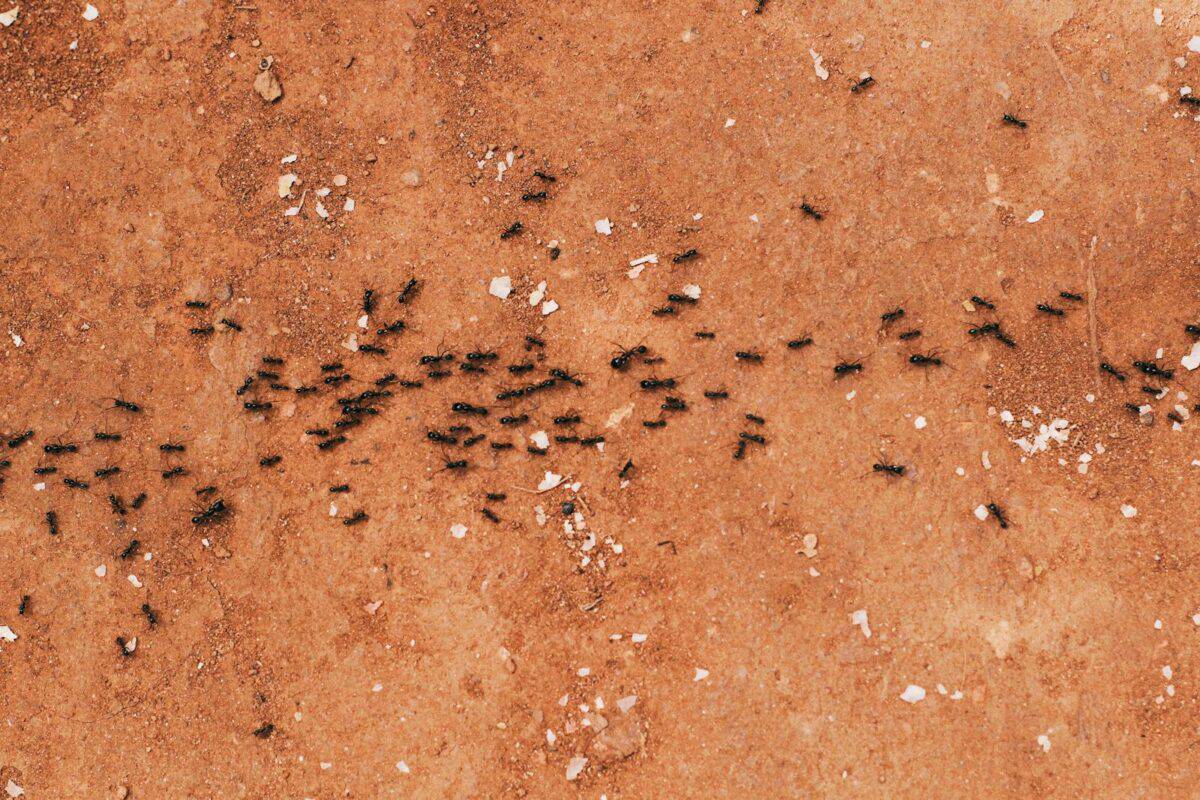
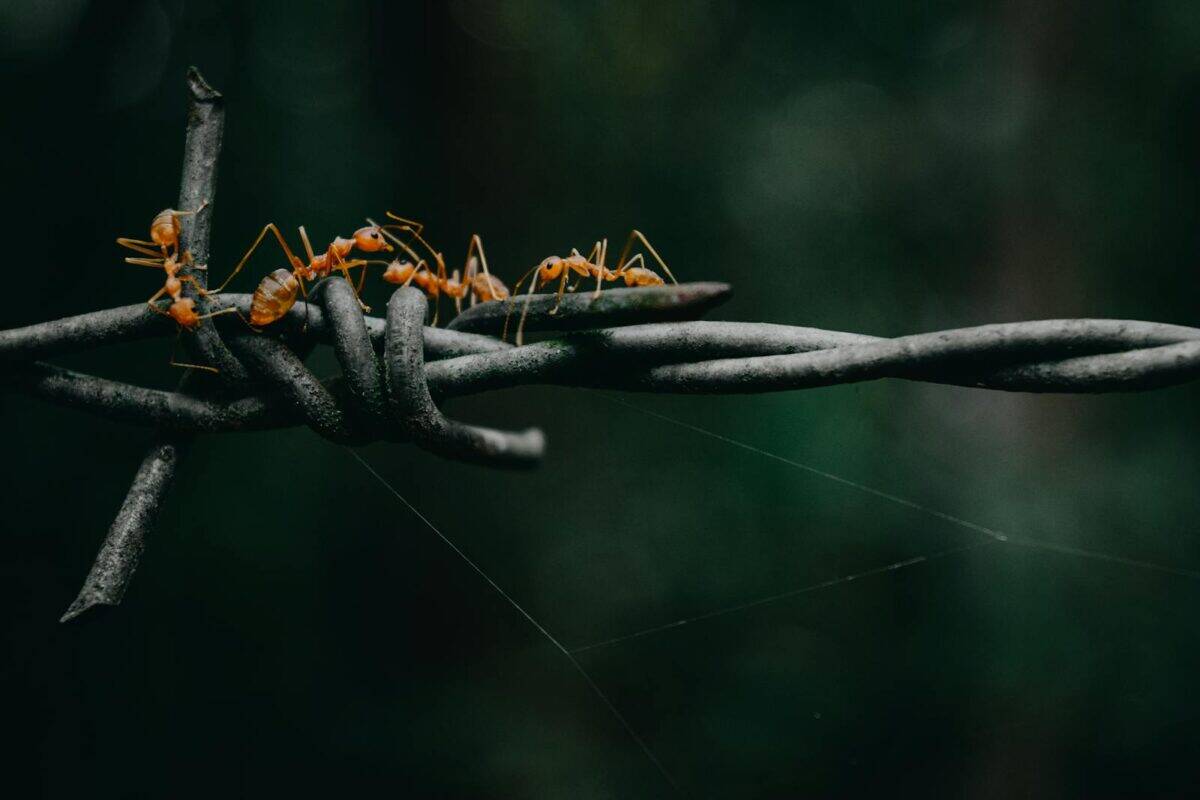
Ant warfare involves sophisticated tactics that vary dramatically between species. The marauder ant (Pheidologeton diversus) employs a “shock and awe” approach, sending massive numbers of workers in overwhelming frontal assaults against enemy colonies. In contrast, the African driver ant (Dorylus species) uses elaborate flanking maneuvers to surround and cut off enemy retreat routes. Slave-raiding ants of the Polyergus genus have evolved specialized mandibles not for killing but for dueling with and subduing the defender ants, as their goal is to preserve the enemy brood for capture. Some species even engage in siege warfare—the Amazon ant surrounds enemy nests, cutting off food supplies and waiting for the defenders to weaken before launching their final assault. Perhaps most impressive are the coordinated battle formations observed in species like Oecophylla smaragdina (weaver ants), where workers form living chains to create bridges that allow rapid deployment of reinforcements to battle zones, demonstrating a level of battlefield engineering that parallels human military innovations.
Tournament Species: Ritualized Warfare
Not all ant conflicts result in mass casualties. Some species, known as “tournament species,” engage in what resembles ritualized combat that minimizes the risk to both colonies. The honey ant (Myrmecocystus mimicus) provides a fascinating example of this phenomenon. When colonies encounter one another in the desert Southwest of North America, they engage in remarkable display tournaments. Workers from each colony stand on their hind legs, elevating their bodies to appear larger and more intimidating. These display battles can continue for days, with each colony sending increasingly larger workers to the front lines. Eventually, one colony acknowledges defeat—typically the one with smaller maximum worker size—and withdraws from the contested area without significant bloodshed. Evolutionary biologists believe these ritualized conflicts represent an adaptive strategy that allows colonies to resolve territorial disputes while preserving valuable worker populations. This sophisticated conflict resolution system demonstrates that even in the ant world, warfare has evolved to include diplomatic alternatives to all-out combat.
Slave-Making Ants: The Brutal Raiders

Some of the most dramatic examples of ant warfare come from slave-making species, which have evolved specialized behaviors and morphologies specifically for raiding other colonies. The Amazon ant (Polyergus rufescens) is perhaps the most infamous, having lost the ability to care for its own young or even feed itself through evolutionary specialization for raiding. These ants conduct precisely timed attacks against Formica species colonies, with specialized soldier ants using chemical secretions to disorient the defending workers while raiders capture pupae. These captives are then raised in the Amazon ant colony and imprinted to recognize it as their own, becoming a slave workforce that handles all colony maintenance and foraging. The slavemaker ant Protomognathus americanus takes this strategy further, disguising itself with chemical camouflage stolen from the target colony before infiltrating to kidnap brood. These evolutionary adaptations for slavery represent some of the most specialized warfare behaviors in the natural world, with some slave-making species entirely dependent on successful raids for colony survival.
The Argentine Ant Supercolonies: Global Warfare

The Argentine ant (Linepithema humile) presents perhaps the most remarkable case of ant warfare on a global scale. In their native South America, these ants maintain traditional territorial boundaries between colonies. However, when introduced to new environments, they’ve formed what scientists call “supercolonies”—vast networks of interconnected nests that recognize each other as allies rather than competitors. The largest known supercolony stretches along the Mediterranean coast for over 6,000 kilometers, containing billions of workers that cooperate rather than fight. Within supercolonies, aggression is directed outward against other ant species and competing supercolonies. This adaptation has made Argentine ants extraordinarily successful invaders, as they unite against native species rather than fighting among themselves. Genetic studies suggest this remarkable behavior stems from reduced genetic diversity in introduced populations, which has inadvertently created one of the largest cooperative organisms on Earth. The warfare strategies of Argentine ant supercolonies have allowed them to displace native ants across multiple continents, demonstrating how evolutionary adaptations in warfare behavior can dramatically influence ecological success.
Fire Ant Territorial Wars

The red imported fire ant (Solenopsis invicta) engages in some of the most violent and consequential territorial wars observed in the ant world. Native to South America but now invasive across the southern United States and other regions, these ants exist in two distinct social forms with dramatically different warfare behaviors. Monogyne colonies (with single queens) are highly territorial and engage in lethal battles with neighboring fire ant colonies. These conflicts often result in distinct territorial boundaries where constant skirmishes occur. In contrast, polygyne colonies (with multiple queens) show reduced aggression toward certain other polygyne colonies, creating cooperative networks similar to Argentine ant supercolonies. The warfare capabilities of fire ants are formidable—they employ coordinated attack strategies where workers collectively latch onto enemies while stinging repeatedly. Their venom contains alkaloid compounds that are particularly effective against other insects. Research has documented battles involving hundreds of thousands of fire ants with devastating casualty rates. These territorial wars have significant ecological impacts, as victorious fire ant colonies can displace native ant species and other arthropods, reducing local biodiversity in invaded areas.
The Role of Reconnaissance in Ant Warfare

Before engaging in full-scale warfare, many ant species conduct sophisticated reconnaissance operations that would impress military strategists. Scout ants often work individually or in small teams to gather intelligence on neighboring colonies, assessing their size, defensive capabilities, and resource value. The desert ant Cataglyphis fortis employs specialized scouts with exceptional navigational abilities who can discover enemy territories and return with precise information about location and strength. In the leaf-cutter ant Atta cephalotes, scouts use chemical trails to mark potential targets and guide larger forces during raids. These reconnaissance missions are not without risk—scouts discovered by enemy colonies are typically killed immediately, making this role one of the most dangerous in ant society. The information gathered by successful scouts, however, is crucial for colony decision-making about whether to initiate conflict and what battle strategies to employ. Research has demonstrated that colonies often abandon planned raids if scouts report strong defenses, showing a sophisticated cost-benefit analysis that prevents wasteful conflicts with low chances of success.
Defending the Colony: Battlefield Adaptations
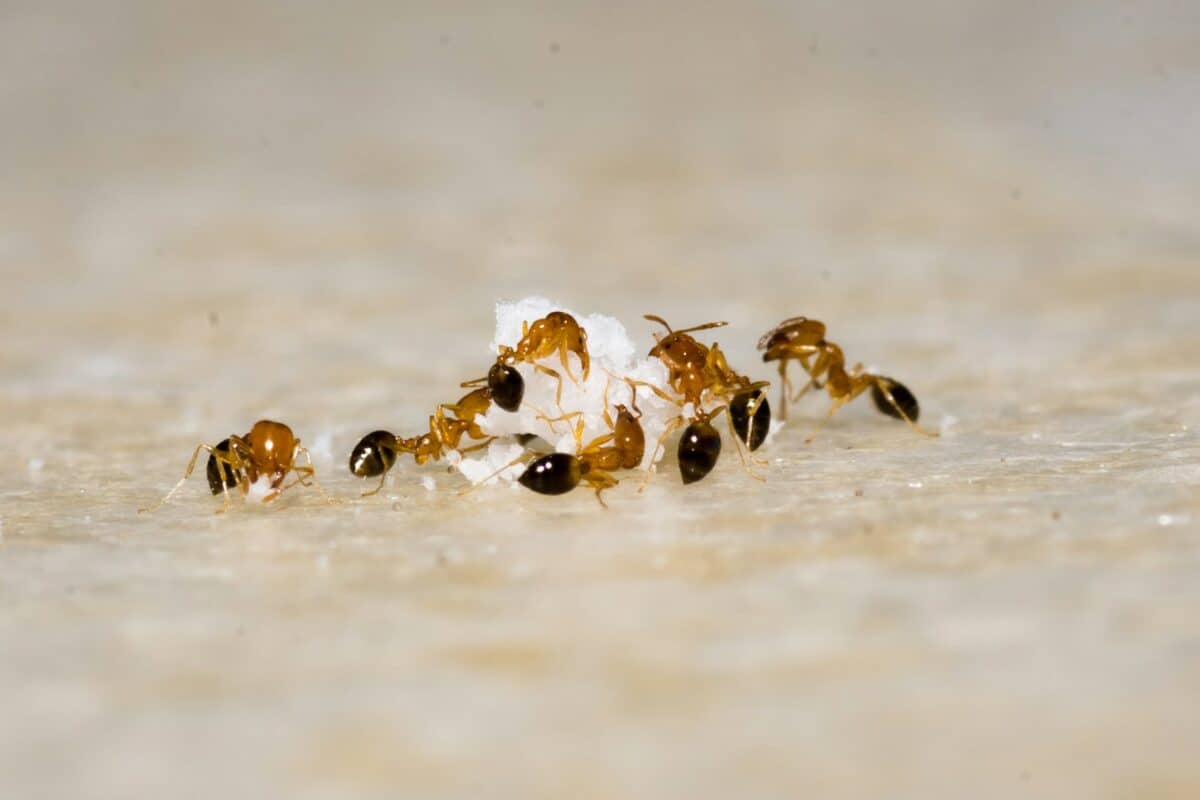
While offensive capabilities receive significant attention, the defensive adaptations of ant colonies facing warfare are equally remarkable. Many species have evolved specialized soldier castes with enlarged heads and powerful mandibles that serve as front-line defenders. The Pheidole genus exemplifies this specialization, with soldier ants featuring disproportionately large heads that can block nest entrances, creating living barricades against invaders. Some species employ architectural defenses—the Dorymyrmex insanus constructs elevated nest mounds with multiple emergency exits that allow defenders to outflank attacking forces. Perhaps most sophisticated are the defensive strategies of fungus-growing ants in the Atta genus, which maintain complex caste systems including tiny workers that ride on foragers’ heads, serving as lookouts for enemy attacks and chemical defenses. When major battles threaten the colony core, some species will sacrifice older workers as expendable defenders while younger ants evacuate the queen and brood to emergency chambers. These multi-layered defensive systems demonstrate the evolutionary importance of warfare in shaping ant societies.
The Aftermath of Ant Wars: Ecological Impacts
The consequences of ant warfare extend far beyond the immediate participants, reshaping entire ecosystems through complex ripple effects. When dominant ant species engage in significant conflicts, the resulting power vacuums or shifts in territorial control can dramatically alter local arthropod communities. Research in tropical ecosystems has shown that areas experiencing intense ant warfare often see changes in plant composition, as ants protect certain plant species from herbivores in exchange for food rewards. The introduction of invasive warring species like fire ants or Argentine ants can be particularly disruptive, as their superior warfare capabilities often allow them to displace native species, reducing local biodiversity. Not all impacts are negative—the constant state of warfare between competing colonies prevents any single species from achieving complete dominance, potentially maintaining ecological balance in some systems. Studies in restored prairie habitats have documented how the complex interactions between warring ant colonies create mosaic patterns of territorial control that increase overall habitat heterogeneity, potentially benefiting other organisms. The large-scale movements of resources that result from ant warfare—including captured food, territory, and brood—represent significant energy transfers within ecosystems that can influence nutrient cycling and decomposition processes.
Conclusion: The Complex Battlefield Beneath Our Feet

The warfare conducted by ants represents one of nature’s most sophisticated examples of conflict evolution, demonstrating that complex military strategies are not unique to humans but have emerged independently in social insects facing similar selective pressures. From chemical warfare and tactical formations to reconnaissance and strategic planning, ant colonies have developed battlefield innovations that parallel human military developments, despite possessing brain structures millions of times smaller than our own. These conflicts, playing out constantly beneath our feet, highlight how competition drives evolutionary specialization, creating the remarkable diversity of warfare strategies we observe across ant species. As we continue to study these miniature battlefields, we gain not only fascinating insights into the adaptive power of natural selection but also potential inspiration for human problems ranging from network security to traffic management, all modeled on the battle-tested solutions that ants have perfected over millions of years of evolutionary conflict.

- How Wildlife Corridors Help Bears Migrate Safely - July 12, 2026
- Scientists Identified an Electric Pangolin in Mojave Desert - July 12, 2026
- Why Do Rattlesnakes Sunbathe? - July 12, 2026