


Throughout history, humans have documented strange animal behaviors preceding natural disasters. From elephants fleeing to higher ground before tsunamis to birds abandoning their nests before earthquakes, these observations suggest many animals possess sensory capabilities that far exceed our own. Scientists have discovered that various species can detect subtle environmental changes—ultrasonic sounds, minute air pressure fluctuations, electromagnetic field variations, and chemical alterations—that often precede catastrophic events. While humans rely on sophisticated technology to forecast disasters, these creatures have evolved natural early warning systems that have helped them survive for millions of years. This article explores 15 remarkable species with the ability to sense impending natural disasters before humans can perceive them.
14. Elephants The Seismic Sentinels

Elephants possess extraordinary sensitivity to seismic vibrations through their feet. Their feet contain specialized mechanoreceptors that can detect subtle ground movements from up to 20 miles away. In 2004, during the devastating Indian Ocean tsunami, witnesses reported elephants in Thailand and Sri Lanka trumpeting loudly and fleeing to higher ground hours before the waves struck coastal areas. Research published in the Journal of Geophysical Research suggests elephants can sense infrasonic sound waves (below human hearing range) produced by earthquakes and storms. Their social nature amplifies this advantage, as a single elephant detecting danger can alert the entire herd. Interestingly, elephants possess the highest concentration of receptor cells dedicated to seismic detection discovered in any land mammal, making them living earthquake detectors.
13. Sharks Electromagnetic Disaster Detectors

Sharks possess specialized electroreceptor organs called ampullae of Lorenzini that enable them to detect minute electromagnetic field changes in the ocean. These gel-filled canals in their snouts can sense voltage gradients as small as five nanovolts per centimeter. Before earthquakes and tsunamis occur, tectonic plate movements create electromagnetic disturbances in oceanic waters that sharks can detect long before the physical manifestations reach the surface. Research from Florida Atlantic University has documented mass shark migrations to deeper waters days before major hurricanes make landfall. Scientists believe this behavior occurs because sharks can sense the dropping barometric pressure and electromagnetic changes associated with approaching storm systems. This remarkable ability has evolved over 400 million years, making sharks one of the oldest natural disaster detection systems on the planet.
12. Catfish The Underwater Earthquake Predictors

For centuries, Japanese folklore has associated unusual catfish behavior with impending earthquakes, a connection that modern science has begun to validate. Catfish possess highly sensitive whisker-like barbels containing chemoreceptors and electroreceptors that can detect chemical changes in water and subtle electrical field variations. Research from the Tokyo University of Marine Science and Technology has documented catfish exhibiting frantic swimming patterns up to 72 hours before major seismic events. Their lateral line system—a series of sensory organs running along their bodies—can detect pressure waves and vibrations traveling through water, allowing them to sense P-waves (compression waves) that precede the more destructive S-waves in earthquakes. In laboratory settings, catfish showed a 75% increase in movement activity when exposed to water containing elevated levels of dissolved carbon and sulfur compounds, which often leak from fault lines before major earthquakes. This scientific validation of ancient folklore has prompted several Asian countries to monitor catfish behavior as part of their earthquake early warning systems.
11. Dogs Hearing the Inaudible

Dogs possess hearing capabilities far superior to humans, detecting sounds at frequencies up to 65,000 Hz compared to the human maximum of about 20,000 Hz. This extraordinary auditory range allows them to hear the high-frequency seismic waves that precede earthquakes, sometimes days before the main shock. A study published in the Bulletin of the Seismological Society of America documented that dogs can detect P-waves—the initial compression waves in earthquakes that travel faster than the more destructive S-waves—giving them crucial extra seconds or minutes of warning. Canines may also detect subtle changes in ground tilting that occur before earthquakes, thanks to their vestibular system’s sensitivity. Additionally, their olfactory prowess (10,000-100,000 times more acute than humans) enables them to smell gases like radon that seep from the ground during pre-earthquake crustal changes. Numerous accounts exist of dogs howling, barking unusually, or showing anxiety before earthquakes, including documented cases from the 2011 Japan earthquake, where dog owners reported abnormal behavior hours before the disaster struck.
10. Snakes and Lizards: Fleeing Before Tremors
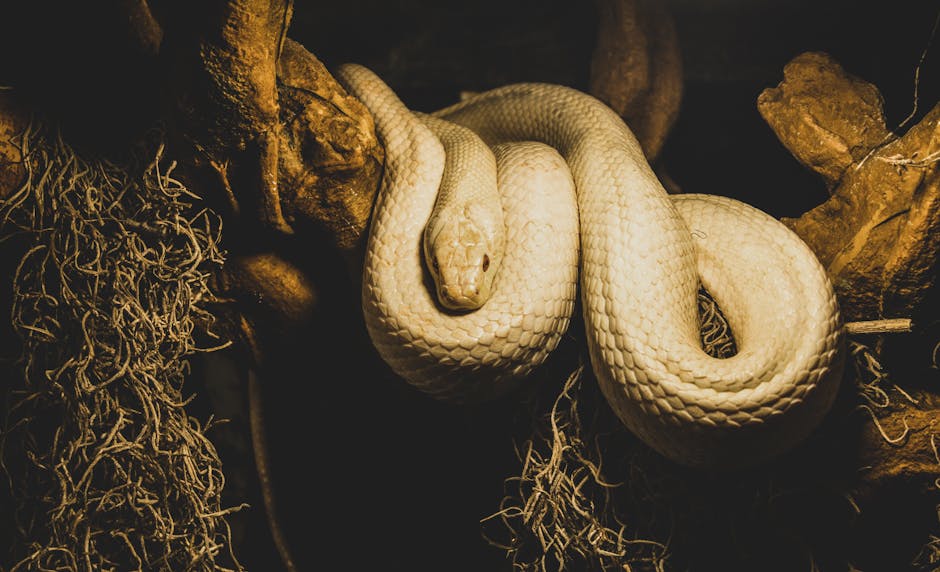
Reptiles like snakes and lizards are exceptionally attuned to ground vibrations through their specialized jaw structures and belly scales. Research from China’s Earthquake Administration Bureau documented an unusual mass exodus of snakes from their hibernation dens in the middle of winter, just days before the catastrophic 7.3-magnitude Haicheng earthquake in 1975. This observation helped authorities evacuate the city, potentially saving thousands of lives. Snakes can detect seismic P-waves through their jawbones, which transmit vibrations directly to their inner ears. Additionally, their bellies maintain constant contact with the ground, functioning as extended vibration sensors. Lizards possess specialized sensory organs called vomeronasal organs that can detect chemical changes in the air associated with impending disasters. A 2020 study in the Journal of Zoology found that certain lizard species showed a 400% increase in movement activity when exposed to pre-seismic electromagnetic field variations in laboratory conditions. These reptilian early warning systems have evolved over 300 million years, making them among the most reliable animal predictors of seismic activity.
9. Toads The Amphibian Forecasters
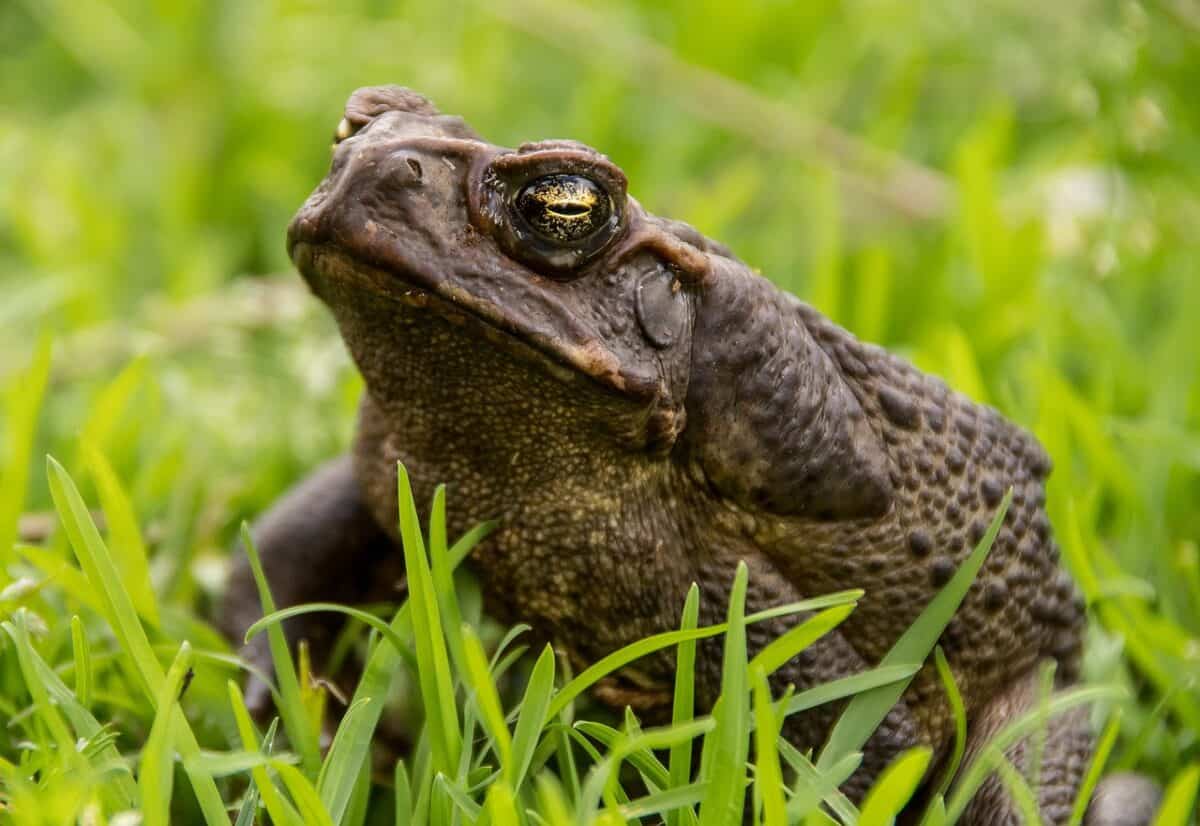
A groundbreaking study published in the Journal of Zoology in 2010 documented an entire population of common toads (Bufo bufo) abandoning their breeding site five days before the devastating 6.3-magnitude L’Aquila earthquake in Italy. Researchers noted that 96% of male toads disappeared from the breeding site, interrupting their breeding season—extremely unusual behavior for these amphibians. Toads possess highly permeable skin with dense networks of mechanoreceptors that can detect minute changes in environmental conditions, including alterations in groundwater chemistry and air ionization that often precede seismic events. Their sensitivity extends to detecting elevated levels of radon gas, which is commonly released from the ground before earthquakes. Dr. Rachel Grant, who led the L’Aquila study, found that the toads returned to their breeding site only after the last significant aftershock had occurred. Additional research suggests toads can detect changes in Earth’s magnetic field through specialized magnetoreceptor cells containing magnetite crystals. This remarkable sensitivity to multiple pre-earthquake indicators makes toads particularly reliable biological earthquake predictors.
8. Bats Atmospheric Pressure Monitors

Bats navigate and hunt using an intricate echolocation system that also makes them extraordinarily sensitive to atmospheric pressure changes. Their complex inner ear structures contain baroreceptors that can detect pressure fluctuations as small as 0.05 hectopascals, providing them with advanced notice of approaching storms and weather systems. Research from the Max Planck Institute for Ornithology tracked bat activity patterns and found that colonies often enter extended torpor states or relocate entirely 12-24 hours before severe storms, long before meteorological warnings are issued. Bats also possess the ability to detect infrasound—low-frequency sound waves that travel great distances through the atmosphere and are often produced by distant thunderstorms, volcanic eruptions, and tsunamis. Their wing membranes contain specialized sensory cells (Merkel cells) that function as airflow and pressure detectors, essentially turning their entire wing surface into a sophisticated meteorological instrument. A 2018 study published in Scientific Reports demonstrated that fruit bats showed distinctive behavioral changes up to 48 hours before tropical cyclones in Australia, often seeking shelter in protected caves before storm conditions were evident to humans.
7. Flamingos The Hurricane Escapists

Flamingos have repeatedly demonstrated an uncanny ability to evacuate their coastal habitats before hurricanes strike. Research from the Smithsonian Tropical Research Institute documented flamingo populations abandoning the Yucatán Peninsula days before Hurricane Wilma made landfall in 2005, despite the storm still being hundreds of miles offshore at the time. These birds possess specialized baroreceptors in their middle ears that can detect the subtle atmospheric pressure drops that precede major storm systems. Laboratory studies have demonstrated flamingos can detect pressure changes as small as 6 millibars, far more sensitive than traditional barometers. Additionally, their specialized balance systems make them sensitive to subtle air density changes that occur before storms. Perhaps most impressively, flamingos can detect infrasound—low-frequency sound waves generated by distant storm systems that travel hundreds of miles through the atmosphere. A 2019 satellite tracking study by the University of Barcelona found that tagged flamingos often begin moving inland 72-96 hours before hurricane landfall, giving them a significant survival advantage. Wildlife managers now monitor flamingo populations as a biological early warning system for approaching hurricanes in the Caribbean region.
6. Cattle and Other Livestock Alignment to Magnetic Fields
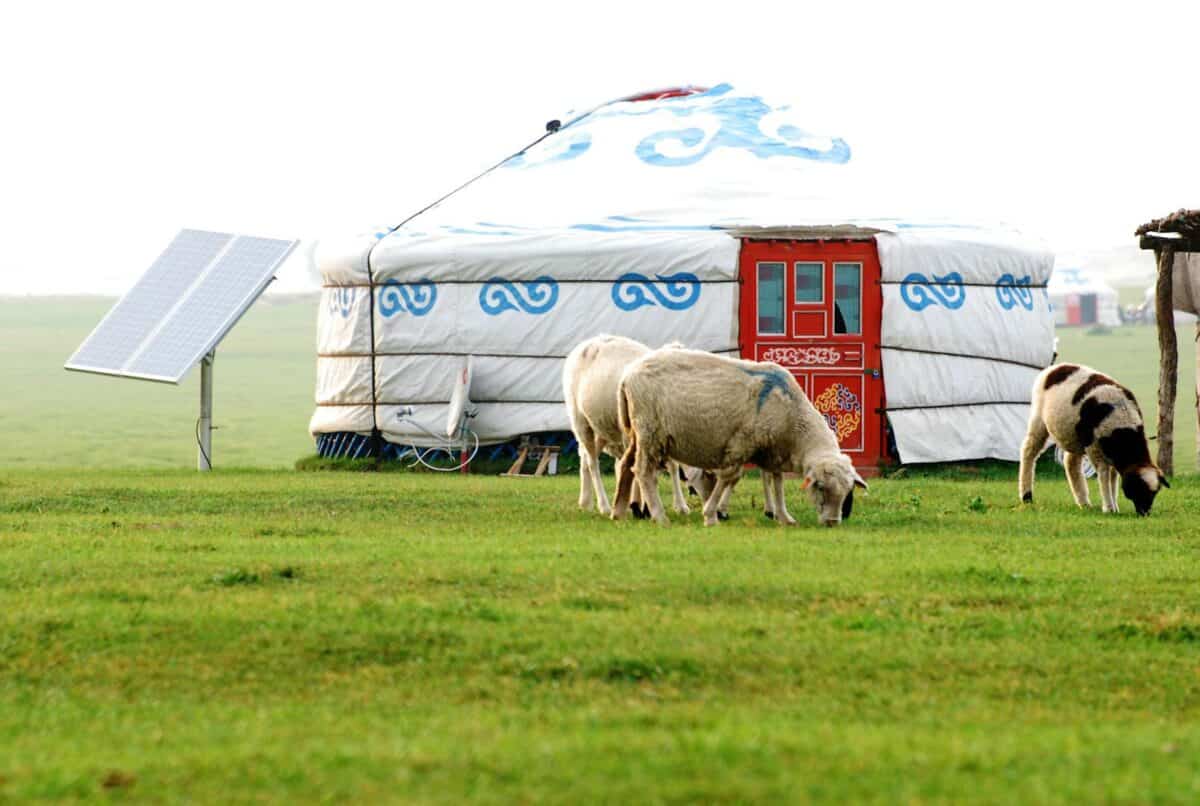
Cattle and other livestock animals demonstrate remarkable sensitivity to Earth’s geomagnetic field fluctuations that often precede earthquakes and severe storms. A comprehensive study published in Proceedings of the National Academy of Sciences examined satellite imagery of over 8,000 cattle across six continents and discovered that cattle typically align their bodies along north-south magnetic field lines under normal conditions. However, this alignment becomes significantly disrupted 12-48 hours before seismic events, with herds displaying circular clustering or random orientation patterns. Livestock animals possess magnetoreceptor cells containing magnetite crystals that function as internal compasses, particularly concentrated in their pineal glands. This biological magnetoreception allows them to detect minute geomagnetic anomalies as small as 50 nanoteslas that can precede earthquakes. Ranchers in California’s seismically active regions have documented cattle refusing to enter barns or exhibiting agitated pacing behaviors prior to significant earthquakes. Additionally, researchers at the USGS have noted that dairy cattle often show measurable drops in milk production 24-72 hours before nearby seismic events, a potential early warning indicator now being studied for integration into predictive models.
5. Golden-Winged Warblers The Long-Distance Evacuators

In 2014, scientists tracking golden-winged warblers documented one of the most extraordinary cases of disaster prediction in the animal kingdom. Using geolocator backpacks, researchers from the University of Tennessee discovered that these tiny songbirds (weighing less than 9 grams) evacuated their breeding grounds in Tennessee’s Cumberland Mountains and flew over 1,500 kilometers south—a full 24 hours before a devastating outbreak of 84 tornadoes swept through the region. What makes this case particularly remarkable is that the storm system was still more than 900 kilometers away when the birds began their evacuation. Researchers believe these warblers can detect infrasound—low-frequency acoustic signals below human hearing that travel thousands of kilometers through the atmosphere from severe storm systems. The birds’ inner ears contain specialized hair cells that can detect sounds as low as 0.1 Hz, allowing them to perceive the infrasonic rumble of distant tornadoes. Additionally, their hollow bones may act as resonance chambers that amplify these distant signals. This adaptation provides golden-winged warblers with perhaps the longest-range natural disaster detection system documented in any animal species, functioning as an evolutionary advantage that has helped these vulnerable birds survive catastrophic weather events for millions of years.
4. Honeybees The Collective Weather Forecasters

Honeybees demonstrate sophisticated disaster prediction abilities through collective colony behavior. Research published in the Proceedings of the National Academy of Sciences revealed that bee colonies dramatically alter foraging patterns 24-48 hours before storms, with worker bees returning to hives and remaining inside despite otherwise favorable conditions. This behavior correlates with their ability to detect minute barometric pressure changes through specialized sensory organs called Johnston’s organs located at the base of their antennae. These organs can detect pressure fluctuations as small as 0.25 hectopascals—more sensitive than many meteorological instruments. Additionally, honeybees possess magnetoreceptor cells containing magnetite crystals that allow them to detect anomalies in Earth’s magnetic field that often precede earthquakes. A groundbreaking study from Taiwan’s Agricultural Research Institute documented complete cessation of foraging activity and bees sealing their hive entrances with propolis 6-12 hours before a 6.4-magnitude earthquake in 2016. Perhaps most remarkably, honeybees can detect minute changes in air ionization through electrostatic charge sensors on their body hairs, allowing them to sense the electrical field disturbances that precede lightning storms by up to 30 minutes. Modern apiaries now monitor colony behavior patterns as a supplementary tool for regional weather and seismic forecasting.
3. Jellyfish Barometric Pressure Detectors of the Deep

Jellyfish possess remarkable sensitivity to barometric pressure changes and water chemistry alterations that precede storms and tsunamis. Their gelatinous bodies, composed of up to 95% water, function essentially as living barometers. Research from the Woods Hole Oceanographic Institution has documented box jellyfish descending to significantly deeper waters 12-24 hours before tropical cyclones, long before surface conditions deteriorate. This behavior correlates with their ability to detect pressure changes as small as 1.8 hectopascals through specialized cells called statocysts that regulate their orientation and balance. Additionally, certain jellyfish species possess chemoreceptors sensitive enough to detect subtle changes in seawater pH and dissolved oxygen levels that occur before tsunamis due to massive water displacement. Particularly fascinating is their response to pre-earthquake conditions—a 2017 study in the Journal of Marine Biology documented unusual jellyfish aggregations along fault lines three days before a 5.8-magnitude submarine earthquake near Okinawa, Japan. Researchers hypothesize that these aggregations occur in response to increased electromagnetic field activity and subtle water temperature changes along fault zones. The Japanese Meteorological Agency now monitors jellyfish population movements as a supplementary tsunami prediction tool in the Pacific “Ring of Fire” region.
2. Tigers The Barometric Pressure Sensors

Tigers possess extraordinary sensitivity to barometric pressure changes that precede severe weather systems. Research from the Smithsonian Conservation Biology Institute tracked tiger movements before tropical cyclones in the Sundarbans region between India and Bangladesh, discovering that these apex predators consistently move to higher elevations 48-72 hours before storm surges—despite being strong swimmers. This behavior correlates with their ability to detect barometric pressure drops as small as 0.2 hectopascals through specialized pressure-sensitive cells in their facial whiskers (vibrissae). These whiskers contain the highest concentration of mechanoreceptors found in any terrestrial mammal, allowing them to detect minute air pressure variations imperceptible to humans. Additionally, tigers possess an extraordinarily sensitive vestibular system that can detect subtle changes in air density that often precede storms and seismic events. Their acute hearing (detecting frequencies from 200 Hz to 100,000 Hz) allows them to perceive infrasonic rumblings from distant earthquakes and storms. A longitudinal study of captive tigers at the Smithsonian’s National Zoo found consistent increases in pacing behavior and vocalization frequency 12-24 hours before significant thunderstorms reached the region. Wildlife conservationists now monitor wild tiger populations via GPS collars as a supplementary natural disaster forecasting method in Southern Asia.
1. Birds The Infrasound Experts

Beyond the specific species mentioned earlier, birds as a taxonomic group demonstrate exceptional disaster prediction abilities across numerous species. Their unique respiratory system—featuring air sacs throughout their bodies—functions as a sophisticated resonating chamber for detecting infrasound, the low-frequency sound waves produced by natural phenomena like earthquakes, tsunamis, and severe storms. Research from Cornell University’s Lab of Ornithology has documented that over 40 bird species can detect infrasonic frequencies as low as 0.05 Hz, well below human hearing thresholds. This ability allows migratory birds to detect severe weather systems from distances exceeding 1,000 kilometers. Additionally, many bird species possess specialized cells in their upper beaks containing magnetite crystals that function as biological compasses.
Conclusion:

The natural world offers an astonishing array of early warning systems through the sensory abilities of animals—systems that have evolved over millions of years and remain far more sensitive than our most advanced technologies. From the seismic-sensing feet of elephants to the magnetoreceptive beaks of birds and the barometric sensitivity of jellyfish and tigers, these creatures possess innate disaster-detection tools that often provide crucial hours—or even days—of warning before a natural catastrophe strikes. While science continues to uncover the biological mechanisms behind these abilities, integrating animal behavior into disaster forecasting offers a powerful, nature-aligned supplement to human-engineered systems. By observing and respecting these natural indicators, we not only gain new tools for survival but also deepen our appreciation for the remarkable intelligence embedded within Earth’s ecosystems.

As a little kid, I fell in love with nature, wildlife, and animals. Living in the USA, South Africa, Italy, China and Germany gave me the opportunity to discover the world's Wildlife. My favorite animals are Mountain Gorillas, Siberian Tigers, and Great White Sharks.
I'm a certified PADI Open Water Diver, went to Everest Base Camp and Trekked Gorillas in Uganda. I hold a Master of Science in Economics and Finance.
Please send any feedback to feedback@animalsaroundtheglobe.com
- 10 Times Nature Disrupted Major Events - July 26, 2026
- 11 Sharks So Strange You’d Think They’re Mythical - July 26, 2026
- 12 Dog Breeds That Hate Being Alone - July 26, 2026