
When you think about wildlife in America, a few usual suspects probably come to mind. Bears, deer, maybe a bald eagle or two. We picture ourselves as a land of majestic creatures roaming our national parks, right? Yet underneath that familiar surface, a whole universe of absolute weirdos thrives. I’m talking about animals that look like they wandered off a science fiction set or escaped from someone’s fever dream.
The truth is, the United States is home to some genuinely bizarre fauna that most people have never even heard of. Some are native creatures that evolved here over millions of years. Others hitched a ride or were deliberately introduced and decided to stick around. What they all share is an ability to make you stop and think, “Wait, that actually lives here?”
Let’s be real, most of us walk through life completely unaware of these oddities lurking in our own backyard. So let’s dive in.
Hellbender Salamander
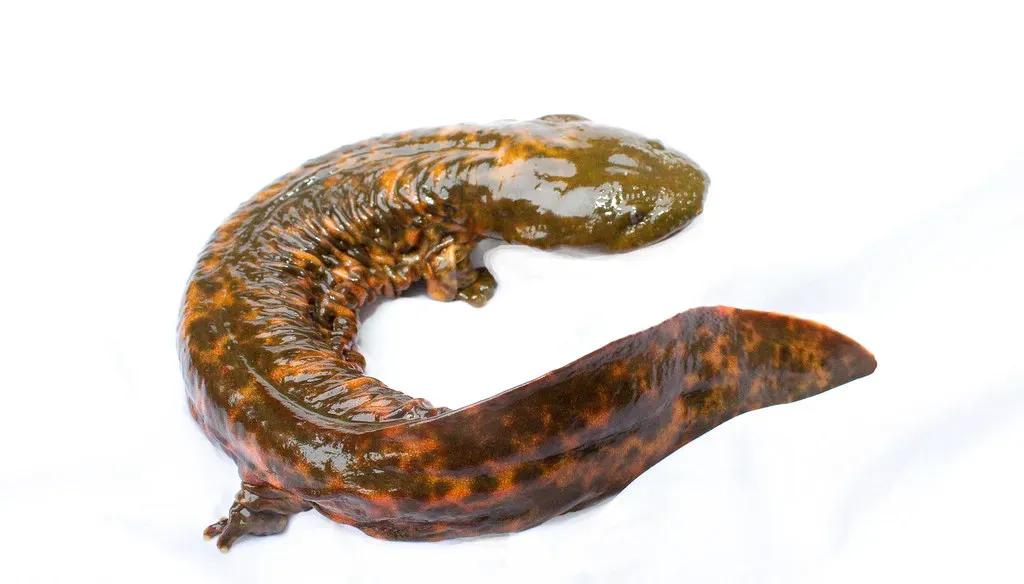
The eastern hellbender is a giant salamander species, the largest in America, and hellbenders can grow up to 29 inches in length. Honestly, when you first see one, you might think someone threw a wrinkled, slimy pancake into the river. The largest salamander in North America is sometimes called the snot otter, and hellbenders secrete mucus through their skin when threatened.
These prehistoric-looking amphibians have flat heads and bodies covered in folds of loose skin that help them absorb oxygen from the water. Though the hellbender has Asian ancestors in China and Japan dating back 160 million years, there are no other species like them anywhere else on the planet. They’re basically living fossils that somehow survived when their relatives didn’t.
They live their entire lives in water, and can be found in swift-running rivers in the eastern and central U.S. Finding one takes patience and a bit of luck. They can grow more than two feet long, and live in most states east of the Mississippi outside of New England, though life isn’t always grand for the hellbender and they tend towards rocky streams, where changes in oxygen levels can destabilize their populations easily.
Their nickname comes from their defensive slime, though biologists still debate whether it just helps them escape or actually tastes nasty enough to make predators think twice. Either way, it’s worked for millions of years, so who are we to judge their methods?
Gila Monster
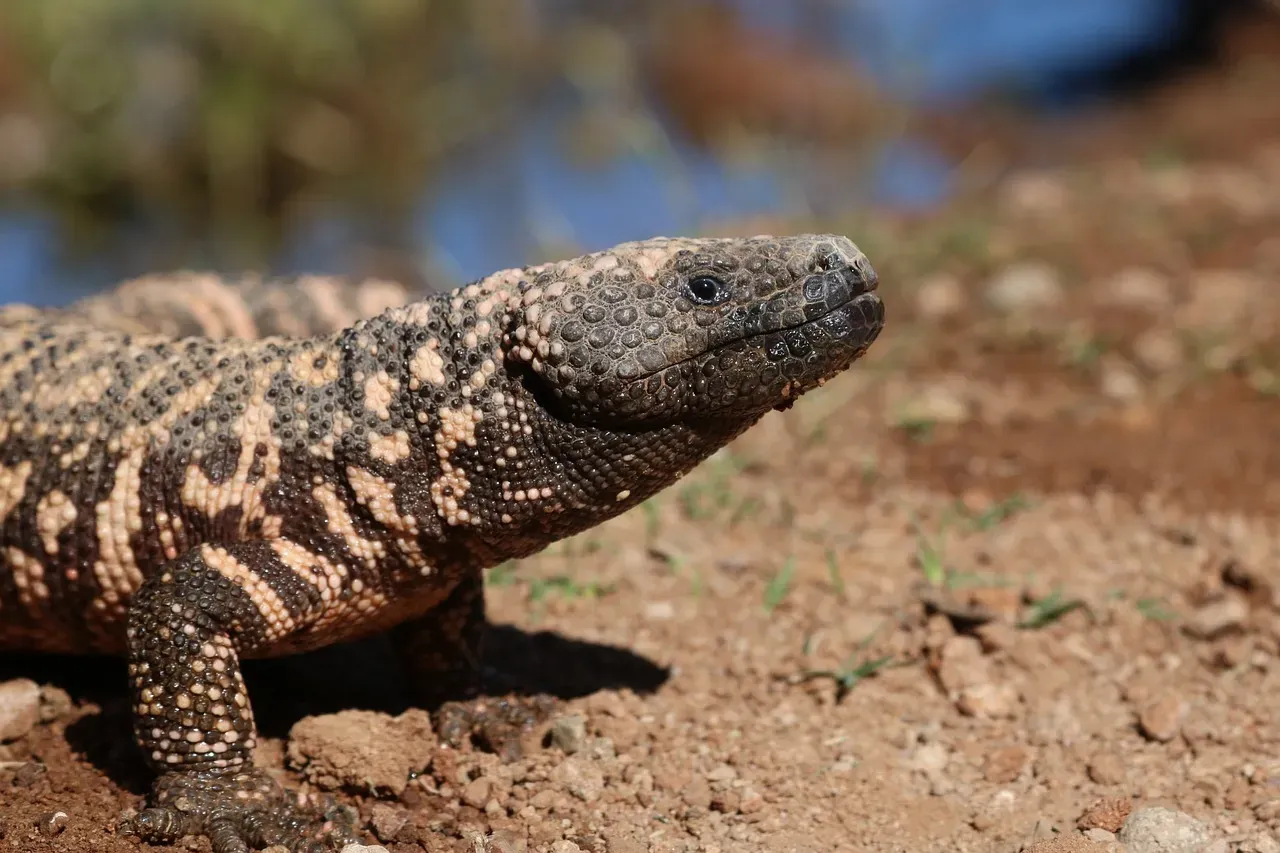
The Gila monster is the largest lizard species in the United States, and these lizards can grow up to 22 inches in length. What makes this chunky reptile truly special is that Gila monsters are the only venomous lizards in the U.S. Picture a beaded, orange and black creature that looks like it was designed by someone who really loves Halloween.
They are native to the Mojave Desert region in the American Southwest, and you can find them in Grand Canyon and Saguaro National Parks. Despite their fearsome reputation and venom strong enough to paralyze prey, they’re actually pretty chill. Gila monsters rarely bite humans unless they feel threatened, and they tend to avoid humans instead.
These lizards are most active in the early morning before temperatures skyrocket. Their coloring blends surprisingly well with desert rocks, making them hard to spot even when they’re right there. Their bite is extremely painful, even to humans, but their bite is not fatal to adult humans.
The name comes from the Gila River Basin where they were once abundant. Here’s the thing: they’re slow-moving and heavy, which is probably why they survived this long without getting stepped on by everything faster.
Ringtail
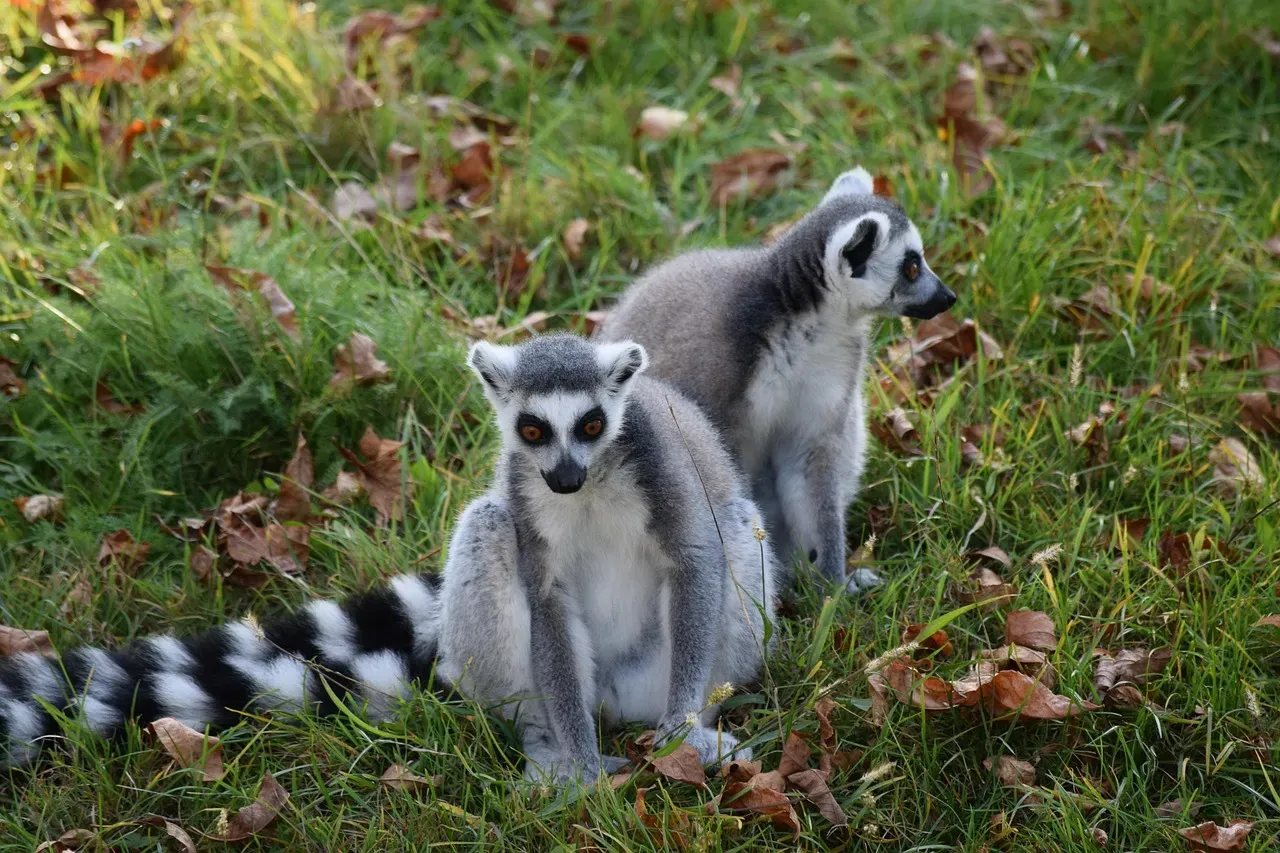
The ringtail, also known as the ringtail cat, looks very similar to a ring-tailed lemur, but this strange animal is not a cat or a lemur and is more closely related to a raccoon. When you first glimpse one, you might genuinely think a lemur escaped from a zoo. They are the state mammal of Arizona.
They are mostly found in arid regions of the southwest U.S., but can also be found in southern Colorado. The problem is actually seeing one. Ringtails are rarely seen because, similar to raccoons, they are most active at night, and they tend to hang out in trees and rocky areas during the day.
Their tail is about the same length as their body and has 14 to 16 rings. Sometimes they get into trouble with humans by rummaging through trash or sneaking into buildings. Their scientific name means “clever little fox” in Latin, which tells you everything about their intelligence level.
Think of them as the shy, nocturnal cousin of the raccoon who somehow got invited to the desert party. They’ve mastered the art of staying invisible while living practically alongside us.
Alligator Snapping Turtle
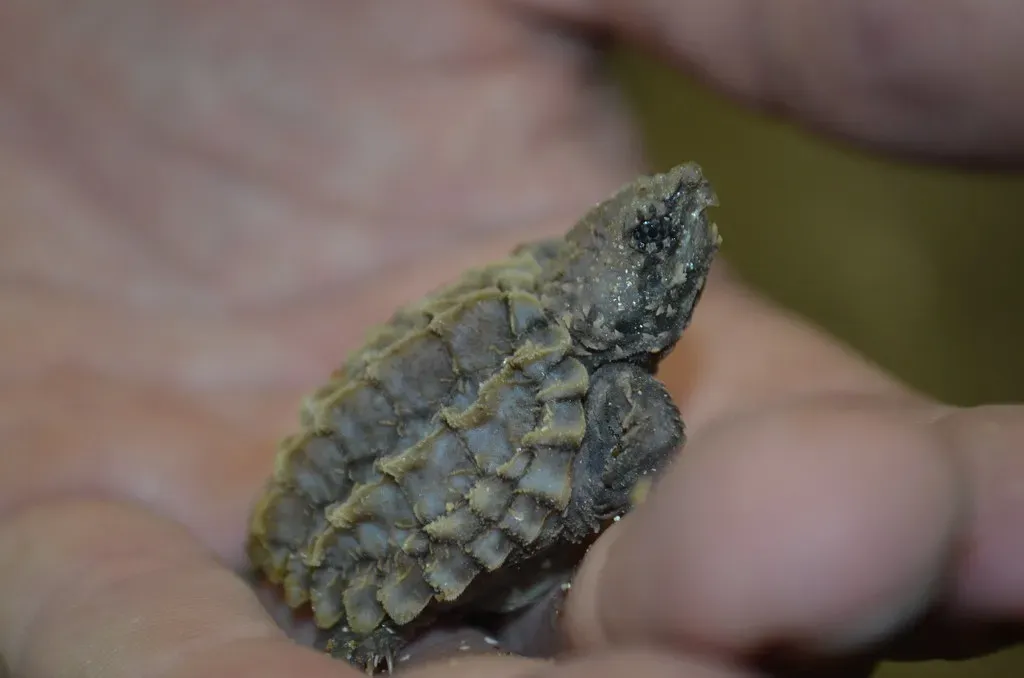
America is home to the largest freshwater turtle in the world: the alligator snapping turtle, and alligator snapping turtles can weigh up to 200 pounds and grow to 31 inches in length. Imagine a turtle that looks like it crawled out of the Mesozoic Era and decided modern times weren’t so bad after all.
They are famous for their strong jaws and hooked beak, and alligator snapping turtles also have a worm-like tongue that they use to attract prey such as fish, and once prey enters their strong jaws, it is not able to escape. It’s honestly one of nature’s most devious fishing techniques. The turtle just sits there with its mouth open, wiggling its tongue like live bait, waiting for some unlucky fish to investigate.
These turtles are primarily aquatic and can be found in freshwater lakes and rivers, especially in the Mississippi River Watershed, and they primarily live in the southeast but have also been found in Iowa. Their prehistoric appearance matches their ancient lineage.
They’ve developed aggressive personalities possibly because they can’t retract into their shells like other turtles. So instead of hiding, they’ve decided that offense is the best defense. Smart, if somewhat terrifying.
Freshwater Jellyfish
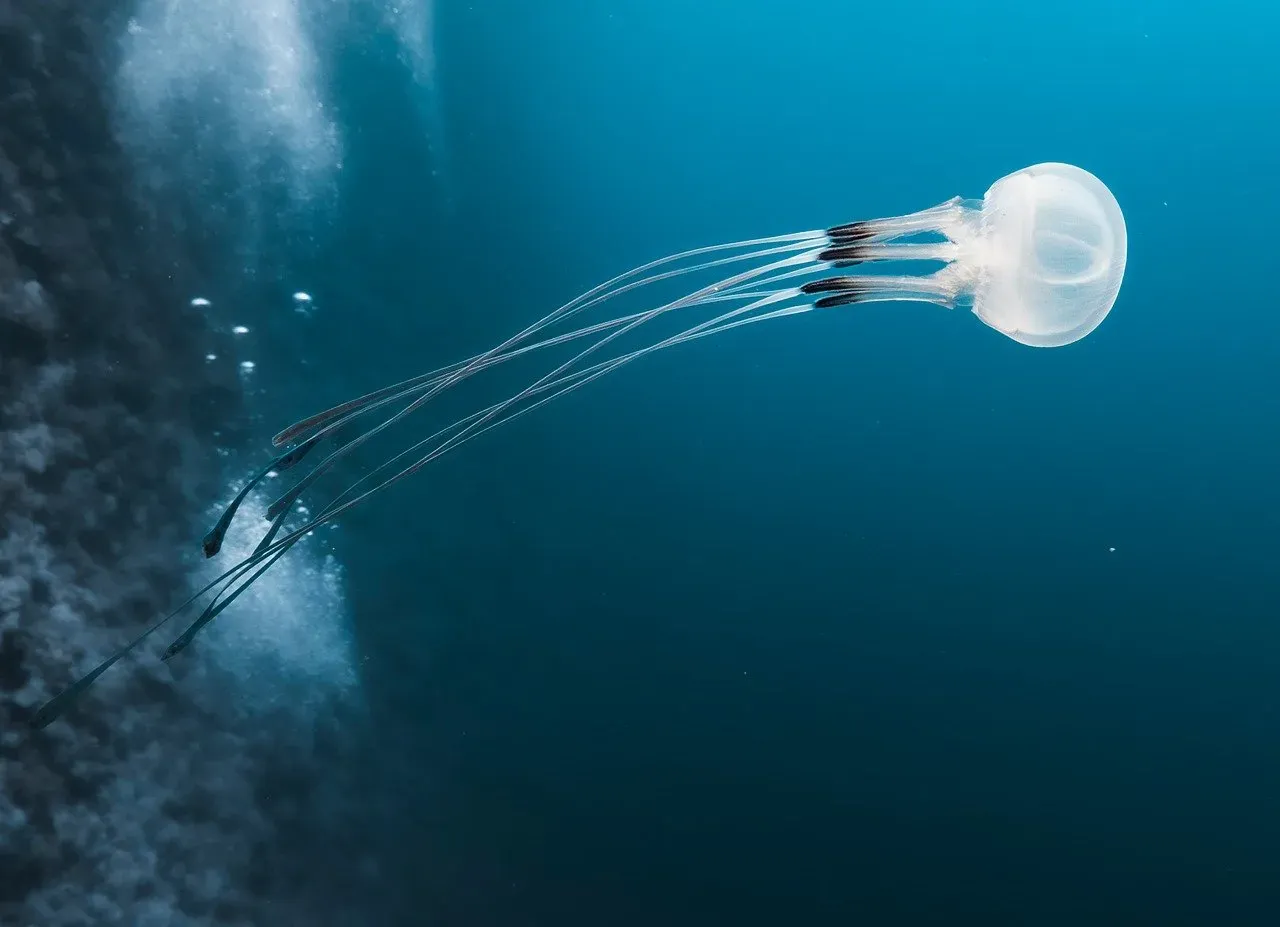
Jellyfish aren’t uncommon on beaches, but the lakes of many states in the U.S. are a much different story, and the state of Wisconsin has verified multiple sightings of Craspedacusta sowerbii, a species of freshwater jellyfish indigenous to China. Yes, you read that correctly. Jellyfish. In lakes. Not the ocean.
The one-inch jellyfish can’t cause much harm to humans, and their stingers are far too small to even pierce our skin. They’re basically harmless little floating bells that somehow made it halfway around the world. The best time to see them is in August or September in calm, shallow waters, and in some years in the lakes they inhabit, they can be plentiful, while in other years, they are quite scarce.
Their populations are unpredictable, appearing in massive blooms one summer and vanishing completely the next. Scientists aren’t entirely sure what triggers their appearances. These tiny invaders have adapted remarkably well to freshwater environments despite their oceanic relatives.
The fact that most people have no idea jellyfish are drifting around in their favorite swimming lakes is both fascinating and slightly unnerving. Nature keeps secrets even in places we think we know.
Jaguarundi
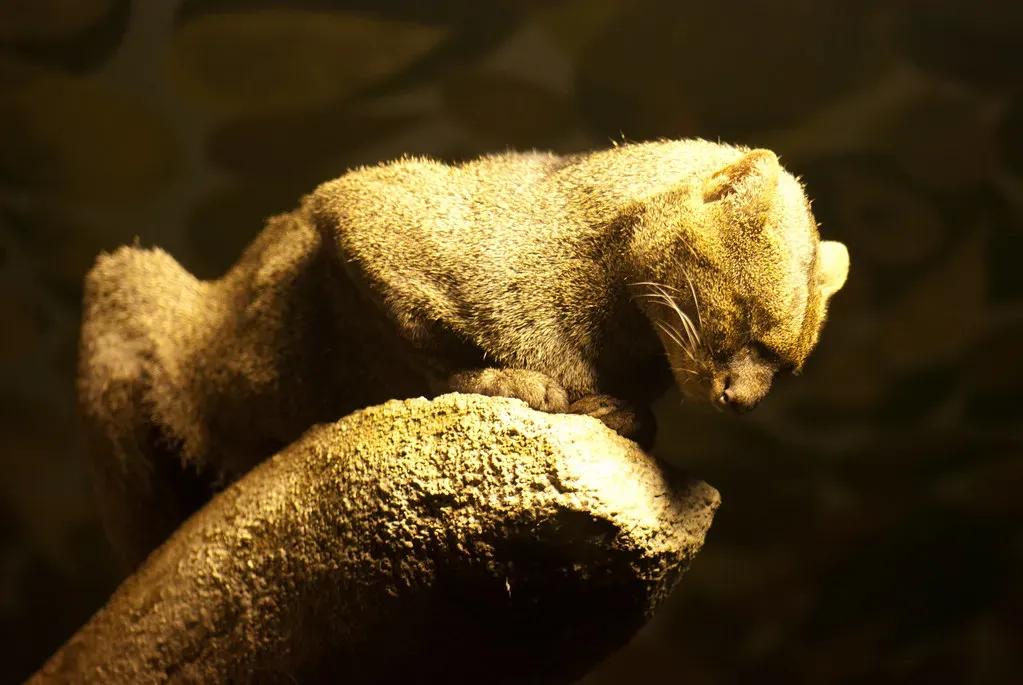
The jaguarundi shares part of its name with the much larger jaguar, but the jaguarundi is hardly an apex predator, and at 30 inches from snout to tail, it’s a hunter of small rodents. This cat looks more like someone stretched a weasel and gave it a bad haircut. The jaguarundi’s closest relative is the mountain lion, and it does not share either the jaguar or mountain lion’s ferocious reputation, mostly because this rodent hunter is only 30 inches from nose to tail.
Though common in Central and South America, jaguarundi are limited to a small population of the Gulf Coast subspecies in Texas. They’re smart, solitary, and adaptable. In Texas, they’re threatened by habitat destruction, meaning we might lose one of our big-little cats without some intervention.
Some experts believe they might already be functionally extinct in the U.S., with the last confirmed sighting decades ago. Still, unconfirmed reports pop up occasionally in Texas and even Florida. They’re masters at staying hidden, communicating with over a dozen distinct vocalizations.
It’s hard to say for sure whether they’re hanging on or already gone from American soil. Let’s hope they’re just really good at playing hide and seek.
Star-Nosed Mole
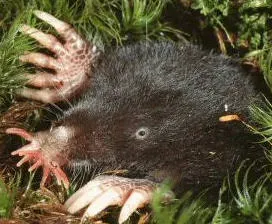
The star contains 100,000 nerve fibers in a space smaller than your fingertip, and is the most sensitive touch organ in any mammal. Honestly, if you’ve never seen a star-nosed mole, prepare yourself. If a regular mole’s nose exploded, this is what it might look like, and star-nosed moles use the 22 super-sensitive fleshy appendages on their snouts to find their way around underground.
These bizarre little creatures have solved the problem of navigating in total darkness by evolving what looks like a tiny alien face tentacle array. They are the only mammal known to smell underwater, and moles blow bubbles into the water and then re-inhale them to catch a whiff of potential prey.
The nose is what the animal uses to keep itself safe and survive, and they are intriguing creatures that can be found in the wetlands of the northeastern United States and Canada, but have been found more south than that. Good luck actually spotting one though.
They spend most of their time underground or underwater, making them incredibly elusive. Their star nose isn’t just for show; it’s one of the most sophisticated sensory organs in the entire animal kingdom. Evolution really outdid itself with this one.
Coatimundi
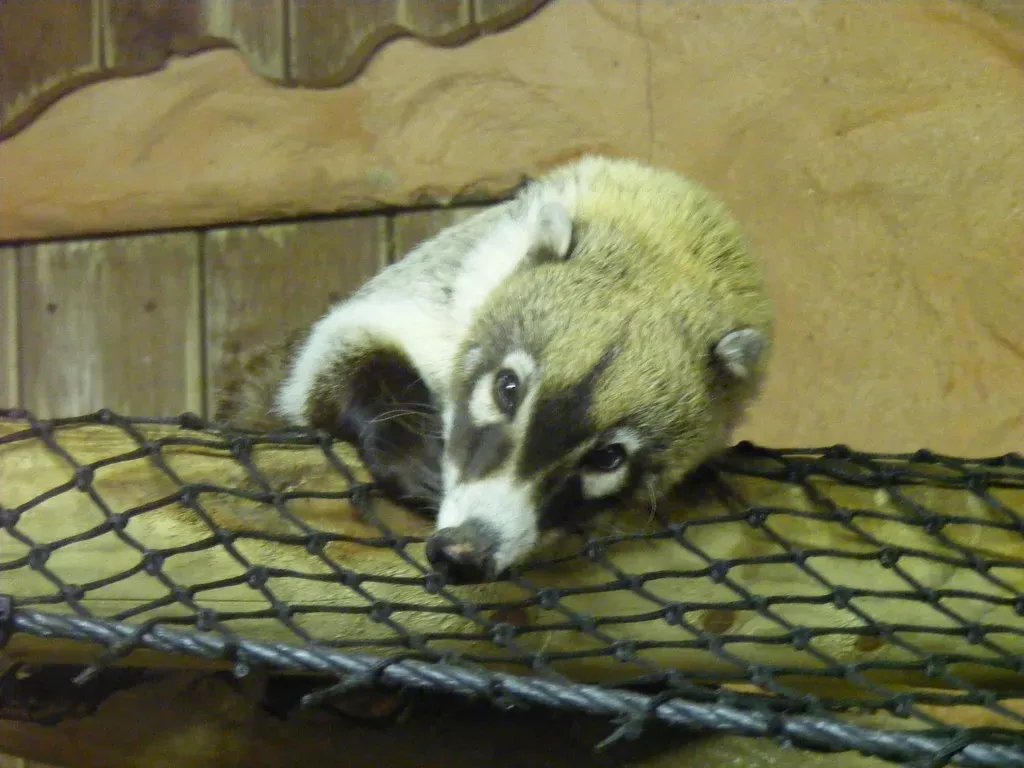
Coatimundi, also known as white-nosed coati, is a coati species belonging to the family Procyonidae, coatimundis are omnivorous creatures that weigh about 13.2 pounds, and their nose-to-tail length is about 3.6 feet. Picture a raccoon that got stretched out, given a longer snout, and decided to hang out in the Southwest instead of raiding suburban trash cans.
Coatimundis inhabit the moist and dry forests in the American continents, and these animals can be found in New Mexico and Arizona. They’re social creatures that often travel in bands, unlike their more solitary raccoon cousins. Their long, flexible snouts work perfectly for rooting around in leaf litter and turning over rocks.
What’s fascinating is how they’ve carved out a niche in areas where you’d least expect a raccoon relative to thrive. They’re adapted to both forest and more arid environments. Their banded tails help with balance as they scamper through trees.
Many Americans have no idea these charismatic mammals are wandering around parts of the country. They’re like the Southwest’s best-kept wildlife secret, hiding in plain sight near the border.
Nine-Banded Armadillo
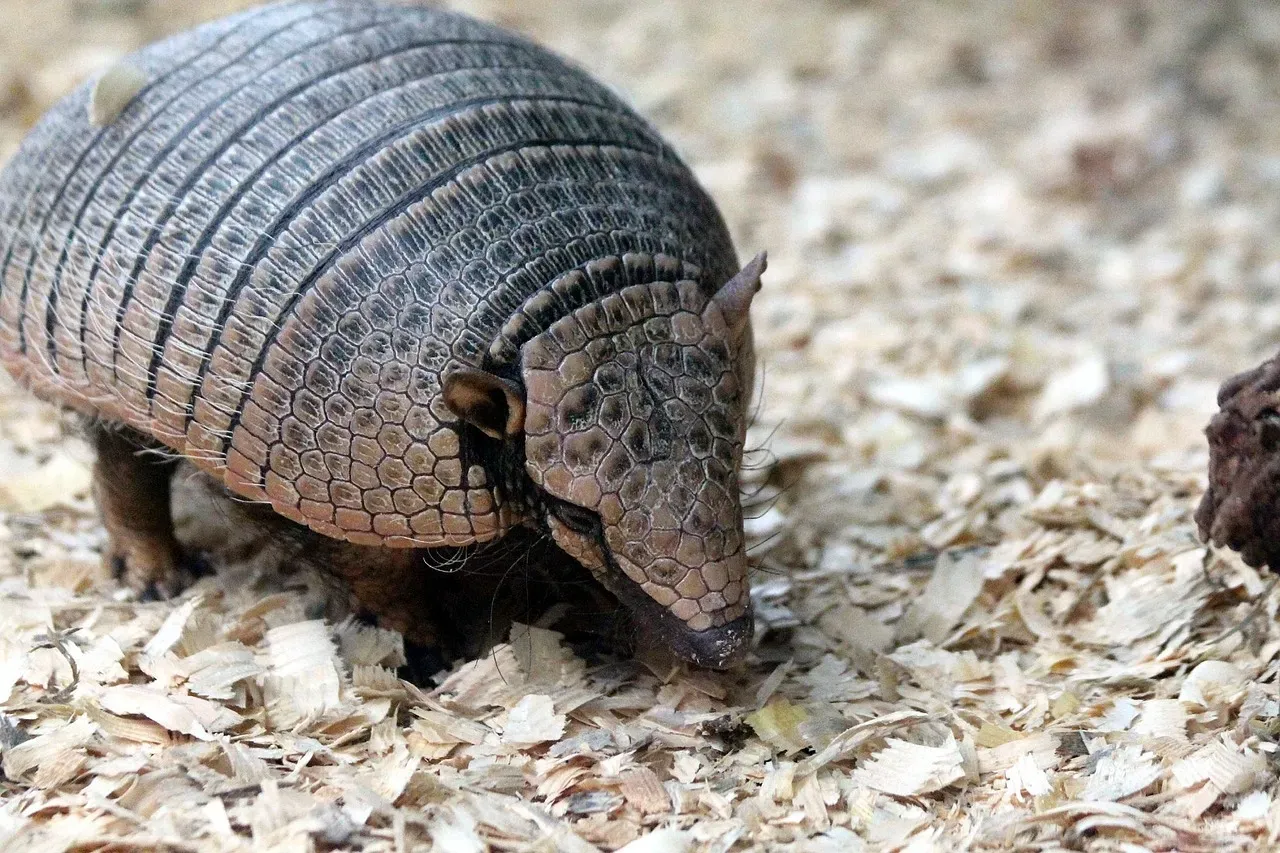
Only the nine-banded armadillo, which can actually have anywhere from 7 to 11 bands, is found in the United States, and their range is continually expanding northward, and now the bizarre beasts are often spotted in the Cornhusker State. These little armored tanks have been slowly marching north for decades. What started as a southern thing has turned into a much broader phenomenon.
The insectivore cannot curl into a ball and roll away from danger, contrary to popular belief, and only two types of armadillos can ball up. So basically, the rolling armadillo thing we all learned as kids? Total myth. At least for this species.
Armadillo means “armored” in Spanish, since these little mammals are covered in segmented bony plates, and despite this layer of protection, they still fall prey to animals like panthers, alligators, black bears, or large raptors. Their armor helps but isn’t foolproof.
One truly weird fact: females typically give birth to identical quadruplets from a single fertilized egg. It’s one of the strangest reproductive strategies in the mammal world. They also happen to be one of the few animals that can carry leprosy, though transmission to humans is rare.
Gemsbok
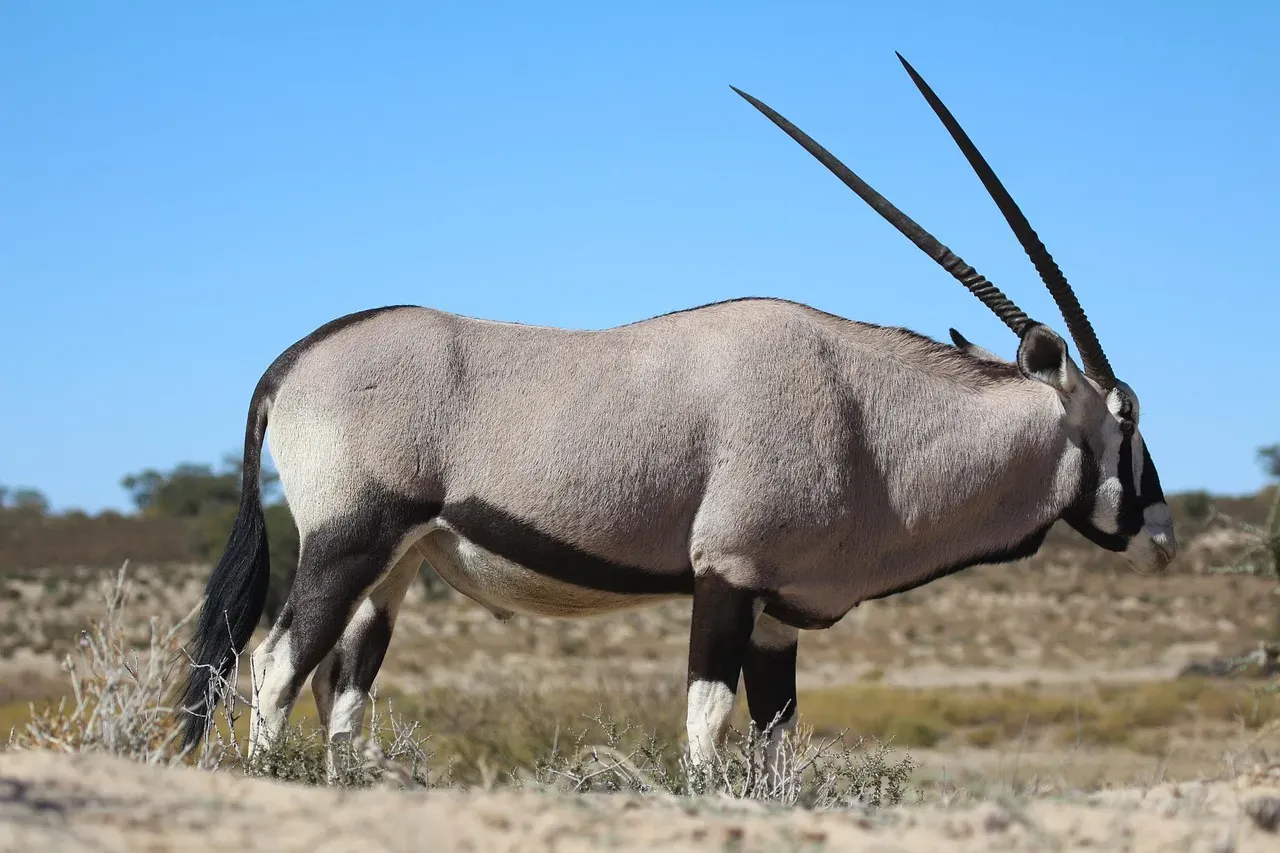
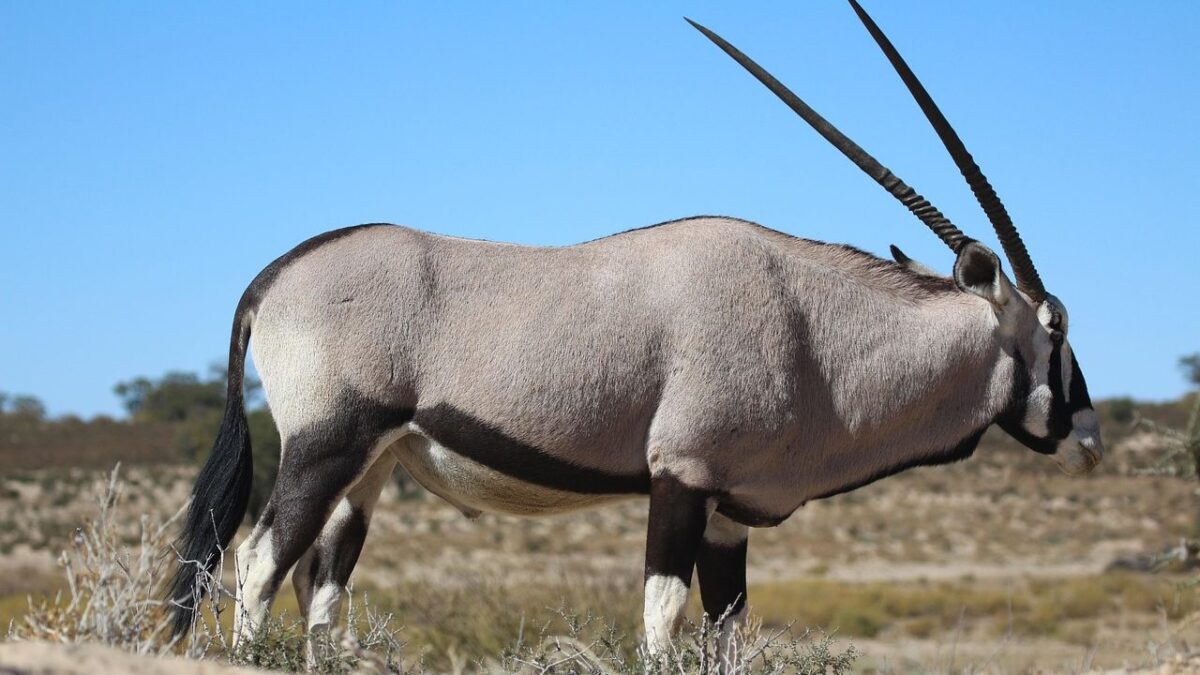
When visiting White Sands National Park in New Mexico, you might not expect to see a gemsbok, also known as an African oryx, and these animals are native to the Kalahari Desert and the Arabian Peninsula in Africa. So what are they doing in the American Southwest? That’s the million-dollar question.
A group was introduced to New Mexico in the White Sands area in 1969 to give hunters a big game to go after, and they were introduced in the late 1960s and early 1970s by the New Mexico Department of Game and Fish. The plan was to create hunting opportunities where few existed. Mission accomplished, perhaps too well.
The gemsbok population thrived and expanded and today there are thousands in the park, there are still annual hunts to help control the population, and the National Park Service is still studying how gemsbok affect the ecosystem in White Sands. These majestic antelopes with their striking horns have become part of the landscape.
It’s weird seeing an African species wandering freely through an American desert. They’ve adapted beautifully, which raises questions about what “native” even means anymore when introduced species succeed this well.
Portuguese Man O’ War
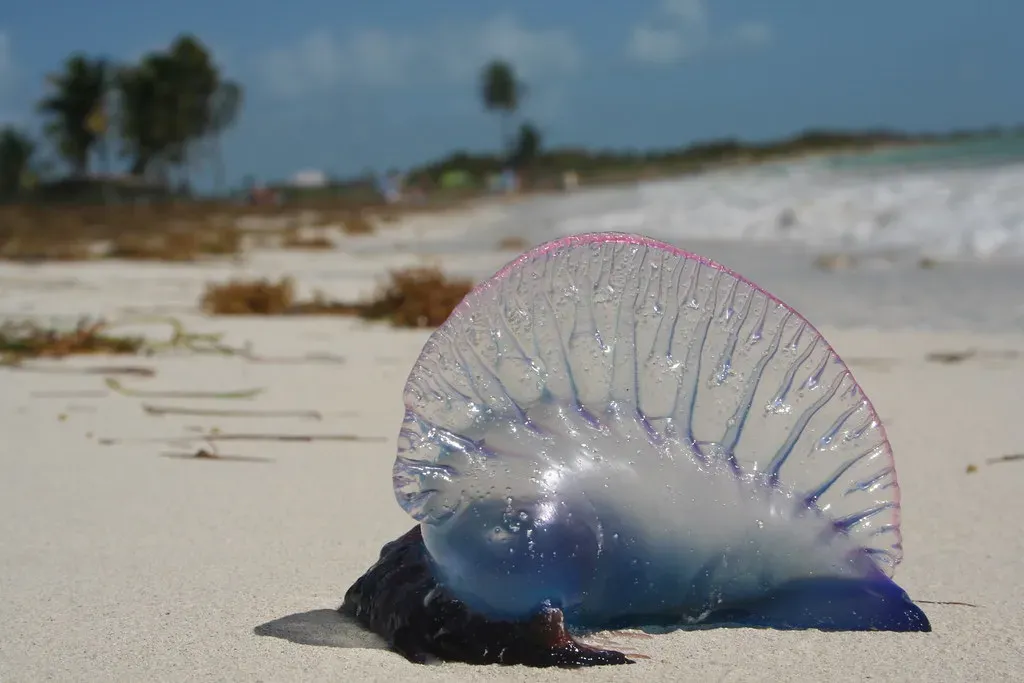
Portuguese man o’ wars are definitely one of the weirdest animals in America, because these jellyfish-like creatures aren’t jellyfish at all, and they aren’t even a single organism. Let that sink in for a moment. What looks like one animal is actually a colony.
Portuguese man o’ wars are siphonophores, which are colonies of specialized organisms called zooids that have various forms and functions and work together as one to make up the man o’ war, and some of the functions of these zooids include capturing prey, reproduction, floating, and feeding. It’s basically nature’s version of a biological committee.
Portuguese man o’ wars have a balloon-like organ that allows them to float on top of the water, their tentacles can grow up to 30 feet and contain venom that can paralyze small fish and other prey, and their sting can also be painful for humans, but is rarely deadly, and they can still sting after they have been dead for weeks. So even washed-up dead ones on the beach are dangerous.
They sometimes float in groups of over a thousand, creating stunning but hazardous blooms along coastlines. The fact that what appears to be a single creature is actually a cooperative colony blows my mind every time.
Nutria
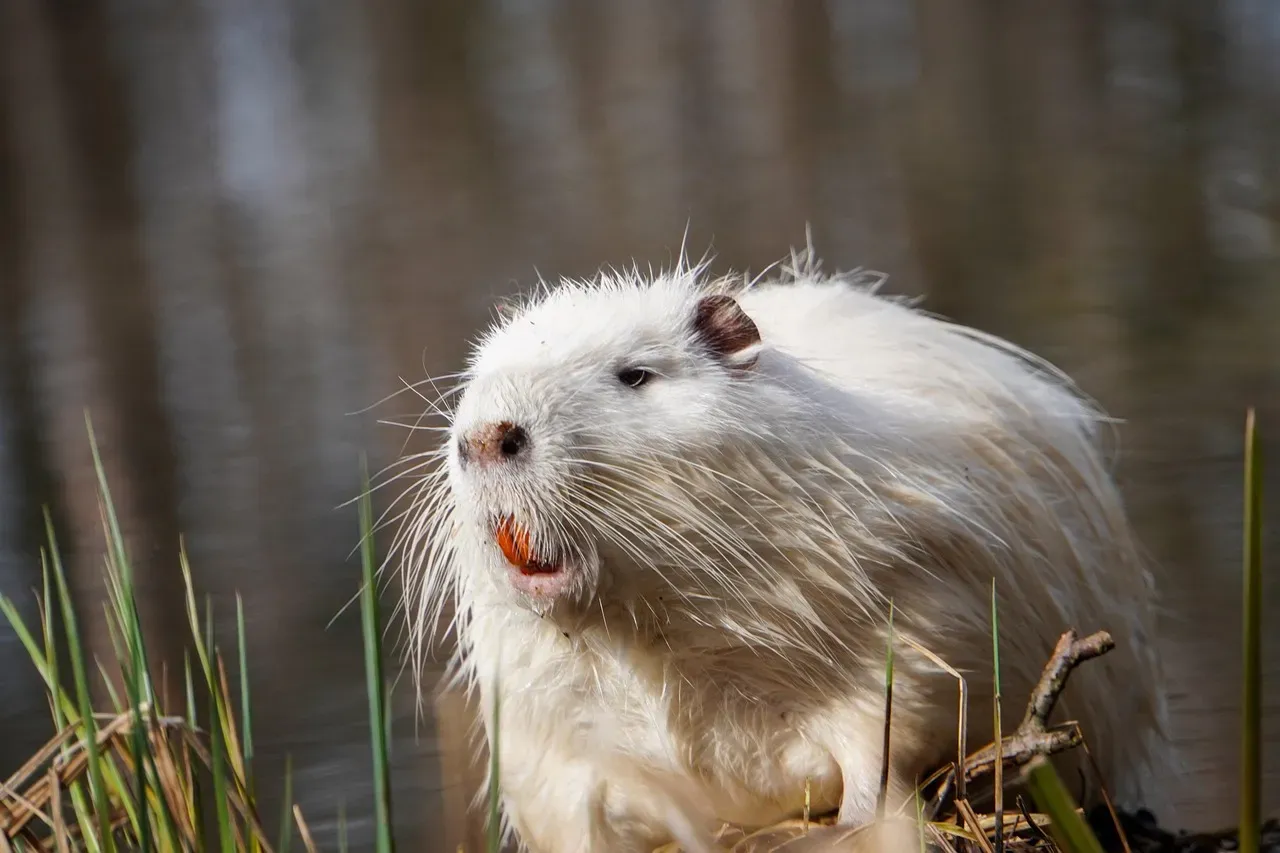
These semi-aquatic rodents, also known as coypus, were introduced to the U.S. by fur farmers who had no idea the havoc the creatures would wreak on infrastructure such as ditches and levees. Hindsight is always perfect, isn’t it? This massive semi-aquatic rodent was introduced to America back in 1899 to kickstart a fur-farm industry, and when the market collapsed in the 1940s, thousands were released into the wild and have been reportedly seen in 40 states.
These beaver-lookalikes are ecological nightmares. Nutria spend their days demolishing vegetation and roots, damaging ditches and levies by burrowing, reproducing like wildfire, and females can breed 48 hours after giving birth. That reproductive rate is absolutely bonkers and exactly why they became such a problem.
Nutria can be found in Louisiana, Florida, Texas, Oklahoma, Arkansas, Tennessee, Georgia, Alabama, Mississippi, North Carolina, South Carolina, Maryland, Delaware, Virginia, Washington, and Oregon. Basically, they’ve spread like wildfire across the southern and coastal states.
They’re a perfect example of good intentions gone horribly wrong. Someone thought they’d make money, the market tanked, and now we’re stuck with an invasive species that causes millions in damage annually. Lesson learned, hopefully.
Conclusion
The United States is far weirder than most of us ever imagined. From venomous lizards lurking in desert canyons to jellyfish drifting through Midwestern lakes, our country hosts an incredible array of bizarre creatures. Some evolved here over millions of years, perfectly adapted to their specific niches. Others hitchhiked their way across oceans or were deliberately placed here by humans with varying degrees of foresight.
What strikes me most is how these animals challenge our assumptions about what belongs where. An African antelope thriving in New Mexico? A tiny cat that might be extinct or might just be really good at hiding? These stories remind us that nature is constantly changing, adapting, and surprising us.
Many of these species face uncertain futures due to habitat loss, climate change, or competition with invasive species. Others are so elusive we barely know they exist. Each one plays a role in its ecosystem, whether we understand that role yet or not.
So next time you’re hiking through a national park or even walking around your own neighborhood, remember: there’s probably something strange and wonderful nearby that you’ve never even heard of. The natural world is full of secrets, even in our own backyard. What weird creature will you discover next?

- 10 Things Hummingbirds Notice About Your Yard Before They Stay - July 27, 2026
- Neuroscience Says the Reason Losing a Pet Feels Like Losing a Person Is That Your Brain Processed That Bond the Same Way From the Beginning – and the Grief That Follows Is Neurologically Identical Not an Overreaction - July 27, 2026
- 10 Native Plants That Quietly Bring Fireflies Back - July 27, 2026