

In the depths of the ocean, a sophisticated communication system exists among one of the planet’s most intelligent creatures. Dolphins, those charismatic marine mammals known for their playful leaps and clicks, harbor a secret that has fascinated scientists for decades—they call each other by name. This isn’t mere anthropomorphism or wishful thinking by researchers; it’s a thoroughly studied phenomenon that provides a remarkable window into the complex social lives and cognitive abilities of these cetaceans. As humans, we’ve long considered the use of names a uniquely human trait, but dolphins have forced us to reconsider this assumption, demonstrating yet again how the boundaries between human and animal intelligence continue to blur under scientific scrutiny.
The Discovery of Signature Whistles

The story begins in the 1960s when scientist Dr. Melba Caldwell first noticed something unusual while studying bottlenose dolphins at Florida’s Communication Research Institute. She observed that captive dolphins produced distinctive whistles that seemed individualized—each animal consistently used a particular sound pattern that differed from its companions. These unique acoustic signals would later be termed “signature whistles,” essentially functioning as the dolphin equivalent of names. This groundbreaking discovery laid the foundation for decades of research into how dolphins identify and address each other in their underwater societies.
Unlike the generalized calls found in many animal species, signature whistles stand out because they’re learned rather than innate, specifically created by each dolphin during its first year of life. Even more remarkably, these signature whistles remain stable throughout a dolphin’s lifetime, serving as a reliable identifier—a true acoustic name tag in the ocean’s acoustic environment.
How Signature Whistles Function

Signature whistles are not merely random sounds—they’re sophisticated acoustic patterns that serve specific communication purposes. These whistles typically last between 0.5 and 2 seconds and contain a unique frequency modulation pattern that makes each distinctly recognizable to other dolphins. When a dolphin produces its signature whistle, it’s essentially announcing its presence or location to others in the group. Think of it as someone repeatedly stating their name when entering a dark room so others know who has arrived.
What makes these whistles particularly fascinating is their context-specific usage. Dolphins produce their signature whistles most frequently when they’re separated from their pod members, suggesting these sounds help maintain group cohesion in the vast, often visually limiting ocean environment. They’re essentially acoustic beacons that allow dolphins to announce “I’m here” and “This is me” to others who might be out of visual range but within hearing distance.
The Breakthrough Research of Vincent Janik

While Caldwell’s discovery was revolutionary, it was marine biologist Dr. Vincent Janik and his team at the University of St Andrews in Scotland who provided some of the most compelling evidence that dolphins truly use these whistles as names. In a landmark 2013 study published in Proceedings of the National Academy of Sciences, Janik and his colleagues conducted a series of innovative experiments with wild dolphins off Scotland’s east coast.
The researchers recorded the signature whistles of specific dolphins and then played these recordings back through underwater speakers. The results were remarkable: dolphins would turn and approach the speaker when they heard a whistle matching that of a familiar pod member, but showed little response to the signature whistles of unfamiliar dolphins. This demonstrated not only that dolphins recognize these individual whistles but also that they associate specific whistles with specific individuals—the very definition of a naming system.
Copying Names: The Dolphin “Hello”

Perhaps the most compelling evidence that dolphins use signature whistles as names comes from observations of their copying behavior. In human communication, we frequently use someone’s name to get their attention—”Hey, Sarah!”—and dolphins appear to do something remarkably similar. Studies have shown that dolphins can mimic the signature whistles of others, essentially calling them by their “names” to get their attention.
In 2013, Dr. Stephanie King and her colleagues documented wild dolphins copying the signature whistles of close companions, particularly those they shared strong social bonds with. Intriguingly, when dolphins copy another’s signature whistle, they slightly modify it—perhaps to indicate that they are addressing that individual rather than identifying themselves. This sophisticated use of vocal labeling suggests dolphins are not merely producing sounds but engaging in something akin to conversation, with specific individuals being addressed by their acoustic names.
Development of Signature Whistles in Calves

The process by which young dolphins develop their signature whistles provides further evidence of their naming system’s complexity. Unlike many animal vocalizations that are genetically predetermined, dolphin calves develop their signature whistles through a learning process during their first year of life. Researchers have observed that young dolphins experiment with different whistle types before settling on their unique signature whistle, which typically differs from their mother’s.
Interestingly, this developmental process seems influenced by the calf’s social environment. Studies have shown that dolphin calves often create signature whistles that are distinct from close associates to avoid confusion, yet sometimes incorporate elements from whistles they’ve heard frequently. This suggests that dolphin naming isn’t random but involves active decision-making and social awareness—further evidence of these animals’ sophisticated cognitive abilities.
The Technical Tools That Revealed Dolphin Names

Discovering and documenting dolphin naming behaviors would have been impossible without significant technological advances in hydrophone recording systems and sound analysis software. Early research relied on relatively simple recording setups, but modern studies employ sophisticated hydrophone arrays that can triangulate the source of underwater sounds, allowing researchers to attribute specific vocalizations to individual dolphins even in wild settings.
Equally important has been the development of computational methods for analyzing dolphin vocalizations. Advanced signal processing algorithms can now identify the distinctive frequency contours that characterize each signature whistle, enabling researchers to create catalogs of individual dolphin “names” and track how these are used during social interactions. The SIGID method (SIGnature IDentification), developed by Dr. Laela Sayigh and colleagues, has been particularly revolutionary, allowing scientists to reliably identify signature whistles from recordings of wild dolphins without needing to see which animal is vocalizing.
Maternal Influence and Whistle Recognition
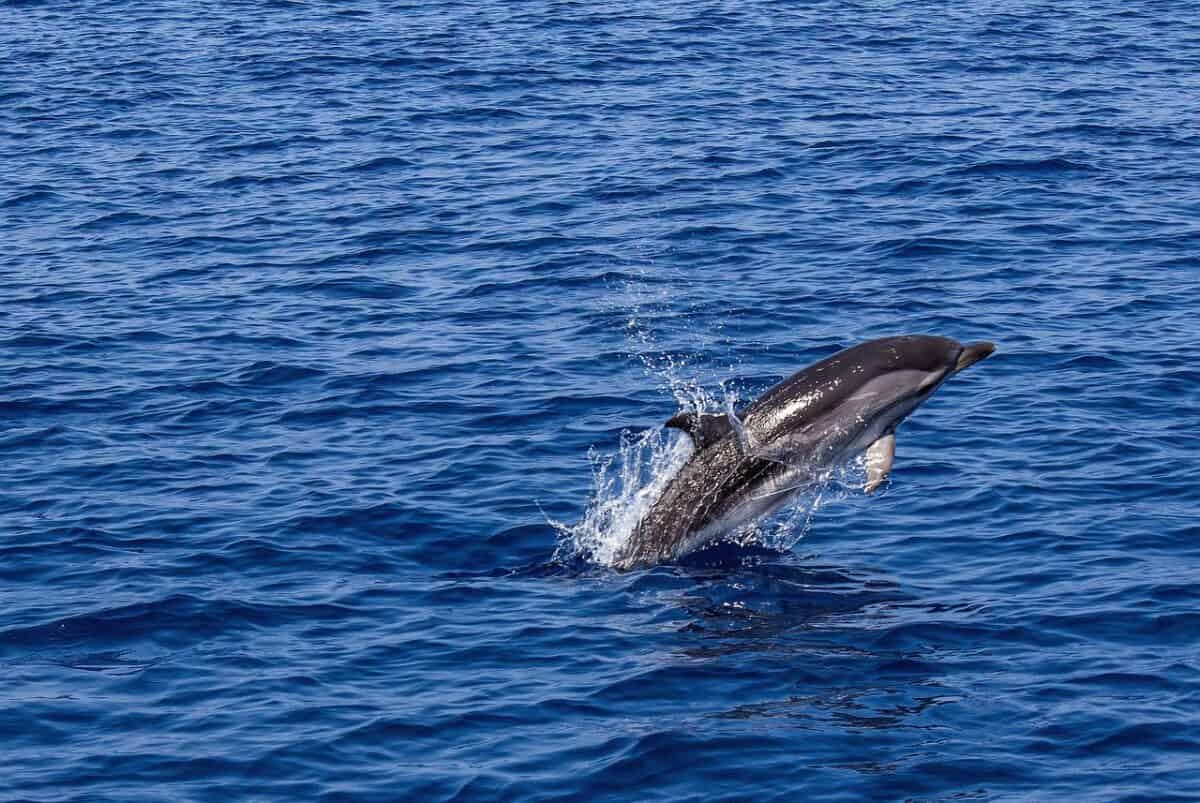
The bond between dolphin mothers and their calves plays a crucial role in the naming system. Research has shown that dolphin calves recognize their mothers’ signature whistles from birth, responding specifically to recordings of their mother’s calls even when surrounded by other dolphin sounds. This early recognition ability helps maintain the mother-calf bond in the sometimes chaotic underwater environment, where visual contact can easily be lost.
Mothers, in turn, frequently use their signature whistles when separated from their calves, essentially calling their offspring by maintaining a consistent acoustic presence. The frequency of these maternal signature whistles increases significantly when mother and calf are separated, suggesting an intentional calling behavior rather than random vocalization. This pattern mirrors how human parents might call their child’s name repeatedly when separated in a crowded place—further evidence of the functional similarity between human names and dolphin signature whistles.
Dolphin Names in Different Populations
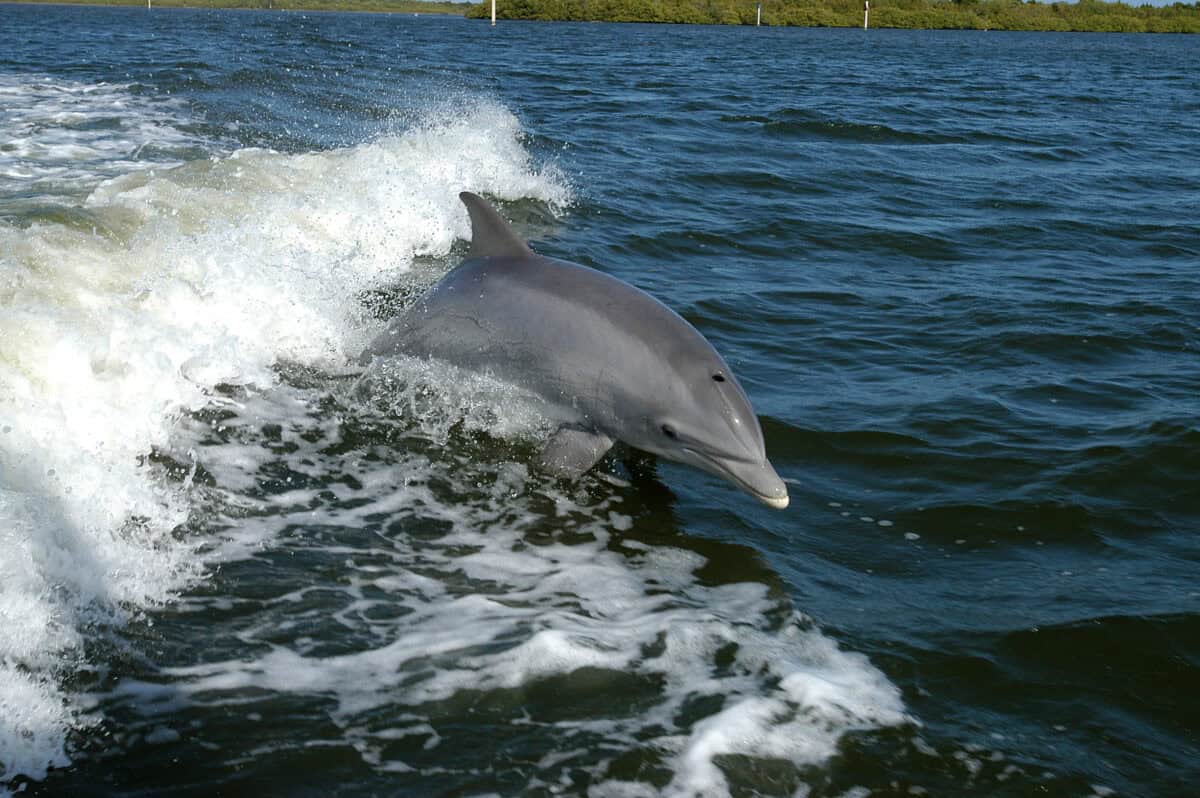
Signature whistles aren’t uniform across all dolphin populations. Researchers studying different dolphin communities around the world have documented fascinating variations in how these acoustic names develop and function. For instance, bottlenose dolphins in Sarasota Bay, Florida—one of the most extensively studied populations—demonstrate signature whistles that remain stable for decades, while dolphins in other regions may show more variability in their naming patterns.
Geographic isolation also appears to influence whistle development, with different dolphin populations developing region-specific “dialects” in their overall vocal repertoires. This suggests that, much like human languages, dolphin communication systems have cultural components that are shaped by social learning and community traditions. The presence of these cultural variations in naming practices further emphasizes the learned rather than instinctual nature of dolphin names.
Beyond Bottlenose: Names in Other Dolphin Species
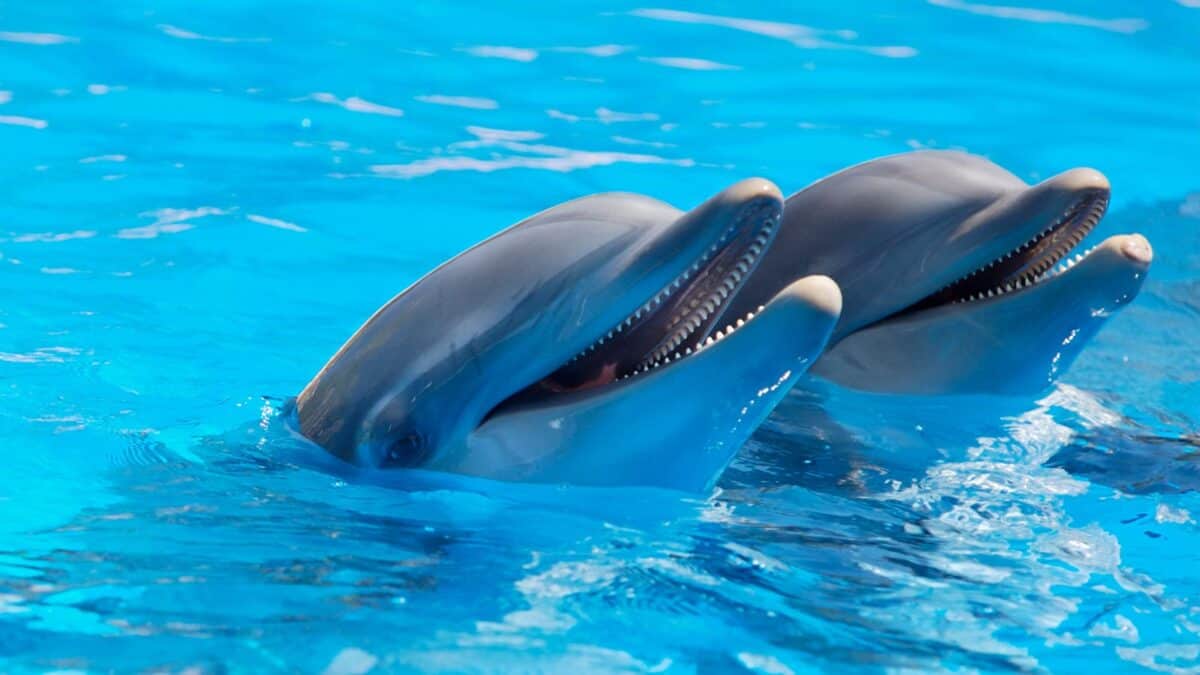
While most research on signature whistles has focused on common bottlenose dolphins (Tursiops truncatus), evidence suggests that other dolphin species may use similar naming systems. Studies of spotted dolphins, spinner dolphins, and Indo-Pacific bottlenose dolphins have all revealed individualized whistles that function in ways comparable to the signature whistles documented in common bottlenose dolphins.
This cross-species consistency suggests that name-like communication may be widespread throughout the dolphin family, though the complexity and specificity may vary. The convergent evolution of naming systems across dolphin species living in different habitats points to the significant adaptive advantage this communication strategy provides in marine environments where maintaining social bonds despite limited visibility presents a unique challenge.
Names as Evidence of Self-Awareness
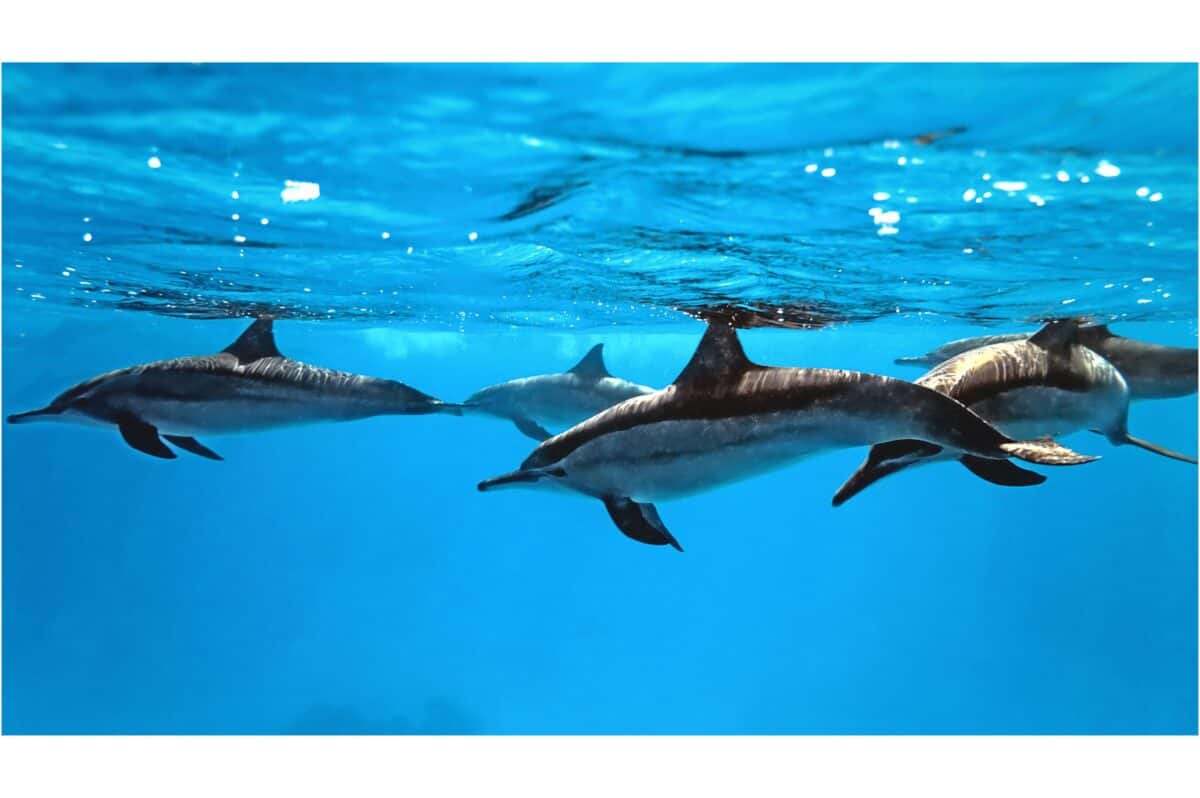
The dolphin naming system has profound implications for our understanding of animal cognition and self-awareness. Having and responding to an individual name implies some level of self-recognition and social identity—cognitive traits once considered uniquely human. Combined with dolphins’ documented ability to recognize themselves in mirrors (another classic test of self-awareness), the naming system suggests these animals possess a sense of self more developed than previously assumed for non-human species.
Some researchers propose that signature whistles represent a form of “vocal labeling” that requires dolphins to maintain a mental representation of themselves and others—a sophisticated cognitive ability. The fact that dolphins can both produce their own identifier and recognize the identifiers of others suggests they maintain a mental “social map” of their community members, complete with individual identities represented by specific sounds.
The Future of Dolphin Name Research

As technology continues to advance, researchers are developing new methods to study dolphin naming systems in even greater detail. Recent innovations include acoustic tags that can be temporarily attached to wild dolphins, recording not just the sounds they hear but also those they produce, allowing for unprecedented insights into their communication patterns. Other researchers are exploring machine learning approaches to decode more subtle patterns in dolphin vocalizations that might reveal additional layers of their naming system.
One particularly exciting frontier involves two-way communication experiments, where researchers are developing underwater keyboards and other interfaces that might eventually allow humans and dolphins to establish rudimentary communication. Projects like CHAT (Cetacean Hearing and Telemetry) aim to create a prototype dolphin translator that could potentially decode signature whistles and other vocalizations in real-time, opening new possibilities for interspecies communication research.
Conclusion: What Dolphin Names Tell Us About Animal Intelligence

The discovery that dolphins give each other names fundamentally challenges our understanding of what separates human language from animal communication. These marine mammals have developed a sophisticated system of individual identification that serves many of the same social functions as human naming, suggesting that the cognitive gap between humans and other highly intelligent species may be smaller than we once believed. The research into dolphin signature whistles reminds us that intelligence has evolved in multiple forms across different environments, with dolphins developing their own complex communication solutions to the challenges of ocean living. As we continue to decode the intricacies of dolphin language, we gain not just scientific knowledge but also a deeper appreciation for the rich inner lives of these remarkable creatures with whom we share our planet.

- The Glasswing Butterfly: Nature’s Invisible Beauty - July 21, 2026
- What Happens If a Whale Dies in the Ocean? - July 21, 2026
- Why You Should Stop Feeding Ducks at the Park - July 21, 2026