


In the stark, barren landscapes of certain deserts across the world, an extraordinary adaptation has evolved within the owl family. Unlike their tree-dwelling relatives, several owl species have developed the remarkable behavior of nesting underground. These burrowing owls, primarily found in North and South American desert ecosystems, represent a fascinating evolutionary response to treeless environments. Their unique lifestyle offers a glimpse into the incredible adaptability of wildlife in harsh conditions. This article explores the fascinating world of underground-nesting owls, examining their habitats, behaviors, and the conservation challenges they face in today’s changing environment.
The Burrowing Owl: Master of Underground Living

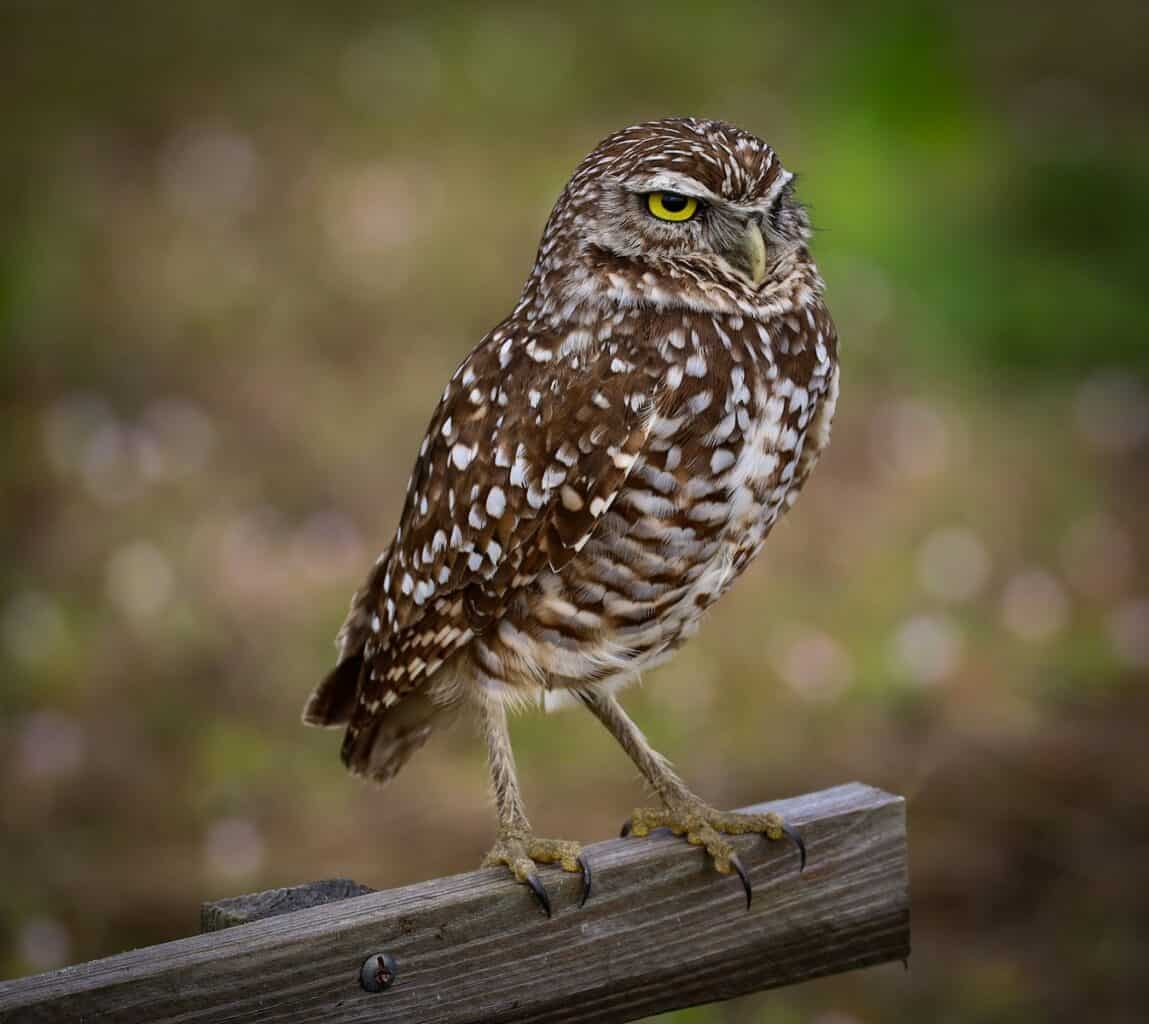
The primary underground-nesting owl species is Athene cunicularia, commonly known as the burrowing owl. Standing just 7-10 inches tall with a wingspan of about 21-24 inches, these small, long-legged owls have adapted perfectly to life beneath the desert surface. Unlike the stereotypical nocturnal owl, burrowing owls are often active during daylight hours, especially early morning and late afternoon. Their distinctive features include bright yellow eyes, prominent white eyebrows, and a spotted brown-and-white plumage that provides excellent camouflage against the desert soil and vegetation. What truly sets them apart, however, is their ground-dwelling lifestyle in a family otherwise known for residing in trees.
Desert Habitats: From North to South America
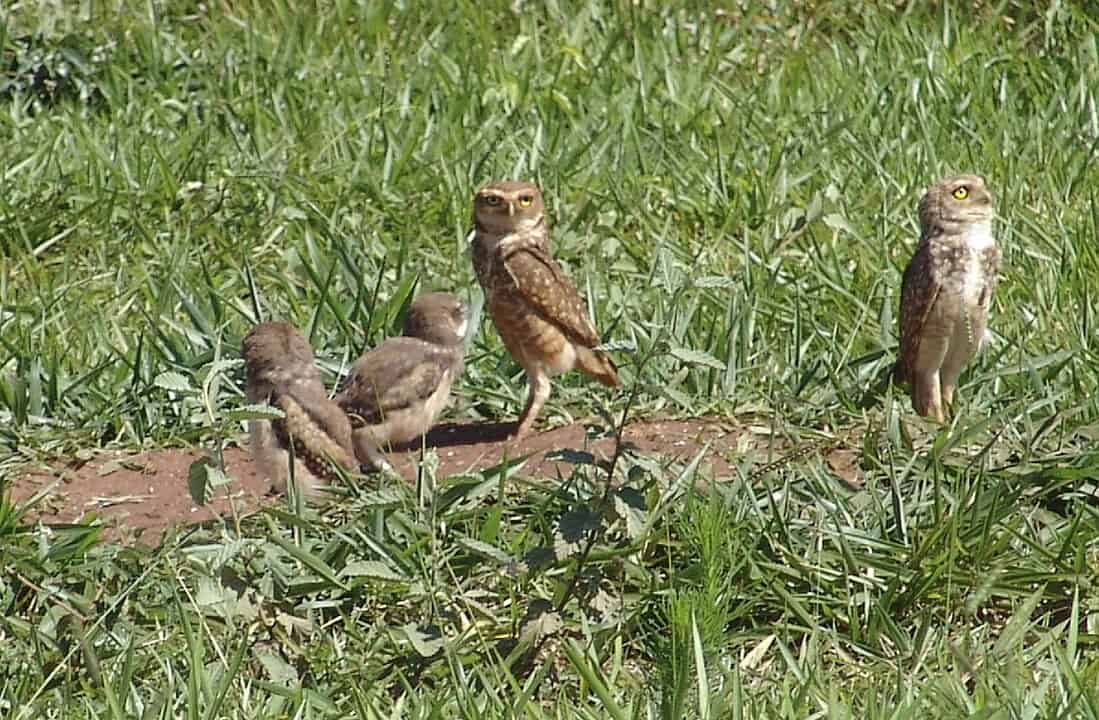
Burrowing owls inhabit open landscapes across the Americas, ranging from the southern portions of Western Canada through the Western United States, Florida, Mexico, and into Central and South America. Their preferred habitats include grasslands, rangelands, agricultural areas, and deserts. In North America, they are particularly associated with the Great Plains, the Sonoran and Chihuahuan deserts, and similar arid ecosystems. These owls require open areas with low vegetation, allowing them clear visibility to spot predators, along with loose soil conducive to burrowing. The vast, treeless expanses of these desert regions have shaped the evolution of these ground-dwelling birds, pushing them to adapt to life beneath the surface rather than in the canopy.
Burrow Architecture: Nature’s Underground Condos
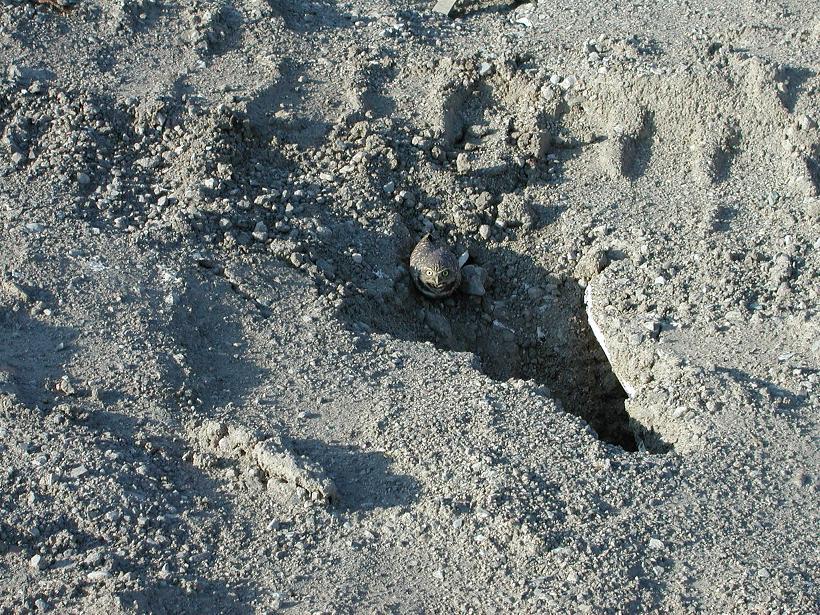
Despite their name, burrowing owls rarely excavate their own homes. Instead, they display remarkable resourcefulness by repurposing abandoned burrows created by prairie dogs, ground squirrels, badgers, tortoises, and other burrowing mammals. These adopted homes typically extend 4-10 feet horizontally into the ground and measure about 4-8 inches in diameter. Once occupied, the owls renovate these underground dwellings by widening chambers, adding tunnel offshoots, and lining nesting areas with grass, feathers, and manure. This architectural adaptation provides crucial protection from the desert’s extreme temperatures, offering cooler conditions during scorching days and warmer shelter during cold nights. The burrows also serve as effective fortresses against predators, providing multiple escape routes and defensive positions.
Life Cycle in the Underground Nest
The breeding season for burrowing owls typically begins in late spring, with timing varying by location. Males attract females through elaborate courtship displays, including aerial acrobatics, unique calls, and offering food gifts. Once paired, they select or prepare a burrow for nesting. The female lays 6-12 eggs, which she incubates for approximately 28-30 days while the male provides food. Unlike many bird species, burrowing owl chicks are born altricial—helpless, with their eyes closed and covered in white down. After about two weeks, the young owls begin emerging from the burrow to exercise and learn hunting skills under parental supervision. This dangerous transition period, when they’re vulnerable to predators, is marked by the entire family’s high vigilance. By six weeks, the young owls can fly and begin to disperse, though some populations migrate south for winter while others remain resident year-round.
Unique Behavioral Adaptations
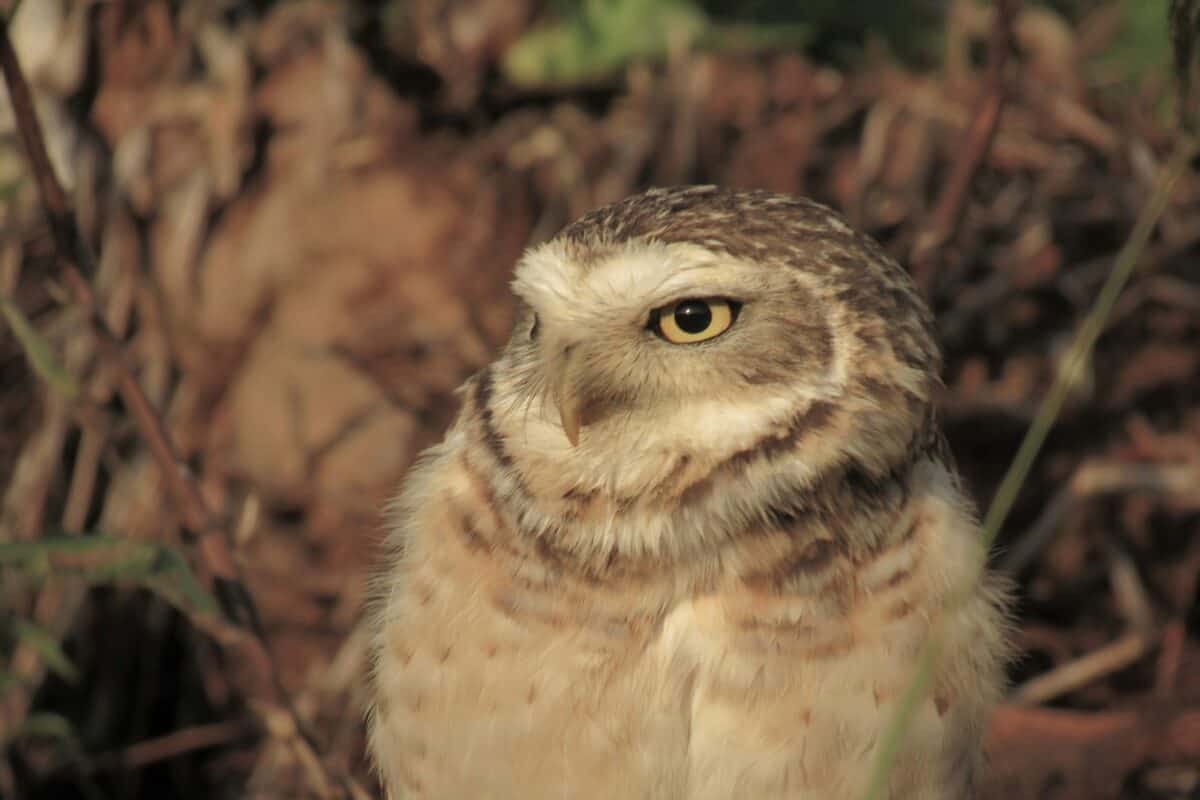
Burrowing owls have developed fascinating behavioral adaptations to their subterranean lifestyle. One of their most remarkable habits is collecting and scattering mammal dung around their burrow entrances. This behavior serves multiple purposes: the dung attracts dung beetles and other insects (a primary food source), helps mask the owls’ scent from predators, and may help regulate burrow humidity. When threatened, these owls employ various defense strategies, including a snake-like hissing sound to deter predators from entering their burrows. They’re also known for their distinctive bobbing motion when alarmed, which likely helps improve depth perception while watching for threats. Unlike most owls, burrowing owls are relatively social, sometimes forming loose colonies, though each pair maintains its own territory within these groups.
Diet and Hunting Patterns in Desert Environments
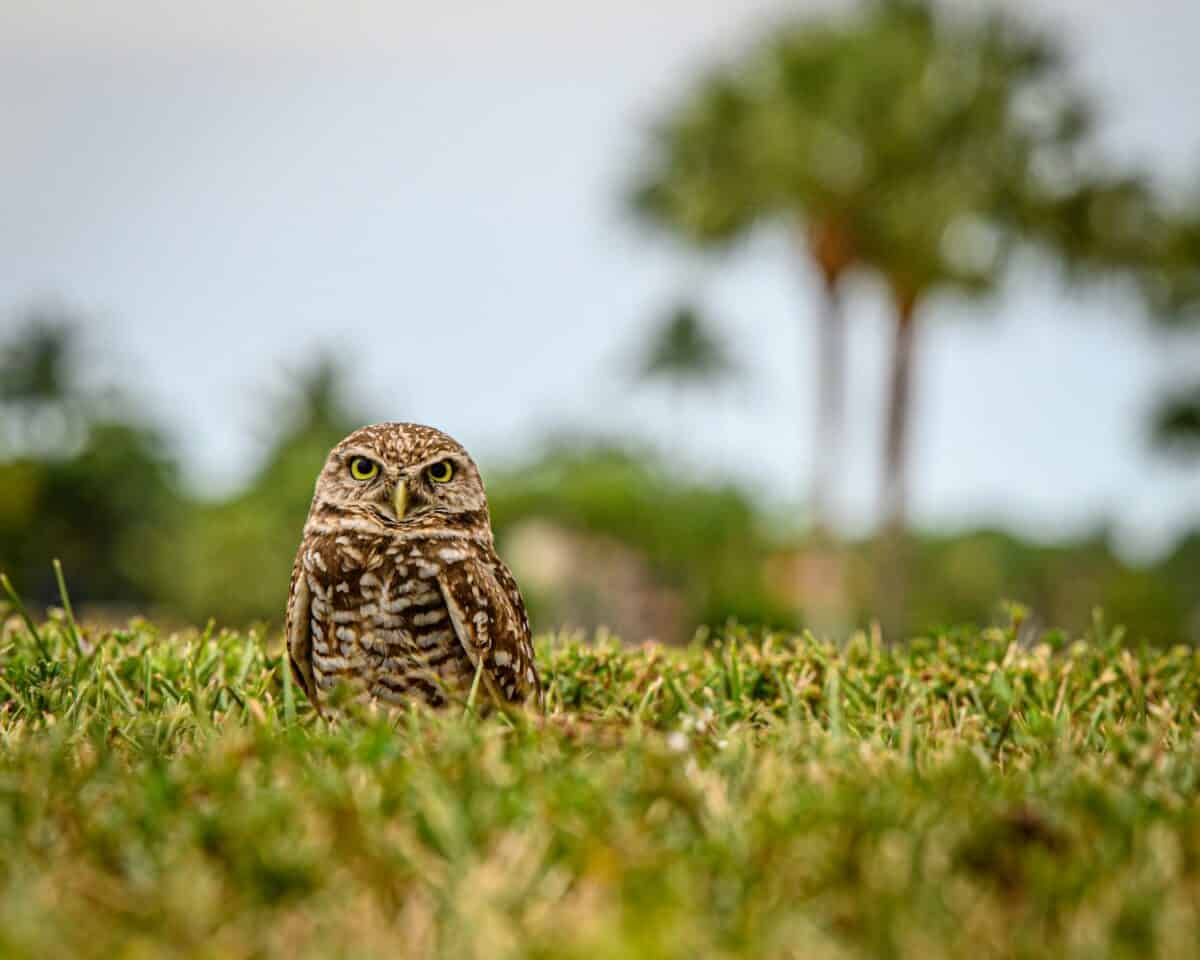
Burrowing owls are opportunistic hunters with a diet that adapts to local prey availability. In desert ecosystems, they primarily consume insects such as beetles, grasshoppers, and crickets, which constitute up to 90% of their diet during certain seasons. They also prey on small mammals including mice, voles, and ground squirrels, along with reptiles, amphibians, and small birds when available. Unlike their strictly nocturnal relatives, burrowing owls hunt during daylight hours, especially at dawn and dusk when prey is most active. Their hunting strategy typically involves patiently watching from a low perch before swooping down to capture prey on the ground. During breeding season, males often cache excess food near the burrow entrance, creating a visible larder that both feeds the family and serves as a status display to neighboring owls.
The Declining Population Crisis

Despite their remarkable adaptations, burrowing owl populations face significant threats across much of their range. In the United States, they are listed as endangered, threatened, or of special concern in multiple states. Canadian populations have declined by over 90% in some areas. This decline stems from habitat loss as grasslands and deserts are converted to agriculture and urban development. Additionally, the eradication of burrowing mammals like prairie dogs—whose burrows provide essential owl habitat—has dramatically reduced suitable nesting sites. Climate change is exacerbating these challenges, altering precipitation patterns in desert ecosystems and potentially affecting prey availability. Current estimates suggest there are approximately 10,000 breeding pairs remaining in the United States, with numbers continuing to decrease despite conservation efforts.
Conservation Strategies and Success Stories
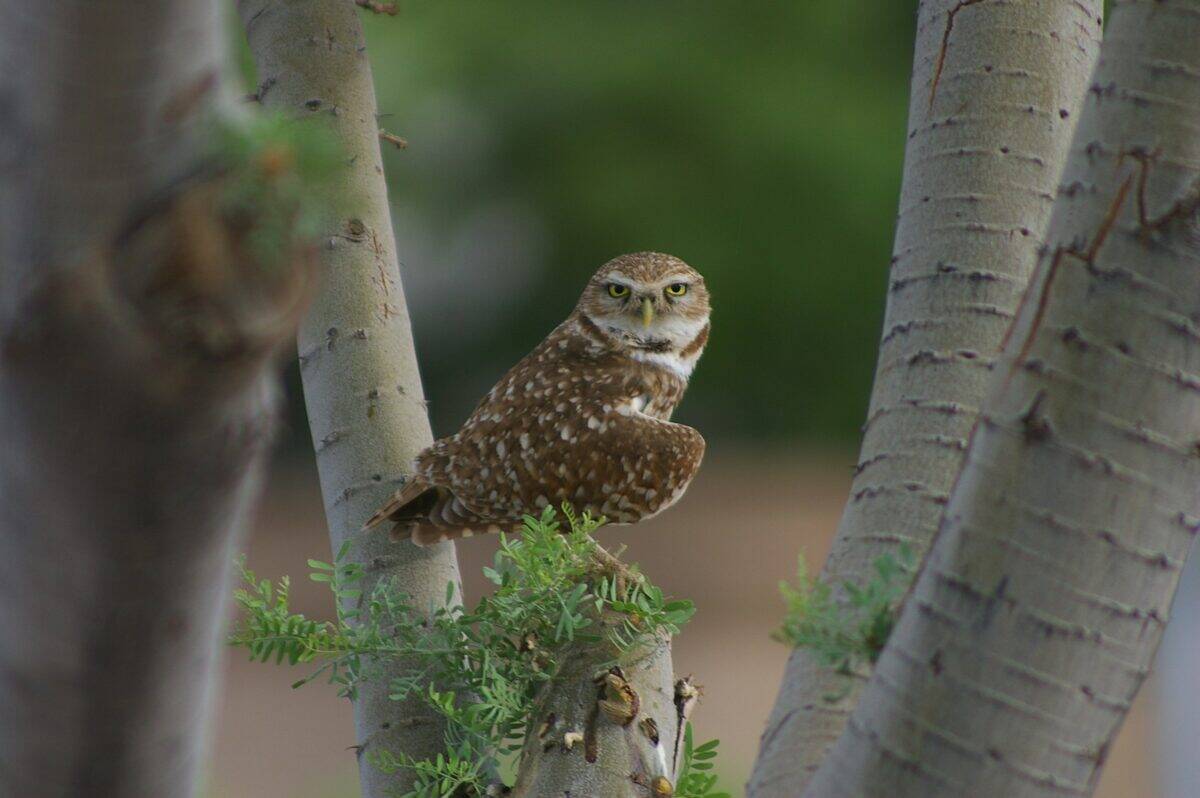
Conservation biologists are implementing various strategies to protect burrowing owl populations. Artificial burrow systems—typically consisting of buried plastic chambers with entrance tunnels—have proven successful in areas where natural burrows are scarce. These artificial homes, properly installed and maintained, can provide suitable nesting sites for decades. Habitat preservation programs prioritizing grassland and desert ecosystems benefit not only burrowing owls but entire ecological communities. Educational initiatives aimed at ranchers, farmers, and developers help promote land management practices compatible with owl conservation. In Florida, where the species faces severe habitat loss, a translocation program has successfully established new breeding populations in protected areas. Similarly, conservation areas in the Imperial Valley of California have seen population stabilization through dedicated management efforts.
Cultural Significance of Desert Burrowing Owls
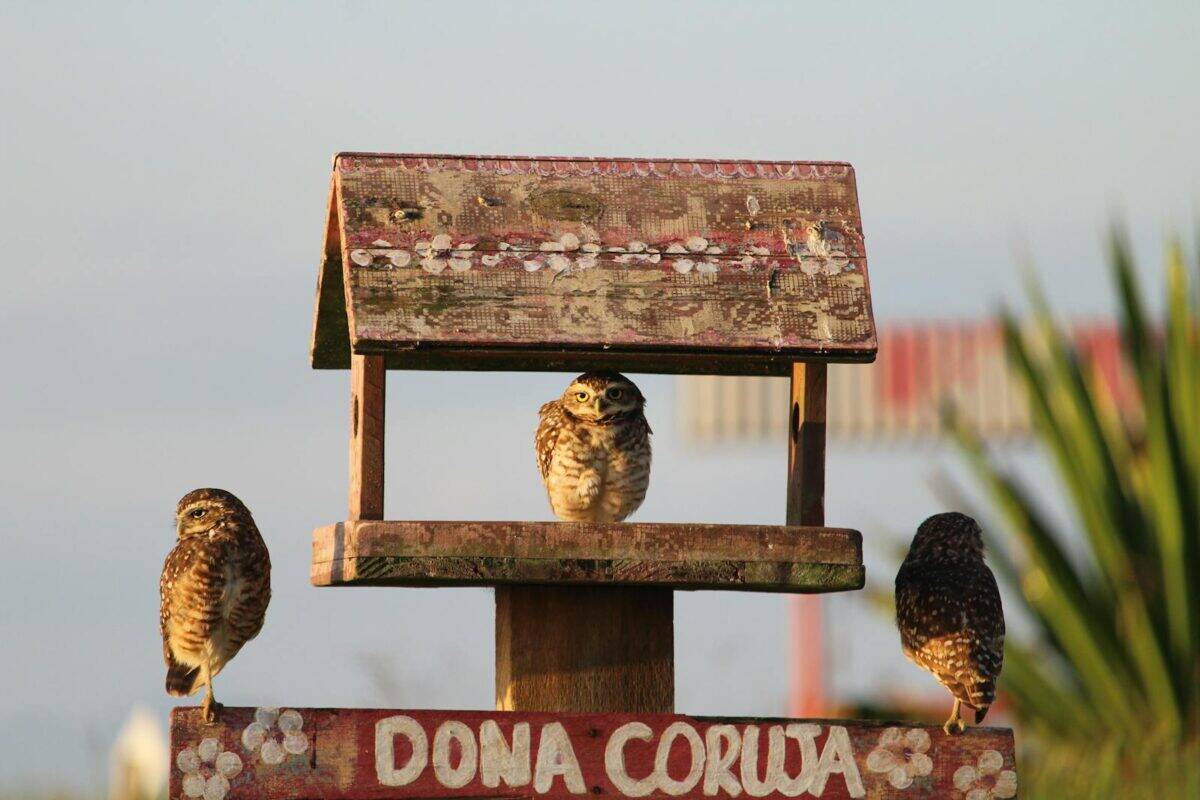
Burrowing owls have held cultural significance for indigenous peoples across the Americas for thousands of years. In many Native American traditions, these owls are considered messengers between the worlds above and below ground. Their connection to both the earth and sky made them powerful symbols in spiritual practices. The Hopi and Zuni peoples incorporated burrowing owl motifs into pottery and religious ceremonies, while Plains tribes associated them with protection and vision. In modern popular culture, burrowing owls have featured in literature and film, helping raise awareness of their unique lifestyle and conservation needs. Their charismatic appearance, with seemingly oversized heads and expressive yellow eyes, has made them popular subjects for wildlife photographers and nature documentaries, further elevating their profile in conservation discussions.
Other Underground-Nesting Owl Species

While the burrowing owl is the most well-known underground nester, it’s not entirely alone in this adaptation. The little owl (Athene noctua), found across Europe, Asia, and North Africa, occasionally nests in burrows, though it more commonly uses tree cavities, rock crevices, or abandoned buildings. In Australia, the powerful owl (Ninox strenua) has been documented using wombat burrows in rare instances, though this isn’t their typical nesting strategy. The short-eared owl (Asio flammeus), with its worldwide distribution, nests on the ground but doesn’t use burrows. This comparative rarity of underground nesting among the world’s 200+ owl species highlights just how specialized the burrowing owl’s adaptation truly is, representing a remarkable evolutionary response to the unique challenges of desert and grassland environments.
Research and Monitoring Technologies

Modern technology has revolutionized research on burrowing owls, offering unprecedented insights into their secretive underground lives. Miniature infrared cameras inserted into burrows provide valuable footage of nesting behavior, parental care, and chick development without disturbing the owls. GPS tracking devices, now small enough to be carried by these little birds, have revealed previously unknown migration routes and winter territories. Environmental DNA (eDNA) analysis allows researchers to confirm burrow occupancy by testing soil samples for owl genetic material. Acoustic monitoring stations record owl vocalizations, helping track population trends across vast territories. These technologies, combined with citizen science initiatives where volunteers help monitor known nesting sites, are creating comprehensive datasets crucial for effective conservation planning and habitat protection.
The burrowing owl represents one of nature’s most fascinating adaptations—a bird that abandoned the trees of its ancestors to embrace life beneath the desert soil. Their unique ecology not only provides a captivating study in evolutionary adaptation but also serves as an indicator of ecosystem health across the Americas. As these charismatic birds face mounting pressures from habitat loss, climate change, and human development, their future depends on continued conservation efforts and public awareness. Through artificial burrow programs, habitat protection, and innovative research methods, there is hope for reversing population declines. The story of the desert’s underground-nesting owls reminds us that nature’s solutions to environmental challenges are often as surprising as they are ingenious, deserving both our admiration and our protection.

- The Animals With the Best Memory Skills in the Wild - August 2, 2026
- 10 Adorable Facts About Otters That Will Make You Smile - August 2, 2026
- How Snowy Owls End Up as Far South as the U.S. Midwest - August 2, 2026