

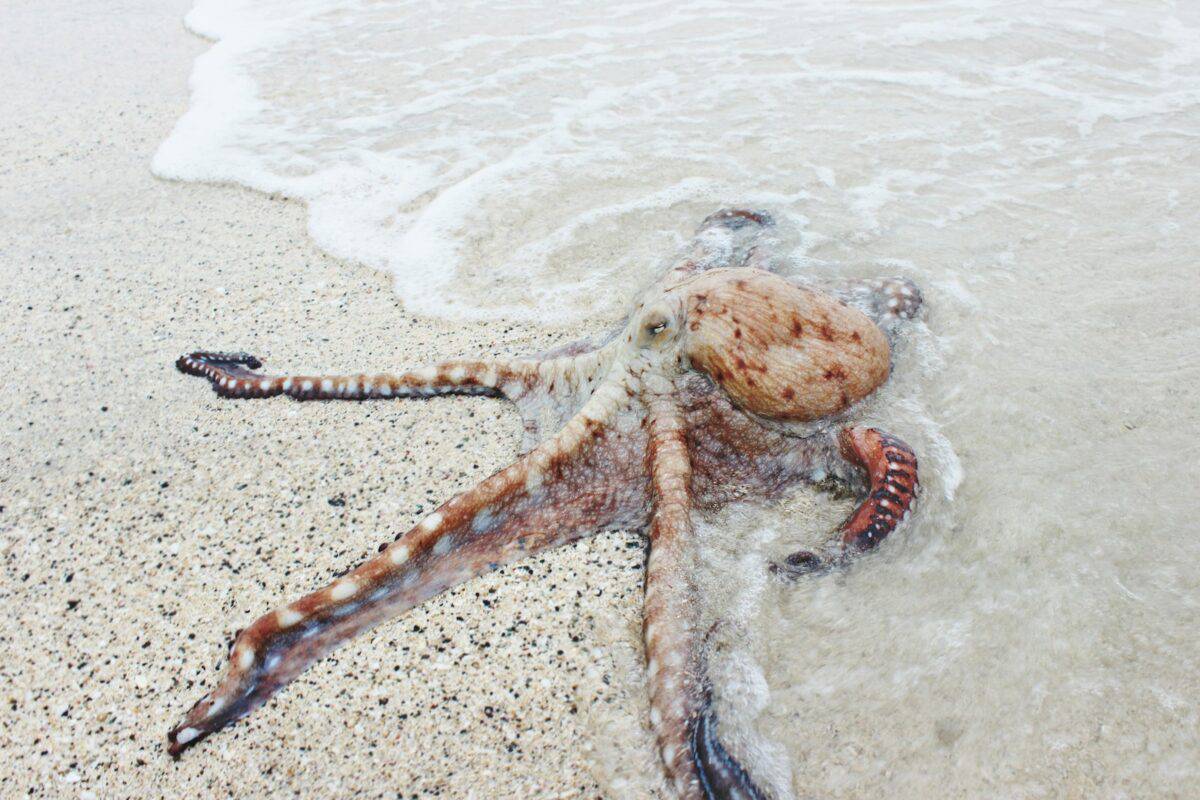
When we think of mathematical ability, problem-solving, and strategic thinking, we often consider these exclusively human traits. Yet, a growing body of research reveals that numerous species across the animal kingdom possess remarkable cognitive abilities that challenge our understanding of non-human intelligence. From the clever crows that craft tools to solve complex puzzles to octopuses that can navigate mazes and open childproof caps, the animal world is teeming with unexpected mathematicians and strategists. This article explores fourteen extraordinary creatures whose cognitive abilities extend to counting, solving problems, and formulating strategies—capabilities once thought to be uniquely human.
Corvids The Feathered Einsteins
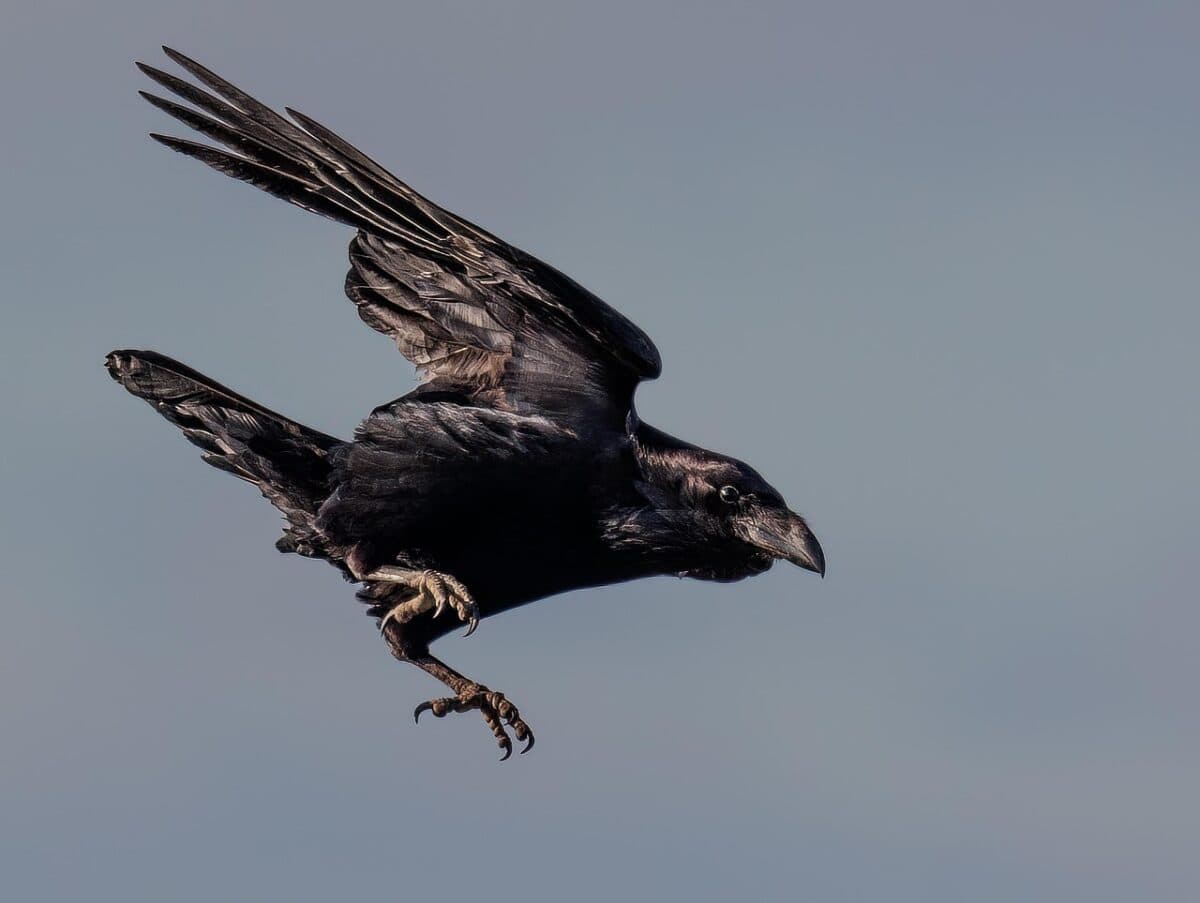
Crows, ravens, and other corvids consistently demonstrate problem-solving abilities that rival those of great apes. New Caledonian crows, in particular, are master tool-makers, crafting hooks from twigs to extract food from hard-to-reach places. In laboratory settings, they’ve shown the ability to use up to three tools in sequence to solve multi-step problems. These birds also demonstrate remarkable counting abilities, distinguishing between groups of objects containing different numbers and understanding the concept of zero. Researchers at the University of Cambridge found that crows can recognize quantities up to 30 without counting, a form of subitizing that exceeds what most humans can do without counting. Perhaps most impressive is their ability to plan for the future, storing tools they anticipate needing later and saving food when they expect future shortages.
Chimpanzees Our Strategic Cousins

As our closest living relatives, chimpanzees share approximately 98.8% of our DNA, and their cognitive abilities reflect this close relationship. Chimps can understand and use numerical concepts, count objects, and even outperform humans in some memory tasks. In a famous study at Kyoto University, young chimpanzees demonstrated photographic memory by remembering the positions of numbers flashed briefly on a screen—a task at which they consistently outperformed human adults. Chimpanzees also engage in complex social strategies, forming alliances to gain power within their groups and using deception to achieve goals. They’ve been observed conducting coordinated hunting parties where individuals take specific roles, such as blockers and chasers, showing a sophisticated level of strategic planning. In captivity, chimps have learned basic arithmetic and understanding of addition and subtraction of small numbers.
Octopuses The Eight-Armed Problem Solvers
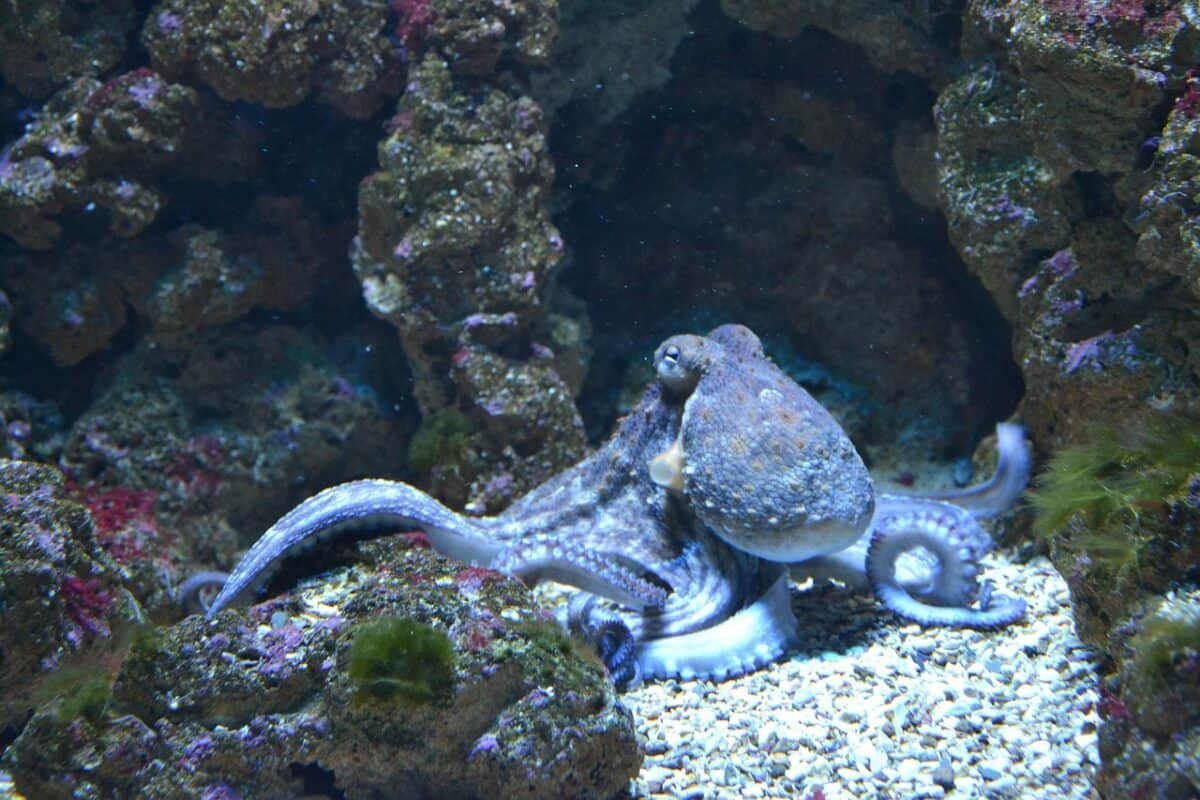
Octopuses represent one of the most intriguing examples of evolved intelligence, demonstrating remarkable problem-solving abilities despite having evolved along an entirely different evolutionary path than vertebrates. With approximately 500 million neurons distributed throughout their bodies (including their arms, which can act somewhat independently), octopuses can solve complex mazes, open childproof pill bottles, and even recognize individual human faces. In laboratory settings, octopuses have shown counting abilities, distinguishing between different quantities of objects. Perhaps most impressive is their ability to employ tools—they’ve been observed using coconut shells as mobile shelters and wielding sticks to fend off predators. Their capacity for learning is extraordinary; they can observe a solution to a problem once and immediately replicate it, suggesting a form of observational learning previously thought exclusive to more socially complex species.
Elephants The Counting Giants

Elephants possess some of the most developed numerical abilities in the animal kingdom. In tests conducted at the University of Tokyo, Asian elephants successfully added small numbers of items placed in buckets, choosing the bucket with more items up to 80% of the time. Their massive brains—containing three times as many neurons as humans—support not only impressive memory but also mathematical cognition. Elephants demonstrate self-awareness by recognizing themselves in mirrors and showing empathy toward distressed herd members. They’ve been observed in the wild creating specific solutions to problems, such as using branches to swat flies or crafting mud balls to plug drinking holes (preventing water loss). Their strategic thinking extends to coordinated defense against predators, with matriarchs making decisions that draw upon decades of experience to protect their herds from threats.
Dolphins The Marine Mathematicians

Dolphins possess brain-to-body mass ratios second only to humans, and their cognitive abilities reflect this neurological sophistication. These marine mammals demonstrate remarkable numerical cognition, with bottlenose dolphins showing the ability to understand the concepts of “less” and “more” and recognizing quantities up to at least eight. In research conducted at the Dolphin Research Center in Florida, dolphins successfully completed simple arithmetic tasks, such as selecting a panel with more dots than another. Their problem-solving extends to tool use—dolphins in Shark Bay, Australia, have been observed placing sponges on their beaks to protect themselves while foraging on the rough ocean floor. Perhaps most impressive is their capacity for innovation and cultural transmission of knowledge. Different dolphin pods develop unique hunting strategies, including coordinated herding of fish into tight balls and even synchronizing with human fishermen to maximize catches—behaviors that are taught to younger generations.
Bees Tiny Brains with Big Capabilities

Despite having brains smaller than a grain of rice, honeybees demonstrate surprising numerical abilities. Researchers at RMIT University in Australia trained bees to recognize quantities and even to understand the concept of zero—a sophisticated notion that human children typically don’t grasp until around four years of age. Bees can distinguish between images containing different numbers of elements, a skill that helps them identify and remember more rewarding flower patches. Their problem-solving abilities are equally impressive. When faced with artificial flowers rigged to release nectar only after certain actions (like pulling strings or moving caps), bees quickly learned the necessary techniques. They even taught these new skills to their hivemates. In the wild, bees solve complex optimization problems daily, calculating the most efficient routes between flowers to minimize energy expenditure—effectively solving a version of the traveling salesman problem that challenges even advanced computers.
Orangutans The Forest Engineers
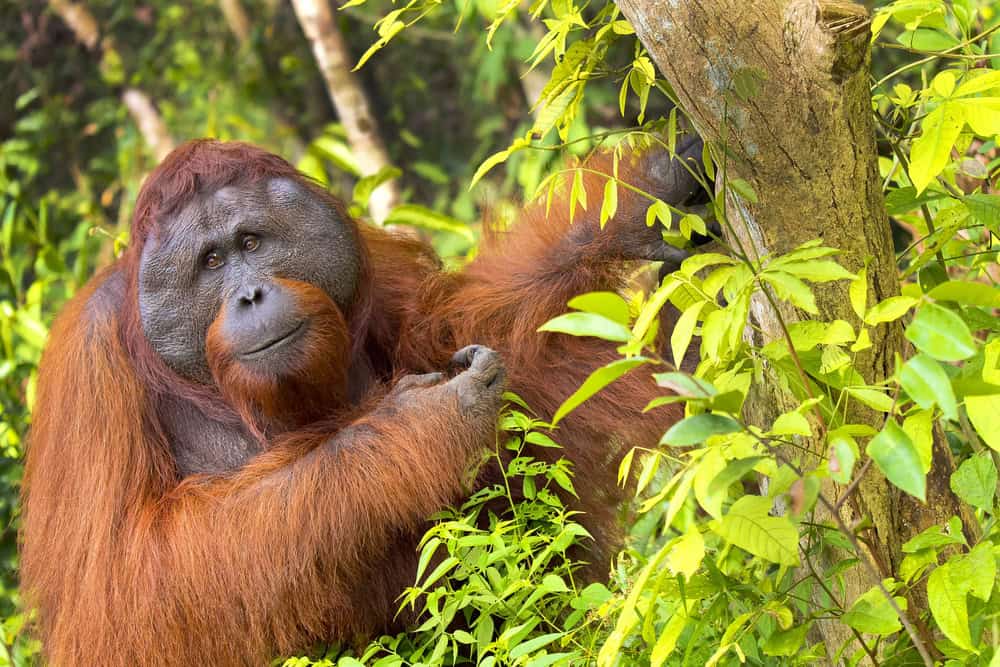
Orangutans, our arboreal cousins, display remarkable problem-solving abilities both in captivity and in their natural forest habitats. Research at the National Zoo in Washington D.C. demonstrated that orangutans can add small quantities, consistently choosing containers with more treats when presented with arithmetic challenges. Their technical intelligence is particularly evident in their construction skills—they build elaborate nests each night using sophisticated techniques, including weaving, knotting, and layering branches. In captivity, orangutans have famously used tools to “fish” for items outside their enclosures and even fashioned wire pieces into hooks to unlock doors. Their strategic thinking extends to social manipulation; they’ve been observed misleading competitors about food locations and waiting until no observers are present before using tools they’ve hidden. Perhaps most impressive is their ability to plan for the future—wild orangutans have been documented taking detours on travel routes to visit fruit trees that weren’t yet ripe but would be in coming days, showing sophisticated temporal planning.
Rats The Underestimated Intellectuals

Rats may have a reputation as vermin, but their cognitive abilities rival those of many larger mammals. Studies at the University of Oxford have shown that rats possess a natural ability to count and perform simple calculations. When trained to press a lever a specific number of times to receive a reward, rats can count accurately up to at least 24 sequential presses. Their problem-solving abilities are equally impressive. When faced with complex mazes or puzzles with food rewards, rats quickly develop efficient strategies and can remember solutions for months. One of their most remarkable abilities is metacognition—awareness of their own knowledge limits. In experiments where rats could choose between a difficult task with a large reward or an easy task with a smaller reward, they consistently chose based on their confidence in succeeding, demonstrating self-awareness of their capabilities. Rats also show strategic cooperation, working together to achieve goals and even displaying empathy by freeing trapped cage-mates before accessing food rewards themselves.
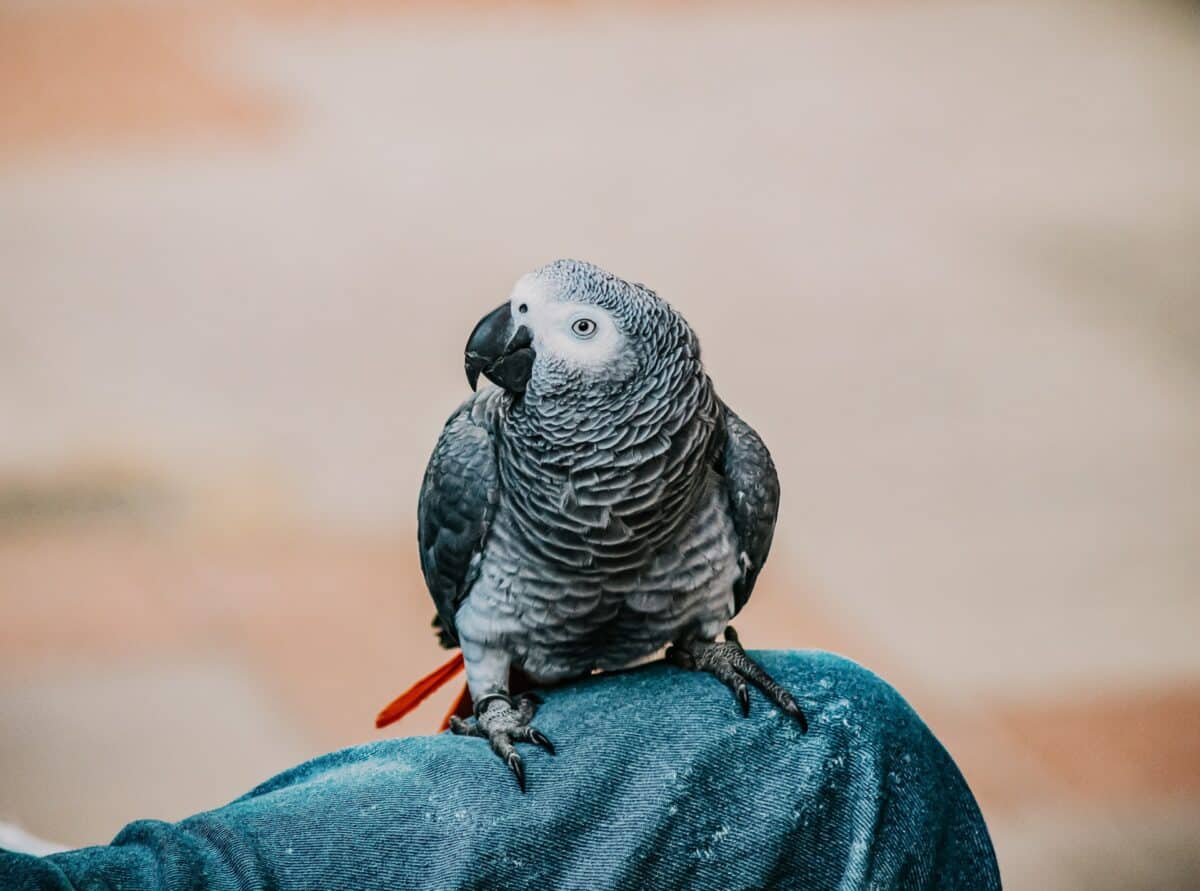
African Grey Parrots The Talking Mathematicians
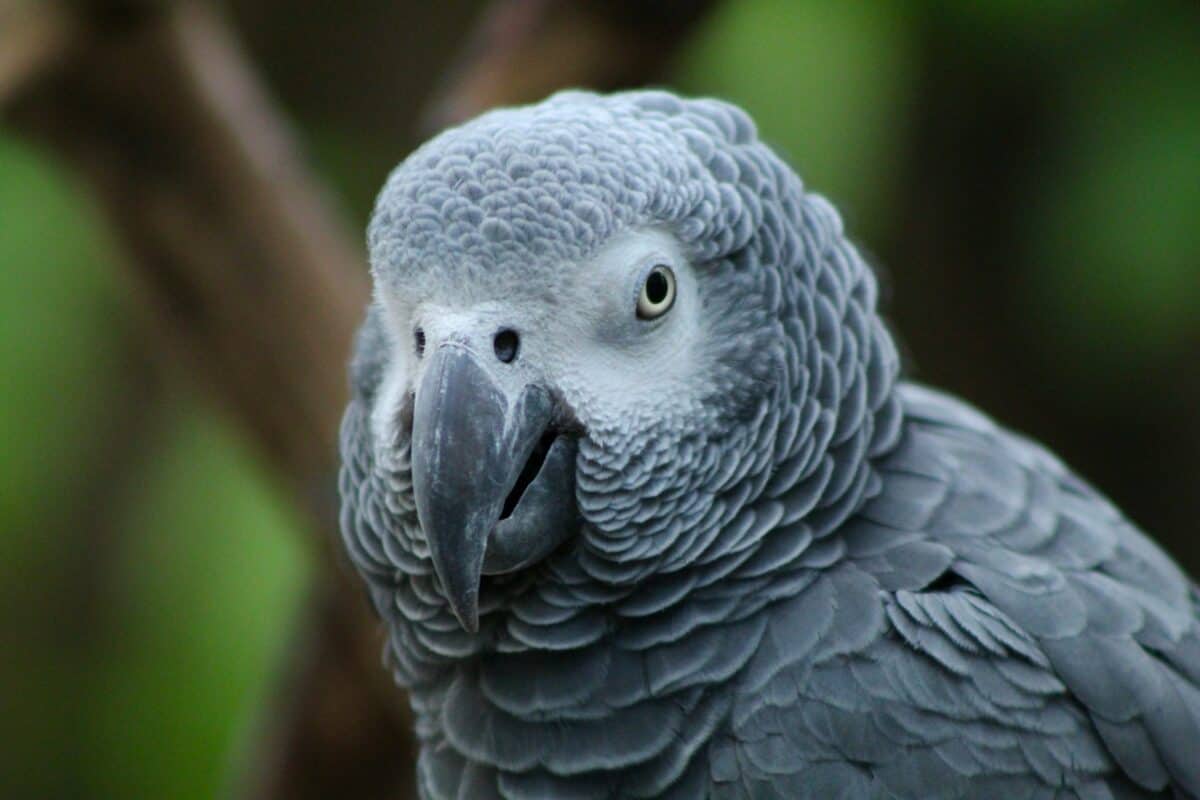
African Grey Parrots possess cognitive abilities that rival those of great apes despite having brains the size of walnuts. The most famous example is Alex, studied by Dr. Irene Pepperberg, who demonstrated an understanding of over 100 words, could identify colors and shapes, and, most remarkably, could count and understand the concept of zero. Alex could answer questions about quantity, identifying how many objects of a particular color were present in a display, showing true counting ability rather than simple mimicry. These parrots can also solve logic puzzles that require multiple steps to reach a solution. In one study, African Greys successfully navigated a transparent cylinder containing a treat, demonstrating inhibitory control by avoiding the temptation to peck directly at the visible food. Their ability to understand abstract concepts extends to probability—they’ve been observed making choices that suggest they understand which option has a higher likelihood of providing a reward, a sophisticated form of statistical reasoning previously thought to be limited to primates.
Pigs The Farmyard Geniuses

Despite their reputation primarily as food animals, domestic pigs possess cognitive abilities that match or exceed those of dogs and even rival some primates. Research at the University of Cambridge has shown that pigs can understand simple arithmetic, successfully identifying which of two bowls contains more food items. Their problem-solving abilities are particularly impressive—pigs quickly learn to use mirrors to locate hidden food, suggesting a level of self-awareness uncommon among non-primates. When facing puzzles requiring tool use, such as manipulating joysticks or opening latches, pigs demonstrate remarkable dexterity and persistence. In natural settings, pigs employ strategic foraging techniques, remembering the locations of food sources and optimal times to visit them. Their social intelligence is equally advanced; they form complex social hierarchies and are capable of tactical deception, distracting competitors to gain access to preferred resources. Remarkably, pigs can even learn from humans via observation, watching a person solve a puzzle and then immediately replicating the solution—a form of social learning previously thought to be limited to more closely related species.
Border Collies The Canine Calculators

While many dog breeds show impressive cognitive abilities, Border Collies consistently demonstrate exceptional numerical cognition and problem-solving skills. Chaser, perhaps the most famous Border Collie, learned the names of over 1,000 toys and could retrieve specific items on command, but their mathematical abilities are equally remarkable. In studies conducted at the University of Veterinary Medicine Vienna, Border Collies successfully differentiated between larger and smaller quantities and showed an understanding of simple addition. Their strategic thinking is evident in herding behavior, where they calculate complex trajectories to intercept and guide sheep movements. Unlike many animals that rely on trial and error, Border Collies show evidence of insight learning—suddenly understanding solutions to problems without previous experience. In one famous experiment, a Border Collie named Rico demonstrated “fast mapping,” the ability to infer the meaning of a new word after a single exposure—a skill previously thought to be unique to human children. Their problem-solving extends to cooperative tasks; these dogs can work with humans or other dogs to accomplish goals that would be impossible alone.
Cleaner Wrasses The Fish with Numerical Skills

Among the most surprising entries on this list are cleaner wrasses, small fish that have demonstrated unexpected cognitive abilities despite having tiny brains. Research published in the journal PLOS Biology showed that these fish can recognize themselves in mirrors—passing the classic self-recognition test that many mammals fail. More relevant to numerical cognition, cleaner wrasses have shown the ability to count their clients (larger fish that they clean parasites from) and prioritize service based on the value of different customers. They can distinguish between quantities, serving larger client fish before smaller ones and keeping track of how many they’ve served. Their strategic thinking is particularly evident in their “market strategy”—when multiple cleaner fish compete for clients, they provide better service. However, without competition, they may occasionally bite clients to get a quick meal. This sophisticated cost-benefit analysis suggests not only counting ability but complex decision-making based on numerical information. Their problem-solving extends to anticipating the behavior of client fish, strategically positioning themselves at “cleaning stations” where they’re most likely to encounter high-value customers.
Racoons The Dexterous Mathematicians
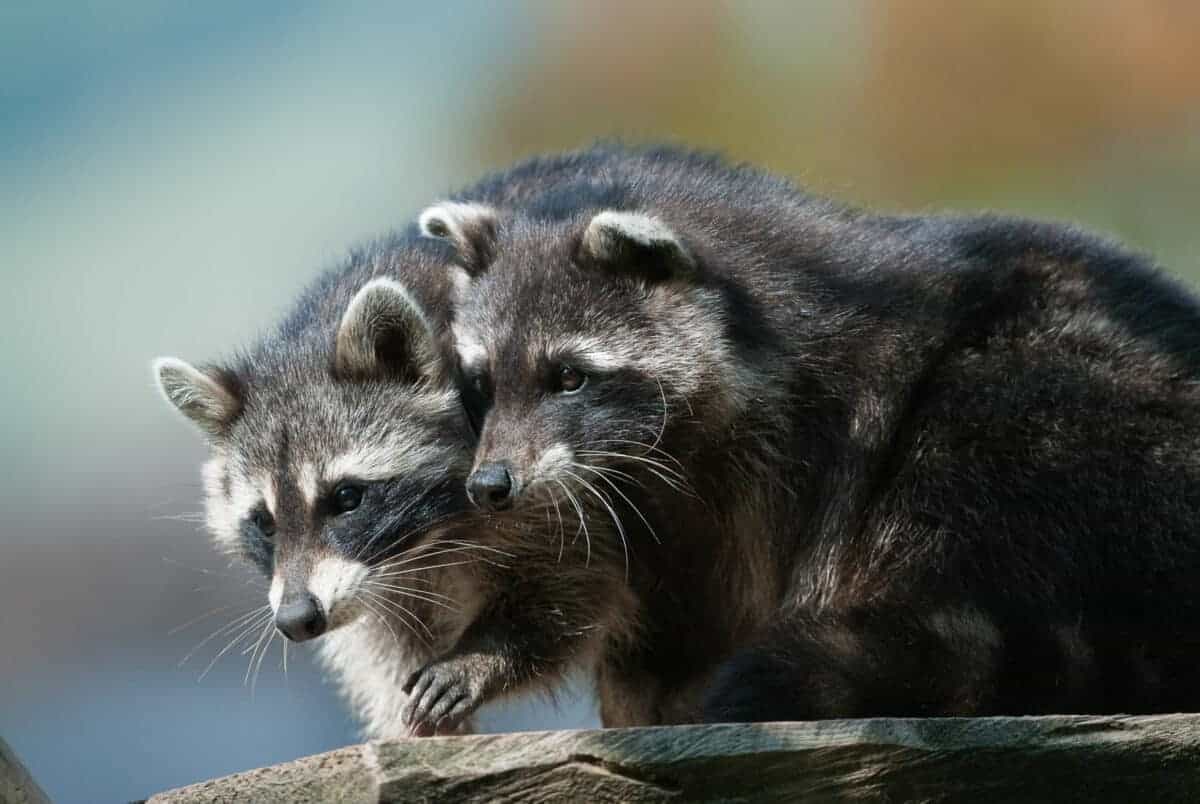
Often dismissed as mere trash bandits, raccoons possess cognitive abilities that place them among the most intelligent non-primates. A study at the RWTH Aachen University demonstrated that raccoons can distinguish between quantities of up to nine items, showing true counting abilities rather than simple estimation. Their problem-solving skills are legendary among animal researchers—raccoons can solve complex mechanical puzzles with up to 13 separate steps to access food rewards. Their remarkable dexterity, combined with a motivation to explore and manipulate objects, enables them to open supposedly animal-proof trash cans, unscrew jars, and operate latches that challenge even some primates. In laboratory settings, raccoons have shown the ability to remember solutions to problems for up to three years, suggesting exceptional long-term memory. Their strategic thinking extends to social contexts; raccoons have been observed working in pairs to solve problems that require cooperation, with one individual distracting a human guardian while another raids food sources. Perhaps most impressive is their adaptability—unlike many species with specialized intelligence, raccoons can apply their problem-solving skills across novel situations, making them particularly successful in urban environments.
Archerfish The Sniper Mathematicians
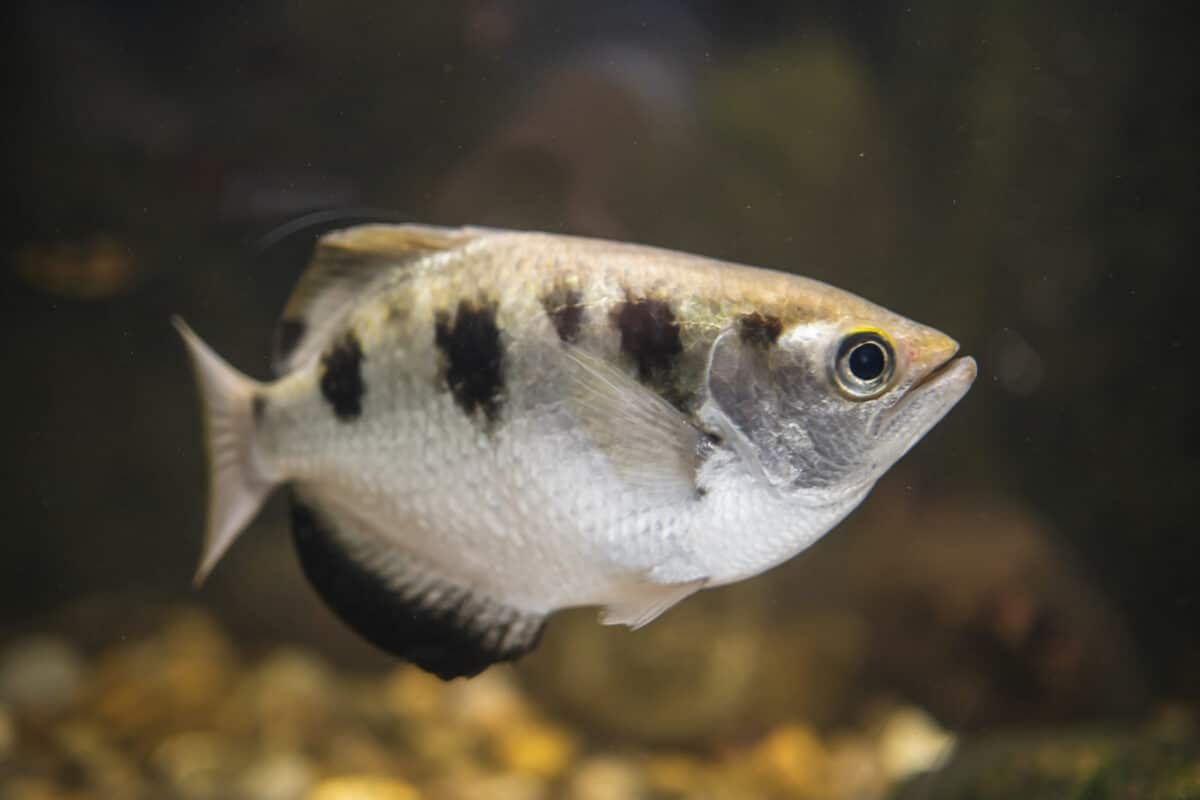
Archerfish represent one of the most specialized forms of mathematical cognition in the animal kingdom. These remarkable fish hunt by shooting down insects above the water’s surface with precisely aimed jets of water. This hunting technique requires solving complex physics problems that would challenge even human engineers. Archerfish must account for refraction (how light bends when passing from air to water, distorting the apparent position of the target), calculate projectile trajectories, and adjust for different distances and heights. Research at the University of Bayreuth in Germany has shown that archerfish can distinguish between different quantities, choosing targets associated with larger food rewards. Their problem-solving extends to learning from observation—naive archerfish can learn the precise shooting technique simply by watching experienced individuals without trial and error. What makes their abilities particularly remarkable is that they’re achieving these calculations with a brain lacking a neocortex, the brain region considered essential for advanced cognition in mammals. Instead, they’ve evolved specialized neural circuits that perform these complex calculations through entirely different mechanisms, representing a fascinating case of convergent evolution of mathematical ability.
The Remarkable World of Animal Mathematics
The cognitive abilities demonstrated by these fourteen species challenge our traditional understanding of animal intelligence and the evolutionary origins of mathematical thinking. From tiny bees with microscopic brains that understand zero to archerfish solving complex physics problems without a neocortex, nature has developed multiple pathways to numerical cognition. These diverse examples suggest that mathematical ability isn’t a uniquely human trait but rather a spectrum of capabilities that has evolved independently multiple times across distantly related species. As research techniques become more sophisticated and scientists become more open to the possibility of complex cognition in unexpected species, we’re likely to discover even more mathematical minds in the animal kingdom. This growing body of evidence not only enhances our understanding of animal cognition but also provides valuable insights into the fundamental nature of intelligence itself—revealing that the ability to count, solve problems, and strategize represents a fundamental advantage across the tree of life.

As a little kid, I fell in love with nature, wildlife, and animals. Living in the USA, South Africa, Italy, China and Germany gave me the opportunity to discover the world's Wildlife. My favorite animals are Mountain Gorillas, Siberian Tigers, and Great White Sharks.
I'm a certified PADI Open Water Diver, went to Everest Base Camp and Trekked Gorillas in Uganda. I hold a Master of Science in Economics and Finance.
Please send any feedback to feedback@animalsaroundtheglobe.com
- 10 Ways to Keep Deer Out of Your Garden - August 4, 2026
- 15 National Parks Where You are Likely to See Predators - August 4, 2026
- 13 Times the Ground Opened Without Warning - August 4, 2026