


The White House has been home to more than just presidents and their families throughout American history. For over two centuries, a remarkable assortment of animals has padded, trotted, flown, and swam through the halls of America’s most famous residence. From traditional companions like dogs and cats to exotic and unexpected creatures like alligators and tiger cubs, presidential pets have captured the public’s imagination and often softened the image of their powerful owners. These animals have provided comfort during national crises, starred in photo opportunities, and occasionally caused diplomatic incidents. Let’s explore the fascinating menagerie of creatures that have called 1600 Pennsylvania Avenue home, reflecting both the personalities of our commanders in chief and the changing relationship between Americans and their animal companions.
George Washington’s Revolutionary Hounds

While George Washington never actually lived in the White House (it wasn’t completed until 1800, after his presidency), his love for animals set a presidential precedent that continues today. Washington was an avid dog lover and kept numerous hunting hounds at Mount Vernon. His favorite dogs included Sweet Lips, Scentwell, Vulcan, and Drunkard. Washington is credited with developing the American Foxhound breed, crossing his French hounds (gifts from the Marquis de Lafayette) with his English Foxhounds. Beyond canines, Washington maintained an impressive collection of horses, including his famous war horse, Nelson. As the father of our country and an agriculture enthusiast, Washington’s animal husbandry established the tradition of presidential pet-keeping that would flourish once the White House was completed.
Thomas Jefferson’s Pet Mockingbird
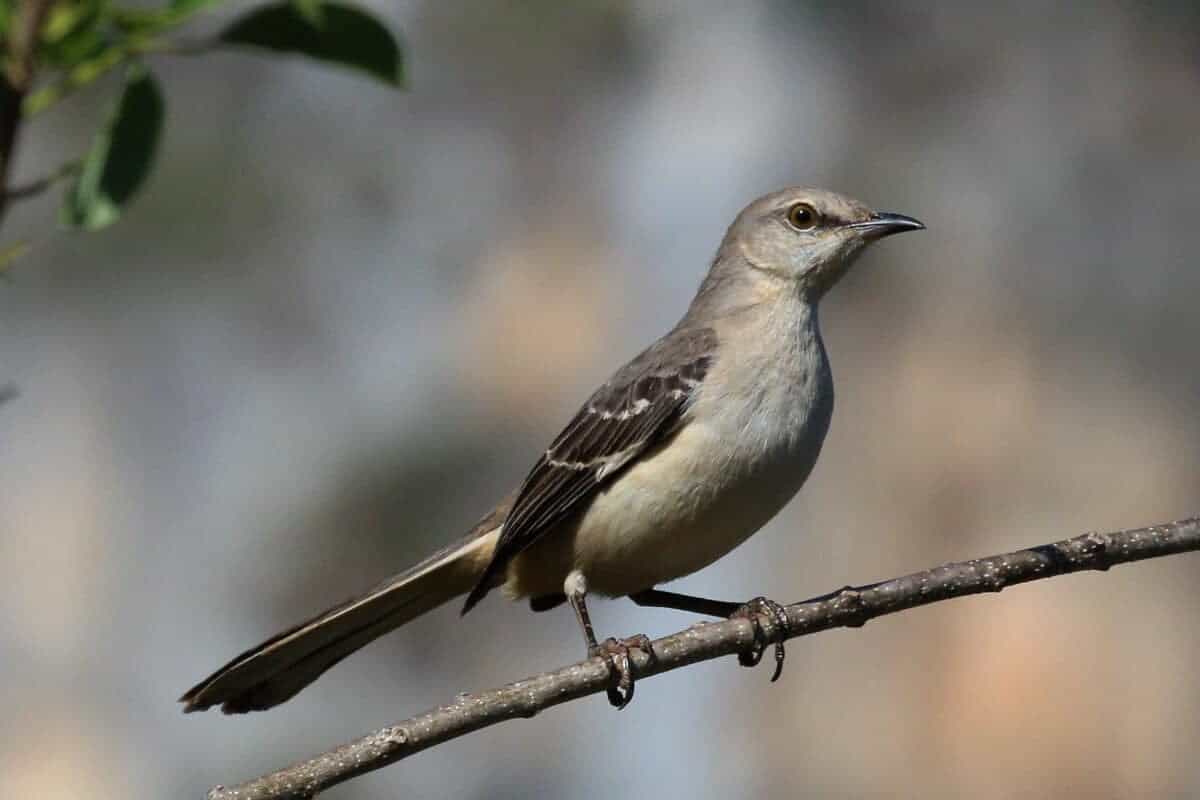
Thomas Jefferson, our third president, had a particular fondness for mockingbirds, especially his favorite named Dick. This feathered companion was given free range to fly throughout the White House and would often perch on Jefferson’s shoulder as he worked or played the violin. According to contemporary accounts, Dick was trained to take bits of food from between Jefferson’s lips and would come when called. The mockingbird accompanied Jefferson everywhere, from his office to the dinner table, making it perhaps the first true “indoor” White House pet. Beyond birds, Jefferson also kept a collection of more unusual animals, including grizzly bear cubs that were gifts from Lewis and Clark (though these were kept in cages on the White House lawn rather than inside). Jefferson’s affection for his mockingbird reflected his naturalist interests and provided a gentle counterbalance to his intellectual reputation.
John Quincy Adams’ Controversial Alligator

Perhaps one of the most surprising White House pets was the alligator that belonged to John Quincy Adams, our sixth president. The reptile was a gift from the Marquis de Lafayette during his famous tour of the United States in 1824-1825. Rather than declining the unusual present, Adams reportedly kept the alligator in the East Room bathroom and enjoyed showing it to startled visitors, perhaps as a test of their composure. While the alligator didn’t stay in the White House for long, its presence exemplifies the different attitudes toward exotic animals in the 19th century. Adams also maintained a silkworm collection overseen by his wife Louisa, demonstrating the couple’s wide-ranging interests. The story of the presidential alligator, though sometimes disputed by historians, has become an enduring part of White House pet folklore and a testament to the sometimes unconventional choices made by our early leaders.
Abraham Lincoln’s Menagerie

During the darkest days of the Civil War, Abraham Lincoln found solace in a remarkable collection of animals. His most famous pet was Jack, a mixed-breed dog nicknamed “Fido” (indeed, helping to popularize that name for dogs nationwide). Ironically, Fido never actually lived in the White House, as Lincoln left him with friends in Springfield when he moved to Washington, fearing the dog wouldn’t adapt well to city life. At the White House, however, Lincoln kept cats, including his son Tad’s cat Tabby, about whom Lincoln once remarked was “smarter than my entire cabinet.” The Lincoln White House also featured goats named Nanny and Nanko, who were known to race through the mansion with Tad Lincoln riding on their backs. During this period of immense national strife, Lincoln’s gentle treatment of animals revealed his compassionate nature. When the president caught his sons preparing to kill a turkey for fun, he intervened and persuaded them to spare the bird’s life, possibly creating the first unofficial presidential turkey “pardon.”
Theodore Roosevelt’s White House Zoo

No discussion of presidential pets would be complete without Theodore Roosevelt’s extraordinary menagerie, which effectively transformed the White House into a working zoo. Roosevelt’s six children enjoyed the company of a one-legged rooster, a badger named Josiah, a lion named Josephine, a hyena, a zebra, a barn owl, a rabbit named Peter, and numerous dogs, cats, horses, guinea pigs, snakes, and rats. Among the most memorable Roosevelt pets was a pony named Algonquin who once rode in the White House elevator to visit the president’s son Archie when he was ill. The Roosevelt family also kept a bear cub named Jonathan Edwards, a flying squirrel, kangaroo rats, and a raccoon. Their most notorious pet might have been Emily Spinach, a garter snake that belonged to Roosevelt’s daughter Alice and was named because it was “as green as spinach and as thin as my Aunt Emily.” This extraordinary collection reflected Roosevelt’s conservation interests and enthusiasm for wildlife, providing a living laboratory for his children and cementing his reputation as one of America’s most colorful presidents.
Calvin Coolidge’s Exotic Collection

Calvin Coolidge, despite his reputation for being taciturn and reserved, maintained one of the most exotic collections of White House pets in history. The Coolidge family menagerie included a hippopotamus named Billy, lion cubs named Tax Reducer and Budget Bureau, a wallaby, a pygmy hippo, a bear, and a duiker (a small African antelope). Many of these animals were diplomatic gifts that eventually found homes in the Washington Zoo. Among their more conventional pets were dogs, cats, birds, raccoons, and a white collie named Rob Roy who frequently appeared in official White House portraits with the president. Perhaps the most beloved Coolidge pet was Rebecca the raccoon, who was originally sent to the White House to be served for Thanksgiving dinner. The First Lady took a liking to the animal and decided to keep her as a pet instead. Rebecca was known to climb on furniture, attend White House events on a leash, and even had her own Christmas tree. The Coolidges’ unusual pets offered a glimpse of warmth and whimsy behind the president’s famously cool exterior.
FDR’s Beloved Fala

Few presidential pets have achieved the fame and political significance of Fala, Franklin D. Roosevelt’s Scottish Terrier. Given to the president in 1940, Fala quickly became Roosevelt’s constant companion during the challenging years of World War II. The little black dog attended crucial meetings, traveled on international diplomatic missions, and even had an honorary rank as an “army private.” Fala received so much mail from the public that he needed his own secretary. The dog’s fame reached such heights that he became the subject of a MGM movie and was immortalized alongside Roosevelt in his memorial in Washington, D.C.—the only presidential pet so honored. Fala also figured in one of Roosevelt’s most famous political speeches, known as the “Fala speech,” in which the president mockingly rebuked Republican critics who had falsely claimed that Roosevelt had sent a destroyer to retrieve the dog after accidentally leaving him behind on a trip to the Aleutian Islands. The speech, delivered with Roosevelt’s masterful timing, transformed Fala into a powerful political symbol and demonstrated how a presidential pet could be effectively used in public relations.
Kennedy’s Menagerie and Macaroni the Pony

The Kennedy White House, known for its youthful energy and “Camelot” atmosphere, was home to a diverse collection of animals that captivated the American public. The most famous was Caroline Kennedy’s pony, Macaroni, who frequently grazed on the White House lawn and became the subject of the hit song “Macaroni” by the TV show “Spin and Marty.” The Kennedy family also kept several dogs, including Charlie, a Welsh terrier; Pushinka, a gift from Soviet Premier Khrushchev (her name means “fluffy” in Russian); and the puppies that resulted from Pushinka’s relationship with the Kennedy’s Welsh terrier named Charlie: Butterfly, White Tips, Blackie, and Streaker. Beyond these traditional pets, the Kennedys kept hamsters, rabbits, parakeets, and even a canary that Caroline had won at a fair. John F. Kennedy, despite being allergic to animal dander, tolerated the extensive menagerie for the joy it brought his children. The Kennedy pets, particularly Macaroni, featured prominently in the family’s public image, reinforcing their relatability and adding to the mystique of youth and vitality that characterized this administration.
LBJ’s Controversial Dog Handling
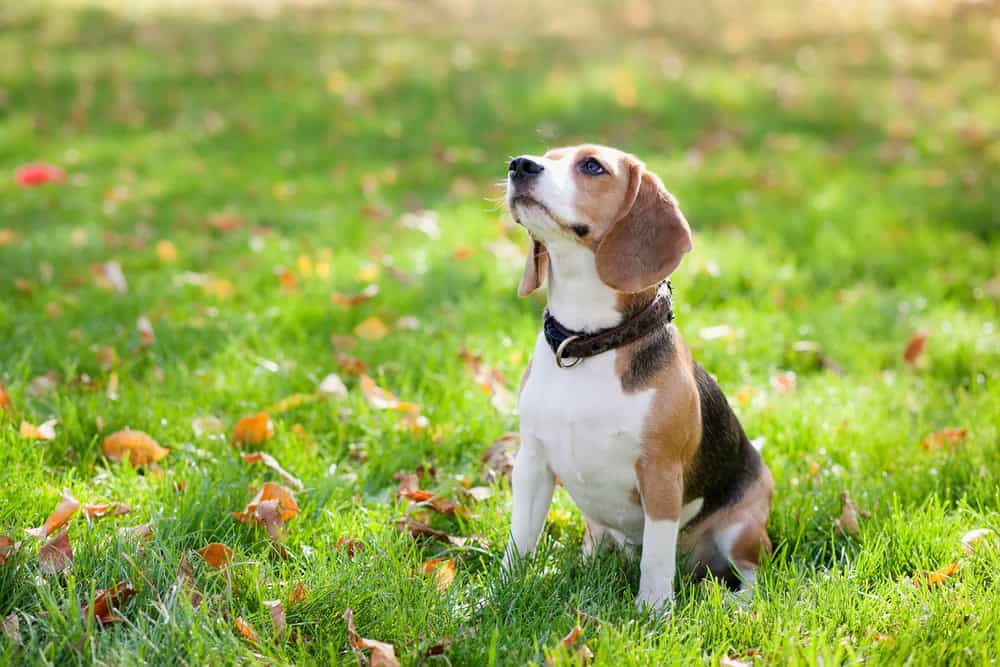
Lyndon B. Johnson’s relationship with his pets, particularly his beagles Him and Her, became unexpectedly controversial during his presidency. Johnson sparked public outrage in 1964 when he was photographed lifting one of his beagles by the ears, claiming it was good for them. The incident triggered protests from animal lovers nationwide and required damage control from the White House. Beyond the beagles, Johnson had a white collie named Blanco and a mixed-breed dog named Yuki, who was found by Johnson’s daughter Luci at a gas station in Texas. Yuki became one of Johnson’s favorites, often singing (or howling) duets with the president that were captured on White House recordings. LBJ’s ranch in Texas was home to many more animals, reflecting his rural background. The ear-lifting incident, while seemingly minor, demonstrated the growing scrutiny of presidential behavior in the television age and the American public’s increasing sensitivity to animal welfare issues.
Richard Nixon’s Campaign-Saving Checkers
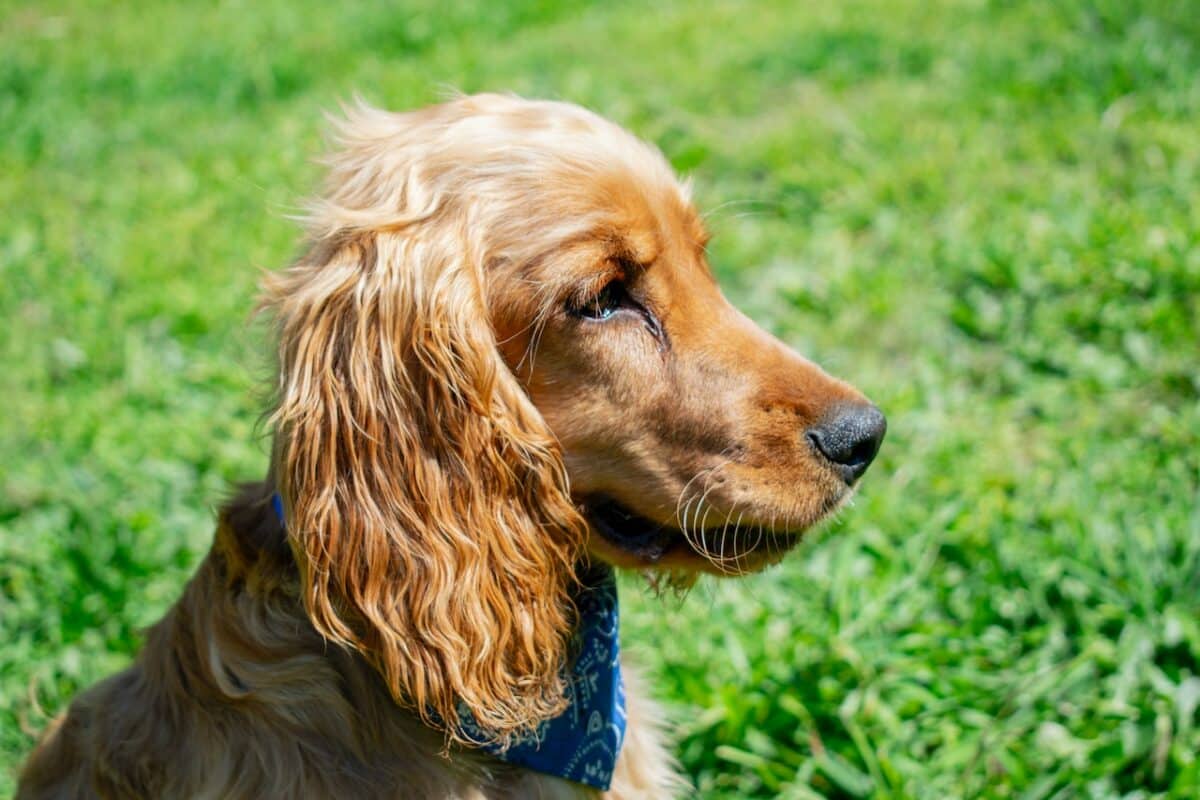
Though Checkers, Richard Nixon’s black-and-white cocker spaniel, never actually lived in the White House, this dog played such a pivotal role in presidential history that it deserves mention. In 1952, when Nixon was Eisenhower’s running mate, he faced allegations of improper campaign funding. In a televised address that became known as the “Checkers Speech,” Nixon defended himself and mentioned that regardless of what happened politically, his daughters would keep the dog that had been given to them as a gift. This emotional appeal helped save Nixon’s political career at a critical moment. During his actual presidency years later, Nixon kept a poodle named Vicky and an Irish setter named King Timahoe in the White House. Nixon’s use of Checkers in his famous speech demonstrated the powerful emotional connection Americans have with pets and set a precedent for how pets could be leveraged in political messaging. The speech was so effective that “Checkers speech” became political shorthand for an emotional appeal designed to divert attention from scandal.
Clinton’s Cat Socks and the Buddy Rivalry

The Clinton White House featured one of the most famous feline-canine rivalries in presidential pet history. Socks, a black and white cat, was already a member of the Clinton family when they moved into the White House in 1993. The photogenic feline quickly became a media sensation, appearing on magazine covers, featuring in a book, and even having his own fan club. Socks often roamed the White House press room and had his own page on the official White House website—a first for a presidential pet. The comfortable dynamic changed in 1997 when the Clintons added Buddy, a chocolate Labrador retriever, to the family. According to Hillary Clinton, Socks “despised Buddy from first sight, instantly and forever.” The animals had to be kept separated, with Socks primarily living with President Clinton’s secretary Betty Currie. When the Clintons left the White House, Socks went to live permanently with Currie, while Buddy remained with the family. The very public rivalry between these pets resonated with many American households dealing with similar pet integration challenges and humanized the First Family during their time in office.
Obama’s Portuguese Water Dogs and Pet Politics

When Barack Obama promised his daughters a dog upon winning the 2008 election, it became one of the most anticipated pet arrivals in White House history. The choice of Bo, a Portuguese Water Dog, was subject to intense public interest, partly because the Obamas wanted a hypoallergenic breed due to daughter Malia’s allergies. Bo was a gift from Senator Ted Kennedy and was later joined by a female Portuguese Water Dog named Sunny in 2013. The Obama dogs were regular stars in White House holiday decorations, greeting visitors, and participating in the Easter Egg Roll. They also demonstrated the increasingly sophisticated role of presidential pets in public outreach, featuring in videos promoting initiatives like the White House garden and healthy eating. The extensive media coverage of Bo and Sunny’s arrival and life in the White House illustrated how presidential pets had evolved into policy messaging tools while still fulfilling their traditional role as humanizing symbols of the First Family. The dogs’ regular appearances in official White House photos and videos helped craft the image of the Obamas as a relatable American family.
The remarkable parade of animals through the White House over the centuries offers more than just charming anecdotes—it provides a unique lens through which to view the evolution of American culture, politics, and our relationship with animals. From the functional working animals of the early presidents to the exotic menageries of the Progressive Era to the media-savvy pets of the television and internet ages, these animals reflect changing American attitudes and values. The shift from exotic collections to more traditional companion animals mirrors broader societal changes in animal welfare consciousness. Meanwhile, the increasing prominence of presidential pets in public communications demonstrates their evolving role as powerful symbols in political messaging. White House pets have comforted presidents during national crises, entertained their children during unusual childhoods, and provided Americans with relatable glimpses of their leaders as ordinary people with the same affection for animals shared by millions of households. As long as presidents continue to occupy the White House, we can expect that animals will continue to leave their paw prints, hoof marks, and occasionally slither tracks through the halls of America’s most famous residence.

- Chocolate and Wildlife: How Cocoa Farming Affects Rainforest Animals - July 21, 2026
- How Koalas Survive on a Diet of Toxic (To Humans) Eucalyptus Leaves - July 21, 2026
- Where to Catch a Glimpse of River Otters in the Wild - July 21, 2026