

When it comes to alligator populations, there’s one place that stands head and shoulders—or perhaps teeth and tails—above the rest. The Everglades National Park and the broader South Florida wetlands ecosystem comprise the largest concentration of American alligators (Alligator mississippiensis) on Earth. This vast, subtropical wilderness stretches across 1.5 million acres of wetlands, creating the perfect habitat for these ancient reptiles to thrive in remarkable numbers. From the tangled mangrove forests to the expansive river of grass, these wetlands have become synonymous with alligator conservation success and represent one of nature’s most impressive ecological balancing acts. Let’s dive into what makes this region so special and why it has become the undisputed alligator capital of the world.
The Geographic Marvel of the Everglades

The Florida Everglades represents a unique ecosystem found nowhere else on the planet. Often described as a “river of grass,” this massive wetland system slowly flows from Lake Okeechobee southward across a limestone shelf to Florida Bay. Unlike conventional rivers with defined banks, the Everglades consists of a broad, shallow sheet of water moving through sawgrass marshes, cypress swamps, mangrove forests, and hardwood hammocks. This distinctive geography creates a mosaic of habitats that support an estimated population of more than 200,000 alligators. The combination of warm subtropical climate, abundant rainfall, and diverse aquatic environments provides ideal conditions for alligators to reach some of their highest natural densities recorded anywhere in their range.
A Historical Perspective on Alligator Populations
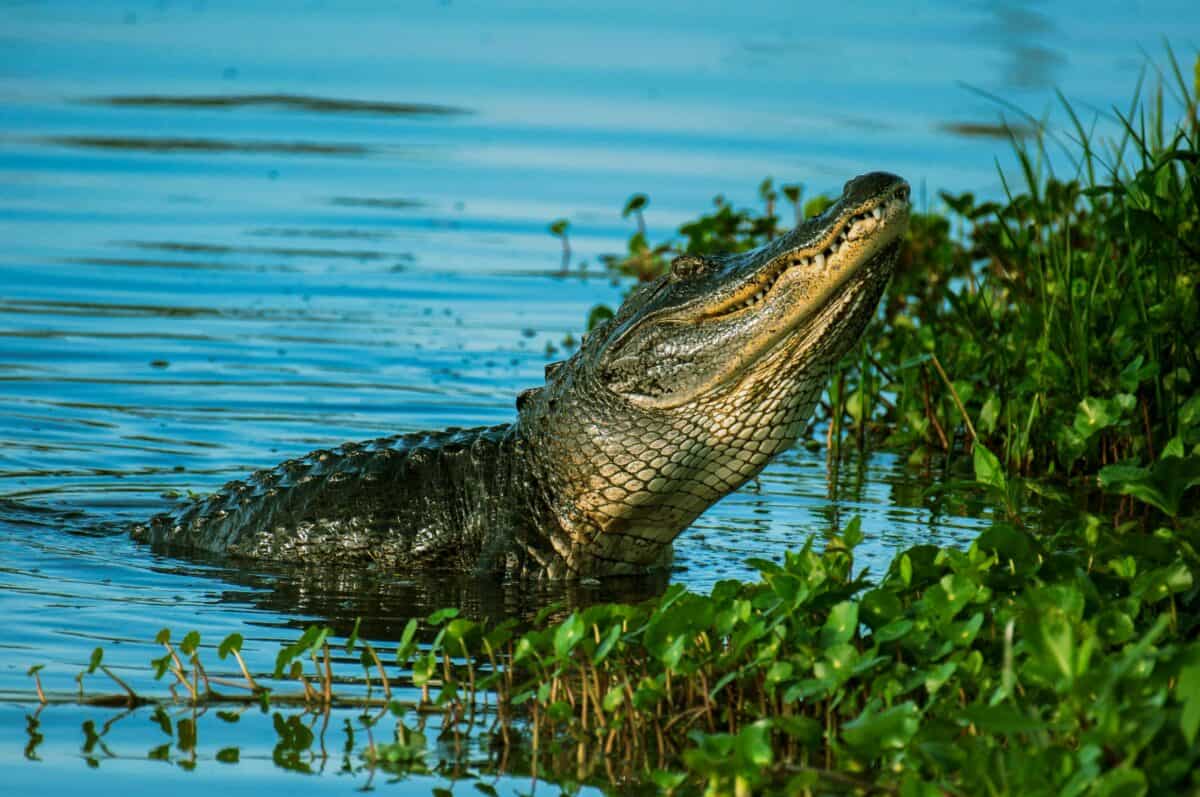
Alligators have inhabited the region that would become the Everglades for millions of years, evolving alongside the changing landscape. By the mid-20th century, however, alligator populations had declined dramatically due to unregulated hunting and habitat destruction. In 1967, the American alligator was listed as an endangered species, sparking conservation efforts that would become one of wildlife management’s greatest success stories. Strict protection measures, combined with the preservation of the Everglades through national park designation in 1947, allowed alligator numbers to rebound spectacularly. Today, the density of alligators in parts of the Everglades can exceed 20 individuals per square mile—numbers that would have seemed impossible during their population low point in the 1960s.
The Perfect Alligator Habitat

What makes the Everglades such prime real estate for alligators? The answer lies in its unique combination of environmental factors. The shallow, warm waters provide ideal thermal conditions for these cold-blooded reptiles. Abundant prey species—including fish, turtles, birds, and small mammals—ensure a steady food supply. The complex network of water channels offers ample territory for territorial males, while isolated pools provide nursery areas for females and their young. Perhaps most importantly, the seasonal fluctuations in water levels create a natural rhythm that aligns perfectly with alligator breeding cycles. During dry seasons, alligators dig “gator holes” that retain water and concentrate prey, serving as crucial survival mechanisms for many species in the ecosystem.
Alligator Alley: America’s Most Aptly Named Highway

Cutting across the northern Everglades is a stretch of Interstate 75 nicknamed “Alligator Alley”—a name that couldn’t be more fitting. This 80-mile corridor between Naples and Fort Lauderdale passes through the heart of alligator country, offering travelers glimpses of these prehistoric creatures sunning themselves along canal banks. Originally constructed in the 1960s, the highway now includes wildlife underpasses and fencing to reduce animal-vehicle collisions. For wildlife enthusiasts, stopping at designated observation areas along Alligator Alley provides some of the most reliable alligator viewing opportunities in the country. During winter dry seasons, it’s not uncommon to spot dozens of alligators within a single hour of observation, demonstrating the extraordinary density of these reptiles in the surrounding wetlands.
The Alligator’s Ecological Role as a Keystone Species
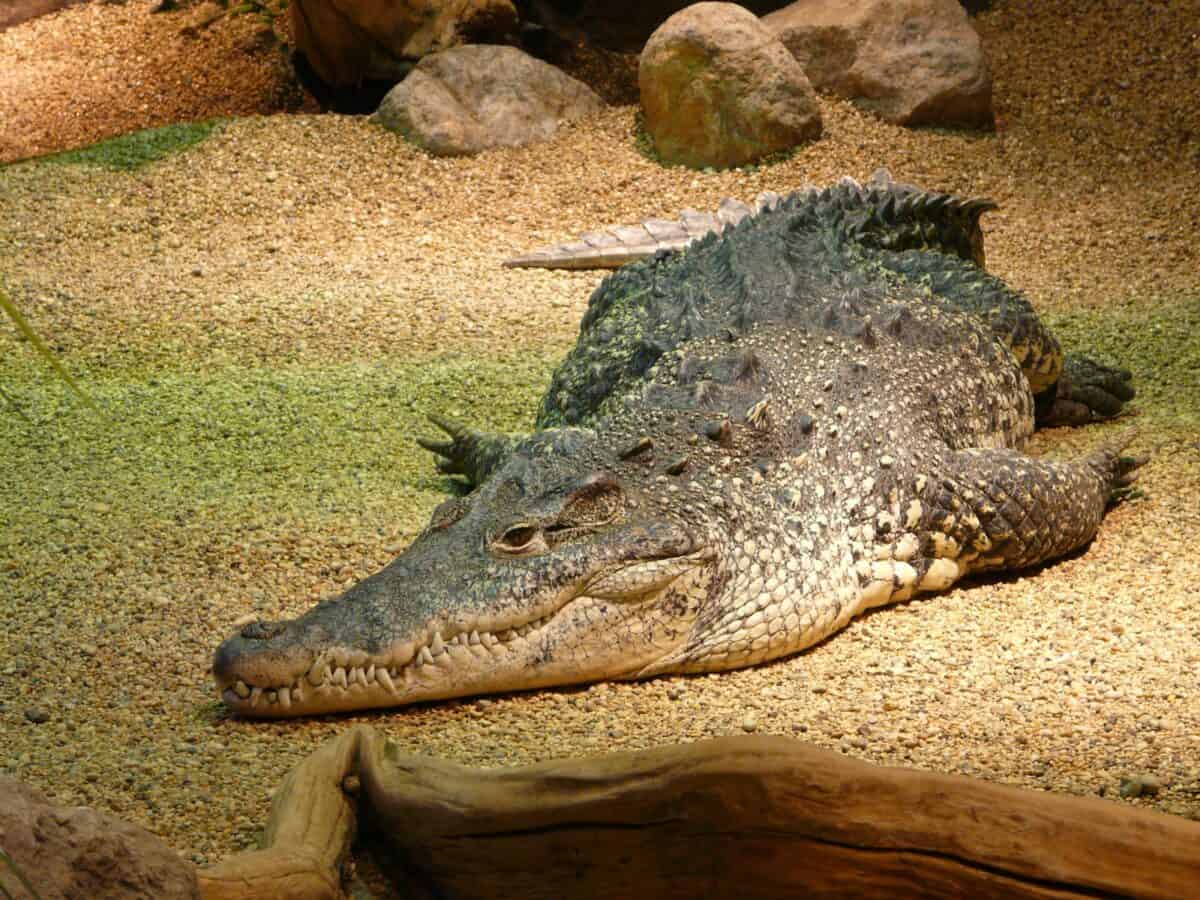
Within the Everglades ecosystem, alligators perform vital ecological functions that earn them the designation of a “keystone species”—an organism whose impact on its environment is disproportionately large relative to its abundance. The aforementioned “alligator holes” created during dry seasons become essential refuges for aquatic life when water levels drop. These depressions can be the difference between life and death for countless fish, turtles, and invertebrates. Alligator nesting activities also create elevated areas in the marsh that provide habitat for many plant species that couldn’t otherwise survive in the flooded environment. By maintaining the structure and function of the wetlands through these activities, alligators essentially act as ecosystem engineers, shaping the Everglades in ways that benefit countless other species.
Record-Breaking Sizes in the Everglades Population

The abundant resources and optimal conditions of the Everglades allow alligators to reach impressive sizes. While the average adult male measures around 11 feet in length, the Everglades has produced numerous specimens exceeding 14 feet. The largest verified alligator from the region measured an astonishing 17 feet 5 inches, though such giants are increasingly rare due to hunting of larger individuals. The subtropical climate permits year-round growth, unlike in the northern parts of their range where winter dormancy periods limit size potential. Food abundance also plays a crucial role, with the protein-rich diet available in the Everglades supporting rapid growth rates. These factors combine to make the Everglades the place where alligators can reach their maximum genetic potential for size.
Research and Monitoring Programs

Scientific interest in the Everglades alligator population has led to some of the most comprehensive reptile monitoring programs in the world. Researchers from the University of Florida, the Florida Fish and Wildlife Conservation Commission, and the National Park Service conduct regular population surveys using night-time spotlight counts, aerial surveys, and capture-mark-recapture studies. These efforts have generated decades of data on population trends, growth rates, reproductive success, and movement patterns. One fascinating research finding revealed that Everglades alligators grow more slowly than their counterparts in northern Florida despite the warmer climate—likely due to the lower nutrient levels in the oligotrophic (nutrient-poor) Everglades waters. This long-term monitoring has become essential for understanding not just alligator biology but also broader ecosystem health.
Threats to the Alligator Paradise
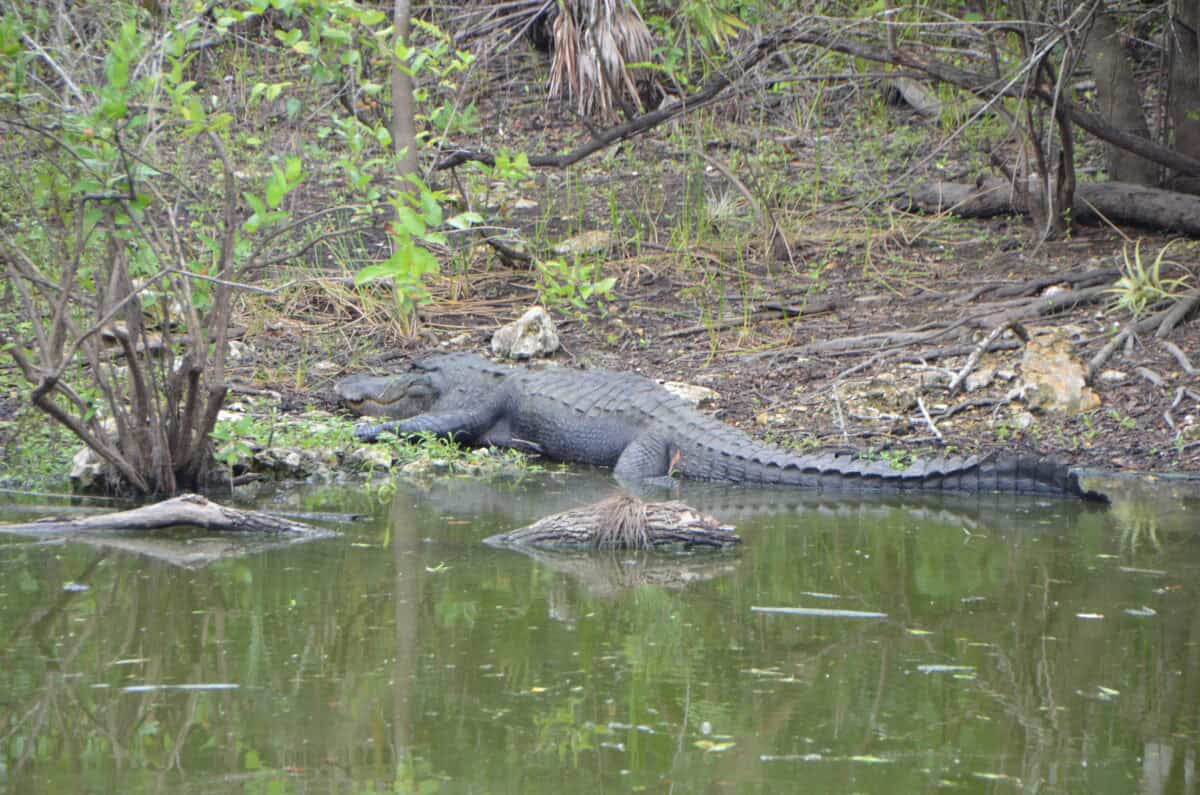
Despite their current abundance, alligators in the Everglades face significant challenges. Water management decisions affecting the timing, distribution, and quality of water flowing through the system can impact alligator nesting success and food availability. Invasive species, particularly Burmese pythons, have emerged as competitors for prey and even occasional predators of juvenile alligators. Climate change presents perhaps the most serious long-term threat, with sea-level rise pushing saltwater into freshwater areas, potentially rendering large portions of the current habitat unsuitable for alligators. Pollution from agricultural runoff, including phosphorus and nitrogen, alters water chemistry and can affect reproductive success. These compounding pressures make ongoing conservation efforts critical to maintaining the Everglades’ status as the world’s alligator capital.
Alligator Tourism: An Economic Engine

The extraordinary concentration of alligators in the Everglades has created a thriving ecotourism industry. Airboat tours, guided walks, and visitor centers throughout the region attract millions of visitors annually, generating substantial economic benefits for local communities. The iconic status of alligators has made them ambassadors for Everglades conservation, helping to build public support for restoration efforts. Tour operators, recognizing the value of a healthy ecosystem to their business model, have increasingly become advocates for environmental protection. Estimates suggest that alligator-related tourism contributes over $100 million annually to South Florida’s economy, demonstrating how conservation success can translate into economic prosperity. This economic incentive provides a powerful argument for continued investment in Everglades restoration and protection.
Cultural Significance and Human Coexistence
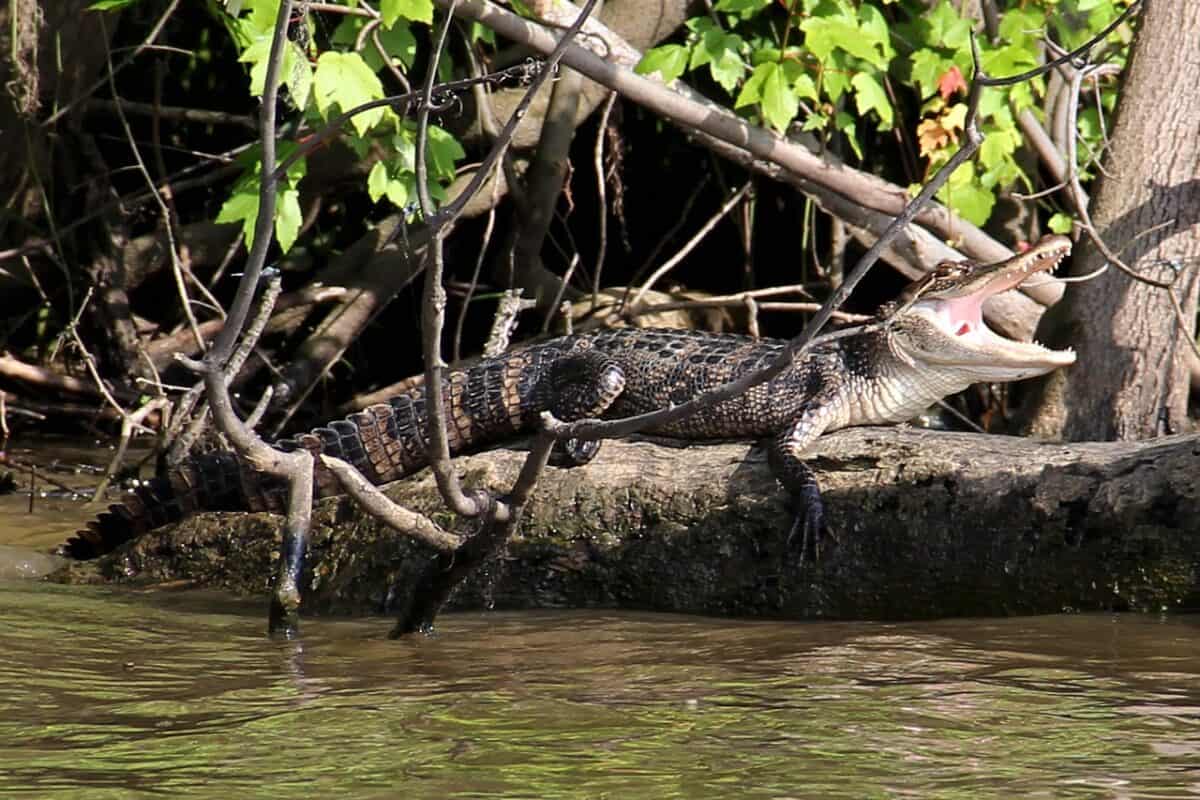
The alligator holds deep cultural significance in Florida, particularly for indigenous communities like the Seminole and Miccosukee tribes who have coexisted with these reptiles for centuries. Traditional knowledge about alligator behavior has been passed down through generations, informing sustainable hunting practices and cultural ceremonies. For modern Florida residents, living alongside the world’s densest alligator population requires education and awareness. Public safety campaigns emphasize keeping pets leashed near water, avoiding swimming in alligator habitat, and never feeding wild alligators. Despite occasional conflicts, the remarkable success of human-alligator coexistence in South Florida demonstrates that even apex predators can thrive alongside dense human populations when proper management and education are prioritized.
Comparing Global Crocodilian Hotspots

While the Everglades hosts the world’s highest concentration of American alligators, it’s worth comparing this to other global crocodilian hotspots. The Pantanal wetlands of Brazil support large populations of caiman, with densities approaching those of Everglades alligators in some areas. Australia’s Northern Territory harbors impressive saltwater crocodile populations, though these generally exist at lower densities than alligators due to their more territorial nature. The Okavango Delta in Botswana supports significant Nile crocodile populations, while parts of India and Southeast Asia maintain some of the last strongholds for critically endangered gharials and Siamese crocodiles. What distinguishes the Everglades is not just the sheer number of alligators but their proximity to major urban areas—nowhere else on Earth do so many large predatory reptiles live so close to millions of human residents.
The Future of Alligators in the Everglades

Looking ahead, the future of the world’s largest alligator population depends largely on the success of the Comprehensive Everglades Restoration Plan (CERP)—a multi-decade, $10.5 billion effort to restore natural water flows to the ecosystem. Models suggest that successful restoration could increase alligator carrying capacity in some areas by as much as 30%, potentially pushing population densities to unprecedented levels. Conversely, failure to address water quality and quantity issues could lead to population declines. Adaptive management approaches, informed by ongoing monitoring, will be essential to maintaining optimal conditions. With continued conservation commitment, there’s every reason to believe that the Everglades will remain the global epicenter of alligator abundance, providing a powerful example of how humans can restore and maintain populations of even the most intimidating wildlife when conservation values are prioritized.
Conclusion: A Testament to Conservation Success
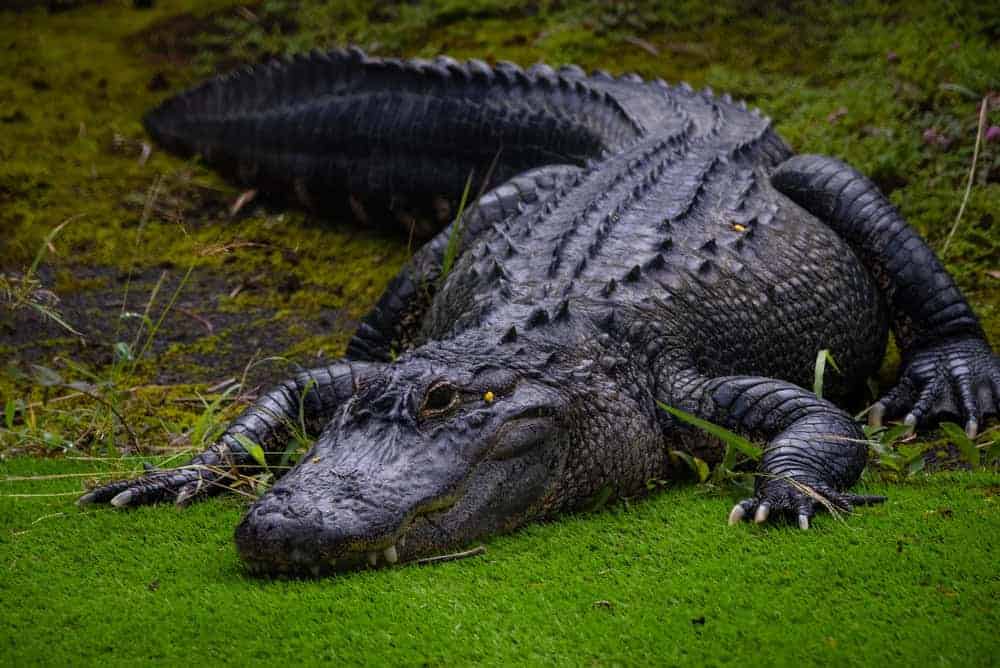
The extraordinary concentration of alligators in the Everglades stands as one of conservation’s most impressive success stories. From the brink of extinction in the mid-20th century to today’s thriving population of over 200,000 individuals, the American alligator exemplifies how dedicated protection efforts can reverse even severe wildlife declines. The Everglades’ status as the world’s alligator capital represents more than just an interesting biological fact—it symbolizes the resilience of nature when given the chance to recover. As we face growing environmental challenges globally, the alligator-filled waterways of South Florida remind us that conservation investments yield remarkable returns, both ecologically and economically. The prehistoric gaze of countless alligators across the river of grass serves as a living link to Earth’s ancient past and, with continued stewardship, a promise for the future.

- The Secret Language of Dolphins Decoded by Researchers - July 20, 2026
- 7 Animals That Can Survive Extreme Environments You Couldn’t - July 20, 2026
- The Longest Snake Ever Found in the U.S. - July 20, 2026