


Have you ever caught your pet in a moment that made you wonder if they’re actually smiling? It’s a heartwarming thought: animals, just like us, may feel genuine happiness. Recent research and everyday observations are making it harder to ignore the idea that many creatures experience joy in ways we never expected. From the gleeful leaps of dolphins to the cozy purrs of cats, the signs are everywhere—if you know how to spot them. Let’s explore the extraordinary clues that reveal just how much joy animals can feel.
14 Playful behaviors

Play is a universal language of joy among animals. Whether it’s a puppy chasing its tail, a dolphin riding waves, or a crow sliding down a snowy rooftop, playfulness bursts with happiness. Animals often engage in play even when it serves no clear survival purpose, suggesting it’s simply fun for them. Watching young goats leap and butt heads or elephants splash in muddy puddles is a clear sign of their sheer delight. These antics often include exaggerated movements, silly noises, and repeated actions just for the thrill. Even adults of many species play, showing that joy isn’t reserved for the young. Play is not just practice for life—it’s proof of pleasure in the moment.
13 Wagging tails and happy dances

Think of a dog’s whole body wiggling with excitement when you come home, or a cat quivering its tail when it greets you. These expressive movements are more than just communication—they’re physical signs of joy. Horses prance, rabbits binky (jump and twist mid-air), and even birds hop with enthusiasm when they’re happy. Some wild animals, like foxes, wag their tails during play or after a successful hunt. It’s as if their happiness can’t be contained, spilling over into their bodies. This energetic movement is contagious and a clear signal of a positive emotional state.
12 Vocal expressions of happiness

Animals often use sounds to express contentment or excitement. Dogs bark joyfully, cats may chirp, and birds sing intricate songs during moments of pleasure. Dolphins produce a series of clicks and whistles that researchers believe are linked to positive feelings. Even rodents have been shown to emit high-pitched giggles when tickled by humans. These vocalizations are not just functional—they’re a way for animals to share their happiness with others. The variety of happy noises is as vast as the animal kingdom itself, each with its unique tone of joy.
11 Social bonding and affection

Joy is often shared, and animals are no exception. Many species engage in behaviors like grooming, nuzzling, or snuggling to connect with one another. Chimps hug, elephants entwine trunks, and dolphins rub each other’s backs. These gestures go beyond necessity, often occurring in moments of calm or after a playful episode. Such affectionate interactions reinforce bonds and build a sense of community. Seeing animals seek each other out for comfort or closeness is a touching reminder that joy grows when it’s shared.
10 Celebratory leaps and jumps

Some animals literally leap for joy. Goats, lambs, and calves are famous for their exuberant jumps when released into open fields. Dolphins leap high into the air, flipping and spinning in what appears to be pure excitement. Kangaroos have been spotted hopping playfully with no destination in mind. These spontaneous movements aren’t about escaping predators or catching food—they’re bursts of happiness made visible. Even fish have been seen jumping out of water repeatedly, possibly just for the thrill. Such leaps are nature’s way of showing that happiness can’t always be hidden.
9 Sharing food and gifts

Surprisingly, some animals share food or objects as an act of joy. Ravens are known to bring shiny gifts to their companions, and dolphins will pass seaweed back and forth in a playful exchange. Bonobos often share treats with friends, especially when they’re in high spirits. These behaviors go beyond survival instincts—they suggest a desire to spread happiness. The joy of giving and receiving, seen in both pets and wild animals, mirrors the pleasure humans feel when sharing something special.
8 Relaxed postures and contented faces

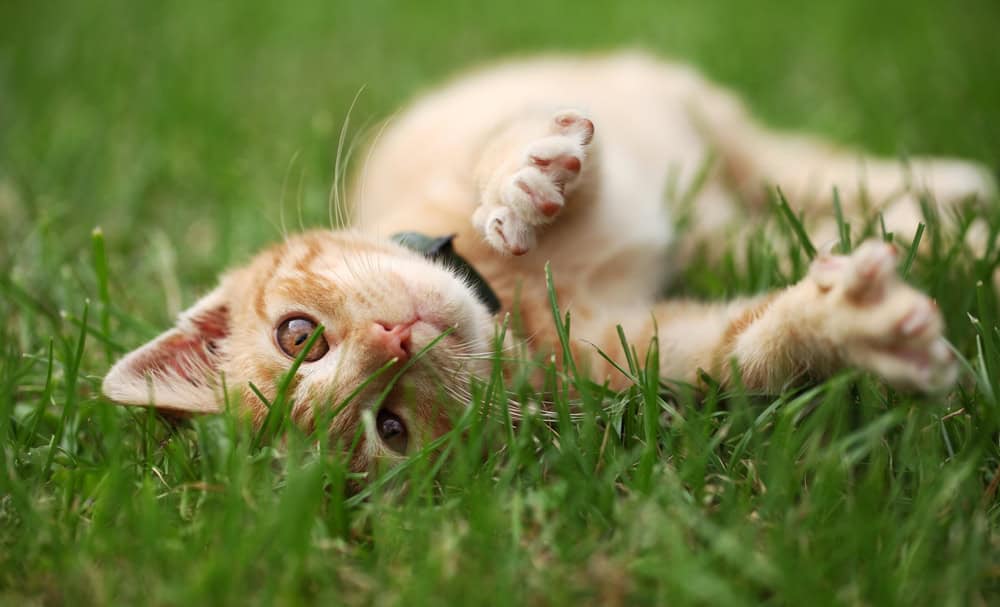
A relaxed animal is often a happy one. Cats stretch out and purr, dogs flop over for belly rubs, and cows lounge in sunny pastures with half-closed eyes. Horses rest their heads on each other’s backs, and rabbits sprawl out on their sides with their legs extended. These peaceful poses show a deep sense of well-being and trust in their environment. Just like humans, animals have a “resting happy face,” signaling that all is well. When animals look truly comfortable, it’s a strong sign they’re experiencing joy.
7 Enthusiastic greetings

Few things are more uplifting than an animal’s enthusiastic greeting. Dogs may race to the door, cats rub against your legs, and parrots bob their heads or spread their wings when they see you. Even wild animals, like dolphins or elephants, show extra excitement when reuniting with family or friends. These greetings are loud, energetic, and unmistakable—they show how much animals value social connections. The thrill of seeing a loved one again is a universal expression of happiness.
6 Curious exploration

Curiosity often goes hand in hand with joy. Animals that feel safe and happy are more likely to explore their surroundings with interest. Otters investigate floating objects, parrots pry open new toys, and pigs sniff their way through fresh straw. When animals are curious, they approach life with a playful, adventurous spirit. This joyful exploration is a sign that they’re not just surviving—they’re thriving. It’s a reminder that happiness often comes from discovering something new.
5 Play fighting and mock battles

Mock fighting is a classic sign of joy among young and even adult animals. Lion cubs wrestle, puppies play-bite, and bear cubs tumble in mock battles that never result in real harm. These playful skirmishes help build strength and coordination, but they’re also clearly fun. The exaggerated moves, rapid chases, and sudden stops show excitement and pleasure. Play fighting is a safe way for animals to test their skills while enjoying the company of others—proof that joy can be found even in a tussle.
4 Synchronized group activities

Many animals find joy in moving together. Starlings create mesmerizing murmurations, schools of fish swirl in perfect harmony, and wolves howl as a pack. These synchronized activities are not just about safety—they’re also about connection and exhilaration. Dolphins surf waves side by side, and horses gallop together in open fields. The collective energy of a group, all moving as one, can create a shared sense of joy that’s palpable even to human observers.
3 Expressive faces and “smiles”

Some animals show joy through their facial expressions. Dogs may pant with open mouths that look like smiles, and chimpanzees pull back their lips in a way that mimics human grins. Horses can raise their lips and show their teeth in what appears to be a happy gesture. Even rats have been observed with relaxed, contented faces when they’re enjoying themselves. These expressions may not be identical to human smiles, but they reveal emotion all the same. It’s a visual cue that happiness is more than skin deep.
2 Joyful noises and laughter

Believe it or not, some animals can laugh. Studies have found that rats giggle when tickled, and chimpanzees and gorillas emit breathy panting sounds during play that closely resemble laughter. Dolphins produce playful squeals, and parrots sometimes mimic laughter after hearing humans do the same. These joyful noises are contagious, often encouraging others to join in the fun. Laughter, it seems, isn’t just a human trait—it’s a sound of happiness that echoes across the animal kingdom.
1 Acts of kindness and empathy

Perhaps the most touching sign of animal joy is the kindness they show to others. Elephants have been observed comforting distressed herd members, dogs bring their favorite toys to sick friends, and dolphins support injured companions at the surface so they can breathe. These moments of empathy often come with gentle touches, soft vocalizations, or shared quiet. The happiness animals feel when helping or connecting with another is unmistakable. It’s a reminder that joy is often found in giving, not just receiving.
Conclusion
From playful leaps to joyful laughter, animals show us time and again that they are capable of experiencing happiness in ways that are both familiar and surprising. The next time you see an animal at play, sharing affection, or simply basking in the sun, consider the possibility that joy is a part of their world, too. What animal moment of joy has warmed your heart the most?

As a little kid, I fell in love with nature, wildlife, and animals. Living in the USA, South Africa, Italy, China and Germany gave me the opportunity to discover the world's Wildlife. My favorite animals are Mountain Gorillas, Siberian Tigers, and Great White Sharks.
I'm a certified PADI Open Water Diver, went to Everest Base Camp and Trekked Gorillas in Uganda. I hold a Master of Science in Economics and Finance.
Please send any feedback to feedback@animalsaroundtheglobe.com
- The Struggle to Protect Mountain Gorillas in the Wild - August 6, 2026
- Why Costa Rica Is the Best Place to Spot Sloths Hanging Out - August 5, 2026
- Top 10 Animals and Wildlife in England - August 5, 2026