

America’s national bird, the majestic bald eagle, was once teetering on the brink of extinction. After decades of conservation efforts, these iconic raptors have made a remarkable comeback. But their recovery has taken an unexpected turn—bald eagles are increasingly choosing to build their massive nests in urban and suburban environments rather than the remote wilderness locations we typically associate with them. From Chicago’s bustling suburbs to neighborhoods in Pittsburgh and even near major airports, bald eagles are adapting to human landscapes in ways that have surprised both ornithologists and city dwellers alike. This urban nesting phenomenon represents not just a conservation success story but also raises fascinating questions about wildlife adaptation in the Anthropocene era. Let’s explore why bald eagles are embracing city life more than ever before.
The Historical Decline and Recovery of Bald Eagles

To understand the significance of urban eagle nesting, we must first acknowledge their troubled history. In the mid-20th century, bald eagle populations plummeted primarily due to the widespread use of DDT, a pesticide that weakened eggshells and devastated reproduction rates. By 1963, only 417 nesting pairs remained in the lower 48 states. Their listing under the Endangered Species Act in 1973, coupled with the ban on DDT and intensive conservation efforts, created the conditions for one of wildlife conservation’s greatest success stories. Today, with over 71,400 nesting pairs nationwide according to the U.S. Fish and Wildlife Service’s 2020 data, bald eagles have exceeded recovery goals by more than 800%. This remarkable population rebound has naturally led eagles to expand into previously unoccupied territories, including our cities.
Surprising Urban Adaptability
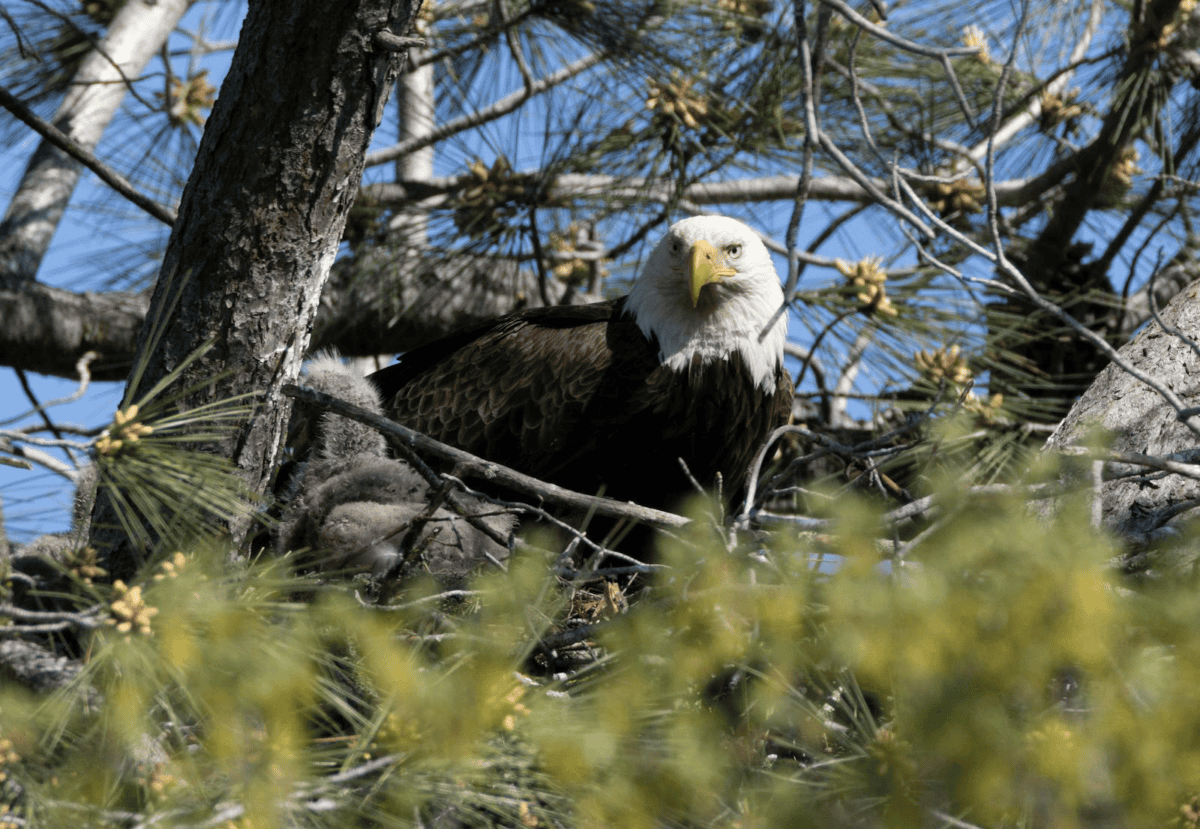
Bald eagles were long considered sensitive to human disturbance, requiring secluded nesting sites away from human activity. Yet recent research has revealed their remarkable adaptability. Studies by the Cornell Lab of Ornithology show that bald eagles can acclimate to consistent, predictable human presence in ways previously thought impossible. Eagles nesting in urban environments have demonstrated higher tolerance thresholds for noise, traffic, and human activity compared to their rural counterparts. This behavioral plasticity—the ability to adjust behavior based on environmental conditions—has enabled them to thrive in landscapes dominated by humans. Eagles in cities have been documented building nests near highways, in municipal parks, and even in cell phone towers, demonstrating an impressive capacity to adapt their nesting preferences in response to urbanization.
Abundant Food Sources in Urban Areas

Urban and suburban environments offer bald eagles something irresistible: reliable, year-round food sources. Cities near water bodies provide access to fish, their preferred prey, while also offering alternative food options like waterfowl, small mammals, and occasionally, roadkill. Research from the Journal of Raptor Research indicates that urban eagles often enjoy more stable food supplies throughout the year compared to their wilderness counterparts. Urban waterways may host introduced fish species or have artificially maintained fish populations, creating dependable hunting grounds. Additionally, many cities have improved water quality in recent decades through environmental regulations, resulting in healthier fish populations. The combination of natural prey, human food waste, and managed wildlife areas creates a nutritional landscape that increasingly attracts these opportunistic raptors.
Shortage of Traditional Nesting Territories

As bald eagle populations have rebounded dramatically, competition for prime nesting territories in traditional wilderness areas has intensified. Eagles are territorial birds that typically require 1-2 square miles of habitat per nesting pair. With more eagles competing for limited prime wilderness real estate, some pairs are being pushed into previously overlooked urban and suburban landscapes. A 2021 study published in Ecological Applications documented territorial conflicts between eagle pairs increasing in proportion to population density, with younger breeding pairs more likely to establish nests in novel environments, including urban settings. This territorial pressure serves as a significant push factor driving eagles into cities. Urban areas, once considered unsuitable, now represent the next frontier for expansion as eagles seek out territories with lower competition from established pairs.
Tall Urban Structures as Nesting Sites

Cities offer something bald eagles naturally seek: elevated nesting locations with commanding views of surrounding terrain. Urban landscapes are filled with tall structures that mimic the large, mature trees eagles prefer in the wild. Cell towers, electrical pylons, unused industrial structures, and even stadium light poles provide stable platforms for their massive nests, which can weigh up to a ton and measure 5-6 feet in diameter. These artificial structures often offer greater stability than natural trees, potentially reducing nest failures during storms. Eagles nesting on human-made structures in Philadelphia, Pittsburgh, and Washington D.C. have built nests that have successfully supported multiple generations of eaglets. The Eagles in Pittsburgh program has documented nests on bridges and power structures that have been continuously occupied for over a decade, demonstrating how these urban fixtures have become permanent homes for eagle families.
Protected Status and Public Awareness

Even after being delisted from the Endangered Species Act in 2007, bald eagles remain protected under the Bald and Golden Eagle Protection Act and the Migratory Bird Treaty Act. These legal protections mean that once eagles establish a nest—even in an urban setting—they’re entitled to significant protection from disturbance. Cities and developers must often implement buffer zones and modify activities around active nests. Additionally, the charismatic appeal of eagles has created broad public support for their protection. Urban residents typically demonstrate exceptional tolerance for the inconveniences sometimes associated with eagle neighbors, from temporary access restrictions to construction delays. Local conservation organizations have capitalized on this enthusiasm by installing eagle cams on urban nests, further increasing public investment in these urban wildlife success stories and creating constituencies advocating for eagle-friendly urban planning.
Climate Change Implications

Climate change is altering traditional eagle habitats in ways that may be accelerating their move to cities. Research published in the Journal of Wildlife Management indicates that changing weather patterns are affecting prey availability and nesting success in some wilderness areas. Meanwhile, the urban heat island effect—where cities maintain higher temperatures than surrounding rural areas—can create extended breeding seasons and reduce winter stress for urban eagles. In northern regions, urban areas with open water maintained by human activity (like power plant discharge or water treatment facilities) provide ice-free fishing opportunities throughout winter months. A study from the University of Wisconsin documented eagles shifting their winter territories to include urban areas with reliable open water. As climate change continues to disrupt natural systems, the relative stability of modified urban environments may become increasingly attractive to bald eagles adapting to a changing world.
Reduced Persecution in Modern Society

Historical records show that bald eagles were once heavily persecuted, with bounties placed on them in many states as late as the 1940s. Farmers and ranchers considered them threats to livestock, while fishermen viewed them as competition. Today, public attitudes have dramatically shifted. Eagles are now celebrated as national symbols and magnificent wildlife spectacles rather than perceived as pests. This cultural shift means eagles face much less direct human hostility than in previous generations. Modern wildlife management practices have also helped educate the public about eagles’ ecological role. The birds’ willingness to nest in cities suggests they may recognize, on some level, that humans no longer represent the threat they once did. This reduced persecution creates a psychological landscape where eagles can thrive in proximity to humans—a stark contrast to the centuries of conflict that previously defined the relationship between eagles and people.
Successful Urban Nesting Case Studies

Across America, urban eagle nesting success stories have captured public imagination and provided valuable data for researchers. In Washington D.C., a pair has nested at the National Arboretum since 2014, raising multiple generations of eaglets within sight of the Capitol building. The Eagles360 project in Pittsburgh has documented five active nesting pairs within city limits, with nesting success rates comparable to or exceeding rural averages. In Minneapolis-St. Paul, the Urban Raptor Resource Project tracks over 40 active bald eagle territories in the metropolitan area. Philadelphia’s urban eagles made headlines when they established the first city nest in over 200 years. These urban pioneers demonstrate not just tolerance for human activity but genuine success, with data showing that urban pairs often produce as many or more fledglings as their rural counterparts. The success of these urban eagles provides compelling evidence that cities can serve as viable eagle habitat when certain key requirements are met.
Conservation Management Challenges
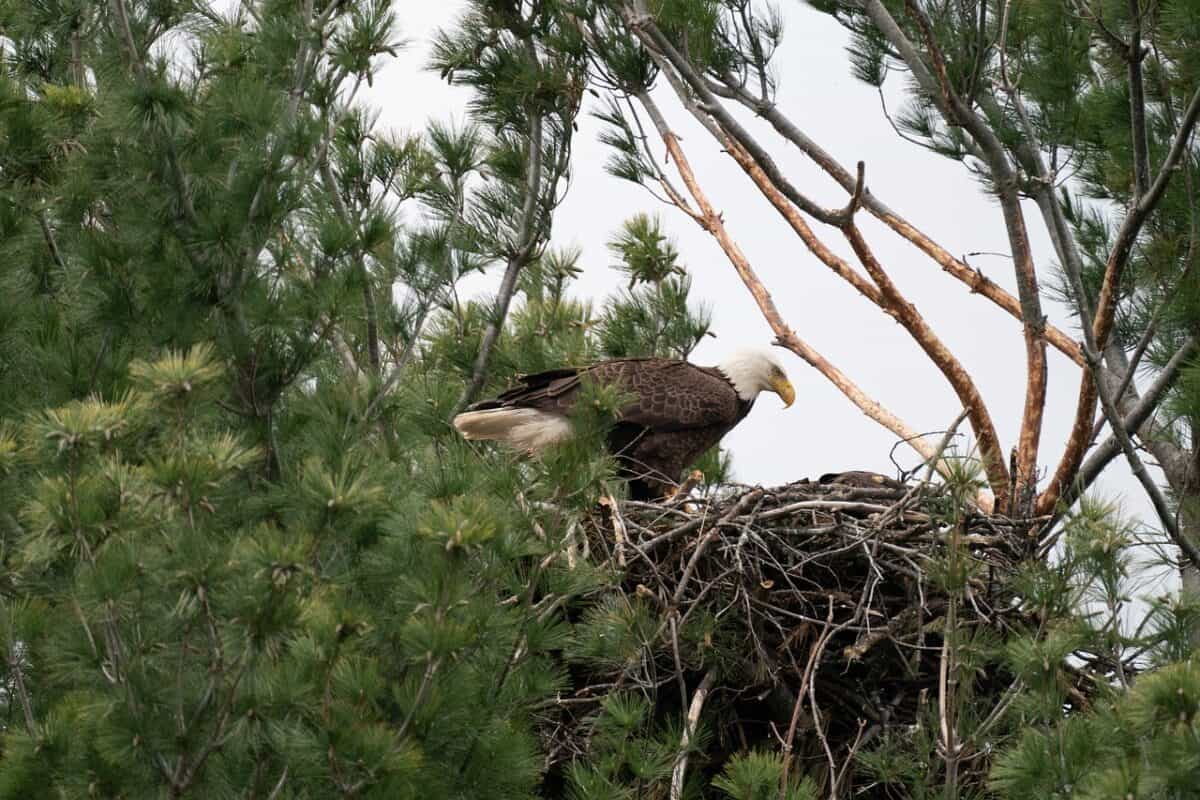
The increasing urban eagle population presents novel conservation management challenges. Wildlife officials must now develop protocols for situations previously considered unlikely: eagles nesting near airports (creating potential collision risks with aircraft), on active construction sites, or in recreational areas. Urban eagles occasionally create public safety concerns when nests are built on unstable structures or when defensive parents dive at perceived threats during nesting season. Additionally, urban eagles face unique threats including vehicle collisions, power line electrocutions, and higher exposure to rodenticides through secondary poisoning. Conservation managers are developing new approaches tailored to urban eagle management, including modified buffer zone requirements that account for eagles’ higher tolerance for consistent human activity. The success of these management strategies will significantly influence how well eagles continue to integrate into human-dominated landscapes.
Future Research Directions

The phenomenon of urban eagle nesting opens exciting new research avenues. Scientists are investigating whether urban eagles are developing genetically distinct traits from their rural counterparts, potentially including behavioral adaptations to human environments. Researchers are using GPS tracking to understand how urban eagles utilize city landscapes, their foraging patterns, and their exposure to environmental contaminants. Comparative studies examining breeding success, nestling development, and adult longevity between urban and rural populations provide crucial data about the long-term viability of urban eagle populations. Citizen science projects are increasingly important for monitoring urban eagle populations, with platforms like eBird and local eagle watches generating valuable data sets tracking urban nesting trends. This research will help inform future conservation strategies and potentially aid in understanding how other wildlife species might adapt to increasingly urbanized landscapes.
Educational and Cultural Impact

Urban eagles have become powerful environmental ambassadors, creating meaningful connections between city dwellers and wildlife. School curricula have incorporated urban eagle studies to teach principles of conservation, adaptation, and resilience. Eagle webcams broadcasting from urban nests draw millions of viewers annually, creating emotional investment in wildlife conservation among diverse audiences. Several cities have developed eagle-focused ecotourism, with dedicated viewing areas and educational programming that stimulates local economies while promoting conservation awareness. Indigenous communities with cultural connections to eagles have engaged in educational outreach about eagles’ cultural significance. The visibility of these apex predators in urban environments serves as a tangible reminder of successful conservation efforts and the possibility of coexistence between humans and wildlife, potentially increasing public support for broader conservation initiatives addressing less charismatic species.
Conclusion: A New Chapter in Eagle Conservation

The increasing presence of bald eagles in urban environments represents a remarkable new chapter in their conservation story. From the brink of extinction to thriving in our cities, these adaptable raptors have defied expectations and demonstrated that wildlife recovery can take unexpected forms in the 21st century. Their urban success challenges traditional conservation paradigms that separate human spaces from wildlife habitat and suggests that with appropriate protection and management, even large predators can coexist with humans in shared landscapes. As climate change and habitat loss continue to pressure wildlife worldwide, the bald eagle’s urban adaptation may offer valuable insights for conservation strategies that embrace novel ecosystems. While urban environments will never replace the need for protected wilderness, the eagle’s city success story reminds us that conservation in the Anthropocene requires flexible thinking about where and how wildlife can thrive alongside humanity.

- The Story of the Arctic Fox’s Incredible Seasonal Transformation - July 18, 2026
- 10 Most Venomous Snakes in US National Parks - July 18, 2026
- The Moth That Drinks Blood - July 18, 2026