
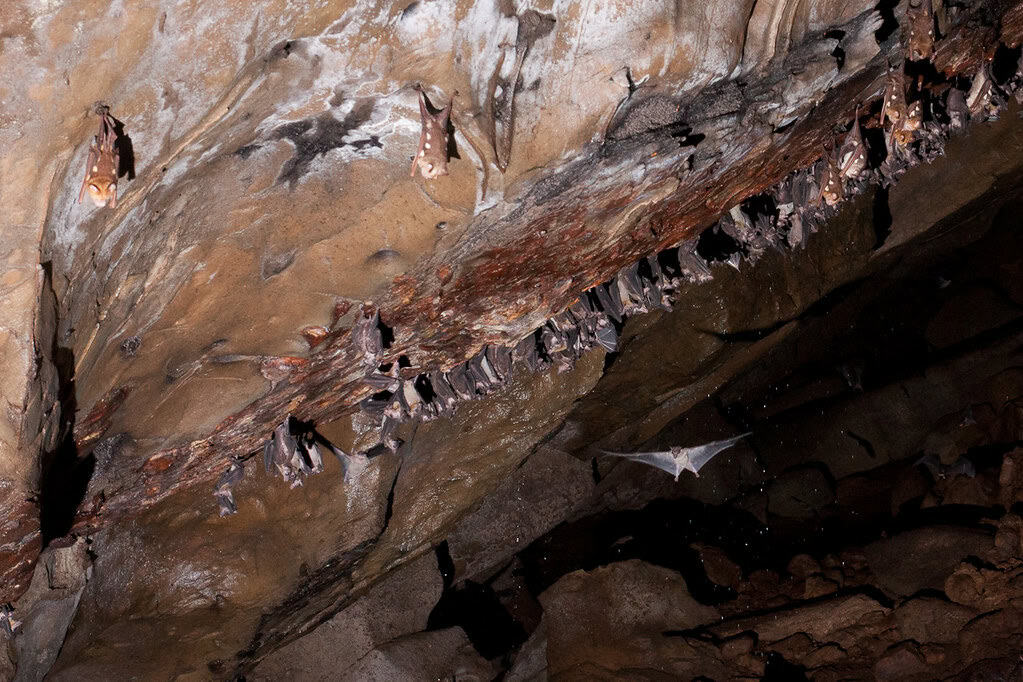
In the darkest recesses of our planet, hidden from human eyes and protected by natural barriers, endangered bat species have found their last refuges. These secluded caves represent crucial sanctuaries where threatened chiropterans continue to survive despite the numerous challenges they face in the modern world. From white-nose syndrome to habitat destruction, bats worldwide have experienced dramatic population declines, making these secret caves even more vital for their conservation. This article explores these hidden realms, the remarkable bat species that inhabit them, and the ongoing efforts to protect these misunderstood yet ecologically vital creatures that literally thrive in the darkness.
The Critical Importance of Cave Ecosystems for Bat Conservation

Caves represent one of the most critical habitat types for numerous bat species worldwide. These natural limestone formations, lava tubes, and other underground systems provide the specific microclimate conditions many bats require for hibernation, roosting, and reproduction. Approximately one-third of all bat species use caves for at least part of their life cycle, with some species being obligate cave-dwellers that cannot survive elsewhere. The stable temperature and humidity levels within caves create perfect conditions for these sensitive mammals, particularly during winter hibernation periods when disturbance can prove fatal.
What makes certain caves particularly valuable for endangered bat conservation is their isolation from human disturbance. Many of the most important bat caves remain undisclosed to the public or are physically difficult to access, protecting colonies from both intentional and accidental disruption. These secret sanctuaries often harbor the last substantial populations of critically endangered species, acting as genetic reservoirs that may ultimately prevent extinction. Conservation biologists have identified several “hot spot” cave systems globally that are disproportionately important for maintaining bat biodiversity.
White-Nose Syndrome: The Devastating Fungal Threat

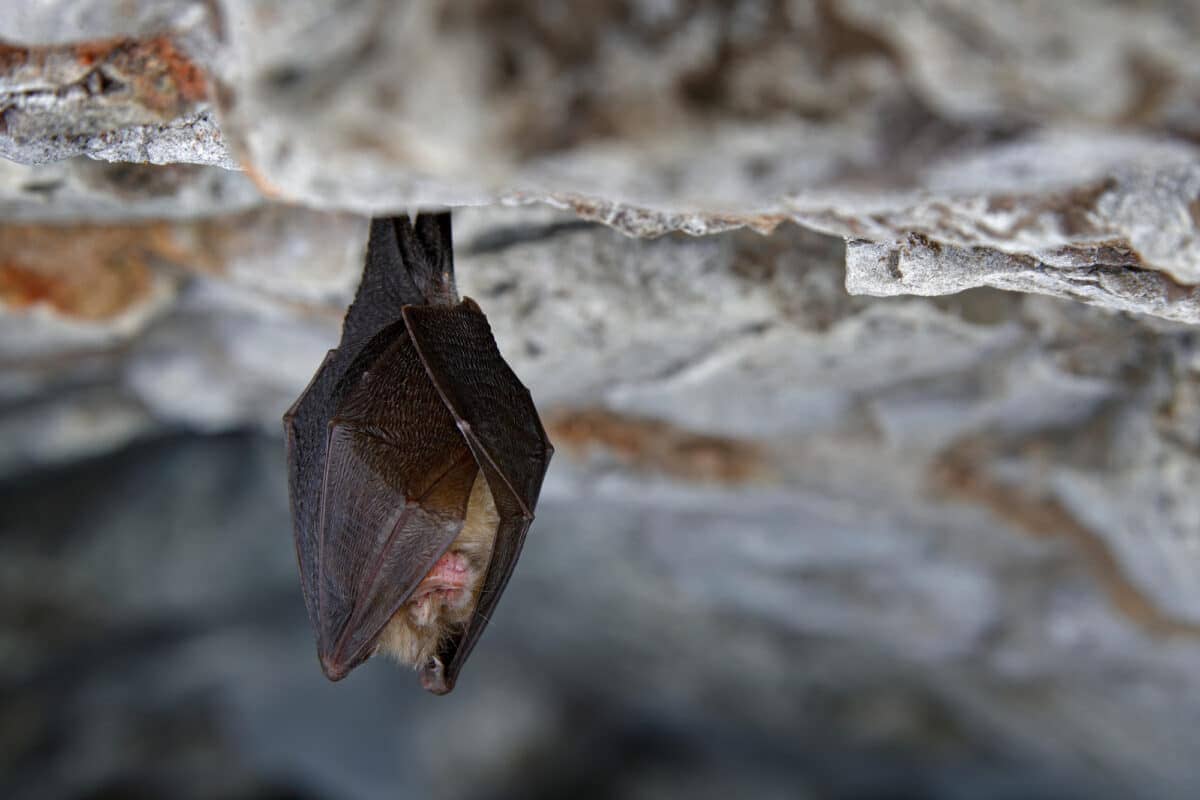
The discovery of white-nose syndrome (WNS) in 2006 fundamentally changed bat conservation priorities, particularly regarding cave management. This deadly fungal disease, caused by Pseudogymnoascus destructans, has killed millions of bats across North America, with mortality rates reaching 90-100% in some hibernating colonies. The fungus infects the skin of bats during hibernation, disrupting their normal torpor patterns and causing them to deplete critical fat reserves before spring. Since its discovery in a New York cave, WNS has spread to 38 states and 7 Canadian provinces, devastating once-common species like the little brown bat (Myotis lucifugus).
Surprisingly, certain isolated cave systems have remained WNS-free despite the widespread nature of the disease. Scientists believe these unaffected caves may possess unique microclimatic conditions, beneficial microbial communities, or physical isolation that prevents fungal introduction. These WNS-free caves have become especially valuable sanctuaries for vulnerable bat populations, serving as potential source populations for future recovery efforts. Research into the characteristics of these resistant cave systems may provide crucial insights for developing effective management strategies against this devastating disease.
Bracken Cave: Home to the World’s Largest Bat Colony
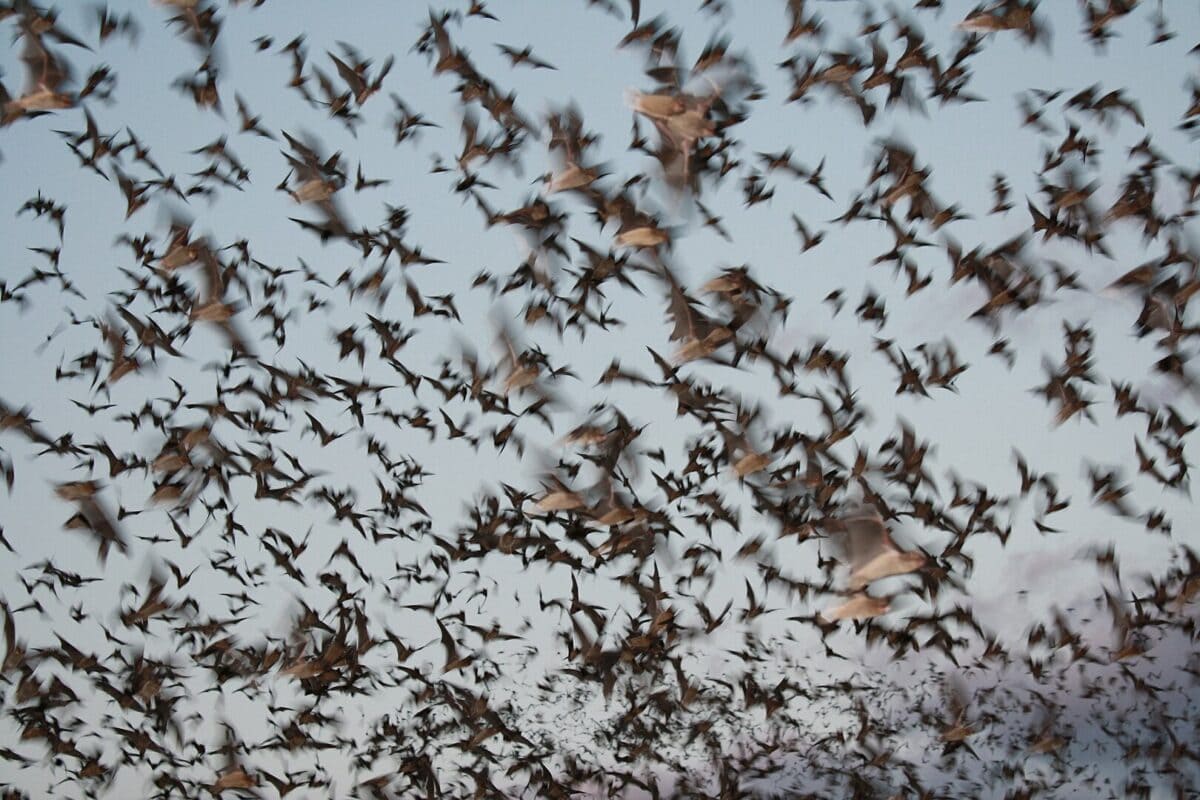
Located in southern Texas, Bracken Cave houses the largest known bat colony in the world, with an estimated 15-20 million Mexican free-tailed bats (Tadarida brasiliensis) congregating there each summer. This extraordinary concentration of mammals creates one of nature’s most spectacular wildlife displays as the bats emerge each evening in massive spiraling columns that can be detected on weather radar. The colony consumes approximately 140 tons of insects nightly, providing invaluable ecosystem services to surrounding agricultural areas through natural pest control.
What makes Bracken Cave particularly remarkable is that it has been successfully protected despite significant development pressures. In 2014, conservation organizations including Bat Conservation International (BCI) completed a hard-fought campaign to purchase surrounding land that was slated for residential development. This victory ensured a buffer zone around the cave entrance, protecting flight paths and reducing disturbance risks. Today, Bracken Cave represents one of conservation’s great success stories—a critical habitat preserved through coordinated action, demonstrating how even the largest and most well-known bat caves can be safeguarded with sufficient public support and resources.
Gomantong Caves: Malaysia’s Biodiversity Treasure Trove

Deep in the rainforests of Borneo, Malaysia’s Gomantong Caves system represents one of Southeast Asia’s most biologically significant bat habitats. These massive limestone caverns support approximately twelve bat species, including large colonies of the wrinkle-lipped free-tailed bat (Chaerephon plicatus). What makes Gomantong particularly unique is the intricate ecological relationships that have evolved within this subterranean ecosystem, where bats coexist with millions of swiftlets—birds that build the nests used in the famous bird’s nest soup industry.
The cave floor at Gomantong supports its own remarkable ecosystem, with towering mounds of guano (bat and bird droppings) sustaining a complex food web of cockroaches, centipedes, and other invertebrates. This nutrient-rich material eventually washes into surrounding forest ecosystems, fertilizing vegetation and supporting wildlife far beyond the cave’s entrance. While Gomantong faces challenges from nest harvesting activities and tourism, its remote location and protected status within a forest reserve have helped maintain healthy bat populations. Conservation efforts focus on sustainable management practices that balance human economic needs with protecting the cave’s extraordinary biodiversity.
Mammoth Cave National Park: An Underground Wilderness
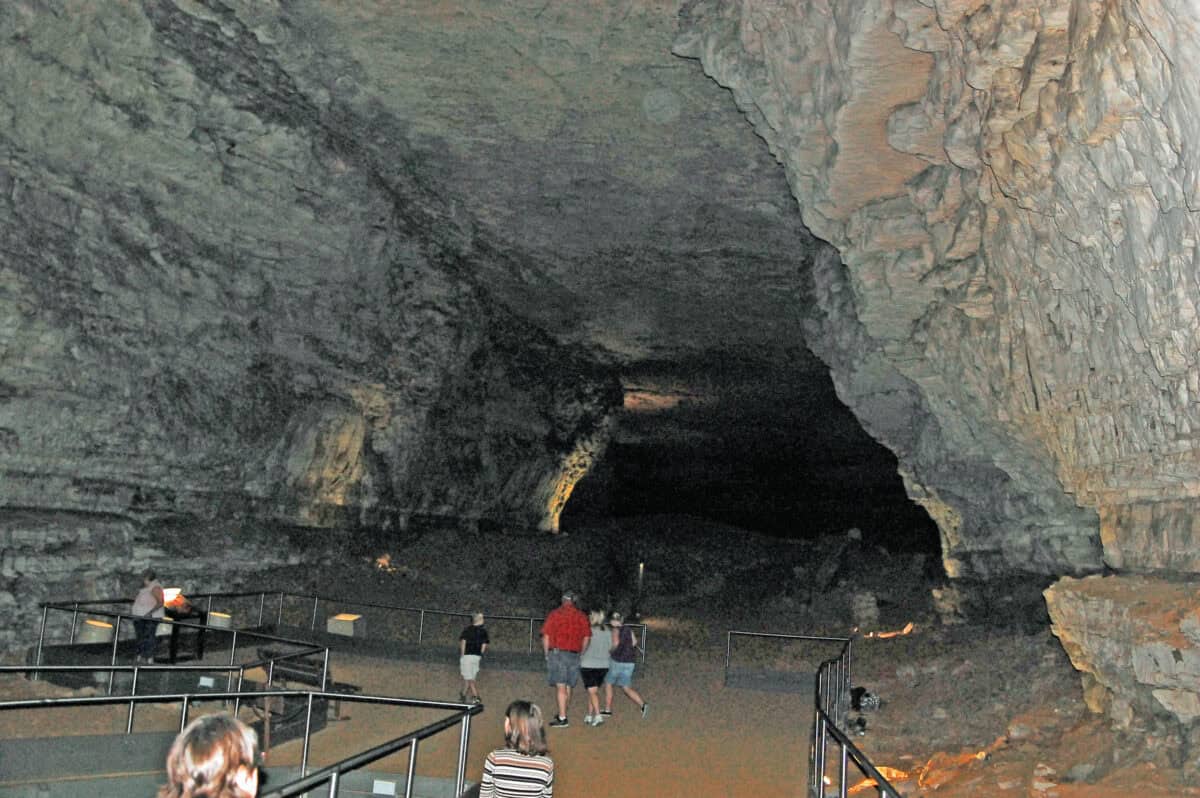
With over 400 miles of surveyed passages, Kentucky’s Mammoth Cave system is the world’s longest known cave and provides critical habitat for several endangered bat species. Historically, Mammoth Cave supported enormous colonies, including millions of now-endangered Indiana bats (Myotis sodalis) and gray bats (Myotis grisescens). While these populations have declined significantly due to human disturbance and disease, the cave’s protected status as a National Park and UNESCO World Heritage Site has ensured continued conservation focus.
Park managers have implemented innovative protection strategies, including specially designed cave gates that allow bats to pass freely while preventing unauthorized human entry. In response to white-nose syndrome, portions of the cave system are periodically closed to tourism, and strict decontamination protocols help prevent disease spread. Behind-the-scenes monitoring program tracks bat populations throughout the extensive system, with certain remote passages kept completely off-limits to protect sensitive colonies. Though facing continued challenges, Mammoth Cave demonstrates how even heavily visited cave systems can maintain their function as wildlife habitat through careful management and science-based conservation practices.
The Secret Caves of Bonaire: Caribbean Bat Sanctuaries

The small Caribbean island of Bonaire harbors a surprising number of cave systems that provide crucial habitat for several bat species, including the rare Bonairean long-nosed bat (Leptonycteris curasoae). These caves, formed through ancient coral reef limestone erosion, create a network of underground chambers with specific microclimates suited to different bat species’ needs. What makes Bonaire’s caves particularly valuable is their isolation on an island with relatively limited human development and their role in supporting arid ecosystem function through pollination services.
Conservation authorities on Bonaire have taken the unusual step of keeping many bat cave locations deliberately undisclosed, with access restricted to researchers and conservation personnel. This secretive approach has proven effective at minimizing disturbance while raising awareness about the importance of bats to the island’s ecology. Local conservation organizations conduct regular monitoring expeditions, documenting population trends while respecting the sensitivity of these underground habitats. The Bonaire model demonstrates how strategic information management—essentially keeping certain caves “secret”—can form an important component of effective bat conservation.
Undiscovered Caves in Papua New Guinea’s Wilderness
Among the world’s last great wilderness areas, Papua New Guinea harbors some of the least explored cave systems on the planet—many still undocumented by science. These remote limestone formations, hidden beneath dense rainforest canopies, likely support numerous bat species, including potentially undiscovered ones. The few scientific expeditions that have ventured into these systems have documented extraordinary biodiversity, with some caves supporting up to 15 different bat species coexisting in intricate spatial arrangements that minimize competition.
What makes Papua New Guinea’s caves particularly significant is their pristine state, with many having experienced minimal human disturbance throughout their existence. This isolation has allowed natural bat behaviors and population dynamics to continue uninterrupted, providing rare glimpses into how cave ecosystems functioned before widespread human impacts. Conservation priorities in the region focus on surveying and documenting these systems while working with indigenous communities who often serve as traditional stewards of cave resources. As development pressures increase, identifying and protecting these untouched bat havens becomes increasingly urgent.
Advanced Technology in Monitoring Secret Bat Caves
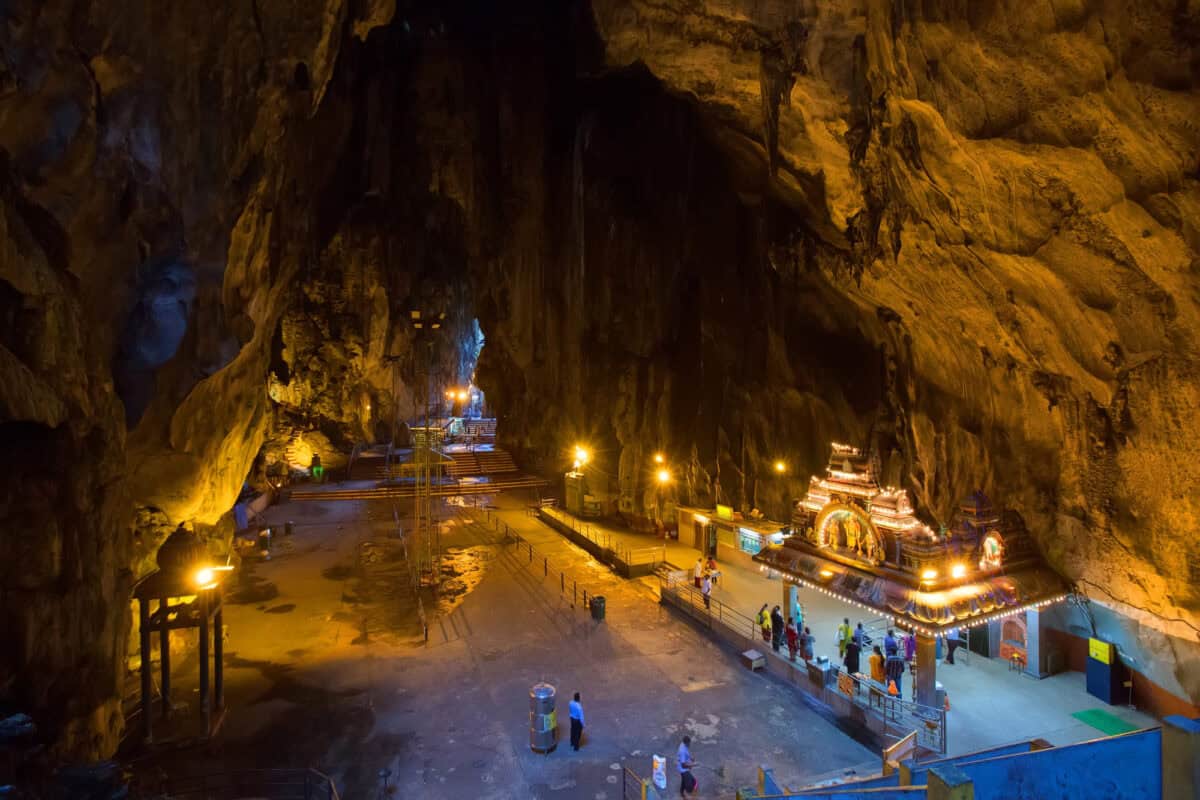
Conservation technology has revolutionized how researchers monitor bat populations in remote cave systems. Infrared thermal imaging allows scientists to accurately count bats without disturbing them, while automated acoustic monitoring stations can record and identify different species based on their unique echolocation calls. These non-invasive techniques enable ongoing surveillance of bat populations without requiring constant physical presence that might disrupt normal behaviors or introduce pathogens.
Particularly promising are new environmental DNA (eDNA) sampling methods that can detect bat species presence from trace genetic material left in cave environments. By analyzing water droplets, guano deposits, or even air samples within caves, researchers can now document which species are using the habitat without directly observing the animals. When combined with miniaturized GPS tracking devices and climate monitoring sensors, these technologies provide unprecedented insights into how bats utilize cave systems and how environmental changes might affect their populations. For the most sensitive cave sites, these remote monitoring approaches minimize human visitation while maximizing data collection.
The Cultural and Spiritual Significance of Bat Caves
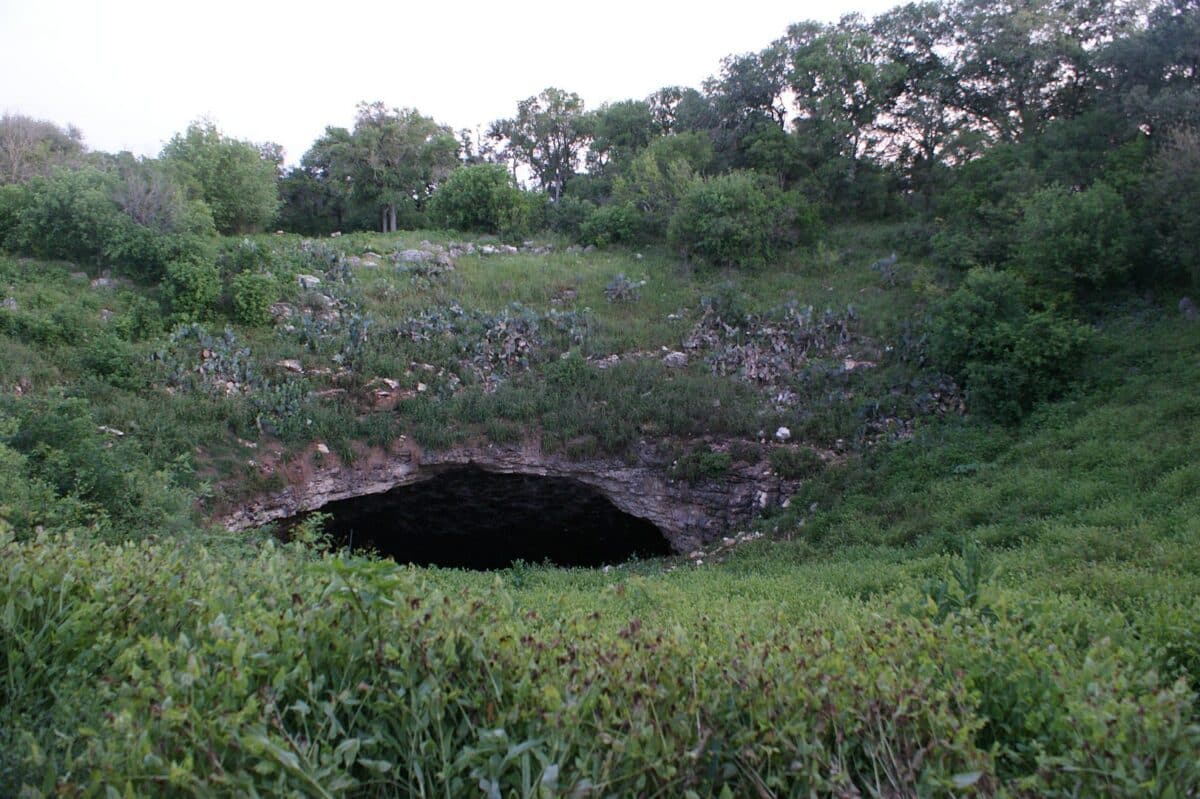
Throughout human history, bat caves have held profound cultural and spiritual significance for many societies. In parts of Southeast Asia, caves with large bat populations are considered sacred sites, with local communities serving as traditional guardians of these spaces. These cultural connections have often inadvertently protected bat habitats, with traditional taboos limiting disturbance and maintaining healthy ecological relationships. In Bali, Indonesia, for example, the famous Goa Lawah “Bat Cave” Temple incorporates a massive bat colony into religious practices, creating a rare harmony between human spiritual activities and wildlife conservation.
Indigenous knowledge about bat caves often includes sophisticated understanding of ecological relationships developed over generations of observation. Traditional ecological knowledge frequently encompasses awareness of seasonal patterns in bat behavior, guano harvesting practices that maintain sustainability, and recognition of the agricultural benefits bats provide. Conservation programs increasingly recognize the importance of engaging with these cultural dimensions, partnering with local communities to integrate traditional stewardship practices with scientific conservation approaches. When cultural and conservation values align around protecting bat caves, the likelihood of successful long-term protection increases significantly.
Threats Beyond Disease: Human Impacts on Secret Caves

While white-nose syndrome has received significant attention, bat caves face numerous other threats that undermine their function as wildlife habitat. Mining operations, particularly limestone quarrying, can completely destroy cave systems or alter underground hydrology in ways that make them unsuitable for bats. In developing regions, unregulated guano harvesting often involves lighting fires within caves, creating toxic smoke that kills bats and damages respiratory systems in survivors. Even well-intentioned cave tourism can be detrimental, with light installation, noise, and physical infrastructure disrupting the dark, quiet conditions bats require.
Climate change presents a more insidious threat to cave-dwelling bats, as alterations in temperature and humidity can make previously suitable hibernation sites unsuitable. Rising global temperatures may force bats to seek caves at higher elevations or different latitudes, potentially creating mismatches between suitable roosting sites and foraging areas. Water pollution from agricultural runoff, industrial processes, or improper waste disposal can contaminate cave systems, introducing toxins that accumulate in bat tissues over time. Addressing these diverse threats requires comprehensive conservation planning that considers both immediate disturbances and long-term environmental changes.
Success Stories: When Conservation Saves Secret Caves
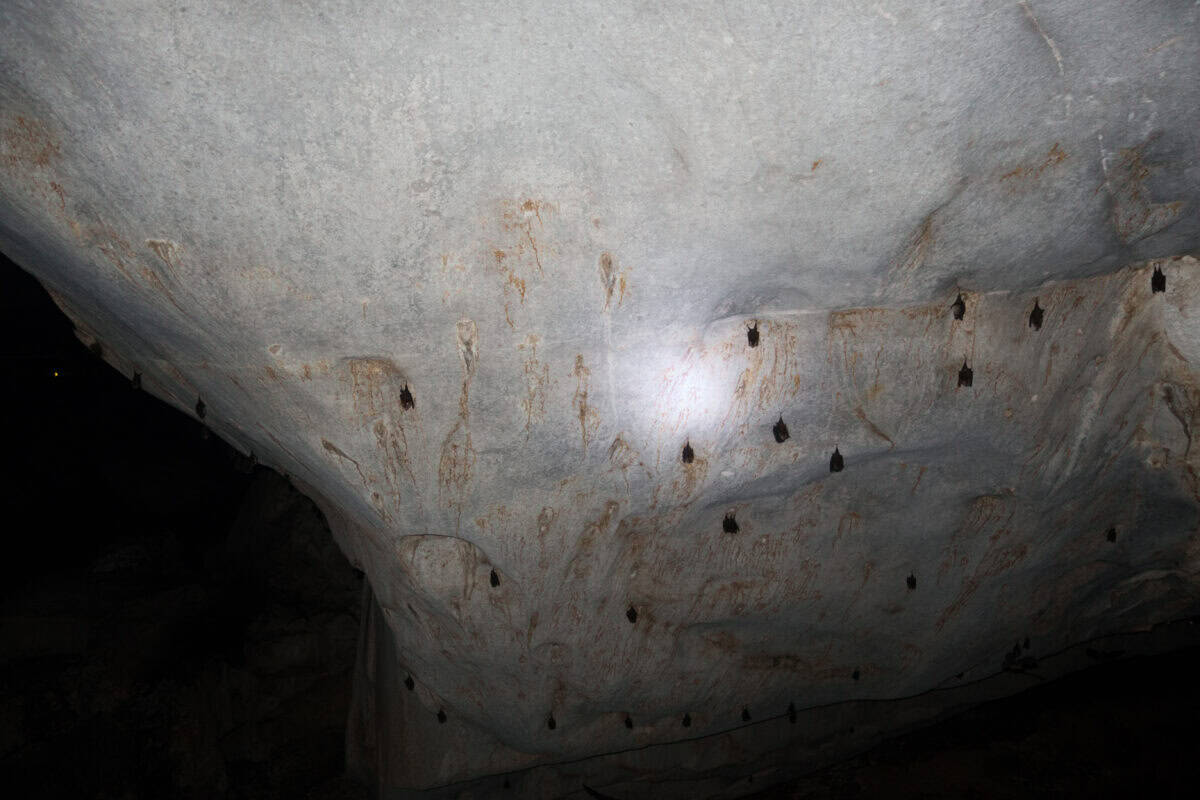
Despite the challenges, several remarkable success stories demonstrate effective protection of critical bat caves. In Tennessee, the purchase and gating of Hubbards Cave by conservation organizations resulted in the gray bat population increasing from fewer than 1,000 individuals in the 1970s to over 500,000 today. Similar interventions at Fern Cave in Alabama have protected the largest known wintering population of endangered Indiana bats. These targeted efforts show how specific high-priority caves can be successfully safeguarded when resources are focused appropriately.
International examples include Mexico’s Cueva de la Boca, where a colony of Mexican free-tailed bats once faced extermination but now thrives under protection. In Thailand, the Khao Chong Pran cave system has transitioned from unregulated guano mining to a sustainable ecotourism site where visitors observe bat emergences from a respectful distance while local communities benefit economically. These successes often share common elements: scientific understanding of bat requirements, engagement with local stakeholders, physical protection measures, and ongoing monitoring programs. When these components align, even severely threatened bat caves can recover their ecological function and once again serve as sanctuaries for these remarkable flying mammals.
Conclusion: The Future of Earth’s Hidden Bat Sanctuaries
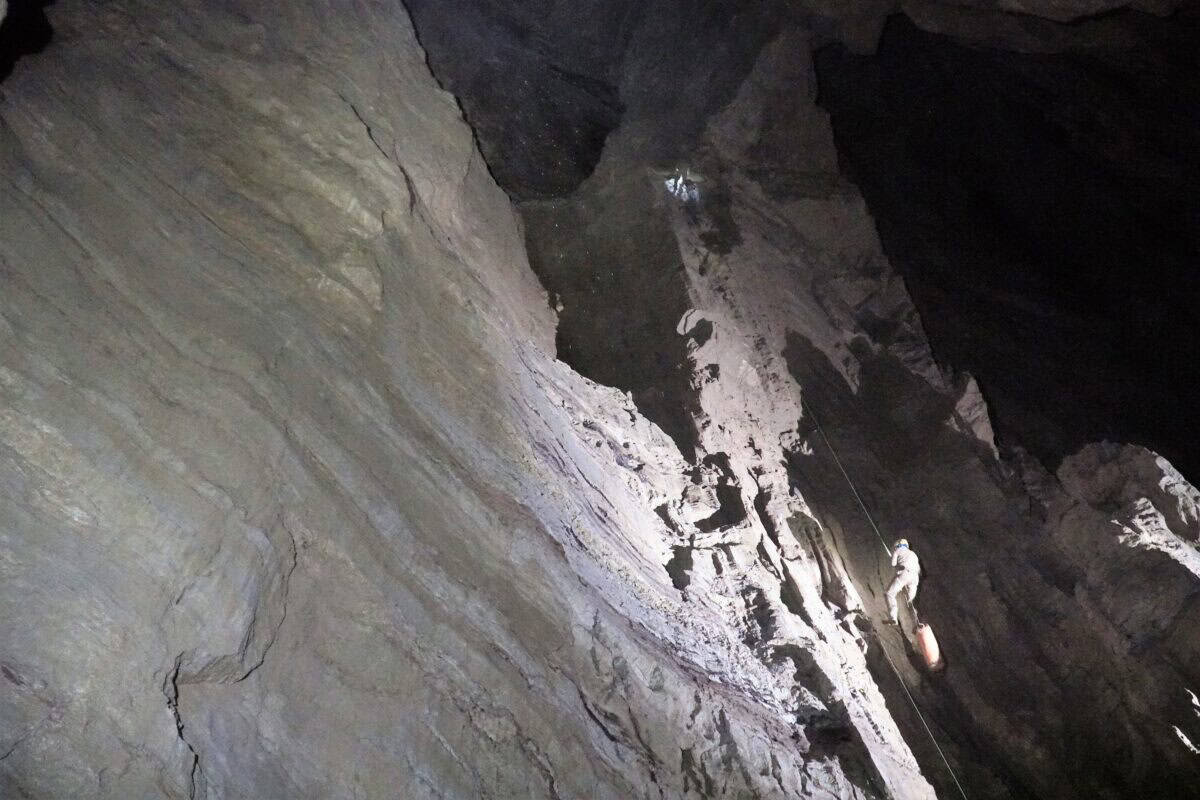
The secret caves where endangered bats continue to thrive represent both remarkable conservation successes and sobering reminders of how vulnerable these animals remain to human impacts. As we face the triple challenges of habitat loss, climate change, and emerging diseases, protecting these underground refuges becomes increasingly crucial for maintaining bat diversity worldwide. The future of these hidden sanctuaries will depend largely on our ability to balance legitimate human needs with recognition of the irreplaceable ecological values these cave systems provide. Successful conservation will require continued scientific research, technological innovation, community engagement, and political will to implement effective protection measures.
Perhaps most importantly, the mystery and wonder of these secret bat caves can serve as powerful inspiration for broader conservation action. When people understand the extraordinary adaptations that allow bats to navigate absolute darkness, the complex social structures they maintain, and the essential ecosystem services they provide, appreciation replaces fear and misunderstanding. By protecting these hidden underground worlds, we not only safeguard endangered bat species but preserve complete ecosystems that have evolved over millions of years. The ongoing story of these secret caves reminds us that even in an increasingly developed world, nature still holds magnificent mysteries worthy of our protection and respect.

- The Secret Language of Dolphins Decoded by Researchers - July 20, 2026
- 7 Animals That Can Survive Extreme Environments You Couldn’t - July 20, 2026
- The Longest Snake Ever Found in the U.S. - July 20, 2026