

The animal kingdom is filled with bizarre courtship behaviors and reproductive strategies that often seem alien to human observers. From elaborate dances to deadly consequences, these mating rituals have evolved over millions of years to ensure successful reproduction and genetic diversity. While humans typically rely on dinner dates and conversation to find potential partners, animals employ methods ranging from the beautiful to the brutal, and sometimes even the deadly. Let’s explore twelve of the strangest mating rituals found in nature, revealing how diverse and complex the pursuit of reproduction can be.
12. The Deadly Romance of the Praying Mantis

The praying mantis has perhaps one of the most infamous mating rituals in the animal kingdom. Female mantises are known for their tendency to cannibalize their mates during or after copulation. The male cautiously approaches the female, sometimes performing a dance to indicate his intentions. Once mating begins, the female may turn her head 180 degrees and begin consuming the male, starting with his head. Remarkably, the male’s body can continue mating even after decapitation, as the reproductive movements are controlled by ganglia in the abdomen rather than the brain. Scientists believe this sacrifice may provide evolutionary benefits, as the male’s body becomes a nutritional resource for the female, potentially improving the health of future offspring. Research indicates that sexual cannibalism occurs in approximately 25% of natural mantis mating encounters.
11. Argonaut Octopuses and Their Detachable Appendages

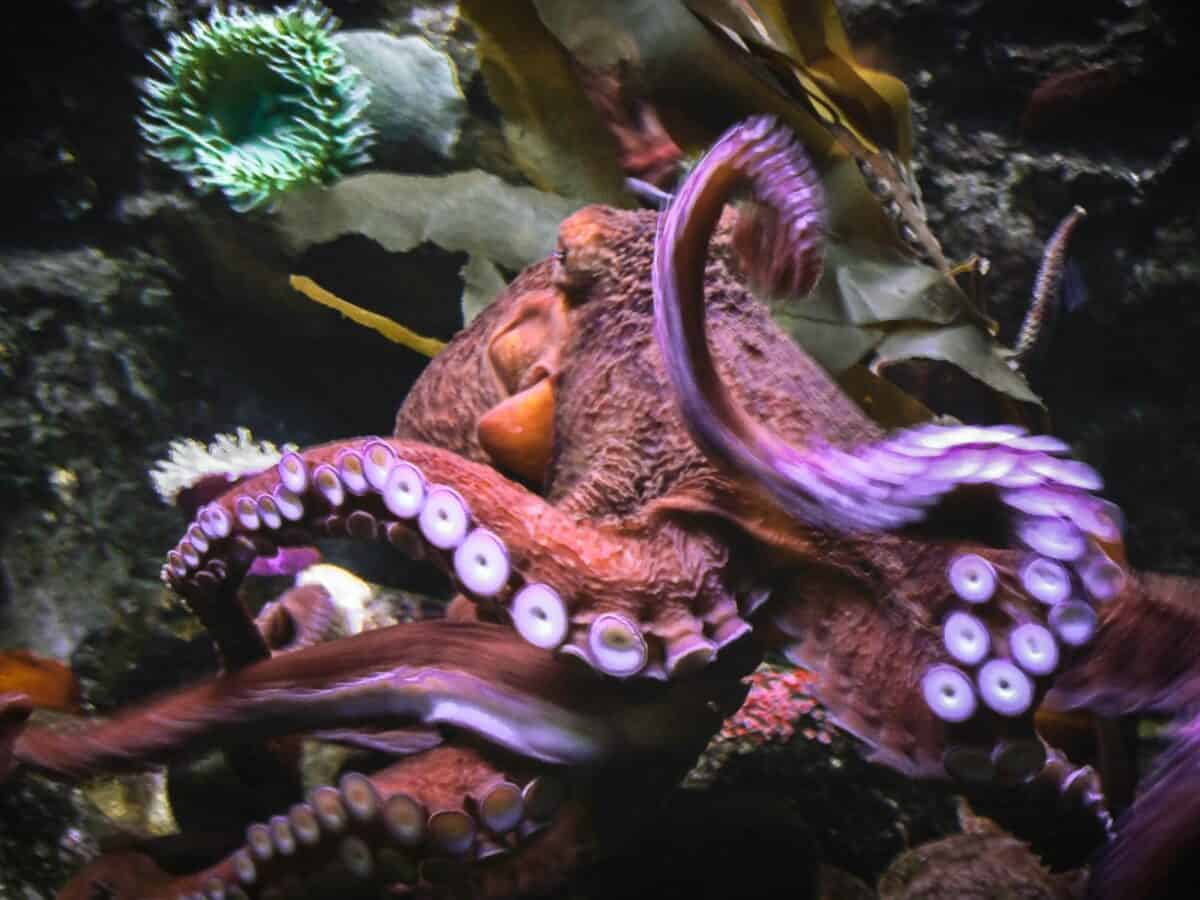
Male argonaut octopuses (Argonauta argo) have evolved one of the most unusual approaches to reproduction in the animal kingdom. These males develop a specialized arm called a hectocotylus that contains their sperm. When they encounter a female, often many times larger than themselves, they detach this specialized arm, which then autonomously swims to the female and fertilizes her eggs. For centuries, scientists mistakenly identified these detached swimming arms as parasitic worms. The male, now missing an appendage, will regrow the hectocotylus for future mating opportunities. This “fire and forget” reproductive strategy allows the male to mate without getting too close to a potentially dangerous female while ensuring his genetic material reaches its target. The females, meanwhile, create beautiful paper-thin shells not for protection but as elaborate brood chambers for their eggs.
10. The Elaborate Dance of the Peacock Spider

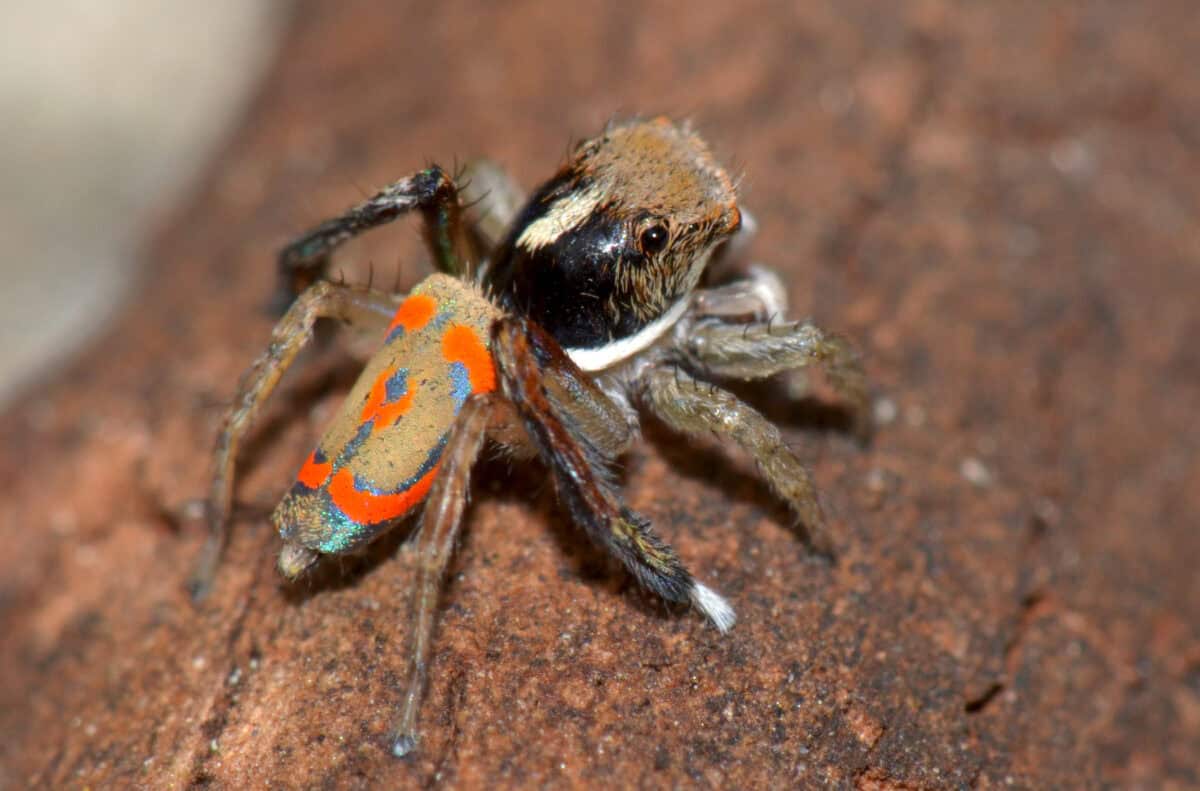
Peacock spiders (Maratus spp.) native to Australia have turned courtship into an art form. The tiny males, usually less than 5mm in size, perform elaborate dances to attract females. These performances involve raising and vibrating their colorfully patterned abdominal flaps, which resemble a peacock’s fan, while simultaneously moving their third pair of legs in coordinated patterns. Each of the approximately 80 species of peacock spider has its own unique dance and color pattern. The females carefully evaluate these performances, and if they’re not impressed, they may attack and consume the suitor. The intensity and precision of these courtship displays serve as indicators of the male’s genetic quality and fitness. These fascinating displays have made peacock spiders internet celebrities, with videos of their dances attracting millions of views online.
9. The Bioluminescent Synchronicity of Fireflies
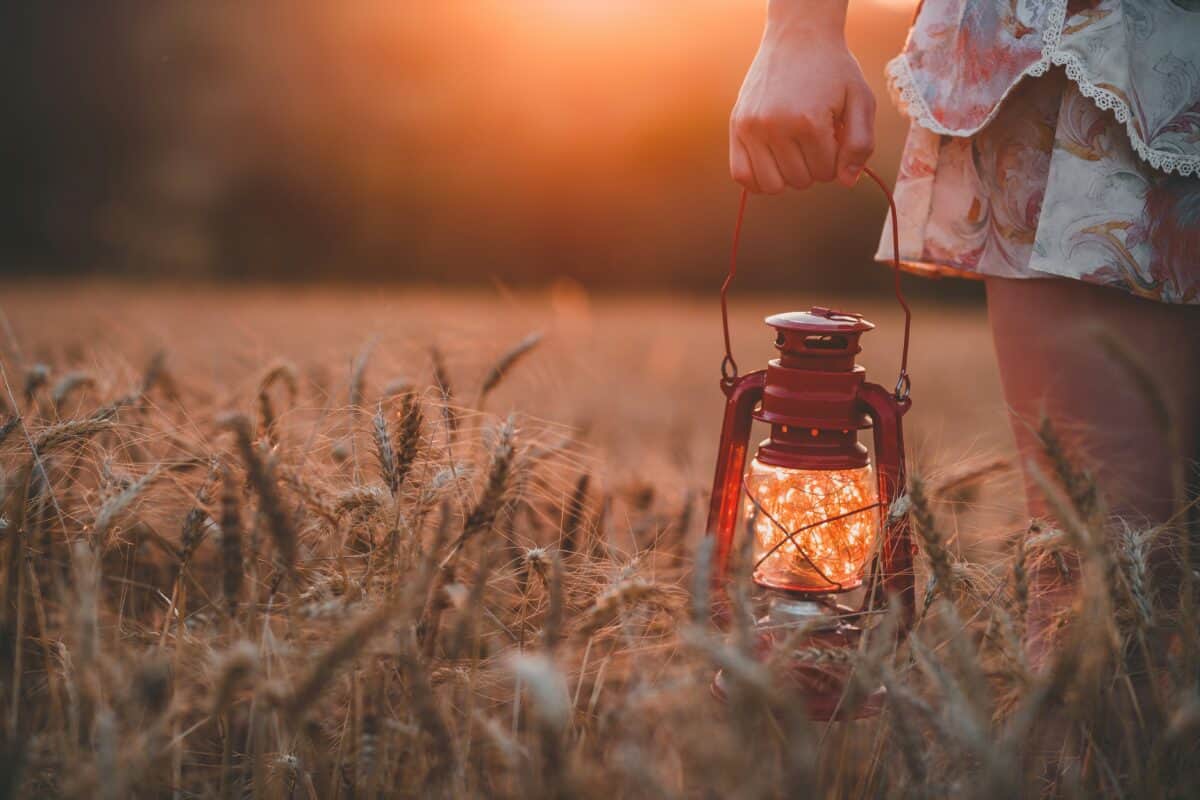
Certain species of fireflies, particularly those in Southeast Asia like Pteroptyx tener, engage in one of nature’s most spectacular light shows as part of their mating ritual. Male fireflies gather in trees by the thousands and synchronize their flashing patterns with remarkable precision. Using specialized light-producing organs containing the chemical luciferin, they create rhythmic pulses of light that ripple through the trees like a wave. Each species has its unique flashing pattern, serving as a biological signature to attract females of the same species. The females, watching from the ground or surrounding vegetation, respond with their flashes when they identify a suitable mate. This synchronization requires complex neural mechanisms and may have evolved because synchronized flashing creates a stronger, more visible signal that can be seen from greater distances, increasing the chances of finding a mate in dense forests.
8. Porcupine Breeding A Cautious Affair

When animals covered in sharp quills need to mate, special precautions are required. North American porcupines engage in one of the more delicate mating rituals in nature. The process begins with the male performing an elaborate courtship, which includes spraying the female with urine from several feet away. If she’s receptive, she’ll display a specialized posture with her quills laid flat and tail raised to expose her non-quilled underside. The male will then carefully approach and stand on his hind legs to mate in a face-to-face position—one of the few mammals to do so. This entire careful choreography prevents injury from their 30,000 sharp quills. The mating season is brief, usually occurring in late fall to early winter, giving females just enough time to develop their young before spring arrives. After a gestation period of about seven months, females typically give birth to a single offspring, called a porcupette, which is born with soft quills that harden within hours.
7. Bed Bug Traumatic Insemination

Bed bugs (Cimex lectularius) practice one of the most brutal mating methods known in the animal kingdom: traumatic insemination. Rather than using the female’s reproductive tract, male bed bugs use their modified genitalia to pierce the female’s abdomen and inject sperm directly into her body cavity. This traumatic process can significantly shorten the female’s lifespan and often leaves wounds that can become infected. Females have evolved a specialized organ called the spermalege, a pocket-like structure that receives the sperm and minimizes internal damage. This adaptation suggests an evolutionary arms race between the sexes. Research indicates that females who mate more frequently have shorter lifespans, living approximately 30% less than those who mate less often. Additionally, males don’t discriminate between the sexes when seeking mates and will attempt to inseminate other males, causing similar injuries. This unusual reproductive strategy remains puzzling to evolutionary biologists who continue to study why such a seemingly harmful method persists.
6. The Breeding Ball of Red-Sided Garter Snakes

In the limestone caves of Manitoba, Canada, red-sided garter snakes (Thamnophis sirtalis parietalis) create one of nature’s most astounding mating spectacles. After emerging from winter hibernation, thousands of males simultaneously pursue each female, creating writhing “mating balls” with up to 100 males competing for a single female. These balls can be so dense and active that they’ve been known to roll off cliffs or into water, sometimes resulting in fatalities. The males use specialized pheromone receptors in their tongues to identify female snakes, which are typically larger and emit specific chemical signals. Temperature plays a crucial role in this ritual, as females emerge from hibernation later than males, and the timing of emergence influences mating success. After mating, the females leave the den site immediately to feed and gestate, while males may remain for weeks continuing to search for mates. This phenomenon attracts thousands of tourists annually to viewing sites in Manitoba, where conservation efforts protect these remarkable breeding grounds.
5. The Anglerfish’s Parasitic Marriage
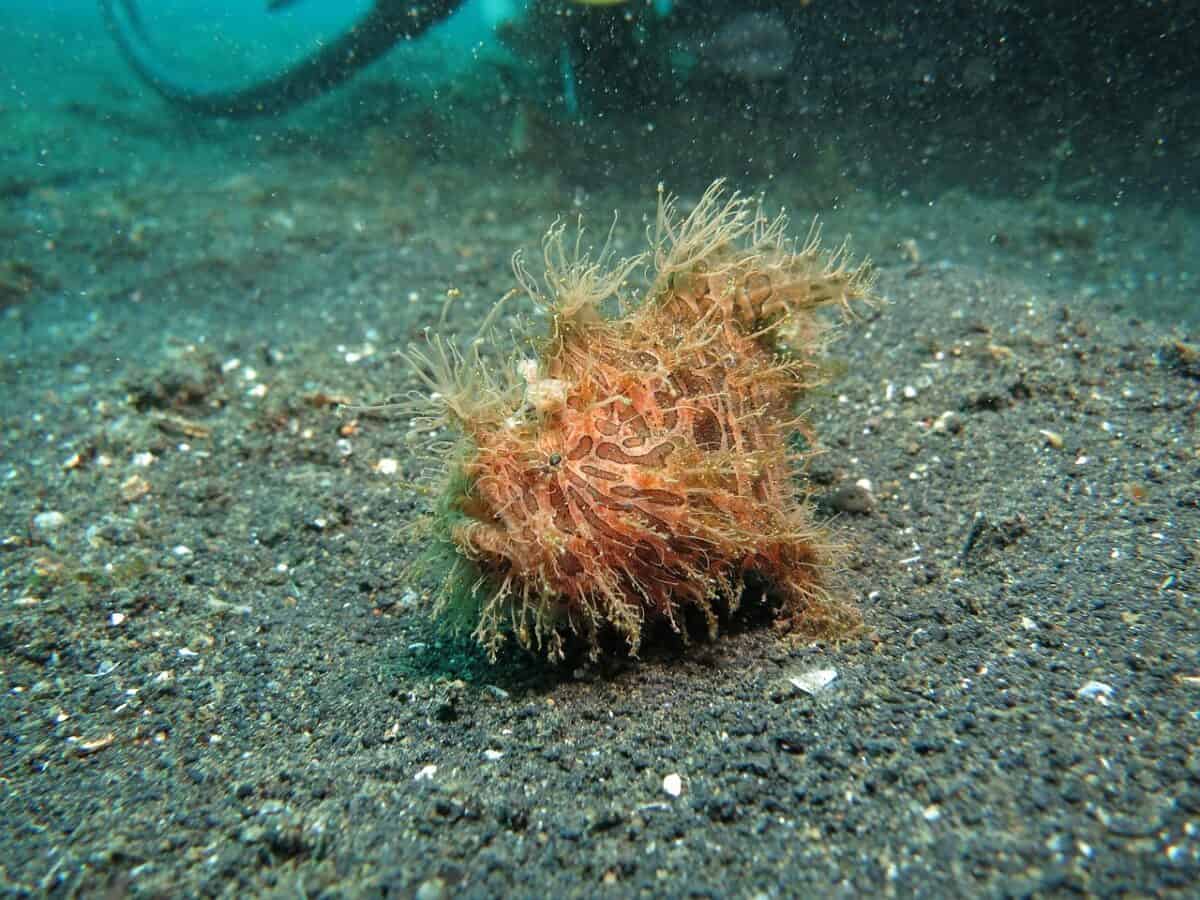
Deep in the ocean’s darkness, female anglerfish have evolved one of the most extreme mating strategies in the animal kingdom. The tiny male anglerfish, often less than an inch long, bites into the much larger female’s body and never lets go. Over time, the male physically fuses with the female, connecting to her bloodstream and eventually degrading until he’s nothing more than a parasitic pair of testes. This permanent attachment ensures the female always has sperm available when she produces eggs. Some female anglerfish can carry multiple males attached to their bodies simultaneously, creating a bizarre polygynous relationship. This extreme sexual dimorphism—with females up to 60 times larger than males—developed in response to the challenges of finding mates in the vast, dark depths of the ocean where encounters are rare. Scientists have identified at least 25 different families of anglerfish, with varying degrees of this parasitic mating behavior, demonstrating how extreme selection pressures can lead to extraordinary adaptations.
4. Hippo Mating Territorial Battles and Dung Showers
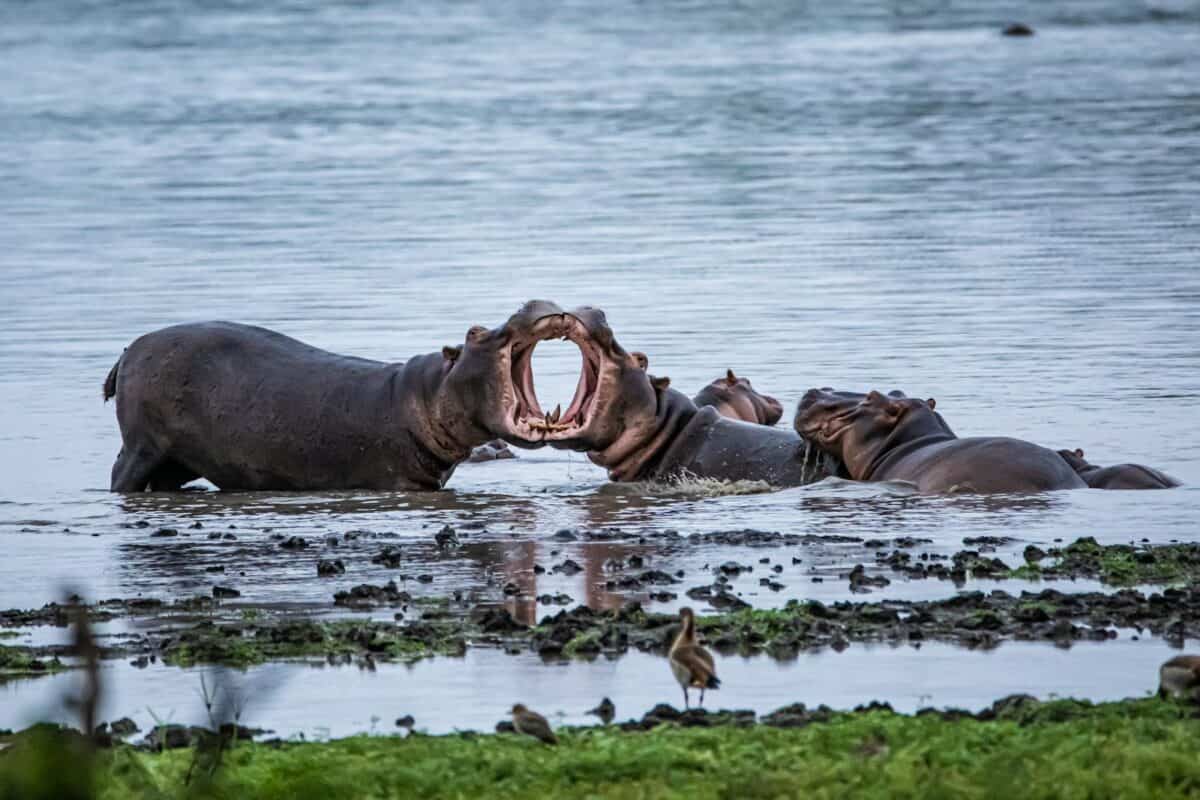
Hippopotamus mating rituals combine territorial aggression with one of nature’s more unusual courtship behaviors. Male hippos establish dominance through fierce battles that can result in serious wounds from their massive canine teeth, which can grow up to 20 inches long. The victorious male then attempts to woo females with an unexpected display: rapidly spinning his tail while defecating, essentially creating a dung shower that spreads his scent widely. This scent-marking behavior, called “muck-spreading,” helps females identify the dominant male in the territory. Once a female is receptive, mating typically occurs in water, where the buoyancy assists these massive animals, which can weigh up to 4,000 pounds. The gestation period lasts approximately eight months, after which the female gives birth to a single calf, usually in shallow water. The extreme aggression displayed during mating season contributes to hippos’ status as one of Africa’s most dangerous animals, responsible for an estimated 500 human deaths annually.
3. The Gift-Giving Dance Flies

Male dance flies (Empididae family) have developed a unique courtship strategy involving nuptial gifts—offerings presented to females as part of their mating ritual. In many species, the male captures an insect prey, wraps it in silk produced by specialized glands, and presents this package to a female while performing aerial displays. The female feeds on this gift during copulation, with the duration of mating directly related to the size of the offering. This system has led to an evolutionary arms race: some clever males now present worthless items or empty silk balloons, attempting to mate while the female unwraps their deceptive gift. In response, females have become increasingly discriminating, carefully inspecting gifts before accepting a mate. In certain species like Rhamphomyia longicauda, females have developed inflatable abdominal sacs that make them appear pregnant and more attractive to males, as males preferentially offer gifts to females they perceive as having more eggs. This complex system of deception and counter-deception demonstrates how sexual selection can drive elaborate behavioral adaptations.
2. Flatworm Penis Fencing
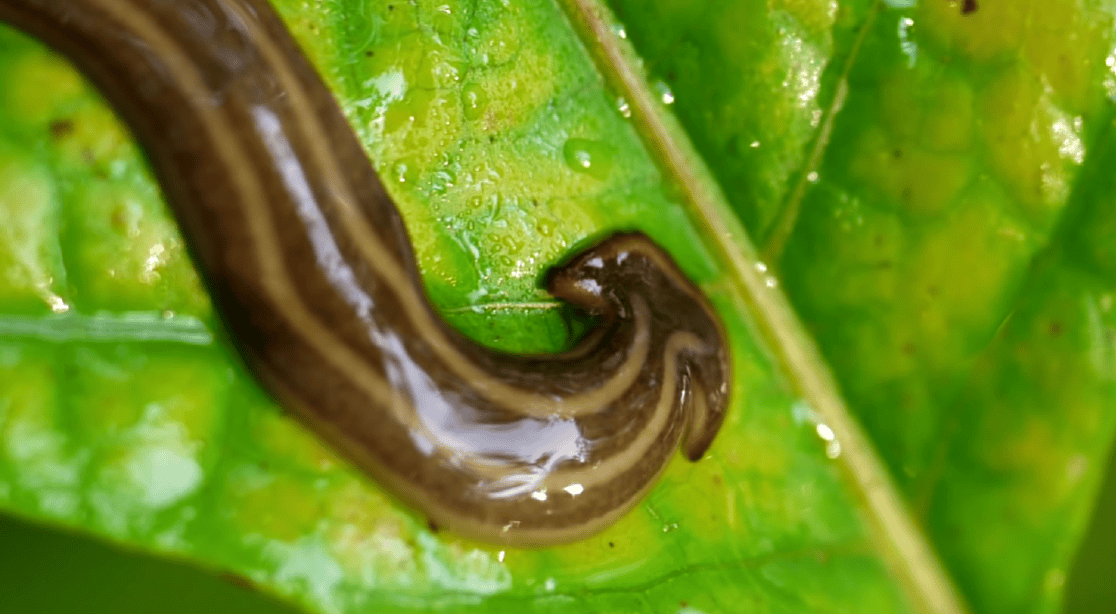
Marine flatworms (particularly species in the genus Pseudobiceros) engage in what scientists have aptly named “penis fencing.” These hermaphroditic creatures possess both male and female reproductive organs but prefer to play the male role in reproduction since producing sperm requires less energy than producing eggs. When two flatworms meet, they engage in a fierce battle, each attempting to impregnate the other while avoiding being impregnated themselves. Using two-headed dagger-like penises, they fence and thrust at each other, attempting to inject sperm anywhere on their opponent’s body. The first to successfully penetrate the other’s skin injects sperm cells that navigate to the eggs for fertilization. These battles can last up to an hour and often result in injuries to both participants. The “loser” bears the energetic costs of egg production and carrying the developing embryos. This unusual reproductive strategy exemplifies the complex evolutionary pressures that shape mating behaviors when organisms possess both male and female reproductive capabilities.
1. Banana Slug Apophallation
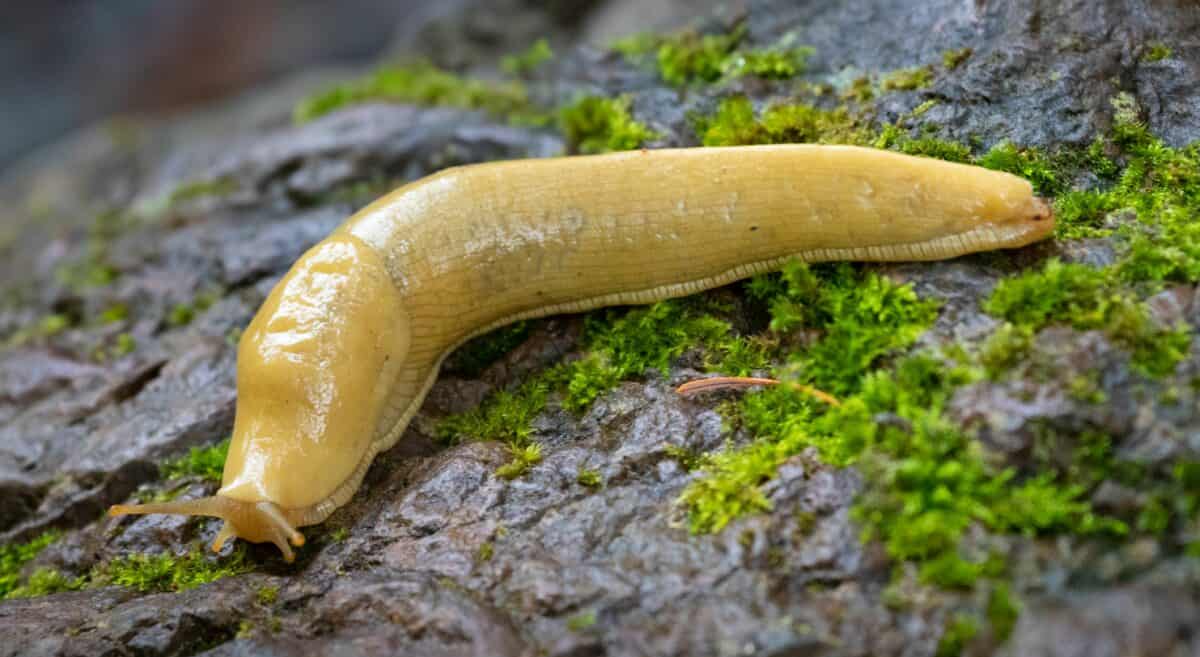
Banana slugs (Ariolimax columbianus), among the largest terrestrial slugs in the world, reaching up to 10 inches, practice one of the most bizarre mating rituals known to science. These bright yellow hermaphrodites possess both male and female reproductive organs, including a penis that can be as long as their entire body. When two banana slugs mate, they exchange sperm in a process that can last up to 24 hours. However, due to their enormous penises, they sometimes become entangled and cannot separate after copulation. The solution? One slug will use a specialized enzyme to chew off the other’s penis in a process called apophallation. The “simplified” slug continues living as a female, no longer able to function as a male in future mating encounters. Scientists believe this extreme behavior may have evolved as a way to ensure genetic diversity by preventing self-fertilization. Despite this seemingly traumatic reproductive method, banana slugs remain abundant throughout the forests of the Pacific Northwest, where they play crucial roles in decomposition and nutrient cycling.
Conclusion: Nature’s Reproductive Ingenuity A Reflection on Evolutionary Diversity
The extraordinary variety of mating rituals we’ve explored demonstrates the incredible adaptive power of evolution to solve the universal challenge of reproduction. From the deadly romance of praying mantises to the parasitic fusion of anglerfish, these strange behaviors have developed over millions of years in response to specific environmental pressures and reproductive needs. Each ritual, however bizarre it may seem to human observers, represents a successful strategy that has stood the test of time through natural selection. These mating behaviors also remind us of the fundamental differences in how various species approach reproduction, challenging our anthropocentric views of courtship and partnership. As we continue to discover and understand these complex reproductive strategies, we gain deeper insights into the beautiful, strange, and sometimes violent dance of life that ensures the continuation of species across the remarkable diversity of our planet’s ecosystems.

As a little kid, I fell in love with nature, wildlife, and animals. Living in the USA, South Africa, Italy, China and Germany gave me the opportunity to discover the world's Wildlife. My favorite animals are Mountain Gorillas, Siberian Tigers, and Great White Sharks.
I'm a certified PADI Open Water Diver, went to Everest Base Camp and Trekked Gorillas in Uganda. I hold a Master of Science in Economics and Finance.
Please send any feedback to feedback@animalsaroundtheglobe.com
- 16 Creatures That Sleep With One Eye Open - August 10, 2026
- 14 Species Found Nowhere Else But Madagascar - August 10, 2026
- Can Pets Sense Earthquakes Before Humans? - August 10, 2026