

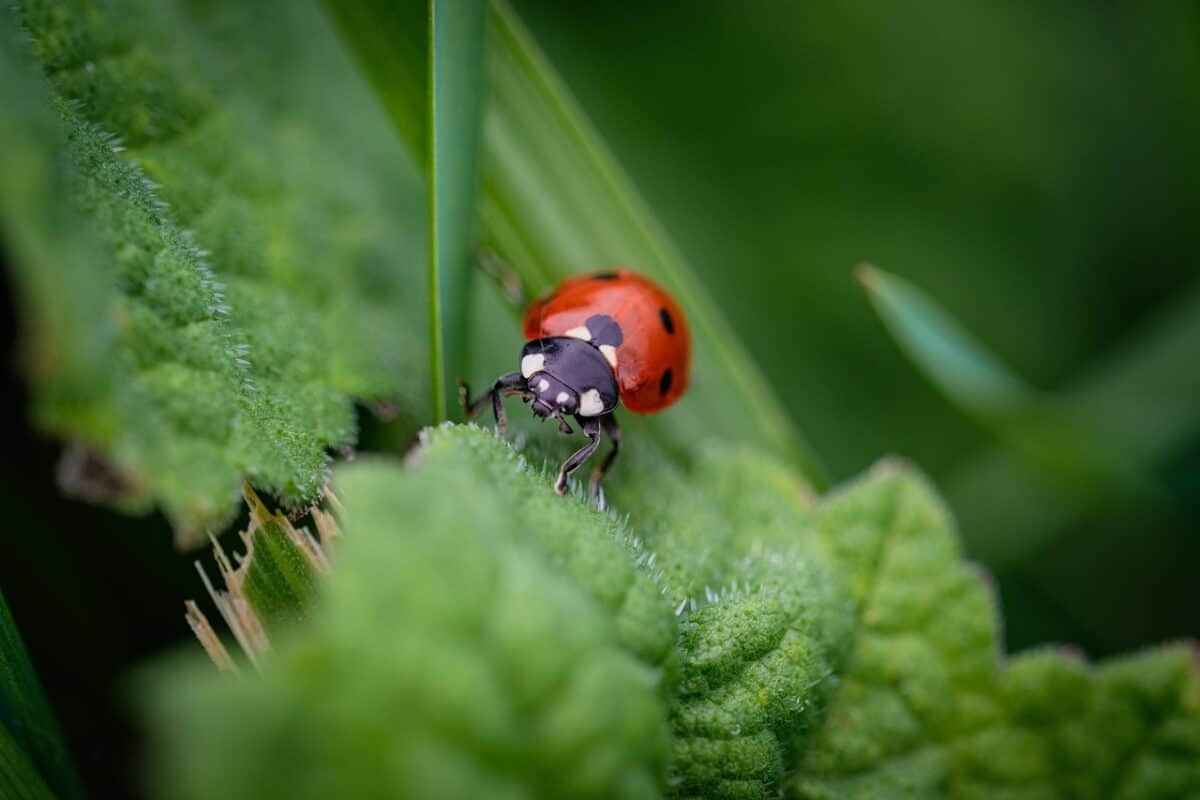
In the early mornings of the British countryside, the once-familiar ritual of cleaning insect-splattered windscreens has become a rarity. This subtle change is not just a convenience for drivers but a stark indicator of a deeper ecological issue.
The Disappearing Act of Insects
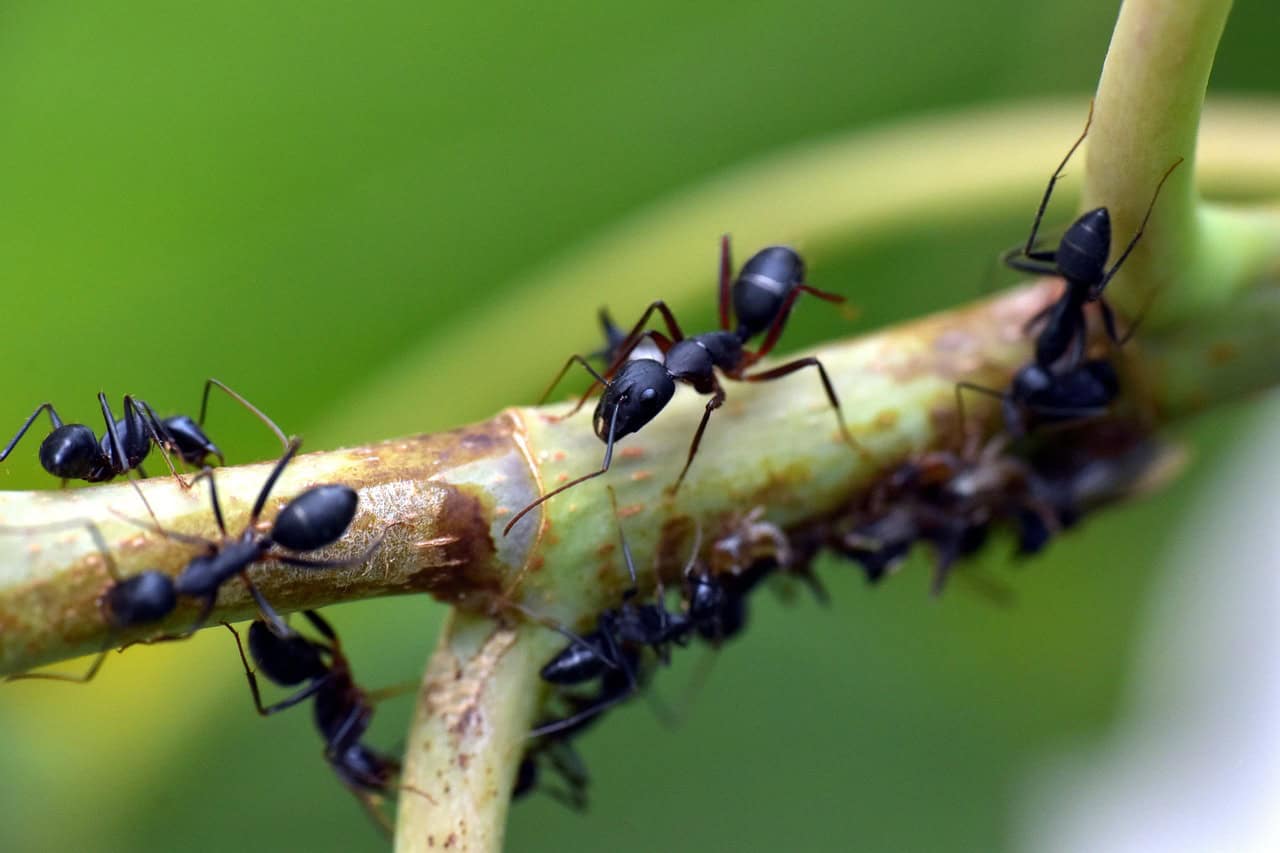
Recent studies have highlighted a significant decline in flying insect populations across the UK. The “windshield phenomenon,” where fewer insects are found on car windscreens after journeys, has been observed since the early 2000s. This trend suggests a broader decrease in insect abundance, raising concerns among ecologists and conservationists.
Understanding the Causes

Several factors contribute to this decline. Habitat loss due to urbanization and intensive agriculture reduces the natural environments insects rely on. The widespread use of pesticides and pollutants further exacerbates the problem, impacting insect reproduction and survival rates. Climate change introduces additional stressors, altering the ecosystems that insects have adapted to over millennia.
The Ripple Effect on Ecosystems

Insects play a crucial role in maintaining ecological balance. They are pollinators, decomposers, and a food source for many other species. A decline in insect populations can lead to reduced pollination of plants, affecting food production and biodiversity. Birds and other insectivores may struggle to find adequate food, leading to further declines in their populations.
Citizen Science and Monitoring Efforts

To better understand and address this issue, citizen science initiatives have been launched. Projects like the “Bugs Matter” survey encourage the public to record insect splats on their vehicle number plates, providing valuable data on insect abundance and distribution. Such collaborative efforts are essential in tracking changes and informing conservation strategies.
Steps Towards Recovery
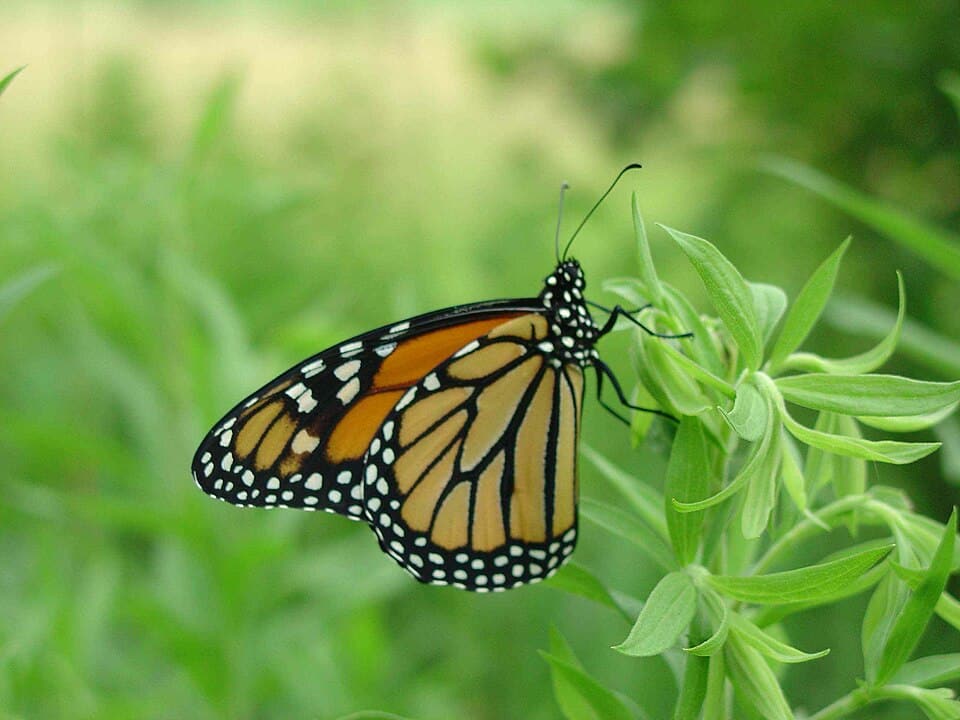
Addressing the decline in insect populations requires a multifaceted approach. Reducing pesticide use, preserving natural habitats, and implementing environmentally friendly farming practices are critical steps. Public awareness and education can also drive changes in behavior and policy, fostering a more sustainable coexistence with our insect counterparts.
A Call to Action
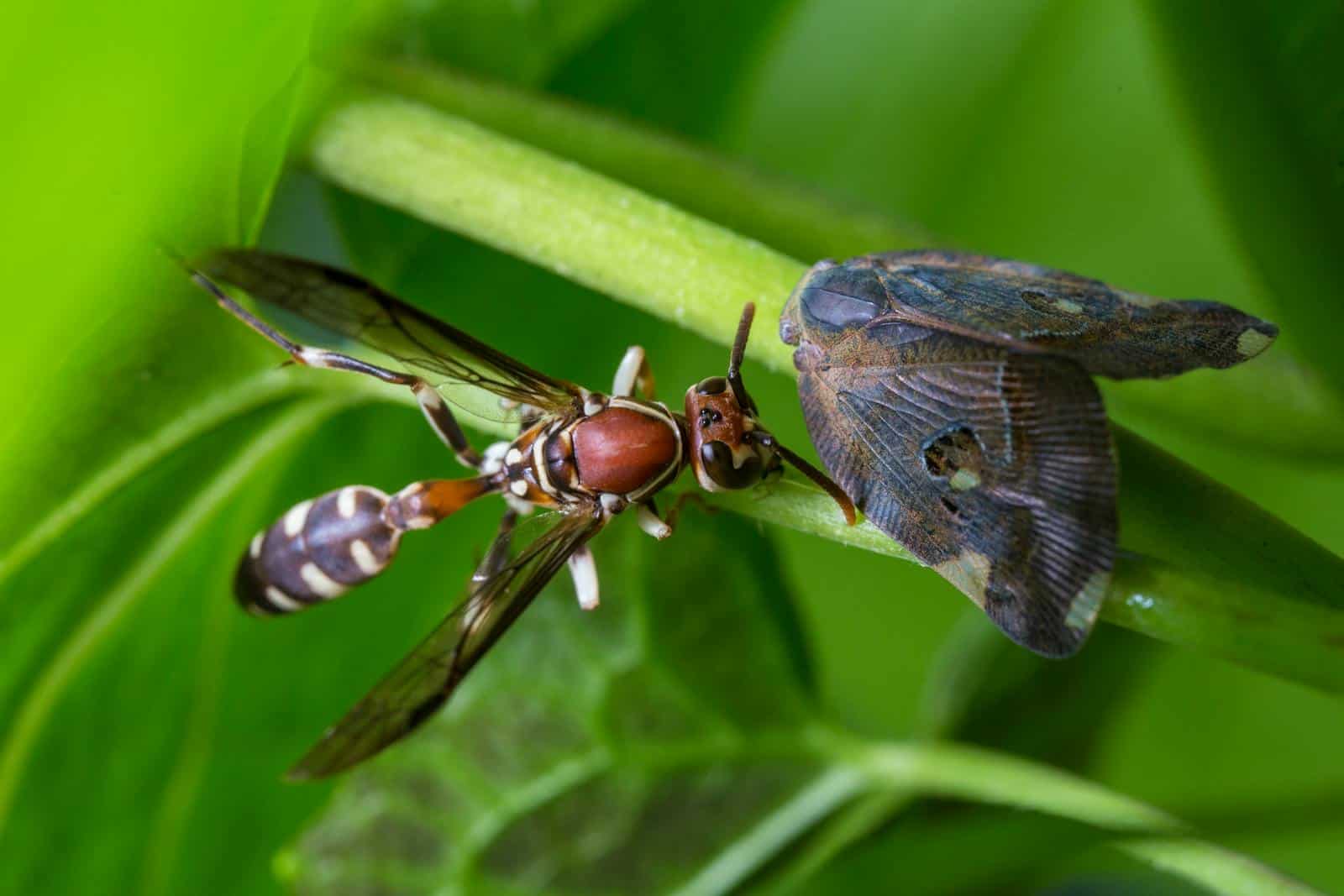
The diminishing presence of insects on our windscreens serves as a silent alarm, signaling the need for immediate action. By recognizing the importance of insects in our ecosystems and taking proactive measures, we can work towards reversing this trend and ensuring the health of our environment for future generations.

adventuring, photography and videography. I am currently working towards a BSc in Biodiversity and Ecology at Stellenbosch University to go on to specialise in Marine Sciences one day.
Please send any feedback to Feedback@animalsaroundtheglobe.com
- Top 30 Horse Breeds In North America - July 21, 2026
- Watch As A Cow Jumps Onto A Roof - July 21, 2026
- Top 21 Must-see Birds For Bird Watchers In America - July 20, 2026