

Urban environments might seem like unlikely habitats for wildlife, but numerous species have not only adapted to city living—they’re thriving in these concrete jungles. American cities, with their abundant food sources, reduced predator populations, and diverse microhabitats, have become unexpected sanctuaries for certain animals. From soaring birds of prey to stealthy nocturnal mammals, these creatures have evolved remarkable strategies to capitalize on the opportunities that human settlements provide. This article explores 13 remarkable animals that have successfully made U.S. cities their home, showcasing nature’s resilience and adaptability in the face of urbanization.
Raccoons The Urban Bandits

Raccoons have earned their reputation as the ultimate urban opportunists. These intelligent mammals with distinctive masked faces and dexterous paws have thrived in cities like Chicago, New York, and Portland. Their success stems from their remarkable adaptability and problem-solving abilities—urban raccoons have demonstrated up to 40% higher intelligence than their rural counterparts. They’ve learned to navigate urban infrastructure, open garbage cans, and even understand the concepts of locks. With omnivorous diets and the ability to consume almost anything humans discard, raccoons have increased their body weight by up to 15-20% in urban areas compared to wilderness populations. Their nocturnal habits also help them avoid human contact while capitalizing on the rich resources cities provide, making them one of America’s most successful urban wildlife species.
Peregrine Falcons High-Rise Hunters

Once endangered due to DDT poisoning, peregrine falcons have made an extraordinary comeback in U.S. cities, where skyscrapers mimic their natural cliff-dwelling habitats. Cities like New York, Chicago, and San Francisco now boast thriving peregrine populations. These birds of prey, capable of diving at speeds exceeding 200 mph (making them the fastest animals on Earth), hunt pigeons and other city birds with remarkable precision. Urban peregrines have adapted their hunting techniques to utilize artificial lighting, extending their hunting hours beyond what’s typical for the species. Conservation efforts have been remarkably successful, from just 324 known nesting pairs in 1975 to over 2,000 pairs today across North America. Many cities have installed nesting boxes on tall buildings to support these magnificent birds, and some buildings even have webcams that allow the public to observe these urban raptors raising their young.
Coyotes Adaptable Predators
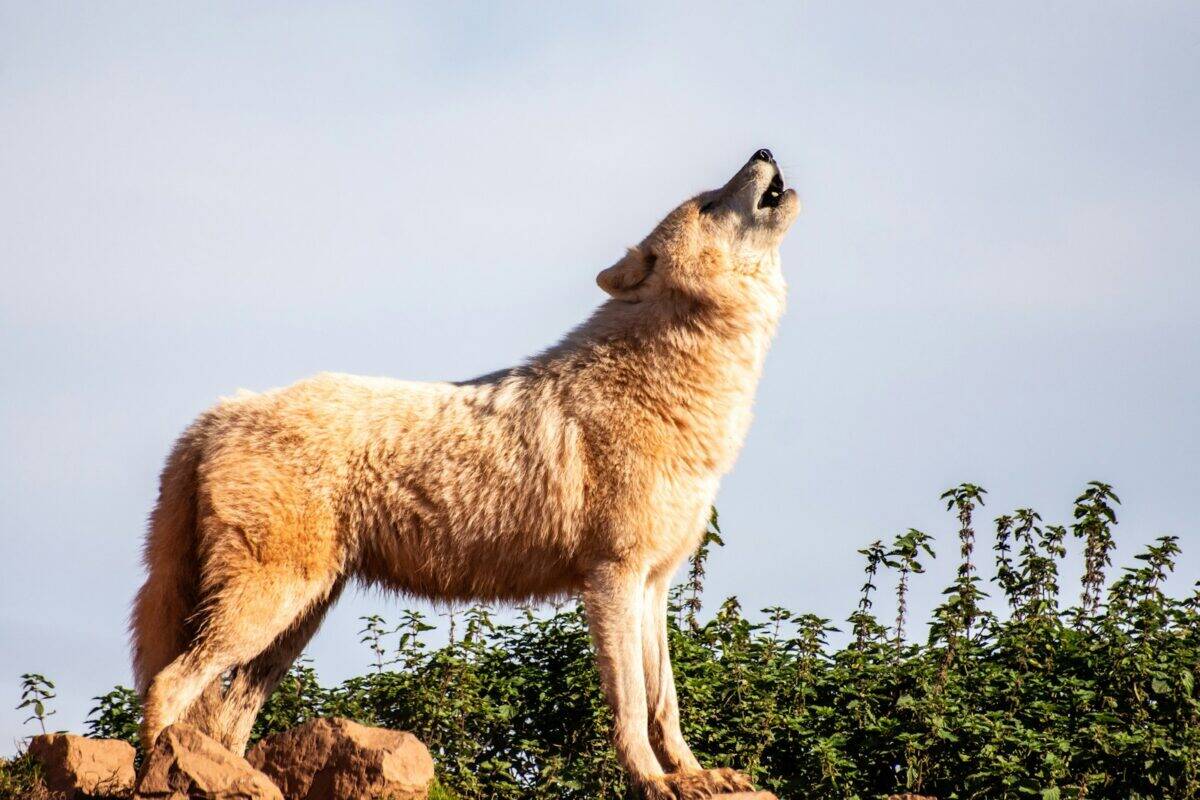
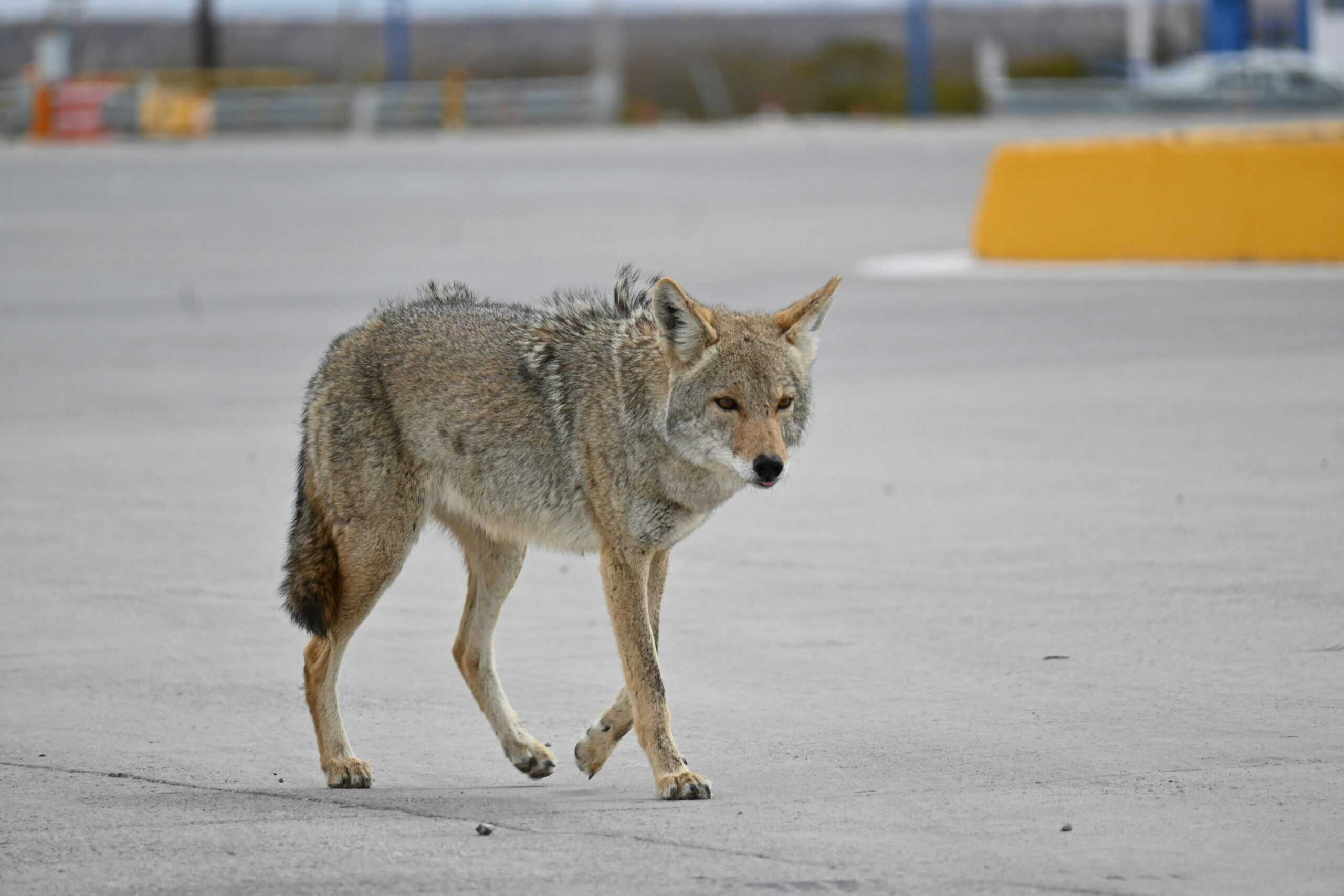
Coyotes have demonstrated remarkable adaptability by colonizing urban areas across the United States. These medium-sized canids can now be found in nearly every major U.S. city, including Los Angeles, Chicago, and Denver. Urban coyotes have altered their behavior significantly—they’ve become more nocturnal, with studies showing 70-90% of their activity occurring at night in cities compared to more varied schedules in rural areas. They’ve also developed smaller territories (as little as 2-5 square miles in cities versus 10-15 square miles in rural areas) and learned to utilize urban corridors like railroad tracks, greenways, and golf courses. Their diet has expanded to include human food waste, small pets, rodents, and fruit from ornamental trees. Despite living among millions of people, coyotes remain remarkably elusive, with many city dwellers unaware of their presence until catching a glimpse of one slipping through a park at dawn or dusk.
Red-tailed Hawks Skyline Sovereigns
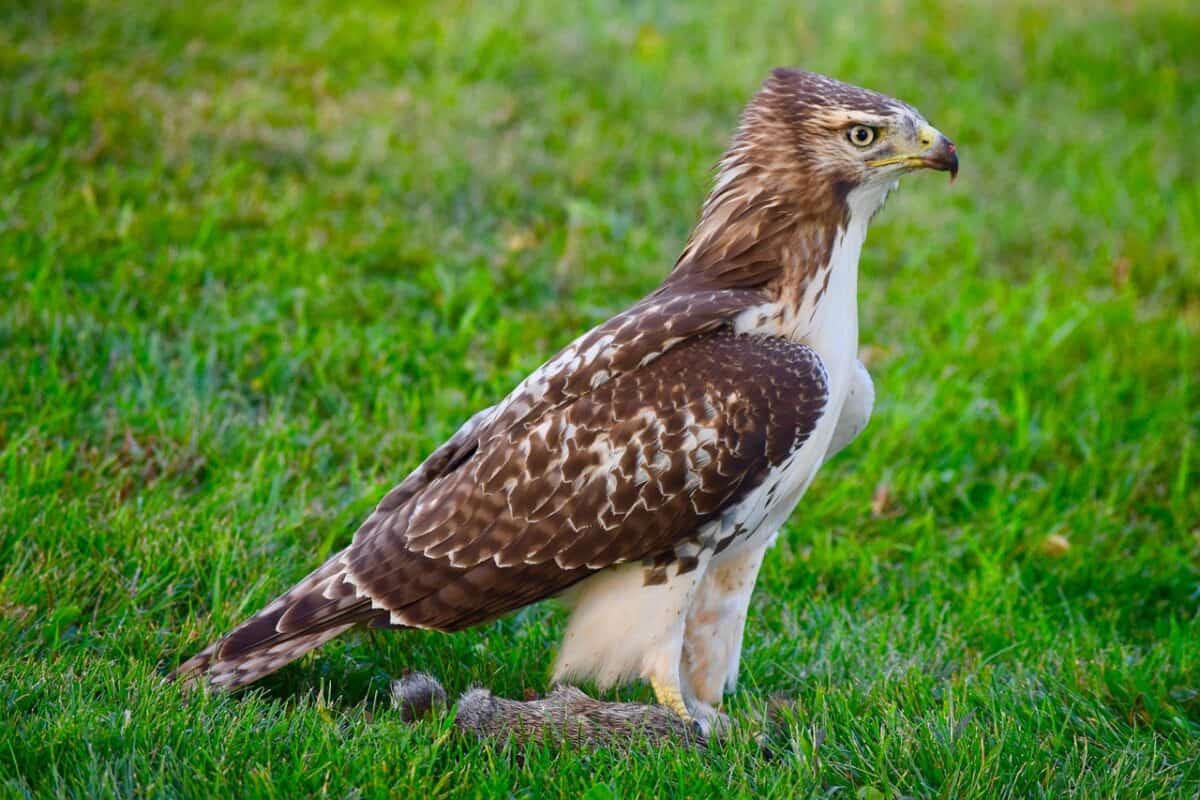
Red-tailed hawks have embraced city living across America, becoming particularly prominent in urban centers like New York City. Central Park alone hosts approximately 27 hawk nests, a density far greater than in natural habitats. These majestic raptors, with their 4-foot wingspans and distinctive rusty-red tails, have discovered that cities offer abundant prey (particularly rats and pigeons) and ideal nesting locations on ledges of tall buildings, bridges, and light poles. Urban red-tails have adapted their hunting strategies, using thermals created by heat-absorbing concrete and asphalt to soar efficiently above city streets. They’ve also adjusted their nesting behaviors, occasionally using artificial materials like plastic bags and wire in their nests. Studies show urban hawks have smaller territories than their rural counterparts, averaging just 1-2 square miles compared to 3-5 in natural settings, and they’ve developed higher tolerance for human activity, sometimes nesting within 50 feet of busy pedestrian areas.
Eastern Gray Squirrels Park Acrobats
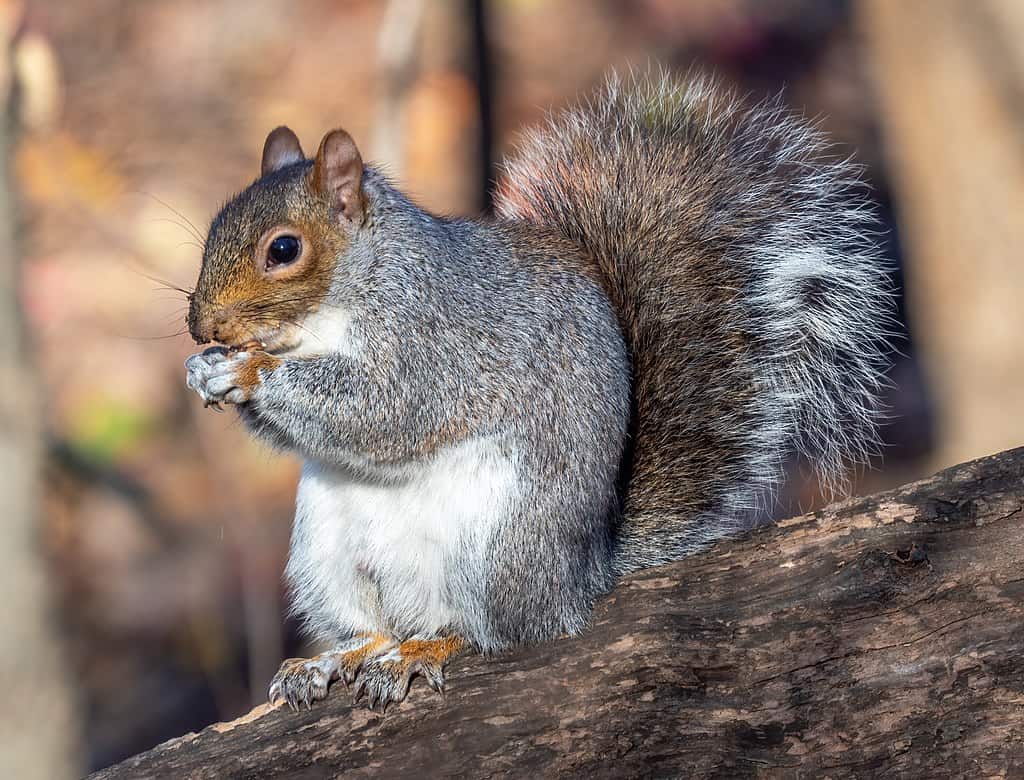
Eastern gray squirrels have become quintessential urban wildlife, particularly in eastern U.S. cities like Boston, Washington, D.C., and Philadelphia. These agile rodents reach population densities up to 15 times higher in urban parks than in natural forests—up to 20 squirrels per acre in some city parks. Urban squirrels have evolved both behaviorally and physically; they’ve developed more complex problem-solving abilities, with studies showing city squirrels can overcome obstacles to food sources 50% faster than their rural counterparts. They’ve even altered their communication, developing louder, higher-pitched calls to overcome urban noise. Physically, urban squirrels have adapted to utilize human structures, developing stronger hindquarters for vertical leaping and navigating between buildings. Their diet has expanded beyond their natural fare of nuts and seeds to include discarded human food, with some urban populations getting up to 30% of their caloric intake from human sources. These adaptations have allowed them to thrive in environments that might seem inhospitable to forest-dwelling mammals.
Opossums Nature’s Cleanup Crew

Virginia opossums have quietly established themselves as beneficial residents in cities across the eastern and western United States. These marsupials—North America’s only native pouchless mammals—provide valuable ecological services in urban environments. A single opossum can consume up to 5,000 ticks in a season, significantly reducing disease vectors in urban and suburban areas. They also eat rats, mice, cockroaches, and carrion, helping control pest populations and clean up roadkill. Urban opossums have adapted to human schedules, becoming almost exclusively nocturnal to avoid human contact. They’ve developed impressive climbing abilities to navigate urban structures and use storm drains and culverts as travel corridors. With a remarkable immunity to rabies (due to their lower body temperature) and resistance to snake venom, opossums bring unique health benefits to urban ecosystems. While often misunderstood due to their unusual appearance and defensive behaviors (playing dead), these ancient mammals contribute significantly to urban ecological balance.
Red Foxes Suburban Specialists
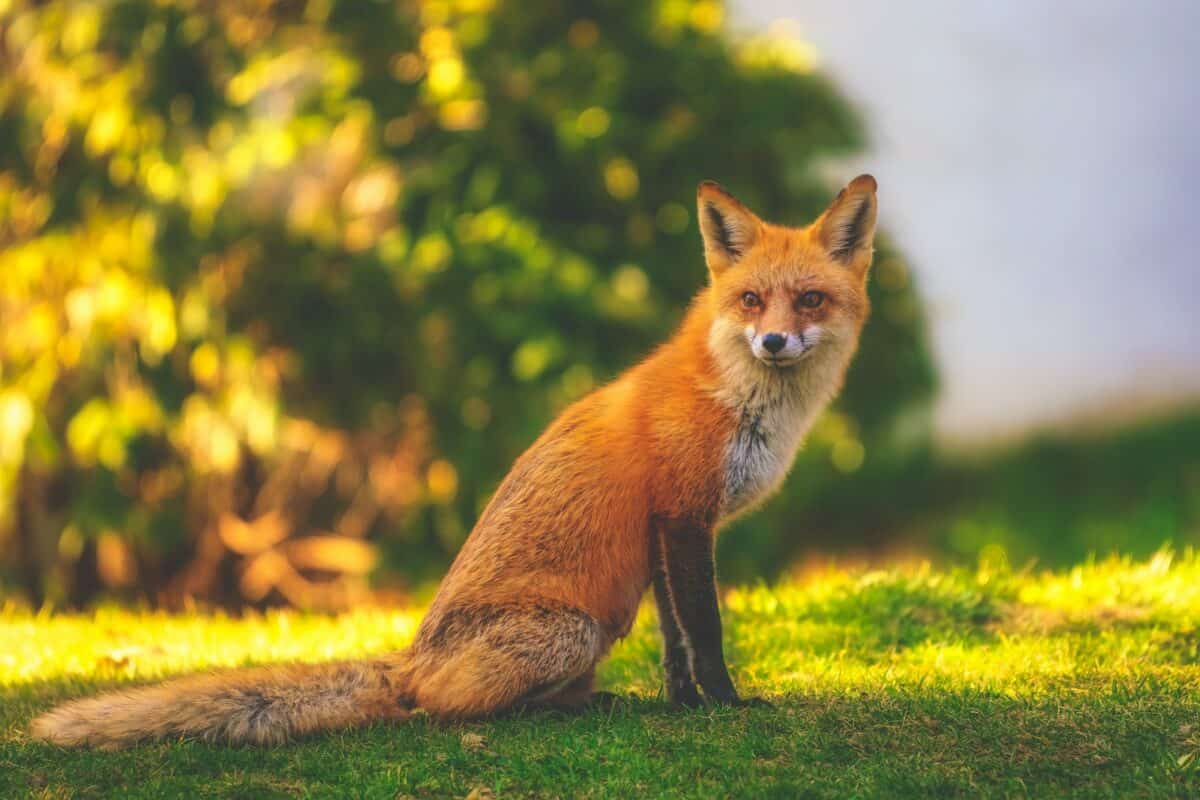
Red foxes have seamlessly integrated into urban and suburban landscapes across America, particularly in cities like Washington D.C., Boston, and Los Angeles. These adaptable canids have thrived in human-modified environments, reaching densities up to 10 times higher in some urban areas compared to rural settings—as many as 15 foxes per square mile in some suburbs. Urban fox adaptations include smaller territories (often just 25-100 acres compared to rural territories of 500+ acres), more flexible social structures, and highly opportunistic feeding behaviors. City foxes have shifted to more nocturnal activity patterns and developed increased tolerance for human presence, sometimes denning under decks, sheds, or in landscaped areas. Their omnivorous diet allows them to capitalize on human food waste, fallen fruit, rodents, and even pet food left outdoors. Unlike many other urban wildlife species, red foxes tend to be healthier in urban environments, with studies showing lower parasite loads and better body condition than their rural counterparts, largely due to abundant, year-round food sources.
Chimney Swifts Aerial Urban Specialists
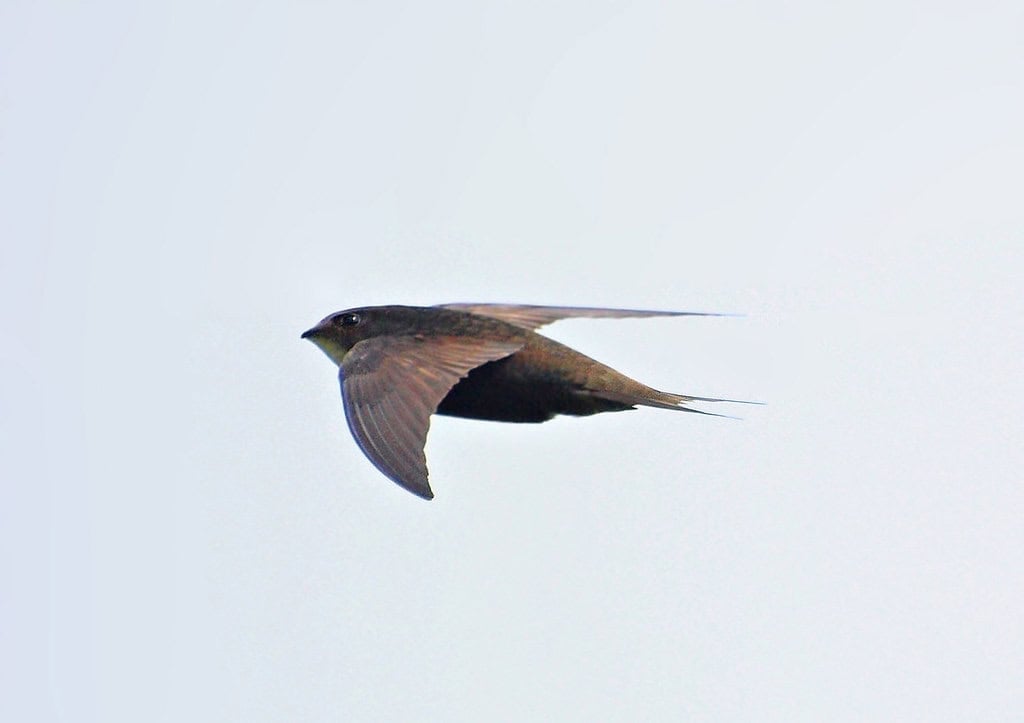
Chimney swifts represent a fascinating case of adaptation to human architecture. These small, cigar-shaped birds once nested exclusively in hollow trees but have now become dependent on brick chimneys and other vertical structures in cities. During migration, spectacular displays can be observed at dusk in cities like Portland, Richmond, and Detroit, where thousands of swifts form swirling vortexes before descending into chimneys to roost. A single urban chimney might shelter hundreds or even thousands of birds during migration. Chimney swifts spend almost their entire lives in flight, consuming up to 12,000 flying insects daily, including mosquitoes and agricultural pests, providing natural pest control for urban residents. Unfortunately, as traditional masonry chimneys become less common in modern construction, chimney swift populations have declined by nearly 70% since the 1960s. Conservation efforts now include the construction of artificial “swift towers” in urban areas to provide alternative nesting and roosting sites for these aerial specialists that have become so uniquely adapted to human habitation.
Eastern Cottontail Rabbits Urban Edge Specialists
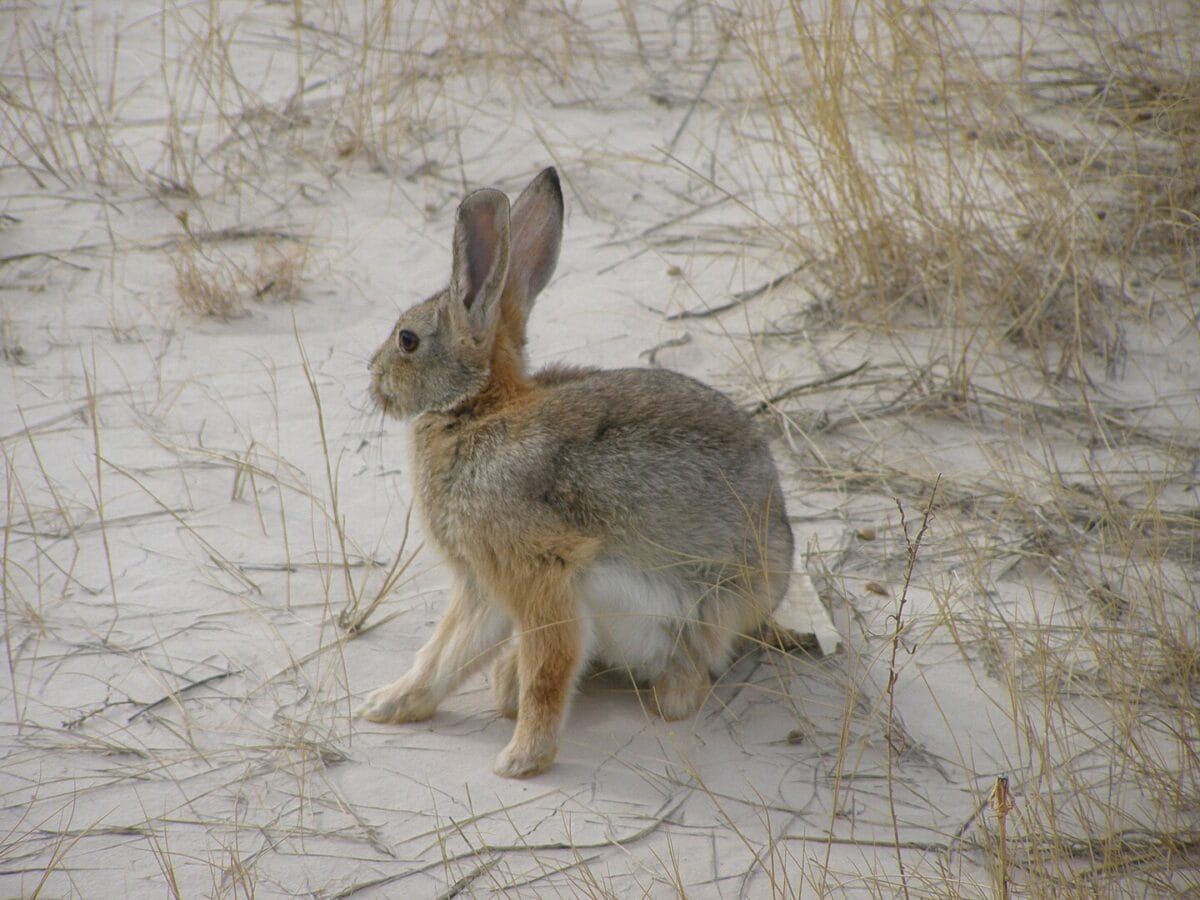
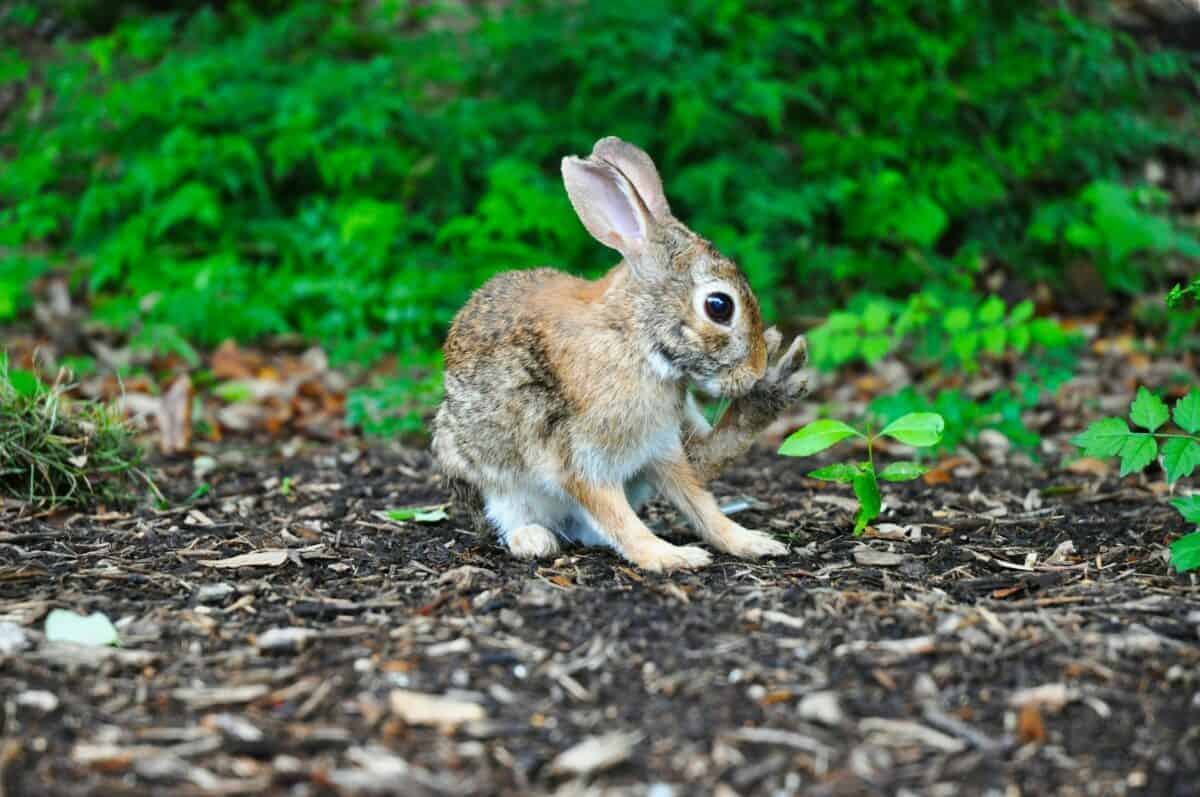
Eastern cottontail rabbits have thrived in urban and suburban landscapes across America, particularly in cities with abundant green spaces like Chicago, Denver, and Philadelphia. These adaptable lagomorphs have found that urban environments offer substantial benefits, including reduced predator pressure (with fewer foxes, coyotes, and owls than rural areas) and abundant food sources in the form of ornamental plantings and gardens. Urban cottontails have modified their behavior significantly, becoming more tolerant of human presence and showing less flight response to non-threatening stimuli—urban rabbits typically flee when humans approach within 15 feet, while rural rabbits flee at distances of 45 feet or more. They’ve also adapted their breeding patterns to take advantage of urban microclimates, with breeding seasons extending up to 4-6 weeks longer in cities compared to rural areas due to the urban heat island effect. This has resulted in urban cottontails producing 1-2 more litters annually than their rural counterparts. Their population densities can reach up to 8 rabbits per acre in favorable urban habitats—nearly double typical rural densities.
House Sparrows Urban Pioneers

House sparrows, though non-native to North America, have become one of the most successful urban birds since their introduction in the 1850s. These small, brown birds thrive in America’s most densely populated cities, with populations reaching densities of up to 100 birds per acre in some urban centers like New York and Chicago. House sparrows have evolved specific adaptations for city living—they’ve developed higher tolerance for air pollutants, with studies showing urban sparrows have enhanced liver detoxification systems compared to rural populations. They’ve also modified their songs to be louder and higher-pitched to overcome urban noise, with urban sparrows’ calls measuring 10-15 decibels louder than their rural counterparts. Their diet has shifted dramatically from their ancestral grain-based diet to include a wide variety of human food waste, with urban sparrows getting up to 50% of their nutrition from anthropogenic sources. Perhaps most remarkably, urban house sparrows have shorter flight initiation distances (the distance at which they fly away from approaching humans)—often as little as 1-2 meters compared to 5-10 meters in rural areas—allowing them to closely exploit human resources.
Striped Skunks Nocturnal Neighbors
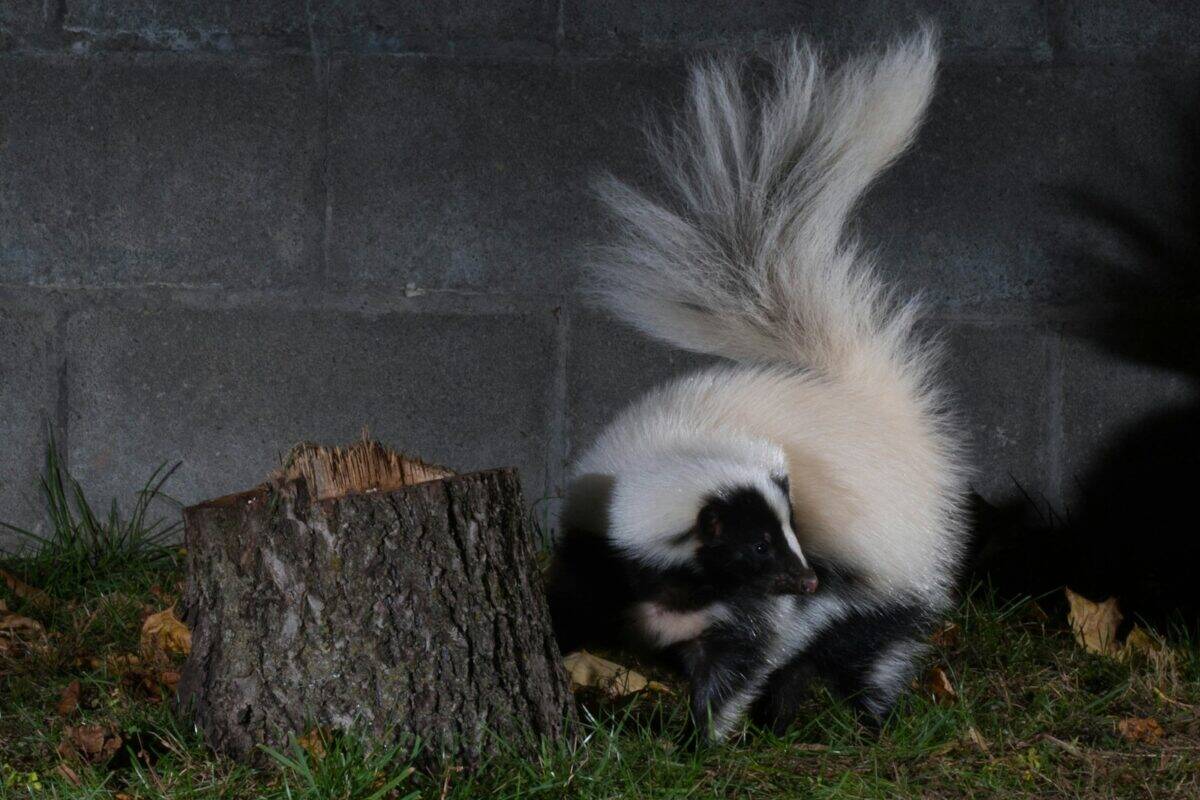
Striped skunks have become successful, if often unnoticed, urban residents throughout American cities. These distinctive black and white mammals thrive in urban landscapes from Seattle to Miami, taking advantage of abundant food sources and reduced predator pressure. Urban skunks have shifted their diets significantly—while rural skunks primarily consume insects and small rodents, city-dwelling skunks derive up to 40% of their caloric intake from anthropogenic food sources, including pet food, garbage, and compost. They’ve developed smaller home ranges in urban environments (often just 0.25-0.5 miles compared to 2-4 miles in rural settings) and have become more social, with urban skunks sometimes forming loose colonies around rich food sources. Their famous defensive spray is used far less frequently in urban settings, with studies indicating urban skunks are 75% less likely to spray when encountered than their rural counterparts—they’ve learned that humans generally pose little direct threat. Urban skunks provide valuable ecosystem services by controlling rodent and insect populations, with a single skunk capable of consuming thousands of garden pests annually.
Monk Parakeets Colorful Colonizers
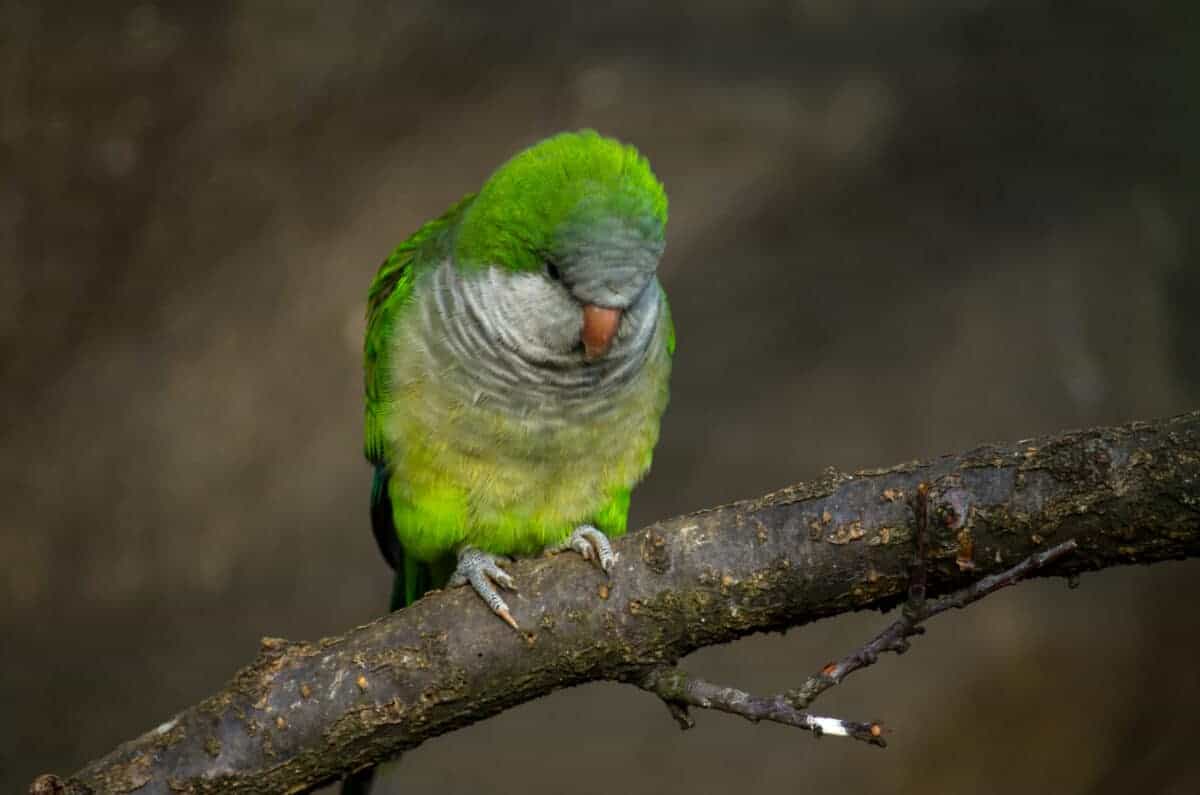
Monk parakeets offer one of the most colorful examples of exotic species adaptation to U.S. cities. Native to South America, these bright green parakeets established feral populations in cities like Chicago, Brooklyn, and Austin after escaping or being released from the pet trade in the 1960s and 1970s. Unlike most parrots, monk parakeets build elaborate stick nests, often on utility poles, transmission towers, and stadium lights—structures that mimic the tall trees they use in their native range. Their nests are architectural marvels, weighing up to 400 pounds and containing multiple chambers that can house 10-20 birds, providing crucial insulation against northern winters. This nesting behavior has allowed them to survive in climates far colder than their native range—Chicago’s population has endured temperatures as low as -20°F. Urban monk parakeets consume a varied diet of seeds, fruits, buds, and flowers, and have demonstrated remarkable flexibility in their feeding habits, shifting their diets seasonally to exploit whatever resources are available. Despite efforts to control their populations due to concerns about damage to infrastructure, monk parakeets have proven remarkably resilient, with established colonies now thriving in at least 14 states.
Brown Rats Underground Empires
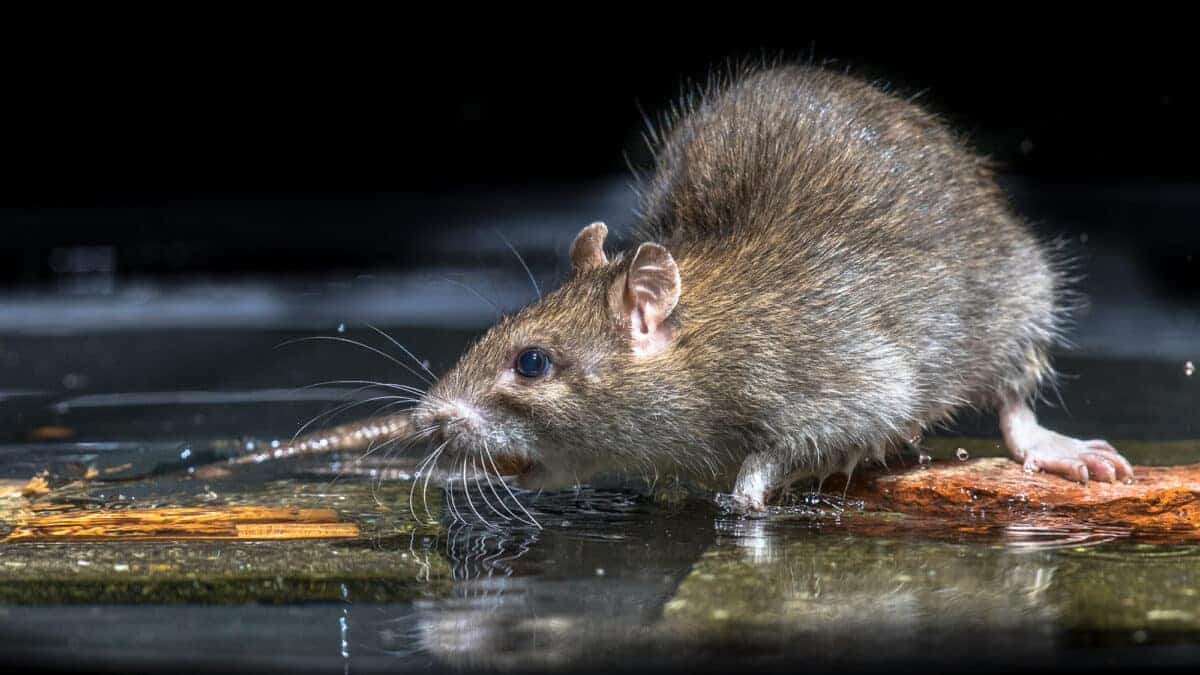
Brown rats (also known as Norway rats) have become the ultimate urban adapters, establishing massive populations in every major U.S. city. New York City alone is estimated to harbor between 2-3 million rats, approximately one rat for every three human residents. These highly intelligent rodents have developed specific adaptations for urban living, including enhanced problem-solving abilities and resistance to common rodenticides, with some urban populations showing genetic mutations that render certain poisons ineffective. Urban rats have developed complex social structures with hierarchical “rat colonies” that can include up to 200 individuals occupying sophisticated burrow systems that take advantage of urban infrastructure. They’ve evolved smaller home ranges in cities—often just 25-150 feet from their nests, compared to several hundred feet in rural settings—and have become dietary generalists, able to subsist on virtually any human food waste. Perhaps most impressive is their reproductive adaptation: urban rats reach sexual maturity earlier (8-10 weeks versus 12-16 weeks in rural settings) and produce larger litter sizes in food-rich environments. While often reviled, urban rats serve important ecological functions, processing waste and serving as prey for urban predators like hawks, owls, and coyotes.
Conclusion: Urban Wildlife Adaptation and Coexistence
The remarkable success of these 13 species in American cities demonstrates nature’s extraordinary resilience and adaptability in the face of urbanization. As cities continue to expand, understanding urban wildlife becomes increasingly important for effective conservation and management strategies. These animals remind us that even in our most developed environments, nature finds a way to persist and even flourish. The relationship between urban wildlife and human residents represents both challenges and opportunities—while conflicts occasionally arise, these species provide ecological services, educational opportunities, and connections to nature that enrich urban living. As we continue to reshape the landscape, creating wildlife-friendly urban spaces and developing informed coexistence strategies will be essential to maintaining biodiversity and ensuring that future generations can enjoy the wonder of wildlife, even in the heart of America’s cities.

As a little kid, I fell in love with nature, wildlife, and animals. Living in the USA, South Africa, Italy, China and Germany gave me the opportunity to discover the world's Wildlife. My favorite animals are Mountain Gorillas, Siberian Tigers, and Great White Sharks.
I'm a certified PADI Open Water Diver, went to Everest Base Camp and Trekked Gorillas in Uganda. I hold a Master of Science in Economics and Finance.
Please send any feedback to feedback@animalsaroundtheglobe.com
- 15 Wild Animals That Can Outsmart Human Technology - August 13, 2026
- 14 Natural Phenomena That Look Completely Fake - August 13, 2026
- 15 Signs You Are Too Close to an Alligator in the Wild - August 13, 2026