


In the vast expanse of the world’s oceans, where sound travels farther than light, marine mammals have developed sophisticated vocal abilities to communicate across great distances. Among these ocean vocalists, one particular cetacean stands apart from its peers with an extraordinary vocal signature. The 52-Hertz Whale, often called “the loneliest whale in the world,” produces calls at a frequency no other whale species is known to use. This remarkable creature has captured the imagination of scientists and the public alike, becoming a symbol of isolation in an increasingly noisy ocean. Its story combines cutting-edge marine biology, acoustic research, and a compelling mystery that continues to intrigue those who study the depths of our oceans.
The Discovery of the 52-Hertz Whale

The unusual whale was first detected in 1989 by scientists working with the U.S. Navy’s Sound Surveillance System (SOSUS), a hydrophone array originally designed to track Soviet submarines during the Cold War. Dr. William Watkins of the Woods Hole Oceanographic Institution was analyzing these underwater recordings when he stumbled upon a whale call unlike any previously documented. While most baleen whales communicate at frequencies between 15 and 25 Hertz, this particular whale was singing at the much higher pitch of 52 Hertz—roughly similar to the lowest note on a tuba. The discovery was unexpected and puzzling, leading to decades of scientific investigation and public fascination.
Understanding Whale Vocalizations
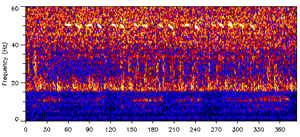
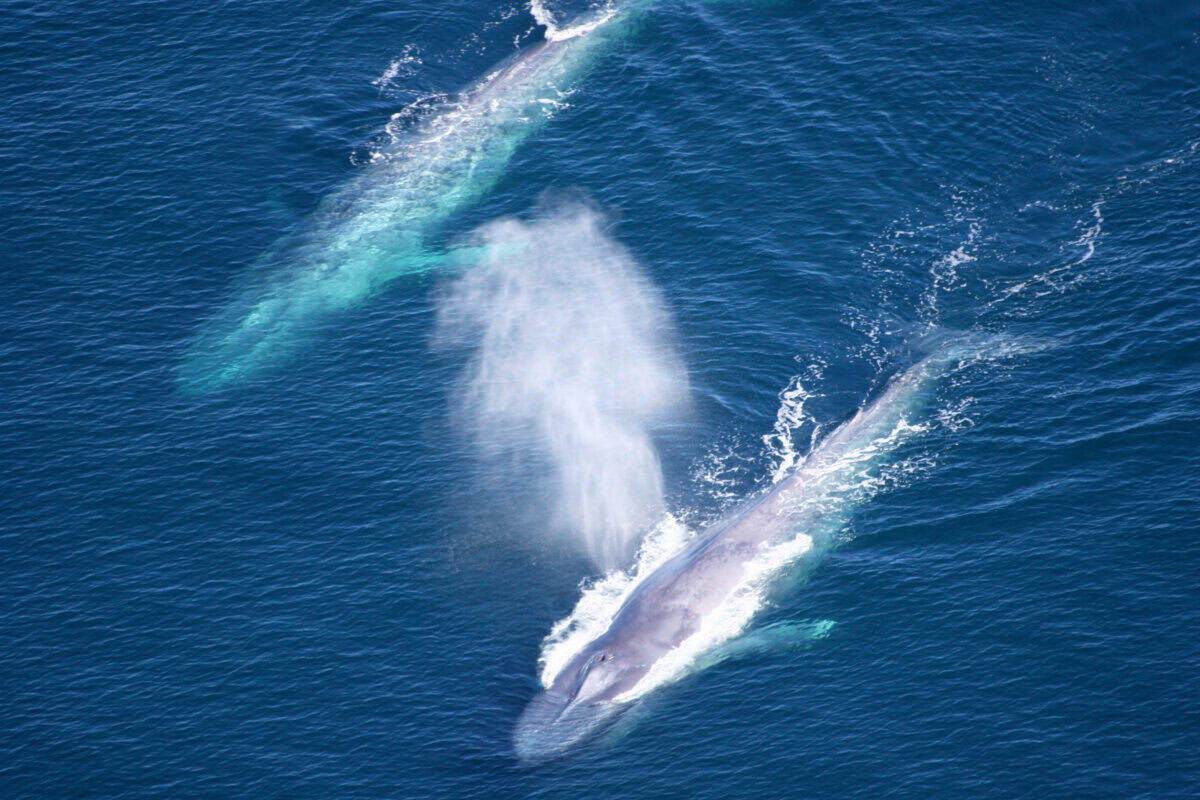
To appreciate just how unusual the 52-Hertz Whale is, one must understand the normal vocal patterns of large whales. Baleen whales like blue whales and fin whales typically produce low-frequency sounds that can travel hundreds of miles through ocean waters. Blue whales, the largest animals on Earth, generally vocalize between 10 and 39 Hertz, while fin whales communicate at around 20 Hertz. These low-frequency calls are adaptations that allow these mammals to communicate across vast ocean territories, particularly in the deep-channel sound corridor where low-frequency sound waves can travel with minimal degradation. By contrast, the 52-Hertz Whale’s significantly higher-pitched call represents a substantial deviation from these norms, raising questions about its ability to communicate effectively with other whales.
Theories About Its Unique Call
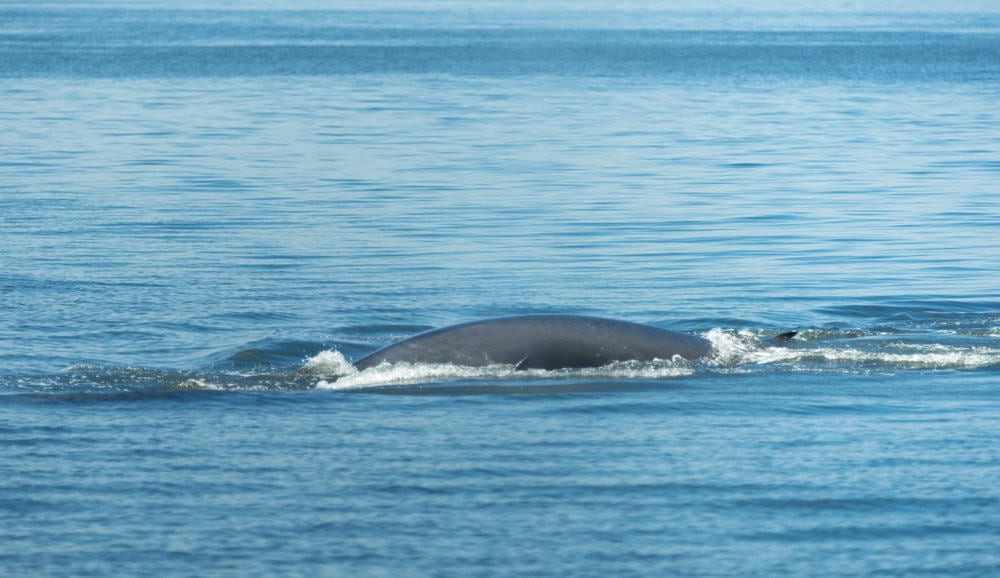
Scientists have proposed several theories to explain this whale’s unusual vocalization pattern. One possibility is that the animal is a hybrid between two whale species, perhaps a blue whale and another species, resulting in a unique vocal apparatus. Another theory suggests the whale might have a malformation in its vocal cords or air passages that produces this higher pitch. Some researchers have even speculated that the whale might be the last of its kind—a previously unknown species now on the brink of extinction. While definitive evidence remains elusive, acoustic analysis suggests the 52-Hertz Whale most closely resembles a blue whale or fin whale in its calling patterns, albeit at a completely different frequency.
Migration Patterns and Behavior

Tracking the 52-Hertz Whale has revealed that its migration routes generally follow patterns similar to blue whales in the North Pacific, though not exactly matching any known species’ typical route. The whale appears to travel alone, based on acoustic monitoring, covering a substantial territory from central California to the Aleutian Islands off Alaska. Unlike the predictable seasonal migrations of many whale populations, the 52-Hertz Whale sometimes deviates into unexpected areas, which has further complicated efforts to locate and identify it. Researchers tracking its movements through hydrophone arrays have noted that its swimming speed and diving patterns appear normal for a large baleen whale, suggesting that despite its unusual vocalization, many of its other behaviors align with those of known species.
The Challenge of Visual Identification

Despite decades of acoustic monitoring, researchers have yet to visually identify the 52-Hertz Whale. This challenge highlights the immense difficulty of matching acoustic signals to specific individuals in the vast ocean environment. The North Pacific, where the whale resides, encompasses approximately 77 million square kilometers of water, making it extraordinarily challenging to locate a single animal even with sophisticated tracking equipment. Several expeditions have attempted to find the whale, including the 2015 documentary project “Finding 52,” which sought to combine acoustic monitoring with visual confirmation. These efforts have yet to succeed, leaving the whale’s physical appearance—and even its species—a mystery. Scientists continue to debate whether it might be a blue whale, fin whale, or possibly a hybrid with unusual vocal characteristics.
Communication Isolation: Is the Whale Truly Lonely?

The 52-Hertz Whale’s popular nickname—”the loneliest whale in the world”—stems from the assumption that its unique frequency prevents effective communication with other whales. This poetic interpretation suggests a creature calling out into the ocean depths but never receiving a response, a narrative that has resonated deeply with many people. However, marine biologists caution against anthropomorphizing the situation too much. While it’s true that the frequency difference might impede communication with other whales of similar species, this doesn’t necessarily mean the whale experiences loneliness as humans understand it. Furthermore, recent research indicates that some whale species can hear across a wider range of frequencies than previously thought, raising the possibility that other whales might hear the 52-Hertz calls even if they don’t respond in kind.
Changes in Vocalization Over Time
Long-term acoustic monitoring has revealed that the 52-Hertz Whale’s calls have gradually deepened over the decades, shifting from the original 52 Hertz to closer to 47 Hertz in more recent recordings. This change is consistent with the natural aging process in whales, as older individuals often produce deeper calls. The consistent year-to-year modifications in vocal signature have allowed researchers to confirm they are tracking the same individual over time rather than different whales with similar unusual frequencies. This progressive change in pitch also supports the theory that the whale is a single anomalous individual rather than representing an unknown species, as a population would likely show more variation in call patterns over the same period.
Cultural Impact and Public Fascination
Few scientific discoveries about marine life have captured public imagination quite like the 52-Hertz Whale. Its story has inspired songs, poems, novels, and art exhibitions around the world. In 2004, when The New York Times published an article titled “The Loneliest Whale in the World,” the cetacean became a powerful symbol of isolation in the modern world. Musicians from Entombed A.D. to BTS have referenced the whale in their work, while authors have used it as a metaphor for human loneliness and the search for connection. This cultural resonance speaks to something deeply human in our response to the whale’s apparent isolation—a recognition of our own need for meaningful communication and the fear of going unheard. The whale’s story continues to inspire creative works that explore themes of loneliness, uniqueness, and the search for belonging.
Scientific Importance Beyond the Frequency
Beyond the fascinating mystery of its unique call, the 52-Hertz Whale has significant scientific importance. Its decades of tracked movements provide valuable data about long-term whale migration patterns in the North Pacific, information that can inform conservation efforts. Additionally, studying this unusual whale helps scientists understand the flexibility and limitations of cetacean communication systems. The whale’s potential hybrid status, if confirmed, would offer insights into interspecies breeding among large whales—a rarely documented phenomenon. Even the public interest generated by this single whale has increased awareness about ocean acoustics and the impacts of noise pollution on marine mammals, highlighting how individual anomalies can advance broader scientific understanding and conservation objectives.
Ocean Noise Pollution and Its Effects

The story of the 52-Hertz Whale takes on additional significance when considered against the backdrop of increasing ocean noise pollution. Since the Industrial Revolution, human-generated noise in the oceans has increased dramatically through shipping traffic, oil and gas exploration, military sonar operations, and construction activities. Studies suggest that ambient noise levels in some ocean regions have increased by as much as 12 decibels over the past century, significantly reducing the effective communication range for whales and other marine species. This acoustic habitat degradation may exacerbate communication challenges for animals with already unusual vocalization patterns. Some researchers speculate that as ocean noise increases, more whales might find themselves in communication isolation similar to the 52-Hertz Whale, highlighting the broader implications of this single animal’s story for marine conservation.
Recent Research Developments
In recent years, scientists have employed more sophisticated technologies in their ongoing study of the 52-Hertz Whale. Advanced acoustic localization techniques, drone surveillance, and environmental DNA sampling are now being used in attempts to finally identify this elusive creature. In 2021, researchers from the Marine Mammal Institute at Oregon State University deployed specialized autonomous underwater vehicles equipped with acoustic sensors designed to detect the unique 52-Hertz frequency with greater precision. While definitive identification remains elusive, these newer methodologies have narrowed down search areas and improved tracking capabilities. Additionally, analysis of decades of recordings has allowed scientists to create more detailed models of the whale’s behavioral patterns, supporting the hypothesis that it may be a blue whale with an anatomical anomaly rather than a hybrid or unknown species.
Conservation Implications
The 52-Hertz Whale has become an unintentional ambassador for marine conservation, highlighting the challenges faced by cetaceans in increasingly threatened ocean environments. If the whale is indeed a hybrid, it raises important questions about how climate change might be affecting breeding behaviors as traditional migration routes and feeding grounds shift. If it represents an anatomical anomaly, its survival for decades despite potential communication barriers demonstrates the resilience of these magnificent creatures. Conservation biologists point to the whale as a symbol of the need for comprehensive marine protected areas that safeguard not just physical habitats but also acoustic environments. The whale’s story emphasizes that conservation efforts must consider the full sensory ecology of marine species, including their specialized communication systems, rather than focusing exclusively on physical habitat protection.
The story of the 52-Hertz Whale continues to evolve as researchers persist in their efforts to unravel this oceanic mystery. After more than three decades of study, this remarkable creature still defies complete scientific understanding, reminding us of how much remains unknown about our planet’s oceans. Its unique voice echoes through the deep as a testament to the diversity of life on Earth and the complex ways animals adapt to their environments. Whether this whale is truly “lonely” or simply different, its persistence across decades demonstrates the extraordinary resilience of nature’s outliers. As technology advances and our understanding of marine mammals deepens, the 52-Hertz Whale stands as both a scientific puzzle and a powerful symbol of individuality in an interconnected natural world.

- Why This Mountain Range Holds More Biodiversity Than the Amazon - August 14, 2026
- Could Elephants Be Teaching Each Other Survival Strategies? - August 14, 2026
- The Venomous Water Moccasin: A Threat in the Wetlands - August 14, 2026