
Ancient footprints have long provided paleontologists with invaluable glimpses into prehistoric life, offering insights that fossilized bones alone cannot provide. Recently, remarkable new discoveries of mammalian trackways dating back to the earliest days of mammals in North America have revolutionized our understanding of these pioneering creatures. These fossil footprints, preserved in sedimentary rock for over 200 million years, capture moments in time when the first mammals were beginning their evolutionary journey across the American continent. By studying the size, shape, stride length, and distribution patterns of these tracks, scientists are reconstructing not just the physical appearance of these ancient mammals, but their behaviors, habitats, and ecological relationships. The newly discovered footprints are rewriting the story of mammalian origins in North America, providing unprecedented details about their emergence during a critical period of evolutionary history.
The Unexpected Discovery
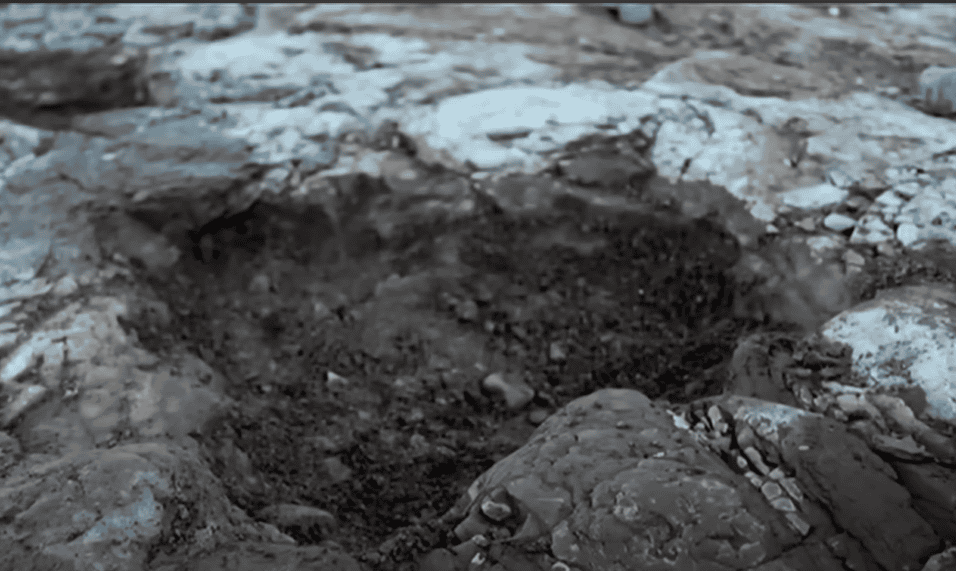
The scientific community was electrified when researchers announced the discovery of previously unknown mammalian footprints in sedimentary formations spanning across several western states. The findings occurred during routine geological surveys in areas not previously recognized for their mammalian fossil content. What makes these discoveries particularly significant is their age – dating back to the Late Triassic and Early Jurassic periods (approximately 210-190 million years ago), a time when mammals were just beginning to emerge and diversify. Many of these footprints were found in rock layers previously examined by paleontologists, yet the tiny impressions had been overlooked until new imaging technologies and search methodologies were employed. The footprints range in size from smaller than a pencil eraser to approximately the size of a quarter, indicating a diverse array of early mammalian species coexisting during this crucial evolutionary period.
Dating Methods and Geological Context

Precise dating of the footprints required sophisticated radiometric techniques, primarily focused on analyzing the radioactive isotopes in surrounding volcanic ash layers. These methods, including uranium-lead and argon-argon dating, have confirmed that the footprints span approximately 20 million years of early mammalian evolution. The geological contexts of these discoveries are equally revealing. The footprints were preserved in various environments, from ancient mudflats and shorelines to riverbanks and forest floors, suggesting these early mammals had already adapted to diverse habitats. The sedimentary layers containing the tracks also include fossilized pollen and plant remains, providing valuable data about the ecosystems these mammals inhabited. This environmental context has allowed researchers to reconstruct the Mesozoic landscapes through which these pioneering mammals moved, complete with vegetation types and climate indicators that help explain their evolutionary adaptations.
Identification of Track Makers

Determining exactly which creatures left these ancient footprints has presented a significant challenge to paleontologists. Through careful comparative analysis with known skeletal fossils from the same time periods, researchers have attributed most tracks to several groups of early mammaliaforms – creatures that were either true mammals or their immediate evolutionary predecessors. The tracks indicate the presence of at least seven distinct species, including members of the morganucodontids, docodonts, and haramiyids. These identifications are based on distinctive foot morphologies, digit arrangements, and pressure patterns preserved in the substrate. Some trackways show evidence of primitive paw structures with five digits, while others display specialized arrangements that suggest adaptation to specific locomotor strategies. Perhaps most exciting is evidence of a previously unknown larger species, with footprints suggesting a badger-sized mammal existed much earlier than skeletal fossils had previously indicated – potentially representing a significant gap in the fossil record that has now been illuminated through ichnology (the study of trace fossils).
Locomotion and Movement Patterns
The trackways have provided unprecedented insights into how these early mammals moved through their environments. Unlike the splayed posture of reptiles, many of the footprints show evidence of a more upright limb posture, with feet positioned more directly beneath the body – a key mammalian innovation that enables more efficient locomotion. Analysis of stride length, pace angulation, and foot rotation reveals that some of these early mammals were capable of relatively rapid movement, with speeds estimated at up to 15 kilometers per hour in some species. Other trackways suggest slower, more deliberate movement patterns typical of foraging behavior. Particularly fascinating are trails showing evidence of different gaits, including ambling walks, bounds, and even primitive galloping patterns in some of the more advanced species. These locomotor capabilities likely gave early mammals significant advantages in exploiting ecological niches, escaping predators, and pursuing prey, contributing to their evolutionary success in the shadow of dinosaurs.
Social Behavior Evidence

Some of the most compelling discoveries from the footprint sites include evidence of social behaviors previously unknown in early mammals. Multiple parallel trackways of identical morphology suggest that certain species moved in small groups or family units. In several locations, researchers have identified what appear to be congregational areas where numerous tracks converge, possibly indicating communal gathering spots. One particularly remarkable site in Arizona contains what researchers interpret as a possible den area, with numerous small tracks of varying sizes concentrated around a central depression in the ancient substrate. The presence of both adult-sized and juvenile-sized tracks in close proximity provides the first tangible evidence of parental care behaviors in mammals from this distant era. These social patterns suggest that some key mammalian behavioral traits evolved much earlier than previously thought, perhaps as adaptations to the challenges of surviving in habitats dominated by reptilian competitors.
Ecological Relationships Revealed

The footprints offer unprecedented glimpses into the ecological relationships of early mammals. Trace evidence shows that these creatures shared their environments with diverse reptiles, including early dinosaurs, as indicated by overlapping trackways where mammal prints intersect with those of larger reptilian species. In several instances, the mammal tracks change direction or pattern when approaching large reptilian tracks, suggesting avoidance behaviors. Evidence of predator-prey relationships appears in several trackways where smaller mammal tracks show sudden changes in stride length and direction, potentially indicating flight responses. The discovery of mammal footprints alongside those of known insectivorous reptiles suggests competitive relationships for food resources. Equally significant are tracks found in association with fossilized plant remains, indicating which vegetation types these early mammals frequented. This ecological context helps explain both the constraints and opportunities that shaped early mammalian evolution in North America, revealing a complex web of relationships that challenges the traditional view of early mammals as predominantly nocturnal, insectivorous creatures occupying narrow ecological niches.
Size Range and Diversity
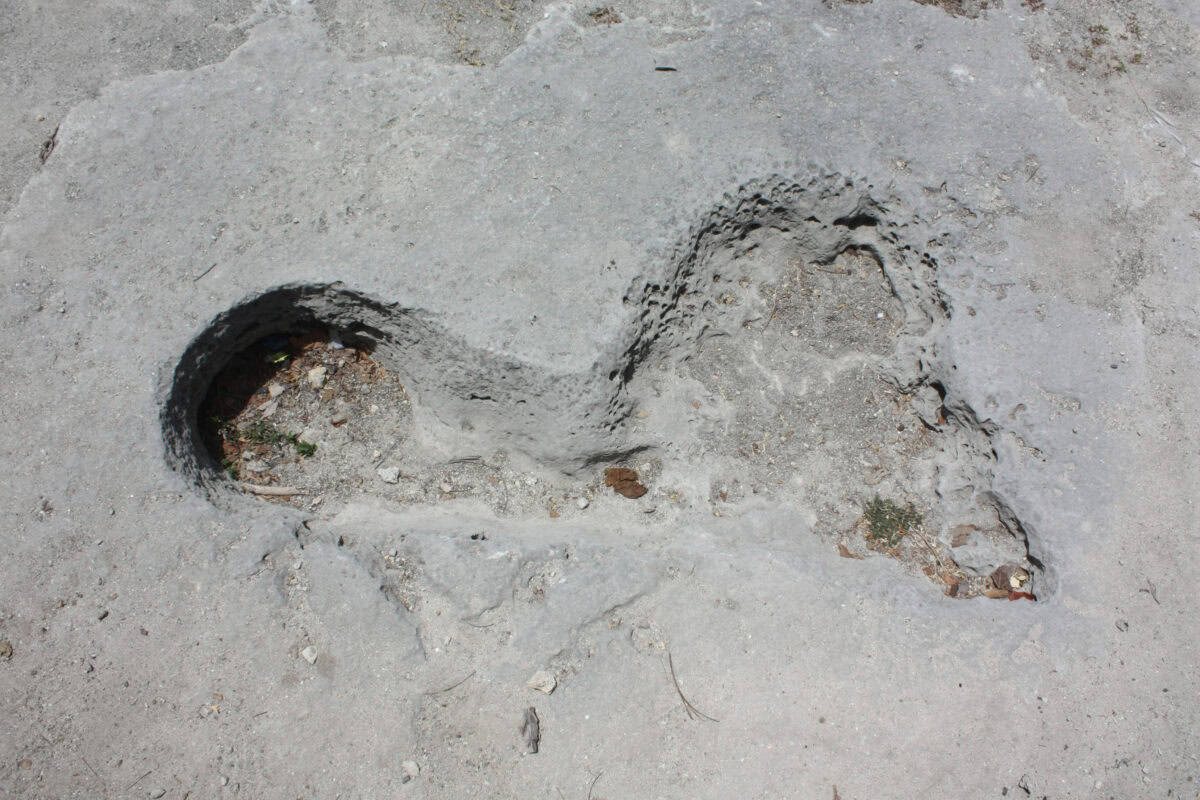
The newly discovered footprints demonstrate a surprising diversity in the size of early North American mammals. The smallest tracks, measuring just 5-7 millimeters in length, suggest mouse-sized creatures weighing perhaps 20-30 grams. At the other end of the spectrum, several sites have yielded prints measuring up to 4 centimeters, indicating animals potentially weighing 2-3 kilograms – significantly larger than previously known from skeletal remains of this period. This size range suggests that early mammals had already begun to diversify into various niches, possibly including not just insectivorous species but also omnivorous and perhaps specialized herbivorous forms. Importantly, the footprint evidence indicates a greater diversity of species than is represented in the skeletal fossil record from the same time periods, highlighting how trace fossils can fill critical gaps in our understanding of ancient biodiversity. The varieties of foot morphology preserved in these tracks also suggest adaptations to different substrates and locomotor needs, from specialized climbers to proficient runners, expanding our view of how these pioneering mammals interacted with their environments.
Geographical Distribution and Migration
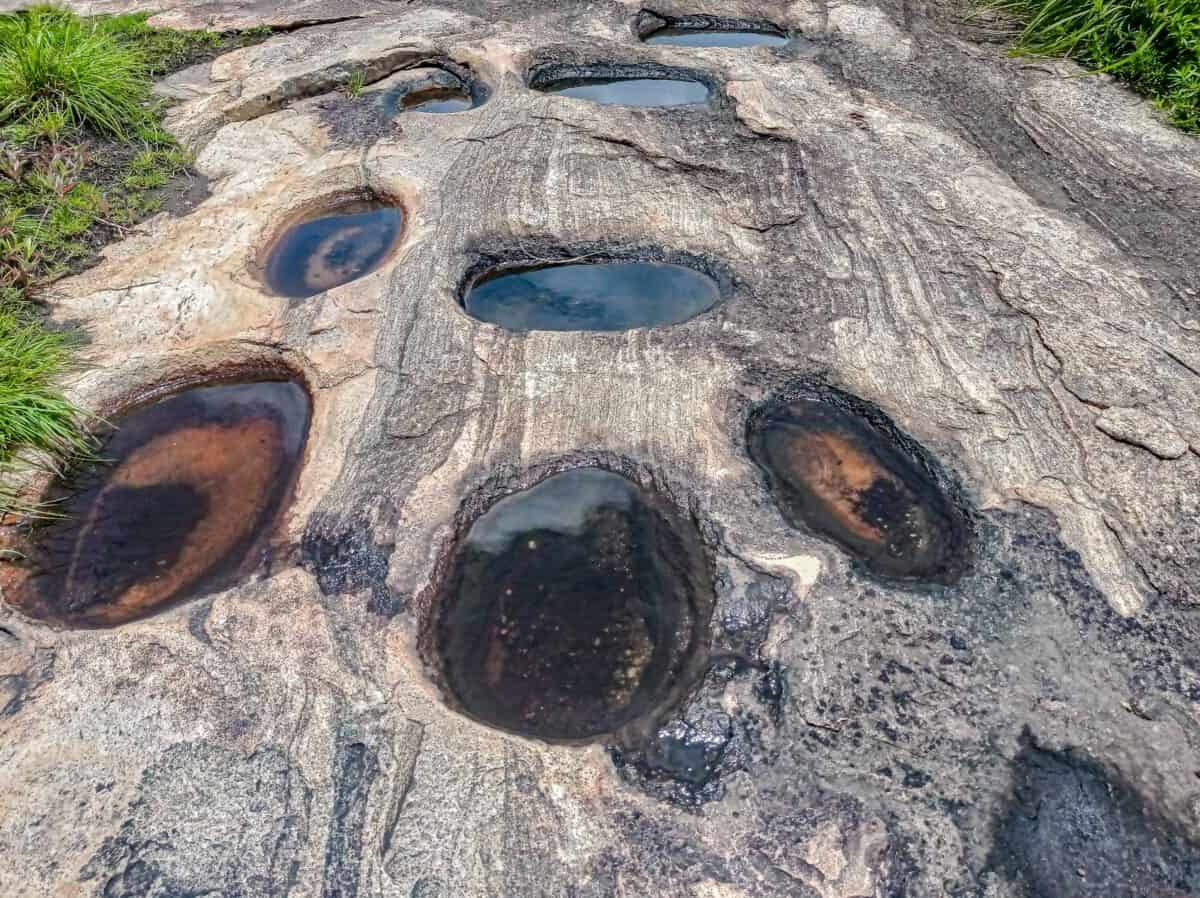
The distribution of these newly discovered footprints across multiple western states reveals patterns of early mammalian dispersal and habitat preferences. Tracks have been identified across formations in Arizona, New Mexico, Utah, Colorado, and Wyoming, indicating a widespread presence across western North America during the Late Triassic and Early Jurassic. Comparison of tracks from different geographical locations shows both similarities and regional variations, suggesting that while some species had wide distributions, others may have been localized to specific habitats or regions. The chronological sequence of the tracks, spanning approximately 20 million years, allows researchers to trace potential migration patterns as climates and environments shifted. Evidence suggests that as arid conditions expanded in some regions during the early Jurassic, mammal populations appear to have followed shifting habitat zones rather than adapting to increasingly hostile conditions. This mobility may have been a crucial factor in their survival through the end-Triassic extinction event, which severely impacted many reptilian groups but appears to have affected mammalian diversity less severely based on the continuity of track morphologies before and after this boundary.
Technological Breakthroughs in Track Analysis
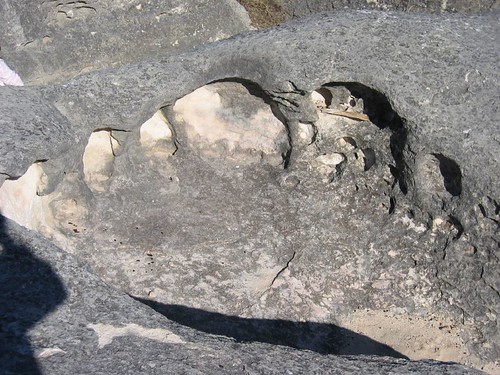
The discovery and analysis of these ancient footprints have been made possible by remarkable technological advances in paleontological methods. Photogrammetry and 3D scanning technologies have revolutionized the documentation of these delicate trace fossils, creating detailed digital models that can be analyzed, shared, and preserved regardless of what happens to the original specimens. Laser surface scanning at microscopic scales has revealed previously invisible details of foot morphology and movement dynamics. Advanced software algorithms now allow researchers to match footprint patterns with potential trackmakers based on skeletal anatomy with unprecedented precision. Perhaps most innovative has been the application of machine learning systems to identify potential mammal tracks in vast expanses of exposed bedding planes, dramatically increasing discovery rates. These technological approaches are complemented by experimental studies with living mammals, where researchers create controlled trackways to better understand how various gaits and behaviors translate into fossil track patterns. Together, these methods have transformed ichnology from a descriptive field to a highly analytical discipline capable of extracting remarkable behavioral and ecological insights from seemingly simple depressions in stone.
Evolutionary Implications
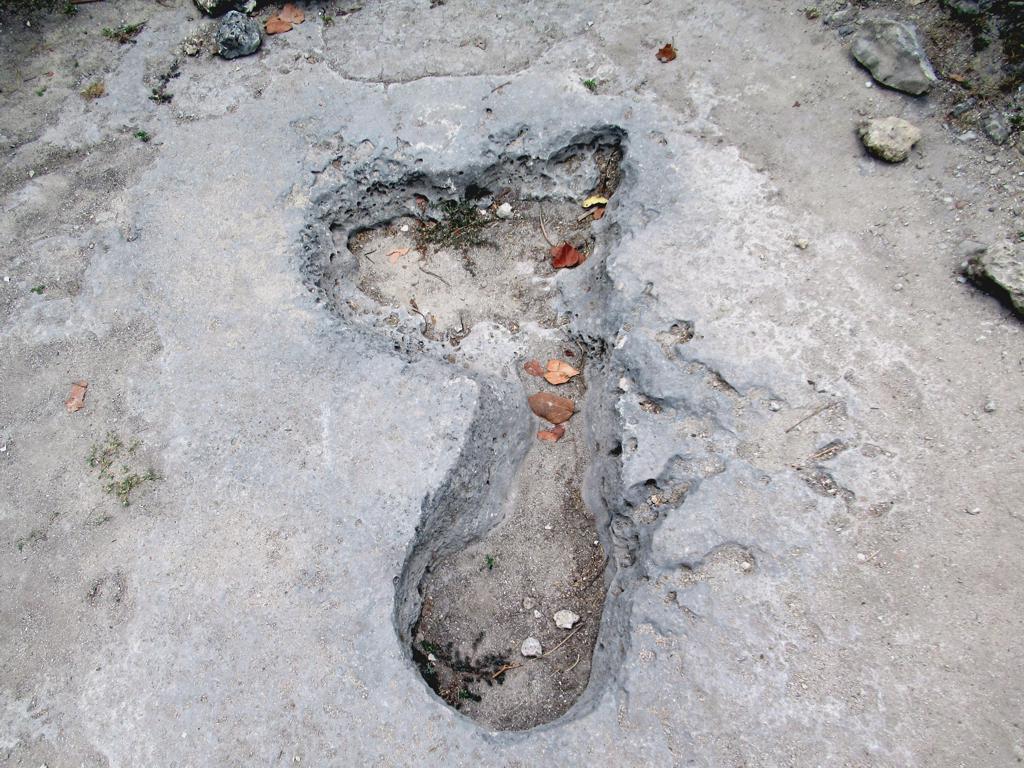
The new footprint discoveries have profound implications for our understanding of mammalian evolution in North America. The track evidence suggests that mammals had achieved a greater diversity and ecological significance during the Late Triassic and Early Jurassic than previously recognized from skeletal remains alone. The presence of larger species and evidence of complex social behaviors pushes back the timeline for several key mammalian adaptations by millions of years. Trackways showing distinctive mammalian gaits indicate that the locomotor adaptations that would later help mammals thrive were already well-established during this early period. The geographical distribution of tracks suggests that early mammals were remarkably successful at dispersing across varied landscapes, demonstrating adaptive flexibility that would become a hallmark of mammalian evolution. Perhaps most significantly, the continuous record of tracks through the end-Triassic extinction boundary provides new insights into how early mammals navigated this major environmental crisis. Rather than experiencing severe population crashes as many reptilian groups did, the footprint evidence suggests that mammals maintained their diversity and may have even expanded into niches vacated by extinct competitors, potentially setting the stage for their later evolutionary radiation during the Jurassic period.
Challenges in Preservation and Interpretation
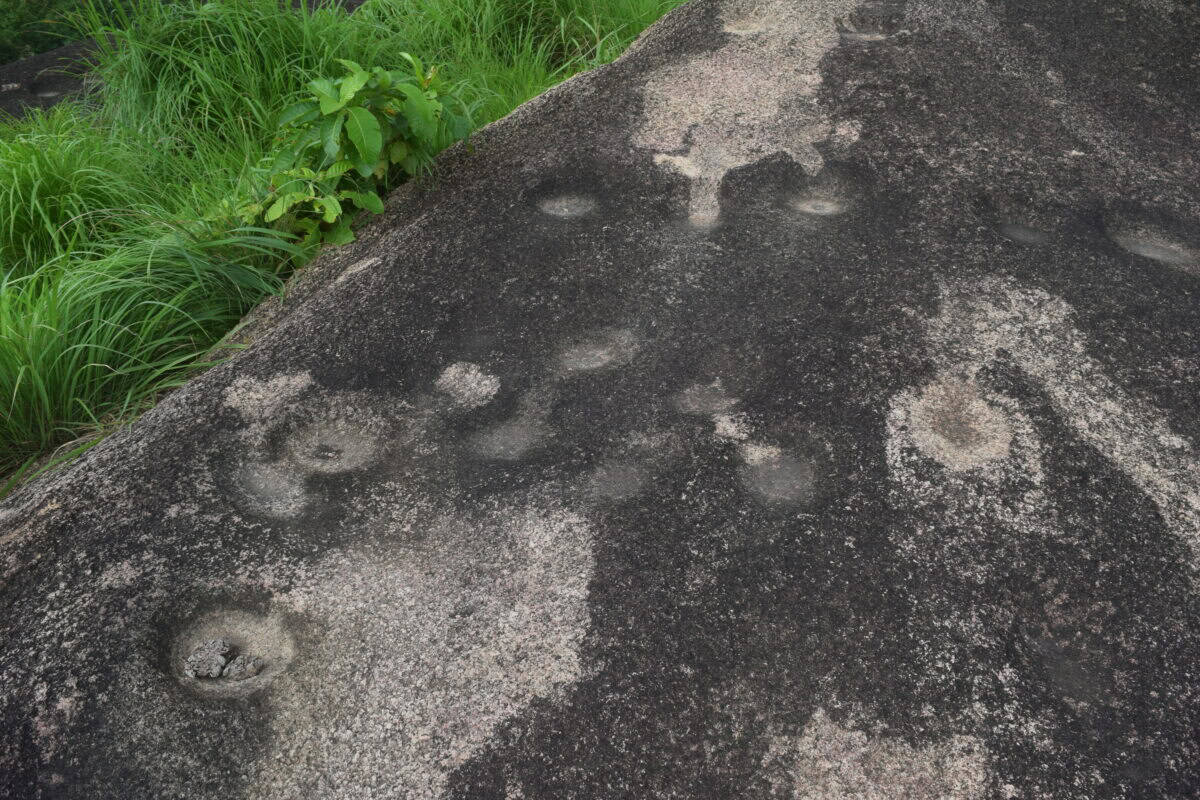
Despite their immense scientific value, the study of these ancient mammal tracks presents considerable challenges. The extremely small size of many prints requires meticulous excavation and documentation techniques, with some impressions visible only under specific lighting conditions or with microscopic examination. Preservation quality varies dramatically, with many tracks showing partial deformation due to subsequent geological processes. Weather exposure can destroy newly exposed tracks within weeks or even days, creating urgency in documentation efforts. Interpretation challenges abound as well, particularly in distinguishing mammal tracks from those of small reptiles with convergent foot morphologies. The lack of complete skeletal remains associated directly with trackways means that species identification often remains tentative. Additionally, behavioral interpretations must be made cautiously, as similar track patterns can sometimes result from different activities. Researchers must also contend with sampling biases, as track preservation requires specific environmental conditions that may not represent all habitats where early mammals lived. Despite these challenges, paleontologists continue to refine their methodologies, developing standardized protocols for documentation and interpretation that maximize the scientific value of these fragile windows into the past.
Future Research Directions
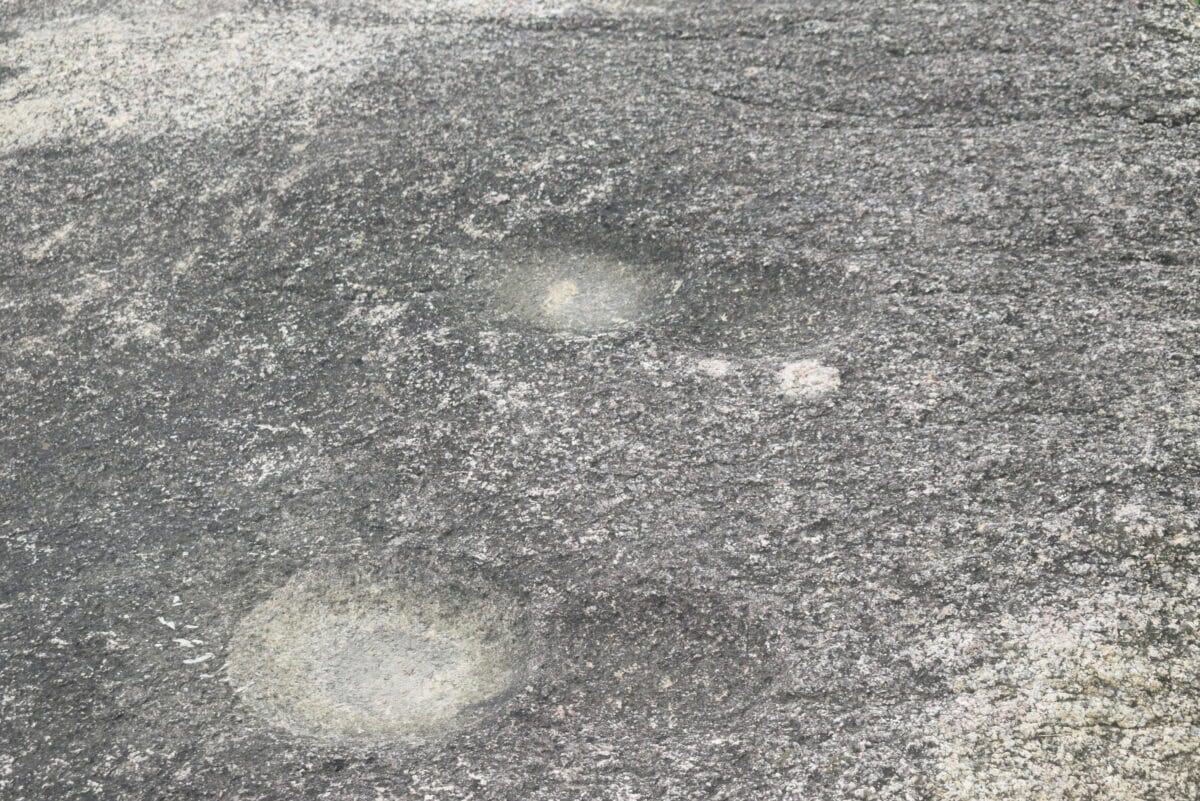
The discoveries of these ancient mammal tracks have opened numerous avenues for future investigation. Researchers are now systematically surveying additional formations of similar age across North America, with preliminary findings suggesting potential trackways in eastern states as well. Comparative studies with contemporaneous mammal tracks from other continents may reveal patterns of global versus regional evolutionary developments. Advanced chemical analysis of track-bearing sediments may provide further details about the environmental conditions and even dietary information through analysis of trace elements in fossilized feces occasionally found near trackways. Development of more sophisticated machine learning algorithms promises to accelerate the identification of additional track sites by analyzing satellite and drone imagery for geological formations likely to preserve such traces. Perhaps most ambitiously, researchers are exploring the possibility of identifying preserved organic molecules in the track impressions themselves – the pressure of foot pads may have pressed skin cells or oils into the substrate, potentially preserving biomolecular traces that could yield unprecedented information about the biology of these ancient creatures. These research directions ensure that new insights into the first American mammals will continue to emerge for years to come from their fossilized footprints.
Conclusion

The discovery of these ancient mammalian footprints has fundamentally transformed our understanding of the first mammals to inhabit North America. Where once we had only fragmentary skeletal remains to piece together their story, we now have dynamic records of their movements, behaviors, and ecological relationships preserved in stone. These trace fossils have revealed that early mammals were more diverse, widespread, and behaviorally complex than previously recognized, suggesting they played more significant roles in Mesozoic ecosystems than traditionally assumed. The footprints provide a crucial complement to the body fossil record, filling gaps in our knowledge and providing behavioral context impossible to determine from bones alone. As research continues and technologies advance, these ancient tracks will undoubtedly yield further insights, continuing to reshape our understanding of mammalian origins and early evolution across the American continent. In the delicate impressions left by tiny feet over 200 million years ago, we find not just the physical evidence of ancient life, but the beginning chapters of our own evolutionary story as mammals.

- The Secret Language of Dolphins Decoded by Researchers - July 20, 2026
- 7 Animals That Can Survive Extreme Environments You Couldn’t - July 20, 2026
- The Longest Snake Ever Found in the U.S. - July 20, 2026