

Space exploration has always fascinated humanity, but venturing beyond Earth’s protective atmosphere presents extreme challenges for living organisms. While humans require sophisticated life support systems, certain resilient creatures have demonstrated remarkable abilities to endure the harsh conditions of space. From microscopic tardigrades to insects and even mammals, these biological pioneers have helped scientists understand the limits of life and the possibilities for long-duration space missions. This article explores twelve remarkable animals that have survived exposure to the vacuum, radiation, and temperature extremes of space, either through natural adaptations or controlled experiments.
12. Tardigrades The Ultimate Space Survivors

Tardigrades, often called water bears or moss piglets, are microscopic eight-legged animals that have earned their reputation as the toughest creatures on Earth—and beyond. In 2007, researchers sent these tiny organisms into low Earth orbit on the FOTON-M3 mission, where they were directly exposed to the vacuum of space and cosmic radiation. Remarkably, many tardigrades survived this extreme environment for 10 days and were able to reproduce normally after returning to Earth. Their survival is attributed to their ability to enter a state called cryptobiosis, where they expel almost all water from their bodies, reduce their metabolism to near zero, and produce protective proteins that shield their DNA from radiation damage. Some tardigrades have even survived radiation doses thousands of times stronger than what would be lethal to humans, making them ideal subjects for understanding biological radiation resistance for future space exploration.
11. Nematodes Worms That Withstand Cosmic Radiation
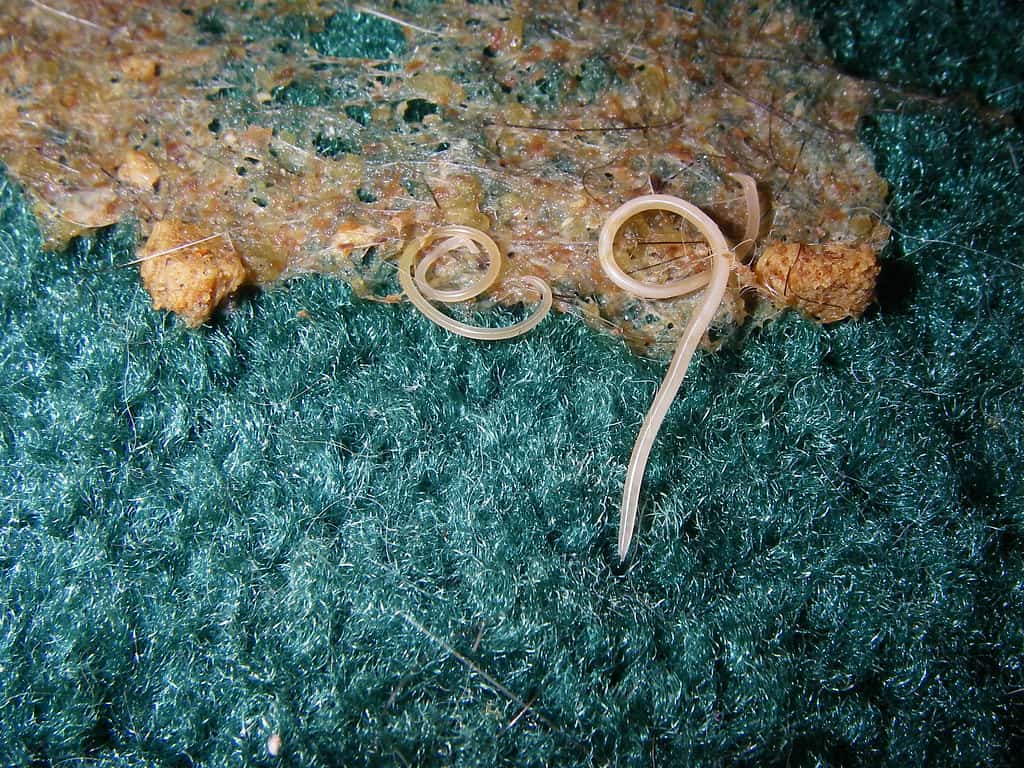
Nematodes, particularly the species Caenorhabditis elegans, have proven to be surprisingly resilient space travelers. These microscopic roundworms were aboard the Columbia space shuttle during its tragic disintegration in 2003, and scientists were astonished to discover that some survived the catastrophic event. Beyond this accidental test of survival, C. elegans have been intentionally sent to space numerous times for research. They’ve demonstrated an ability to complete their life cycle in microgravity conditions and withstand significant radiation exposure. Their simple nervous system, consisting of just 302 neurons, makes them valuable models for studying the effects of space travel on neural development. Additionally, their rapid reproduction cycle allows scientists to observe multiple generations in a single space mission, providing insight into how prolonged space exposure might affect genetic inheritance and evolution over generations—crucial knowledge for planning potential multi-generational space journeys.
10. Fruit Flies Pioneers of Space Biology
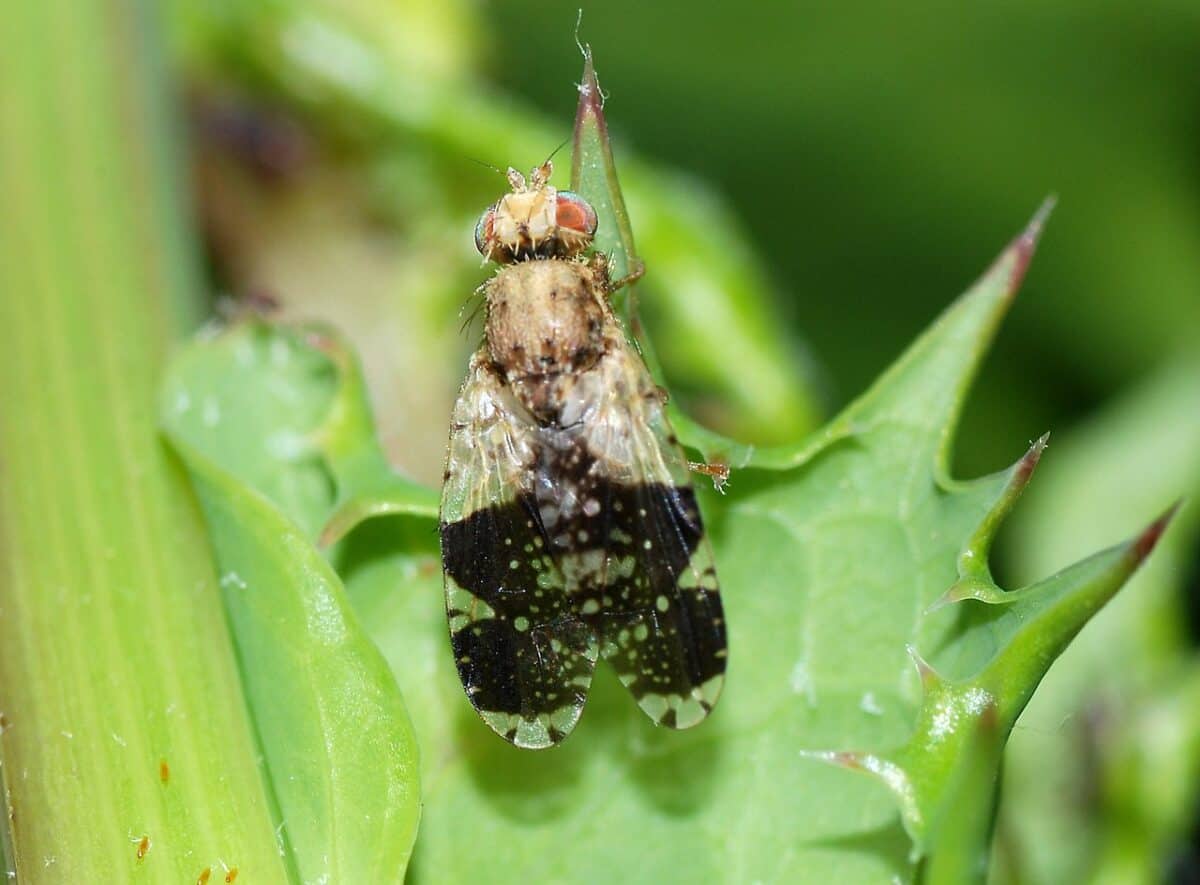
Fruit flies (Drosophila melanogaster) hold the distinction of being the first animals deliberately sent into space, traveling aboard a V-2 rocket launched by the United States in 1947. These insects were chosen not only for their small size but also for their genetic similarity to humans—sharing approximately 60% of our genes. Fruit flies have demonstrated remarkable resilience to the space environment, successfully reproducing in microgravity and withstanding radiation levels that would be harmful to humans. Their rapid life cycle allows scientists to observe multiple generations during a single space mission, providing valuable data on genetic changes that might occur in space over time. Research with fruit flies has revealed important insights about the effects of cosmic radiation on DNA repair mechanisms and how microgravity affects development and aging processes. These findings continue to inform protective measures for human astronauts on long-duration missions and potential future space colonization efforts.
9. Bacteria Thriving in the Cosmic Void

While not animals in the traditional sense, bacteria represent some of the most space-hardy organisms ever studied. Certain bacterial species, particularly Deinococcus radiodurans, have survived direct exposure to the vacuum and radiation of space for extended periods. This extremophile bacterium can withstand radiation doses hundreds of times greater than would be lethal to humans, earning it the nickname “Conan the Bacterium.” In a three-year experiment on the exterior of the International Space Station, aggregates of Deinococcus bacteria survived despite being exposed to cosmic radiation, ultraviolet radiation, temperature fluctuations, and vacuum conditions. Some bacterial strains have even shown increased growth rates in microgravity compared to Earth conditions. These findings raise important considerations for planetary protection protocols to prevent contamination of other celestial bodies during exploration missions. They also suggest that simple life forms might be capable of surviving interplanetary transfer on meteorites—lending credence to theories of panspermia, which propose that life could spread throughout the universe via space-traveling microorganisms.
8. Lichens Composite Organisms with Cosmic Resilience

Lichens—symbiotic partnerships between fungi and algae or cyanobacteria—have demonstrated surprising durability in space conditions. During the EXPOSE-E experiment conducted on the International Space Station between 2008 and 2009, samples of the lichen species Xanthoria elegans and Rhizocarpon geographicum were exposed to the vacuum of space, cosmic radiation, and extreme temperature fluctuations for 18 months. Upon return to Earth, researchers were amazed to find that these lichens maintained their cellular integrity and quickly resumed normal metabolic functions. Their resilience stems from several adaptations, including protective pigments that shield against radiation, specialized structures that prevent complete dehydration, and the ability to enter dormant states when conditions become unfavorable. The survival of these complex organisms suggests that certain life forms might be able to endure meteorite-assisted planetary transfer, bolstering the plausibility of panspermia theories. Lichens’ space-survival capabilities also make them interesting candidates for potential terraforming applications and as models for developing biological life support systems for future space habitats.
7. Planarian Flatworms Regenerating in Microgravity

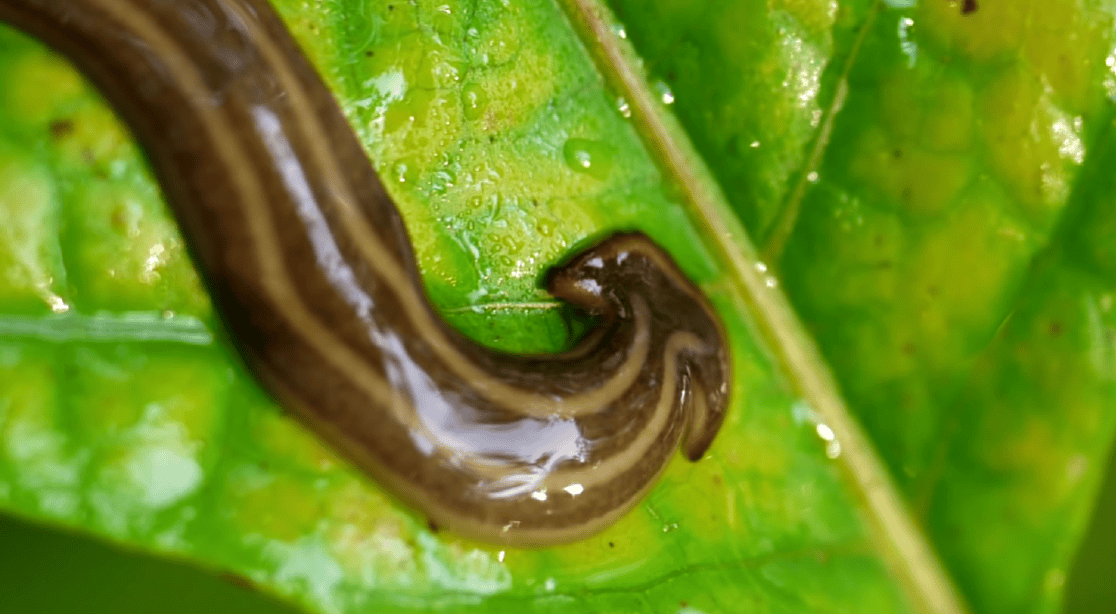
Planarian flatworms are remarkable creatures known for their regenerative abilities—they can regrow entire bodies from tiny fragments. When sent to the International Space Station in 2017, these worms demonstrated not only survival but also unprecedented regenerative responses to the space environment. In one particularly striking case, a flatworm that had been sent to space as a whole organism returned to Earth with two heads—a spontaneous and rare morphological change. After five weeks in space, the flatworms showed altered behavior in response to light and exhibited changes in their microbiome composition compared to Earth-bound controls. Perhaps most remarkably, these changes persisted even after the worms returned to Earth and reproduced, suggesting that space exposure triggered epigenetic alterations that were passed to subsequent generations. The unique regenerative capabilities of planarians make them valuable models for studying how complex tissue regeneration processes function in microgravity, potentially offering insights for regenerative medicine applications both in space and on Earth.
6. Squid Illuminating Space Biology

In 2021, baby bobtail squid (Euprymna scolopes) were sent to the International Space Station as part of a study examining how space travel affects beneficial relationships between animals and their microbiomes. These tiny cephalopods have a special symbiotic relationship with bioluminescent bacteria (Vibrio fischeri) that colonize a specialized light organ in their mantle. On Earth, this relationship helps the squid camouflage themselves against moonlight while hunting at night. In space, researchers wanted to observe how microgravity might affect the establishment of this symbiosis. The squid survived their journey and provided valuable data on how complex symbiotic relationships respond to space conditions. This research has implications not just for understanding animal-microbe interactions in space but also for human health during long-duration missions, as astronauts’ microbiomes undergo significant changes during spaceflight that can impact their immune function and overall wellbeing. The study of these symbiotic systems in squid could help develop strategies to maintain healthy microbial balance for future astronauts on long-term space missions.
5. Ants Building Colonies Beyond Earth
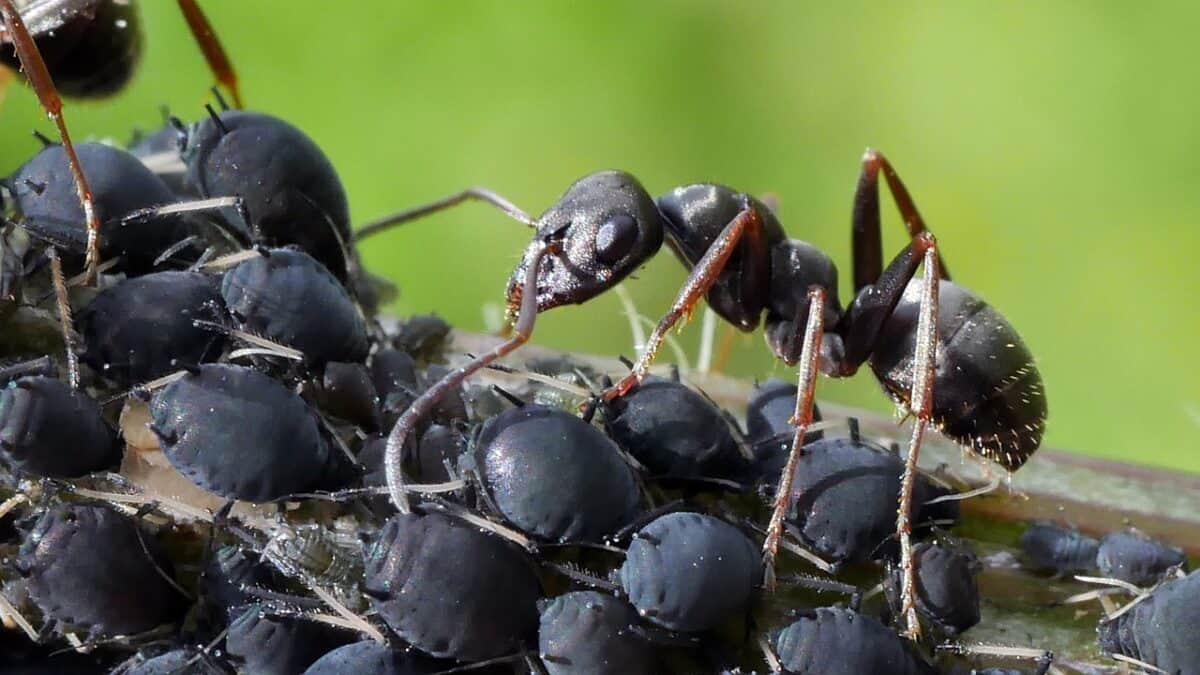
Several species of ants have participated in space experiments, with particularly noteworthy studies involving pavement ants (Tetramorium caespitum) and harvester ants (Pogonomyrmex barbatus). These social insects have demonstrated remarkable adaptability to microgravity environments. In experiments aboard the International Space Station, ants quickly adjusted their movement patterns to compensate for the lack of gravity, developing new search strategies that differed from their Earth-bound counterparts. Despite the challenging conditions, the ants maintained their ability to work collectively and solve problems. Within days, they established functional foraging patterns in their orbital habitats. Their adaptability stems partially from their decentralized organization system, where individual ants make decisions based on local information rather than centralized control. This makes their social structure resilient to environmental disruptions. The study of ant colonies in space provides insights into how complex social systems might adapt to extraterrestrial environments—knowledge that could prove valuable for designing robust systems for future human space colonies, where adaptability and collective problem-solving will be essential survival traits.
4. Fish Swimming in Microgravity

Various fish species have been studied in space, with Japanese rice fish (Oryzias latipes, also known as medaka) and zebrafish (Danio rerio) being particularly valuable research subjects. When sent to the International Space Station, these fish demonstrated remarkable adaptability to microgravity. After an initial period of disorientation, they learned to swim in three-dimensional patterns unlike anything seen on Earth, effectively utilizing their entire tank volume rather than maintaining the typical horizontal orientation observed in terrestrial environments. Beyond behavioral adaptations, studies have shown that fish in space undergo significant physiological changes, including altered bone density, muscle atrophy patterns, and changes in vestibular (balance) system development. The Japanese medaka fish aboard the ISS in 2014 successfully reproduced in space, with their eggs developing into healthy offspring despite the microgravity environment. These experiments provide crucial insights into how vertebrate development and physiology respond to space conditions, offering parallels that help scientists understand and mitigate similar effects experienced by human astronauts during long-duration spaceflight.
3. Mice Mammalian Models for Space Adaptation
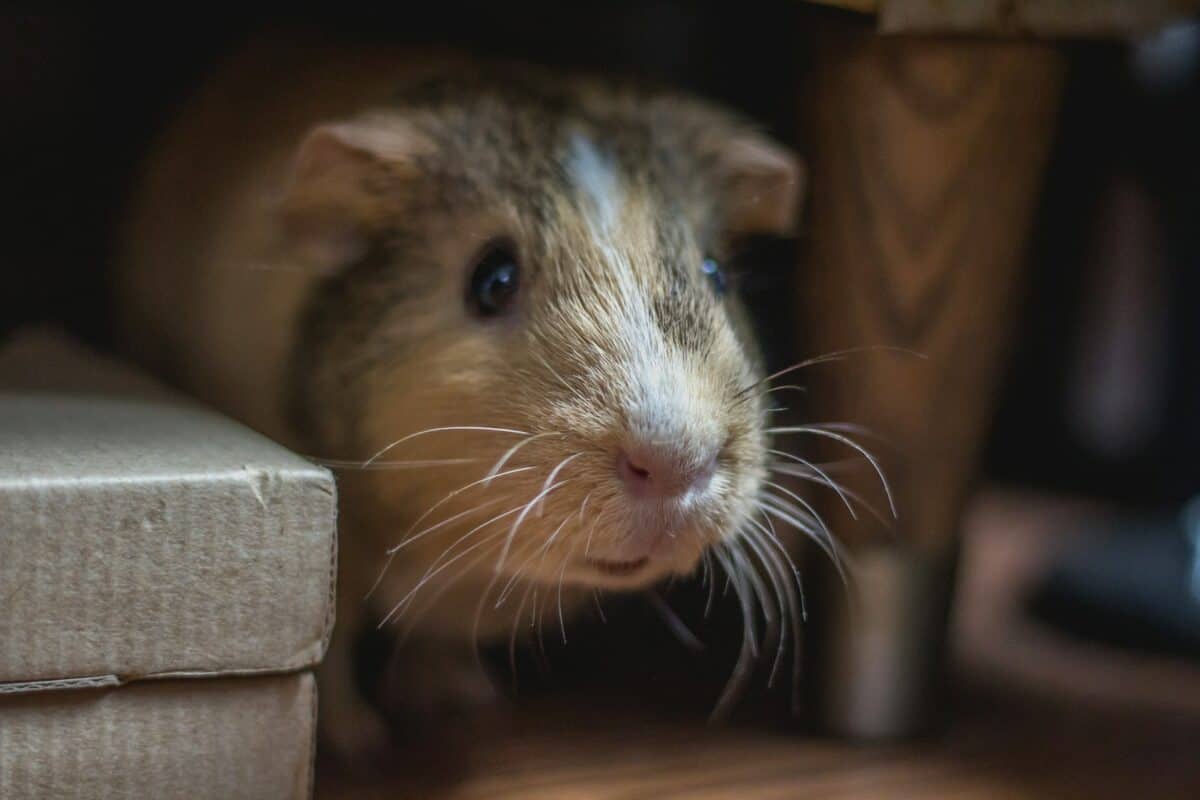
As mammals with genetic similarity to humans, mice have been invaluable subjects for space biology research. In numerous missions to the International Space Station, mice have demonstrated the ability to adapt to microgravity, though not without significant physiological changes. Within days of reaching orbit, mice learn to propel themselves off surfaces and float between locations, eventually developing specialized movements for microgravity navigation. However, they also experience many of the same health challenges that human astronauts face, including bone density loss, muscle atrophy, cardiovascular changes, and immune system alterations. In a landmark 2020 study, mice spent a record 37 days in space, allowing scientists to observe longer-term adaptations. Remarkably, some female mice even gave birth to healthy pups after returning to Earth, demonstrating that mammalian reproduction can remain viable after extended space exposure. The genetic similarities between mice and humans make these studies particularly valuable for developing countermeasures to protect astronaut health during long-duration missions, such as potential future journeys to Mars.
2. Geckos Reptilian Space Pioneers
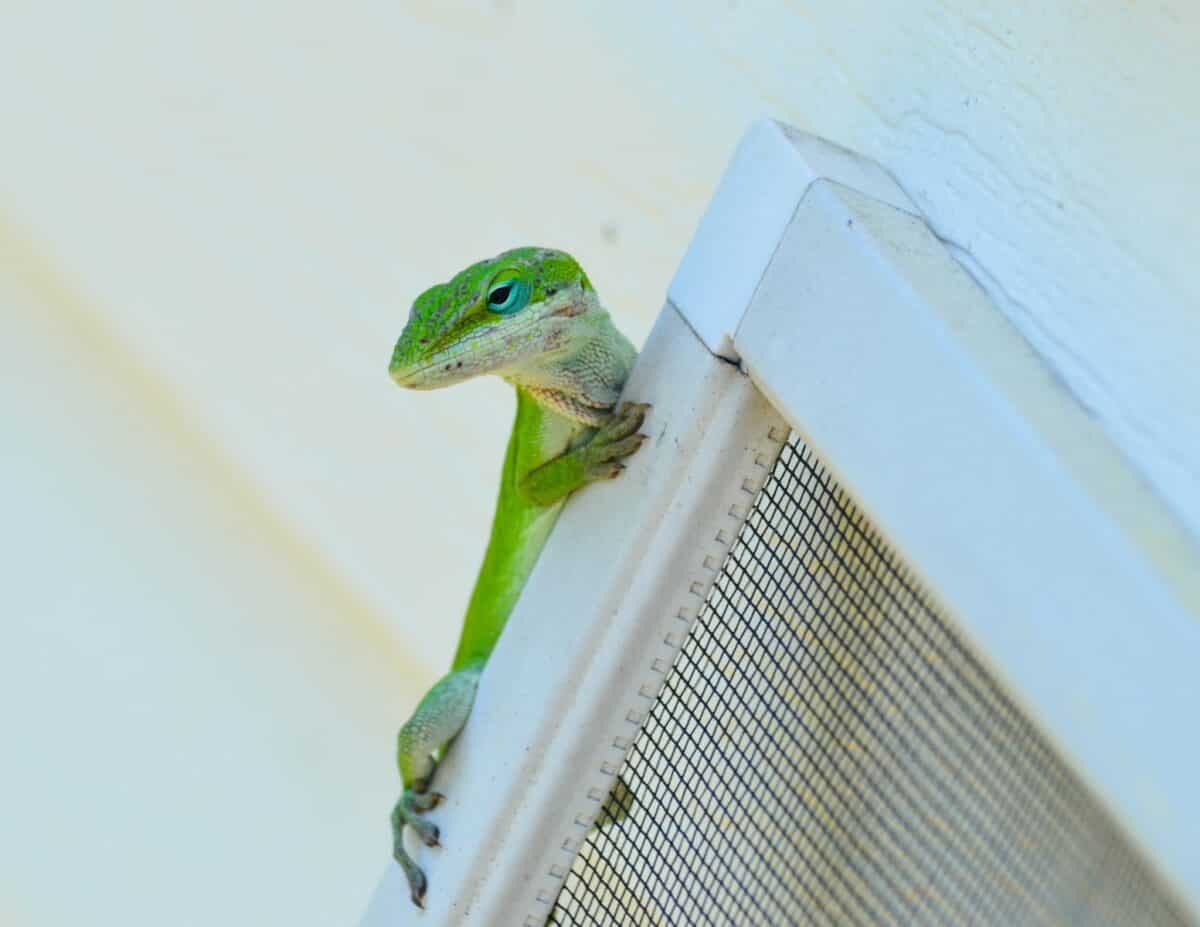
Geckos have proven to be particularly interesting subjects for space biology due to their unique adhesion abilities and reproductive characteristics. In 2014, Russia’s Foton-M4 satellite carried several thick-toed geckos (Chondrodactylus turneri) as part of a study on the effects of microgravity on reproductive systems. The geckos demonstrated that their specialized toe pads, which allow them to climb walls on Earth through van der Waals forces, remained functional in microgravity—allowing them to attach to surfaces despite the absence of gravity. This adhesion ability helped them adapt to the space environment by providing stability in an otherwise disorienting setting. During the mission, female geckos displayed normal reproductive behaviors and developed follicles, though completed fertilization was not observed. Perhaps most remarkable was the geckos’ ability to quickly reorient their typical behaviors to the microgravity environment, including developing new resting postures and movement patterns. These adaptations suggest certain reptilian species possess unexpected flexibility for adjusting to non-terrestrial conditions, providing insights that could influence habitat design for both animals and humans in future space settlements.
1. Butterflies Metamorphosis Beyond Earth
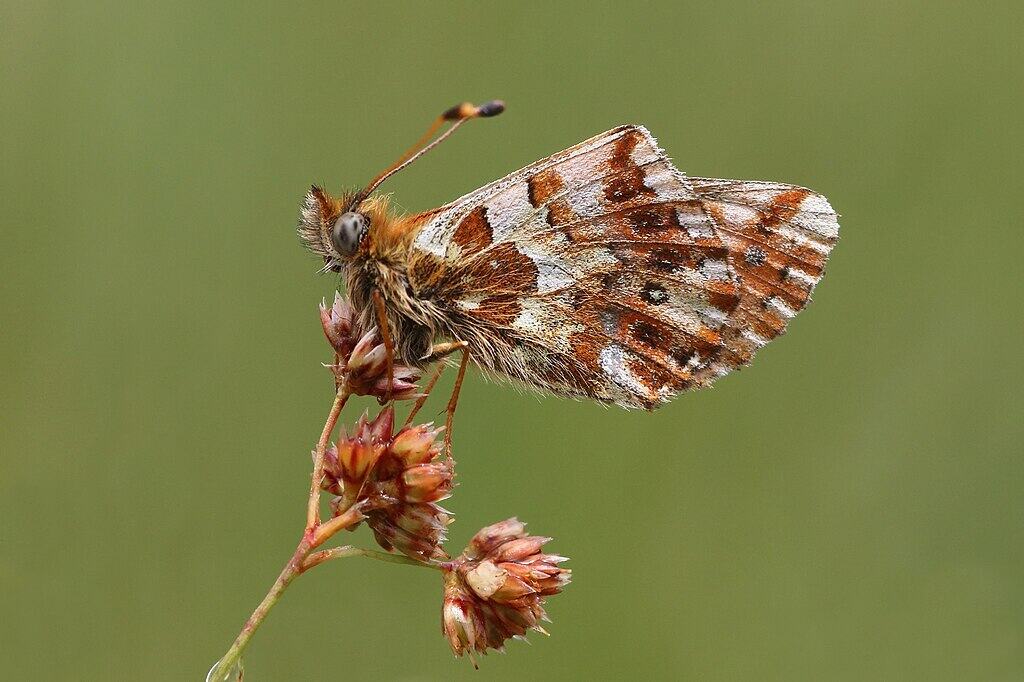
The complex process of butterfly metamorphosis has been successfully completed in the microgravity environment of space, offering fascinating insights into how development processes adapt to extraterrestrial conditions. In 2009, Painted Lady butterfly (Vanessa cardui) larvae were sent to the International Space Station as part of an educational experiment. Remarkably, these insects proceeded through their complete life cycle—from caterpillar to chrysalis to adult butterfly—while in orbit. Although the space-raised butterflies emerged with slightly smaller wings compared to their Earth-bound counterparts, they were otherwise normal and functional. Scientists observed that the microgravity environment created unique challenges during the chrysalis stage, as the butterflies had to develop without the usual gravitational cues that help orient their growth on Earth. Nevertheless, their developmental processes proved robust enough to adapt. The space butterflies also displayed modified flight behaviors, developing new wing movement patterns to navigate in microgravity. These experiments demonstrate the resilience of complex biological development processes even when fundamental forces like gravity are altered, providing encouragement for the potential adaptability of Earth life to extraterrestrial environments.
Conclusion: The Biological Frontiers of Space Exploration
The remarkable abilities of these twelve diverse organisms to survive space conditions reveal the extraordinary adaptability of life on Earth and its potential to exist beyond our planet. From microscopic tardigrades to complex mammals, each species provides unique insights into biological responses to microgravity, radiation, temperature extremes, and other space-related stressors. These biological pioneers serve as both test subjects and teachers, helping scientists develop better protections for human astronauts while demonstrating the resilience that might allow life to spread throughout the cosmos. As we venture further into space, our understanding of these space-hardy creatures will become increasingly valuable, potentially informing everything from closed-loop life support systems to the possibilities of terraforming other worlds. Their stories remind us that the boundaries of life’s adaptability extend far beyond the confines of our home planet—a humbling and inspiring reality as humanity contemplates its future among the stars.

As a little kid, I fell in love with nature, wildlife, and animals. Living in the USA, South Africa, Italy, China and Germany gave me the opportunity to discover the world's Wildlife. My favorite animals are Mountain Gorillas, Siberian Tigers, and Great White Sharks.
I'm a certified PADI Open Water Diver, went to Everest Base Camp and Trekked Gorillas in Uganda. I hold a Master of Science in Economics and Finance.
Please send any feedback to feedback@animalsaroundtheglobe.com
- 10 Most Unique Reptiles You will See in the US - July 21, 2026
- 3 Dangerous Invasive Species the USA Must Eradicate - July 21, 2026
- 10 Things That Calm Cats And 4 That Make Them Nervous - July 21, 2026