


Animals don’t just exist within their ecosystems—they actively heal and maintain them through complex interactions that have evolved over millions of years. These ecological healers perform vital functions that restore balance, regenerate damaged environments, and promote biodiversity. From the tiny earthworm that revitalizes soil to the massive elephant that shapes entire landscapes, nature’s healers work tirelessly to maintain the health of our planet. This fascinating aspect of ecology reveals how interconnected all living things truly are, and how the activities of certain species create ripple effects that benefit countless others. Let’s explore some of the most remarkable animal healers and understand how their seemingly simple actions contribute to the well-being of entire ecosystems.
The Ecological Importance of Animal Healers

Ecosystem healing refers to the natural processes that restore balance and functionality to damaged or disturbed environments. Animals play crucial roles in these healing processes, often serving as what ecologists call “ecosystem engineers” or “keystone species.” These animal healers don’t possess magical powers, but their evolved behaviors and biological functions provide indispensable services that maintain ecosystem health. They may decompose dead matter, disperse seeds, control pest populations, clean water systems, or physically alter landscapes in ways that create niches for other organisms. Without these healing activities, ecosystems would become imbalanced, leading to decreased biodiversity, reduced resilience to environmental stresses, and potential collapse of vital ecological functions.
Elephants: The Landscape Architects

Elephants serve as powerful ecosystem healers through their physical impact on their habitats. As they move through forests and savannas, they create gaps in dense vegetation that allow sunlight to reach the forest floor, promoting new plant growth. Their massive size means they can knock over trees, creating clearings that benefit species requiring open areas. Research in African savannas has shown that elephant-maintained clearings have significantly higher plant diversity than areas without elephant activity. Additionally, elephants are exceptional seed dispersers, consuming fruits and excreting the seeds up to 65 kilometers away from the parent trees. Studies have found that many plant species show improved germination rates after passing through elephant digestive systems, with the seeds benefiting from both scarification and fertilization. By maintaining a mosaic of habitats and spreading plant genetic diversity, elephants essentially function as landscape architects, healing and reshaping ecosystems for the benefit of countless other species.
Vultures: Nature’s Clean-up Crew
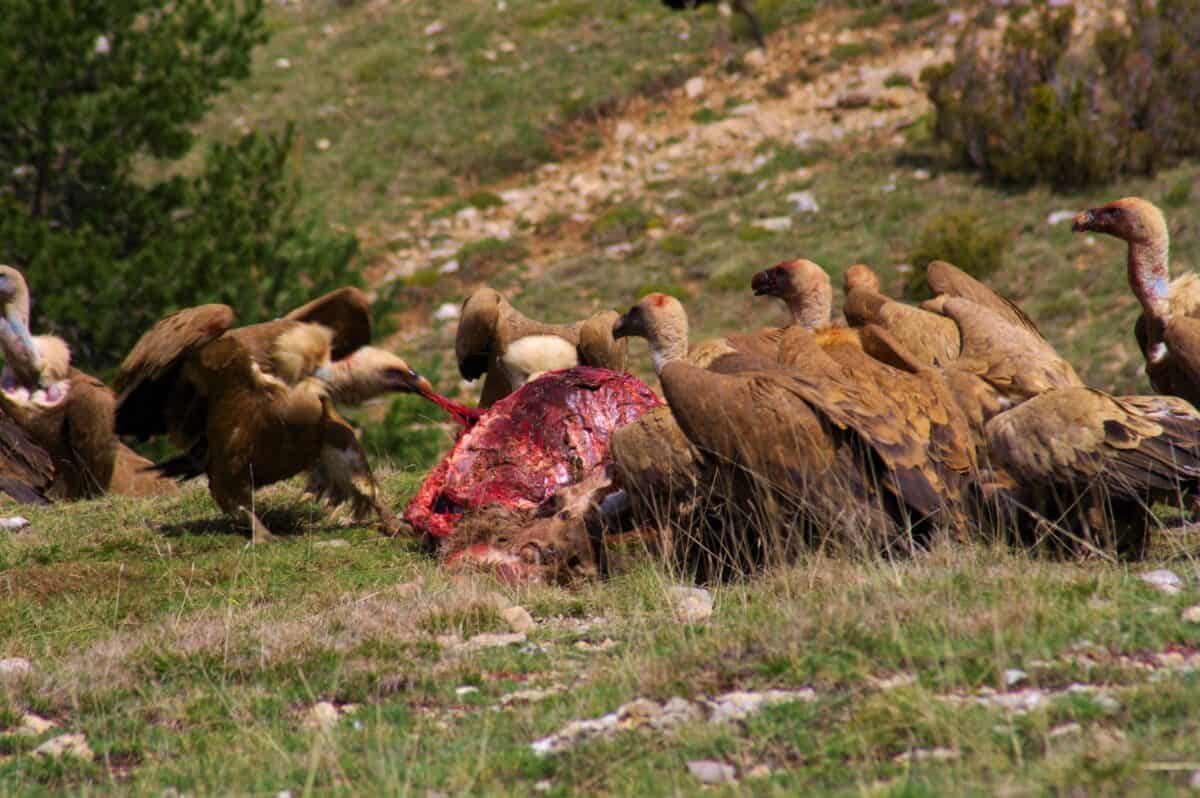
Vultures might not win any beauty contests, but these remarkable birds provide invaluable healing services to their ecosystems. As specialized scavengers, vultures rapidly consume carcasses that would otherwise become breeding grounds for disease. Their highly acidic stomachs, with pH levels as low as 1.0, effectively neutralize dangerous pathogens like anthrax, botulism, and cholera that would otherwise proliferate in decomposing remains. Research has demonstrated the significant public health implications of vulture populations: when India’s vulture population declined by over 99% due to diclofenac poisoning in the 1990s, rotting carcasses led to contaminated water supplies and a dramatic increase in feral dog populations, which subsequently caused a surge in rabies cases. Additionally, vultures’ efficient consumption of carrion prevents the release of methane that would occur during prolonged decomposition, making these birds important contributors to carbon cycle regulation. By cleaning environments of potentially hazardous biological waste, vultures serve as natural sanitation workers, preventing disease outbreaks and maintaining ecosystem health.
Beavers: Ecosystem Engineers

Beavers exemplify the concept of healing landscapes through their remarkable engineering capabilities. By building dams and creating wetlands, beavers fundamentally transform stream ecosystems in ways that benefit countless species. Their ponds slow water flow, reducing erosion and filtering sediments and pollutants from water. Research has shown that beaver ponds can remove up to 45% of harmful nitrogen compounds from water systems. During droughts, these ponds serve as crucial water reservoirs, while during floods, they absorb excess water that would otherwise cause damage downstream. The wetland habitats created by beavers support dramatically increased biodiversity—studies have documented up to 50% more plant, bird, fish, mammal, reptile, and amphibian species in beaver-modified areas compared to similar streams without beavers. In fire-prone regions, beaver wetlands create natural firebreaks that help contain wildfires. The reintroduction of beavers has become a key strategy in watershed restoration projects worldwide, with remarkable success in healing degraded stream systems and improving water quality and quantity across landscapes.
Earthworms: Soil Revitalizers

These humble invertebrates play a profound role in healing and maintaining soil health, which forms the foundation of terrestrial ecosystems. As earthworms tunnel through soil, they create channels that improve aeration and water infiltration, reducing runoff and erosion by up to 50% according to agricultural studies. Their digestive processes transform organic matter into nutrient-rich castings that contain 5-11 times more nitrogen, phosphorus, and potassium than the surrounding soil. Research has shown that areas with healthy earthworm populations typically have 25% higher plant productivity. Additionally, earthworms break down pesticides and other pollutants, helping to detoxify contaminated soils. Their mixing of soil layers, known as bioturbation, accelerates the formation of stable soil aggregates that sequester carbon and improve soil structure. In forest ecosystems, earthworms can process up to 2 tons of leaf litter per acre annually, recycling nutrients that would otherwise remain locked in slowly decomposing matter. By constantly processing, enriching, and structuring soil, earthworms provide healing services that benefit virtually all terrestrial life forms.
Parrotfish: Coral Reef Guardians

Parrotfish serve as essential healers of coral reef ecosystems through their unique feeding habits. These colorful fish use their beak-like teeth to scrape algae from coral surfaces, preventing algal overgrowth that would otherwise smother and kill coral colonies. Research in the Caribbean has demonstrated that reefs with healthy parrotfish populations show significantly better coral recovery after bleaching events compared to overfished areas. Perhaps most remarkably, parrotfish literally create beaches—as they feed on algae, they ingest coral rock, grind it in specialized throat plates, and excrete it as fine sand. A single large parrotfish can produce up to 840 pounds (380 kg) of sand annually. Studies on the Great Barrier Reef have found that parrotfish are responsible for approximately 85% of the biogenic sand production on coral islands. By controlling algal populations, maintaining clean surfaces for coral larvae to settle, and creating sandy habitats that support numerous marine species, parrotfish function as irreplaceable custodians of reef health. Their healing activities maintain the delicate balance that allows coral reef ecosystems—among the most biodiverse habitats on Earth—to thrive.
Wolves: Restoring Ecological Balance

The reintroduction of wolves to Yellowstone National Park in 1995 has become one of the most celebrated examples of how predators can heal damaged ecosystems. After wolves were eliminated from Yellowstone in the early 20th century, elk populations exploded, leading to overgrazing of riparian vegetation and subsequent ecological degradation. The return of wolves initiated what ecologists call a “trophic cascade”—a series of changes throughout the food web. By hunting elk, wolves reduced their numbers and altered their behavior, causing elk to avoid certain areas where they were vulnerable to predation. This allowed aspen, willow, and cottonwood trees to recover in riparian zones, which in turn stabilized stream banks and reduced erosion. The improved habitat attracted beavers, whose dams created wetlands that supported amphibians, fish, and waterfowl. The wolves also suppressed coyote populations, leading to increases in small mammal numbers that benefited raptors, foxes, and badgers. Research has documented increased plant diversity, improved stream health, and enhanced biodiversity throughout the ecosystem following wolf reintroduction. This remarkable case demonstrates how top predators can heal ecological relationships throughout entire landscapes, restoring function and resilience to damaged systems.
Dung Beetles: Waste Management Specialists
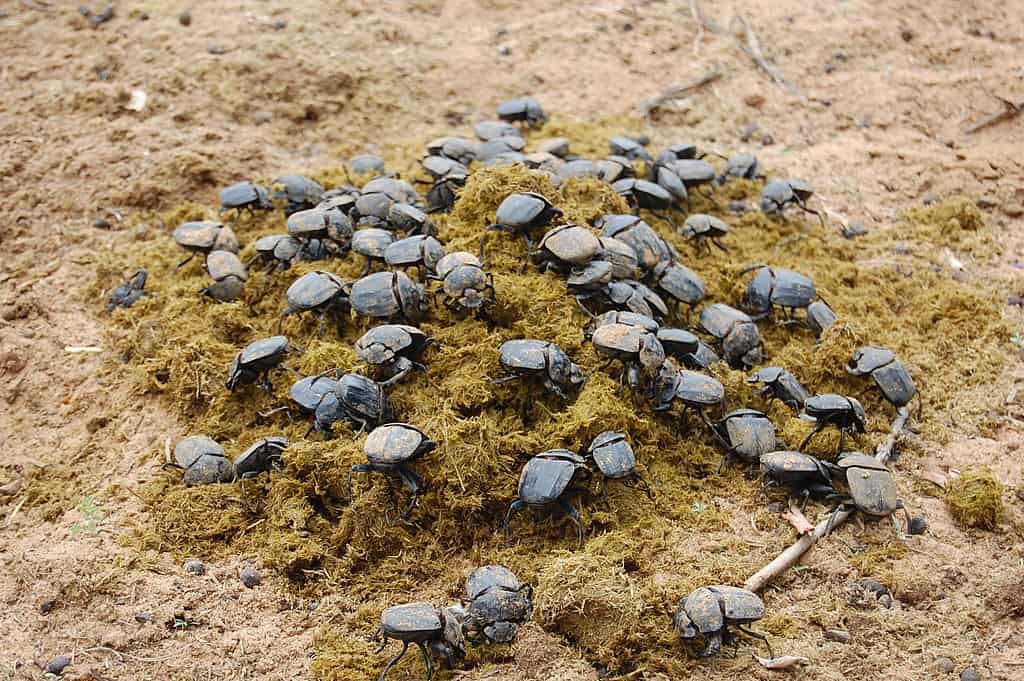
Dung beetles perform extraordinary healing services by recycling animal waste, a process crucial for nutrient cycling and pest control in many ecosystems. These industrious insects collect, bury, and consume animal dung with remarkable efficiency—a single dung beetle can bury up to 250 times its body weight in dung during its lifetime. Research in Australia has shown that introduced dung beetles save the cattle industry approximately $30 million annually by removing cow pats that would otherwise become breeding grounds for pest flies. By burying dung, these beetles incorporate organic matter and nutrients into the soil, improving soil fertility, structure, and water infiltration. Studies in African savannas have found significantly higher plant productivity in areas with active dung beetle communities. Additionally, their burial activities accelerate the return of nitrogen, phosphorus, and other nutrients to the soil, with measurable benefits extending to plants up to 20 meters from burial sites. Dung beetles also reduce greenhouse gas emissions from decomposing manure—research indicates they can decrease methane emissions from cattle dung by up to 40%. By efficiently processing animal waste that would otherwise harbor parasites and pathogens, dung beetles provide essential sanitation and nutrient cycling services that heal and maintain ecosystem functionality.
Bats: Nocturnal Ecosystem Healers

Bats perform multiple healing functions in ecosystems worldwide through their roles as pollinators, seed dispersers, and insect controllers. Insectivorous bats consume vast quantities of agricultural and forest pests—a single colony of 1 million Mexican free-tailed bats can devour approximately 10 tons of insects nightly. Research has valued their pest control services to U.S. agriculture alone at more than $3.7 billion annually. As pollinators, bats are essential for the reproduction of over 500 plant species, including economically important crops like bananas, mangoes, and agave (used for tequila production). Nectar-feeding bats have co-evolved with these plants, developing specialized facial structures and behaviors that make them more effective pollinators than many insects. Fruit-eating bats are exceptional seed dispersers, particularly in tropical forests where they can disperse seeds over much greater distances than birds—up to several kilometers from parent plants. This long-distance dispersal is crucial for forest regeneration after disturbances like logging or fires. In fragmented forests, research has shown that bat-dispersed seeds are often the first to colonize degraded areas, initiating the healing process. By controlling insect populations, enabling plant reproduction, and facilitating forest regeneration, bats provide multifaceted healing services that support ecosystem resilience and recovery.
Sea Otters: Guardians of Kelp Forests

Sea otters exemplify how a single species can heal an entire marine ecosystem through their dietary habits. These charismatic marine mammals consume large quantities of sea urchins, which would otherwise overgraze kelp forests. When sea otter populations were decimated by the fur trade in the 18th and 19th centuries, sea urchin populations exploded along the North American Pacific coast, resulting in what ecologists term “urchin barrens”—areas stripped of kelp and associated marine life. Research comparing areas with and without sea otters has demonstrated dramatic differences in ecosystem health. In Alaska’s Aleutian Islands, locations with healthy sea otter populations maintain kelp forests that sequester up to 12 times more carbon than urchin-dominated areas. These kelp forests provide critical habitat for over 1,000 species of fish, invertebrates, and marine mammals, while also reducing coastal erosion by buffering wave energy by up to 65%. Additionally, kelp forests facilitated by sea otters can absorb up to 20 times more carbon dioxide than equivalent areas of terrestrial forests, making them important contributors to climate change mitigation. By controlling urchin populations and enabling the recovery and persistence of kelp forest ecosystems, sea otters heal marine environments and support biodiversity, productivity, and coastal protection services.
Prairie Dogs: Grassland Architects

Prairie dogs function as ecological healers of grassland ecosystems through their burrowing activities and grazing patterns. Their extensive underground colonies, called towns, can cover hundreds of acres and contain thousands of individuals. These burrow systems increase water infiltration into soil, prevent erosion during heavy rains, and aerate soil to depths of 10 feet or more. Research has documented that prairie dog towns have soil nitrogen levels up to 50% higher than surrounding areas due to accumulated urine, feces, and plant matter. Their selective grazing habits favor native grasses over invasive species, increasing plant diversity within their colonies. A study in the American Southwest found that prairie dog towns supported 87 more plant species compared to similar areas without these rodents. Additionally, their burrows provide shelter for numerous other species—more than 150 vertebrate species have been documented using prairie dog burrows, including endangered black-footed ferrets and burrowing owls. The landscape mosaic created by their activities increases habitat heterogeneity across grasslands, benefiting species that require different vegetation heights and densities. By engineering grassland ecosystems through their burrowing and grazing activities, prairie dogs heal and maintain these endangered ecosystems, promoting biodiversity and ecological resilience in one of North America’s most threatened habitat types.
Ants: Microscale Ecosystem Healers

Despite their small size, ants perform remarkable healing functions in ecosystems worldwide through their soil engineering, seed dispersal, and pest control activities. As they construct nests and forage, ants move more soil than earthworms in many ecosystems, improving soil structure, aeration, and water infiltration. Research has shown that ant activity can increase soil porosity by up to 30%, which enhances water retention during droughts and drainage during floods. Many ant species act as important seed dispersers, particularly for plants with elaiosomes—specialized fat bodies attached to seeds that attract ants. Studies in Mediterranean ecosystems have documented that ant-dispersed seeds show 50% higher germination rates compared to non-dispersed seeds, as ants protect them from predators and place them in nutrient-rich microhabitats. Additionally, predatory ant species provide valuable pest control services—leaf-cutter ants in tropical forests can remove up to 17% of the leaf area annually, creating light gaps that promote understory growth and forest regeneration. In agricultural settings, weaver ants have been used as biological control agents for centuries, effectively protecting fruit trees from pest insects. Through their diverse activities that improve soil conditions, disperse seeds, control pest populations, and accelerate decomposition processes, ants serve as microscale ecosystem healers whose collective impact is essential for maintaining healthy, functioning environments.
The healing roles performed by animals in ecosystems highlight the profound interconnectedness of life on Earth. Each species discussed contributes to ecological health through actions that have evolved over millennia, creating balance and resilience that benefit countless other organisms. From the microscopic to the massive, these animal healers demonstrate nature’s remarkable capacity for self-repair when key species are present and able to fulfill their ecological functions. This understanding carries important implications for conservation efforts, revealing why protecting not just charismatic species but also seemingly ordinary creatures like earthworms, dung beetles, and ants is essential for maintaining healthy ecosystems. By preserving biodiversity and allowing natural healing processes to function, we support the complex web of interactions that sustains all life, including our own. As we face unprecedented environmental challenges, the wisdom embedded in these natural healing systems offers valuable lessons for our approaches to ecosystem restoration and management, reminding us that sometimes the best solutions involve protecting the animal healers that have been maintaining ecological balance long before humans arrived on the scene.

- Why Deer Are Showing Up in U.S. Neighborhoods More Often - August 18, 2026
- Why Smart Dogs Might Struggle With Obedience Training - August 18, 2026
- How Rabbits Are Being Used in School Classrooms for Therapy - August 17, 2026