


In a win for wildlife conservation, more than 1,200 endangered frosted flatwoods salamanders were released into protected wetlands in Florida’s panhandle in late April 2025. These tiny amphibians—recognized by their silvery markings and secretive lifestyle—have faced severe population declines over the past two decades.
The release, coordinated by the Amphibian and Reptile Conservancy (ARC) and several state and federal partners, is part of a head-starting program. This strategy involves collecting wild-laid eggs, raising the salamanders in controlled environments where they’re protected from predators and disease, and then releasing them once they are mature enough to survive on their own.
Habitat Loss and Climate Pressures
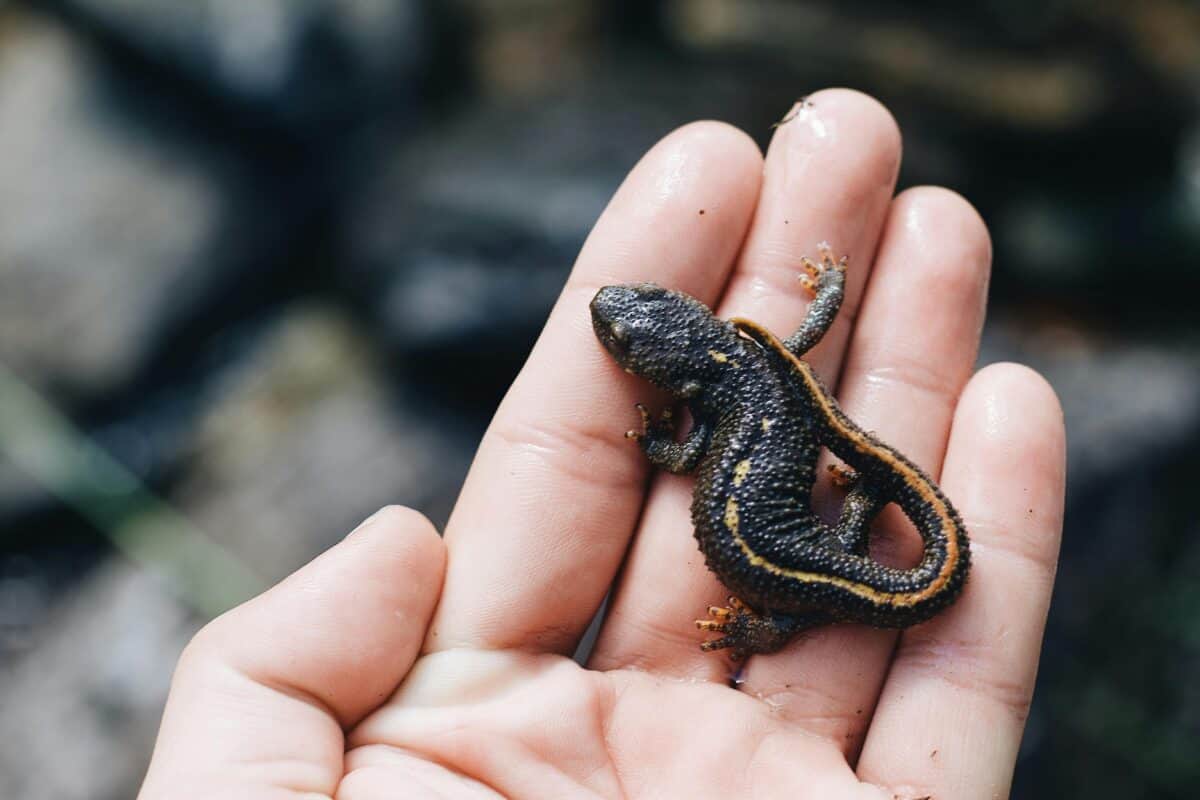
Frosted flatwoods salamanders once thrived in the longleaf pine ecosystems of the southeastern U.S., but habitat destruction, fire suppression, and climate change have taken a heavy toll. Their seasonal breeding pools, which rely on precise weather patterns, have become increasingly unreliable due to changing rainfall cycles.
Experts say these amphibians are indicators of broader ecosystem health. “When these salamanders disappear, it’s a sign the entire wetland system is under stress,” said a biologist with the U.S. Fish and Wildlife Service.
Restoration Beyond Release

While releasing salamanders is a big step, it’s only part of the broader recovery plan. Conservationists are actively restoring wetland habitats, conducting controlled burns to maintain the ecosystem, and managing water flow to mimic natural conditions. These efforts aim to reestablish the delicate balance these salamanders rely.
The ARC is also developing a captive breeding program to help bolster wild populations long-term. By combining field efforts with scientific research, the project hopes to establish a self-sustaining salamander population.
Public Involvement and Long-Term Goals
Although the salamanders themselves are elusive, the public still plays a role. Conservation groups are working to educate local residents about the importance of amphibians in the ecosystem. Volunteers have helped monitor breeding pools and report sightings.
The long-term goal is to have healthy, interconnected populations across their historic range. With climate challenges ahead, maintaining and restoring natural habitat corridors will be crucial.

- Texas Ranchers Injured and Horses Killed in Aggressive Bee Attack - July 19, 2026
- Cougar Attack on Cyclists Shakes Washington Wilderness - July 19, 2026
- Snake Found in Arizona Toilet Shocks Homeowner - July 19, 2026