

Worried about unexpected vet bills?
Pet insurance can cover thousands in unexpected vet costs. Get a free quote from Lemonade in under 2 minutes.
Get My Free Quote →Sponsored · Opens Lemonade.com
Have you ever wondered how the smallest creatures can shape our world in ways that are nothing short of astonishing? While lions and elephants often steal the spotlight, it’s the tiniest animals that quietly run the show. These unsung heroes build, pollinate, recycle, and even heal, leaving fingerprints on our daily lives that are impossible to ignore—if you know where to look. Their stories are packed with drama, surprise, and inspiration, proving that even the smallest beings can have the loudest voices in the grand chorus of life. Get ready to meet the tiny powerhouses that keep our planet buzzing, blooming, and breathing!
11. Krill

Krill are shrimp-like creatures, often no bigger than your thumbnail, but don’t let their size fool you. These little crustaceans form the backbone of marine food webs, especially in the cold waters of the Antarctic. Whales, seals, penguins, and countless fish species rely on krill for survival. Each year, billions of tons of krill are consumed by these predators, making them one of the most critical food sources in the ocean. Without krill, entire ecosystems would collapse, and charismatic megafauna like blue whales would struggle to survive. Krill also play a surprising role in the Earth’s carbon cycle, as they help transport carbon from the surface to the deep ocean through their waste. It’s a staggering example of how something so tiny can underpin the survival of giants.
10. Honey Bees

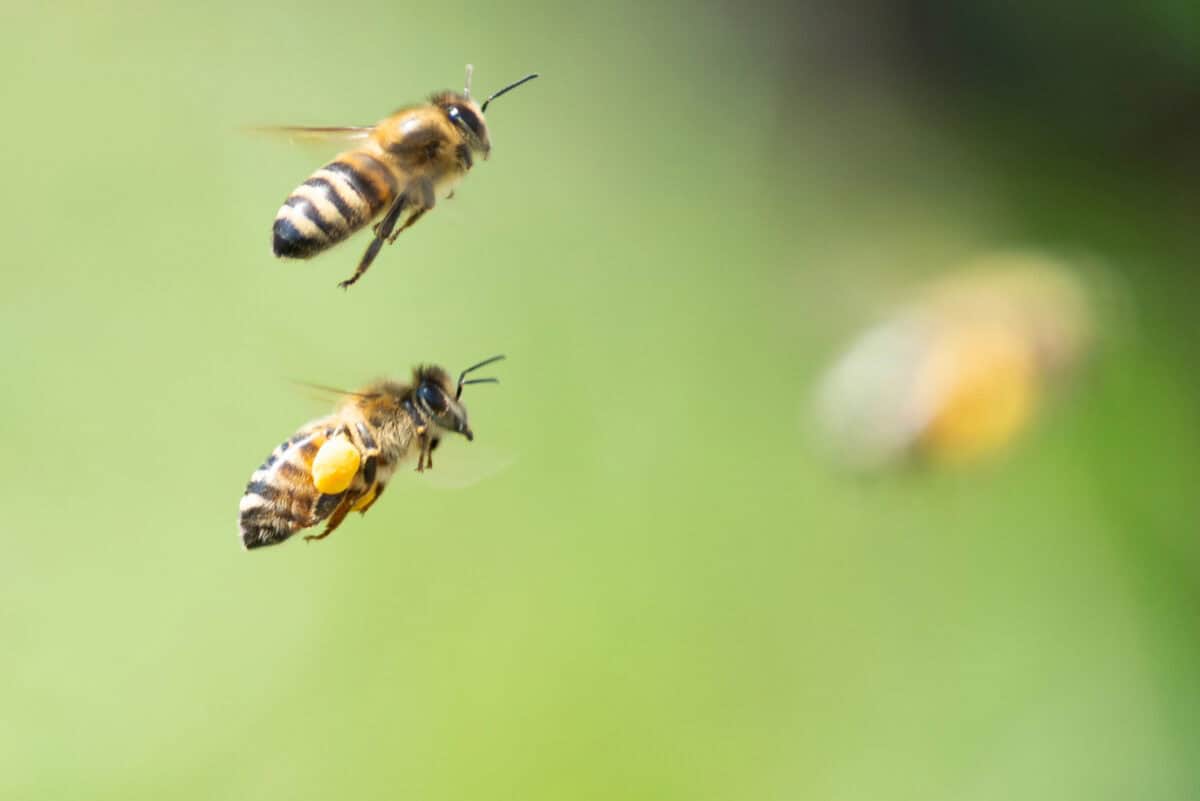
When you think of honey bees, you might picture a jar of golden sweetness, but their true gift is much, much greater. Honey bees pollinate about one-third of the food we eat, from crisp apples to juicy strawberries and crunchy almonds. Without their tireless work, supermarket shelves would look emptier and our diets less colorful. These insects don’t just support human agriculture; they’re also essential for wildflowers, which in turn provide food and shelter for countless other animals. Honey bees communicate using mesmerizing “waggle dances,” sharing the best spots for nectar with their hive mates. Their impact is so profound that the decline of honey bee populations sparks global concern. It’s no exaggeration to say they help feed the world.
9. Ants

Ants may be tiny, but their societies are among the most complex on Earth. These industrious insects aerate soil, recycle nutrients, and even farm their own food. By tunneling through the ground, ants allow air and water to reach plant roots, boosting crop yields and forest health. Some ant species protect plants from pests, acting as living bodyguards in exchange for sweet nectar. Others herd and milk aphids for their sugary secretions, a bizarre but effective partnership. Ants are also nature’s clean-up crew, breaking down dead plants and animals and returning vital nutrients to the ecosystem. Their teamwork and adaptability are nothing short of awe-inspiring, proving that cooperation beats size every time.
8. Bats

Many people fear bats, but these winged wonders play a heroic role far out of proportion to their size. Tiny bats devour massive quantities of insects—sometimes their own body weight in a single night—helping farmers reduce the need for pesticides. Fruit bats are master pollinators, supporting tropical plants and forests by spreading seeds and pollen as they feed. In fact, some of your favorite fruits, like bananas and mangoes, depend on bats! Without these creatures, insect pests could surge, and entire ecosystems would lose their lifelines. Bats also inspire medical breakthroughs: their unique immune systems and navigation skills have led to advances in disease research and robotics. In every way, bats are tiny titans of the night.
7. Plankton

Floating invisibly in oceans and lakes, plankton are the world’s smallest powerhouses. These microscopic organisms—phytoplankton and zooplankton—produce at least half the oxygen we breathe through photosynthesis. That’s right: every other breath you take likely comes from plankton. They form the foundation of aquatic food webs, feeding fish, whales, and even giant sharks. When plankton populations fluctuate, entire marine ecosystems ripple with change. Plankton are also climate warriors, drawing carbon dioxide from the atmosphere and helping to regulate Earth’s temperature. Their delicate balance is crucial for life as we know it, making them silent champions of the planet.
6. Earthworms
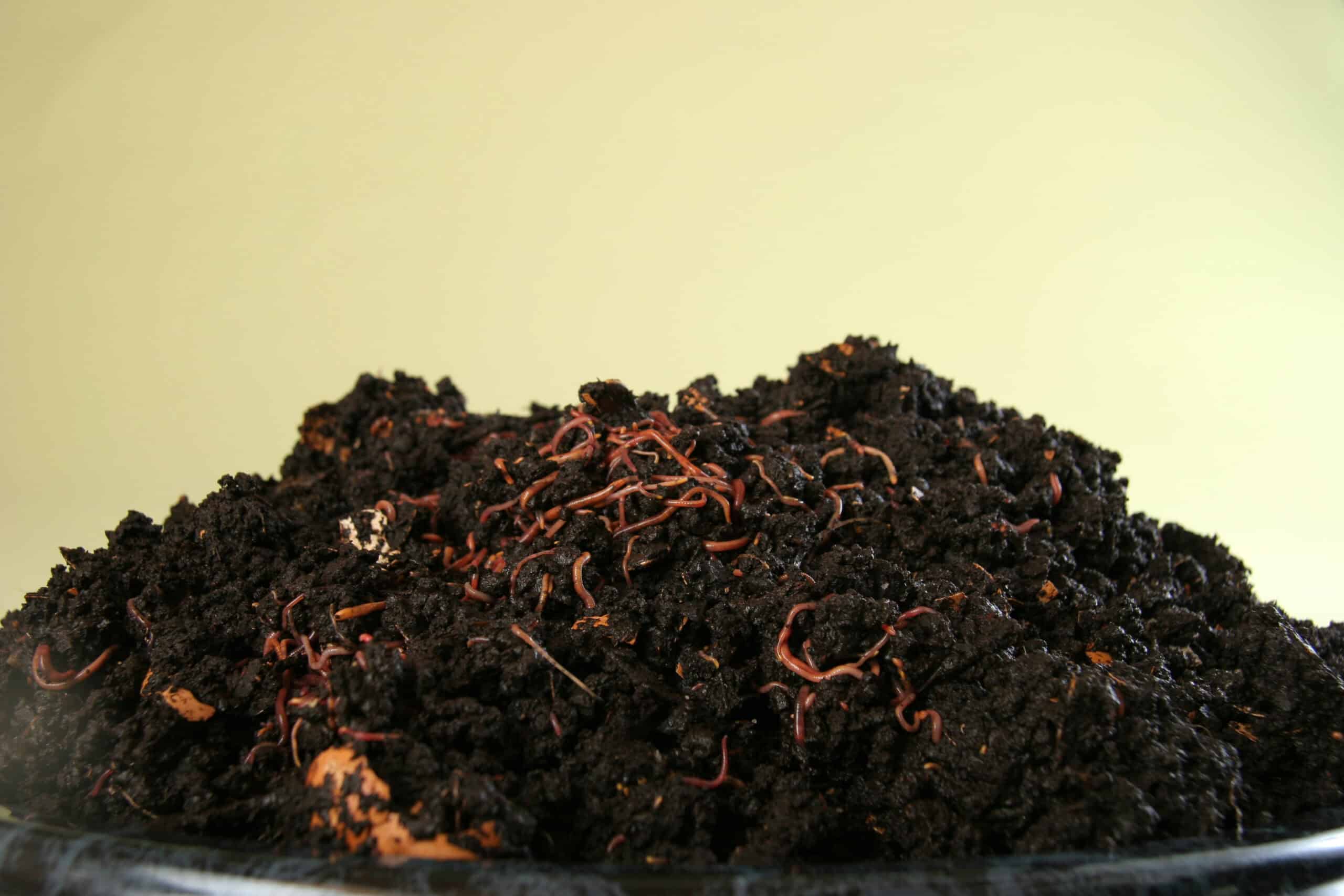
Earthworms might seem humble, but they are nature’s underground engineers. By burrowing through soil, they create channels that let air and water reach plant roots, boosting growth and fertility. Their digestion breaks down dead leaves and organic matter, turning it into rich, nutritious compost. Farmers and gardeners everywhere owe earthworms a debt of gratitude for their tireless work improving soil health. Without earthworms, fields would be less productive and forests less lush. These creatures may spend their lives out of sight, but their impact is felt in every green, growing thing above ground. Earthworms remind us that the greatest changes often happen beneath the surface.
5. Mosquitoes

It may be shocking to see mosquitoes on this list, given their reputation as pests and disease carriers. However, these tiny insects have a massive impact—both positive and negative. Mosquitoes are a crucial food source for birds, bats, fish, and amphibians, supporting countless food webs. Their larvae clean water by feeding on organic debris. Yet, mosquitoes also shape human history by spreading diseases like malaria, dengue, and Zika, influencing everything from population growth to migration. Their presence has driven scientific innovation, from vaccines to genetic engineering. Mosquitoes force us to reckon with nature’s complexity: sometimes the smallest creatures wield the greatest power, for better or worse.
4. Coral Polyps

Coral reefs dazzle with color and life, but their architects are tiny coral polyps, often just a few millimeters wide. These soft-bodied animals build the world’s largest structures made by living things—coral reefs—by secreting calcium carbonate skeletons. Reefs provide habitats for a quarter of all marine species, protect coastlines from storms, and support fisheries and tourism. Coral polyps also form unique partnerships with algae, sharing energy and keeping ecosystems vibrant. Yet, these miniature builders are vulnerable to climate change, pollution, and warming waters. The fate of entire ocean communities depends on their survival, making them fragile but mighty guardians of the sea.
3. Dung Beetles
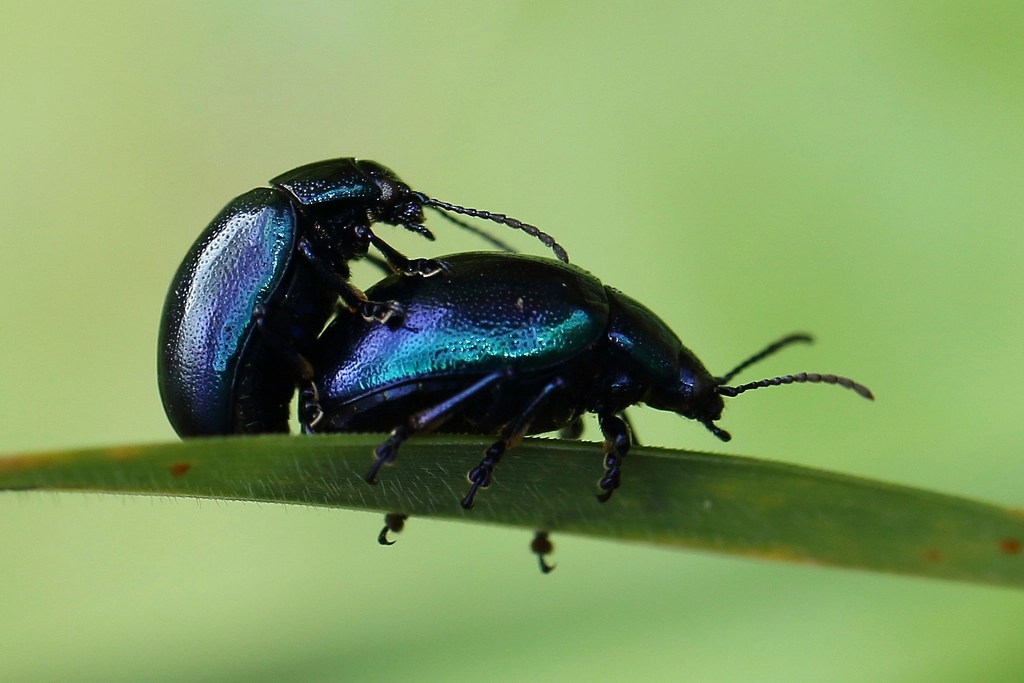
Dung beetles may not win beauty contests, but their role is nothing short of heroic. These insects recycle animal waste, rolling it into balls and burying it underground. This process prevents disease, enriches the soil, and supports plant growth. In some cultures, dung beetles are symbols of renewal and transformation. Their work helps livestock stay healthy and pastures stay green, benefiting farmers and wildlife alike. Dung beetles have even inspired scientific research into waste management and robotics. By turning something unpleasant into something valuable, dung beetles show that even the smallest creatures can make the biggest difference.
2. Tardigrades

Tardigrades, also called water bears, are microscopic animals famous for their resilience. These tiny creatures can survive extreme heat, freezing cold, intense radiation, and even the vacuum of space. They hunker down in a dehydrated state, waiting for conditions to improve before springing back to life. Tardigrades have fascinated scientists and space agencies, offering clues about the limits of life and the potential for survival beyond Earth. Their unique proteins and protective mechanisms are being studied for use in medicine and technology. Tardigrades remind us that sometimes, the smallest survivors are the toughest of all.
1. Termites

Termites are often seen as destructive pests, but their ecological role is vital. These tiny insects break down dead wood and plant material, recycling nutrients and enriching soil. In tropical forests, termites are the main decomposers, turning fallen trees into fertile ground for new growth. Their elaborate mounds create microhabitats for many other species. Some termite species even farm fungi, creating one of nature’s most sophisticated partnerships. Without termites, ecosystems would choke on their own waste, and plant life would struggle to regenerate. These small architects of decay are, in fact, builders of renewal.
Conclusion

From krill fueling the largest animals on Earth to termites building the foundations of forests, these eleven tiny creatures serve as powerful reminders that size is no measure of influence. Their work often goes unseen, yet their impact shapes every corner of our world. Next time you spot an ant, earthworm, or bee, remember: in the grand story of life, the smallest characters can play the biggest roles.
Worried about unexpected vet bills?
Pet insurance can cover thousands in unexpected vet costs. Get a free quote from Lemonade in under 2 minutes.
Get My Free Quote →Sponsored · Opens Lemonade.com

As a little kid, I fell in love with nature, wildlife, and animals. Living in the USA, South Africa, Italy, China and Germany gave me the opportunity to discover the world's Wildlife. My favorite animals are Mountain Gorillas, Siberian Tigers, and Great White Sharks.
I'm a certified PADI Open Water Diver, went to Everest Base Camp and Trekked Gorillas in Uganda. I hold a Master of Science in Economics and Finance.
Please send any feedback to feedback@animalsaroundtheglobe.com
- 12 Animals Known for Their Incredible Memory - June 10, 2026
- 10 Ways Koalas Are Affected by Climate Change - June 10, 2026
- 17 Fascinating Cat Superstitions from Around the World - June 10, 2026