


Worried about unexpected vet bills?
Pet insurance can cover thousands in unexpected vet costs. Get a free quote from Lemonade in under 2 minutes.
Get My Free Quote →Sponsored · Opens Lemonade.com
The animal kingdom is a marvel of evolutionary adaptation, with creatures developing extraordinary sensory abilities that far surpass human capabilities. While we navigate our world primarily through sight and sound, many animals possess sensory superpowers that allow them to perceive realms completely invisible to us. From detecting Earth’s magnetic field to seeing ultraviolet light or sensing electrical impulses, animal senses reveal how limited our perception truly is. This article explores thirteen mind-boggling facts about animal senses that demonstrate just how extraordinary these adaptations can be. Prepare to be amazed by the unseen sensory world that exists all around us, constantly being navigated by creatures both familiar and exotic.
13. Sharks Can Detect One Drop of Blood in an Olympic-Sized Pool

Sharks possess one of the most impressive senses of smell in the animal kingdom. Their olfactory abilities are so refined that some species can detect a single drop of blood diluted in an Olympic-sized swimming pool—equivalent to one part per million. This remarkable sensitivity comes from their specialized nostrils, which function exclusively for smelling rather than breathing. Inside these nostrils are sensory cells arranged in folds called lamellae that increase the surface area available for scent detection. Some shark species have over 20,000 sensory cells dedicated solely to detecting chemical changes in the water. Beyond blood, sharks can detect amino acids, oils, and other bodily fluids from potential prey from up to a quarter-mile away. This extraordinary sense helps them locate food efficiently even in vast ocean environments.
12. Mantis Shrimp Have the Most Complex Eyes in the Animal Kingdom

The unassuming mantis shrimp possesses the most complex visual system ever discovered. While humans have three types of color-receptive cones in our eyes (red, green, and blue), mantis shrimp have up to 16 different photoreceptor types. This includes the ability to see ultraviolet, infrared, and polarized light—visual spectrums completely invisible to humans. Their compound eyes sit on mobile stalks and can move independently of each other, giving them depth perception with a single eye—something most animals cannot do. Perhaps most remarkably, mantis shrimp can perceive a type of light called circular polarized light, which no other animal is known to detect. Scientists are studying their vision to develop better optical technologies, including potential advances in satellite communication and cancer detection equipment. Despite their visual complexity, research suggests they process visual information differently than humans, using their multiple receptors for quick recognition rather than building a detailed color map like our brains do.
11. Elephants Can Hear Through Their Feet

Elephants communicate across vast distances using low-frequency sounds that humans cannot hear. These infrasonic rumbles can travel through the ground for miles. What makes elephants truly special is their ability to receive these vibrations through their feet, effectively “hearing” with their limbs. Inside their feet are specialized fat pads that transmit vibrations up to their leg bones and eventually to their middle ear. This sensory adaptation allows elephants to detect other herds, potential mates, or predators from up to 10 miles away. Researchers have observed elephants placing their feet carefully on the ground and momentarily standing still—behavior now understood as listening posture. They can even determine the direction and distance of seismic vibrations, helping family groups coordinate movement and avoid danger. This remarkable adaptation demonstrates how evolution has provided solutions for communication challenges in the savanna environment where visual contact over long distances is limited.
10. Bats Use Echolocation With Precision Equivalent to 20/20 Vision

While we typically think of bats as nearly blind creatures navigating through darkness, their echolocation system is so sophisticated that it provides spatial information equivalent to human 20/20 vision. Bats emit high-frequency sound waves—up to 200 pulses per second—that bounce off objects and return as echoes. Their brain processes these echoes to create detailed mental maps of their surroundings, allowing them to detect objects as thin as a human hair in complete darkness. This remarkable ability enables bats to pursue flying insects through dense forests without colliding with branches, requiring neural processing speeds far faster than human visual processing. Some bat species can even recognize the specific type of insect by the frequency pattern of its wingbeats. The precision of bat echolocation has inspired technological innovations, including navigation systems for the visually impaired and advanced sonar technologies. Even more impressive, bats can adjust their echolocation calls to avoid interference when flying in groups—essentially “taking turns” with their sonar to prevent signal jamming.
9. Birds Can See Earth’s Magnetic Field

For centuries, the remarkable navigational abilities of migratory birds puzzled scientists. We now know many bird species can visually perceive Earth’s magnetic field—a sense completely absent in humans. This ability stems from special proteins called cryptochromes in their eyes, which contain molecules that form quantum-entangled pairs when struck by blue light. These pairs are sensitive to magnetic fields, essentially allowing birds to “see” magnetic field lines as patterns of light and dark or possibly color overlaid on their normal vision. This magnetic compass helps birds like the European robin navigate during seasonal migrations spanning thousands of miles, often returning to the exact same locations year after year. Experiments have shown that birds become disoriented when their right eye is covered or when exposed to certain wavelengths of light that disrupt the cryptochrome molecules. Even more fascinating, birds recalibrate their internal magnetic map using sunset and sunrise cues, demonstrating a sophisticated integration of multiple sensory inputs for navigation.
8. Snakes Have Infrared “Heat Vision”

Certain snake species, particularly pit vipers like rattlesnakes and pythons, possess a sensory superpower that allows them to hunt effectively in complete darkness. These snakes have specialized organs called pit organs located between their eyes and nostrils that can detect infrared radiation (heat) emitted by warm-blooded prey. These organs are so sensitive they can detect temperature differences as small as 0.003 degrees Celsius from up to one meter away. Inside each pit is a thin membrane filled with thousands of heat-sensitive receptors that send signals directly to the brain’s optic tectum—the same region that processes visual information. This creates a thermal image overlaid with visual input, allowing the snake to “see” heat signatures. Even more remarkably, research shows these infrared signals are processed in three dimensions, giving snakes precise spatial awareness of warm objects. This adaptation provides a significant advantage when hunting nocturnal mammals and has inspired the development of infrared sensors and military technologies. The independence of this heat-sensing system from their regular vision allows snakes to hunt effectively regardless of lighting conditions.
7. Platypuses Use Electroreception to Hunt Underwater
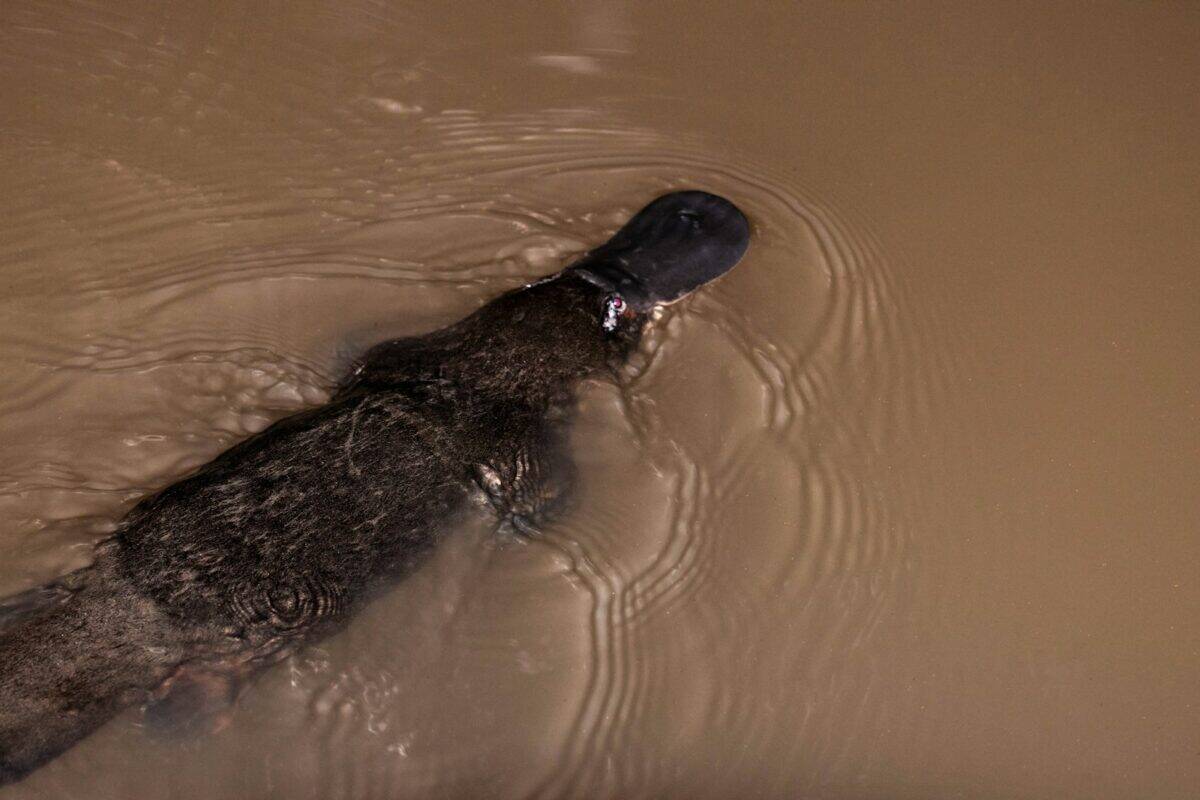
The platypus, already unusual with its duck-like bill and venomous spurs, possesses one of the most unusual sensory systems in the animal kingdom. Their flexible, leathery bill contains over 40,000 electroreceptors capable of detecting the tiny electrical fields generated by the muscle contractions of prey animals. When hunting, platypuses close their eyes, ears, and nostrils completely underwater, relying entirely on electroreception to locate prey like insect larvae, shrimp, and crayfish hidden in muddy stream beds. Their bill moves in a side-to-side motion about 10 times per second, continuously scanning for electrical signals. This sense is so precise that platypuses can distinguish between different types of prey based solely on electrical signatures. Remarkably, their brain devotes substantial neural resources to processing these electrical signals, creating a detailed “electrical map” of their surroundings. This rare sensory adaptation is shared by only a few other mammals, including echidnas, and represents an example of convergent evolution with certain fish species that developed similar capabilities independently.
6. Octopuses Can Taste With Their Tentacles
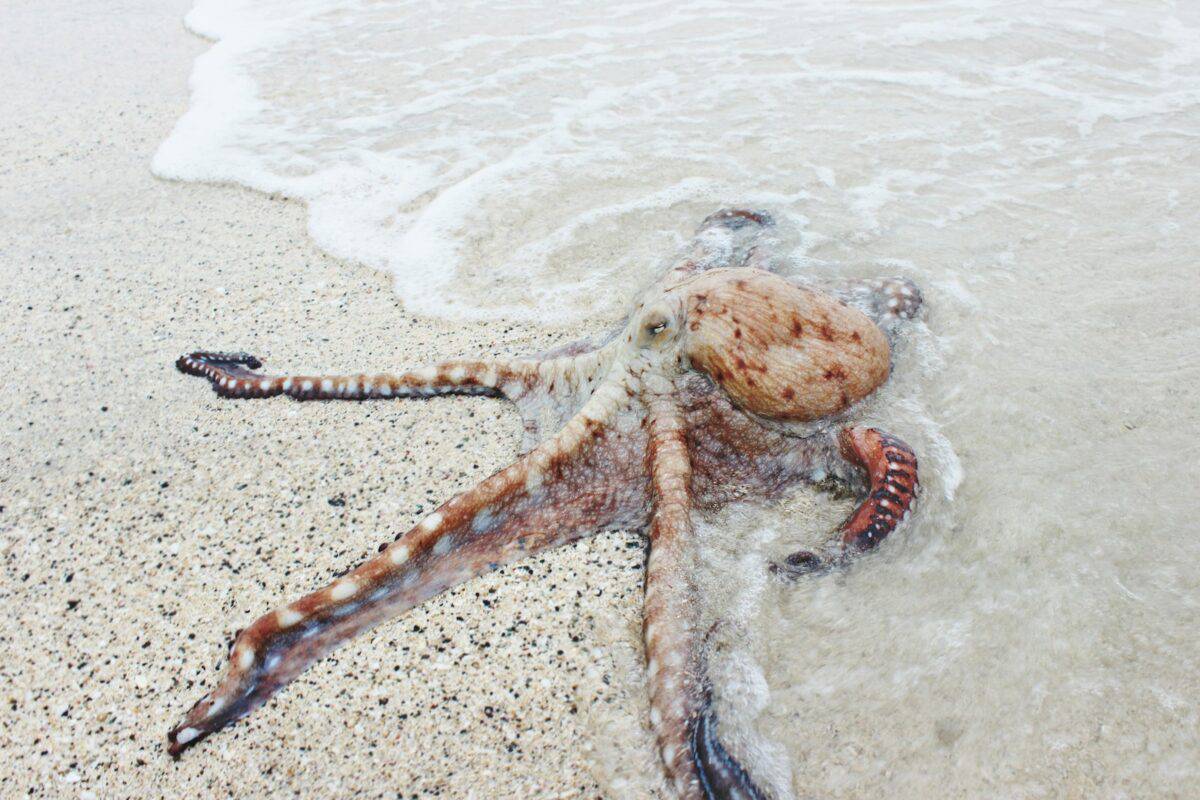
Octopuses possess a distributed sensory system unlike anything found in mammals, with two-thirds of their neurons located in their eight arms rather than their central brain. Each sucker on an octopus tentacle contains thousands of chemoreceptors—essentially taste buds—allowing them to taste whatever they touch instantly. With up to 2,000 suckers per arm, an octopus effectively has over 16,000 “tongues” constantly sampling its environment. This distributed sensing system works independently of their central brain, so each arm can make basic decisions about what it’s touching without consulting the central nervous system. Researchers have demonstrated that severed octopus arms (in laboratory settings) will still recoil from unpleasant stimuli, showcasing this autonomous sensory capability. This adaptation allows octopuses to investigate multiple objects simultaneously, efficiently searching for food while remaining hidden. The neural architecture supporting this unique sensory arrangement has inspired designs for advanced robotic systems that can operate with distributed intelligence. This sensory system contributes to the octopus’s reputation as one of the most intelligent invertebrates, capable of solving complex puzzles and using tools.
5. Cows Can Smell Odors Up to Six Miles Away
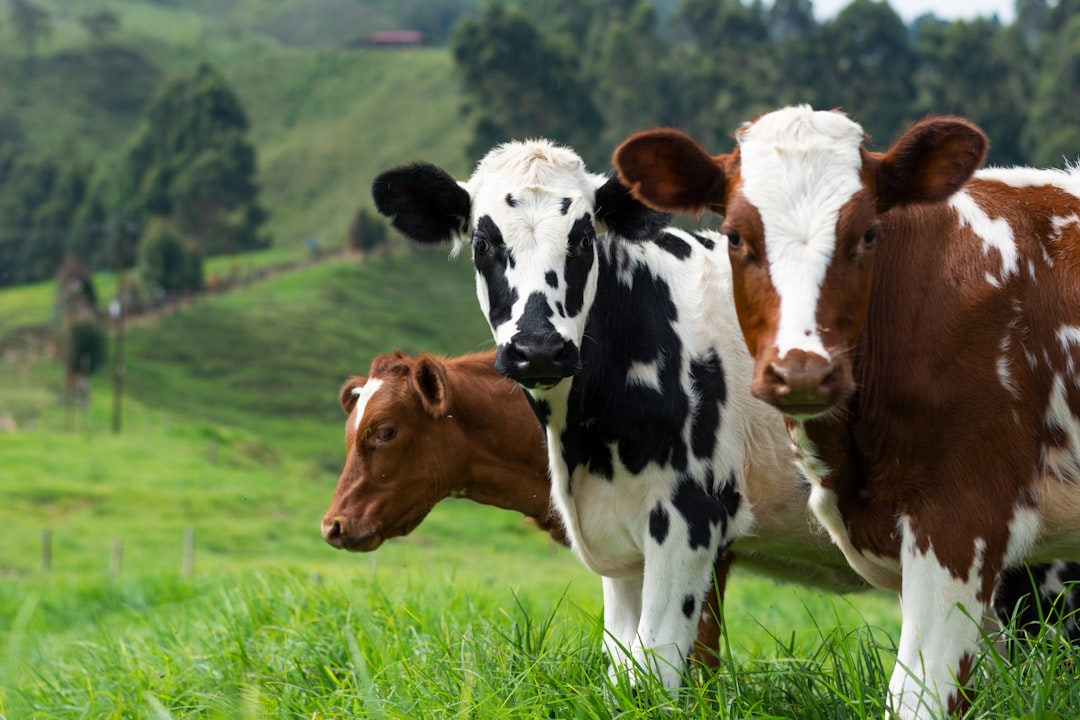
While dogs are famous for their olfactory prowess, cows possess an extremely powerful sense of smell that often goes unrecognized. Their sense of smell is so acute they can detect odors from up to six miles away under favorable wind conditions. This remarkable olfactory ability stems from a large olfactory bulb and an extensive area of olfactory epithelium inside their nasal cavity that contains millions of receptor cells. Cows use this sense to evaluate food quality, detect predators, identify herd members, and even recognize when other cows are in estrus. Research has shown that cows can remember and recognize the scents of individual cows and humans for years, contributing to their complex social structures. Their powerful nose also helps them locate water sources from great distances, a crucial adaptation for wild bovines. Interestingly, a cow’s sense of smell is so linked to their emotion and memory centers that certain scents can trigger strong emotional responses—a phenomenon that skilled farmers have long recognized when handling cattle. This extraordinary olfactory capacity demonstrates that our perception of these common farm animals often understates their remarkable sensory capabilities.
4. Jewel Beetles Can Detect Forest Fires from 80 Miles Away

The aptly named jewel beetle (Melanophila acuminata) possesses one of the most specialized sensory adaptations in the insect world—the ability to detect forest fires from incredible distances. These beetles have infrared-detecting organs called pit organs located on their thorax that can sense infrared radiation emitted by fires from up to 80 miles away. This extraordinary adaptation serves a crucial reproductive purpose: jewel beetles lay their eggs in freshly burned trees where their larvae can develop without facing competition from other wood-boring insects. The infrared receptors are so sensitive they can detect temperature changes of just 0.25 degrees Celsius, allowing the beetles to find forest fires long before any other species might become aware of them. These specialized organs work differently from other heat detectors in the animal kingdom, using a mechanical system where infrared radiation causes fluid in the receptors to expand, bending sensory cells that generate nerve impulses. This remarkable adaptation demonstrates how evolution can produce highly specialized sensory systems to exploit specific ecological niches. Scientists are studying these infrared receptors to develop more sensitive fire-detection technologies and heat sensors.
3. Catfish Have More Taste Buds Than Any Other Animal

Catfish are swimming sensory marvels, possessing the highest number of taste buds of any animal on Earth. While humans have approximately 10,000 taste buds mostly concentrated on our tongues, certain catfish species have over 175,000 taste receptors distributed across their entire bodies. These taste buds cover not just their mouths but extend to their barbels (whiskers), fins, and even the entirety of their skin, essentially turning their whole body into one giant tongue. This extraordinary adaptation allows catfish to literally taste their environment as they swim through it. In murky waters where visibility is poor, this distributed gustatory system enables them to locate food with remarkable precision without relying on sight. Their taste receptors are especially sensitive to amino acids released by potential prey, helping them detect food from significant distances. This sensory adaptation is so effective that studies have shown catfish can detect certain amino acids at concentrations as low as one part per 100 million—equivalent to finding a single grain of salt in an Olympic-sized swimming pool. This remarkable sense helps explain why catfish are such successful feeders in low-visibility environments.
2. Sea Turtles Navigate Using Earth’s Magnetic Field With Pinpoint Precision

One of nature’s most remarkable feats of navigation involves sea turtles, which undertake epic migrations spanning thousands of miles of open ocean before returning to the exact beach where they were born to lay their eggs. This extraordinary navigational precision relies on their ability to detect both the intensity and inclination of Earth’s magnetic field. Inside their brains, sea turtles have magnetite crystals that function like microscopic compasses, allowing them to create detailed “magnetic maps” of their journeys. Experiments have shown that when hatchling turtles are exposed to artificial magnetic fields mimicking those in distant locations, they attempt to swim in directions that would be correct if they were actually in those locations. This magnetic sense is so precise that turtles can detect differences in the geomagnetic field that vary by just a few miles. The neural wiring for this magnetic sense appears to be innate rather than learned, as even first-time migrators can navigate accurately. What makes this ability even more impressive is that Earth’s magnetic field slowly shifts over time, yet turtles can compensate for these changes, suggesting their navigational system is even more sophisticated than initially understood.
1. Cockroaches Can Detect Movement at 0.003 Inches per Second
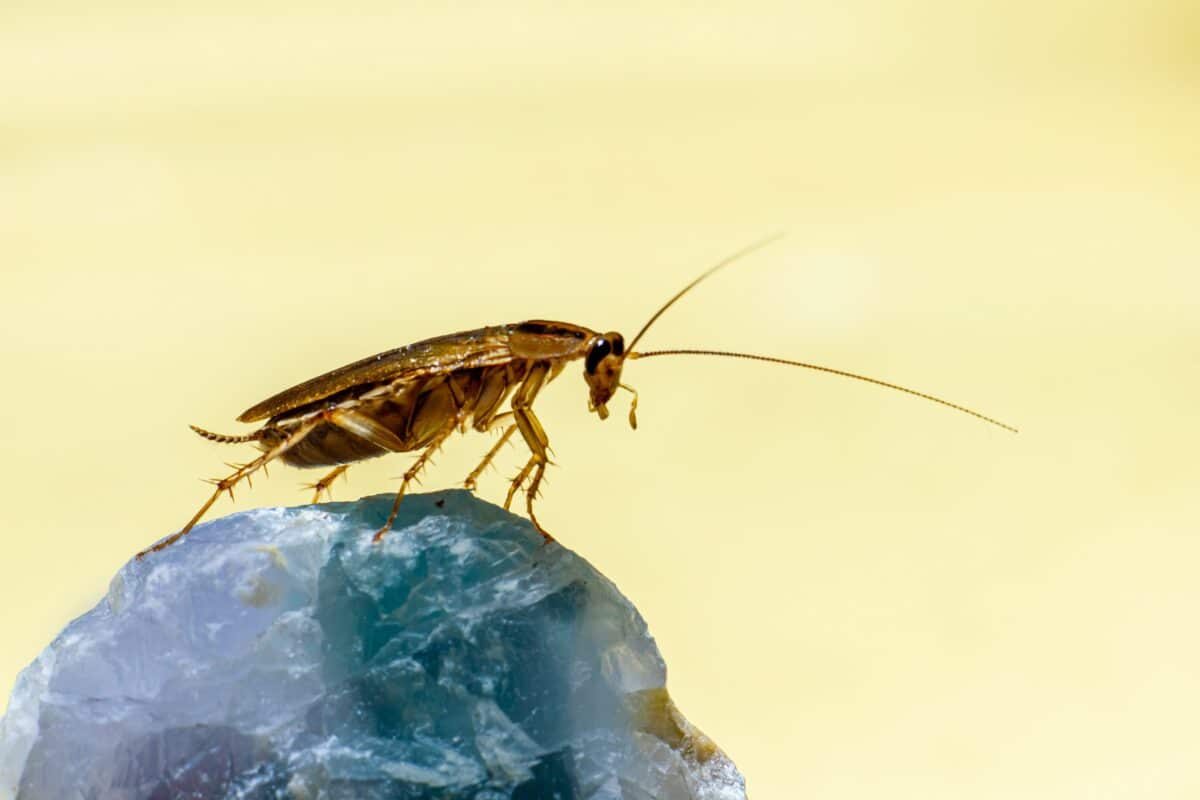
The much-maligned cockroach possesses one of the most sensitive motion-detection systems in the animal kingdom. Located on the rear of their bodies are specialized sensory organs called cerci, which are covered with tiny hairs that can detect air movements as slight as 0.003 inches per second. This sensitivity is so extreme that cockroaches can detect the air displacement from a person’s hand beginning to move toward them from several feet away, long before the hand gets close. The neural pathway from these sensory hairs to their legs is one of the fastest, taking just 2 milliseconds from detection to reaction, about ten times faster than a human eye blink. This incredible speed helps explain why cockroaches seem to vanish instantly when you try to catch them. Each cercal hair connects to specific giant neurons that trigger precise escape responses, creating a hardwired escape system that operates faster than conscious thought. Perhaps most impressively, cockroaches can determine the precise direction of a threat based on which hairs are stimulated and by how much, allowing them to always run in the optimal escape direction. This sensory system is so sophisticated that it has inspired designs for highly sensitive air-flow sensors in robotics.
Conclusion: The Extraordinary World of Animal Senses
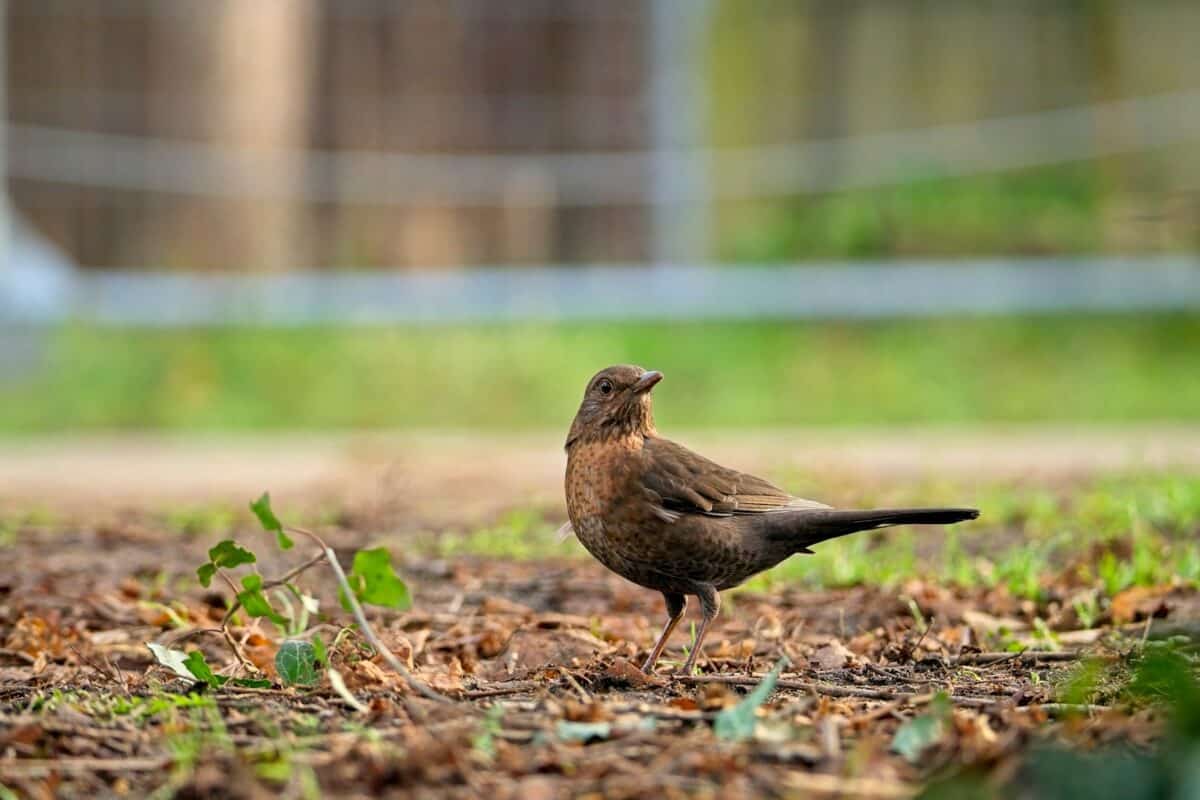
The remarkable sensory adaptations found throughout the animal kingdom reveal how evolution has produced specialized solutions to survival challenges in every environment on Earth. From the electromagnetic sense of sharks to the infrared detection of jewel beetles, these extraordinary abilities allow creatures to perceive aspects of our world that remain completely invisible to human perception. These sensory systems not only help us understand the complexity of animal behavior but also inspire technological innovations that expand our own limited sensory capabilities. As we continue to study and understand these remarkable adaptations, we gain deeper insight into both the diversity of life and the endless possibilities for perception that exist beyond our human experience. Perhaps most humbling is the realization that these thirteen examples represent just a small fraction of the sensory marvels that have evolved across millions of species—each offering a unique window into how differently the world can be perceived.
Worried about unexpected vet bills?
Pet insurance can cover thousands in unexpected vet costs. Get a free quote from Lemonade in under 2 minutes.
Get My Free Quote →Sponsored · Opens Lemonade.com

As a little kid, I fell in love with nature, wildlife, and animals. Living in the USA, South Africa, Italy, China and Germany gave me the opportunity to discover the world's Wildlife. My favorite animals are Mountain Gorillas, Siberian Tigers, and Great White Sharks.
I'm a certified PADI Open Water Diver, went to Everest Base Camp and Trekked Gorillas in Uganda. I hold a Master of Science in Economics and Finance.
Please send any feedback to feedback@animalsaroundtheglobe.com
- 13 Wild Animal Families That Stick Together for Life - June 10, 2026
- 12 Species You Did not Know Lived in Your Backyard - June 10, 2026
- The Slow and Graceful Movement of the Giant Clam - June 10, 2026