
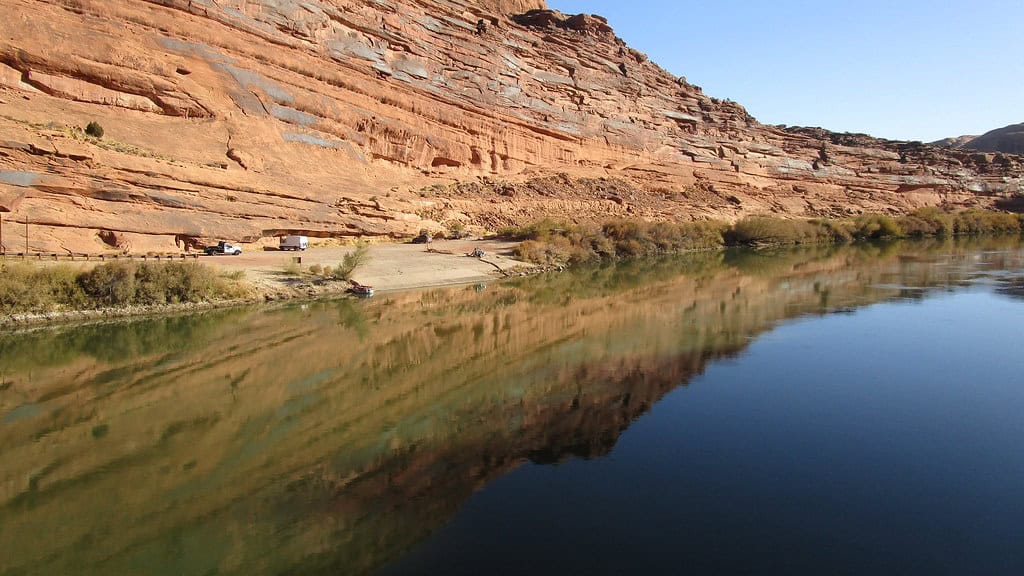
Water—the lifeblood of the American West—has long been governed by a complex system of rights that dates back to the 19th century. Today, as climate change intensifies drought conditions and population growth strains already limited resources, conflicts over water rights are escalating to unprecedented levels. From California’s Central Valley to the Colorado River Basin, stakeholders ranging from farmers and ranchers to urban developers, Indigenous tribes, and environmental advocates are locked in increasingly contentious battles over who gets water, how much, and for what purpose. This intensifying struggle represents not just a fight over a precious resource, but a fundamental reckoning with how the West will sustain itself in an era of growing water scarcity.
The Historical Context of Western Water Rights

Western water law developed in sharp contrast to the riparian rights system of the East. The arid conditions of the West necessitated a different approach, leading to the doctrine of prior appropriation—often summarized as “first in time, first in right.” This system, which emerged during the Gold Rush era of the 1850s, rewards those who first put water to “beneficial use” with senior rights that take priority during shortages. The Colorado River Compact of 1922 further structured water allocation among seven western states, dividing the river’s flow based on estimates that we now know were calculated during an unusually wet period. This historical framework has created a rigid system that struggles to adapt to changing conditions and needs, setting the stage for today’s intensifying conflicts.
Climate Change: The Great Accelerator

Climate change has emerged as the most significant force intensifying water conflicts across the West. The region is experiencing its worst megadrought in 1,200 years, with the period from 2000-2021 being the driest 22-year period since at least 800 CE, according to research published in Nature Climate Change. Lake Mead and Lake Powell, the two largest reservoirs in the United States, have fallen to historically low levels, hovering around 30% of capacity. Snowpack in the Sierra Nevada and Rocky Mountains—critical natural water storage systems—is becoming increasingly unreliable, melting earlier and faster. These climate-driven changes are not merely stressing the system but fundamentally altering its hydrology, forcing a reevaluation of water rights frameworks based on historical conditions that no longer exist.
The Colorado River Crisis
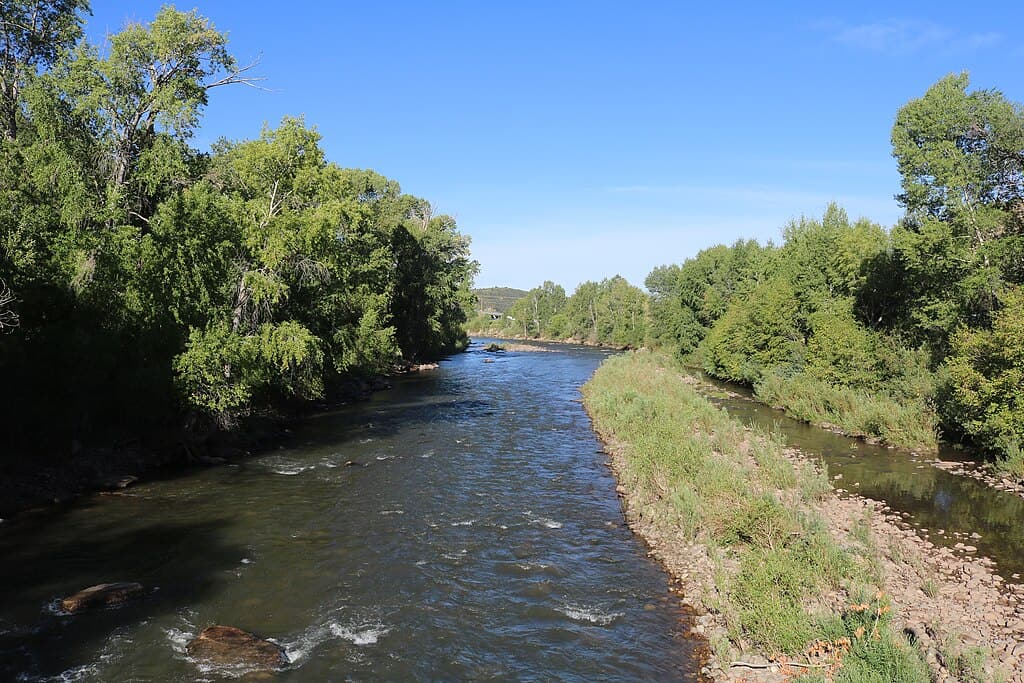
The Colorado River Basin exemplifies the escalating water crisis in the West. This vital waterway, which serves 40 million people across seven states and two countries, is severely overallocated. When the Colorado River Compact was signed in 1922, negotiators divided 17.5 million acre-feet annually, but modern research shows the river’s actual average flow is closer to 12-13 million acre-feet per year—a gap that has widened with climate change. In 2021, the federal government declared the first-ever shortage on the river, triggering mandatory cuts primarily affecting Arizona farmers. By 2022, conditions had deteriorated so severely that the Bureau of Reclamation threatened unprecedented federal intervention if states couldn’t agree on emergency cuts. The recent compromise of April 2023, in which California, Arizona, and Nevada agreed to conserve 3 million acre-feet through 2026, offers only temporary relief while highlighting the growing tension between agricultural interests, which use roughly 80% of the river’s water, and rapidly growing urban centers.
California’s Complex Water Battles

California, with its massive agricultural industry and population of nearly 40 million, represents a microcosm of the West’s water conflicts. The state’s water system depends on a vast infrastructure of dams, canals, and pumping stations that move water from the water-rich north to the arid south. The continuing battle over the Sacramento-San Joaquin Delta exemplifies these tensions. Environmental advocates argue for increased water flows to save endangered fish species like the Delta smelt, while farmers in the Central Valley—who produce over 25% of the nation’s food—contend that agricultural livelihoods and food security are at stake. Meanwhile, California’s groundwater, long treated as a private property right, has been depleted to crisis levels. The 2014 Sustainable Groundwater Management Act aimed to address this by requiring local agencies to achieve groundwater sustainability by 2040—a timeline that many experts fear is too generous given the rapid depletion of aquifers. In regions like the San Joaquin Valley, studies predict that compliance with the law may require fallowing up to one million acres of farmland, transforming the agricultural landscape.
Indigenous Water Rights and the Fight for Justice
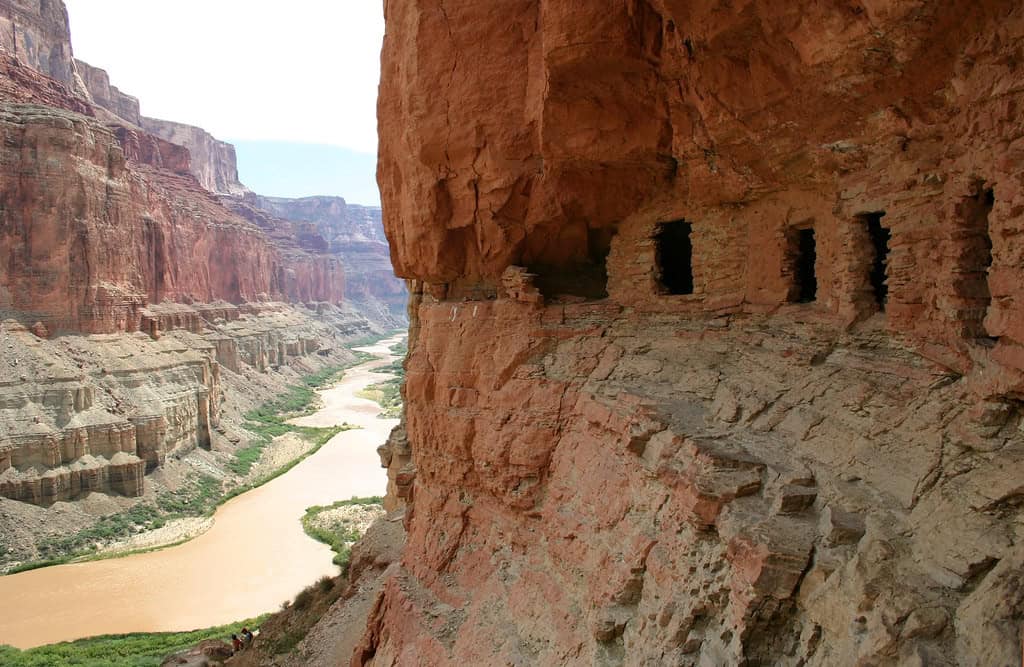
Native American tribes are increasingly asserting their water rights after generations of being marginalized in Western water management decisions. Based on the 1908 Winters Doctrine, established by the Supreme Court, tribes hold reserved water rights dating back to the establishment of their reservations—making them among the most senior water rights holders in many basins. Yet historically, these rights have often existed on paper only, without the infrastructure or legal resources to put them to use. This is changing as tribes like the Navajo Nation, which secured a significant settlement for Colorado River water after decades of litigation, and the Klamath Tribes of Oregon, whose senior water rights have been upheld in watershed-wide adjudication, gain ground in court. These legal victories often come after decades of struggle and represent not just access to water but recognition of tribal sovereignty. With tribal water rights potentially totaling 20% or more of the Colorado River’s flow, their full recognition could fundamentally reshape water allocation throughout the West.
Agricultural Adaptation and Resistance
Agriculture consumes approximately 80% of developed water supplies in the Western U.S., making it both the sector most impacted by shortages and the one with the greatest potential for conservation. Many farmers are adapting through techniques like drip irrigation, precision agriculture using soil moisture sensors, and switching to less water-intensive crops. For instance, in California’s Imperial Valley, farmers have implemented efficiency measures that have conserved over 5 million acre-feet since 2003, much of which has been transferred to urban areas. However, resistance to water reductions remains strong in many agricultural communities, where multi-generational farming operations see water curtailments as existential threats. The tension between maintaining agricultural production and adapting to water scarcity is playing out in state legislatures, water district meetings, and courts across the West, often pitting rural communities against urban water demands.
Urban Growth versus Water Reality
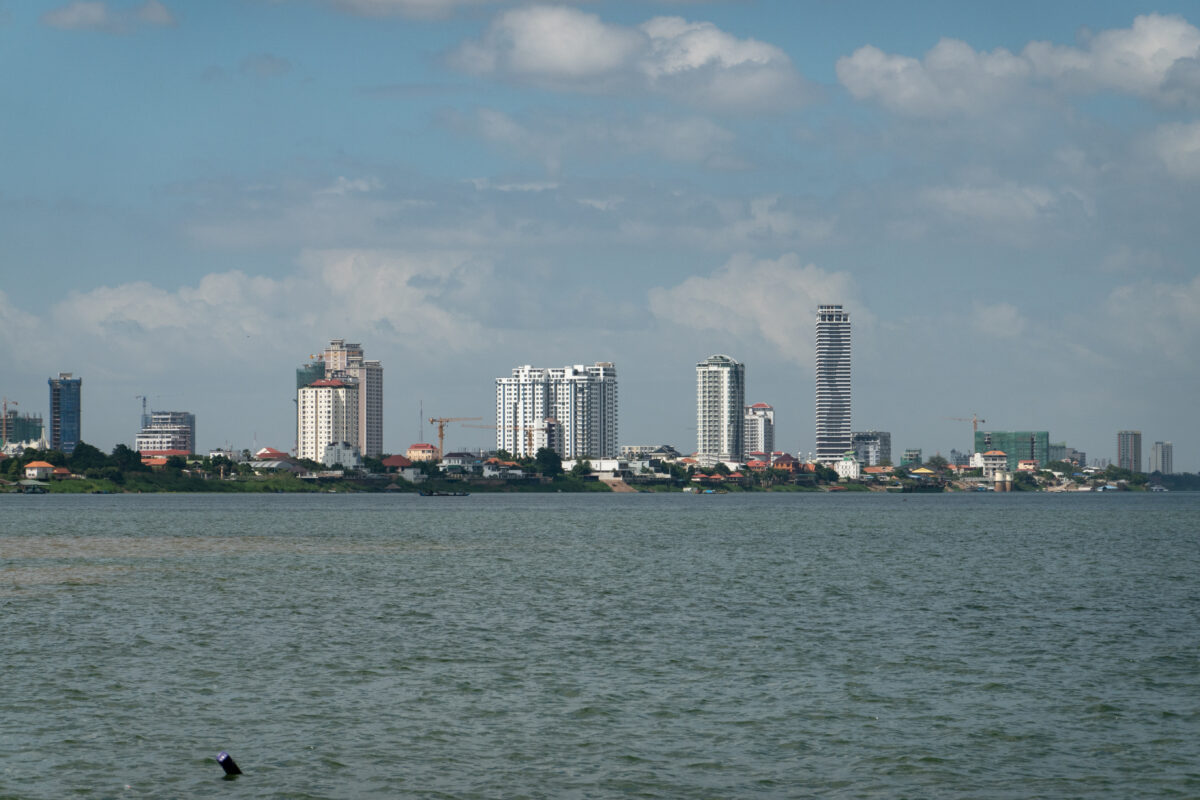
The rapid population growth of Western cities presents another dimension of the water conflict. The Las Vegas metropolitan area has grown from roughly 273,000 people in 1970 to over 2.2 million today, all while located in one of North America’s most arid regions. Similarly, Phoenix, Denver, and Salt Lake City continue to expand despite limited water supplies. Cities have generally responded with aggressive conservation programs—Las Vegas reduced its per capita water use by 47% between 2002 and 2020, even while adding 780,000 residents. Urban water recycling has also become increasingly common, with San Diego’s Pure Water Program aiming to supply 40% of the city’s water by 2035 through advanced purification of wastewater. However, questions persist about whether conservation alone can accommodate continued growth. Some communities, like St. George, Utah, are pursuing controversial new water development projects, while others face mounting pressure to limit new construction. These tensions highlight the fundamental conflict between the West’s growth-oriented economy and its hydrological reality.
Groundwater Depletion: The Invisible Crisis

As surface water has become increasingly scarce and regulated, many Western water users have turned to groundwater pumping—often with limited oversight. The consequences have been severe. In California’s San Joaquin Valley, excessive pumping has caused land to sink more than 28 feet in some areas, damaging infrastructure and permanently reducing aquifer storage capacity. In Arizona’s Pinal County, groundwater levels have dropped by more than 200 feet in parts of the basin, forcing farmers to drill deeper wells or abandon fields. The depletion extends to the Ogallala Aquifer underlying eight states in the Great Plains, where some areas have lost more than 150 feet of water level since pumping began. This groundwater depletion represents both a current crisis and a long-term threat to water security, as many of these aquifers recharge extremely slowly—the Ogallala, for instance, would take thousands of years to refill naturally. States are responding with varying levels of regulation, from Texas’s rule of capture (essentially allowing unlimited pumping) to Arizona’s Active Management Areas that restrict new wells in certain regions.
Environmental Water Needs: Fighting for Ecosystem Survival
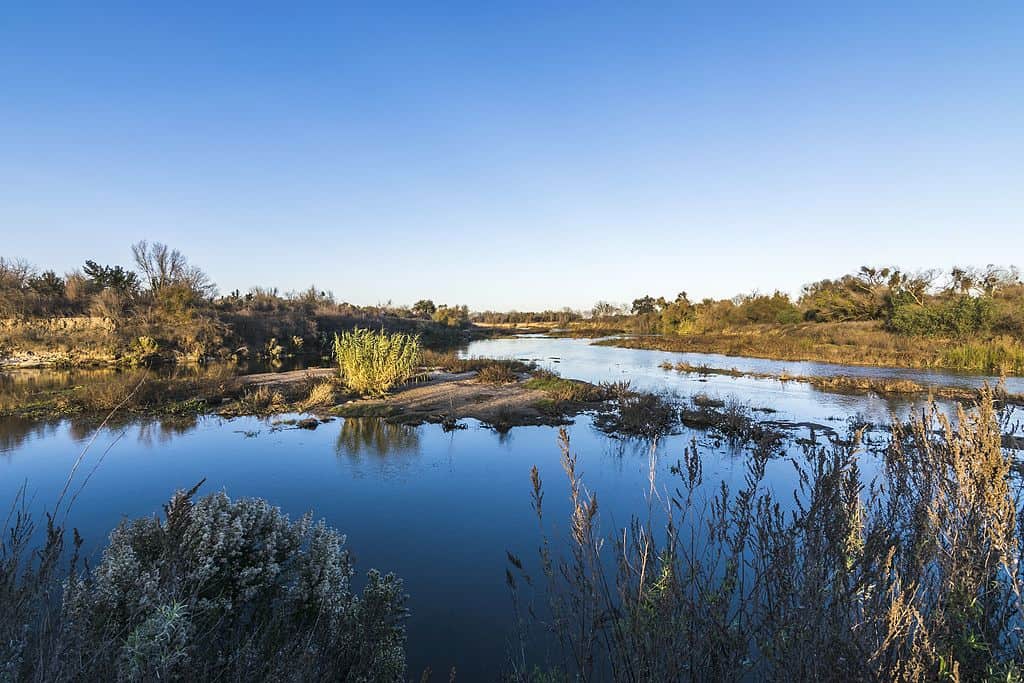
Amid competing human demands, environmental water needs have often been marginalized, leading to ecological degradation throughout Western watersheds. The Colorado River Delta, once a two-million-acre wetland teeming with life, has been reduced to less than 10% of its original area due to upstream diversions. California’s Central Valley has lost 95% of its original wetlands, devastating Pacific Flyway bird populations that depend on these habitats during migration. Environmental advocates have increasingly turned to legal tools like the Endangered Species Act to secure water for ecosystems. The decades-long battle over water for endangered salmon in the Klamath Basin exemplifies these conflicts, pitting tribal fishing rights and environmental protection against agricultural production. More recently, the concept of environmental flows—water left in streams specifically to support ecosystem functions—has gained traction in water management planning. However, in times of extreme shortage, environmental allocations often face the strongest pressure for reduction, highlighting the ongoing struggle to recognize ecological water needs as legitimate alongside human uses.
Legal Frameworks: Adapting Archaic Systems
The legal framework governing Western water rights, developed primarily in the 19th century, struggles to address 21st-century challenges. Prior appropriation, with its “use it or lose it” principle, can discourage conservation and incentivize wasteful usage. Furthermore, the system’s rigidity makes it difficult to reallocate water as societal needs change. Some states are cautiously reforming aspects of their water law to increase flexibility. Colorado has developed mechanisms for temporary water transfers, allowing farmers to lease water to cities or environmental uses without permanently giving up their rights. California’s Sustainable Groundwater Management Act represents the state’s first comprehensive regulation of groundwater pumping. Washington state has experimented with water banking systems that facilitate voluntary transfers. However, fundamental reform faces significant resistance from senior rights holders who benefit from the current system. The resulting patchwork of incremental changes, court decisions, and emergency measures has created a complex legal landscape that often fails to provide the certainty and adaptability needed to address the scale of the water crisis.
Technological Solutions: Promise and Limitations

Technology offers partial solutions to Western water challenges, though none represent a silver bullet. Desalination plants, like the Claude “Bud” Lewis facility in Carlsbad, California, which produces 50 million gallons of drinking water daily, can provide drought-proof supplies for coastal communities—but at high energy costs and with environmental concerns about brine disposal. Water recycling and reuse systems have expanded dramatically, with Orange County, California’s Groundwater Replenishment System setting the standard by purifying wastewater to drinking water standards before injecting it into aquifers. Agricultural technology has also evolved, with satellite-based evapotranspiration monitoring allowing farmers to precisely track crop water needs. Weather modification through cloud seeding—the practice of releasing silver iodide particles into clouds to increase precipitation—continues in Colorado, Wyoming, and other states, though its effectiveness remains debated, with most estimates suggesting modest increases of 5-15% in targeted areas. While these technologies can increase water efficiency and develop new supplies, most experts agree that technological solutions must be coupled with policy reforms and changes in water use patterns to meaningfully address the scale of the West’s water challenge.
The Economic Dimensions of Water Conflict
Water conflicts in the West increasingly reflect economic tensions as the resource becomes scarcer. Agricultural users, who hold most senior water rights but generally derive less economic value per gallon than urban or industrial users, face growing pressure to transfer water to higher-value uses. These market pressures have led to water becoming an increasingly valuable commodity. In Colorado’s Front Range, the price of water rights has increased more than tenfold since 2000, with shares of the Colorado-Big Thompson Project selling for over $65,000 per acre-foot by 2022—up from approximately $5,000 in 2000. In California’s Imperial Valley, farmers who pay as little as $20 per acre-foot for Colorado River water have transferred supplies to San Diego at rates exceeding $600 per acre-foot. While these transactions can efficiently move water to its highest economic use, they raise concerns about equity and unintended consequences. Rural communities fear “buy and dry” scenarios where outside investors purchase water rights and transfer them away, devastating local economies and tax bases. Some economists and policymakers advocate for water markets as a flexible solution to reallocation challenges, while critics warn that treating water purely as a commodity risks prioritizing wealth over fundamental needs and could lead to speculation that drives up prices for essential uses.
Conclusion: Navigating an Uncertain Water Future

The fight over water rights in the American West represents one of the most complex and consequential resource challenges of our time. As climate change continues to alter precipitation patterns and reduce reliable supplies, conflicts between competing users will likely intensify despite recent adaptive efforts. Finding sustainable solutions will require not just technological innovation or legal reform, but a fundamental reimagining of the West’s relationship with water—moving from an era of expansion and development to one of limits and allocation. This transition demands difficult trade-offs between agricultural production, urban growth, environmental protection, and tribal rights that will reshape the region’s economy and landscape. While there are encouraging examples of collaboration, like the recent Colorado River agreement, the path forward will inevitably involve continued conflict as stakeholders navigate the reality of sharing a shrinking resource. In this water-constrained future, the West faces not just a challenge of management but a test of values—determining what it means to use water fairly, sustainably, and wisely in a region defined by its scarcity.

- The Secret Language of Dolphins Decoded by Researchers - July 20, 2026
- 7 Animals That Can Survive Extreme Environments You Couldn’t - July 20, 2026
- The Longest Snake Ever Found in the U.S. - July 20, 2026