

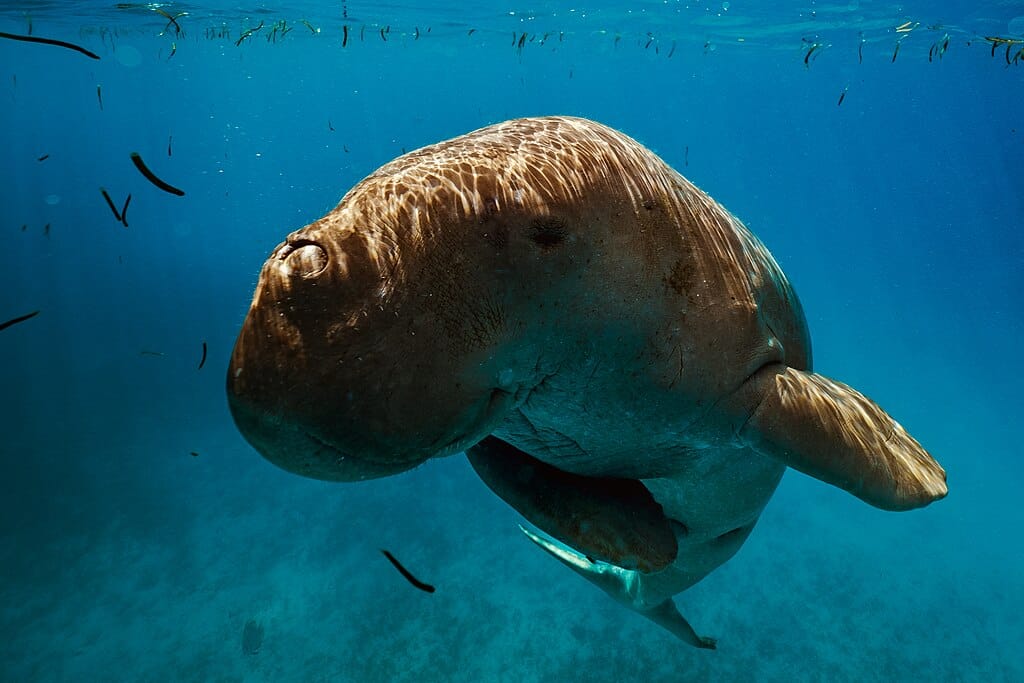
The serene waters of the Indo-Pacific region harbor one of the ocean’s most gentle giants—the dugong. Often called “sea cows” alongside their manatee cousins, dugongs (Dugong dugon) are the only strictly marine herbivorous mammals and the only living species in the family Dugongidae. These magnificent creatures are known for their deliberate pace of life, which extends to their fascinating, unhurried mating behaviors. Unlike the fast-paced reproductive strategies seen in many marine species, dugongs engage in elaborate, slow courtship rituals that reflect their overall tranquil existence. This article delves into the world of dugongs, exploring their distinctive characteristics, habitat preferences, and particularly their methodical approach to reproduction that has evolved over millions of years in the warm coastal waters they call home.
The Dugong: An Ancient Marine Mammal

Dugongs belong to the order Sirenia, along with three species of manatees, and have inhabited Earth’s oceans for over 50 million years. Their closest living relatives on land are elephants, with whom they share a common ancestor. These massive marine mammals can grow up to 3 meters (10 feet) in length and weigh as much as 500 kilograms (1,100 pounds). Their torpedo-shaped bodies, fluked tails, and flippers are adaptations for their fully aquatic lifestyle, distinguishing them from many other marine mammals that must return to land for certain life activities.
Unlike their manatee relatives who can inhabit freshwater environments, dugongs are strictly marine creatures, preferring the shallow, protected coastal waters of the Indo-Pacific region. Their ancient lineage is evident in their unique physical and behavioral adaptations, including their specialized feeding apparatus designed for consuming seagrass and their methodical approach to all aspects of life—including reproduction.
Dugong Distribution and Habitat Preferences
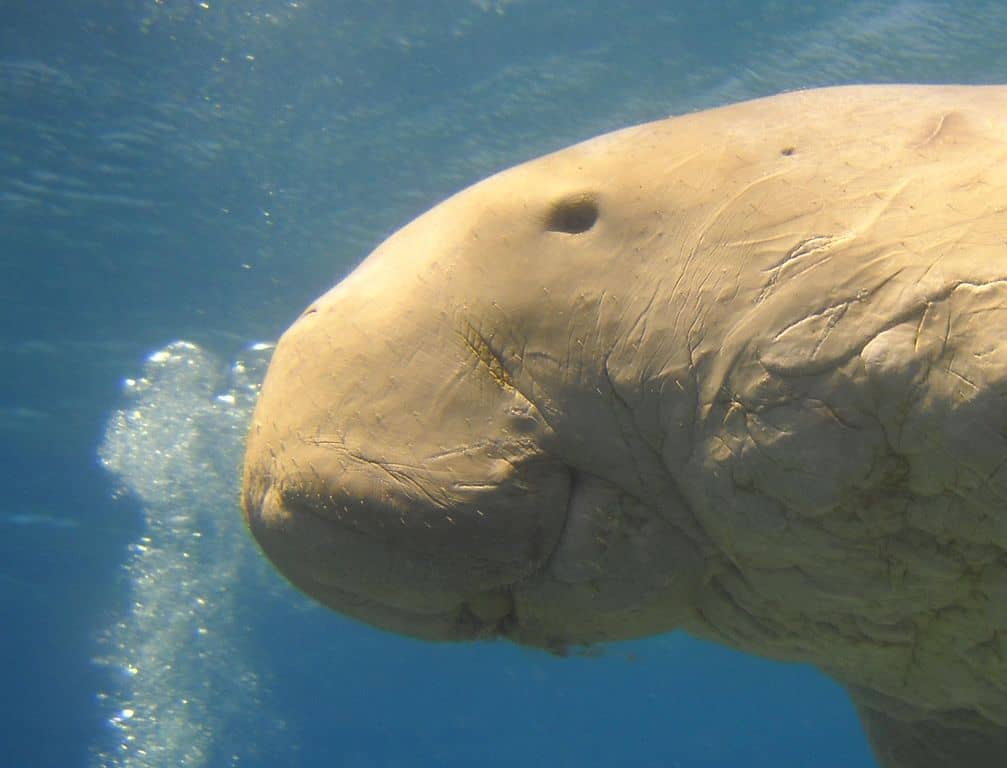
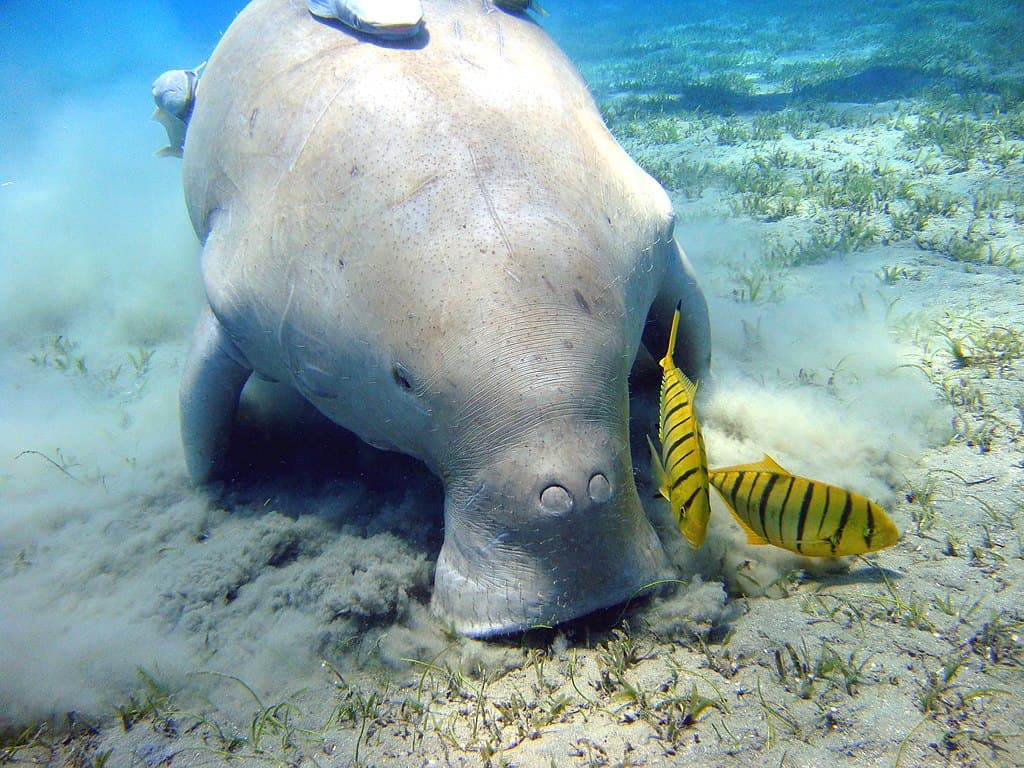
Dugongs inhabit the coastal waters spanning from East Africa to Vanuatu in the Pacific, with the largest population found in northern Australian waters. Their distribution range covers approximately 140,000 kilometers of coastline across 37 countries. These gentle giants show a strong preference for shallow, protected areas with abundant seagrass meadows, typically found in depths of 1 to 10 meters. This habitat choice is directly linked to their dietary needs, as seagrass constitutes their primary food source.
The warm tropical and subtropical waters they inhabit provide the ideal temperature range for these sensitive creatures, who generally avoid water temperatures below 18°C (64°F). Their habitat requirements connect directly to their reproductive behaviors, as dugongs select specific protected areas for courtship and mating activities where they can engage in their slow, deliberate mating rituals without disruption from strong currents or predators.
Physical Characteristics and Sexual Dimorphism
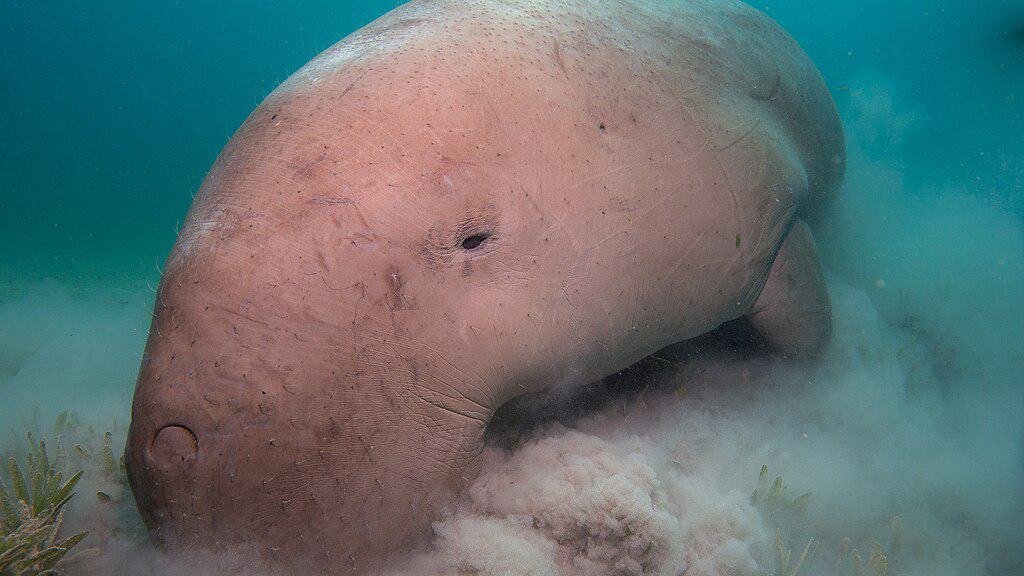
Dugongs possess a distinctive appearance with their spindle-shaped bodies, paddle-like forelimbs, and horizontal fluked tail similar to dolphins but different from the rounded tail of manatees. Their head features a large, downturned snout adapted for bottom feeding, with nostrils positioned on top of the muzzle for surface breathing. Their skin color ranges from brownish-gray to cream, often with scattered pink patches on the dorsal surface.
Sexual dimorphism in dugongs is subtle but present. Males generally grow larger than females, with adult males typically 5-7% longer and heavier than females of the same age. Males also develop tusks—modified incisor teeth that protrude from the upper jaw—which become more prominent with age. These tusks play a significant role in male competition during mating season, though not through violent confrontations as seen in many other mammals, but rather through established dominance hierarchies that minimize physical conflict. The relatively minor sexual dimorphism compared to many mammal species aligns with their slow, less competitive mating strategies.
Dugong Lifecycle and Sexual Maturity

Dugongs are remarkably long-lived marine mammals, with a lifespan that can exceed 70 years in the wild. This extended lifespan correlates with their slow reproductive rate and delayed sexual maturity. Female dugongs typically reach sexual maturity between 6 and 17 years of age, while males mature slightly later, between 9 and 19 years. This significant variation in maturation age appears to be influenced by environmental factors such as food availability and population density.
The slow path to reproductive maturity reflects the dugong’s overall life strategy—a methodical, unhurried approach that emphasizes quality over quantity in offspring production. Once sexually mature, a female dugong may only produce a calf every 3 to 7 years throughout her reproductive lifespan. This reproductive strategy places dugongs among the slowest reproducing marine mammals, making population recovery particularly challenging when numbers decline due to human activities or environmental changes.
The Annual Breeding Cycle

Unlike some marine mammals that can breed year-round, dugongs exhibit seasonal breeding patterns that vary somewhat by geographic location. In the waters of northern Australia, where the largest dugong population resides, breeding activity peaks during the late spring and summer months (September to December in the Southern Hemisphere). This timing corresponds with optimal water temperatures and peak seagrass abundance, ensuring favorable conditions for both mating activities and the subsequent nursing period.
The annual breeding cycle begins with female dugongs entering estrus, during which they release chemical signals (pheromones) into the water that attract males from considerable distances. These chemical cues initiate the formation of breeding herds, where multiple males may gather around a receptive female. The entire breeding season spans several months, with different females becoming receptive at varying times, creating a gradual, extended period of reproductive activity rather than a short, intense breeding season seen in many other mammal species.
Courtship: The Initial Slow Dance
Dugong courtship represents one of the ocean’s most unhurried romance rituals. The process begins when males detect the chemical signals released by estrous females. Rather than rushing to compete aggressively for mating rights, male dugongs initially engage in a period of observation and gentle approaches. They swim in wide circles around the receptive female, gradually decreasing the distance while maintaining a respectful space that allows the female to assess potential mates.
This initial phase of courtship can last for several days, with males occasionally producing soft vocalizations—described as chirp-squeaks and barks—that may communicate their fitness and readiness to mate. Males may also engage in “snout-to-snout” interactions with the female, a behavior that facilitates close inspection and possibly involves the exchange of tactile and chemical information. Throughout this extended courtship period, the female maintains control of the interaction, either encouraging closer proximity or swimming away if a particular male does not meet her selection criteria.
Male Competition and Mating Herds

When a female dugong enters estrus, she may attract multiple males, forming what marine biologists term a “mating herd.” These herds typically consist of one female and anywhere from 3 to 8 males, though larger aggregations of up to 15 males have been observed during peak breeding periods. Unlike the violent confrontations seen in many terrestrial mammals, male dugongs engage in a more restrained form of competition that aligns with their overall unhurried approach to life.
Dominant males position themselves closest to the female, while subordinate males remain at the periphery of the group. Competition involves gentle pushing with their bodies, occasional displays of tusks, and complex swimming maneuvers rather than direct aggression. This behavior creates a three-dimensional hierarchy in the water column, with the most dominant male typically swimming directly behind and slightly below the female. This positioning represents a form of mate-guarding that can continue for days before actual mating occurs. The slow pace of these competitive interactions allows females ample time to assess the quality of potential mates based on size, condition, and persistence.
The Intimate Dance: Mating Behavior
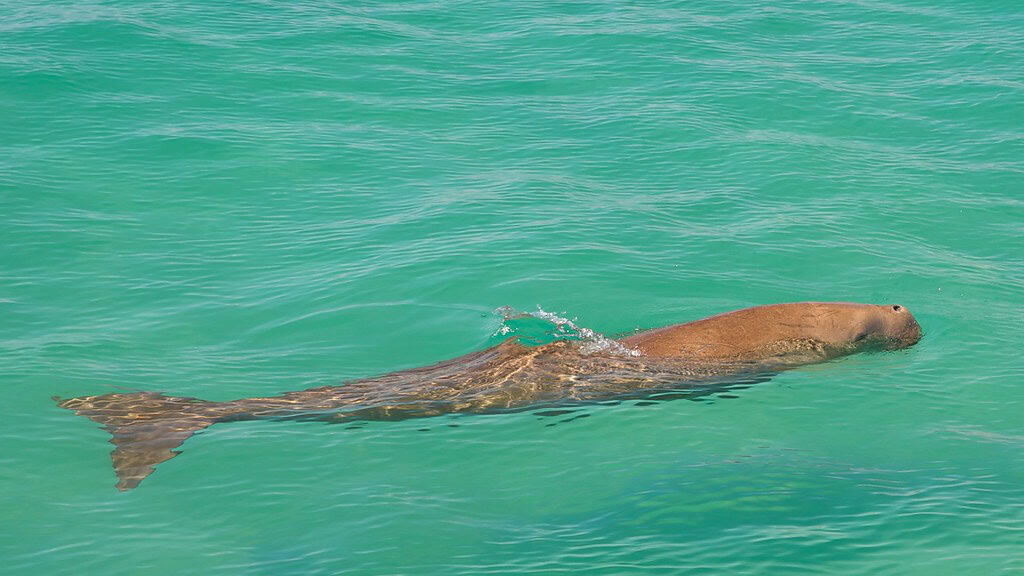
After days of courtship and male competition, the actual mating process begins when the female signals her readiness by slowing her swimming pace and adopting a specific body posture with her fluked tail slightly elevated. The dominant male then approaches from below, gently touching the female’s underside with his flippers in a behavior that appears almost like an underwater embrace. This tactile communication continues for several minutes before the pair aligns their bodies for reproduction.
Mating itself is a brief but intimate act that occurs belly-to-belly, with the pair often rising toward the water’s surface. Unlike many marine mammals that complete mating in seconds, dugong copulation typically lasts 1-3 minutes. What makes dugong reproduction particularly unique is that pairs may repeat this mating behavior multiple times over a period of several hours or even days, with rest periods in between. This repeated mating behavior increases the probability of successful fertilization and represents another aspect of their unhurried approach to reproduction. Throughout this period, other males remain nearby but generally do not interfere with the mating pair, a remarkable display of the established social hierarchy within the mating herd.
Gestation and Birth: A Patient Wait
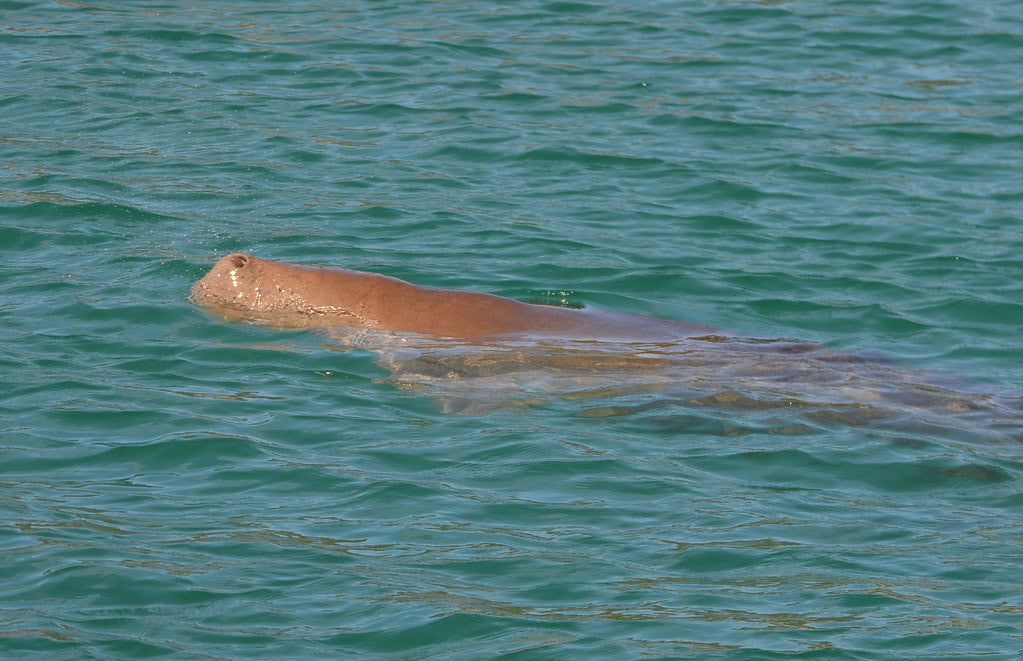
Following successful mating, female dugongs undergo one of the longest gestation periods among marine mammals, lasting approximately 13-15 months. This extended pregnancy reflects the dugong’s evolutionary strategy of investing heavily in fewer offspring rather than producing many. During this period, the female returns to her normal feeding and movement patterns, often separating from the breeding herd to join groups of other females or to lead a more solitary existence.
Birth typically occurs in shallow, protected waters that offer sanctuary from potential predators. Female dugongs do not make specific migrations to birthing grounds but instead select familiar areas within their home range that provide optimal protection and food resources. The birth itself is another example of the dugong’s unhurried approach to life—labor can last several hours, with the single calf (twins are extremely rare) usually born tail-first. Newborn calves measure approximately 1.1 to 1.4 meters (3.6 to 4.6 feet) in length and weigh around 20 to 35 kilograms (44 to 77 pounds). Within minutes of birth, the mother helps guide her calf to the surface for its first breath, initiating a bond that will continue for several years.
Mother-Calf Bond and Extended Nursing Period
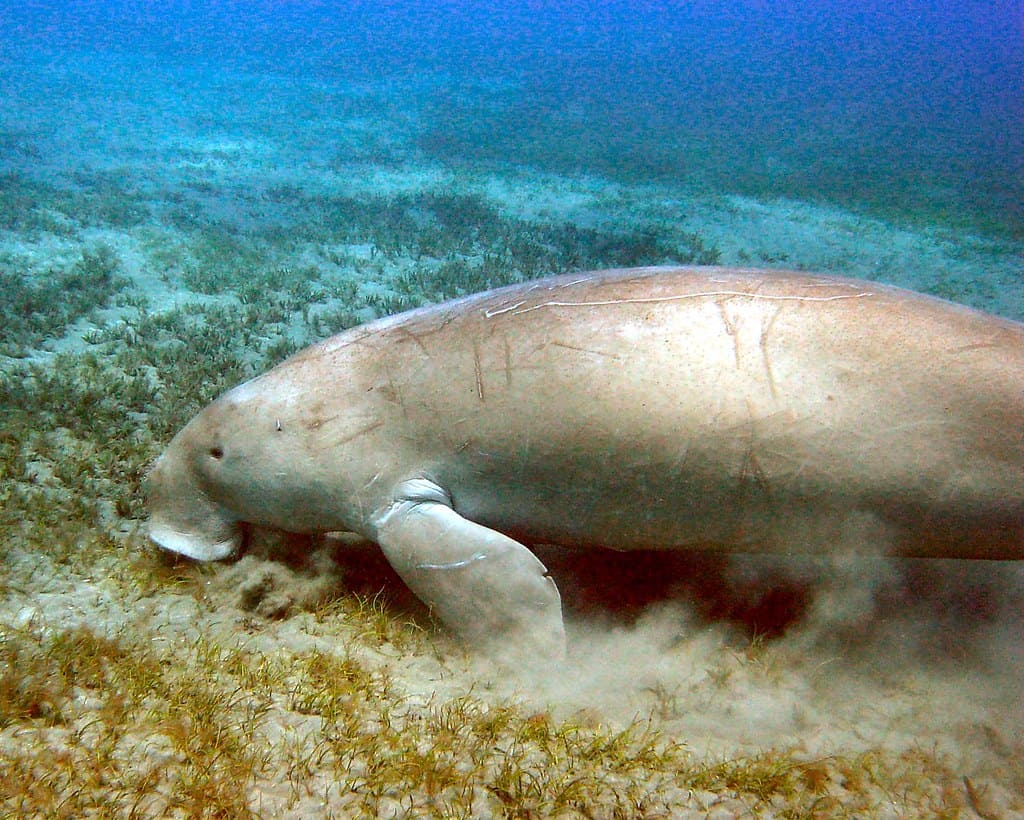
The dugong mother-calf relationship exemplifies the species’ investment in quality parental care over rapid reproduction. Calves stay in close physical contact with their mothers from birth, often positioned above the mother’s back when resting or slightly behind her while swimming. This positioning allows the calf to benefit from the hydrodynamic advantage of the mother’s wake, conserving energy while maintaining the close bond essential for protection and nursing.
Nursing in dugongs is another unhurried affair. Calves suckle from mammary glands located behind the mother’s flippers, consuming milk rich in fat and nutrients that supports their development. The nursing period is remarkably extended, lasting from 14 to 18 months, with some calves continuing to suckle occasionally even beyond this period. This prolonged nursing represents one of the longest lactation periods among marine mammals relative to body size. Even after weaning, young dugongs typically remain with their mothers for an additional 1-2 years, learning critical feeding techniques and habitat selection before gradually becoming independent. This extended dependency period contributes to the slow reproductive rate but ensures each offspring receives optimal parental investment.
Conservation Challenges Related to Reproduction
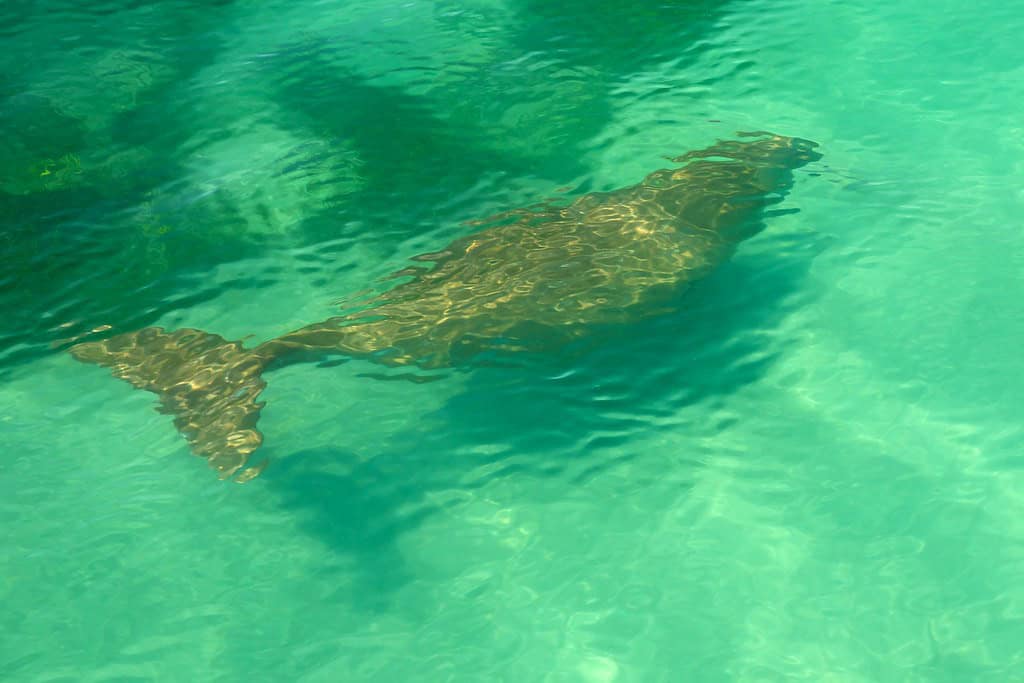
The dugong’s deliberate reproductive strategy—characterized by late maturity, long gestation, single births, and extended calf dependency—has significant implications for conservation efforts. With females producing a calf only once every 3-7 years under optimal conditions, dugong populations recover extremely slowly from decline. This reproductive rate means that even small increases in mortality can have devastating long-term effects on population viability.
Human activities pose numerous threats to dugong reproduction. Habitat degradation, particularly the destruction of seagrass meadows through coastal development, agricultural runoff, and climate change, directly impacts breeding success by reducing food availability for breeding females and nursing mothers. Vessel strikes, entanglement in fishing gear, and illegal hunting further threaten reproductive adults. Additionally, chemical pollutants can accumulate in dugong tissues and potentially disrupt hormonal systems essential for reproduction. Conservation strategies must account for these slow reproductive rates, prioritizing the protection of breeding adults and nursing mothers while preserving the coastal habitats essential for successful reproduction.
Cultural Significance of Dugong Reproduction
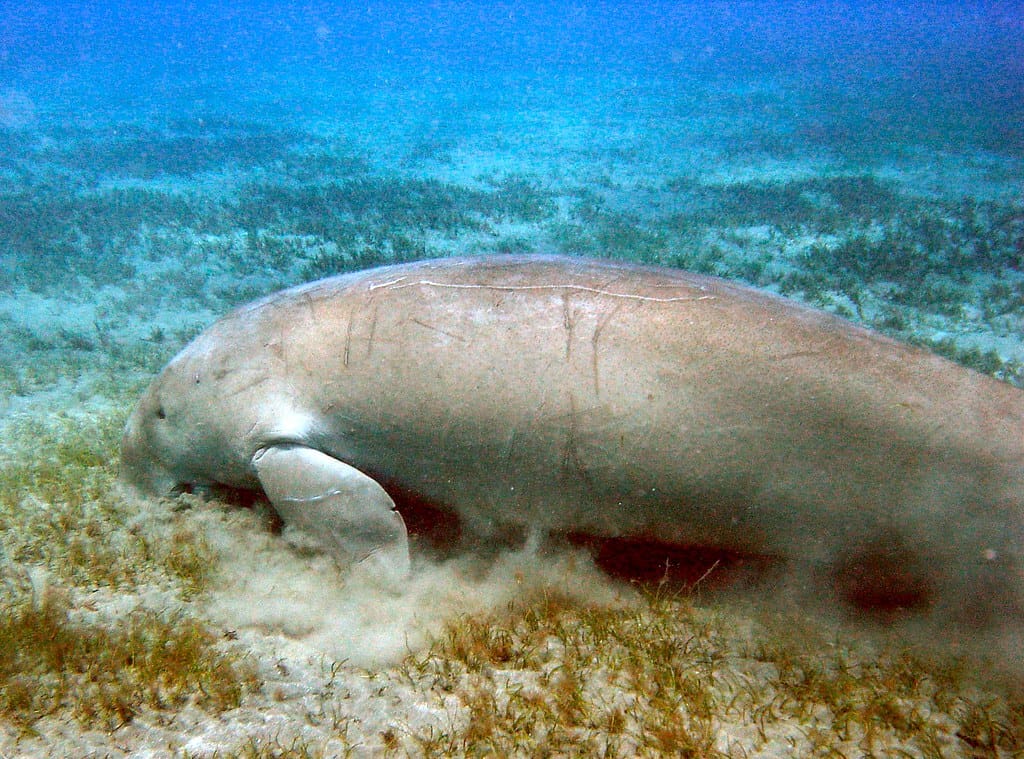
Throughout their range, dugongs hold significant cultural importance for many coastal and indigenous communities, with their reproductive behaviors often featuring in traditional knowledge systems and folklore. In parts of the Torres Strait and northern Australia, Indigenous peoples have developed detailed understanding of dugong breeding cycles, passing this knowledge through generations. Some traditional hunting practices include taboos against taking pregnant females or mothers with calves, reflecting an awareness of the species’ slow reproductive rate.
In various Pacific Island cultures, dugongs are associated with fertility and abundance, appearing in creation myths and as spiritual symbols. Their slow, deliberate mating rituals have inspired ceremonies and dances that mimic the graceful movements of these marine mammals. This cultural significance provides valuable opportunities for collaborative conservation efforts that integrate traditional ecological knowledge with scientific research. By recognizing and respecting the cultural dimensions of dugong reproduction, conservation initiatives can build stronger community engagement and more effective protection measures for these vulnerable marine mammals.
Conclusion: The Evolutionary Wisdom of Patience
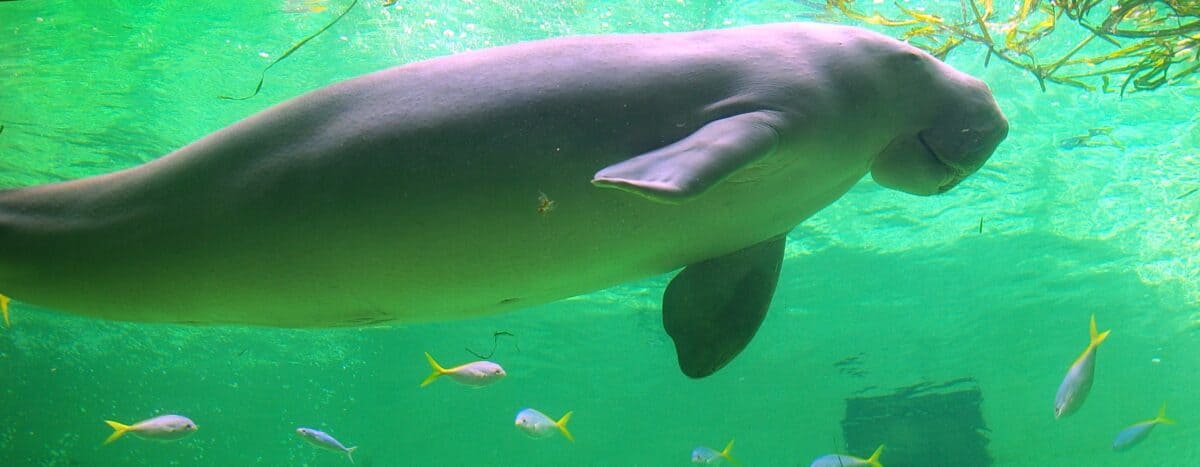
The dugong’s unhurried approach to reproduction represents an evolutionary strategy finely tuned to their marine environment and herbivorous lifestyle. Their slow mating rituals, extended gestation, and prolonged parental care exemplify a reproductive strategy that prioritizes quality over quantity, investing heavily in fewer offspring rather than producing many. This approach has served dugongs well for millions of years, allowing them to persist as specialized marine herbivores in tropical coastal ecosystems across the Indo-Pacific region.
In our rapidly changing world, however, the dugong’s deliberate reproductive pace has become a vulnerability. Their slow breeding rate makes populations particularly susceptible to human-induced threats, including habitat destruction, hunting, and accidental mortality from vessel strikes and fishing gear. Understanding the intricacies of dugong reproduction is essential for developing effective conservation strategies that protect these magnificent marine mammals.
For those fortunate enough to witness dugongs in their natural habitat, their gentle nature and methodical mating behaviors offer a powerful reminder of the diversity of reproductive strategies in the natural world. In an era often characterized by speed and immediate gratification, the dugong’s patient approach to perpetuating their species provides a compelling counterpoint—a testament to the evolutionary wisdom of patience in the endless dance of life beneath the waves.
As we work to protect dugongs and their habitats, we not only preserve a unique marine species but also honor one of nature’s most beautiful expressions of the slow path to reproduction, a strategy that has sustained these remarkable animals through the ages in the ever-changing oceans they call home.

From exploring the marine wonders in the Azores and witnessing the vast savannas of Kenya, to delving deep into the rich biodiversity of South Africa and traversing iconic landscapes in Australia and the US like Yellowstone, Chris's experiences are vast.
With a penchant for diving alongside sharks, the ocean holds a special place in his heart.
Through his academic insights, he champions wildlife conservation, striving with 'Animals Around The Globe' to cultivate a profound connection between humans and animals, enhancing our mutual appreciation.
Connect with him at Feedback@animalsaroundtheglobe.com.
- A Bear Journey Through The USA: 18 Best Bear Photos from 18 US States - July 19, 2026
- Elephant Matriarchs Know Every Waterhole for Miles - July 19, 2026
- Top 10 Dinosaur Relatives Still Roaming Earth Today - July 19, 2026
Leave a comment
You must be logged in to post a comment.