

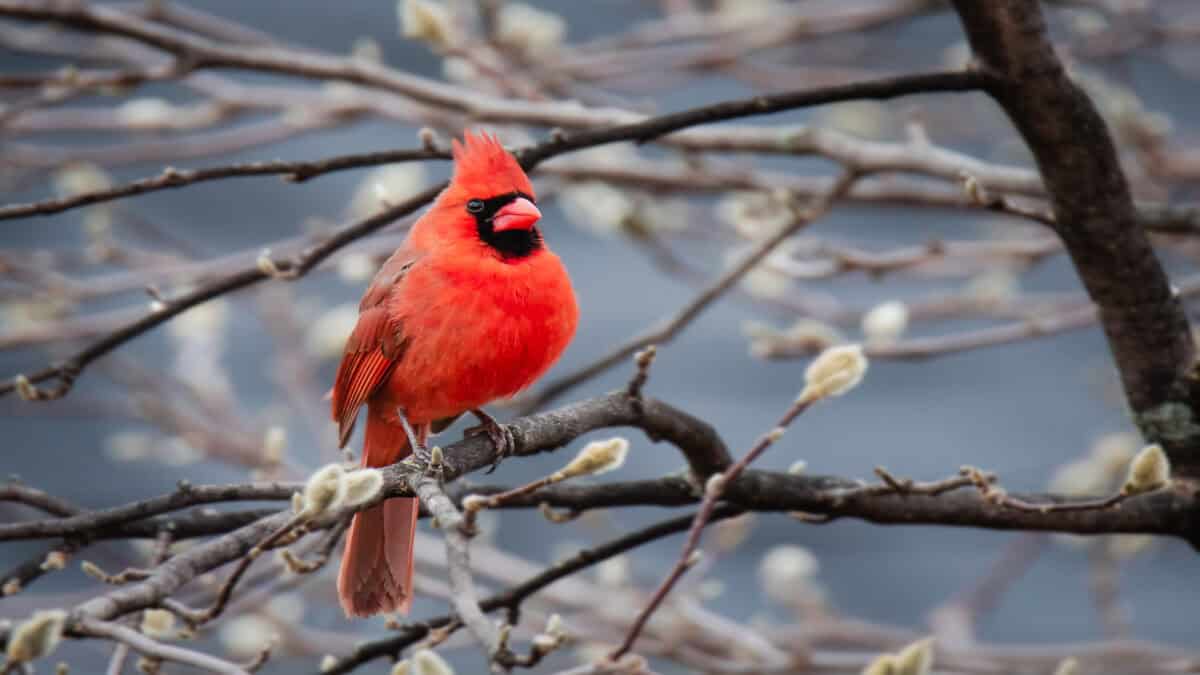
Imagine sipping your morning coffee, gazing outside, and suddenly spotting a flash of brilliant color or hearing a sweet, chirping melody. Birds have a way of brightening even the dullest days, and the best part? You don’t have to trek into the wild to witness their beauty. Across the United States, a remarkable variety of birds grace our neighborhoods, parks, and backyards—each with its own unique charm. Whether you’re a lifelong bird enthusiast or just starting to notice the feathered friends outside your window, these fourteen species are sure to capture your heart and spark your curiosity. Get ready to meet some truly wonderful neighbors!
14 Mourning Dove
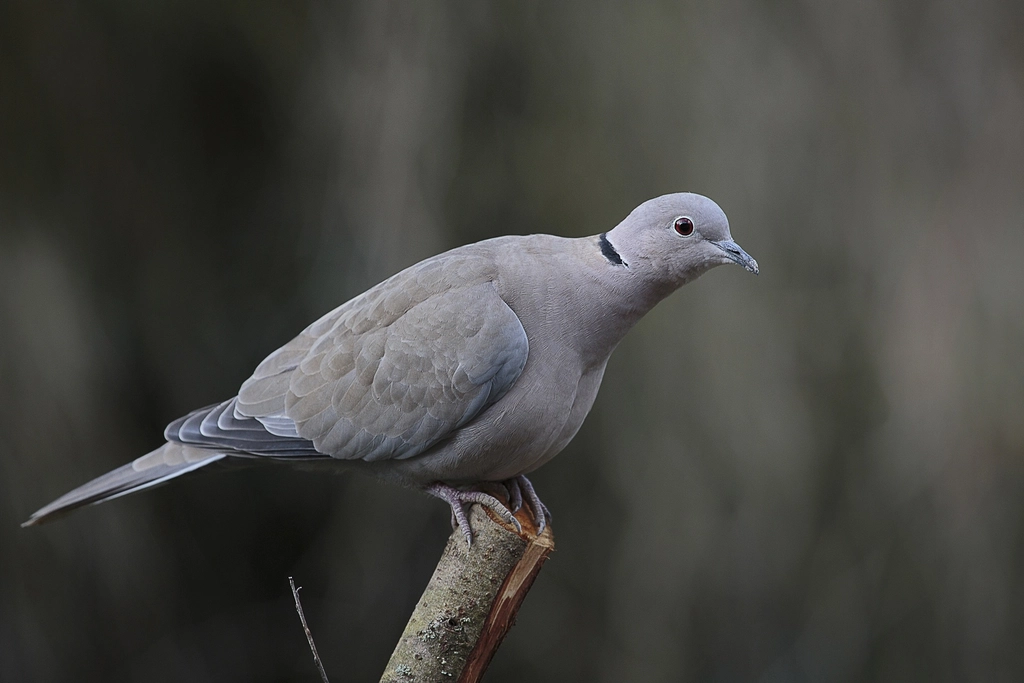
Mourning doves are gentle, soft-gray birds that are hard to miss. Their cooing calls have a mournful, soothing quality that gives them their name. These birds are found in almost every corner of the country, from bustling cities to remote farmlands. They often perch on telephone wires or flutter down to feed on seeds scattered in gardens and driveways. Their slender bodies and long, pointed tails help them glide through the air with surprising grace. If you spot a bird quietly pecking at the ground with a subtle, bobbing head movement, it’s likely a mourning dove. Believe it or not, their wings make a distinctive whistling sound when they take off—like a little secret handshake for anyone paying close attention.
13 Northern Cardinal
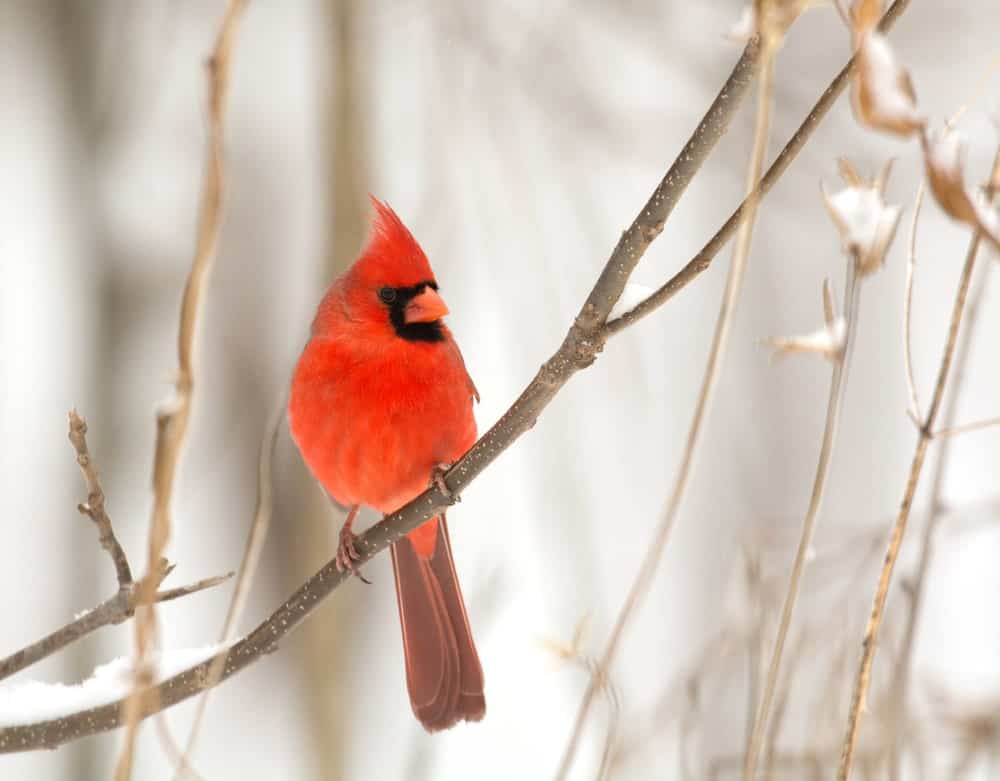
Few birds are as instantly recognizable as the northern cardinal. Males wear brilliant red feathers like a flashy coat, while females display more subdued, warm brown tones with hints of red. Both sexes sport a distinctive crest on their heads, giving them a regal appearance. Cardinals love dense shrubs and backyard feeders, especially if you offer sunflower seeds. Their sweet, whistled songs often signal the start of spring, filling the air with music. It’s not uncommon to see pairs of cardinals foraging together, as they tend to mate for life. Whenever a cardinal appears, many people feel a jolt of joy—almost as if a tiny piece of summer sunshine has landed on their fence post.
12 American Robin

The American robin is often considered the harbinger of spring, famous for its bright orange breast and cheerful song. These birds are always on the move, hopping across lawns in search of earthworms or perching in trees to serenade the dawn. Robins are widespread across the U.S., adapting easily to both urban and rural settings. Their nests, built from mud and grass, are a common sight under porches and in the crooks of trees. If you spot a bird tugging determinedly at a worm, it’s probably a robin. Their sweet song, a series of clear whistles, is one of the most comforting sounds of early morning.
11 Blue Jay

Blue jays are the bold show-offs of the bird world, sporting brilliant blue feathers, black necklaces, and a perky crest. You’ll often hear them before you see them, thanks to their loud, varied calls that can mimic other birds and even the sound of a cat. Blue jays are highly intelligent and not above mischief—sometimes stealing food from other birds or hiding seeds for later. They love oak trees and are particularly fond of acorns, which they crack open with powerful beaks. Spotting a blue jay is like seeing a living jewel flitting through the branches. Their spirited personalities and vivid colors make them memorable visitors to any backyard.
10 American Goldfinch

Few birds are as cheerful as the American goldfinch, especially when the males are in their dazzling summer plumage—a brilliant yellow that seems to glow in the sunlight. Females are more subtly colored, with olive tones and hints of yellow. Goldfinches are drawn to thistle and sunflower feeders, where they perch with delicate grace. They have a bouncy, undulating flight pattern that’s easy to recognize, and their sweet, tinkling calls are a hallmark of warm, breezy days. Goldfinches breed later than most birds, often waiting until midsummer when thistles are in bloom. Seeing a flock of goldfinches fluttering through a patch of wildflowers is like stumbling upon a pocket of sunshine.
9 House Finch

House finches are small, social birds that thrive in neighborhoods and cities across the U.S. Males are easily recognized by their rosy-red heads and chests, while females sport streaky brown plumage. They’re regulars at backyard feeders, especially those filled with sunflower or safflower seeds. These birds are known for their cheerful, warbling songs—sometimes carrying a hint of a question mark at the end. House finches often travel in chatty groups, swooping down to feed and then bursting into song. If you see a small bird with a splash of red at your feeder, chances are it’s a house finch. Their adaptability and friendly nature make them a favorite among birdwatchers.
8 Downy Woodpecker

The downy woodpecker is the smallest woodpecker in North America, but don’t let its size fool you. These birds have a big personality, often drumming on tree trunks or even metal gutters to announce their presence. Males have a tiny red patch on the back of the head, while both sexes feature black-and-white checkered wings. Downy woodpeckers love suet feeders and can often be seen clinging to tree branches, searching for insects. Their tapping is distinct—soft and rapid, like someone gently knocking on a door. Spotting these little acrobats can feel like finding a hidden treasure in your own backyard.
7 Red-bellied Woodpecker

Red-bellied woodpeckers are striking birds with zebra-like black-and-white backs and a splash of red running from their beaks to the nape of their necks. Despite their name, the red on their bellies is faint—easy to miss unless you’re looking closely. These woodpeckers are famous for their rolling, churring calls and their habit of storing food in tree crevices. They visit feeders for peanuts and suet and are agile climbers, hopping nimbly up tree trunks. If you see a flash of red and hear a sharp call echoing through the trees, you might have a red-bellied woodpecker nearby. Their bold looks and curious habits make them a joy to watch.
6 Black-capped Chickadee

Black-capped chickadees are tiny, energetic birds with a black cap and bib, white cheeks, and a round, cheerful look. Their distinctive chick-a-dee-dee-dee call is easy to recognize and often seems to invite you into their world. These birds are fearless, sometimes landing right on your hand if you offer seeds. Chickadees are acrobatic, hanging upside down from branches as they search for insects or seeds. They’re also quite clever, hiding food to eat later when times are tough. Watching a chickadee flit from branch to branch, undaunted by the cold or the company, is always a bright spot in any day.
5 Tufted Titmouse

The tufted titmouse is a small, gray bird with a splash of peach on its sides and a neat little crest on its head. Its large black eyes and curious expression make it especially endearing. Titmice are regular visitors to feeders, where they snatch sunflower seeds and fly off to open them in private. Their calls sound like a whistled “peter-peter-peter,” often echoing through the trees. These birds are social, often traveling with chickadees and other small songbirds. Their spunky, inquisitive nature makes them delightful to watch as they dart through the branches and peer curiously at the world.
4 White-breasted Nuthatch

White-breasted nuthatches are quirky birds with blue-gray backs, white faces and bellies, and a habit of creeping headfirst down tree trunks. Their nasal, laughing calls add a playful note to any backyard chorus. Nuthatches are famous for their agility; they move in ways that seem to defy gravity, probing bark for insects and nuts. They often visit feeders, especially when peanuts and sunflower seeds are on offer. If you see a bird moving straight down a tree like a tiny acrobat, it’s almost certainly a nuthatch. Their antics and expressive calls make them a favorite for anyone lucky enough to spot them.
3 Song Sparrow

Song sparrows are often underestimated, but their streaky brown plumage hides a powerful gift: a beautiful, varied song that can fill a whole garden. These sparrows are found across the country in every habitat from marshes to city parks. They love to perch on low shrubs or fences, singing their hearts out for all to hear. Song sparrows are adaptable, building nests in everything from dense bushes to hanging planters. Their melodies, a mix of trills and clear notes, often sound like a personal serenade. Even on gray days, the song sparrow’s music can lift your spirits and remind you that beauty is everywhere.
2 Dark-eyed Junco

Dark-eyed juncos are sometimes called “snowbirds” because they appear in many backyards just as winter arrives. These birds have slate-gray upper bodies, white bellies, and a tidy, understated look. Juncos hop along the ground, scratching for seeds under feeders or in leaf litter. Their presence often signals the change of seasons, bringing a touch of wildness to winter landscapes. Juncos are quiet but persistent, foraging in flocks and darting into bushes at the slightest sign of danger. Seeing a group of juncos outside your window can make even the coldest day feel a little warmer.
1 House Sparrow

House sparrows are among the most common and adaptable birds in America. With their chunky bodies, chestnut backs, and gray caps, they’re easy to recognize in city streets and suburban gardens alike. These birds are bold, often hopping right up to outdoor tables in search of crumbs. House sparrows are social, gathering in noisy flocks that chatter and squabble throughout the day. Their adaptability has allowed them to thrive in environments from farms to downtown plazas. Despite their everyday presence, watching a house sparrow dust-bathe or court a mate can be surprisingly charming.
Conclusion

Every bird on this list brings its own spark of color, music, or mystery to the everyday world outside your window. Whether you’re an expert birder or just curious about the life beyond the glass, spotting these feathered friends can turn an ordinary day into something extraordinary. Isn’t it amazing how much wonder is waiting right outside if you just take a moment to look?

As a little kid, I fell in love with nature, wildlife, and animals. Living in the USA, South Africa, Italy, China and Germany gave me the opportunity to discover the world's Wildlife. My favorite animals are Mountain Gorillas, Siberian Tigers, and Great White Sharks.
I'm a certified PADI Open Water Diver, went to Everest Base Camp and Trekked Gorillas in Uganda. I hold a Master of Science in Economics and Finance.
Please send any feedback to feedback@animalsaroundtheglobe.com
- 14 U.S. Birds You Can Spot From Your Window - July 17, 2026
- 17 Astonishing Whale Behaviors That Will Leave You in Awe - July 17, 2026
- 14 Creatures That Live in Volcanoes - July 17, 2026
Leave a comment
You must be logged in to post a comment.