
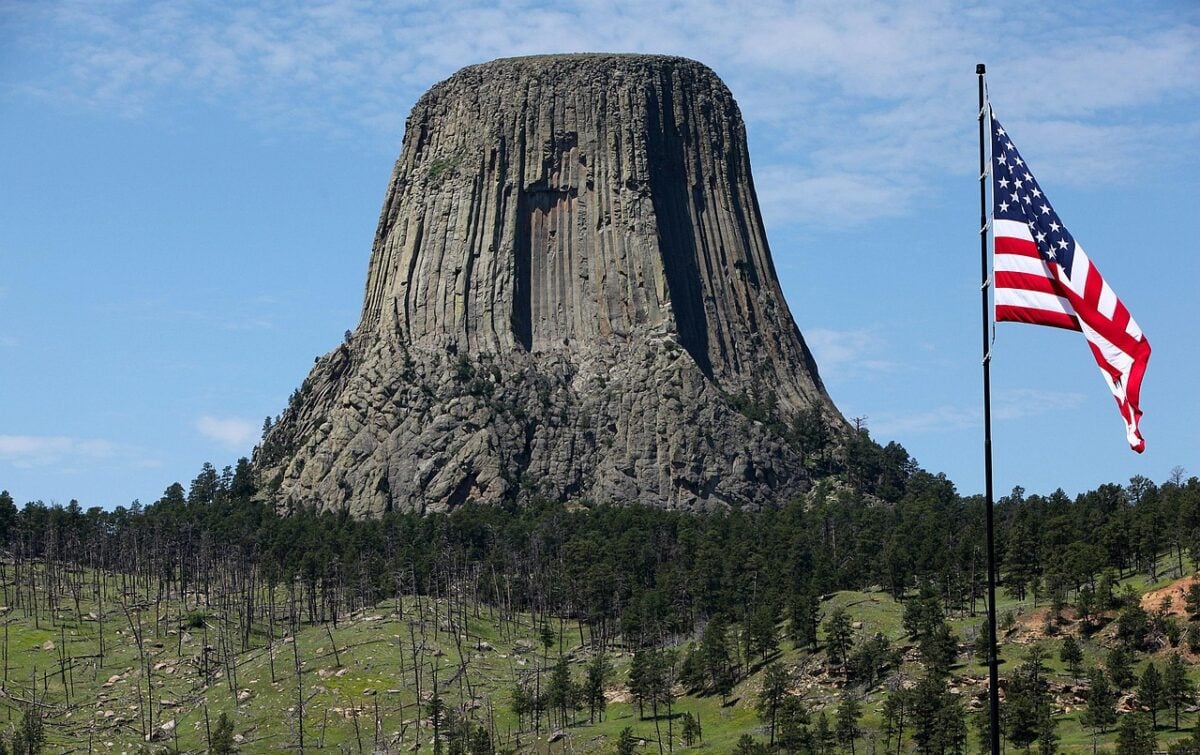
Rising dramatically above the Wyoming landscape, Devils Tower has captivated onlookers and scientists alike. This geological marvel, with its towering columns and enigmatic origins, continues to be a source of fascination and mystery. Here are ten intriguing facts about Devils Tower that puzzle scientists to this day.
The Unresolved Origins of Devils Tower
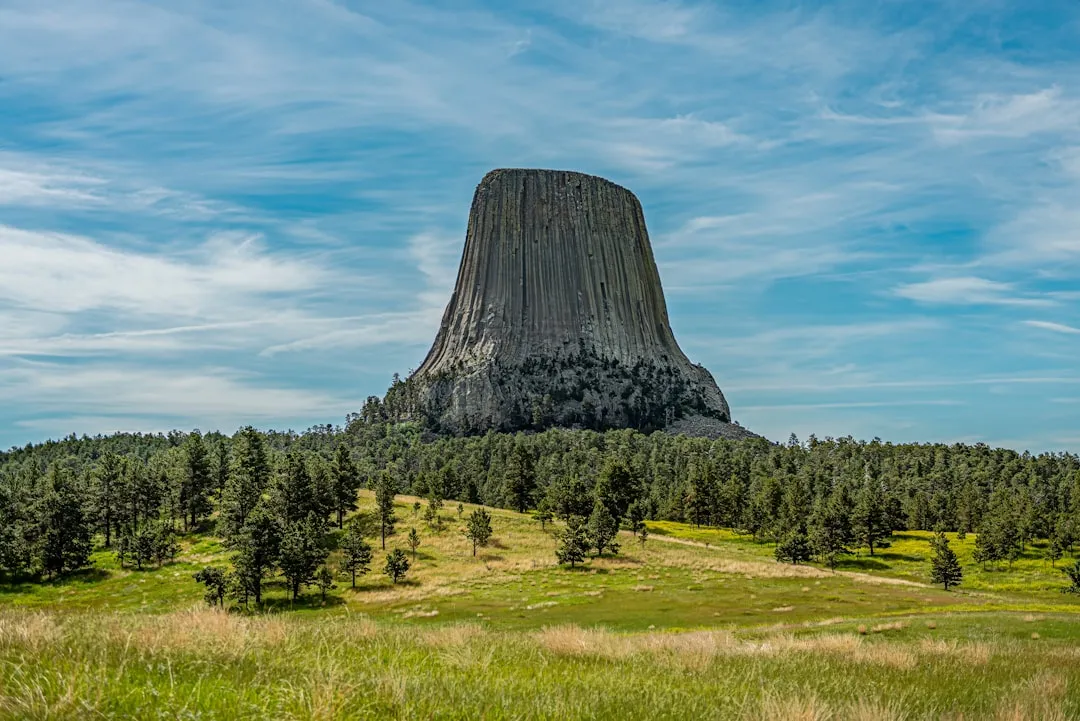
Despite extensive study, the exact formation process of Devils Tower remains a topic of debate among geologists. While it’s agreed that the structure is composed of igneous rock, theories about its formation vary. Some suggest it is a volcanic plug, while others propose it as a laccolith – a mass of magma that intruded between sedimentary layers without reaching the surface. The lack of definitive evidence leaves its origins shrouded in mystery.
Unique Columnar Jointing
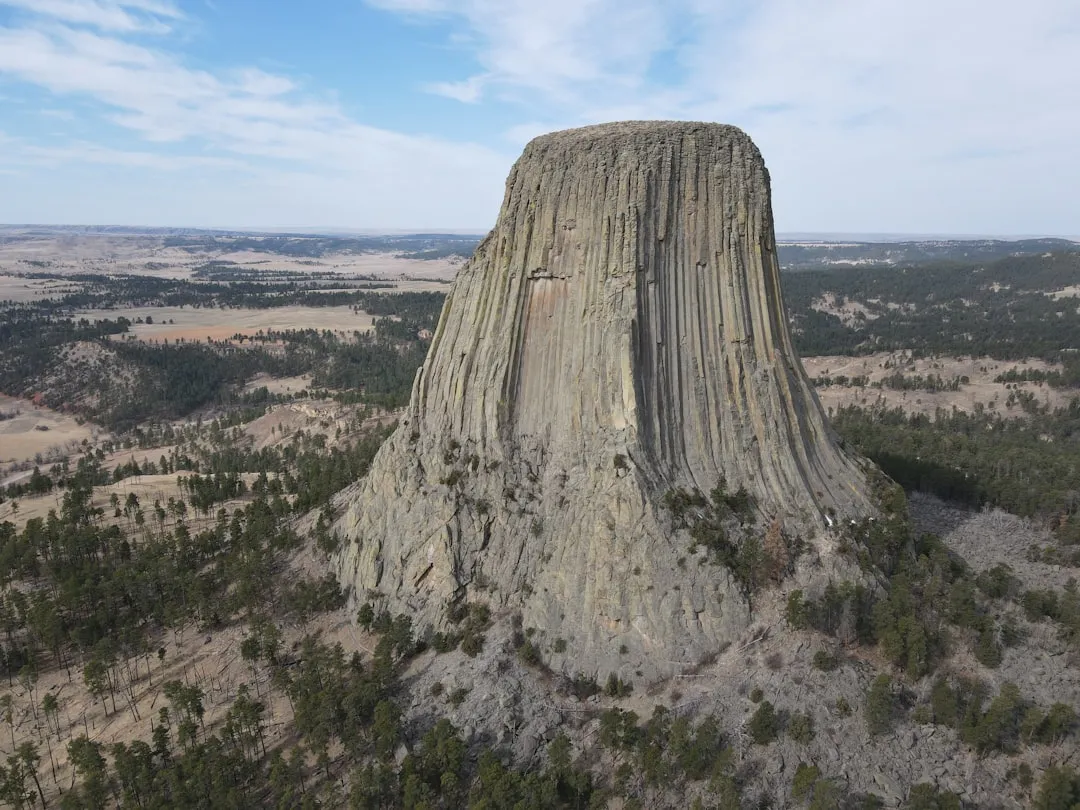
One of the most striking features of Devils Tower is its columnar jointing – massive, vertical columns that give the tower its distinctive appearance. These columns are predominantly hexagonal, but some have four, five, or seven sides. The formation of such large and well-defined columns is rare, and the precise conditions that led to their development at Devils Tower are still not fully understood.
Age Discrepancies
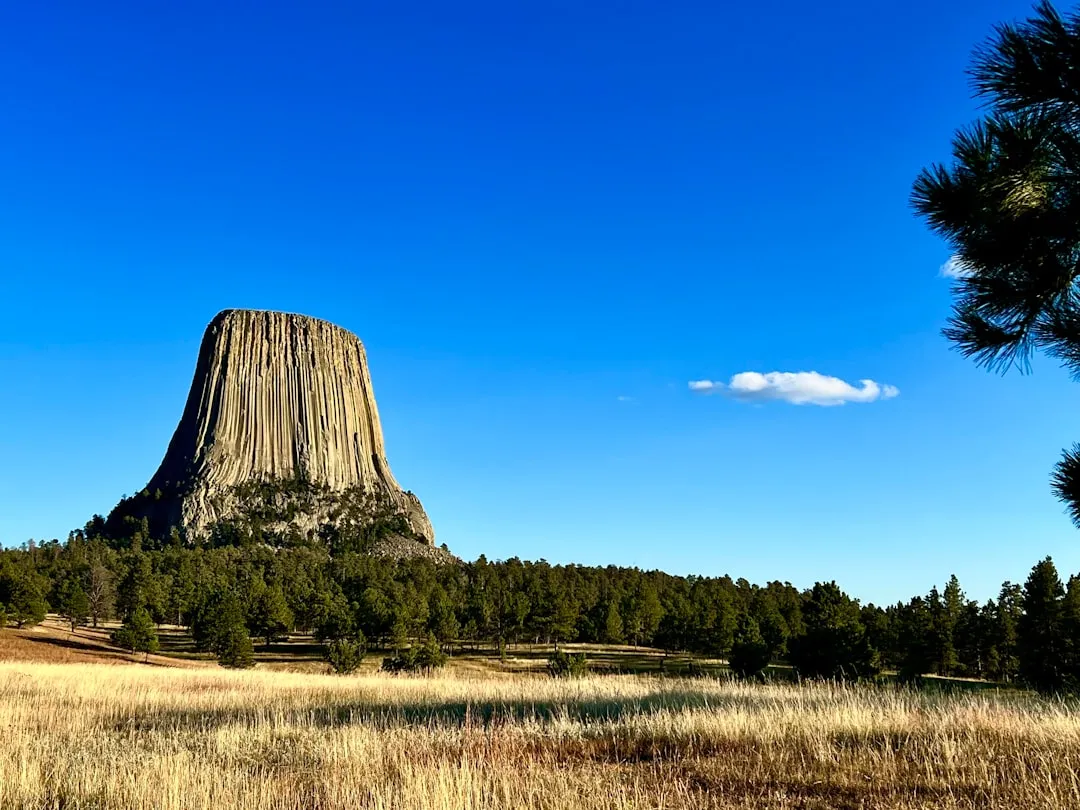
Determining the exact age of Devils Tower has proven challenging. Estimates suggest the rock solidified around 40 to 50 million years ago during the Eocene Epoch. However, the processes that exposed the tower above the surface are believed to have occurred much later, adding complexity to its geological timeline.
Absence of Volcanic Evidence
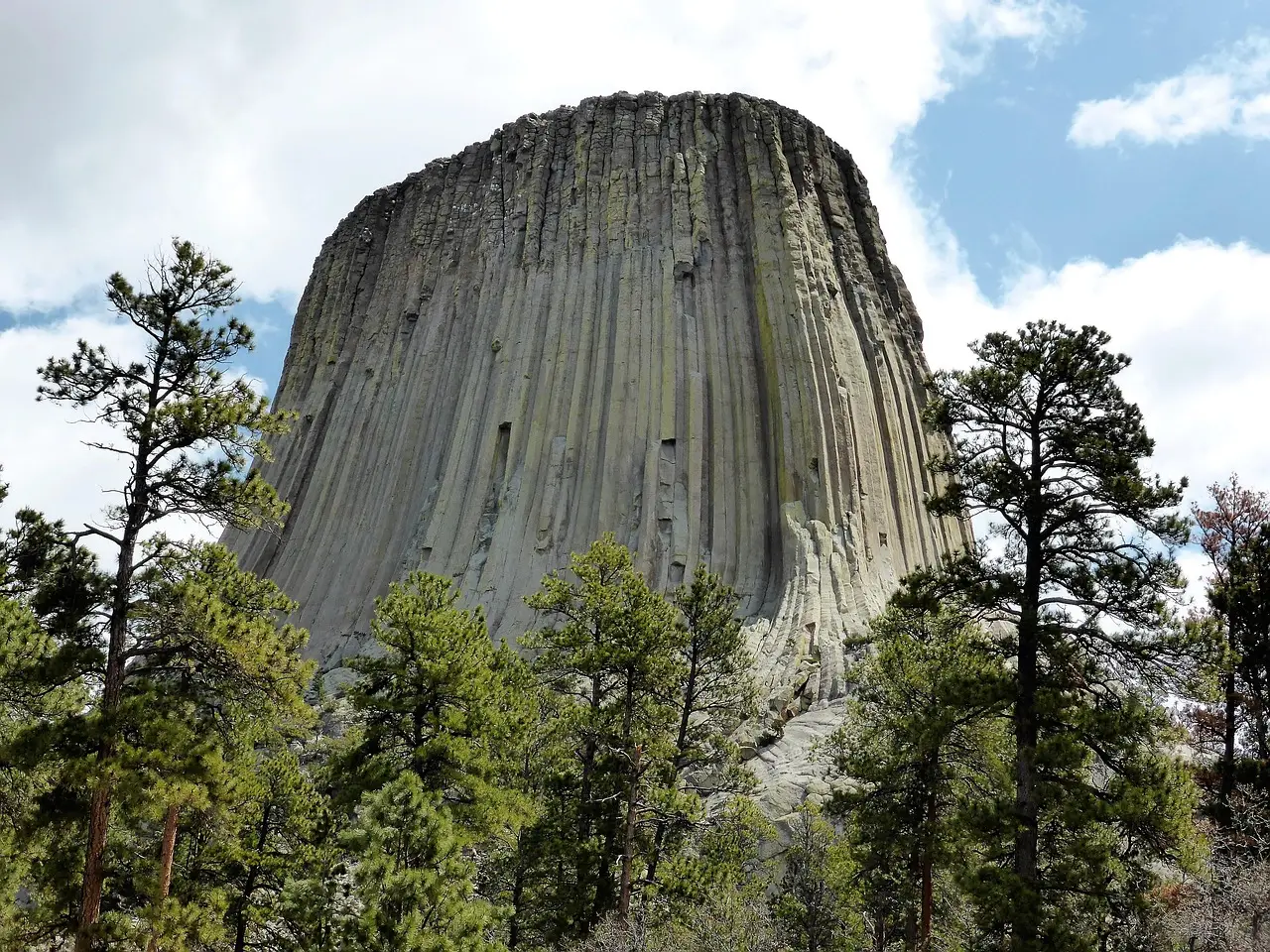
If Devils Tower were a volcanic plug, one would expect to find evidence of volcanic activity, such as ash deposits or lava flows, in the surrounding area. However, such evidence is notably absent, leading some scientists to question the volcanic plug theory and consider alternative formation processes.
Resistant to Erosion
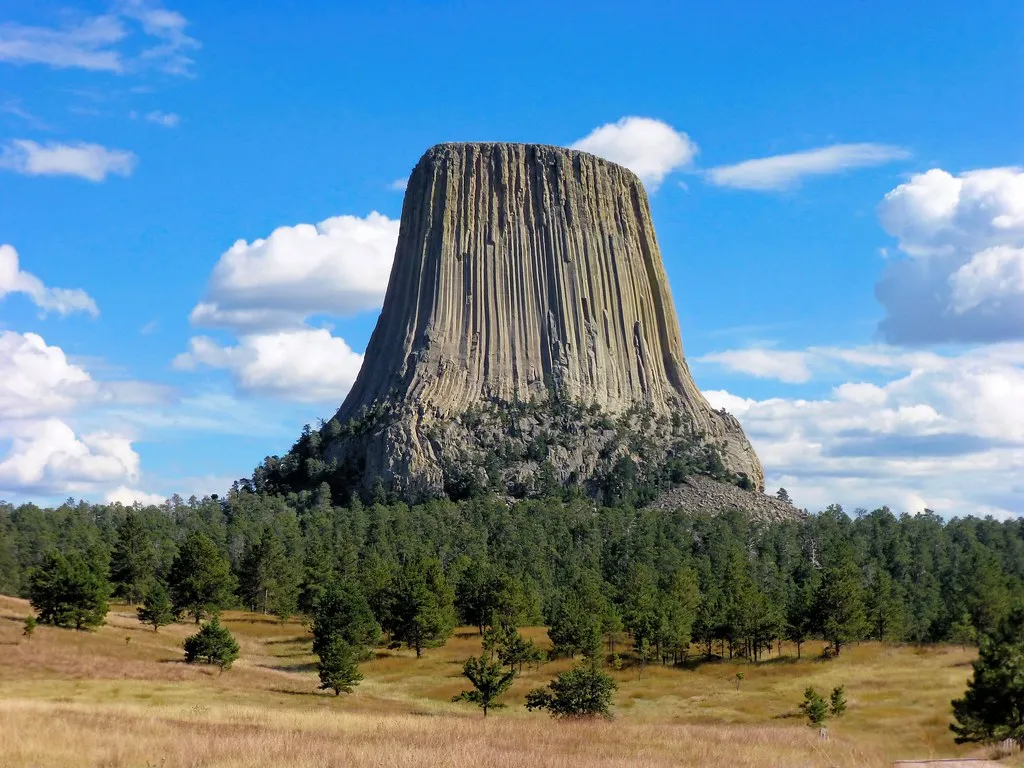
The surrounding sedimentary rocks have eroded over millions of years, yet Devils Tower stands tall. Its resistance to erosion is attributed to the hardness of its phonolite porphyry composition. However, the specific mineral composition that grants it such durability continues to intrigue geologists.
Magnetic Anomalies
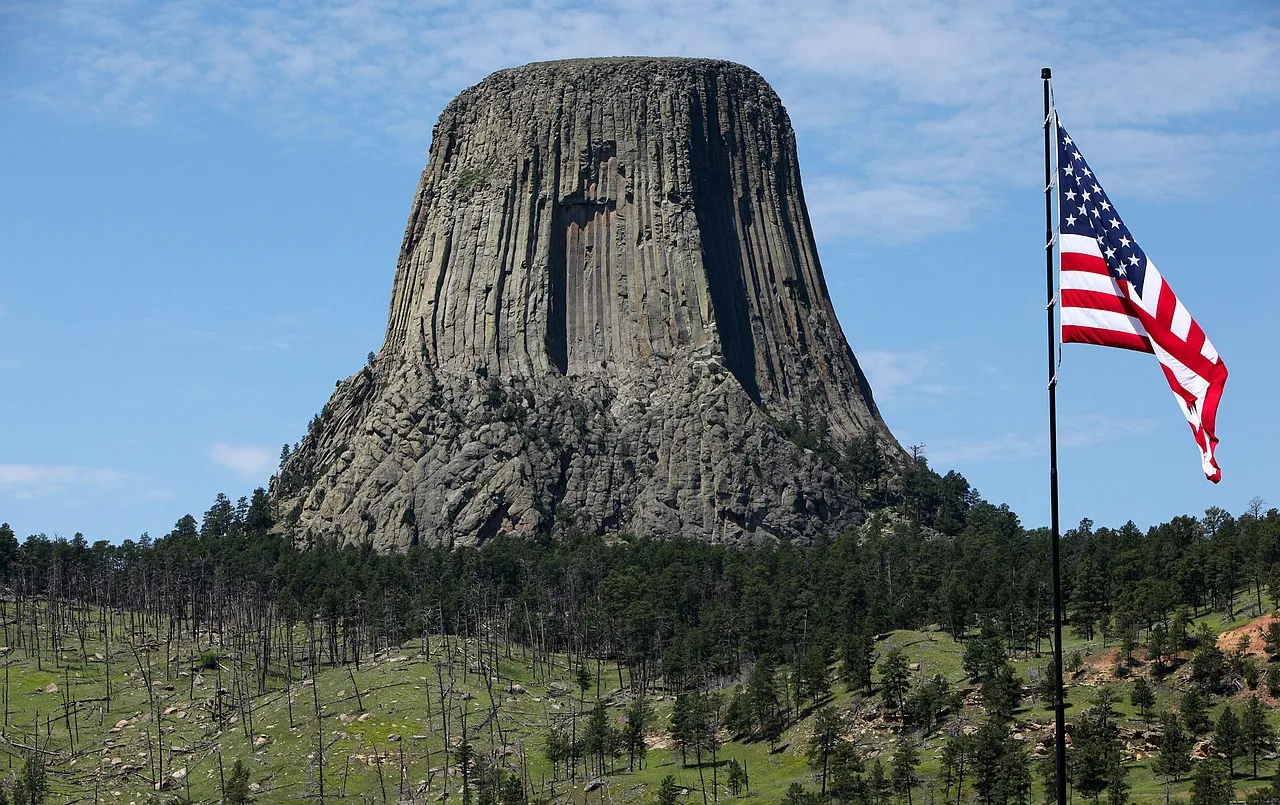
Studies have detected unusual magnetic anomalies in the vicinity of Devils Tower. These anomalies suggest variations in the subsurface geology, possibly indicating different mineral compositions or past geological processes that are not yet fully understood.
Unexplained Seismic Activity
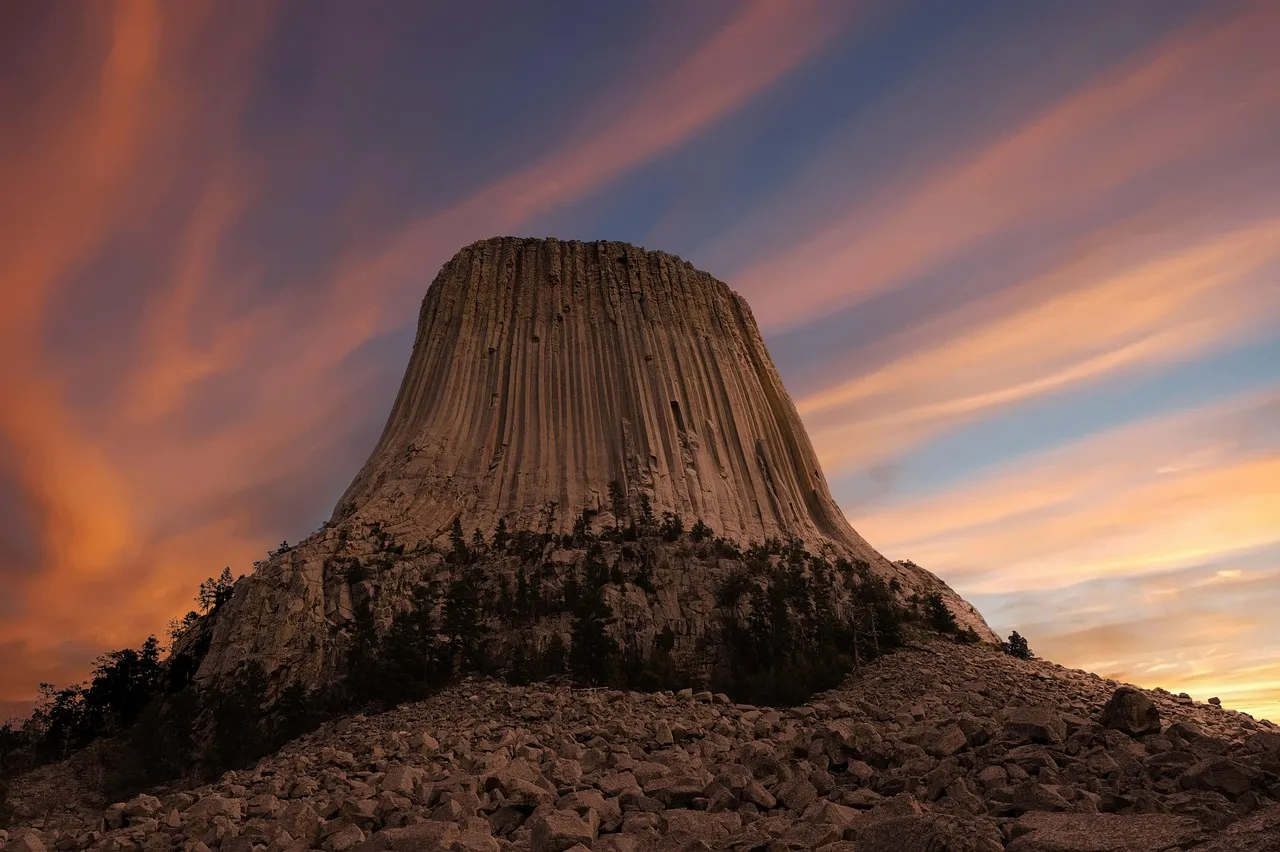
Occasional minor seismic activities have been recorded around Devils Tower. While the region is not known for significant tectonic activity, these tremors raise questions about underlying geological processes that may still be active beneath the tower.
Legends and Cultural Significance
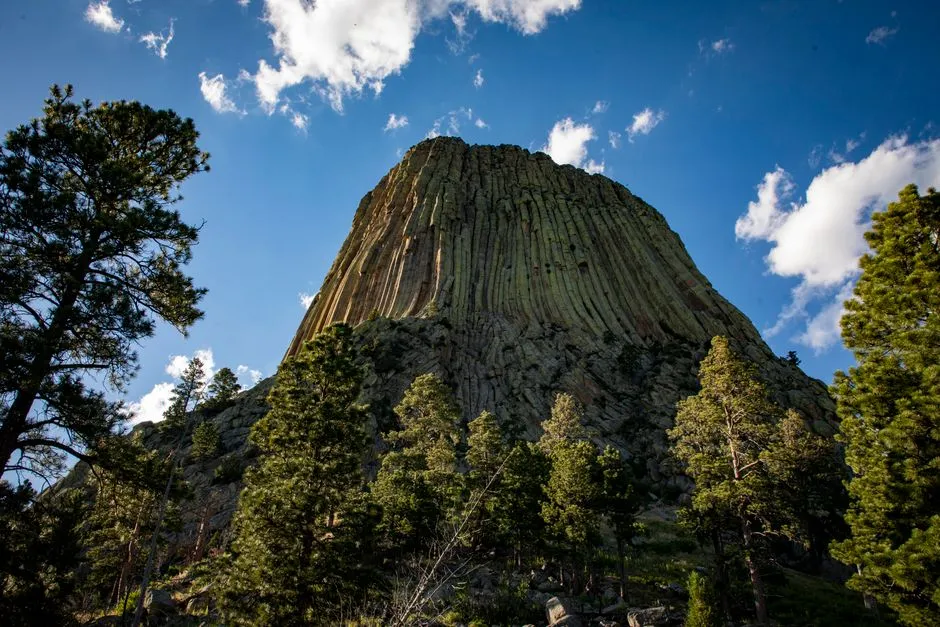
Beyond its geological mysteries, Devils Tower holds significant cultural importance for many Native American tribes. Legends often describe the tower’s creation involving supernatural events, such as giant bears clawing at the rock. These stories, while not scientific, add layers of intrigue and highlight the tower’s enigmatic presence in human history.
Unusual Flora and Fauna
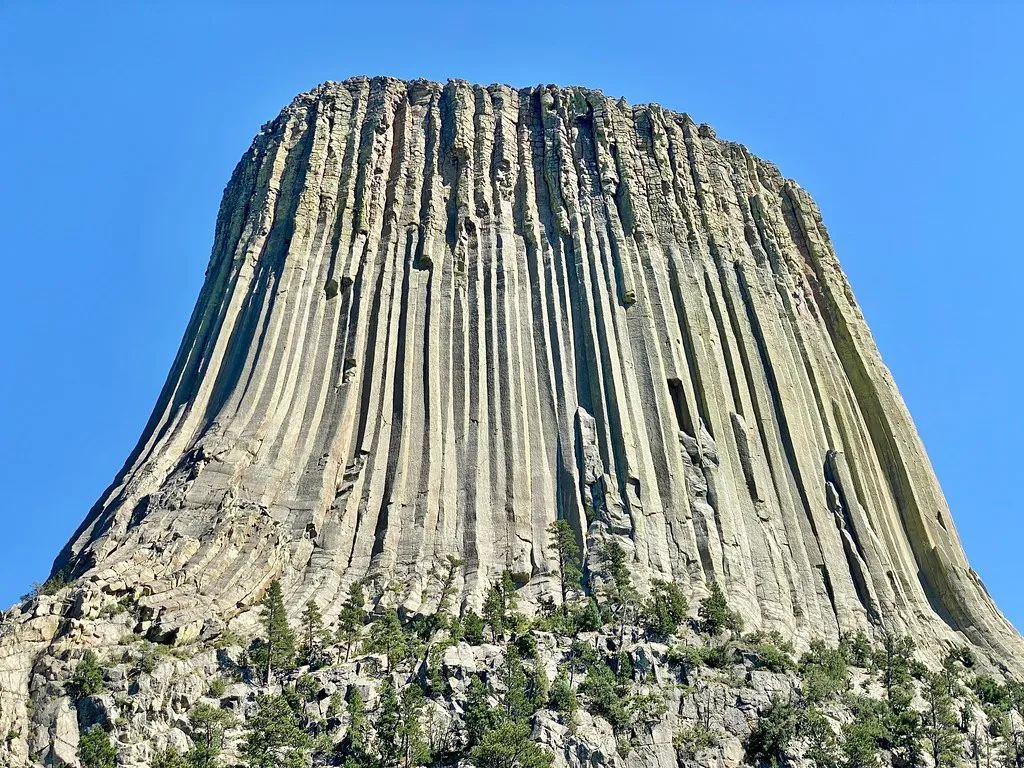
The ecosystem around Devils Tower is home to several plant and animal species not commonly found in the surrounding regions. The reasons for this biodiversity hotspot are not entirely clear, prompting further ecological studies.
Ongoing Geological Changes
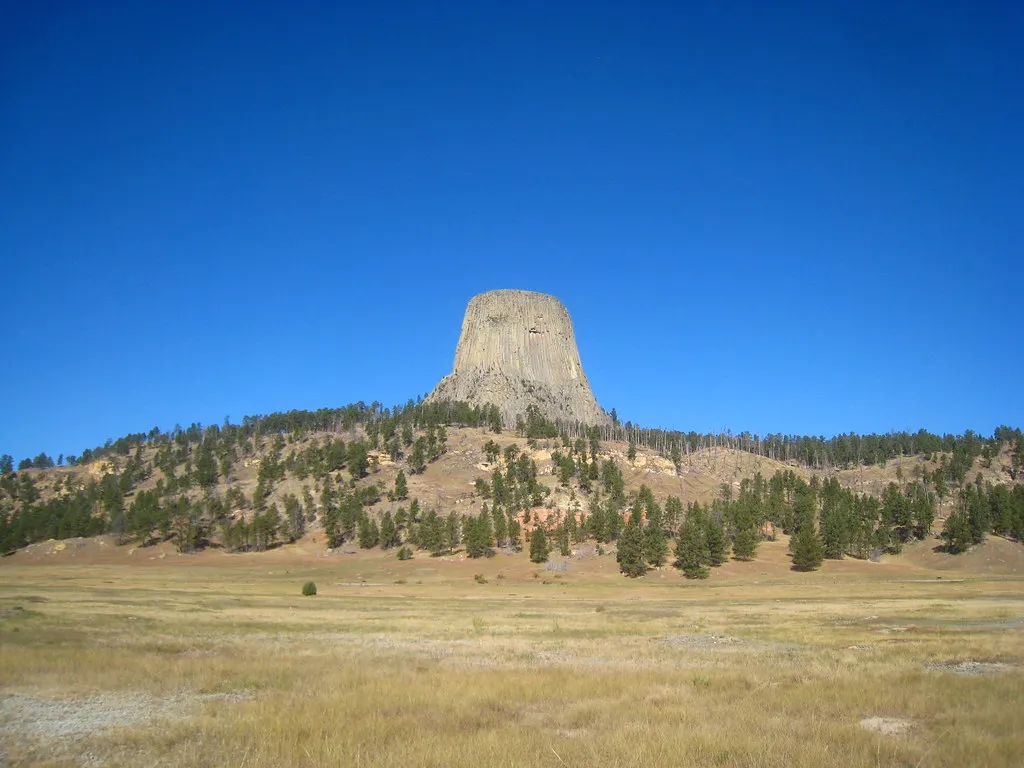
While Devils Tower appears unchanging, subtle geological processes continue to shape it. Small rockfalls and the slow expansion of cracks suggest that the tower is still evolving, albeit at a pace that challenges direct observation.
In conclusion, Devils Tower remains a geological enigma, captivating both scientists and the public. Its unique features and the mysteries surrounding its formation and evolution serve as a reminder of the complexities of Earth’s geological history. Perhaps some mysteries are meant to endure, challenging us to keep exploring and questioning the world around us.

- 10 Fascinating Facts About Devil’s Tower That Continue to Puzzle Scientists - July 17, 2026
- 8 US States With the Most Marmots - July 17, 2026
- 7 US States With the Most Pikas - July 17, 2026