


Nature has always fascinated us with its diversity and adaptability. While most animals develop according to their species’ standard blueprint, occasionally genetic mutations, environmental factors, or parasitic infections create creatures with extra limbs or heads. These anomalies provide valuable insights into developmental biology and evolution. From fascinating congenital conditions to deliberate adaptations, here’s an exploration of 13 remarkable animals that have been documented with extra appendages or heads, each telling a unique story about life’s complexity and resilience.
Polycephaly The Phenomenon of Two-Headed Snakes

Two-headed snakes represent one of the most documented cases of polycephaly—the condition of having more than one head—in the animal kingdom. This rare congenital disorder occurs when an embryo begins to split into identical twins but doesn’t complete the separation, resulting in a creature with two heads on a single body. Each head typically has its own brain, controlling its side of the body, which often leads to competitive behaviors between the heads. For example, they might fight over food or attempt to move in different directions. Research has found that two-headed snakes rarely survive in the wild due to these coordination difficulties, making them vulnerable to predators. However, in captivity, where they’re protected from natural threats, some specimens have lived for over 15 years. Famous examples include “We,” a two-headed albino rat snake that lived at the World Aquarium in St. Louis for 8 years, and “Tom and Jerry,” a two-headed California kingsnake that survived for more than a decade.
Parasitic Twin Sharks
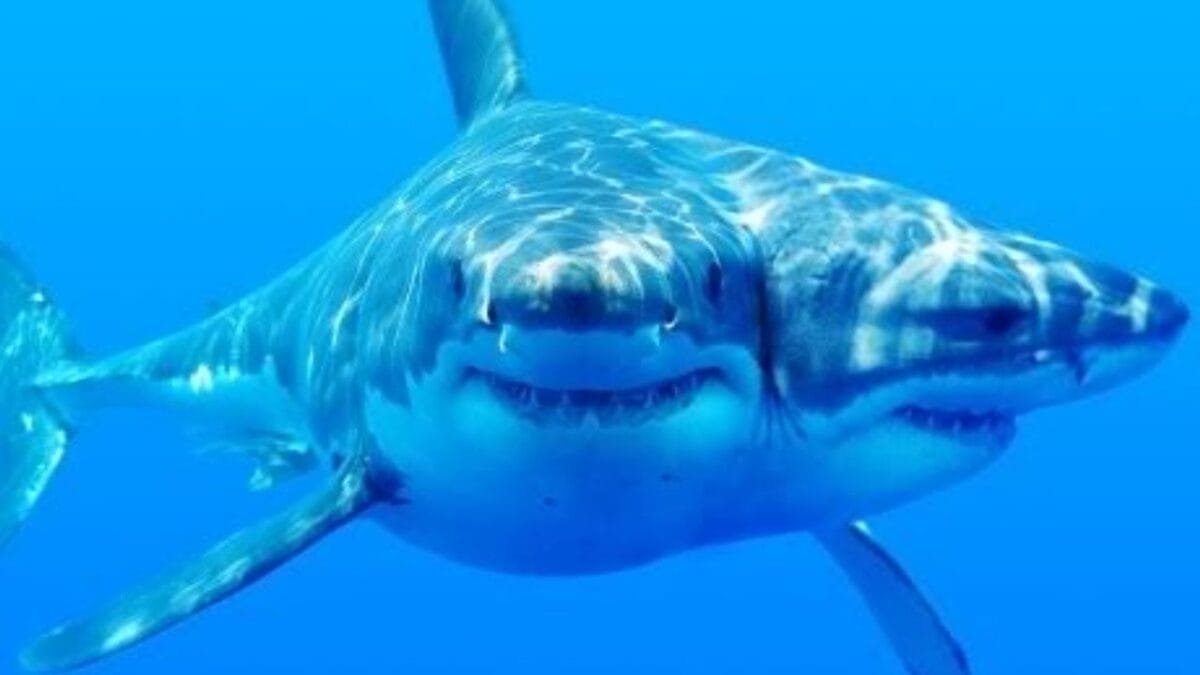
The ocean occasionally reveals sharks with extraordinary anomalies, including specimens with two heads. Unlike some other cases of polycephaly, these occurrences in sharks often represent a form of conjoined twinning. In 2013, fishermen off the coast of Florida discovered a bull shark embryo with two heads, a condition scientists call “axial bifurcation.” This developmental abnormality happens when the embryo’s neural tube—which eventually forms the brain and spinal cord—partially splits during early development. Marine biologists have also documented cases in blue sharks, Atlantic sawtail catsharks, and spadenose sharks. These discoveries are particularly valuable to science because they help researchers understand embryonic development in cartilaginous fish. Environmental stressors, including ocean acidification and pollution, may be contributing to an apparent increase in such mutations. However, these specimens are almost exclusively found as embryos, suggesting that the condition severely impairs survival capability in the wild. Two-headed sharks typically struggle with swimming efficiency and hunting, making them easy targets for larger predators.
The Six-Legged Freak Hexapodal Frogs

Amphibians are particularly sensitive to environmental changes, which has led to numerous documented cases of frogs with extra limbs. Unlike some genetic mutations, many of these cases have been linked directly to parasitic infections. The trematode parasite Ribeiroia ondatrae has been identified as a primary culprit. When these parasites infect tadpoles, they form cysts near developing limb buds, disrupting normal growth patterns and sometimes causing additional limbs to form. One notorious case occurred in Minnesota in the mid-1990s, where schoolchildren discovered numerous leopard frogs with extra legs, missing legs, or misshapen limbs. This discovery prompted a scientific investigation that eventually linked the deformities to water pollution and parasitic infections. Subsequent studies have shown that up to 90% of frogs in heavily contaminated ponds may develop limb abnormalities. These amphibian anomalies serve as important bioindicators of ecosystem health. Scientists now monitor frog populations and their physical development as an early warning system for environmental degradation, making these six-legged amphibians unintentional sentinels for human health concerns.
Octokittens Cats Born with Extra Legs

Several documented cases exist of domestic cats born with additional limbs, a condition known as polymelia. One of the most famous examples is “Skipper,” a cat born in 2021 with six legs and two tails due to a congenital birth defect. In these cases, the extra limbs often result from an incomplete conjoining with a parasitic twin during embryonic development. Another notable case was “Fred and Ned,” a cat from Ontario with two extra legs growing from its shoulders. Veterinarians explain that this condition results from disruptions during the embryonic development when limb buds are forming. Unlike many other animals with developmental anomalies, some polydactyl cats with extra limbs can adapt remarkably well to their condition and lead relatively normal lives. The extra limbs don’t always develop full functionality but rarely cause significant health issues beyond potential mobility challenges. Some polydactyl cats have even gained celebrity status online, with social media accounts showcasing their unique appearance and adaptability. From a genetic perspective, certain forms of polydactyly in cats are hereditary, particularly in breeds like Maine Coons, where the trait was historically considered advantageous for hunting and climbing.
Bicephalic Turtles Double-Headed Chelonians

Two-headed turtles represent some of the most successful and longest-living examples of polycephalic animals. Unlike many other species with this condition, bicephalic turtles have demonstrated remarkable survival rates, particularly in captivity. The slow metabolism and relatively sedentary lifestyle of turtles may contribute to their ability to thrive despite having two heads. One famous example is “Janus,” a two-headed Greek tortoise that lived at the Geneva Natural History Museum for more than 22 years until its death in 2020. Each head of a bicephalic turtle typically has its own brain, personality, and feeding behaviors. These turtles often showcase fascinating behavioral adaptations, with the two heads sometimes developing cooperative strategies for movement and feeding. From a biological perspective, the condition occurs during embryonic development when the neural tube fails to fully separate. While rare in nature, the frequency of documented cases in captive breeding programs has led some researchers to suggest that environmental factors or inbreeding may increase the likelihood of this mutation. Despite their novelty, bicephalic turtles face several health challenges, including difficulties retracting both heads into their shell for protection and increased susceptibility to respiratory infections due to compromised internal anatomy.
Polymelia in Cattle Extra-Limbed Bovines
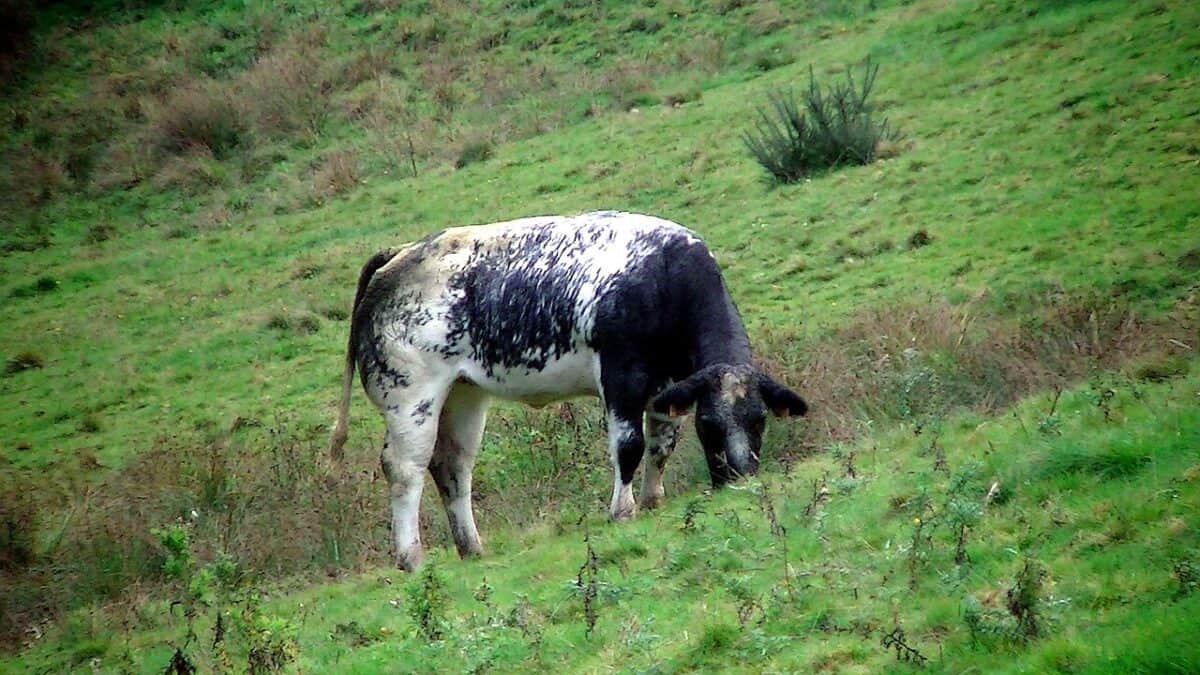
Cattle have shown numerous documented cases of polymelia—the development of extra limbs—throughout agricultural history. In 2006, a six-legged Angus calf named “Lilli” gained international attention after being born in Nebraska with two extra legs growing from her back. This condition typically results from either twinning defects during early embryonic development or disruption of the sonic hedgehog gene pathway, which regulates limb formation. Unlike some animals with similar conditions, cattle with polymelia often undergo surgical removal of the extra limbs if they impede movement or quality of life. The genetic components of polymelia in cattle have been studied extensively, with researchers identifying several potential hereditary factors that may predispose certain bloodlines to this condition. Environmental factors, including certain plant toxins consumed during pregnancy, have also been implicated in some cases. From an agricultural perspective, these anomalies provide valuable data for improving breeding programs and minimizing congenital defects in livestock populations. Modern veterinary practices now include prenatal screening in valuable breeding stock to detect such developmental anomalies before birth. Most bovine polymelia cases are sporadic rather than part of larger clusters, suggesting that multiple causal factors rather than a single environmental trigger are responsible.
Dicephalic Pigs Swine with Two Heads

Pigs with two heads or faces represent fascinating case studies in developmental biology due to their relatively high occurrence rate compared to other farm animals. In 2007, a pig born in China with two faces and three eyes gained significant media attention, while similar cases have been documented across the globe. The condition in pigs typically manifests in two ways: complete dicephaly (two separate heads) or diprosopus (a single head with duplicated facial features). Unlike some other species, pigs with cranial duplications often have complex internal anatomical anomalies beyond what’s visible externally, including cardiac defects and neural tube abnormalities. Veterinary research indicates these conditions arise from disruptions during the primitive streak formation in early embryonic development. The pig’s rapid developmental timeline and large litter sizes may contribute to the relatively frequent occurrence of such anomalies. From a scientific perspective, these cases provide valuable insights into the genetic pathways controlling cranial development. Breeders and veterinarians have noted geographic clusters of dicephalic pig births, suggesting potential environmental factors or localized genetic pools that might increase susceptibility. Though most affected piglets die shortly after birth due to respiratory or neurological complications, several documented cases have survived for days or weeks with intensive care, allowing researchers to study their development and behavior.
Conjoined Twin Fish Double-Bodied Swimmers
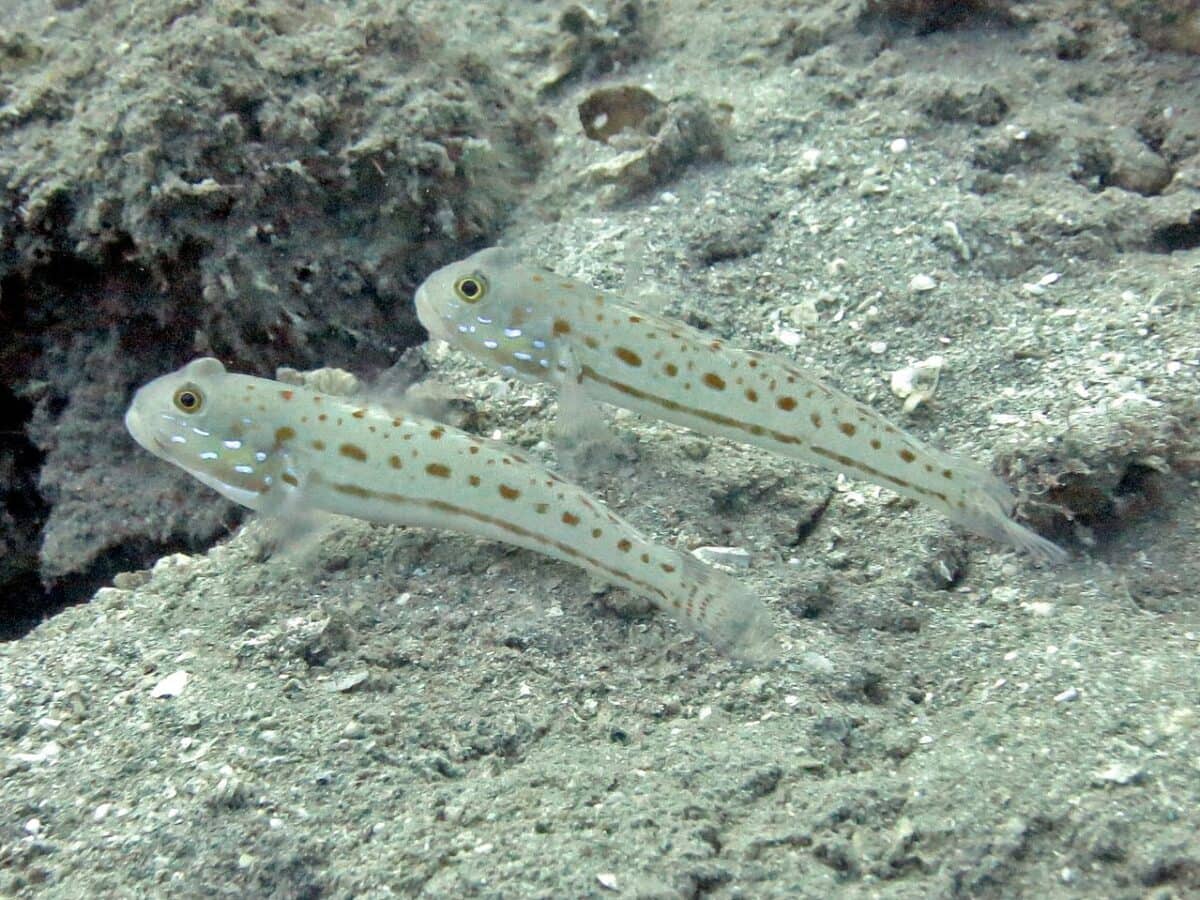
The aquatic world has produced numerous documented cases of conjoined twin fish and fish with duplicated features. In 2013, a two-headed harbor porpoise caught in the North Sea provided rare documentation of dicephaly in marine mammals. Among bony fish, the condition has been observed across numerous species, from commercial salmon to ornamental koi. The transparent eggs of many fish species have allowed scientists to observe the development of these anomalies in real-time, contributing significantly to our understanding of the embryological processes involved. Research shows that environmental factors, including water temperature fluctuations during critical developmental stages, can increase the likelihood of such mutations. Water pollution, particularly endocrine-disrupting chemicals, has been linked to higher rates of developmental abnormalities in fish populations in certain water bodies. In captive breeding scenarios, particularly in ornamental fish like goldfish and koi, selective breeding for unusual characteristics has sometimes inadvertently increased the frequency of conjoined specimens. Some commercial fish hatcheries now use the rate of developmental abnormalities as a biomarker for water quality and overall hatchery health. While most severely conjoined fish don’t survive long after hatching, less severe cases—such as fish with partially duplicated fins or minor cranial duplications—can sometimes survive to adulthood and even reproduce, potentially passing on genetic predispositions to similar mutations.
Dipygus Chickens Poultry with Extra Limbs

The poultry industry occasionally documents cases of chickens developing extra limbs, a condition classified as dipygus when it involves duplication of posterior structures. In 2005, a chicken in China gained attention for having four legs, while similar cases have been documented on farms worldwide. These polymelic chickens typically develop the extra limbs due to incomplete twinning during early embryonic development or disruptions in the Wnt signaling pathway, which controls limb bud formation. The condition appears more frequently in specific poultry breeds with genetic predispositions to developmental anomalies. Unlike some wild animals where such mutations would prove fatal, domesticated chickens with extra limbs often receive sufficient care to survive, though they typically don’t reach market weight due to metabolic inefficiencies. Poultry scientists study these cases carefully for insights into embryonic development and the genetic factors that might contribute to the condition. Large commercial hatcheries monitor the frequency of such anomalies as an indicator of breeding stock health and potential environmental issues in their facilities. From a historical perspective, polymelic chickens have occasionally been displayed as curiosities or even venerated in some cultures as omens or divine manifestations. The relatively short generation time of chickens makes them valuable models for studying the heritability of developmental anomalies, with some research suggesting recessive genetic components may be involved in certain lineages.
Starfish Regeneration Deliberate Extra Limbs

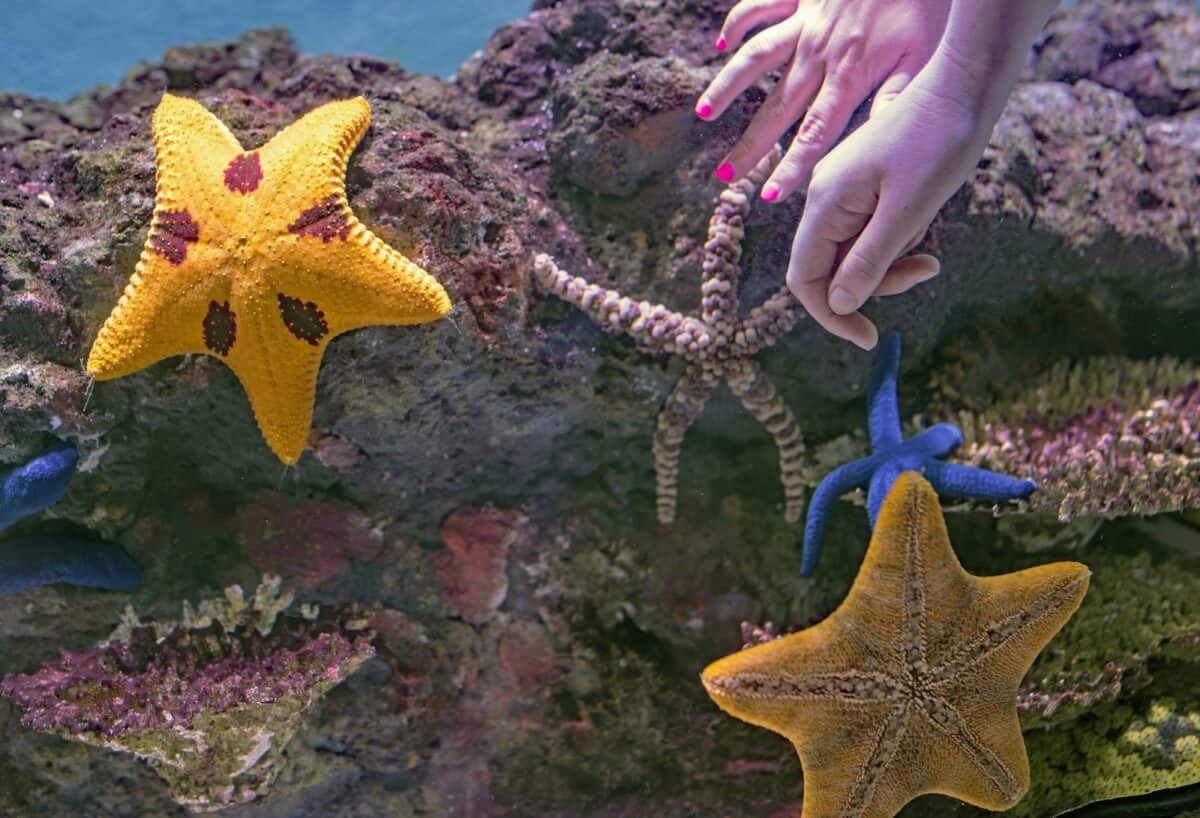
Unlike most animals on this list, some starfish species can deliberately generate extra limbs as part of their natural biology. The process of starfish regeneration represents one of nature’s most remarkable adaptive features rather than a developmental anomaly. Some species of starfish can not only regenerate lost arms but can develop entirely new individuals from a single arm with a portion of the central disc attached. This process, known as fission or autotomy, allows starfish to essentially clone themselves under certain environmental conditions. The molecular mechanisms behind this regenerative capability involve a sophisticated interplay of stem cells and growth factors that scientists are still working to fully understand. In some cases, environmental stressors or predation attempts can trigger asymmetrical arm development, resulting in specimens with uneven numbers of arms or additional smaller arms growing from the main body. The sunflower sea star (Pycnopodia helianthoides) normally has 15-24 arms but can regenerate extras if damaged. Research into starfish regeneration has significant implications for human medicine, particularly in the field of regenerative medicine and tissue engineering. Some species, like the common Japanese sea star (Asterias amurensis), have demonstrated the ability to regenerate not just limbs but also complex internal organs like their digestive system and portions of their nervous system. This remarkable capacity makes starfish valuable model organisms for studying fundamental principles of tissue regeneration and developmental biology.
The Hydra Effect Creatures That Regrow Multiple Heads
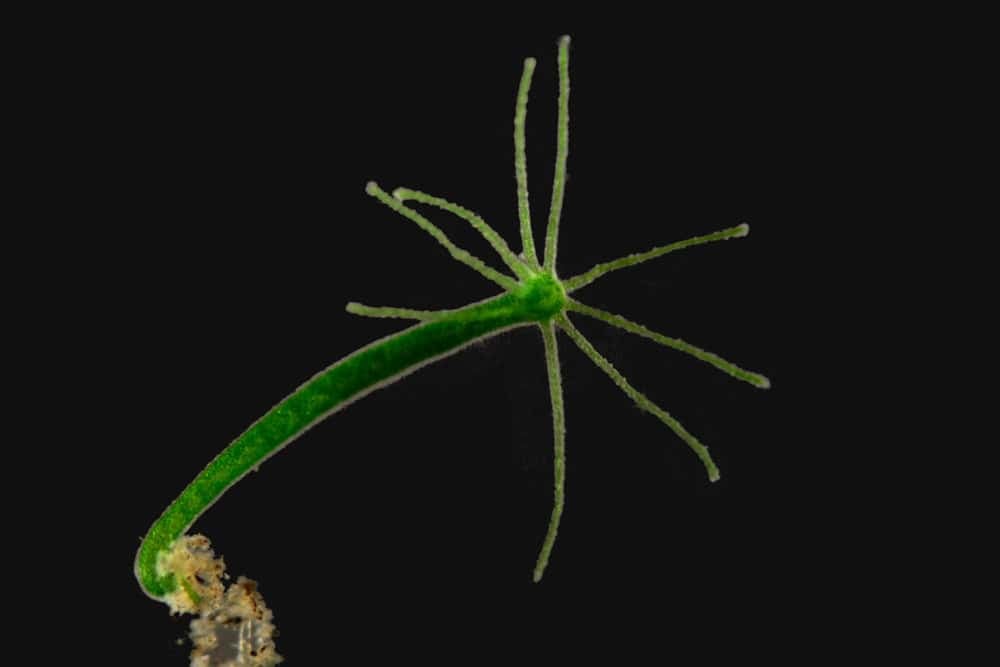
Hydra, small freshwater relatives of jellyfish in the phylum Cnidaria, represent perhaps the most remarkable example of natural head multiplication in the animal kingdom. These simple tubular organisms can regrow not just one but multiple heads if cut into pieces, living up to their namesake from Greek mythology. Each piece of a dissected hydra can develop into a complete new organism with its own set of tentacles and mouth opening. This extraordinary regenerative capability stems from the hydra’s abundant population of interstitial stem cells, which can differentiate into any cell type needed. Scientists have identified a gene called Wnt3 that plays a crucial role in hydra head development and regeneration. When activated in body tissues, this gene triggers the development of a new head structure. Remarkably, hydra show no signs of aging or senescence—they are essentially biologically immortal under ideal conditions. Their cells continuously divide and replace themselves, preventing the accumulation of damaged cells that leads to aging in most organisms. Research on hydra regeneration has provided valuable insights into fundamental processes of development, with potential applications for human medicine, particularly in understanding how tissues organize themselves during growth and healing. The hydra’s remarkable ability to regrow multiple heads from a single body represents one of the most extreme examples of biological redundancy and regenerative capacity in the animal kingdom.
Parasitic Manipulations Insects with Extra Appendages
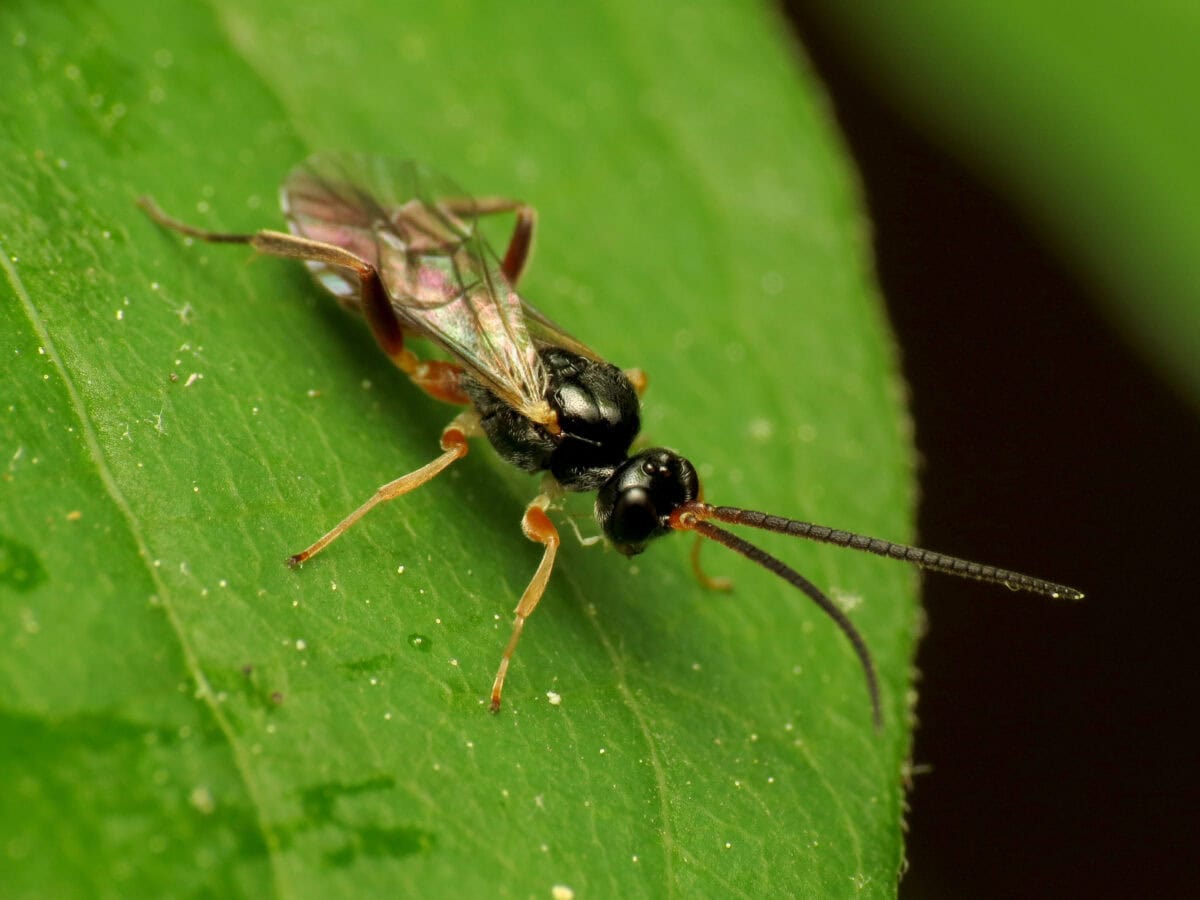
Some of the most disturbing cases of extra appendages in animals don’t result from genetic mutations but from parasitic manipulations. Certain parasitic fungi, like those in the genus Ophiocordyceps, can infect insects and manipulate their bodies in remarkable ways. The zombie ant fungus (Ophiocordyceps unilateralis) famously forces infected ants to climb to elevated positions before killing them and sprouting fungal stalks from their heads—effectively adding new structures to the ant’s body. Similarly, the parasitic horsehair worm (Paragordius tricuspidatus) develops inside crickets and mantids, growing to several times the length of its host before emerging, temporarily giving the insect what appears to be grotesque extra appendages. Another dramatic example involves Strepsipteran parasites, which infect various insects including bees and wasps. The female parasite’s body becomes embedded in the host, with only her reproductive organs protruding between the host’s abdominal segments, creating what appears to be additional structures on the insect’s body. These parasitic relationships have evolved over millions of years, with the parasites developing sophisticated biochemical methods to manipulate their hosts’ physiology and behavior. From an evolutionary perspective, these represent remarkable examples of extended phenotypes—cases where genes in one organism (the parasite) express themselves phenotypically in another organism (the host). Researchers studying these relationships have identified novel compounds with potential applications in neuropharmacology and behavior modification, highlighting how these disturbing natural phenomena might ultimately benefit human medicine.
Conclusion: What Extra Limbs Teach Us About Biology
The study of animals with extra limbs or heads offers profound insights into developmental biology, environmental health, and evolutionary processes. These anomalies, whether caused by genetic mutations, environmental factors, parasitic manipulation, or natural regenerative processes, demonstrate both the remarkable resilience and vulnerability of life’s developmental programs. For scientists, these cases serve as natural experiments that reveal the underlying mechanisms of embryonic development and the genetic pathways that control body patterning. They highlight how small disruptions during critical developmental windows can have dramatic effects on an organism’s final form. Beyond their scientific significance, these animals often capture public imagination and raise important ethical questions about how we treat creatures that deviate from the norm. As we continue to face mounting environmental challenges, monitoring the frequency of developmental anomalies in wildlife populations provides valuable early warning

As a little kid, I fell in love with nature, wildlife, and animals. Living in the USA, South Africa, Italy, China and Germany gave me the opportunity to discover the world's Wildlife. My favorite animals are Mountain Gorillas, Siberian Tigers, and Great White Sharks.
I'm a certified PADI Open Water Diver, went to Everest Base Camp and Trekked Gorillas in Uganda. I hold a Master of Science in Economics and Finance.
Please send any feedback to feedback@animalsaroundtheglobe.com
- 10 Loudest Animals on Land - July 21, 2026
- 13 Animals With Extra Limbs or Heads - July 21, 2026
- 15 Most Adorable Animals of North America - July 21, 2026
Leave a comment
You must be logged in to post a comment.