

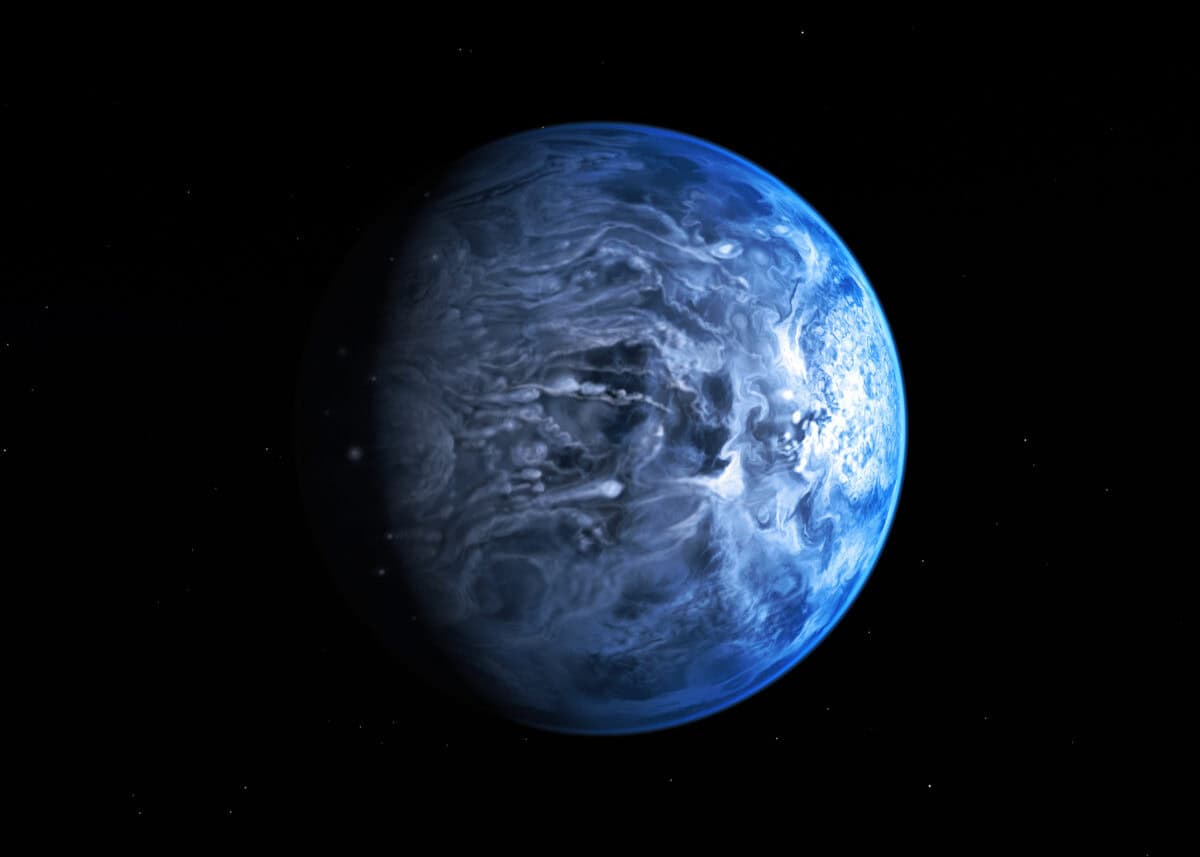
In the cosmic ocean, 63 light-years from Earth in the constellation Vulpecula, orbits one of the most extreme and fascinating worlds ever discovered. HD 189733b, a “hot Jupiter” exoplanet, has captured the imagination of astronomers and space enthusiasts alike with its bizarre and brutal weather patterns. Unlike the gentle water droplets that fall on Earth, this alien world experiences something far more terrifying—sideways rain made of molten glass. This scorching blue gas giant, discovered in 2005, represents one of the most well-studied exoplanets and offers a glimpse into the extraordinary diversity of planetary environments in our galaxy. As we explore this remarkable world, we’ll uncover how such extreme conditions arise, what they tell us about planetary formation, and how studying such alien environments helps us better understand our own place in the universe.
The Discovery and Basic Properties of HD 189733b
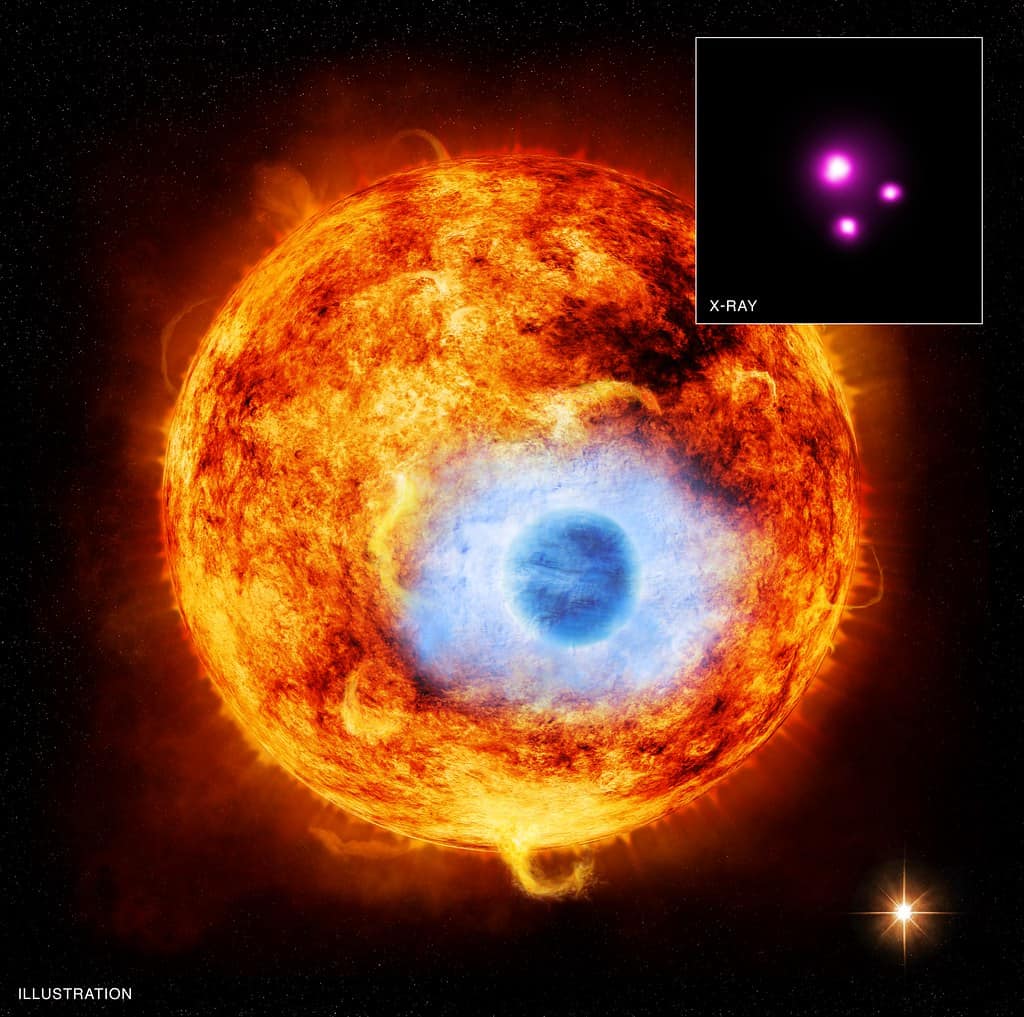
HD 189733b was discovered in 2005 by a team of astronomers using the transit method, which detects planets as they pass in front of their host stars, causing a measurable dip in the star’s brightness. Orbiting a K-type main-sequence star slightly cooler than our Sun, this gas giant stands out for several reasons. With a mass approximately 1.13 times that of Jupiter and a radius about 1.2 times larger, HD 189733b falls squarely in the “hot Jupiter” category. What makes this planet particularly remarkable is its extremely close orbit—it circles its star in just 2.2 Earth days at a distance of only 0.03 astronomical units (compared to Earth’s 1 AU orbit).
This proximity places HD 189733b firmly in the “hot Jupiter” category, a class of gas giants that orbit extraordinarily close to their parent stars. Unlike most exoplanets, which are detected but rarely characterized in detail, HD 189733b’s relative proximity to Earth and its alignment with its star have allowed scientists to study its atmosphere and weather patterns with unprecedented detail.
The Hellish Environment of a Hot Jupiter

To understand HD 189733b’s extreme conditions, one must first grasp what makes hot Jupiters so inhospitable. These planets are locked in what astronomers call “tidal locking,” meaning one side perpetually faces the star (much like how we only see one side of the Moon from Earth). This creates an extreme temperature gradient across the planet. On HD 189733b, the star-facing dayside reaches a blistering 1,700°F to 3,000°F (927°C to 1,649°C), hot enough to melt many metals. Meanwhile, the night side, while still extraordinarily hot by Earth standards, can be hundreds of degrees cooler.
This temperature differential drives ferocious winds that can reach speeds of 5,400 mph (8,700 km/h)—about seven times the speed of sound on Earth. These winds don’t just move horizontally across the planet; they also create vertical mixing of the atmosphere, pulling superheated material into higher atmospheric layers where different chemical processes can occur. The extreme conditions make HD 189733b completely uninhabitable by Earth standards—a world where conventional notions of weather take on apocalyptic proportions.
The Chemistry Behind Glass Rain
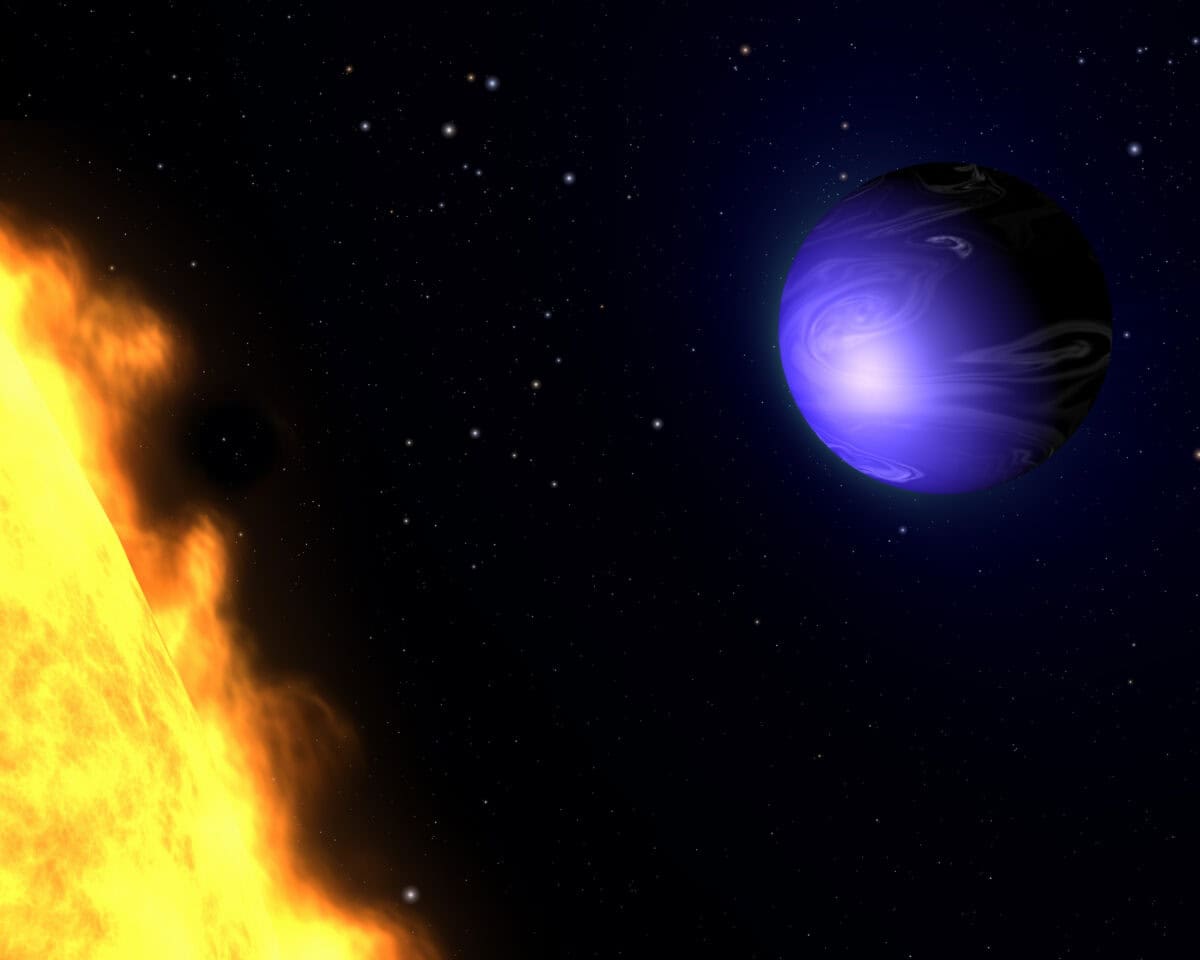
The phenomenon of glass rain on HD 189733b results from a remarkable chain of chemical and physical processes. The main component of this strange precipitation is silicate—the same family of minerals that makes up much of Earth’s crust and mantle. On HD 189733b’s dayside, temperatures are so extreme that silicates exist as vaporized gas in the atmosphere. As these silicate vapors are carried by the planet’s supersonic winds to the (relatively) cooler night side, they begin to condense into tiny particles.
These particles aren’t water droplets but microscopic shards of silicate material—essentially, molten glass. Specifically, scientists believe the rain consists of particles of enstatite (MgSiO₃) and forsterite (Mg₂SiO₄), common silicate minerals. What makes this precipitation particularly brutal is not just its composition but its behavior. The glass particles don’t simply fall downward as rain does on Earth; instead, they’re whipped sideways by the planet’s ferocious winds at speeds exceeding 4,000 mph. Any hypothetical visitor would face not just extreme heat but also a horizontal barrage of glass shards moving faster than bullets—truly one of the most hostile environments imaginable.
How Scientists Detected the Sideways Glass Rain
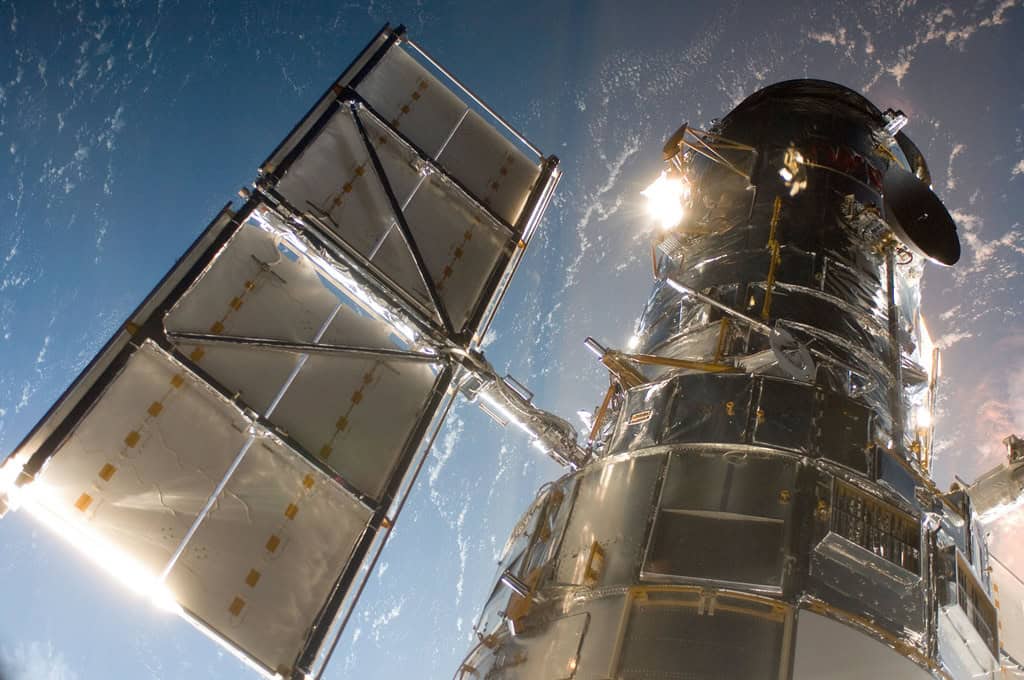
Detecting and confirming the presence of glass rain on a planet 63 light-years away represents one of modern astronomy’s most impressive achievements. Scientists primarily used the Hubble Space Telescope to study HD 189733b’s atmosphere through a technique called transmission spectroscopy. When the planet passes in front of its star (a transit), a small portion of the starlight filters through the planet’s atmosphere before reaching Earth. Different atmospheric components absorb or scatter light at specific wavelengths, creating a distinctive spectral “fingerprint.”
In 2013, researchers analyzed this fingerprint and detected a haze of small particles consistent with silicate materials. The high-altitude presence of these particles, combined with knowledge of the planet’s extreme temperature gradient and wind patterns, led scientists to conclude that sideways-blowing glass rain was the most likely explanation. Further observations using the Spitzer Space Telescope, which observes in infrared wavelengths, helped create temperature maps of the planet, confirming the extreme temperature differences that drive these violent weather patterns. These complementary observations from multiple instruments have given scientists confidence in their interpretation of this bizarre weather phenomenon.
The Planet’s Distinctive Blue Appearance
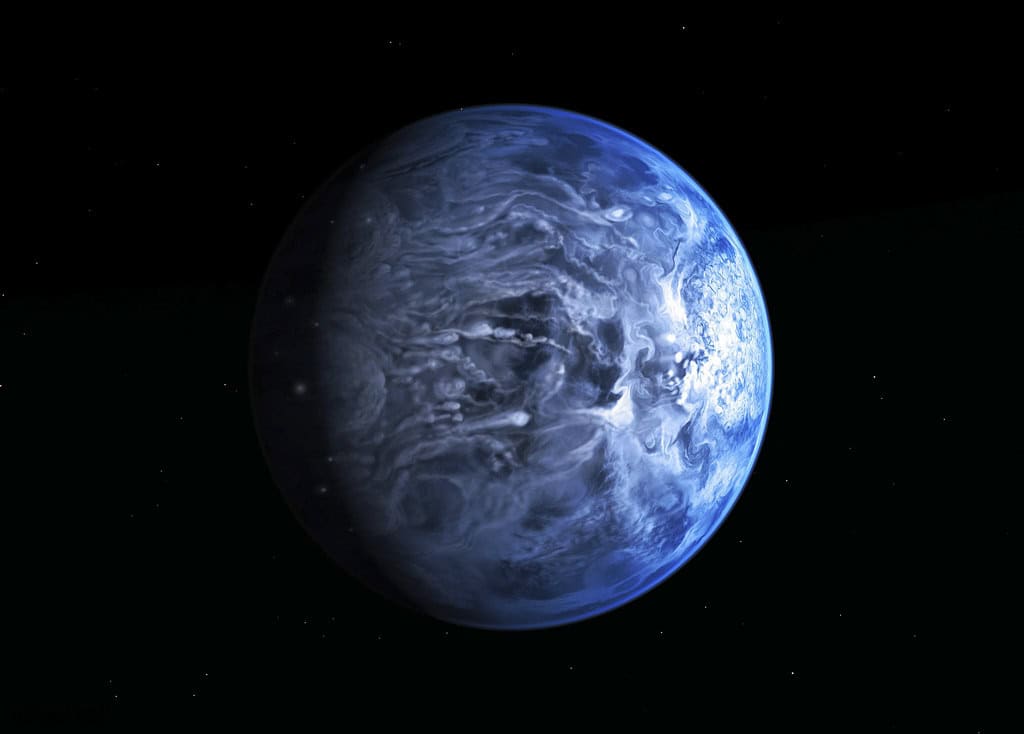
Unlike most gas giants that appear in tans, browns, and oranges (like Jupiter and Saturn), HD 189733b has a striking deep blue color—similar to Neptune in our solar system but for entirely different reasons. This coloration was determined in 2013 when astronomers used the Hubble Space Telescope to measure the amount of light reflected by the planet’s atmosphere. The data revealed that HD 189733b reflects blue light while absorbing most red light, giving it a sapphire-blue appearance. However, this blue doesn’t come from water as it does on Earth, nor from methane as on Neptune.
Instead, the color likely results from a combination of light-scattering effects in its upper atmosphere and the presence of silicate particles. The tiny glass particles in the atmosphere scatter blue light more efficiently than red light—a process similar to what makes Earth’s sky blue (Rayleigh scattering), but involving silicate particles rather than nitrogen and oxygen molecules. This makes HD 189733b one of the few exoplanets for which we have color information, adding another dimension to our understanding of this extraordinary world.
Extreme Wind Patterns and Atmospheric Circulation
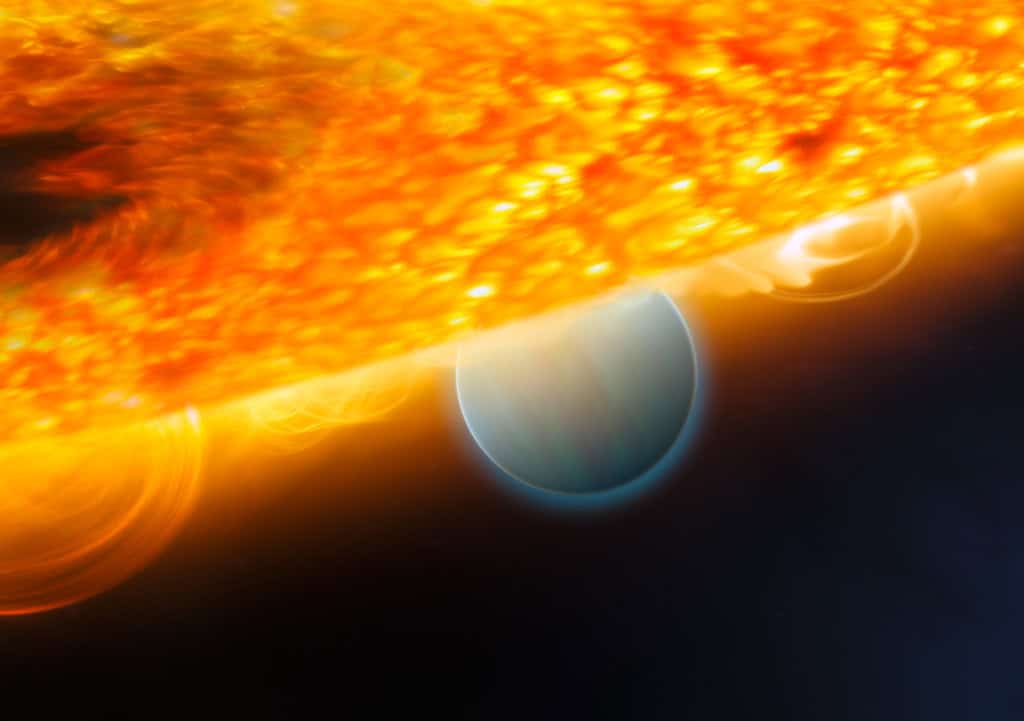
The atmospheric dynamics of HD 189733b are as extreme as they are fascinating. Unlike Earth, where the Coriolis effect creates complex weather patterns, HD 189733b’s weather is dominated by the simple physics of extreme heating on one side and cooling on the other. This creates a relatively straightforward but incredibly powerful circulation system. The hottest point on the planet is actually offset from the direct star-facing point because the atmosphere takes time to heat up as the planet rotates. From this hotspot, superheated air rises and flows toward the cooler night side at high altitudes.
As it cools, it descends and returns to the dayside at lower altitudes, creating a closed circulation cell. What makes this system extraordinary is its velocity—winds flow at speeds up to 5,400 mph, faster than any planetary winds in our solar system by a significant margin. These supersonic winds don’t just transport heat; they also carry vaporized materials from the dayside to the night side, including the silicate compounds that eventually form the sideways glass rain. The planet’s atmospheric circulation represents a natural laboratory for studying fluid dynamics under extreme conditions, helping scientists better understand the physics of atmospheres across a wide range of planetary environments.
Comparison to Weather Phenomena in Our Solar System
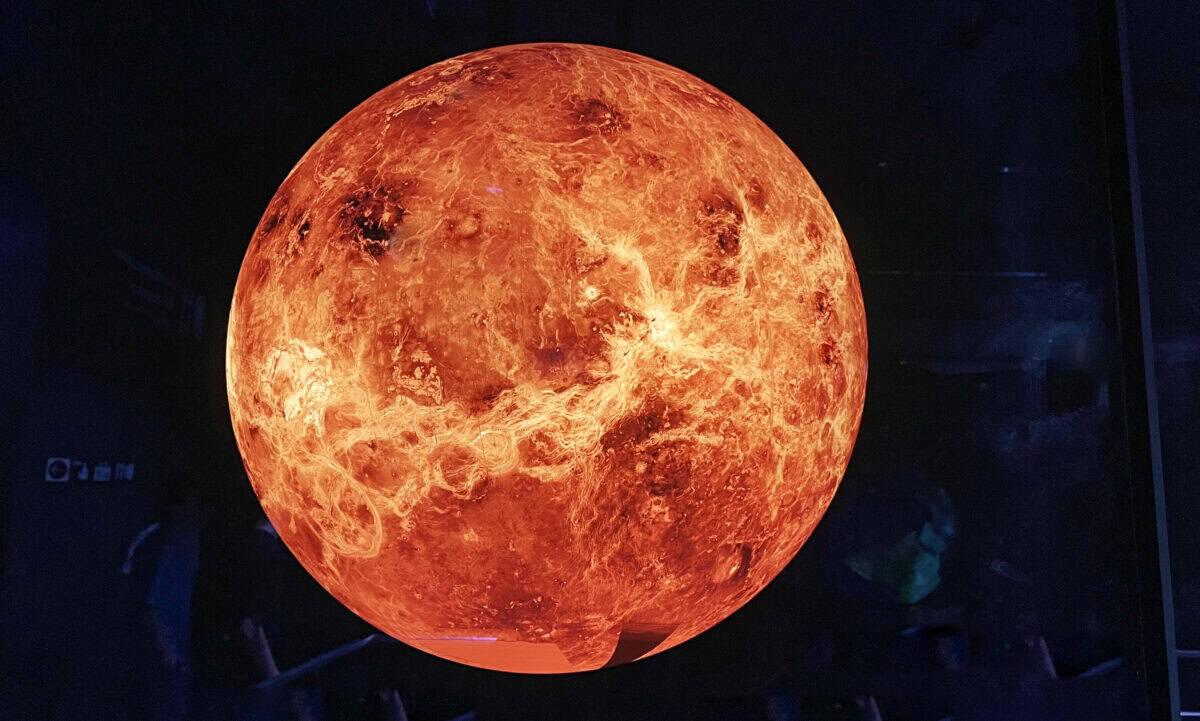
While HD 189733b’s glass rain is unique in its extremity, our solar system offers some analogous weather patterns that help contextualize this phenomenon. Venus, with its sulfuric acid clouds and lead-melting surface temperatures, provides perhaps the closest comparison in terms of hostility. Jupiter’s Great Red Spot demonstrates the power of massive storm systems driven by temperature differentials, though on a much less extreme scale than HD 189733b’s global wind patterns. Saturn’s hexagonal north polar storm shows how alien weather patterns can appear even on planets relatively similar to each other.
Even Earth experiences silicon-based precipitation in the form of sand and dust storms, though our planet’s silicates remain solid rather than transitioning between gaseous and liquid states. What makes HD 189733b unique is the combination of extreme temperature, proximity to its star, and resulting wind speeds that create conditions unlike anything in our solar system. The comparison highlights the incredible diversity of planetary environments and reminds us that our solar system, vast as it seems, represents just a tiny sampling of the possible conditions under which planets can form and evolve.
How HD 189733b Challenges Our Understanding of Planet Formation
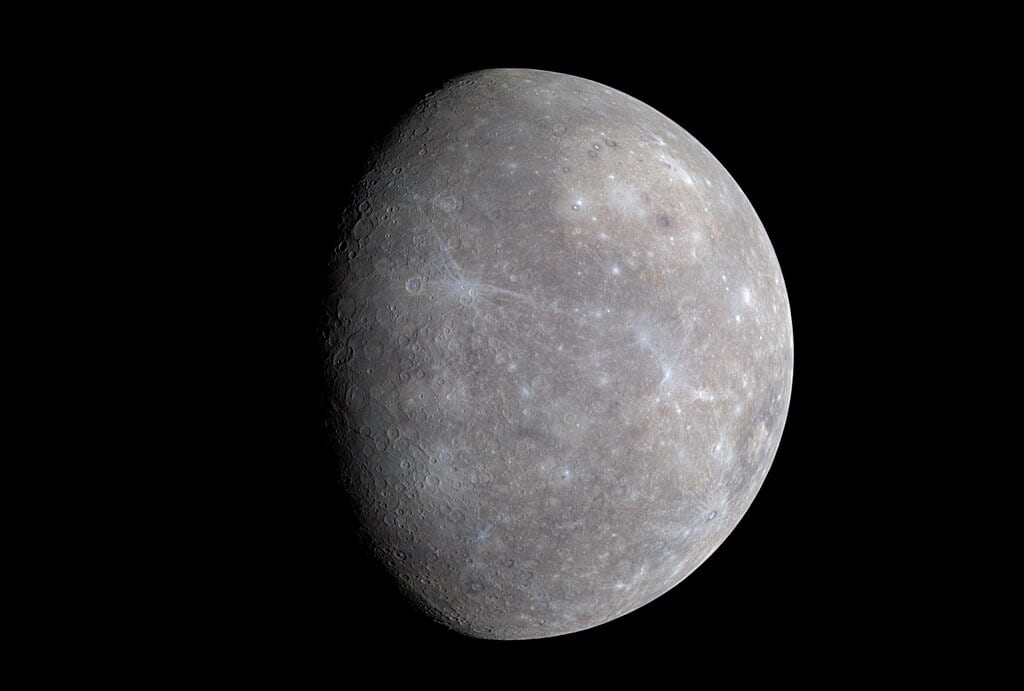
The existence of hot Jupiters like HD 189733b posed a significant challenge to early theories of planetary formation. Traditional models suggested that gas giants could only form in the outer regions of solar systems, where temperatures are low enough for ices to condense and build up massive cores that subsequently attract hydrogen and helium gas. The presence of Jupiter-sized planets orbiting closer to their stars than Mercury does to our Sun required a major revision of these theories. Scientists now believe that most hot Jupiters, including HD 189733b, formed in the outer regions of their solar systems and subsequently migrated inward.
This migration could occur through several mechanisms: interaction with the protoplanetary disk, gravitational scattering by other planets, or even the influence of a distant companion star. HD 189733b likely experienced such a journey, moving from a birthplace much farther from its star to its current close orbit. The extreme conditions we observe today—the glass rain, supersonic winds, and dramatic temperature differentials—are consequences of this migration, not the conditions under which the planet formed. Studying these migrated planets helps scientists refine models of how planetary systems evolve over time and explain the surprising diversity of exoplanetary systems discovered so far.
Life Possibilities: Why HD 189733b Is Uninhabitable
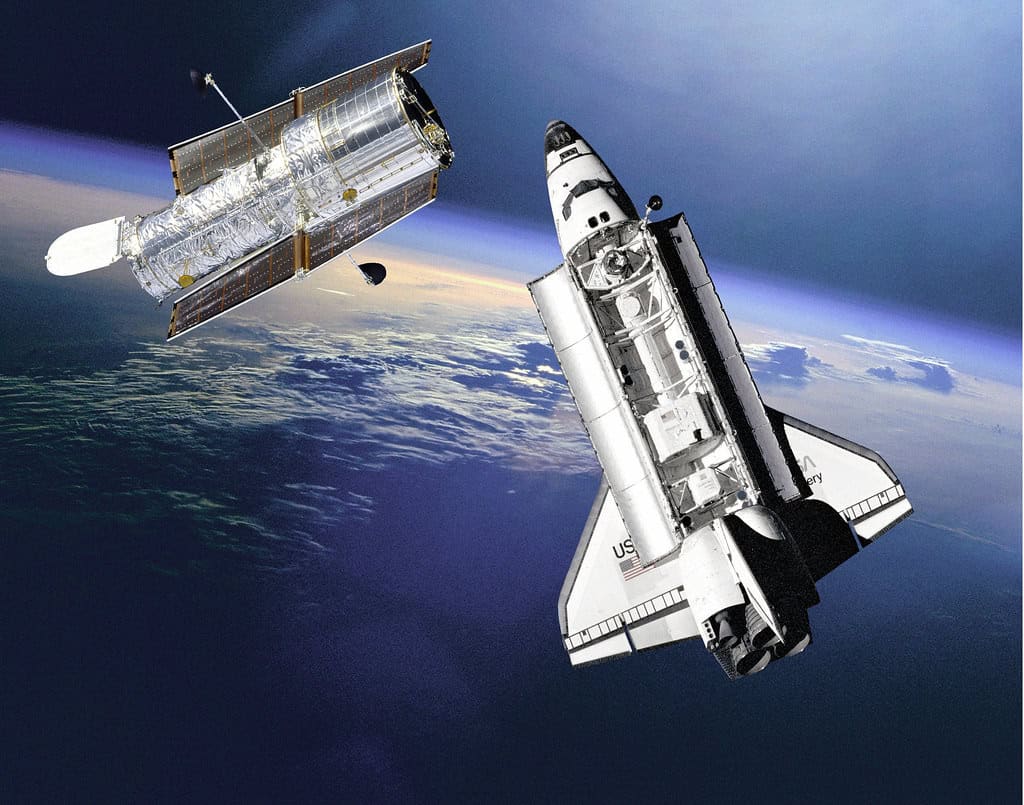
Despite the fascinating nature of HD 189733b, it represents one of the most definitively uninhabitable environments ever studied. Multiple factors make this world completely incompatible with life as we understand it. First, the extreme temperatures would denature any organic molecules and prevent the formation of stable chemical bonds necessary for biological processes. Second, the violent weather patterns, including the sideways glass rain, would physically destroy any hypothetical organisms. Third, as a gas giant without a solid surface, it lacks a stable substrate on which complex life could evolve. Fourth, intense radiation from its nearby star likely strips away the upper atmosphere and would damage any biological molecules. Fifth, the planet’s composition lacks the appropriate chemical building blocks in accessible forms needed for life.
Even extremophile organisms on Earth, which thrive in environments once thought too harsh for life, could not survive HD 189733b’s conditions. The planet is significant not as a potential home for life but as a boundary case that helps astrobiologists define the limits of habitability. By understanding worlds like HD 189733b, scientists can better recognize and characterize potentially habitable planets that fall within the narrower range of conditions where life might actually be possible.
Observational Challenges and Technological Breakthroughs
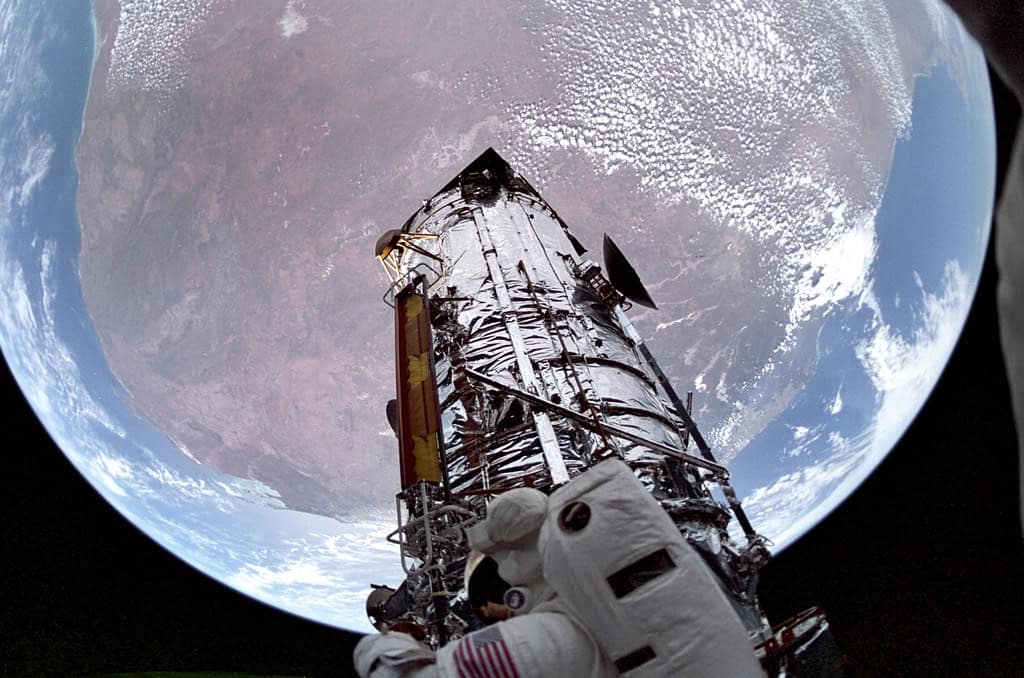
Studying a planet like HD 189733b presents enormous technical challenges that have driven innovation in astronomical observation. Because exoplanets don’t emit much light compared to their host stars, direct imaging is extremely difficult—like trying to see a firefly next to a searchlight. Instead, astronomers rely on indirect methods and creative observational strategies. The transit method, which detects the tiny dip in starlight as a planet passes in front of its star, provided the initial discovery. Subsequent spectroscopic analysis during these transits allowed scientists to detect atmospheric components.
Another technique, called occultation or secondary eclipse measurements, involves observing when the planet passes behind its star, allowing scientists to subtract the star’s light alone from the combined light of the star and planet to isolate the planet’s contribution. The Hubble and Spitzer space telescopes have been crucial in these observations, operating above Earth’s atmosphere where they can detect the subtle spectral features necessary to identify silicates and map temperature distributions. Each new generation of instruments brings improved capabilities; the James Webb Space Telescope, with its advanced infrared instruments, is expected to revolutionize our understanding of exoplanet atmospheres, potentially providing even more detailed information about HD 189733b’s extreme weather patterns and atmospheric composition.
Similar Extreme Exoplanets in the Galaxy
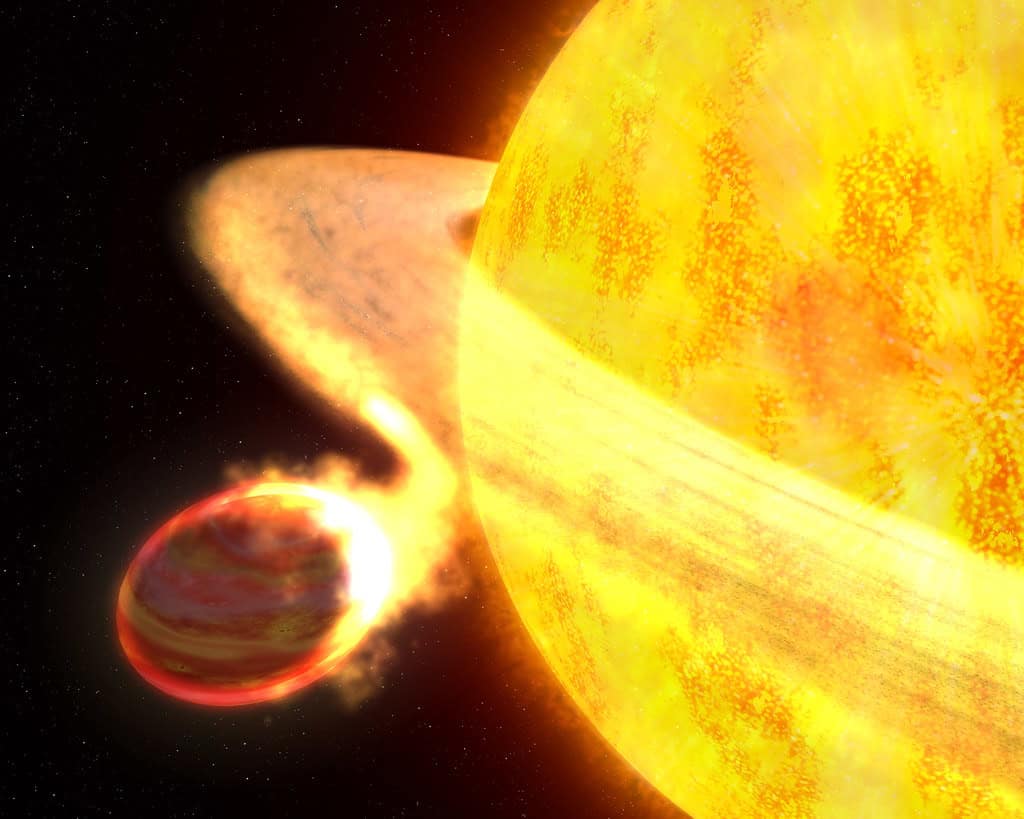
HD 189733b, while extraordinary, is not alone in its extremity. Astronomers have discovered numerous other planets with environments that challenge our imagination. WASP-12b, for instance, is so close to its star that it’s being actively torn apart by tidal forces, with material streaming away from the planet in a process astronomers call “planetary cannibalism.” KELT-9b holds the record for the hottest known exoplanet, with a dayside temperature exceeding 7,800°F (4,300°C)—hotter than most stars. HAT-P-7b experiences similarly violent weather patterns to HD 189733b, including possible ruby and sapphire clouds formed from vaporized aluminum oxide.
CoRoT-7b may be a rocky world so close to its star that it has oceans of lava on its surface. Each of these worlds represents a different manifestation of extreme planetary conditions, forming a spectrum of environments far more diverse than what our solar system displays. Together, they help scientists understand the full range of planetary possibilities and the physical processes that operate under conditions vastly different from those we experience on Earth. As our detection capabilities improve, we’re likely to discover even more planets with weather and atmospheric conditions that challenge our understanding of what’s possible in planetary environments.
Conclusion: What Glass Rain Teaches Us About the Universe

The sideways glass rain of HD 189733b represents far more than a cosmic curiosity—it embodies the breathtaking diversity of worlds that populate our galaxy. This extreme exoplanet challenges us to expand our definition of “weather” and reconsider what planetary environments can exist beyond the familiar examples in our solar system. Through studying such alien phenomena, scientists gain insights into fundamental physical processes that govern atmospheric dynamics, heat transfer, and chemical reactions under conditions impossible to reproduce in Earth laboratories.
Perhaps most importantly, planets like HD 189733b help contextualize our own world, highlighting Earth’s remarkable habitability in a universe where planets with molten glass precipitation and supersonic winds may actually be more common than temperate, water-rich worlds like our own. As we continue to explore the cosmos with increasingly sophisticated instruments, HD 189733b stands as a testament to both the ingenuity of human scientific inquiry and the endless capacity of the universe to surprise and humble us with its extraordinary manifestations.

From exploring the marine wonders in the Azores and witnessing the vast savannas of Kenya, to delving deep into the rich biodiversity of South Africa and traversing iconic landscapes in Australia and the US like Yellowstone, Chris's experiences are vast.
With a penchant for diving alongside sharks, the ocean holds a special place in his heart.
Through his academic insights, he champions wildlife conservation, striving with 'Animals Around The Globe' to cultivate a profound connection between humans and animals, enhancing our mutual appreciation.
Connect with him at Feedback@animalsaroundtheglobe.com.
- Meet the Mantis Shrimp: The Sea Creature That Punches Like a Bullet - July 18, 2026
- Dugongs and Their Slow Mating Rituals in the Ocean - July 18, 2026
- How Animal Exhibits Are Evolving to Promote Conservation - July 17, 2026