

Earth’s history is marked by catastrophic events that have wiped out the majority of species living at different times. These mass extinctions—defined as events that eliminate over 75% of species in a geologically short interval—have reshaped life on our planet repeatedly. While these events are devastating, they also highlight the remarkable resilience of certain organisms. Some creatures have managed to survive not just one but multiple extinction events, demonstrating extraordinary evolutionary adaptability. These “living fossils” provide scientists with invaluable insights into evolutionary processes and survival strategies. They stand as living testimonials to life’s tenacity in the face of planetary disasters, from asteroid impacts to massive volcanic eruptions and dramatic climate shifts.
The Ancient Horseshoe Crab

Horseshoe crabs (Limulidae) have remained virtually unchanged for over 450 million years, predating even the dinosaurs by more than 200 million years. These remarkable arthropods have survived all five major mass extinctions, including the devastating Permian-Triassic extinction that wiped out approximately 96% of marine species. Despite their name, horseshoe crabs are more closely related to spiders and scorpions than to true crabs. Their distinctive horseshoe-shaped carapace and primitive immune system have remained remarkably consistent throughout their evolutionary history. Their blue copper-based blood, which contains amebocytes used in pharmaceutical testing, may have contributed to their resilience by providing superior protection against pathogens. Today, however, after surviving multiple planetary catastrophes, horseshoe crabs face their greatest threat from human activities, including habitat destruction and harvesting for biomedical purposes.
Nautilus The Living Fossil of the Seas
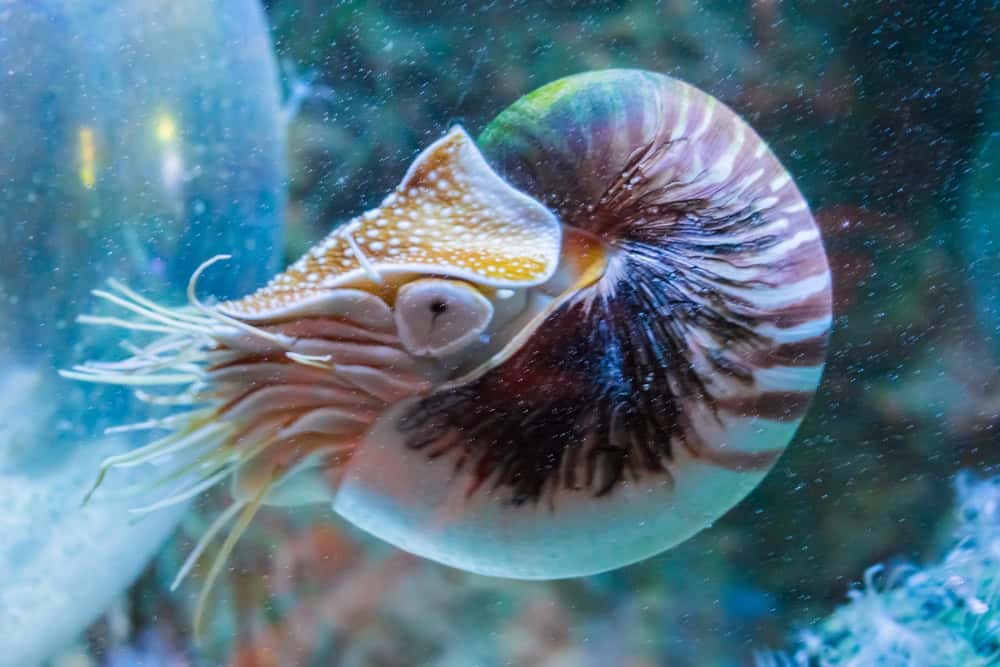
The chambered nautilus (Nautilus pompilius) represents one of the oldest lineages of cephalopods, having first appeared approximately 500 million years ago. While many of its relatives, including the ammonites, perished during the Cretaceous-Paleogene extinction event 66 million years ago, the nautilus managed to survive. These marine mollusks are instantly recognizable by their beautiful spiral shells, which contain up to 30 internal chambers filled with gas to control buoyancy. Unlike their cephalopod cousins the octopus and squid, nautiluses have changed very little over hundreds of millions of years. Their primitive eyes lack lenses, instead functioning like pinhole cameras. They also possess up to 90 tentacles without suckers, far more than other cephalopods. Scientists believe their deep-water habitat (typically 300-600 meters below the surface) may have provided refuge during extinction events that more severely impacted shallow-water environments. Today, nautiluses face threats from overharvesting for their decorative shells and ocean acidification affecting shell formation.
The Resilient Crocodilians

Crocodilians, including crocodiles, alligators, caimans, and gharials, first emerged during the Late Cretaceous period approximately 95 million years ago. These formidable reptiles survived the Cretaceous-Paleogene extinction event that eliminated the non-avian dinosaurs. The secret to their survival appears to be a combination of behavioral and physiological adaptations. Crocodilians can survive long periods without food, endure significant injuries, and resist infections thanks to powerful immune systems that contain antimicrobial peptides. Their semi-aquatic lifestyle and ability to breathe air allowed them to withstand the immediate aftermath of the asteroid impact that created toxic aquatic conditions. Additionally, crocodilians can adjust their metabolism according to environmental conditions, entering a state of dormancy when necessary. Their generalist diet and ambush predator strategy have remained effective across millions of years. While dinosaurs that dominated terrestrial ecosystems perished, crocodilians’ adaptations to aquatic and semi-aquatic environments proved crucial to their survival through one of Earth’s most catastrophic events.
Sturgeon Armored Survivors

Sturgeons represent one of the oldest surviving families of bony fish, having first appeared during the Late Cretaceous period approximately 200 million years ago. These distinctive fish are characterized by their elongated bodies, lack of scales, and rows of bony plates called scutes. Sturgeons survived both the Triassic-Jurassic extinction event (201 million years ago) and the Cretaceous-Paleogene extinction (66 million years ago). Their survival strategy includes exceptional longevity—some species can live over 100 years—and delayed sexual maturity, with females of some species not reproducing until they’re 20 years old. This evolutionary strategy, while effective against natural disasters, makes them particularly vulnerable to modern overfishing. Sturgeons also possess a cartilaginous skeleton rather than a fully ossified one, which may have provided flexibility during environmental changes. Their ability to feed along the bottom of rivers, lakes, and coastal areas on a variety of food sources likely contributed to their resilience during extinction events when food resources were severely limited. Today, many sturgeon species are critically endangered due to overharvesting for their eggs (caviar), habitat fragmentation by dams, and pollution.
The Enduring Shark Lineage

Sharks have patrolled Earth’s oceans for over 450 million years, evolving long before dinosaurs and surviving all five major mass extinctions. While individual shark species have come and gone, the broader shark lineage demonstrates remarkable evolutionary staying power. Unlike most fish, sharks have skeletons made of cartilage rather than bone, which fosters greater flexibility and lighter body weight. Their highly efficient immune systems and ability to heal quickly from injuries contribute to their resilience. Sharks’ remarkable sensory abilities—including the ampullae of Lorenzini that detect electrical fields, lateral line systems sensing water pressure changes, and excellent smell—allow them to find prey and navigate during environmental disruptions. Different shark species occupy various ecological niches, from deep-sea dwellers to coastal hunters, spreading their evolutionary risk. Some species, like the deep-sea frilled shark (Chlamydoselachus anguineus), have remained virtually unchanged for 80 million years. However, after surviving multiple planetary catastrophes, many shark species now face unprecedented threats from industrial fishing, habitat destruction, and climate change.
Lungfish Breathing Through Disaster

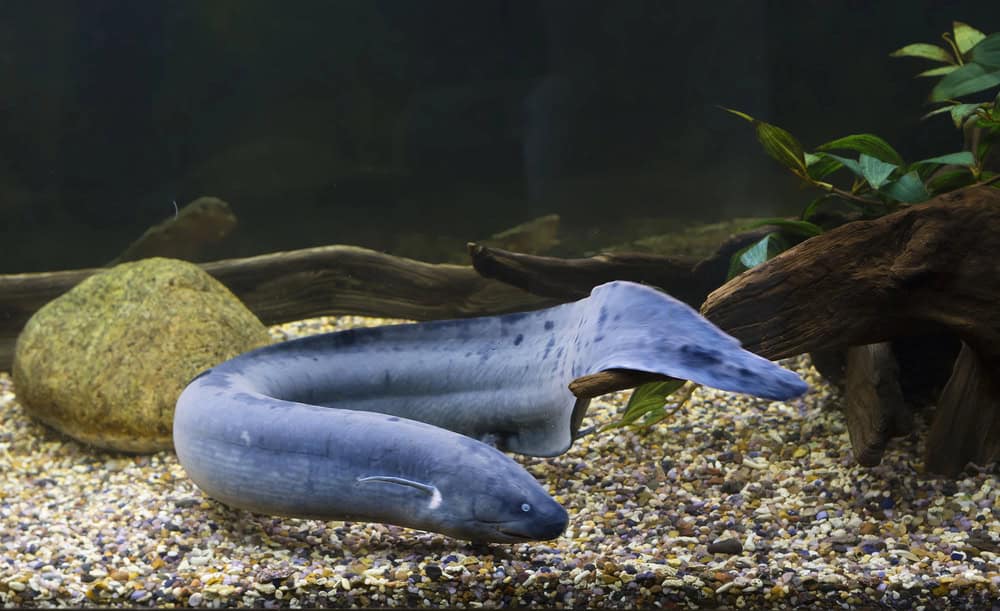
Lungfish first appeared approximately 400 million years ago and have survived multiple mass extinctions, including the devastating Permian-Triassic event. These remarkable fish possess both gills and primitive lungs, allowing them to breathe air when water becomes oxygen-depleted or during seasonal droughts. This dual respiratory system proved crucial during extinction events that created anoxic (oxygen-depleted) aquatic conditions. Today, only six lungfish species survive across three genera: the Australian lungfish, four African lungfish species, and the South American lungfish. The Australian lungfish (Neoceratodus forsteri) can live for over 100 years and is considered the most primitive living lungfish species, having changed little from its ancient ancestors. African and South American lungfish can enter a state of estivation during drought conditions, burrowing into mud and slowing their metabolism dramatically until water returns—sometimes surviving years in this dormant state. This ability to endure extended periods of environmental stress likely contributed to their survival through multiple planetary catastrophes. Genetic studies of lungfish have provided important insights into the evolutionary transition from aquatic to terrestrial vertebrates.
Tuatara The Living Dinosaur

The tuatara (Sphenodon punctatus) represents the last surviving member of the order Rhynchocephalia, which flourished during the age of dinosaurs approximately 200 million years ago. Endemic to New Zealand, this reptile survived the Cretaceous-Paleogene extinction event that eliminated the dinosaurs. Tuataras resemble lizards but belong to a completely separate evolutionary lineage that diverged from other reptiles over 250 million years ago. These living fossils possess several unique characteristics, including a primitive third eye (parietal eye) on the top of their head, which has its own lens, cornea, and retina, though it becomes covered by scales as they mature. Tuataras have extremely slow metabolisms and growth rates, reaching sexual maturity at around 20 years of age. They can live over 100 years and tolerate much cooler temperatures than most reptiles, with optimal body temperatures between 16-21°C (60-70°F). Their ability to function at lower temperatures may have helped them survive the cooling period following the asteroid impact that killed the dinosaurs. Though they survived multiple extinction events, tuataras now exist only on predator-free offshore islands of New Zealand, having been extirpated from the mainland after human arrival.
Lampreys Ancient Jawless Survivors
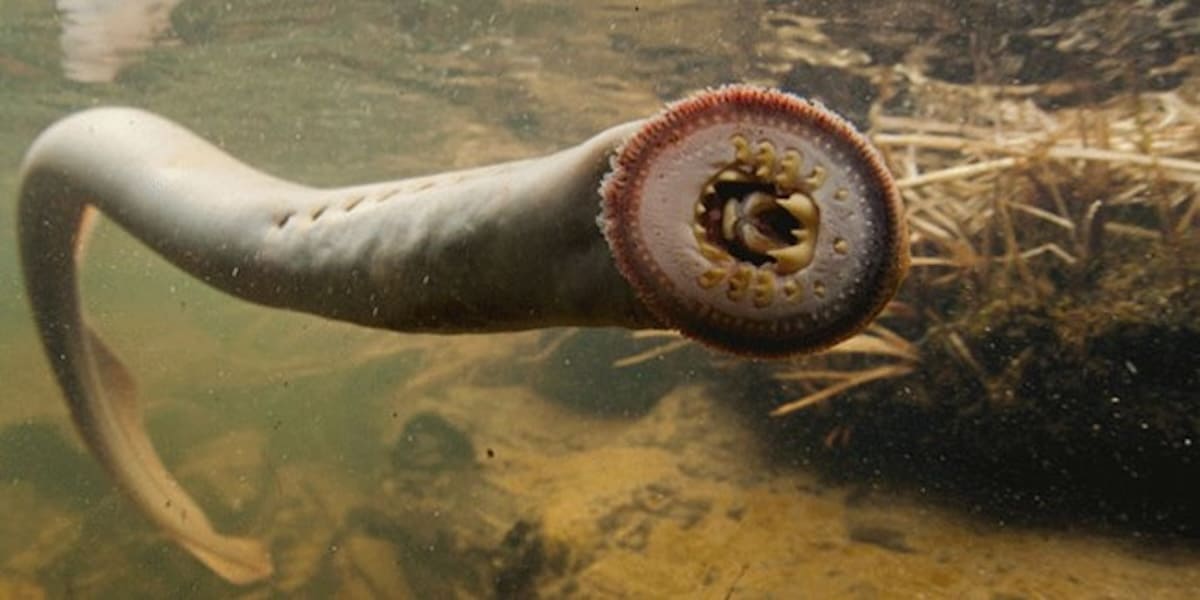
Lampreys are among the most ancient vertebrate lineages still in existence, having emerged over 360 million years ago during the Devonian period. These jawless, eel-like fish have survived through four major mass extinctions with remarkably little evolutionary change. Lampreys lack jaws, scales, and paired fins, representing a body plan that predates many features common to most modern vertebrates. Their skeleton is made entirely of cartilage, and instead of vertebrae, they possess a notochord (a flexible rod of cartilage) throughout their lives. Most lamprey species are parasitic as adults, using their circular, tooth-lined mouth to attach to fish and feeding on their host’s blood and tissues. Their relatively simple body plan and ecological flexibility—including both marine and freshwater life stages for many species—may have contributed to their survival through global catastrophes. Lampreys also possess remarkable regenerative abilities, including the capacity to repair their spinal cord after injury, which continues to interest medical researchers. Today, while some lamprey species have become invasive in certain regions (like the Great Lakes), others face extinction threats from habitat destruction, particularly the building of dams that block their spawning migrations.
Brachiopods The Persistent Shelled Creatures

Brachiopods, marine animals with two hinged shells, have existed for over 540 million years and were once among the most abundant and diverse marine organisms on Earth. While they were devastated during mass extinctions, particularly the Permian-Triassic event that eliminated approximately 96% of their species, some lineages persisted. Modern brachiopods represent the survivors of a once-dominant group, with around 400 living species compared to over 30,000 fossil species. These resilient creatures superficially resemble bivalve mollusks (like clams) but are fundamentally different animals with distinct internal anatomy, including a specialized feeding organ called a lophophore. The lingulid brachiopods (genus Lingula) are often cited as among the most conservative organisms in evolutionary history, having remained virtually unchanged for over 500 million years. These “living fossils” live in vertical burrows in coastal sediments, attached by a fleshy stalk. Their ability to survive in both oxygen-rich and oxygen-poor environments, simple reproductive system, and capacity to tolerate varying salinity levels likely contributed to their survival through multiple planetary catastrophes. Modern brachiopods typically inhabit deeper marine environments, which may have provided refuge during extinction events that more severely impacted shallow waters.
Coelacanths Back from the “Dead”

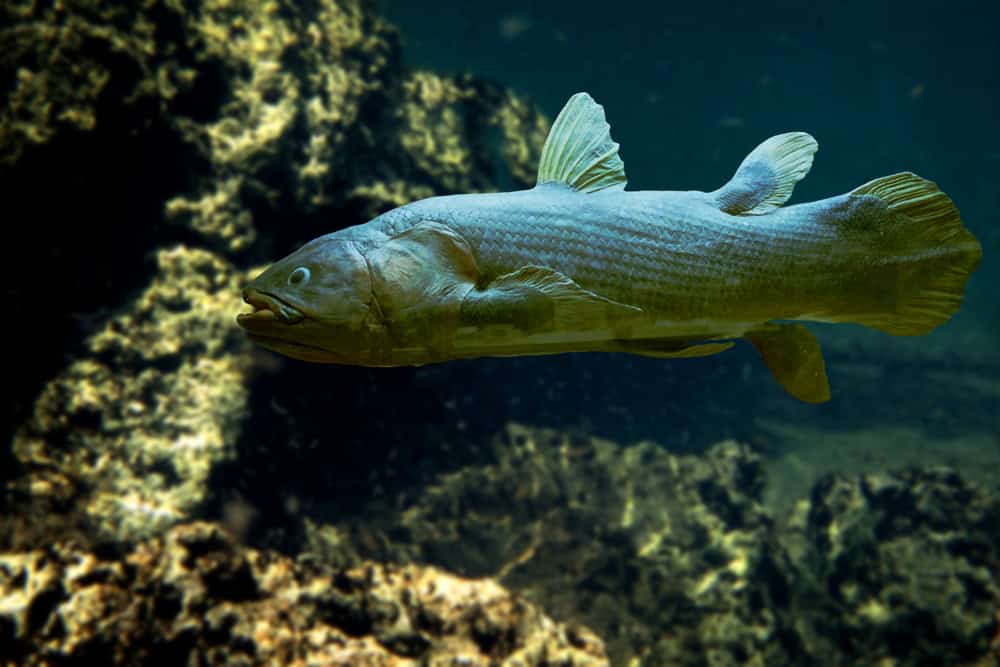
Coelacanths (pronounced SEE-luh-kanths) were thought extinct for 65 million years until a living specimen was discovered off the coast of South Africa in 1938—one of the most dramatic zoological discoveries of the 20th century. These lobe-finned fish first appeared in the fossil record approximately 400 million years ago and survived both the Permian-Triassic and Cretaceous-Paleogene mass extinctions. Only two species exist today: the West Indian Ocean coelacanth (Latimeria chalumnae) and the Indonesian coelacanth (Latimeria menadoensis). These remarkable fish can grow up to 2 meters (6.5 feet) long and weigh up to 90 kg (200 pounds). Coelacanths possess several primitive features, including a notochord (a hollow, fluid-filled tube) rather than a fully developed spine, and unique lobed fins that move in an alternating pattern similar to a four-legged land animal. They inhabit deep marine caves at depths between 150-700 meters (500-2,300 feet), which may explain how they evaded human detection for so long. Their deep-water habitat likely provided refuge during mass extinctions that more severely impacted surface waters. Coelacanths have extremely slow metabolisms, long lifespans (potentially up to 100 years), and give birth to live young after a gestation period of approximately three years—one of the longest known among vertebrates.
Monotremes Egg-Laying Mammals

Monotremes—platypuses and echidnas—represent the oldest surviving mammalian lineage, having diverged from other mammals approximately 166 million years ago during the Jurassic period. These peculiar animals survived the Cretaceous-Paleogene extinction event that eliminated the non-avian dinosaurs. Unlike all other living mammals, monotremes lay eggs rather than giving birth to live young, a reproductive strategy that bridges the gap between reptiles and other mammals. After hatching, monotreme young are nourished with milk that seeps from specialized glands on the mother’s abdomen rather than from distinct nipples. Both platypuses and echidnas possess additional reptilian features, including a single opening (cloaca) for reproduction, urination, and defecation. The platypus (Ornithorhynchus anatinus) is further distinguished by its duck-like bill, venomous spurs (in males), and electroreception abilities for hunting underwater with closed eyes. Echidnas (four species across the genera Tachyglossus and Zaglossus) are characterized by their spiny coat and specialized snout for feeding on ants and termites. Their unique physiological and behavioral adaptations, including the platypus’s semi-aquatic lifestyle and the echidna’s ability to enter torpor during environmental stress, likely contributed to their survival through major extinction events.
Ginkgo The Tree That Defied Extinction

The ginkgo (Ginkgo biloba) represents the only surviving member of an ancient group of trees that dominated forests worldwide during the Jurassic period, approximately 170 million years ago. This remarkable tree survived the Cretaceous-Paleogene extinction event that eliminated the dinosaurs and countless plant species. Fossil records reveal that ginkgo trees have remained virtually unchanged for over 200 million years, earning them the status of “living fossils.” The ginkgo is characterized by its distinctive fan-shaped leaves with parallel veins and unusual reproductive biology—it’s dioecious, meaning individual trees are either male or female. Female trees produce fleshy, fruit-like structures containing seeds with a notoriously foul-smelling outer coating when ripe. Ginkgos possess exceptional resistance to pests, diseases, and environmental pollutants. Their ability to form protective compounds, including unique flavonoids and terpenoids, may have contributed to their survival through multiple extinction events. Individual ginkgo trees can live for over 1,000 years and demonstrate remarkable resilience, with specimens surviving the atomic bombing of Hiroshima in 1945, sprouting new growth despite the devastation around them. While ginkgos disappeared from the wild in most regions thousands of years ago, they were preserved in Chinese temple gardens and have since been reintroduced worldwide as ornamental trees.
Cycads Ancient Seed-Bearing Plants

Cycads first appeared during the Permian period approximately 280 million years ago and were abundant during the age of dinosaurs. These seed-bearing plants survived both the Permian-Triassic and Cretaceous-Paleogene mass extinctions. Today, approximately 300 cycad species exist across three families (Cycadaceae, Stangeriaceae, and Zamiaceae), representing a fraction of their past diversity. Cycads are characterized by their palm-like appearance with stiff, feathery compound leaves growing from a thick trunk, though they’re not related to palm trees. These plants grow extremely slowly, sometimes taking 50-100 years to reach reproductive maturity. Cycads are dioecious (having separate male and female plants) and produce large cones containing seeds rather than flowers. Their survival through multiple extinction events may be attributed to several factors, including toxic compounds that deter herbivores, symbiotic relationships with nitrogen-fixing cyanobacteria in their roots.
Conclusion:
The survival stories of Earth’s “living fossils”—from the armored sturgeon and ancient lamprey to the enigmatic coelacanth and resilient ginkgo tree—highlight the incredible durability and adaptability of life across deep time. These organisms have not only withstood the ravages of mass extinctions but have continued to thrive, often in stable, isolated, or extreme environments that shielded them from catastrophic change. Their long evolutionary histories serve as living records of biological resilience and adaptation, offering critical insights into how life can persist in the face of global upheaval. However, despite having survived asteroid impacts, volcanic cataclysms, and climate shifts, many now face existential threats from human activity. As we confront our own environmental crisis, the fate of these ancient survivors reminds us of both life’s tenacity and its fragility—and underscores the urgent need to protect the remnants of our planet’s deep biological heritage.

As a little kid, I fell in love with nature, wildlife, and animals. Living in the USA, South Africa, Italy, China and Germany gave me the opportunity to discover the world's Wildlife. My favorite animals are Mountain Gorillas, Siberian Tigers, and Great White Sharks.
I'm a certified PADI Open Water Diver, went to Everest Base Camp and Trekked Gorillas in Uganda. I hold a Master of Science in Economics and Finance.
Please send any feedback to feedback@animalsaroundtheglobe.com
- 13 Cat Breeds That Get Along with Dogs - July 20, 2026
- The 12 Largest Dog Breeds That Still Love to Cuddle - July 20, 2026
- 12 Pet Habits That Secretly Mean They Love You - July 20, 2026
Leave a comment
You must be logged in to post a comment.