

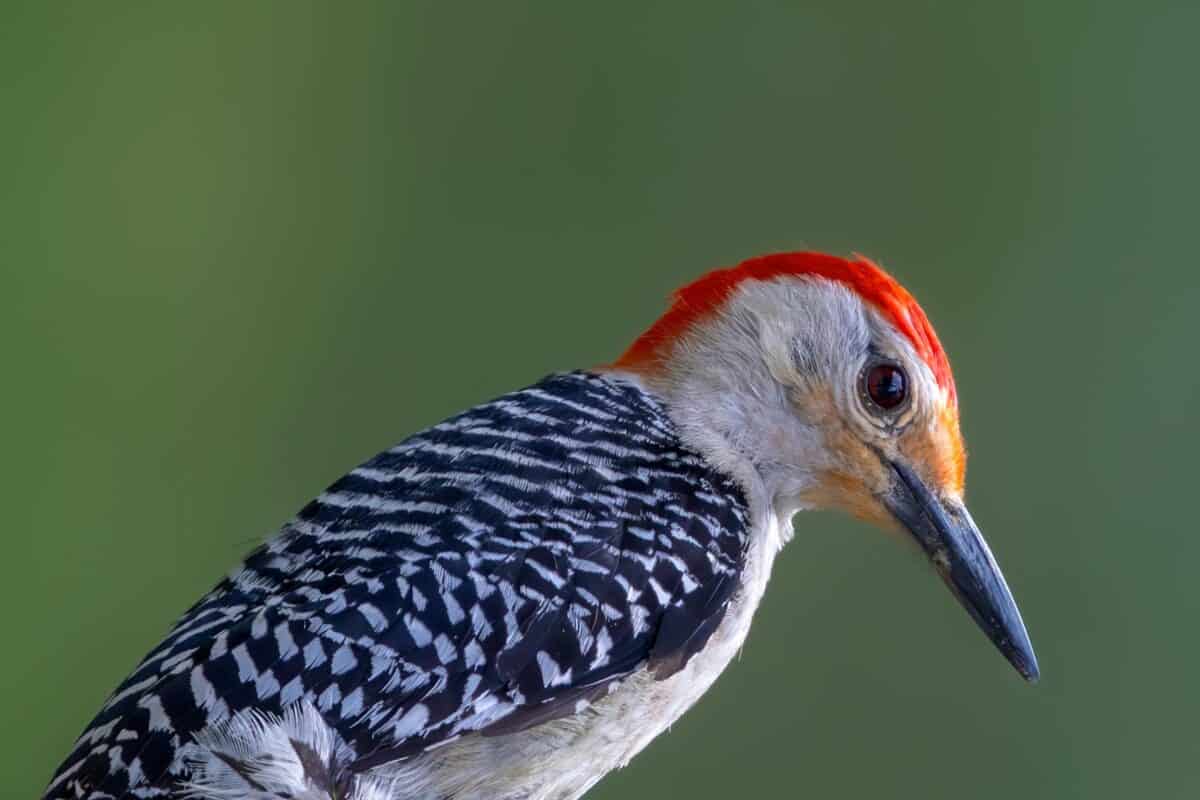
Transforming your backyard into a haven for birds brings countless rewards – from natural pest control to the simple joy of observing these fascinating creatures. North America boasts an incredible diversity of bird species, many of which can become regular visitors to your outdoor space with the right encouragement. These feathered friends not only add color, song, and life to your property but also contribute to ecosystem health in meaningful ways. Let’s explore 17 wonderful bird species that deserve a warm welcome in American backyards, along with tips on how to attract them and why they’re beneficial neighbors.
Northern Cardinal The Iconic Red Visitor
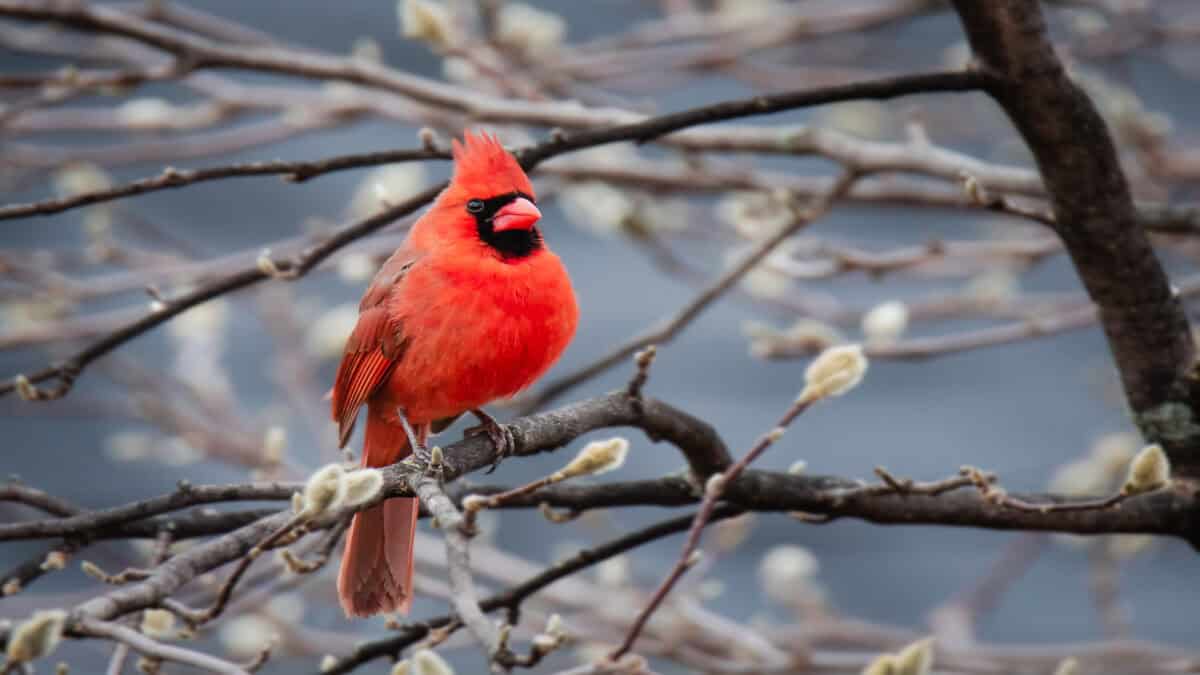
The Northern Cardinal (Cardinalis cardinalis) stands out as perhaps America’s most recognizable backyard bird with the male’s brilliant crimson plumage contrasting dramatically against winter snow or green foliage. These year-round residents bring constant color to backyards across the eastern and central United States. Cardinals prefer dense shrubs for nesting and protection, making them excellent candidates for landscaped yards with varied vegetation. They primarily eat seeds, fruits, and insects, making them easy to attract with black oil sunflower seeds, safflower seeds, and suet. Their clear, whistling songs – often heard at dawn and dusk – provide a melodious soundtrack to your outdoor activities throughout the year. As non-migratory birds, cardinals form long-term pair bonds and will loyally visit your feeders through all seasons once established.
American Robin The Harbinger of Spring

The American Robin (Turdus migratorius) symbolizes the arrival of spring for many Americans, though in warmer regions they often remain year-round. These medium-sized birds with rusty-orange breasts and gray-brown backs are among the most abundant native songbirds in North America. Robins are particularly beneficial in gardens as they consume large quantities of insects, including many agricultural and garden pests. Unlike strictly seed-eating birds, robins primarily forage for earthworms, insects, and berries, running across lawns with a distinctive stop-and-start motion as they hunt. To attract robins, maintain a healthy lawn without pesticides (to preserve their earthworm food source), plant native fruit-bearing trees and shrubs like dogwood, serviceberry, and holly, and provide a reliable bird bath, as robins are enthusiastic bathers. Their cheerful morning songs and industrious nature make them delightful backyard companions.
Black-capped Chickader The Friendly Acrobat
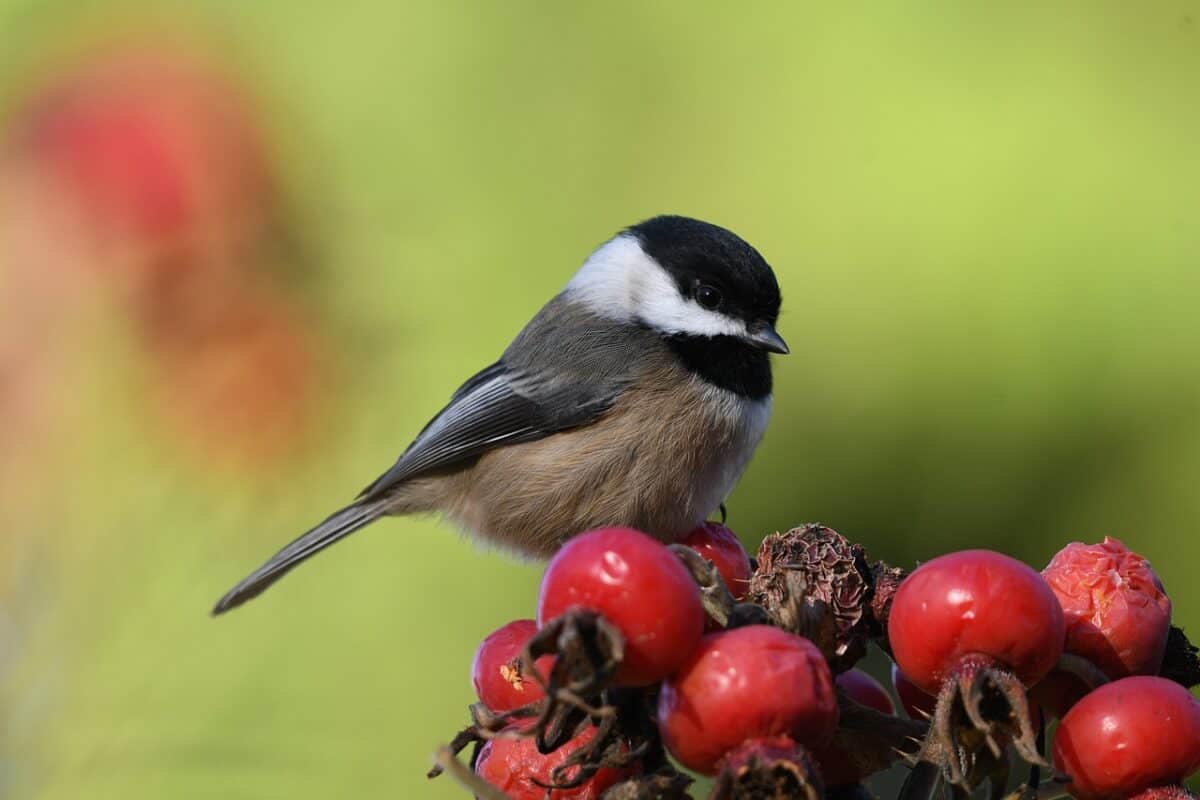
The Black-capped Chickadee (Poecile atricapillus) wins hearts with its acrobatic feeding style and friendly disposition. These small birds with distinctive black caps and bibs are common throughout the northern United States and much of Canada. Chickadees are often among the first birds to investigate new feeders and may even become tame enough to eat from your hand with patience and consistent feeding. They prefer black oil sunflower seeds, suet, and peanuts, which provide the high-energy fat content they need, especially during cold winters. Chickadees play a crucial ecological role by consuming countless insect eggs and larvae, including many forest and garden pests. They’re also known for their complex communication system and remarkable memory skills—they can remember thousands of hiding spots where they’ve cached seeds. Their cheerful “chickadee-dee-dee” call (with the number of “dees” indicating the level of threat they perceive) brings cheer to winter days and creates a lively atmosphere in any backyard.
Eastern Bluebird The Symbol of Happiness

The Eastern Bluebird (Sialia sialis) represents one of America’s greatest conservation success stories. These stunning birds with bright blue backs and rusty-orange breasts faced severe population declines in the early 20th century but have rebounded thanks to dedicated nest box programs. Bluebirds prefer open areas with scattered trees and low ground cover, making suburban yards with proper habitat features ideal locations. They primarily eat insects during summer—including grasshoppers, caterpillars, and beetles—making them valuable allies for organic gardeners. In winter, they switch to berries and fruits from native plants like dogwood, hackberry, and viburnum. Attracting bluebirds typically requires installing properly designed nest boxes placed in suitable locations away from house sparrow competition. Supplemental feeding with mealworms (live or dried) can help support bluebirds, especially during breeding season and harsh winters. Their gentle warbling song and brilliant colors have earned them a place in folklore as symbols of happiness and the arrival of spring.
American Goldfinch The Vibrant Seed Enthusiast
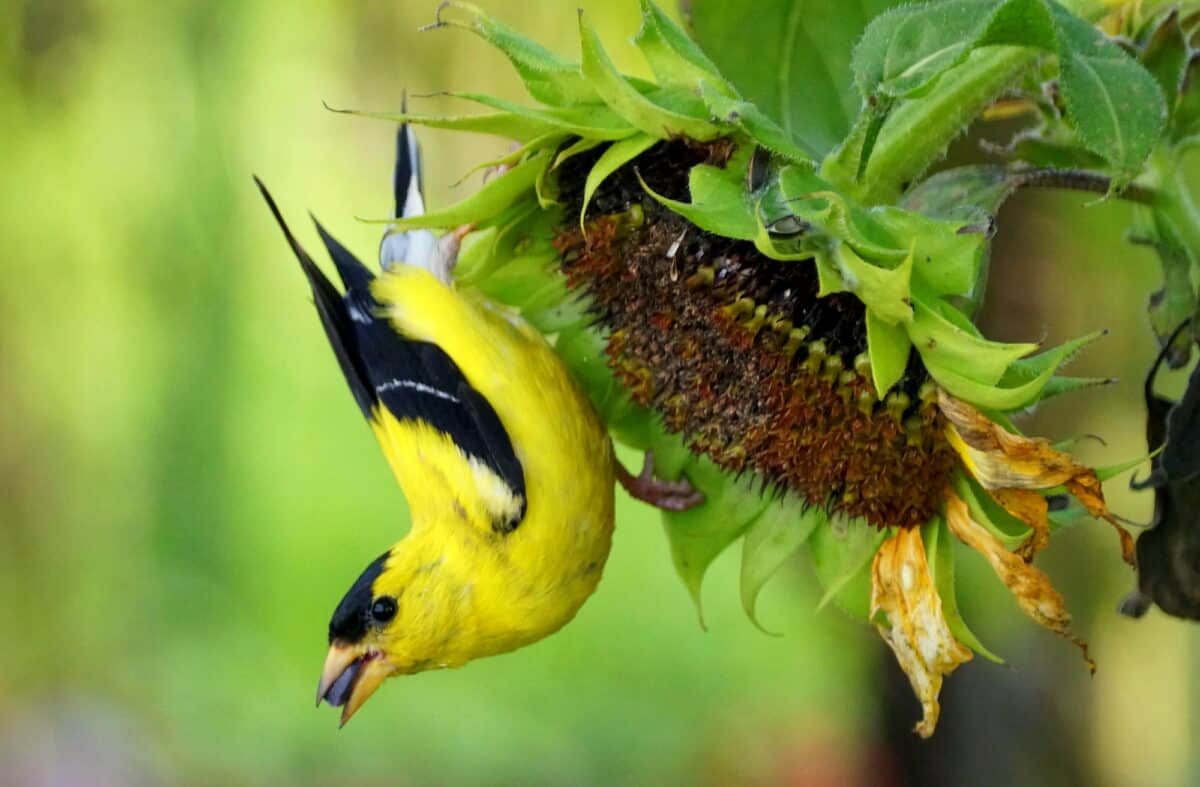
The American Goldfinch (Spinus tristis) brings a flash of sunshine yellow to backyards with its brilliant breeding plumage. Unlike most North American birds, goldfinches undergo a complete color transformation between seasons—males molt from vibrant yellow in summer to olive-drab in winter. These small finches are strict vegetarians, primarily consuming seeds rather than insects, with a particular fondness for thistle (nyjer) and sunflower seeds. Their specialized diet makes them easy to attract with the right feeders, particularly tube feeders filled with nyjer seed or black oil sunflower seeds. Goldfinches breed later than most birds, waiting until mid-to-late summer when plant fibers and thistle down are abundant for nest building. They’re beneficial in gardens as they consume seeds of many plants considered weeds, including dandelions and ragweed. Their undulating flight pattern and cheerful “po-ta-to-chip” call add charm to any backyard setting. Plant coneflowers, sunflowers, cosmos, and zinnias to create a natural goldfinch feeding station that will keep these delightful birds visiting year-round.
Downy Woodpecker The Smallest American Woodpecker

The Downy Woodpecker (Picoides pubescens) serves as an excellent introduction to the woodpecker family. As North America’s smallest woodpecker species, these black and white birds with males sporting a small red patch on the back of the head are frequent backyard visitors across the continent. Downies are particularly valuable because they consume wood-boring insects and their larvae that damage trees, including emerald ash borers, bark beetles, and carpenter ants. They’re easily attracted to suet feeders, especially in winter when insects are scarce, and also enjoy black oil sunflower seeds, peanuts, and peanut butter. To make your yard even more appealing to these helpful birds, maintain some dead tree limbs (when safe to do so) or install a woodpecker-specific nest box with proper dimensions and floor covered with wood chips. Their distinctive drumming, gentle “pik” calls, and jerky movements as they forage on tree trunks add interesting wildlife viewing opportunities throughout the year. Unlike many songbirds, downy woodpeckers form pairs that often remain in the same territory year-round.
Blue Jay The Intelligent Sentinel
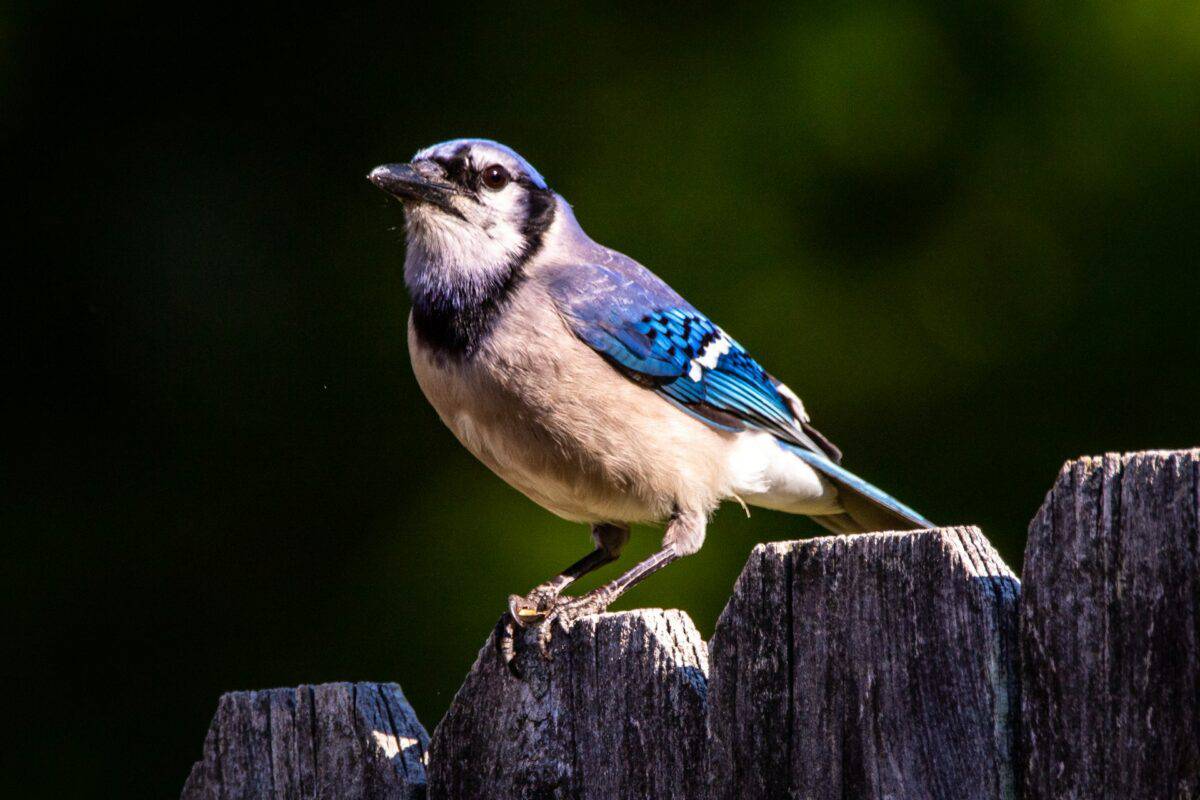
The Blue Jay (Cyanocitta cristata) commands attention with its bright blue plumage, black necklace, and expressive crest. These large, intelligent songbirds belong to the crow family and display remarkable problem-solving abilities and complex social behaviors. While sometimes maligned for their bold personality and occasional nest raiding, blue jays provide valuable services as backyard residents. They act as sentinels, alerting other birds and wildlife to potential predators with their distinct alarm calls. They’re also significant contributors to forest regeneration, as they cache thousands of acorns and nuts each fall, many of which are forgotten and eventually germinate into new trees. Blue jays readily visit feeders offering peanuts (both in-shell and shelled), sunflower seeds, and suet. They prefer platform feeders or tray attachments that accommodate their larger size. To create a blue jay-friendly yard, include oak trees if possible, maintain bird baths with fresh water, and provide dense evergreen trees or shrubs for roosting and nesting sites. Their intelligence makes them fascinating to observe as they work out strategies to access food and interact with other backyard birds.
House Finch The Melodious Adapter
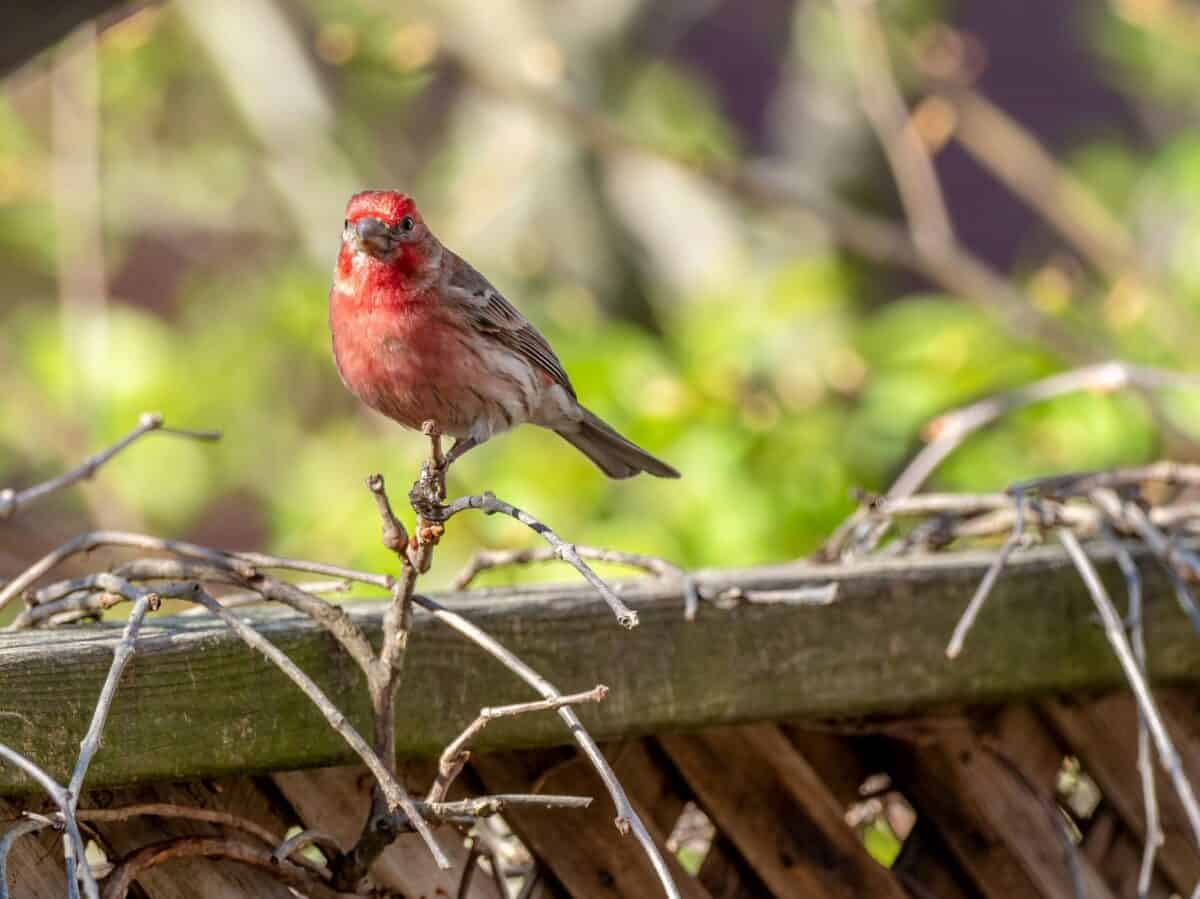
The House Finch (Haemorhous mexicanus) demonstrates remarkable adaptability as a species that has expanded its range dramatically across North America. Originally native to the western United States and Mexico, these sociable birds were introduced to the eastern U.S. in the 1940s and have since become one of the most common backyard birds nationwide. Males display variable amounts of red coloration (derived from carotenoids in their diet) on their heads, breasts, and rumps, while females are streaked brown. House finches are predominantly vegetarian, consuming a variety of seeds, buds, and fruits, making them easy to attract with black oil sunflower seeds, nyjer, and millet in tube or hopper feeders. They’re particularly valuable in gardens for their consumption of weed seeds and dandelion seeds. One of their most endearing qualities is their cheerful warbling song that continues nearly year-round, bringing musical ambiance to urban and suburban settings alike. House finches typically nest near human habitation—in hanging plants, ledges, or dense shrubs—providing opportunities to observe their breeding cycle up close.
Carolina Wren The Vocal Powerhouse
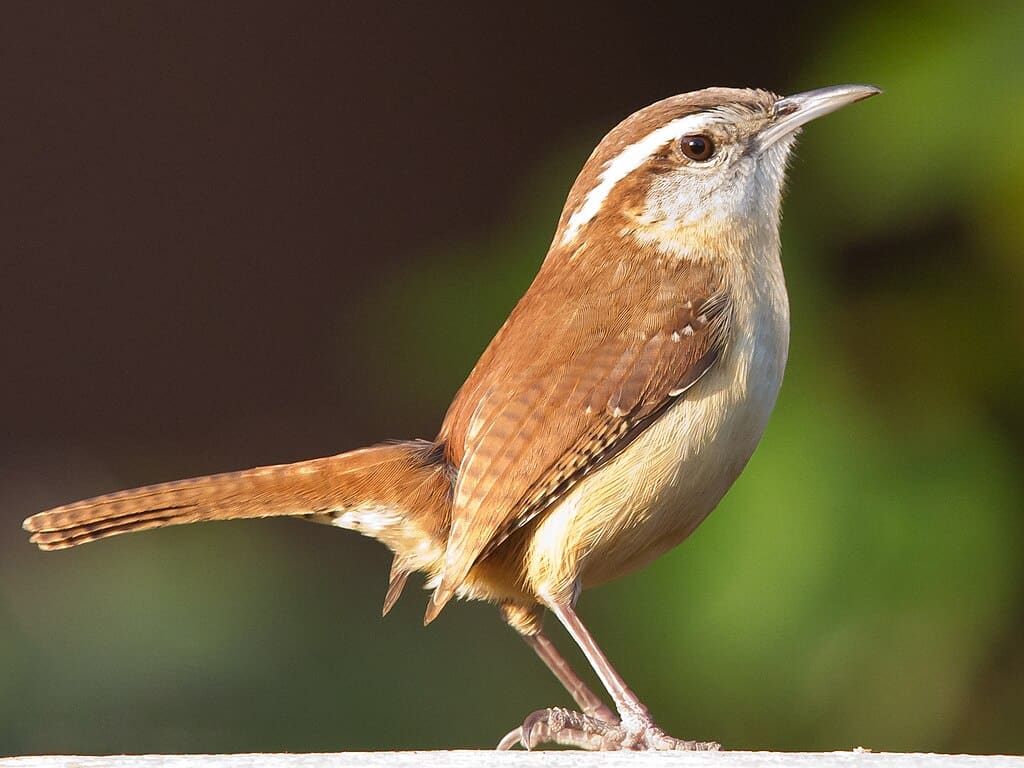
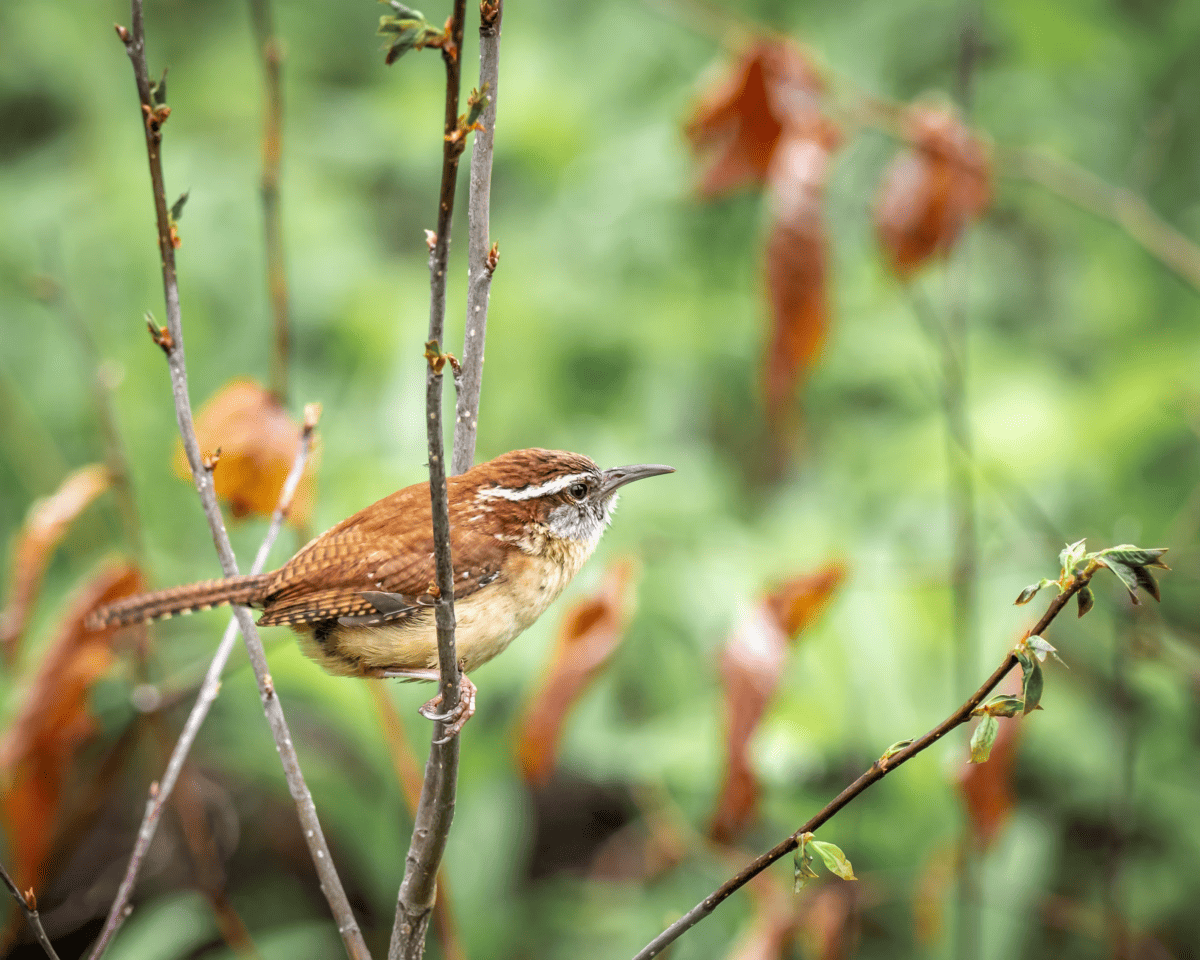
The Carolina Wren (Thryothorus ludovicianus) packs an astonishing vocal performance into its small, rusty-brown body. These charismatic birds produce songs remarkably loud for their size, with complex phrases often described as “tea-kettle, tea-kettle, tea-kettle” that can be heard throughout neighborhoods. Carolina wrens have expanded their range northward in recent decades, likely due to warming climate trends and increased winter bird feeding. They’re insectivorous by nature, consuming vast quantities of beetles, caterpillars, grasshoppers, and other invertebrates that may damage garden plants. During winter, they supplement their diet with seeds and fruits, readily visiting suet feeders, peanut butter mixtures, and shelled peanuts. Unlike many songbirds, Carolina wrens maintain permanent pair bonds and defend territories year-round. They’re famous for their unusual nesting locations, often selecting human-made objects like flowerpots, mailboxes, old shoes, or porch decorations. To welcome these beneficial birds, maintain brush piles, dense shrubs, and vine tangles at the edges of your property while providing suet throughout the year. Their inquisitive nature and constant activity make them entertaining backyard companions.
White-breasted Nuthatch The Upside-Down Specialist
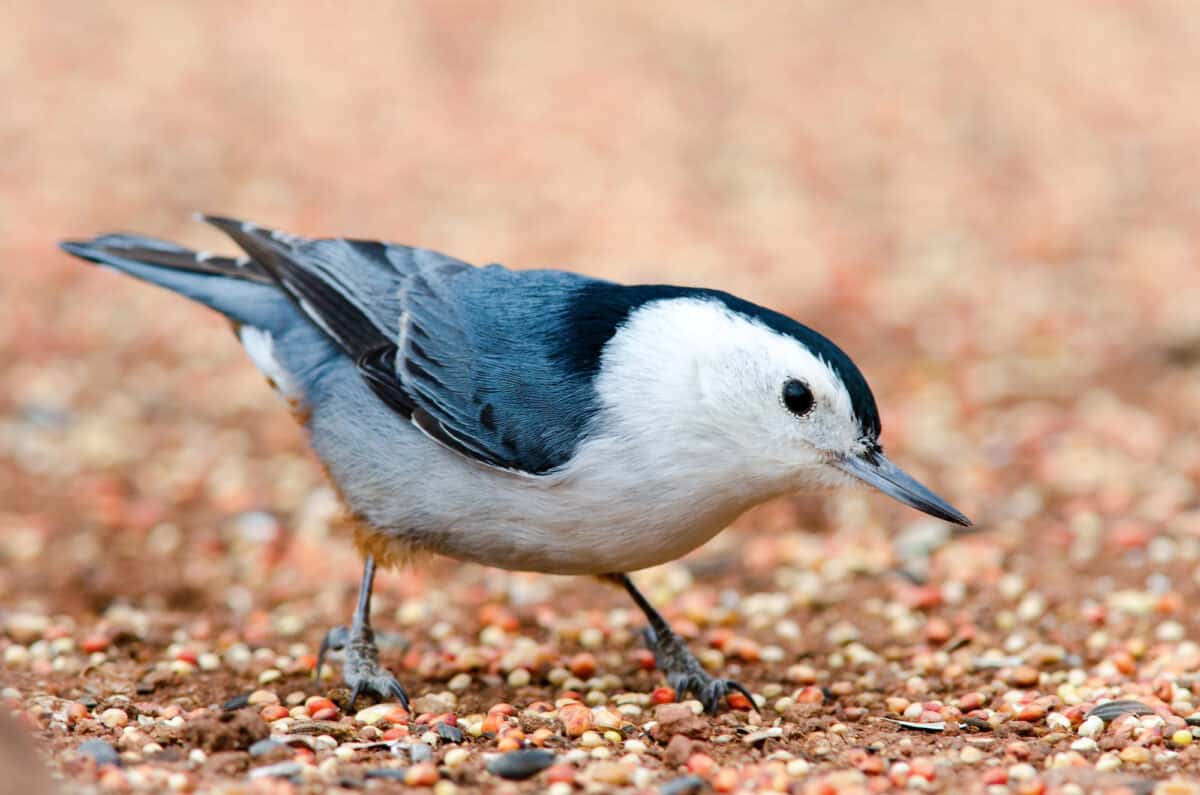
The White-breasted Nuthatch (Sitta carolinensis) brings unique behavior to the backyard bird scene with its ability to walk headfirst down tree trunks, defying gravity in a way few birds can match. These compact birds with bluish-gray backs, white faces, and namesake white breasts are year-round residents across much of the United States. Nuthatches serve an important ecological role by extracting insects and their eggs from bark crevices that other birds can’t reach, including many tree-damaging pests. Their name derives from their habit of wedging nuts and large seeds into bark crevices and then “hatching” them open with their sharp bills. White-breasted nuthatches readily visit feeders offering black oil sunflower seeds, shelled peanuts, suet, and peanut butter. Their nasal “yank-yank” calls are distinctive backyard sounds throughout the year. To attract these beneficial birds, maintain mature trees when possible, especially oaks and other hardwoods, and install nest boxes with appropriate dimensions if natural cavities are limited. Unlike many birds, white-breasted nuthatches often travel and feed with mixed-species flocks in winter, bringing chickadees, titmice, and woodpeckers with them to your feeding stations.
Dark-eyed Junco The Winter Visitor
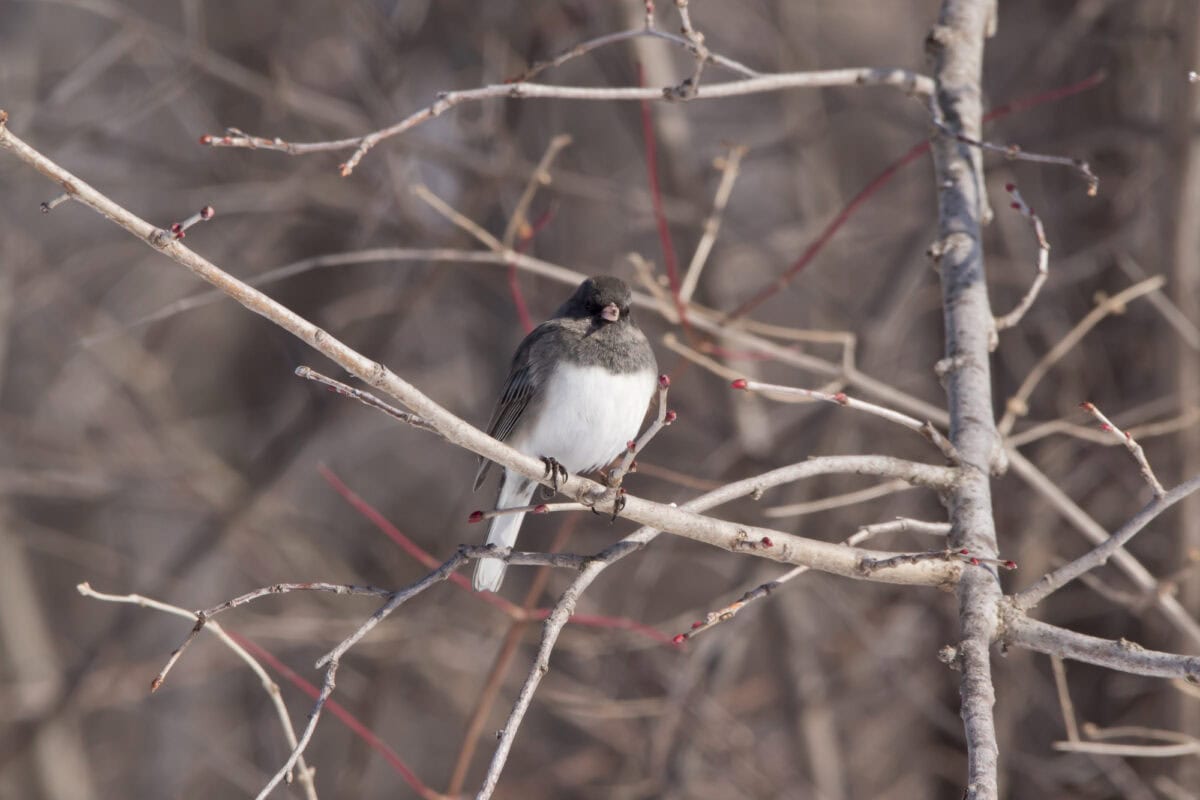
The Dark-eyed Junco (Junco hyemalis) arrives in many American backyards as temperatures drop, earning the nickname “snowbird” for its reliable appearance before or during winter weather. These ground-feeding sparrows are easily identified by their slate-gray upper parts (regional variations exist) and distinctive white outer tail feathers that flash when they fly. Though they breed in northern forests and mountainous regions, juncos winter throughout the continental United States, often in large flocks. They provide valuable ecological services by consuming vast quantities of weed seeds during winter months, helping control unwanted plant growth in the following spring. Juncos prefer to feed directly on the ground or on low platform feeders stocked with millet, cracked corn, and black oil sunflower seeds. Creating junco-friendly habitat is simple: maintain areas with fallen seed beneath feeders, provide low brush piles for shelter, and leave leaf litter in garden beds where they can forage for natural seeds and overwintering insects. Their soft trilling songs and quiet ticking calls create a peaceful winter soundtrack, while their busy movements as they scratch and hop through ground cover add life to otherwise dormant winter landscapes.
Baltimore Oriole The Orange Summer Jewel
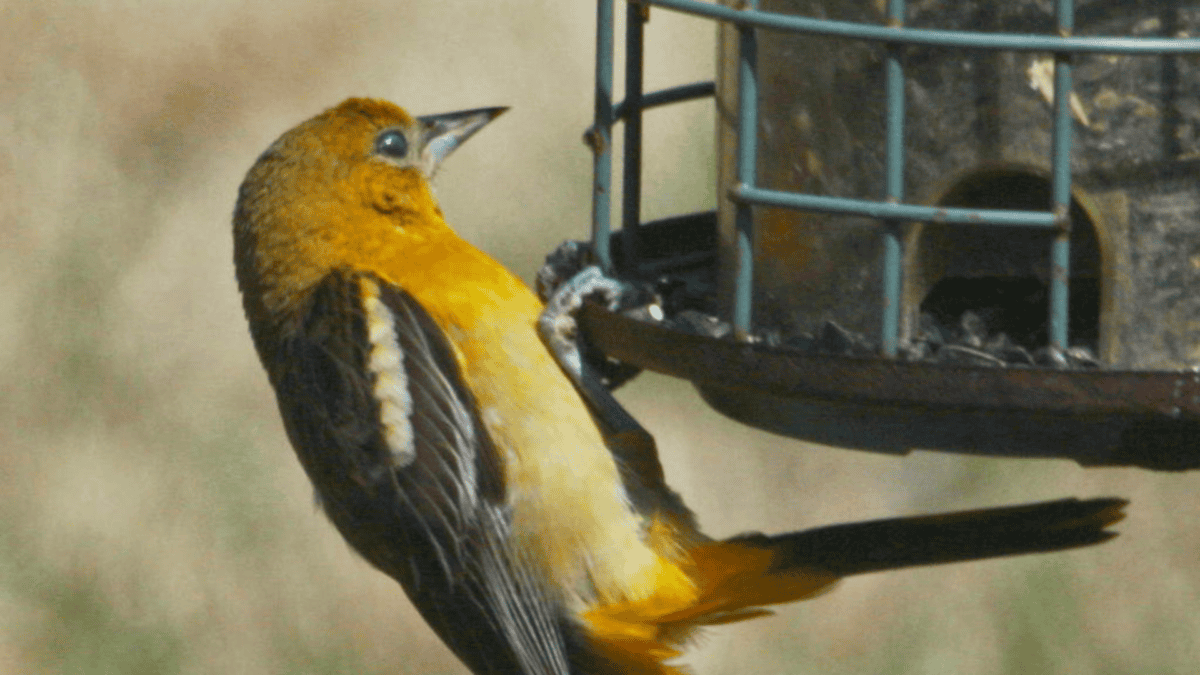
The Baltimore Oriole (Icterus galbula) represents one of North America’s most anticipated seasonal visitors, with its brilliant orange and black plumage bringing tropical flair to eastern and central U.S. backyards from late April through August. These medium-sized songbirds migrate from Central and South America each spring, announcing their arrival with clear, flute-like whistling songs. Baltimore orioles are particularly beneficial in controlling outbreaks of pest caterpillars, including gypsy moths, tent caterpillars, and fall webworms that can defoliate trees. Their specialized diet and habitat needs make attracting them slightly more challenging but highly rewarding. Orioles crave sweet foods like nectar, ripe fruits, and jelly, which can be offered in specialized oriole feeders with perches. Orange halves attached to trees or feeders create irresistible attractions, as do grape jelly servings in shallow dishes. For long-term oriole habitat, plant native fruiting trees like mulberries and wild cherries, flowering trees such as crabapples and serviceberries, and maintain tall deciduous trees where these birds weave their remarkable hanging sock-like nests. Their preference for the highest branches of mature trees makes orioles natural social distancers, bringing beauty without overwhelming smaller backyard birds.
Ruby-throated Hummingbird The Aerial Acrobat

The Ruby-throated Hummingbird (Archilochus colubris) holds the distinction of being the only hummingbird species that regularly breeds in the eastern United States, making its annual appearance a much-anticipated spring event. These tiny marvels weigh less than a nickel yet migrate thousands of miles, including an incredible non-stop flight across the Gulf of Mexico. The males feature an iridescent ruby throat patch that flashes brilliantly in proper light, while females display more subtle green and white coloration. Despite their diminutive size, ruby-throated hummingbirds play crucial ecological roles as pollinators for many wildflowers and as consumers of small insects like gnats, fruit flies, and aphids. Attracting them involves offering both sugar water (one part white sugar to four parts water, boiled and cooled, without food coloring) in specialized feeders and planting nectar-rich flowers like cardinal flower, bee balm, trumpet vine, and salvia. To create a hummingbird sanctuary, incorporate flowers with staggered blooming periods from spring through fall, maintain spider webs (which hummingbirds use for nest building), and avoid pesticides that might contaminate their insect food sources. Their incredible aerial abilities—including hovering, backwards flight, and diving at speeds over 50 mph—make them among the most entertaining of all backyard birds to observe.
Tufted Titmouse The Crested Seed Collector
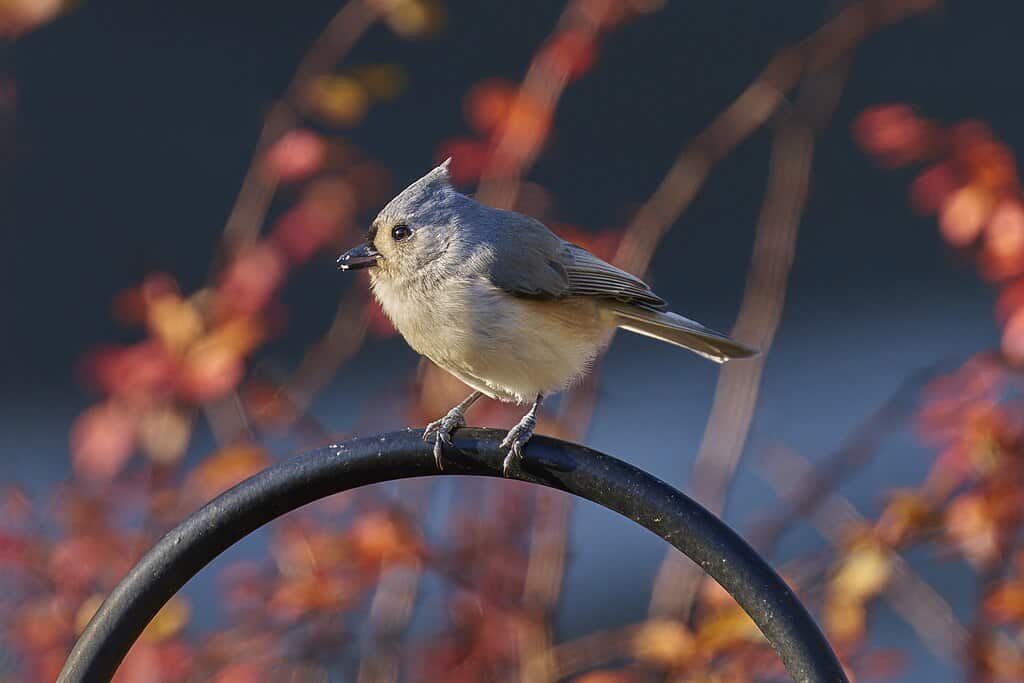
The Tufted Titmouse (Baeolophus bicolor) brings personality to backyard feeding stations with its jaunty crest, large dark eyes, and inquisitive behavior. These small, gray birds with peach-colored flanks are year-round residents throughout the eastern and southeastern United States, where they’ve been expanding their range northward over recent decades. Titmice consume a balanced diet of insects and seeds, making them beneficial for both pest control and weed management. During breeding season, they focus heavily on caterpillars and other insects to feed their young, helping to control potential garden pests. Their habit of taking one seed at a time from feeders.
Conclusion:

As a little kid, I fell in love with nature, wildlife, and animals. Living in the USA, South Africa, Italy, China and Germany gave me the opportunity to discover the world's Wildlife. My favorite animals are Mountain Gorillas, Siberian Tigers, and Great White Sharks.
I'm a certified PADI Open Water Diver, went to Everest Base Camp and Trekked Gorillas in Uganda. I hold a Master of Science in Economics and Finance.
Please send any feedback to feedback@animalsaroundtheglobe.com
- The Amazing Reasons Behind a Prairie Dog’s “Jump Yip” - July 11, 2026
- 13 Common Birdwatching Mistakes and How to Fix Them - July 11, 2026
- 12 Most Affectionate Cat Breeds - July 11, 2026