


The majestic bald eagle, America’s national symbol, captivates wildlife enthusiasts with its impressive seven-foot wingspan, distinctive white head and tail, and powerful presence. Once endangered due to habitat loss and DDT poisoning, these magnificent birds have made a remarkable recovery thanks to conservation efforts. Today, bald eagles can be observed in various locations across North America, particularly near bodies of water where they hunt for fish. For wildlife enthusiasts and photographers eager to witness these iconic raptors in their natural habitat, certain locations offer exceptional viewing opportunities. This article explores 13 premier destinations where you can reliably spot bald eagles in the wild, complete with the best viewing seasons and helpful tips for a successful eagle-watching experience.
Alaska’s Chilkat Bald Eagle Preserve

The Chilkat Bald Eagle Preserve near Haines, Alaska, offers what may be the most spectacular eagle-watching opportunity in the world. Each fall, typically from October through February, up to 3,000 bald eagles congregate along a five-mile stretch of the Chilkat River in what represents the largest gathering of eagles anywhere on the planet. The eagles are drawn to this location because of a unique geologic feature that causes portions of the river to remain ice-free even during harsh Alaskan winters, providing access to spawning salmon. The peak viewing time is mid-November, when hundreds of eagles may be visible from a single vantage point along the Haines Highway. Visitor facilities include viewing platforms and interpretive signs, making this an accessible yet extraordinary wildlife viewing experience.
Mississippi River along the Minnesota-Wisconsin Border

The Upper Mississippi River National Wildlife and Fish Refuge, stretching 261 miles along the Minnesota-Wisconsin border, becomes a winter haven for bald eagles. When northern lakes freeze over, hundreds of eagles migrate to open waters below dams along the Mississippi River, particularly in areas like Wabasha, Minnesota, home to the National Eagle Center. The ideal viewing time occurs during winter months from December through March, with January and February typically offering the highest concentrations. Viewing is particularly good near Lock and Dam structures where turbulent waters remain unfrozen, creating perfect fishing conditions for eagles. The refuge hosts several eagle-watching events throughout winter, complete with spotting scopes and expert guides to enhance the experience.
Klamath Basin National Wildlife Refuges, California/Oregon

The Klamath Basin National Wildlife Refuge Complex, straddling the California-Oregon border, hosts the largest concentration of bald eagles in the continental United States during winter. Between November and March, more than 500 eagles gather here, with numbers peaking in January and February. The eagles are attracted by the abundant waterfowl populations in the refuges, particularly during morning hours when they actively hunt. Top viewing locations include Bear Valley National Wildlife Refuge, where eagles roost in old-growth forests, and Lower Klamath and Tule Lake National Wildlife Refuges, where they can be observed hunting over marshlands. The annual Winter Wings Festival in February offers organized tours and photography workshops centered around these magnificent birds.
Conowingo Dam, Maryland
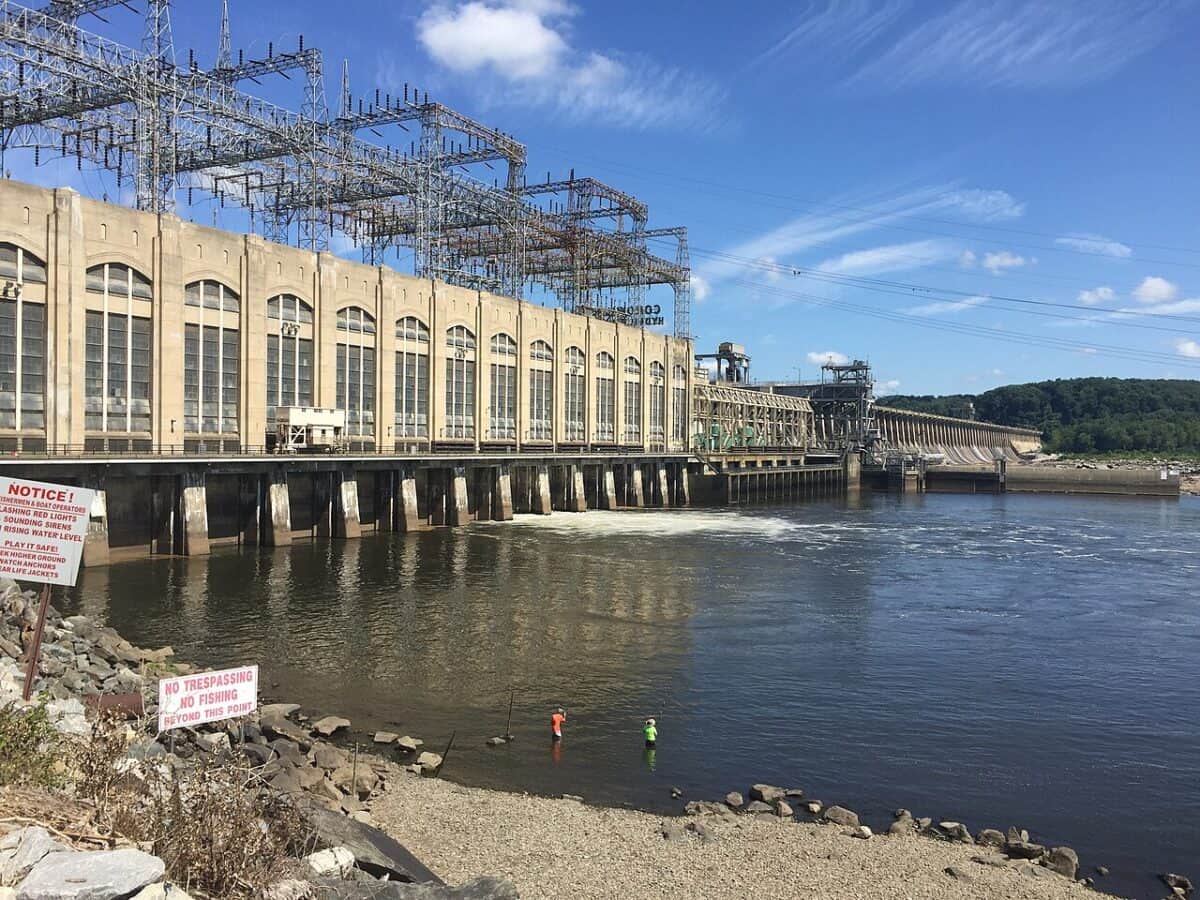
The Conowingo Dam on the Susquehanna River in northern Maryland has emerged as one of the premier eagle-watching destinations on the East Coast. When the dam’s floodgates open, especially during late fall and winter (November through February), fish are stunned as they pass through the turbines, creating an easy feast for eagles. On peak days, visitors can observe 100+ eagles at once diving for fish below the dam. The best viewing occurs from the Fisherman’s Park area, where a dedicated platform offers excellent vantage points. Photographers particularly value this location because the eagles often fly close to shore, allowing for dramatic action shots of fishing behavior. Morning hours typically provide the most active eagle hunting.
Blackwater National Wildlife Refuge, Maryland

Blackwater National Wildlife Refuge on Maryland’s Eastern Shore supports one of the highest concentrations of nesting bald eagles on the Atlantic coast. Unlike many eagle-watching destinations that are seasonal, Blackwater offers year-round eagle viewing opportunities with over 200 eagles present during winter and dozens of nesting pairs in spring and summer. The refuge’s mix of shallow water, abundant fish, and tall trees creates ideal eagle habitat. The Wildlife Drive, a 4-mile auto tour route, provides excellent viewing access, while the Marsh Edge Trail offers opportunities to see eagles hunting over open water. February and March are particularly good months for observing dramatic courtship displays and nest-building activities.
Reelfoot Lake, Tennessee
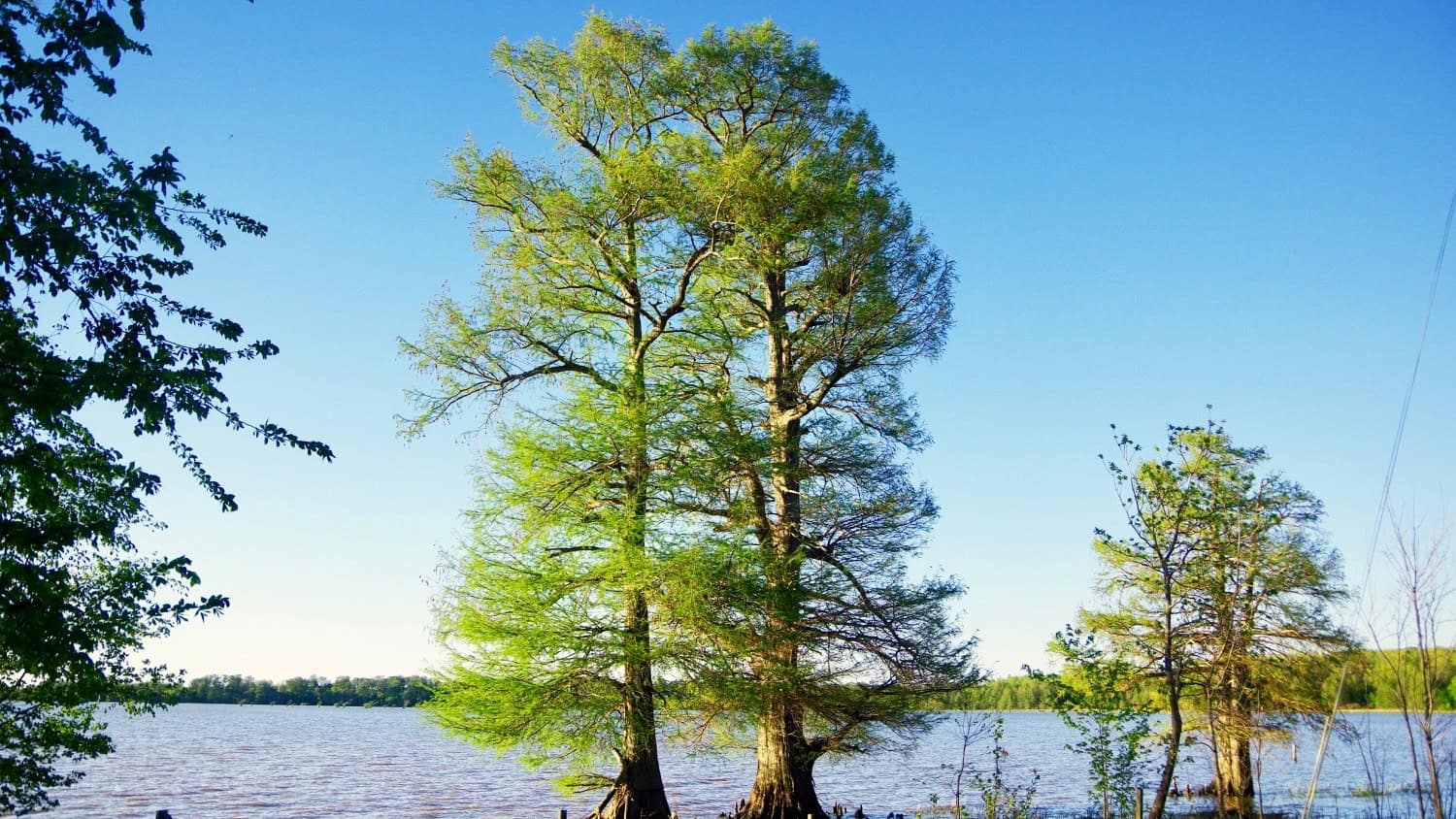
Reelfoot Lake in northwest Tennessee, formed by the New Madrid earthquakes of 1811-1812, attracts one of the South’s largest concentrations of wintering bald eagles. The lake’s unusual landscape of flooded cypress forests creates perfect roosting habitat, while the shallow waters teem with fish. From November through February, more than 200 eagles can be found here, with January typically offering peak numbers. Reelfoot Lake State Park offers guided eagle-watching tours by boat and by van, providing close-up viewing opportunities even for those with limited mobility. The park’s annual Eagle Festival in February features specialized programs, including eagle-spotting tours and photography workshops led by wildlife experts.
Skagit River, Washington
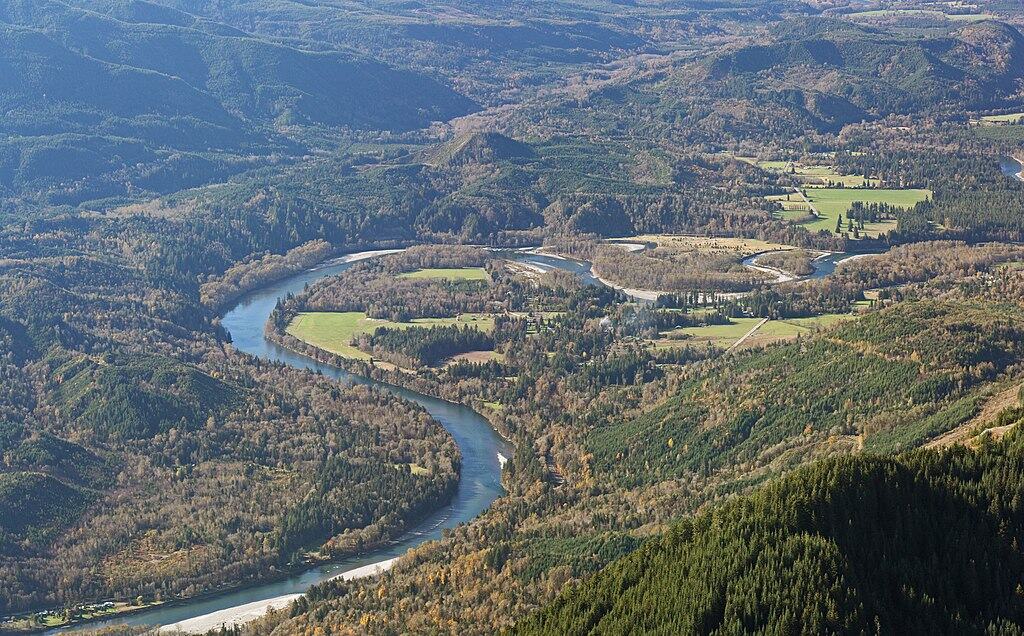
The Skagit River Valley in northwestern Washington hosts one of the largest wintering bald eagle populations in the continental United States. Each year from December through February, hundreds of eagles gather along the river to feed on spawning salmon, with numbers sometimes exceeding 600 birds. The Skagit Eagle Festival in January celebrates this natural phenomenon with guided tours, educational programs, and photography workshops. Prime viewing areas include the stretch of SR 20 between the towns of Concrete and Marblemount, where several pullouts allow visitors to safely watch eagles perched in riverside trees. For a more immersive experience, guided float trips down the river bring observers remarkably close to feeding eagles without disturbing them.
Channel Islands National Park, California

Channel Islands National Park off the coast of Southern California offers a unique opportunity to observe bald eagles in a restored habitat where they were once extirpated due to DDT contamination. Following successful reintroduction efforts beginning in 2002, the islands now support over 60 bald eagles, with more than 20 active nesting territories. Unlike many eagle-watching destinations that are seasonal, the Channel Islands population remains year-round, with nest-building occurring in January and February and chicks visible from April through June. Santa Cruz and Santa Rosa Islands offer the best viewing opportunities, accessible via park concessionaire boats. For those unable to visit in person, the park maintains live webcams showing active eagle nests, allowing virtual visitors to watch eaglets develop from hatching to fledging.
Lake Coeur d’Alene, Idaho
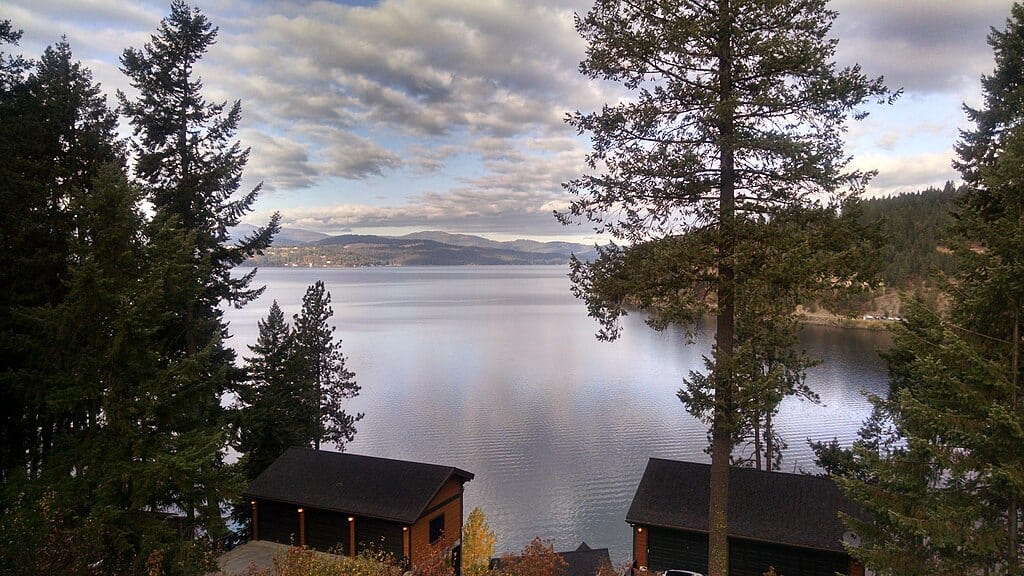
Lake Coeur d’Alene in northern Idaho has developed a reputation as a premium winter eagle-watching destination. From November through January, bald eagles converge on the lake to feed on kokanee salmon during their spawning run. Wolf Lodge Bay on the lake’s eastern shore serves as the focal point, sometimes hosting more than 200 eagles in December when salmon spawning peaks. The Bureau of Land Management maintains the Mineral Ridge Boat Launch and Hiking Trail, which offers excellent viewing points along with interpretive signs explaining eagle biology. Local wildlife specialists conduct eagle-watching cruises on the lake, providing narration and getting close enough for exceptional photographs while maintaining a respectful distance that doesn’t disturb the birds.
Pohick Bay Regional Park, Virginia
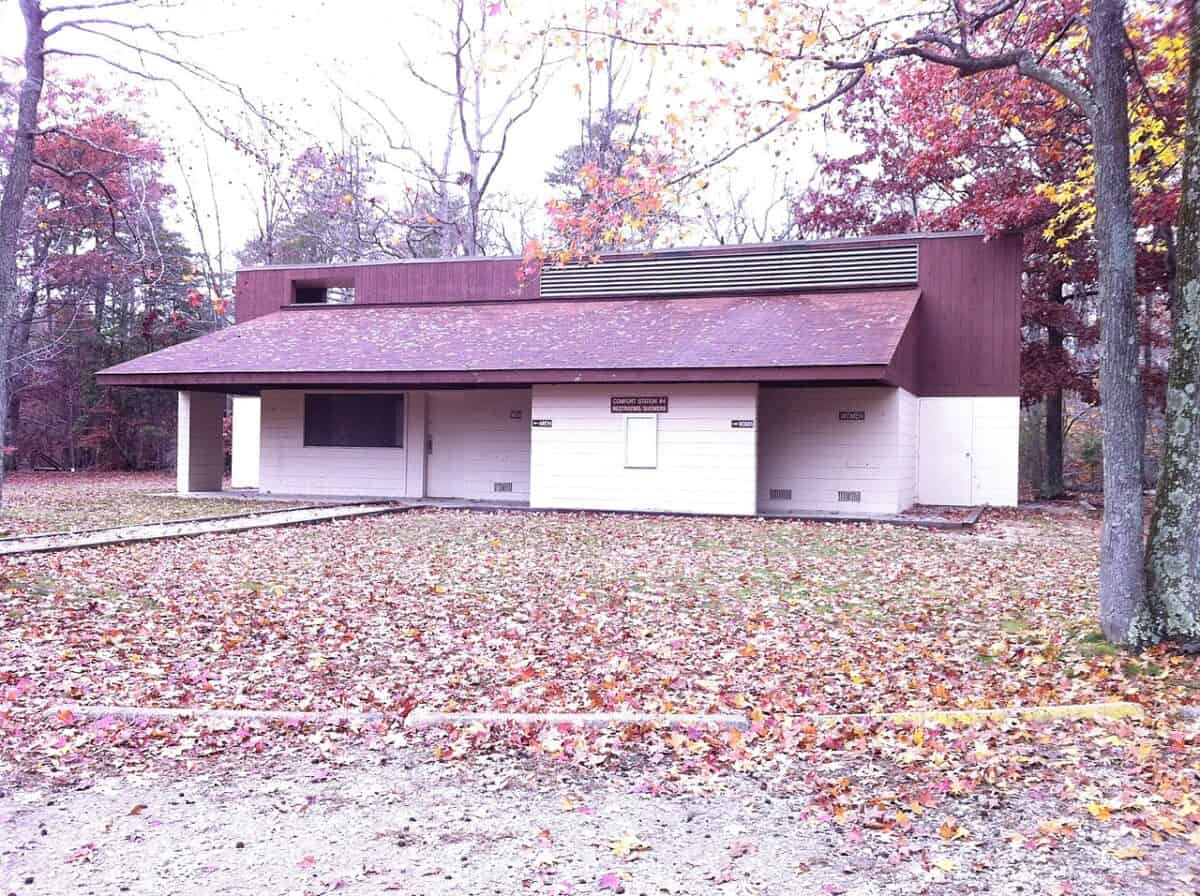
Just 20 miles from Washington D.C., Pohick Bay Regional Park along the Potomac River offers surprisingly good bald eagle viewing in close proximity to the nation’s capital. The park’s location within the Mason Neck Peninsula, which also includes Mason Neck National Wildlife Refuge, places it in the middle of one of the first designated bald eagle sanctuaries in the United States. While eagles can be spotted year-round, winter months (December through March) offer the best viewing when migrating eagles join the resident population. The park’s kayak rentals provide an excellent way to quietly approach areas where eagles frequently fish and perch. Over 60 pairs of bald eagles nest along this stretch of the Potomac, representing one of the densest concentrations in the Chesapeake Bay region.
Chassahowitzka National Wildlife Refuge, Florida
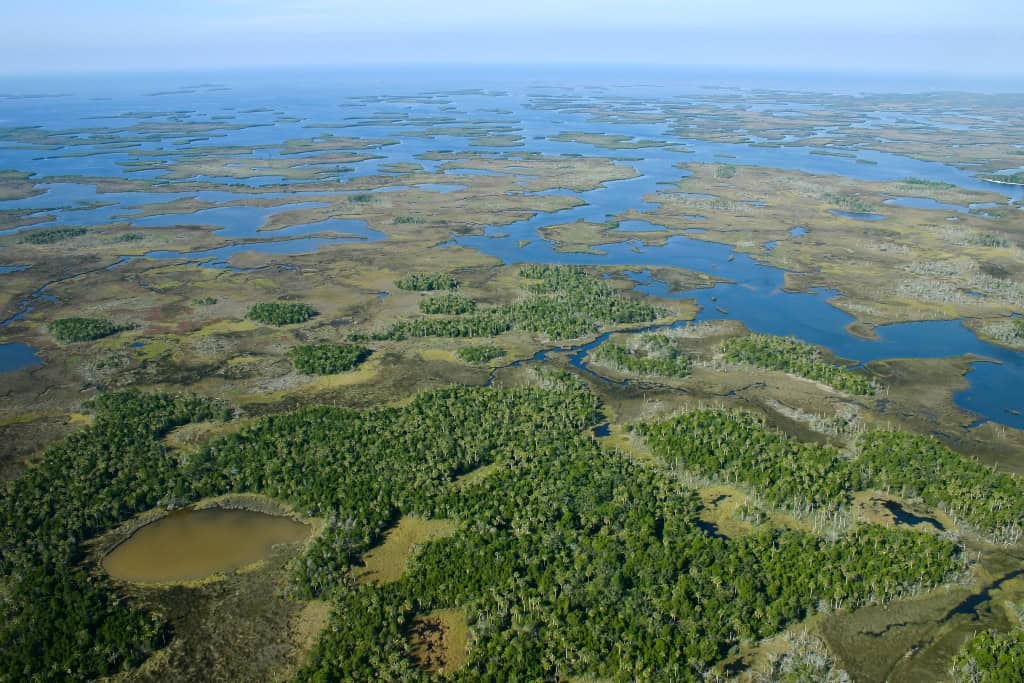
Florida’s Chassahowitzka National Wildlife Refuge on the Gulf Coast offers year-round eagle viewing opportunities in a subtropical setting. Unlike northern eagle populations that often migrate seasonally, Florida’s bald eagles tend to be permanent residents, with nesting occurring earlier than in northern states. More than 1,500 nesting pairs of bald eagles live in Florida, with many establishing territories within the refuge’s mix of coastal marshes, islands, and pine forests. The best viewing method is by boat, either through guided tours or kayak rentals available in nearby Crystal River. Fall and winter months (October through February) provide optimal viewing conditions as the lack of foliage makes nests more visible. Visitors might also spot eaglets in nests from December through April, depending on hatching schedules.
Quabbin Reservoir, Massachusetts
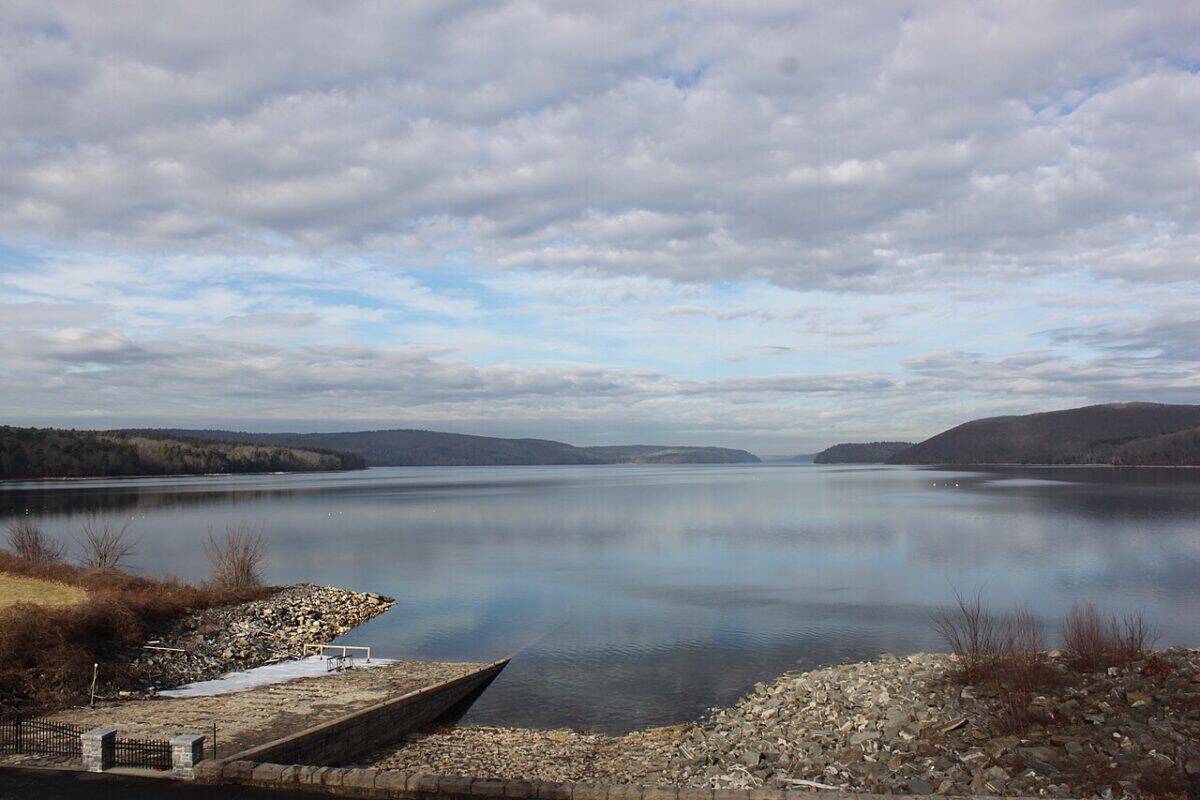
The Quabbin Reservoir in central Massachusetts represents one of the most successful bald eagle recovery stories in the northeastern United States. After eagles were completely absent from Massachusetts for decades, a reintroduction program began here in 1982. Today, the reservoir supports multiple nesting pairs and attracts dozens of additional eagles during winter months. The 39-square-mile reservoir, with its protected shorelines and abundant fish, creates ideal eagle habitat. The Enfield Lookout and Quabbin Park near the main dam offer excellent vantage points for eagle watching, particularly in winter when birds are more visible in leafless trees. The annual Quabbin Eagle Monitoring Program in January allows visitors to join biologists as they conduct population surveys, providing a unique citizen science opportunity.
Starved Rock State Park, Illinois
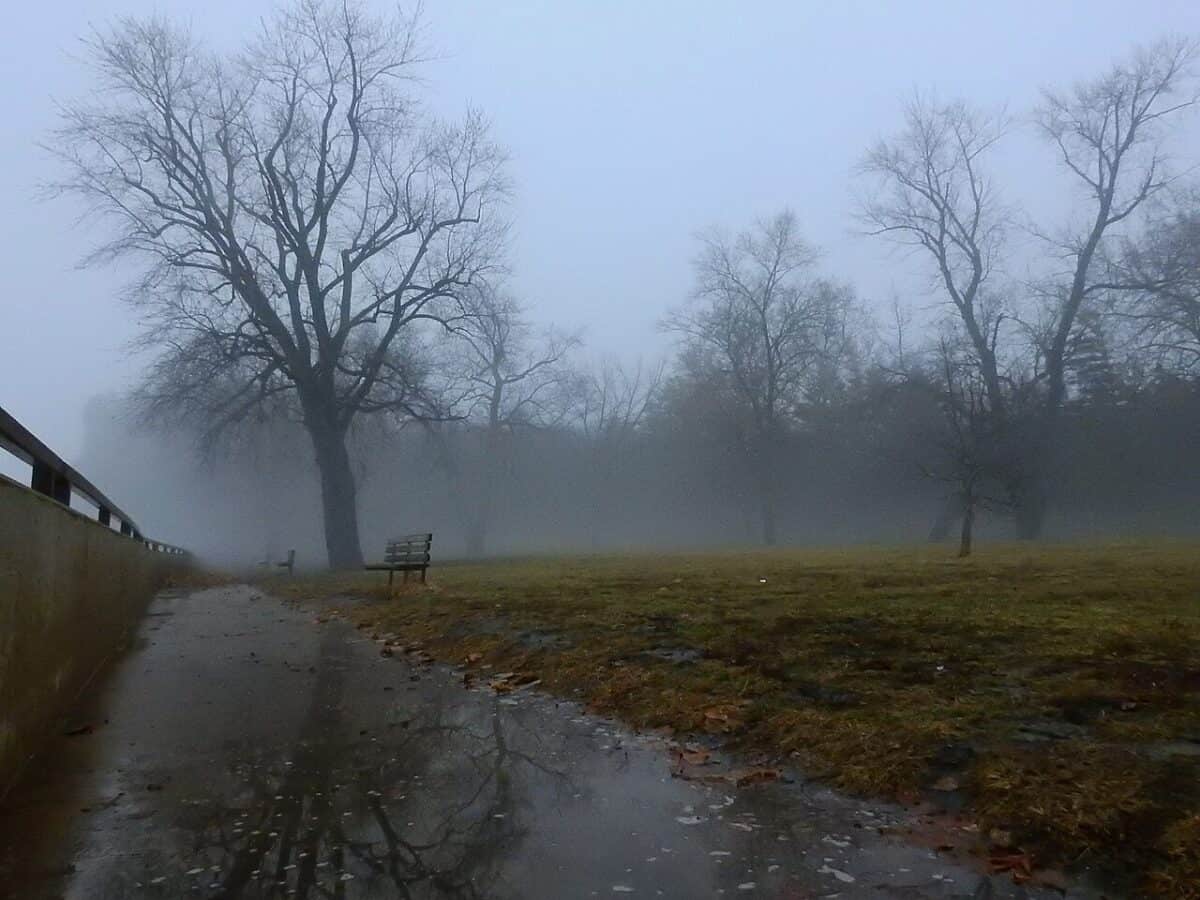
Starved Rock State Park along the Illinois River transforms into an eagle-watching hotspot during winter months. When the Mississippi River partially freezes upstream, eagles concentrate near the open water below Starved Rock Lock and Dam, sometimes gathering in numbers exceeding 100 birds. The park’s visitor center organizes “Eagle Watch Weekends” in January and February, featuring spotting scopes, guided hikes, and educational presentations. The best viewing locations include Starved Rock itself, a 125-foot sandstone butte overlooking the river, and nearby Plum Island Eagle Sanctuary. The park’s numerous canyons and trails offer unique opportunities to view eagles from different perspectives, sometimes at eye level as they perch on cliffs or soar through the river valley.
Conclusion: Essential Tips for Successful Eagle Watching

Successful eagle watching requires preparation, patience, and respect for these magnificent birds. Timing is crucial; early morning hours typically offer the most active eagle behavior as they hunt after overnight fasting. Dress appropriately for potentially cold, extended outdoor observation, using layers to adapt to changing conditions. Good quality binoculars with at least 8x magnification are essential, while spotting scopes (20-60x) allow detailed observation without disturbing the birds. Always maintain a respectful distance of at least 100 yards from eagles and their nests, as human disturbance can cause nest abandonment or prevent successful hunting. Consider joining organized eagle watches led by experienced naturalists who can help locate birds and provide educational context about behaviors you observe. Finally, practice responsible wildlife viewing by staying on designated paths, keeping voices low, and leaving no trace to ensure these magnificent birds remain accessible for future generations to enjoy.

As a little kid, I fell in love with nature, wildlife, and animals. Living in the USA, South Africa, Italy, China and Germany gave me the opportunity to discover the world's Wildlife. My favorite animals are Mountain Gorillas, Siberian Tigers, and Great White Sharks.
I'm a certified PADI Open Water Diver, went to Everest Base Camp and Trekked Gorillas in Uganda. I hold a Master of Science in Economics and Finance.
Please send any feedback to feedback@animalsaroundtheglobe.com
- 13 Places to Spot Bald Eagles in the Wild - July 25, 2026
- 12 Desert Dwelling Species of the American Southwest - July 25, 2026
- What Makes Cheetahs the Fastest Mammal on the Planet - July 25, 2026
Leave a comment
You must be logged in to post a comment.