

Cheetahs are renowned for their incredible speed, which makes them the fastest mammals on Earth. Their ability to reach and sustain such high speeds is a result of various unique physiological and anatomical adaptations. Here, we delve into what makes cheetahs such extraordinary sprinters.
Muscular Build and Skeletal Structure

🔥 Would you like to save this?
We'll email this post to you, so you can come back to it later!
Powerful Leg Muscles

🔥 Would you like to save this?
We'll email this post to you, so you can come back to it later!
Cheetahs have exceptionally strong and powerful leg muscles that provide the necessary force for rapid acceleration. These muscles are highly efficient at converting energy into explosive speed, enabling cheetahs to reach 60-70 miles per hour in a matter of seconds.
Flexible Spine

🔥 Would you like to save this?
We'll email this post to you, so you can come back to it later!
The cheetah’s spine is incredibly flexible, acting like a spring during running. This flexibility allows for a greater stride length, meaning cheetahs can cover more ground with each step. Their spine’s elasticity helps them to stretch their bodies out and then contract them in rapid succession, contributing to their speed.
Specialized Limb and Claw Structure

🔥 Would you like to save this?
We'll email this post to you, so you can come back to it later!
Long Limbs

🔥 Would you like to save this?
We'll email this post to you, so you can come back to it later!
Cheetahs possess long, slender limbs that are built for speed. Their legs are longer in proportion to their bodies compared to other big cats, allowing for an extended stride and more powerful propulsion with each leap.
Non-Retractable Claws
🔥 Would you like to save this?
We'll email this post to you, so you can come back to it later!
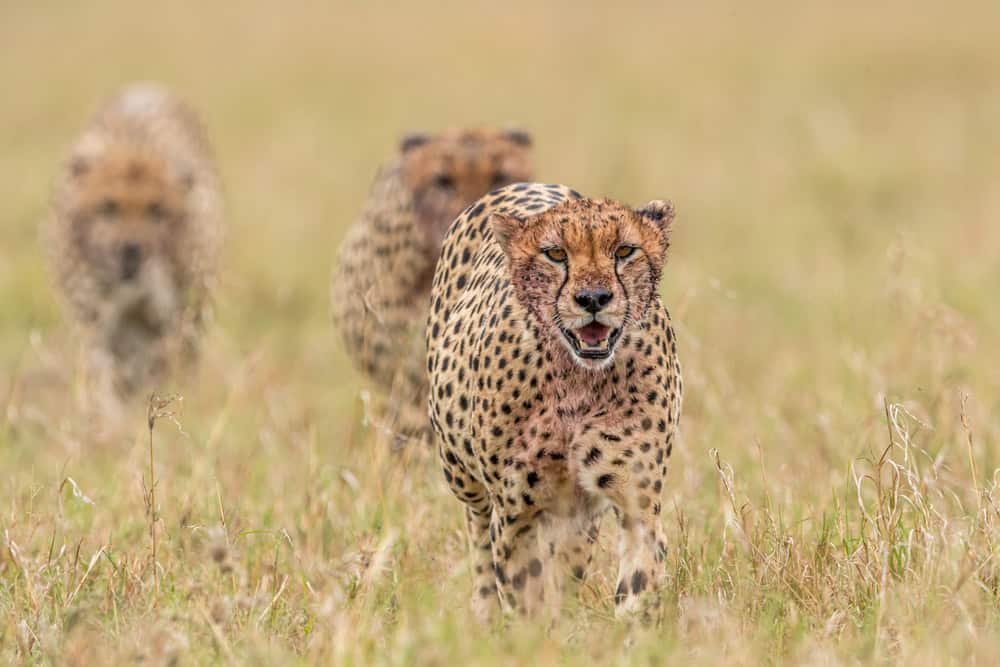
Unlike other cats, cheetahs have non-retractable claws that function like cleats. These claws dig into the ground, providing extra grip and traction during high-speed chases. This adaptation helps prevent slipping and enhances their ability to make quick, sharp turns while pursuing prey.
Enhanced Respiratory and Circulatory Systems

🔥 Would you like to save this?
We'll email this post to you, so you can come back to it later!
Enlarged Nasal Passages
🔥 Would you like to save this?
We'll email this post to you, so you can come back to it later!
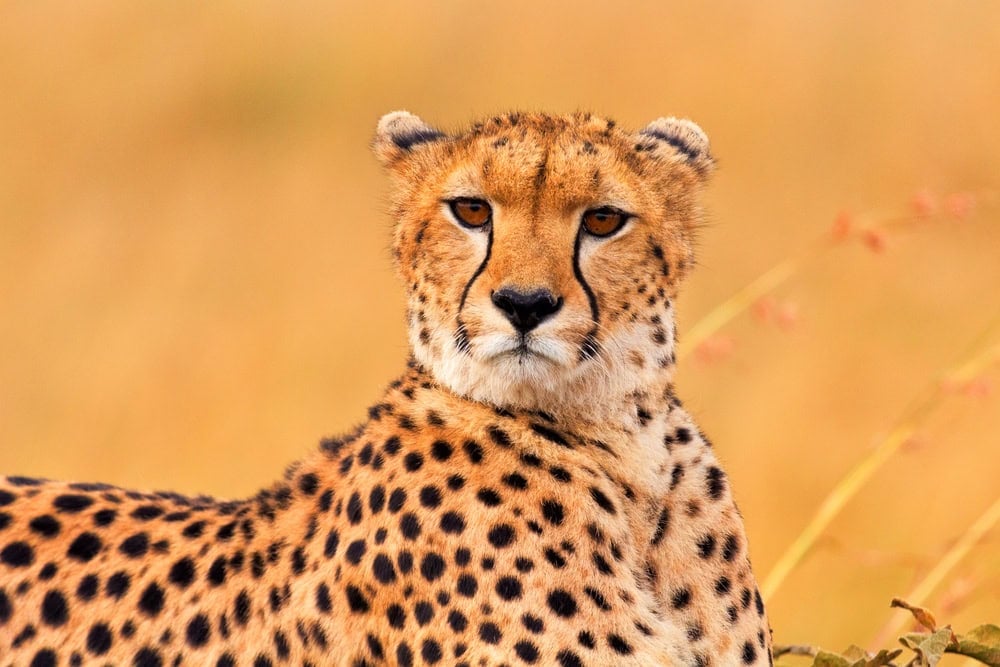
Cheetahs have large nasal passages that allow for a greater intake of oxygen. This is crucial during a high-speed chase, as their muscles require a significant amount of oxygen to sustain such rapid movements.
Large Lungs and Heart

🔥 Would you like to save this?
We'll email this post to you, so you can come back to it later!
The size of a cheetah’s lungs and heart are larger relative to its body size compared to other mammals. This enables efficient oxygen distribution throughout the body and supports the intense physical exertion required during a sprint. Their hearts pump more blood per beat, ensuring that their muscles receive ample oxygen.
Tail for Balance and Steering

🔥 Would you like to save this?
We'll email this post to you, so you can come back to it later!
Long, Muscular Tail

🔥 Would you like to save this?
We'll email this post to you, so you can come back to it later!
A cheetah’s tail is long and muscular, acting as a rudder to steer and maintain balance during a chase. The tail helps counterbalance the body, allowing for sharp turns and quick directional changes without losing speed or stability.
Burst of Speed

🔥 Would you like to save this?
We'll email this post to you, so you can come back to it later!
Cheetahs rely on short bursts of speed rather than long-distance endurance. They typically hunt during the day, using their keen eyesight to spot prey from a distance. Once they lock onto a target, they approach stealthily and then accelerate rapidly to catch their prey within a matter of seconds.
Energy Conservation

🔥 Would you like to save this?
We'll email this post to you, so you can come back to it later!
While cheetahs can reach incredible speeds, they can only maintain them for about 20-30 seconds. After a sprint, they need to rest and cool down, as the exertion generates a significant amount of body heat. Their hunting strategy is therefore highly efficient, targeting quick, decisive chases rather than prolonged pursuits.
Aerodynamic Body Shape

🔥 Would you like to save this?
We'll email this post to you, so you can come back to it later!
Sleek, Streamlined Build

🔥 Would you like to save this?
We'll email this post to you, so you can come back to it later!
Cheetahs have a sleek, streamlined body that minimizes air resistance. Their small, rounded head, narrow waist, and slim body all contribute to reducing drag while running at high speeds. This aerodynamic shape allows them to move swiftly through the air with minimal resistance.
Conclusion

🔥 Would you like to save this?
We'll email this post to you, so you can come back to it later!
Cheetahs are equipped with a remarkable set of adaptations that make them the fastest mammals on the planet. Their ability to reach and sustain such high speeds is a result of various unique physiological and anatomical adaptations.

As a little kid, I fell in love with nature, wildlife, and animals. Living in the USA, South Africa, Italy, China and Germany gave me the opportunity to discover the world's Wildlife. My favorite animals are Mountain Gorillas, Siberian Tigers, and Great White Sharks.
I'm a certified PADI Open Water Diver, went to Everest Base Camp and Trekked Gorillas in Uganda. I hold a Master of Science in Economics and Finance.
Please send any feedback to feedback@animalsaroundtheglobe.com
- 18 Powerful Lessons We Can Learn from Orca Social Structure - November 5, 2026
- 10 Incredible Migration Journeys in the Animal Kingdom - November 5, 2026
- 10 Sounds Dogs React To And 3 That Annoy Them - November 5, 2026