


In the azure waters off Florida’s coast, recreational divers and amateur paleontologists frequently make extraordinary discoveries that connect us to Earth’s ancient past. Among the most prized finds are the fossilized teeth of Otodus megalodon, the largest shark species ever to swim the planet’s oceans. Florida’s unique geological composition and underwater landscape have made it one of the world’s premier locations for discovering these prehistoric treasures. Recent notable discoveries by Florida divers have reignited scientific interest and public fascination with these massive extinct predators that once dominated marine ecosystems millions of years ago.
The Magnificent Megalodon: An Overview

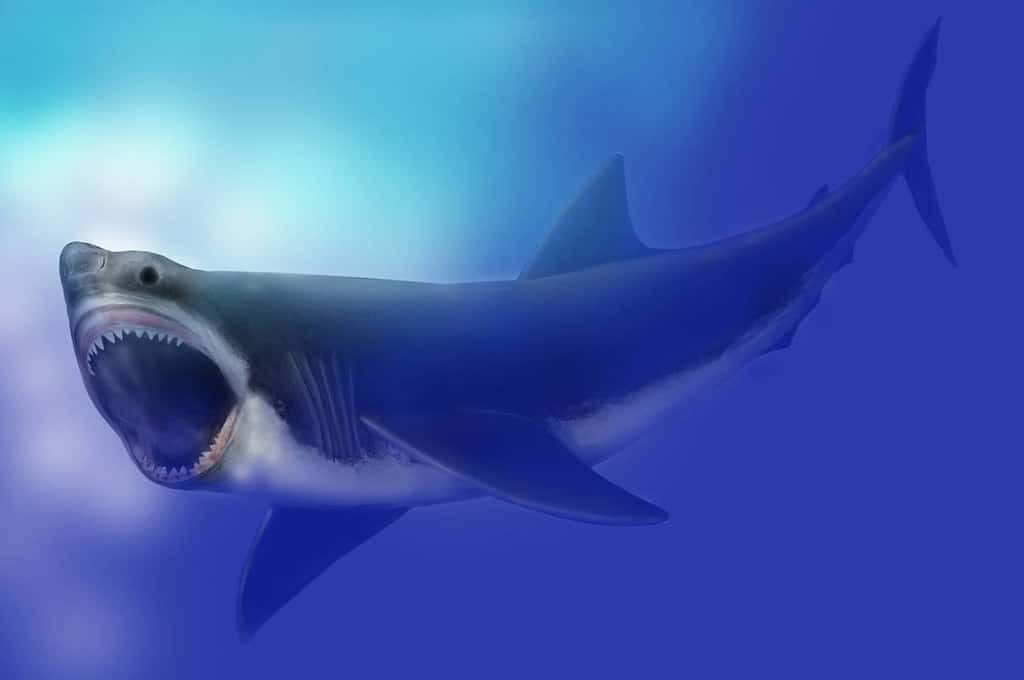
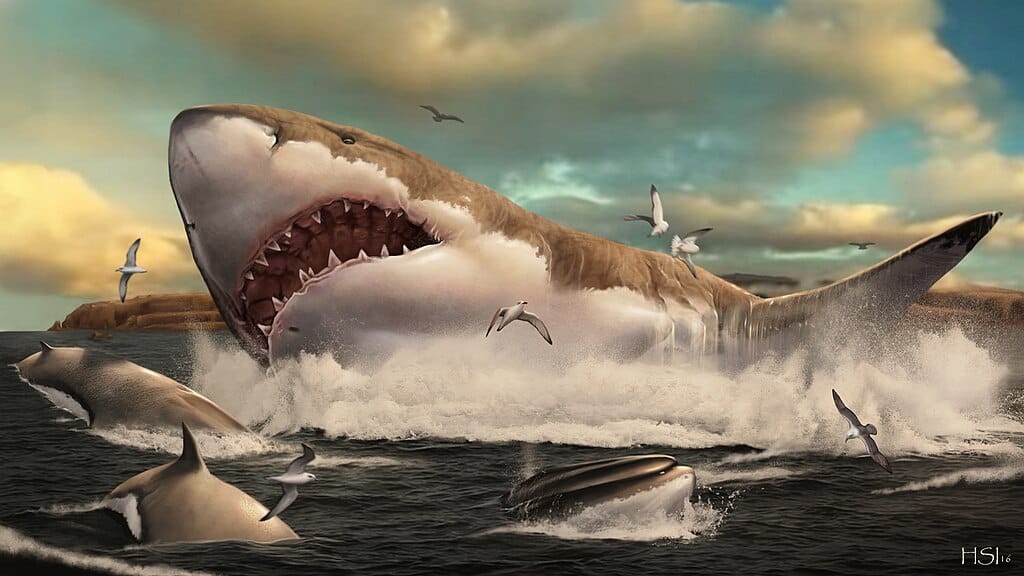
The megalodon (Otodus megalodon) was a colossal shark species that lived approximately 23 to 3.6 million years ago during the Miocene and Pliocene epochs. Scientists estimate these prehistoric giants reached lengths of 50 to 60 feet, dwarfing today’s largest great white sharks, which typically max out at around 20 feet.
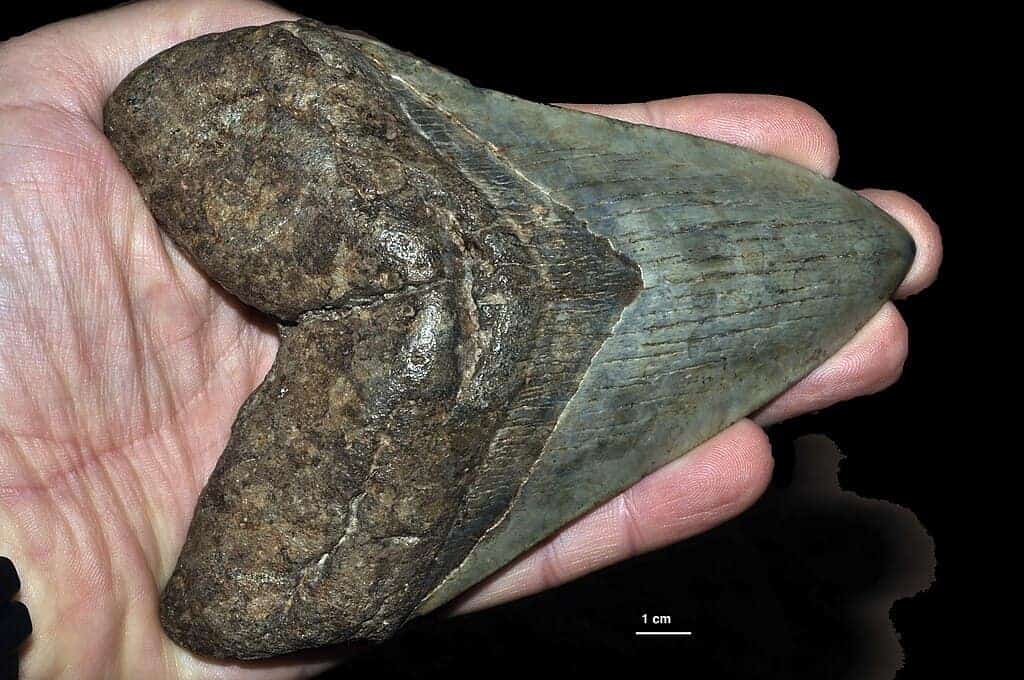
With jaws powerful enough to crush the bones of whales and teeth that could grow up to 7 inches long, megalodons were the apex predators of their time. Unlike modern sharks whose skeletons consist primarily of cartilage, the megalodon’s biological legacy is preserved almost exclusively through their fossilized teeth and occasional vertebral centra, making each discovered tooth a valuable window into prehistoric marine life.
Why Florida Waters Are Rich in Megalodon Fossils

Florida represents a geological treasure trove for megalodon teeth due to its unique formation and history. During the time megalodons roamed the oceans, much of present-day Florida was submerged underwater, serving as prime hunting grounds for these massive predators. As sea levels fluctuated over millions of years, the sedimentary layers preserved countless teeth shed by these sharks throughout their lifetimes.
Each megalodon, like modern sharks, could produce thousands of teeth over its lifespan, continuously replacing them as they wore down or broke. Florida’s rivers, coastal areas, and offshore locations—particularly near Venice, known as the “Shark Tooth Capital of the World”—have become renowned hunting grounds for these prehistoric fossils. The state’s relatively stable geological conditions and minimal tectonic activity have helped preserve these fossils in exceptional condition.
Recent Notable Discoveries by Florida Divers

In recent years, Florida divers have made headlines with several spectacular megalodon tooth discoveries. In 2022, amateur diver Michael Nastasio discovered a pristine 6.25-inch megalodon tooth in the waters off Venice Beach—one of the largest specimens found in Florida in decades. The tooth, featuring intact serrations and minimal erosion, was estimated to be approximately 3-5 million years old.
Similarly, in 2021, a family diving expedition near Manasota Key recovered a collection of five nearly perfect megalodon teeth in a single dive, a remarkably rare occurrence that attracted attention from paleontologists nationwide. These finds continually demonstrate the rich paleontological heritage beneath Florida’s coastal waters and highlight the ongoing potential for significant discoveries by recreational divers.
The Science of Identifying Authentic Megalodon Teeth

Authenticating megalodon teeth requires careful examination of several distinctive characteristics. Genuine megalodon teeth typically display a triangular shape with serrated edges, a robust bourlette (the root structure), and distinctive enamel patterns. Their size alone sets them apart from other shark species, with most adult megalodon teeth measuring between 3 and 6 inches in length, though specimens exceeding 7 inches have been recovered.
Color variations in fossils—ranging from black and gray to brown and sometimes even blue—result from the mineralization process and surrounding sediment composition rather than the original tooth color. Experts evaluate the fossilization quality, examining details like serration preservation and root completeness to determine both authenticity and scientific value. Modern technology, including CT scanning and elemental analysis, helps researchers differentiate authentic specimens from skilled replicas that occasionally enter the collector market.
The Legal Framework for Fossil Collection in Florida
Florida maintains specific regulations governing the collection of paleontological specimens, including megalodon teeth. Unlike some states with strict prohibitions, Florida generally permits recreational fossil hunting with proper permits. The Florida Fossil Permit, issued by the Florida Museum of Natural History for a nominal fee, is required for collecting vertebrate fossils on state-owned lands and waterways. However, this permit system excludes artifacts and fossils from native peoples, which remain protected by separate regulations.
Private property collection requires explicit landowner permission, while federal lands like national parks prohibit any fossil removal. Offshore diving for fossils in state waters (within three nautical miles of the Atlantic coast or nine nautical miles of the Gulf coast) typically requires the state permit, while collections beyond these boundaries fall under different jurisdictional rules. Responsible divers familiarize themselves with these regulations before embarking on fossil-hunting expeditions to ensure both legal compliance and preservation of scientific resources.
Diving Techniques for Megalodon Tooth Hunters

Successful megalodon tooth hunting requires specialized diving techniques and equipment adapted to Florida’s underwater conditions. Most productive fossil dives occur in depths ranging from 20 to 90 feet, often in areas with substantial current. Experienced fossil divers employ a “fanning” technique, using their hands or small tools to gently displace sediment layers covering potential specimens. Many utilize mesh bags specifically designed to carry fossils while preventing damage during the remainder of the dive.
Night diving with powerful underwater lights can be particularly effective, as the lights cause the enamel of exposed teeth to glow distinctively against the seafloor. Safety remains paramount in this specialized pursuit—divers must maintain proper buoyancy control to avoid stirring up excessive sediment that reduces visibility. The most successful hunters develop a trained eye for recognizing the distinctive triangular shape and serrated edge patterns of megalodon teeth, even when they’re partially buried or encrusted with marine growth.
The Most Productive Florida Locations for Megalodon Teeth

Several Florida locations have earned reputations as premier megalodon tooth hunting grounds. Venice Beach stands uncontested as the “Shark Tooth Capital of the World,” where enthusiasts regularly find smaller shark teeth along the shoreline and divers discover larger specimens offshore. The Peace River, running through Florida’s interior, offers exceptional opportunities for wading and shallow diving, particularly after heavy rains that erode riverbanks and expose new fossils.
The Cooper River in Florida’s northeast provides deeper diving opportunities with typically larger specimens, though diving conditions can be challenging with limited visibility and stronger currents. The phosphate-rich regions near Bone Valley in central Florida, once extensively mined, have yielded some of the state’s largest megalodon teeth specimens, though access is now limited primarily to private quarries. Offshore sites in the Gulf of Mexico, particularly around artificial reefs and ledges, continue to produce spectacular finds for experienced divers with appropriate boats and equipment.
The Scientific Value of Civilian Discoveries
Recreational divers’ discoveries play a surprisingly significant role in advancing paleontological research. When properly documented and reported, civilian finds contribute valuable data about megalodon distribution patterns, habitat preferences, and population densities across prehistoric Florida. The University of Florida’s Florida Museum of Natural History maintains a voluntary reporting system for significant finds, allowing researchers to document discoveries without necessarily taking possession of specimens.
Several breakthrough insights about megalodon size estimations and extinction timelines have originated from civilian discoveries, including a 2015 find off Florida’s Atlantic coast that helped refine extinction date estimates. Paleontologists emphasize the importance of recording precise location data, depth, and surrounding sediment characteristics when making significant discoveries. This citizen-science approach creates a collaborative relationship between hobbyists and researchers, maximizing the scientific value of each tooth recovered from Florida’s waters while allowing collectors to maintain their finds.
The Collector’s Market for Megalodon Teeth

A vibrant collector’s market exists for megalodon teeth, with specimens commanding prices from hundreds to tens of thousands of dollars based on size, condition, and rarity. Teeth exceeding 6 inches with intact serrations and minimal restoration work represent the upper echelon of the market, with documented sales exceeding $50,000 for museum-quality specimens. Particularly valuable are teeth displaying uncommon characteristics, such as pathological deformities indicating jaw injuries, feeding damage, or unusual mineralization patterns.
The collector’s market follows established grading systems assessing completeness, serration preservation, enamel quality, and root condition. Florida’s abundant supply of megalodon teeth makes it a significant source for this specialized market, with Venice Beach shops and online dealers offering authenticated specimens. Serious collectors often seek provenance documentation, including dive location details and discovery circumstances, which can significantly enhance a specimen’s value beyond its physical characteristics.
What Megalodon Teeth Reveal About Prehistoric Marine Ecosystems

Each megalodon tooth recovered from Florida waters serves as a time capsule, offering scientific insights into ancient marine ecosystems. Researchers analyze tooth size and morphology to estimate megalodon body dimensions and bite force capabilities, with recent studies suggesting these predators could exert over 40,000 pounds of bite pressure—powerful enough to crush the strongest whale bones. Trace element analysis of tooth enamel provides data about ocean chemistry and temperature conditions during the Miocene and Pliocene epochs.
Distribution patterns of teeth across different Florida locations help paleontologists reconstruct migration routes and breeding grounds of these ancient predators. Evidence of prey interaction appears in some specimens, where teeth show distinctive wear patterns associated with feeding on specific prey species. The growth patterns visible in megalodon teeth also provide valuable information about their life history, suggesting these sharks may have lived 40 years or longer and experienced distinct growth phases similar to modern great whites, but on a much larger scale.
Conservation and Ethical Considerations

The popularization of megalodon tooth hunting raises important ethical and conservation considerations. While these fossils are non-renewable resources, Florida’s coastal processes continually expose new specimens through erosion and sediment movement, creating a sustainable balance for responsible collection. The fossil diving community increasingly embraces a conservation ethic, documenting significant finds photographically before collection and reporting scientifically important specimens to researchers.
Many dive operators and fossil hunting guides now incorporate educational components into their services, emphasizing the scientific and historical significance of these ancient remains beyond their collector value. Museums and educational institutions establish partnerships with experienced fossil divers, creating channels for exceptional specimens to enter public collections where they can benefit broader research and education. The most responsible practitioners advocate for a balanced approach that preserves scientific knowledge while allowing for the enthusiasm and wonder that drives this popular Florida activity.
Conclusion: The Enduring Fascination with Prehistoric Ocean Giants
The ongoing discoveries of megalodon teeth in Florida’s waters represent more than exciting finds for recreational divers—they maintain our connection to Earth’s remarkable prehistoric past. Each serrated tooth edge and massive fossil root recovered from the seafloor offers tangible evidence of creatures so immense they strain our modern imagination.
Florida’s unique geological conditions have preserved this ancient legacy, allowing both scientists and citizens to participate in uncovering the story of these ocean predators. As technology advances and diving techniques improve, we can anticipate even more remarkable discoveries that will continue to refine our understanding of megalodons and their world. These fossilized remains, millions of years in the making, remind us that our planet’s history extends far beyond human experience, inviting us to marvel at the extraordinary creatures that once ruled Earth’s ancient seas.

From exploring the marine wonders in the Azores and witnessing the vast savannas of Kenya, to delving deep into the rich biodiversity of South Africa and traversing iconic landscapes in Australia and the US like Yellowstone, Chris's experiences are vast.
With a penchant for diving alongside sharks, the ocean holds a special place in his heart.
Through his academic insights, he champions wildlife conservation, striving with 'Animals Around The Globe' to cultivate a profound connection between humans and animals, enhancing our mutual appreciation.
Connect with him at Feedback@animalsaroundtheglobe.com.
- Jaguars Are the Only Cats That Crush Skulls—Here’s Why - June 22, 2026
- This Fish Has the Most Teeth in the Ocean—And Uses Them Well - June 22, 2026
- Bears Sit Like Humans While They Watch the World Go By - June 22, 2026