

In the animal kingdom, there exists a remarkable phenomenon that seems almost magical to the human eye – regeneration. While humans can heal wounds and regrow some tissues, our regenerative abilities pale in comparison to many other species. From regrowing entire limbs to replacing vital organs, these remarkable creatures showcase nature’s incredible resilience and adaptability. This regenerative capability is not just a fascinating biological curiosity but represents millions of years of evolutionary adaptation that helps these animals survive predation and injury in their natural habitats. Here, we explore 14 extraordinary animals that possess the remarkable ability to regenerate body parts, each with its own unique regenerative processes and capabilities.
Axolotls The Regeneration Champions

The axolotl (Ambystoma mexicanum), a salamander native to Mexico, stands as perhaps the most impressive regenerator in the vertebrate world. These aquatic creatures can regrow not just limbs but also parts of their brain, spinal cord, heart, and other organs with astonishing precision. When an axolotl loses a limb, specialized cells called blastema cells gather at the wound site, dedifferentiate (essentially “forgetting” what specific cells they were), and then redifferentiate to form the exact tissues needed to create a perfect replacement limb. What makes axolotls particularly remarkable is that the regenerated limbs contain all the same bones, muscles, nerves, and blood vessels as the original, with no scarring. Scientists studying axolotl regeneration have identified unique genes and cellular mechanisms that aren’t active in mammals, providing valuable insights for regenerative medicine research.
Starfish Masters of Arm Regeneration
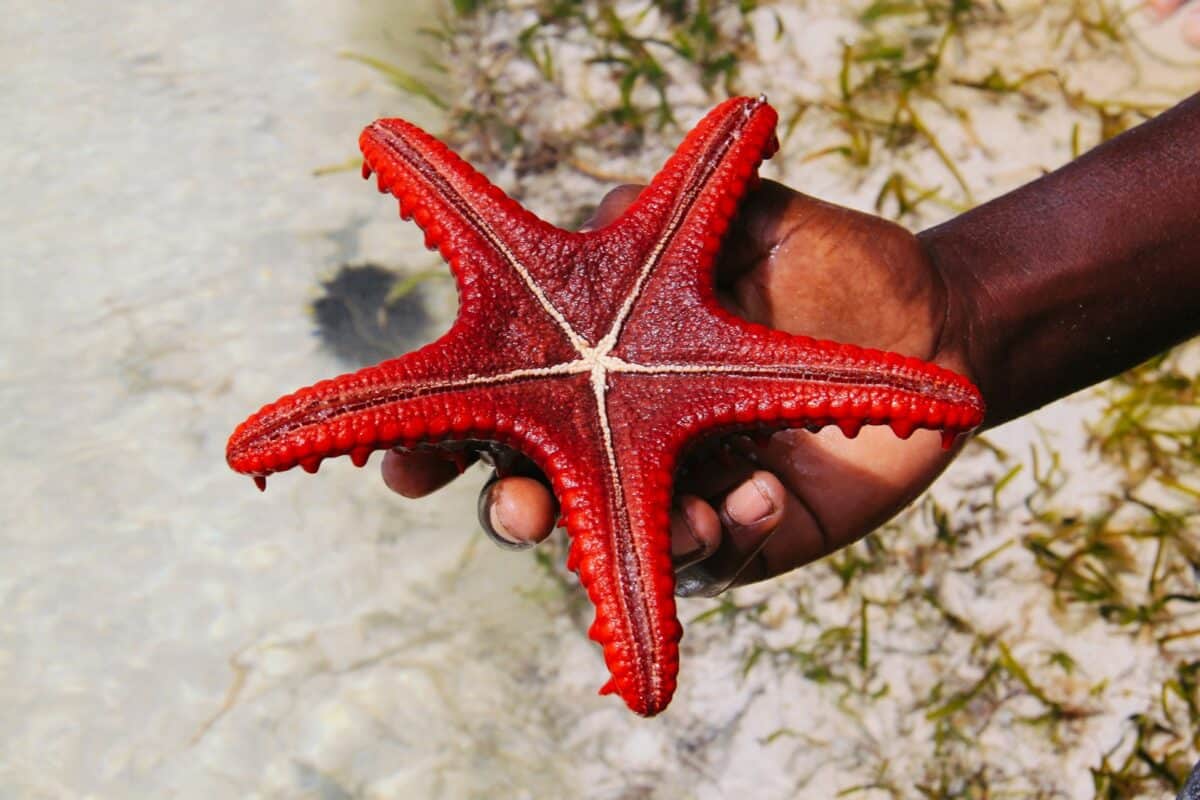
Starfish (or sea stars) possess one of the most impressive regenerative abilities in the animal kingdom. Many species can regrow an entire body from just a single arm and a portion of the central disc. This process begins with wound healing, followed by the formation of a blastema (a mass of undifferentiated cells) that develops into the new body parts. Some species, like the Linckia starfish, practice “fission” as a form of asexual reproduction, deliberately splitting themselves and regenerating missing parts. The process can take several months to a year, depending on the species and extent of regeneration needed. Interestingly, the regenerated arm may initially appear smaller or slightly different in color before eventually matching the original. This remarkable ability helps starfish survive predator attacks, as they can sacrifice an arm to escape and then regrow it later—an evolutionary adaptation that exemplifies the biological principle of sacrificing a part to save the whole.
Lizards Tail-Dropping Experts
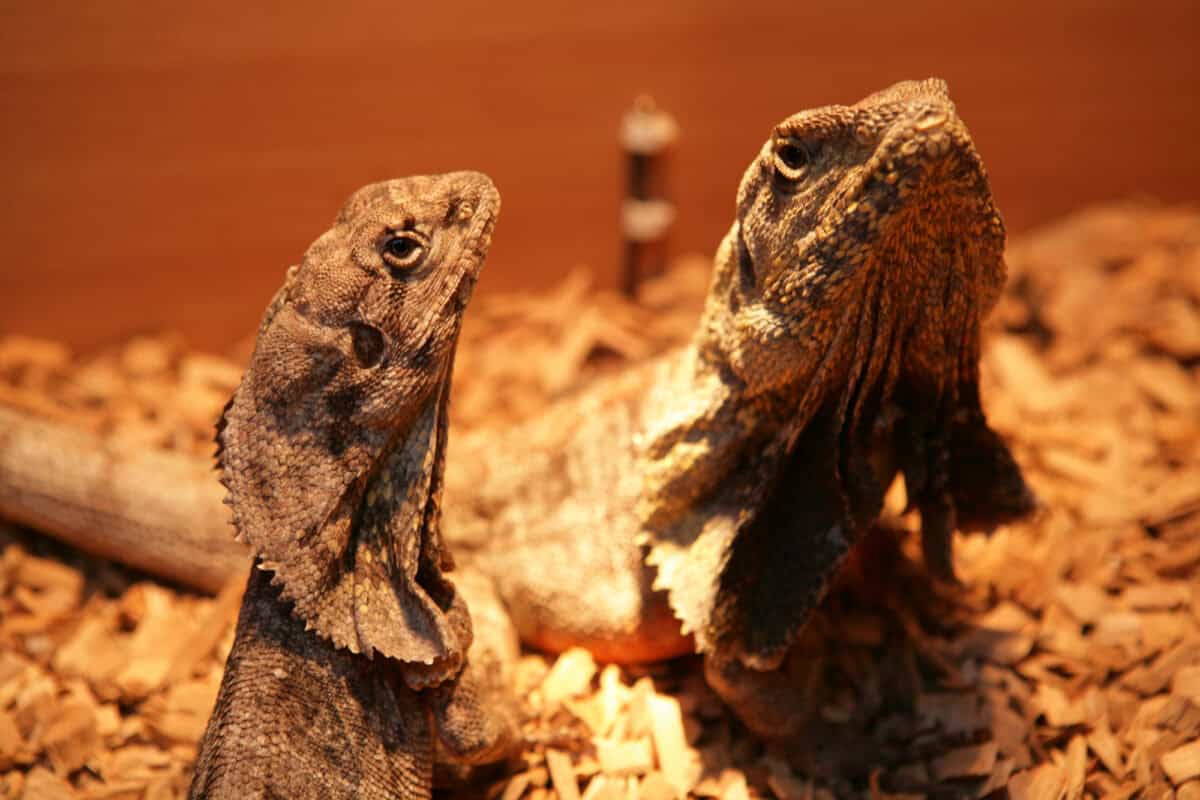
Many lizard species employ a defensive strategy called autotomy—the voluntary shedding of their tails when threatened by predators. This sacrificial tactic serves as a distraction, as the detached tail continues to wriggle and twitch, buying the lizard valuable escape time. Unlike some regenerators that recreate exact replicas of lost parts, the lizard’s regenerated tail differs from the original. The new tail contains a cartilaginous rod instead of vertebrae and has different muscle arrangements and scales. Species like the green anole (Anolis carolinensis) and many geckos can regrow their tails in about 60 days, though the regenerated appendage is usually shorter and may have different coloration. Fascinatingly, this regenerative ability diminishes with age, with older lizards regrowing tails more slowly or incompletely. Scientists have identified specific stem cells that activate during this process, and research on lizard tail regeneration offers potential insights for human spinal cord injury treatments.
Sharks Continuous Tooth Replacement

Sharks possess one of the most efficient tooth regeneration systems in the animal kingdom, with some species going through up to 30,000 teeth in a lifetime. Unlike humans, who get just two sets of teeth, sharks have evolved a conveyor belt-like system of tooth production. Their teeth are arranged in multiple rows, with new teeth constantly developing in the back of the mouth and moving forward to replace those lost during feeding. The great white shark, for example, can replace a lost tooth within days, ensuring they’re never left without their primary hunting tools. This continuous replacement system varies by species—tiger sharks can replace individual teeth within 24 hours, while other species may take weeks. The teeth are not true bone but made of dentin covered with hard enamel-like tissue, making them both strong and relatively quick to produce. This remarkable adaptation ensures sharks remain efficient predators throughout their lives, even as they routinely lose teeth when biting prey or during aggressive encounters.
Planarians Whole Body Regenerators

Planarians are small, flatworms with regenerative abilities that border on the unbelievable—they can regenerate an entire body from as little as 1/279th of their original form. These remarkable creatures owe their regenerative superpowers to a high concentration of adult stem cells called neoblasts, which make up roughly 20-30% of all their cells. When a planarian is cut into pieces, the neoblasts in each fragment migrate to the wound site and proliferate rapidly, differentiating into whatever cell types are needed to restore the missing portions. Most impressively, planarians maintain perfect proportions during regeneration, with each fragment growing or shrinking to create a properly sized new worm. Their regeneration includes complex structures like the brain and digestive system, and they can even regenerate after being subjected to lethal radiation doses, provided a small population of neoblasts survives. Scientists have identified over 240 genes involved in planarian regeneration, making these humble flatworms invaluable models for studying fundamental principles of regenerative biology that might someday inform human tissue regeneration therapies.
Sea Cucumbers Expelling and Regrowing Organs

Sea cucumbers employ one of the most dramatic defensive strategies in the animal kingdom—evisceration. When threatened, certain species can expel their internal organs, including the respiratory tree, intestines, and even reproductive organs, through their anus or a body wall rupture. This startling tactic serves either to distract predators or to release toxic compounds that deter attackers. What makes this ability truly remarkable is their capacity to regenerate these complex organ systems within a few weeks. The regeneration process involves specialized cells called morula cells that proliferate around the wound site and differentiate into the specific tissues needed. Different species have varying regenerative timelines—some can restore their digestive tract in just a week, while complete regeneration of all organs typically takes 3-5 weeks. This regenerative process is influenced by environmental factors such as temperature, with warmer waters generally accelerating regeneration. Scientists study sea cucumber regeneration not only for its biological significance but also for potential applications in regenerative medicine, as these echinoderms produce compounds with promising wound-healing properties.
Deer Annual Antler Regeneration
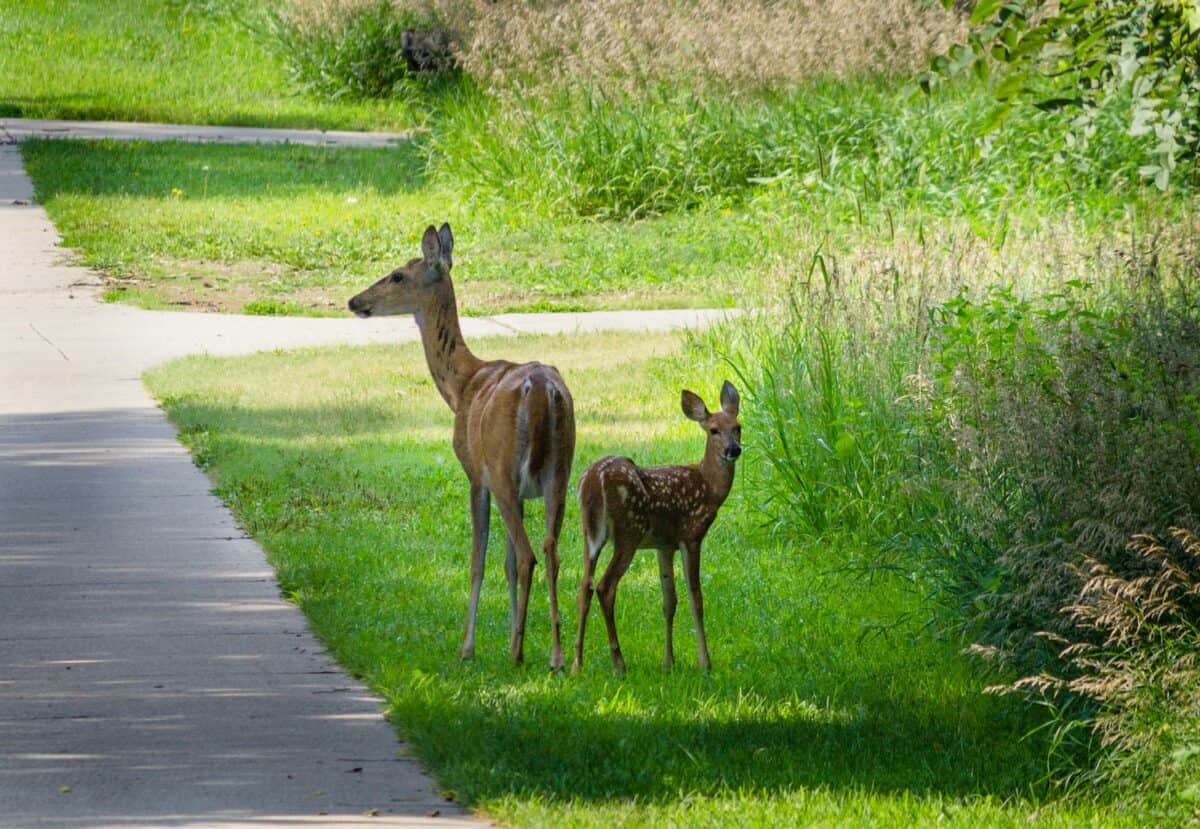
Unlike permanent horns found on animals like rhinos, deer antlers represent the only mammalian appendage capable of complete regeneration. Male deer (and female reindeer) shed and regrow their antlers annually in a process tied to their reproductive cycle. After the breeding season, decreasing testosterone levels trigger the weakening of the connection between antlers and their bony base (the pedicle), causing them to drop off. Regeneration begins immediately with the formation of a blood-rich tissue called velvet that covers the growing antlers. This velvet supplies nutrients and oxygen to support the fastest growing mammalian tissue known—antlers can grow up to an inch per day in some species. The new antlers are initially composed of cartilage that gradually ossifies into bone. As testosterone rises before the next breeding season, blood supply to the velvet cuts off, causing it to dry and peel away, revealing the hardened bony antlers beneath. Each year’s regrowth typically results in larger, more complex antlers until the deer reaches prime age. This remarkable regenerative cycle provides valuable insights for bone growth research and has applications in osteoporosis and fracture healing studies.
Octopuses Arm Regeneration Specialists

Octopuses possess the remarkable ability to regenerate their arms when damaged or lost, a crucial adaptation for these intelligent cephalopods. When an octopus loses an arm—whether through predator encounters, territorial disputes, or even self-amputation to escape danger—the wound quickly seals to prevent blood loss and infection. Within hours, specialized cells begin multiplying at the wound site, initiating the regeneration process. Unlike some regenerating animals that form a blastema, octopuses regenerate through direct growth from the wound. The process begins with the formation of a small arm bud that progressively elongates and develops the complex muscular and nervous systems characteristic of octopus arms. Complete regeneration typically takes 100-130 days, with the new arm initially appearing lighter in color before developing full pigmentation. Most impressively, the regenerated arm contains all the same neural connections and sucker functionality as the original, allowing for the same dexterity and sensory capabilities. This regenerative ability varies somewhat among octopus species, with deep-sea varieties generally having slower regeneration rates than coastal species.
Spiders Leg Regrowth During Molting
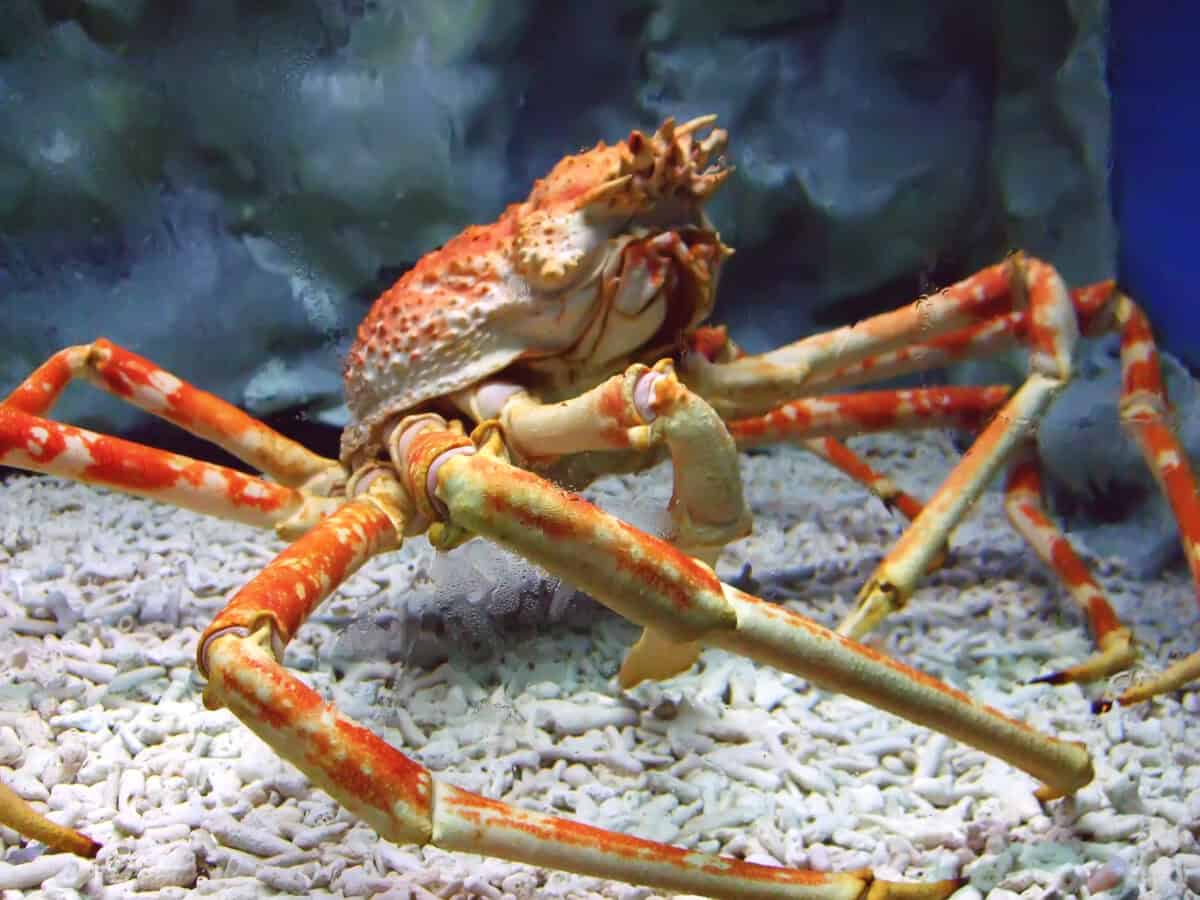
Spiders possess the ability to regenerate lost legs, though their process differs significantly from many other regenerating animals. When a spider loses a leg—whether from a predator attack or through autotomy (self-amputation) to escape danger—the wound quickly seals with a small scab. Unlike animals that can regenerate at any time, spiders must wait until their next molt to replace the missing limb. During molting, as the spider sheds its old exoskeleton, a new leg emerges from the previously wounded area. This regenerated leg initially appears smaller and lighter in color than the original but will continue to develop and approach normal size with subsequent molts. Young spiders, which molt more frequently, can regain near-normal legs relatively quickly, while adult spiders that molt less often may never fully restore their original leg size. The regenerative process is most effective when the leg is lost at a natural breaking point near the base. This evolutionary adaptation helps spiders survive in the wild despite losing limbs, as even a slightly smaller replacement leg restores much of their mobility and hunting capability, significantly improving their survival chances compared to remaining permanently limb-deficient.
Zebrafish Heart and Fin Regenerators

Zebrafish have become a cornerstone of regeneration research due to their remarkable ability to regrow damaged heart tissue, fins, and even portions of their brain, retina, and spinal cord. Unlike mammals, whose heart muscle typically scars after injury, zebrafish can regenerate up to 20% of their heart ventricle within two months after damage. This process involves existing cardiomyocytes (heart muscle cells) dedifferentiating—essentially reverting to a more primitive state—before proliferating to replace the damaged tissue. Their fin regeneration is equally impressive, with complete regrowth occurring within two weeks through the formation of a blastema (a mass of dedifferentiated cells) that rebuilds the complex tissue structure. What makes zebrafish particularly valuable for research is their genetic similarity to humans, combined with their transparent embryos that allow scientists to directly observe developmental and regenerative processes. Scientists have identified key genetic factors controlling zebrafish regeneration, including the presence of activated macrophages that prevent scarring and promote healing. This research has profound implications for human medicine, potentially informing treatments for heart disease, spinal cord injuries, and retinal disorders.
Sponges Cellular Reorganization Masters

Sea sponges demonstrate perhaps the most extreme form of regeneration in the animal kingdom—they can regenerate after being completely dissociated into individual cells. In a remarkable process first documented in the 1900s, scientists found that when pushed through a fine mesh that separates all their cells, sponges can reorganize and reconstruct their entire bodies. This extraordinary ability stems from the cellular plasticity of sponges, whose cells maintain the capacity to dedifferentiate and redifferentiate as needed. When a sponge is damaged in nature, cells called archaeocytes migrate to the wound site and transform into whatever cell types are needed. Additionally, sponges can reproduce asexually through fragmentation, with broken pieces developing into complete new individuals. Their regenerative capability extends to continuous cell replacement—sponges constantly shed and replace their cells as part of normal physiological processes. This extreme regenerative ability has helped sponges become one of Earth’s most evolutionarily successful animal groups, surviving relatively unchanged for over 600 million years. Scientists studying sponge regeneration hope to uncover fundamental principles of cellular communication and organization that could inform tissue engineering approaches in human medicine.
Hydras Immortal Regenerators
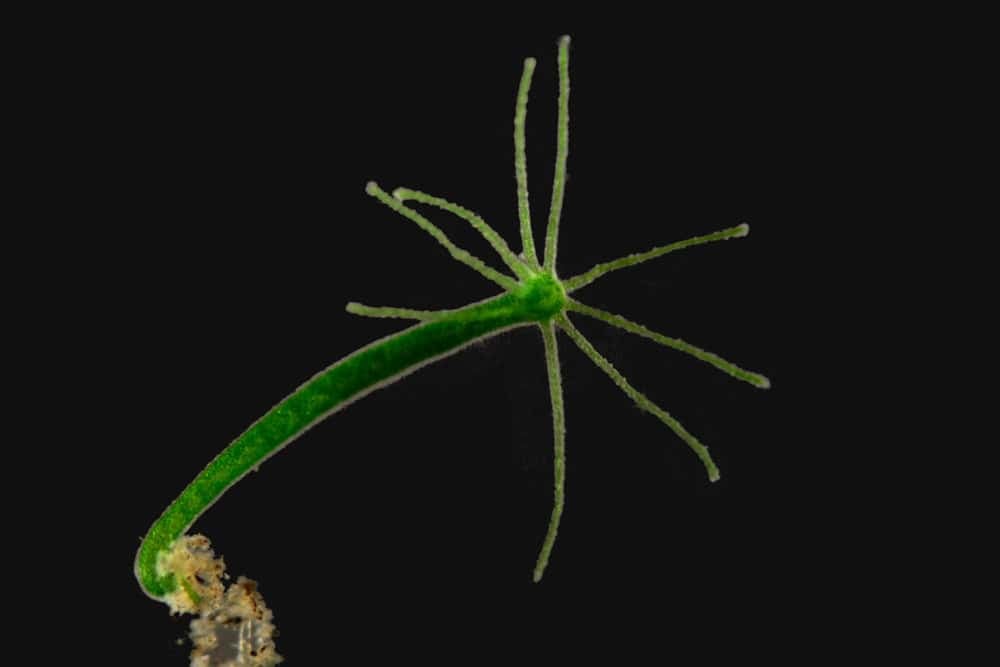
Hydras, small freshwater relatives of jellyfish, possess regenerative abilities so profound they’re considered biologically immortal. These simple tube-shaped animals can regenerate any part of their body, including their head and neural structures. When cut in half, each piece will develop into a complete new hydra; when cut into multiple pieces, each fragment capable of developing a new head will become a complete animal. This extraordinary regenerative capacity stems from their abundant stem cells and unique body composition. Hydras maintain three distinct stem cell populations that continually renew their body tissues, effectively preventing aging. Their cellular renewal is so efficient that a hydra’s cells are completely replaced every 20 days. The regeneration process involves a precise genetic cascade that ensures proper orientation—when regenerating, hydras always know which end should develop a head and which a foot. This directional awareness, called polarity, is maintained through complex chemical gradients. Scientists have identified key genes controlling hydra regeneration, including those in the Wnt signaling pathway, which are conserved across many species including humans. Research on hydras offers insights into both regenerative medicine and the biological mechanisms of aging, as these creatures show no signs of senescence when protected from predation and disease.
Jellyfish Reverse Development Masters
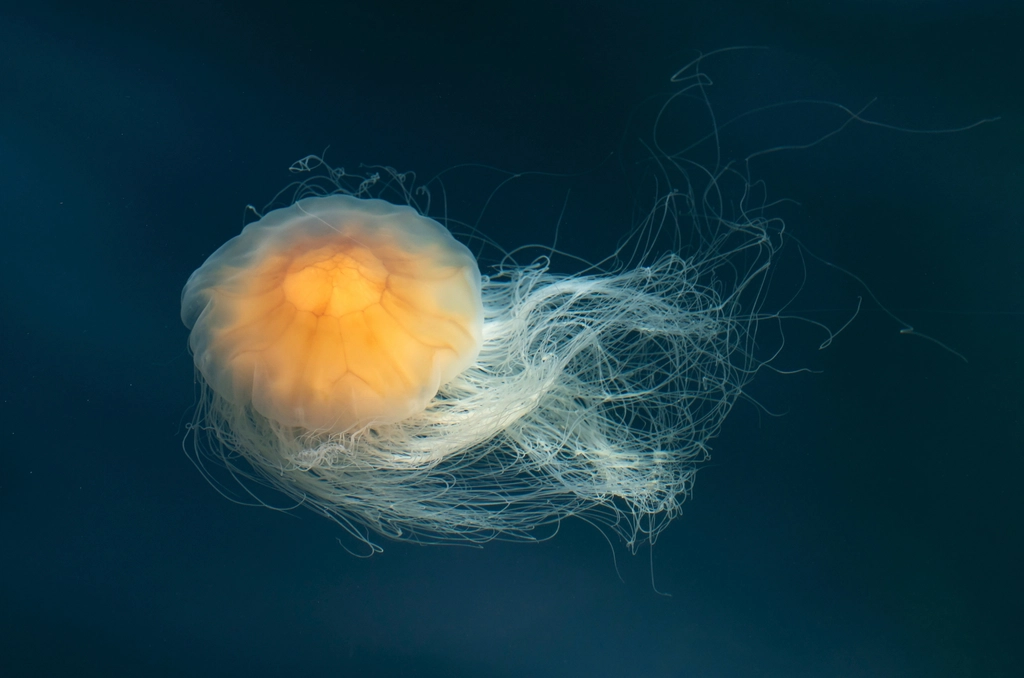
The immortal jellyfish (Turritopsis dohrnii) performs perhaps the most astonishing regenerative feat in the animal kingdom—when faced with starvation, physical damage, or environmental stress, it can revert from its mature medusa form back to its juvenile polyp stage through a process called transdifferentiation. This cellular alchemy involves mature specialized cells transforming directly into different cell types without first reverting to a stem cell state. During this reverse development, the jellyfish essentially recycles its own cells, breaking down its bell and tentacles while its cells reorganize into the polyp form, from which it can begin its life cycle anew. This process can theoretically continue indefinitely, making the immortal jellyfish one of the few biologically immortal creatures on Earth. Other jellyfish species demonstrate impressive regeneration as well—many can regrow substantial portions of their bells and oral arms when damaged. The moon jellyfish (Aurelia aurita) can even reorganize its remaining body parts to maintain symmetry after injury through a process called symmetrization. Jellyfish regeneration research offers insights into cellular reprogramming and aging processes, with potential applications for human regenerative medicine and longevity research.
Crayfish Neural Regenerators

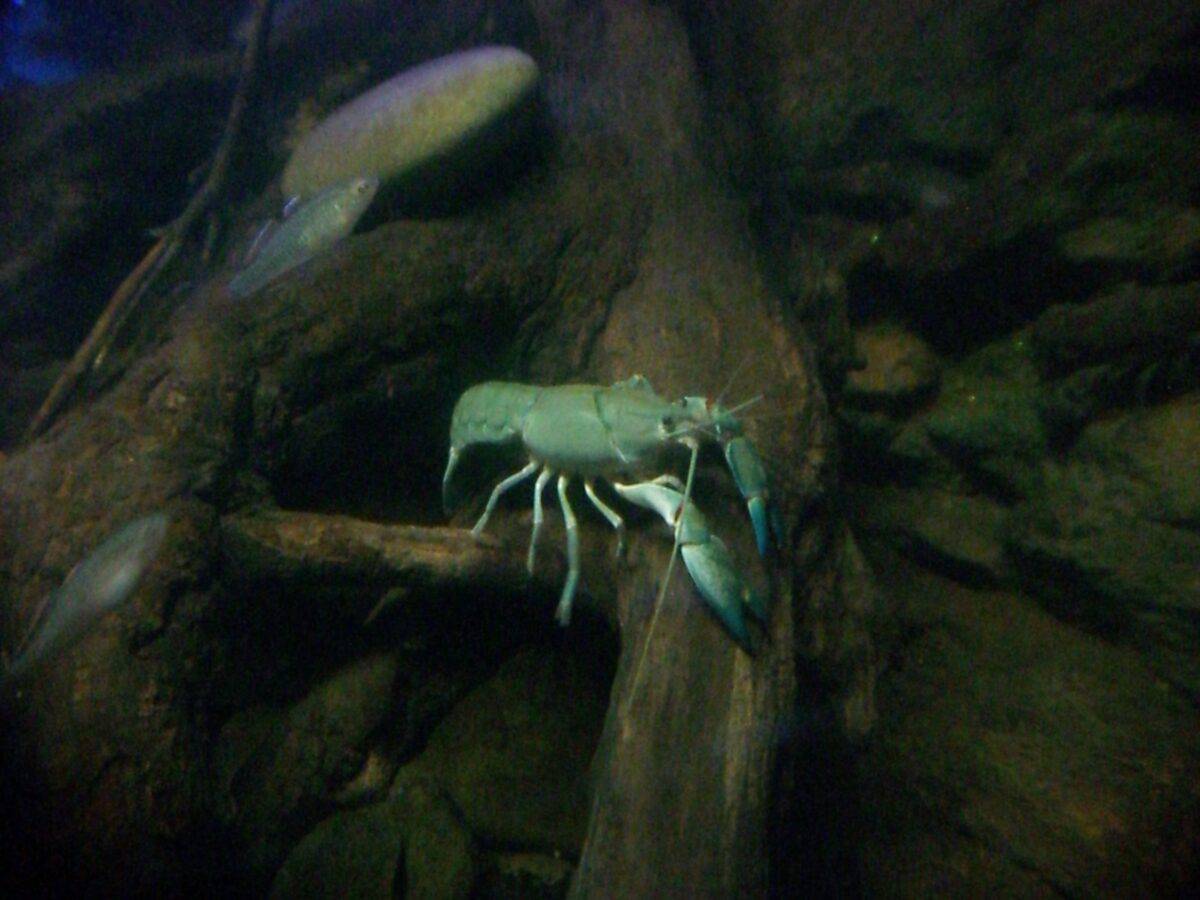
Crayfish possess one of the most remarkable regenerative abilities among arthropods—they can regrow limbs, claws, antennae, and most impressively, neural tissues. When a crayfish loses a limb, a blood clot quickly forms at the wound site, followed by the development of a blastema (a mass of undifferentiated cells) that differentiates into the specialized tissues needed to form the new appendage. What makes crayfish particularly notable is their ability to regenerate parts of their nervous system. Unlike mammals, crayfish can repair damaged neural pathways and even regrow certain ganglia (nerve cell clusters). This neural regeneration involves specialized cells called ectoderm-derived neural precursors that proliferate after injury to replace damaged neurons. The regeneration process is influenced by the molting cycle, with most significant growth occurring during molts. Young crayfish typically regenerate faster and more completely than older individuals. A crayfish can regrow a claw in approximately 120 days, though the regenerated appendage is initially smaller and may require several molting cycles to reach full size. Scientists study crayfish neural regeneration for insights that might eventually help address human neurodegenerative diseases and spinal cord injuries, as the molecular pathways involved share some similarities with those in humans despite our limited regenerative capacity.
Conclusion: The Future of Regeneration Research

The remarkable regenerative abilities displayed by these 14 animals represent more than just biological curiosities—they offer profound insights into the possibilities of healing and renewal across life forms. From the axolotl’s limb regrowth and the planarian’s total body regeneration to the deer’s annual antler renewal and the jellyfish’s reversal of aging, these animals demonstrate the incredible range and adaptability of nature’s restorative powers. Each species reveals unique mechanisms—whether through stem cell activation, transdifferentiation, or complex signaling pathways—that challenge our understanding of biology and inspire scientific exploration. As researchers continue to unlock the molecular and genetic blueprints behind these processes, the implications for human medicine are both promising and transformative. Studying how these creatures repair hearts, regrow nerves, and even regenerate organs may one day lead to breakthroughs in treating injuries, degenerative diseases, and aging itself. While humans may currently lack the ability to regenerate like an axolotl or hydra, the animals highlighted in this article are lighting the path forward—pushing the boundaries of regenerative science and offering a glimpse into a future where healing is not only possible but complete.

As a little kid, I fell in love with nature, wildlife, and animals. Living in the USA, South Africa, Italy, China and Germany gave me the opportunity to discover the world's Wildlife. My favorite animals are Mountain Gorillas, Siberian Tigers, and Great White Sharks.
I'm a certified PADI Open Water Diver, went to Everest Base Camp and Trekked Gorillas in Uganda. I hold a Master of Science in Economics and Finance.
Please send any feedback to feedback@animalsaroundtheglobe.com
- 11 Most Endangered Insects Buzzing in America Today - July 22, 2026
- 10 Most Frequently Googled Animal Birth Facts - July 22, 2026
- 10 Incredible Migration Journeys in the Animal Kingdom - July 22, 2026