

There’s something almost hypnotic about water in motion. Whether it plunges over cliffs, pools in ancient volcanic craters, or cascades through desert canyons, water transforms landscapes into something utterly unforgettable. is home to some of the most spectacular aquatic attractions on the planet, from thundering waterfalls hidden in lush forests to turquoise pools nestled among red rocks that seem too vibrant to be real.
Honestly, I think people underestimate just how diverse the West really is. It’s not all dry desert or dense forest. The region surprises you at every turn with water features that feel like they belong in fairy tales or on distant planets. So let’s dive in and explore ten of the most remarkable watery wonders scattered across this magnificent region.
Havasu Falls: The Jewel of the Grand Canyon
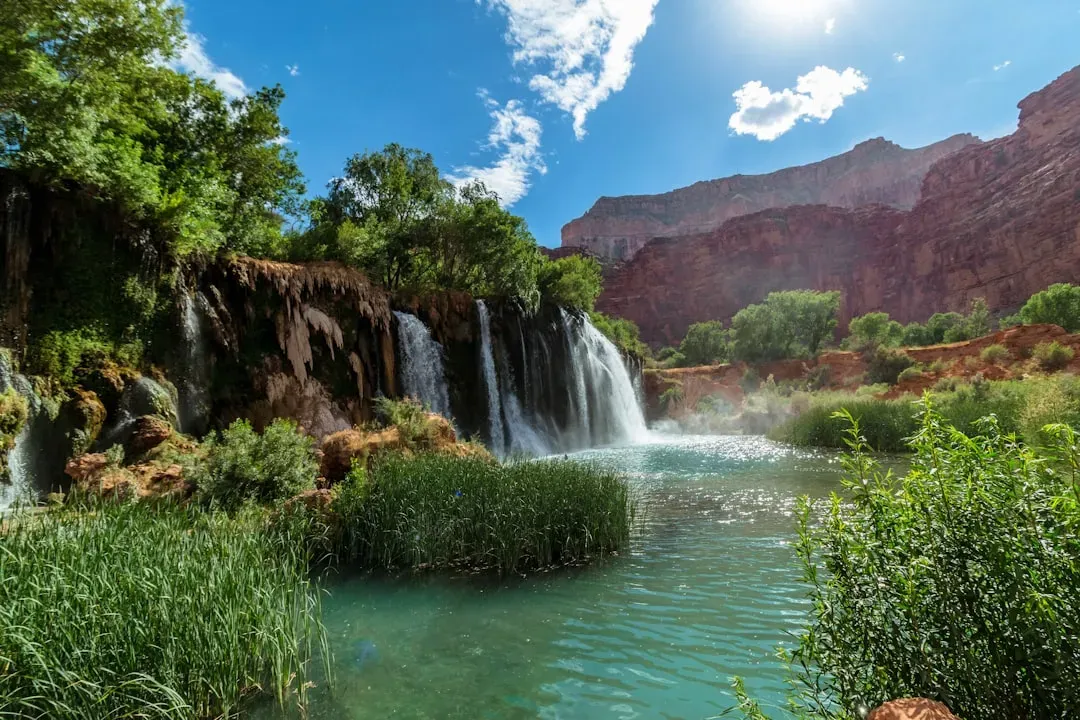
Havasu Falls sits in the southwestern part of Grand Canyon National Park in Arizona and draws countless visitors to the Havasupai Reservation, where stunning blue pools contrast beautifully with the adjacent red rock. The turquoise water appears almost otherworldly against the orange sandstone walls that surround it. Getting there requires some serious planning since you’ll need permits and at least one overnight stay, but the payoff is absolutely worth the effort.
The falls themselves drop nearly one hundred feet into a pool that looks like it’s been Photoshopped to perfection. Swimming beneath the cascade while surrounded by towering canyon walls creates an experience that stays with you long after you’ve left. It’s one of those places that makes you question whether nature really can be this beautiful.
Multnomah Falls: Oregon’s Iconic Cascade
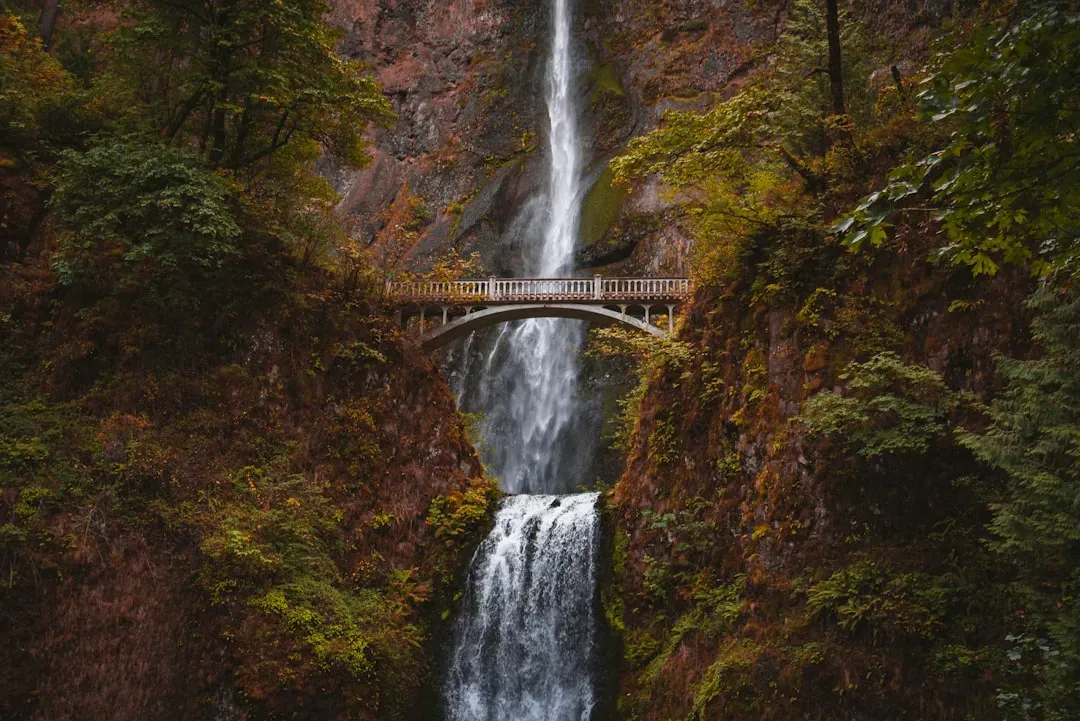
Multnomah Falls stands as one of the tallest year-round waterfalls in the United States at an impressive 620 feet tall, located along the Columbia River Gorge in Oregon. This two-tiered beauty flows constantly thanks to snowmelt and underground springs. The iconic Benson Bridge is strategically placed between the two tiers, creating an unbeatable spot for photographs.
The falls are incredibly accessible, just a short drive from Portland, which partly explains why millions of people visit each year. Here’s the thing though: even with crowds, the sheer scale and power of the water never fails to impress. The mist rising from the base creates rainbows on sunny days, and the surrounding Columbia River Gorge offers countless other waterfalls to explore if you’re up for more adventure.
Crater Lake: Oregon’s Volcanic Marvel
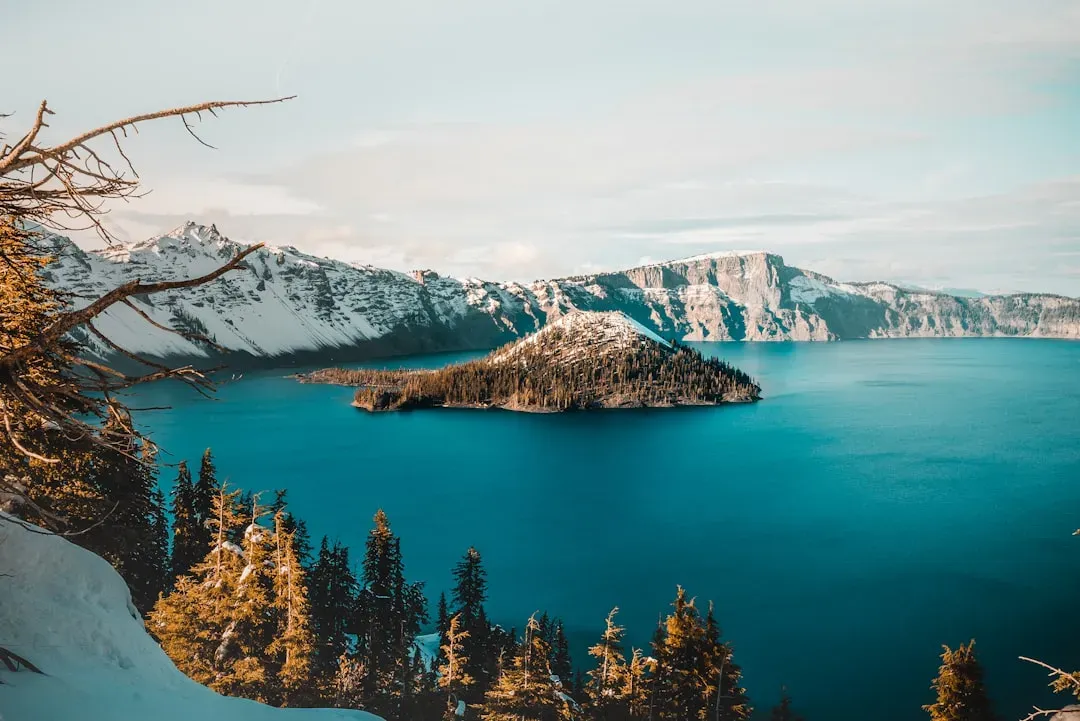
Crater Lake is the deepest lake in the United States, a volcanic caldera known for its clear blue water. Formed nearly eight thousand years ago when Mount Mazama collapsed, this lake holds water so pure and deep that it appears almost impossibly blue. The lake reaches depths of nearly two thousand feet in places, and because there are no rivers flowing in or out, the water remains remarkably pristine.
Visiting Crater Lake feels like stepping into another world. The rim drive offers breathtaking viewpoints at every turn, and on calm days, the water reflects the surrounding peaks with perfect clarity. Snow often lingers until summer at this elevation, which means the contrast between white snow, dark volcanic rock, and that brilliant blue water creates a visual feast that photographers dream about.
Palouse Falls: Washington’s Desert Surprise
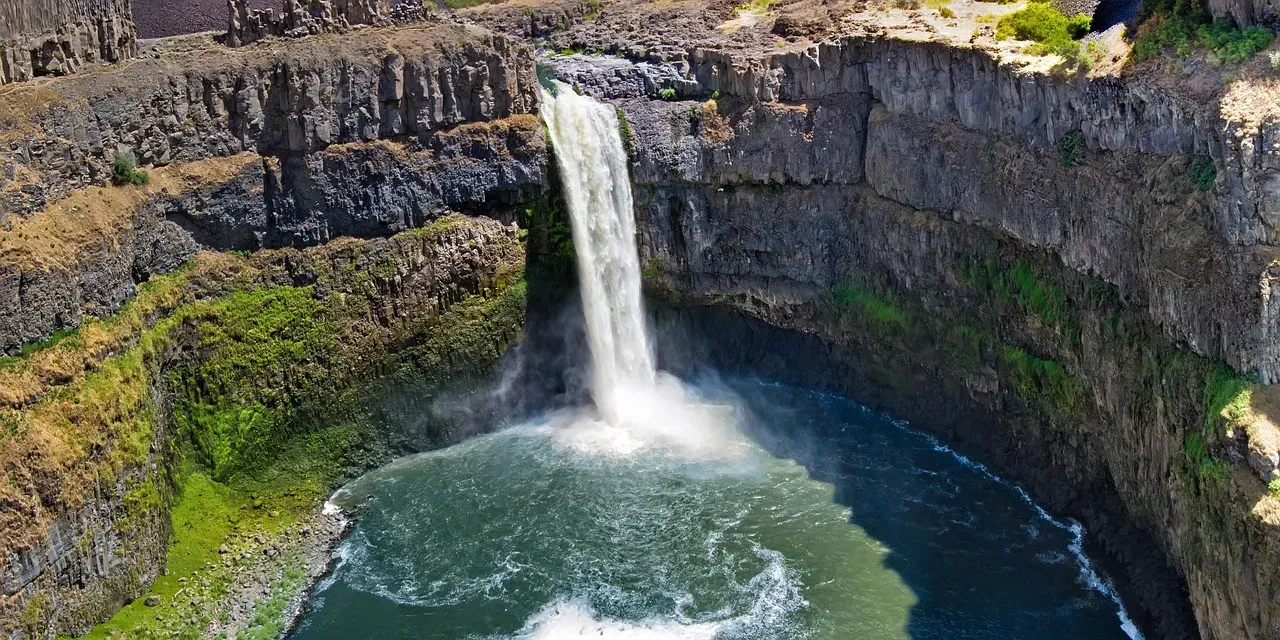
This 198-foot waterfall cascades down a dramatic gorge carved by the Palouse River, and it was designated the official state waterfall of Washington in 2014. What makes Palouse Falls particularly striking is its location in the middle of Washington’s desert region, where you least expect to find such a powerful waterfall. The falls are framed by steep basalt cliffs that tell the story of ancient volcanic activity.
Standing at the viewing area, you can feel the raw power of water carving through rock over countless millennia. The falls are at their most impressive during spring when snowmelt swells the river, though the reduced summer flow reveals the intricate details of the surrounding rock formations. Just be careful near the edges, as the terrain can be treacherous.
Shoshone Falls: Idaho’s Niagara of the West
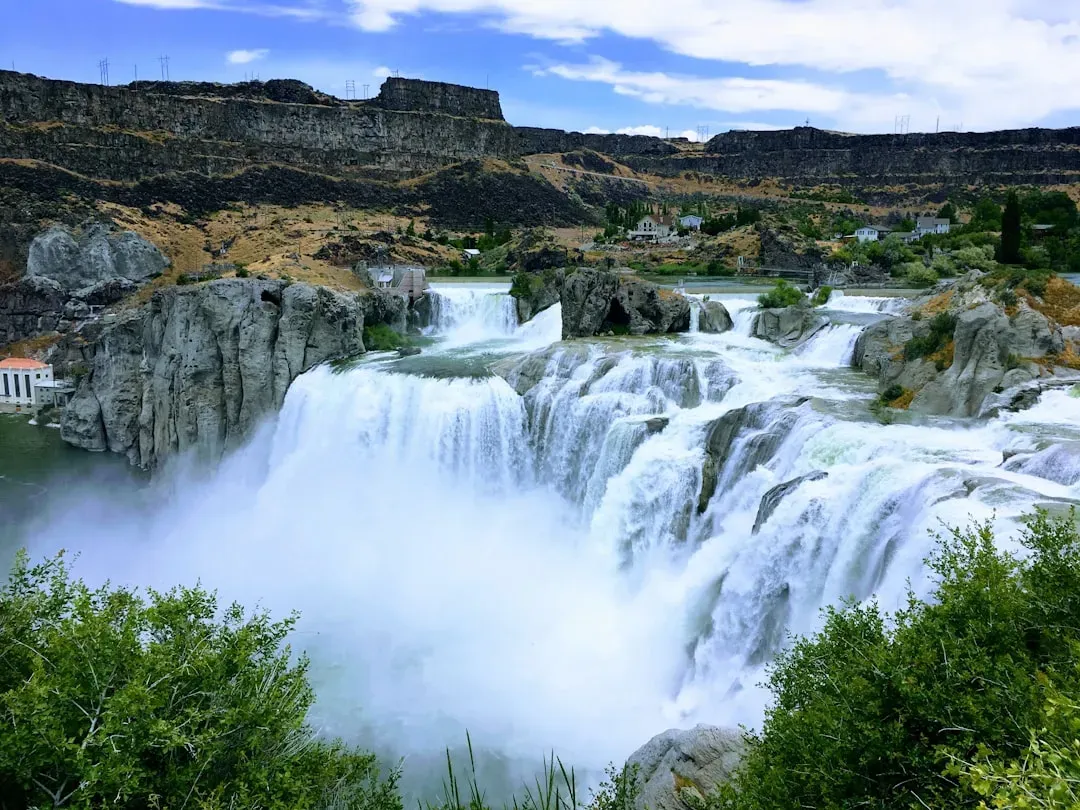
Shoshone Falls in Idaho stands at 212 feet, making it 36 feet higher than Niagara Falls, which is why it’s known as the Niagara of the West, and it spans roughly 900 feet across the canyon. When the Snake River is flowing at full capacity during spring and early summer, the falls transform into an absolute spectacle of power and beauty. The roar of water plunging into the river below can be heard from quite a distance.
During peak flow, the falls can appear as either a continuous sheet of water or multiple distinct streams depending on the volume. Spring is definitely the time to visit if you want to see Shoshone at its most dramatic. The surrounding park offers good viewing platforms, and you can even enjoy activities like kayaking and paddleboarding in the calmer sections of the Snake River nearby.
Burney Falls: California’s Eighth Wonder
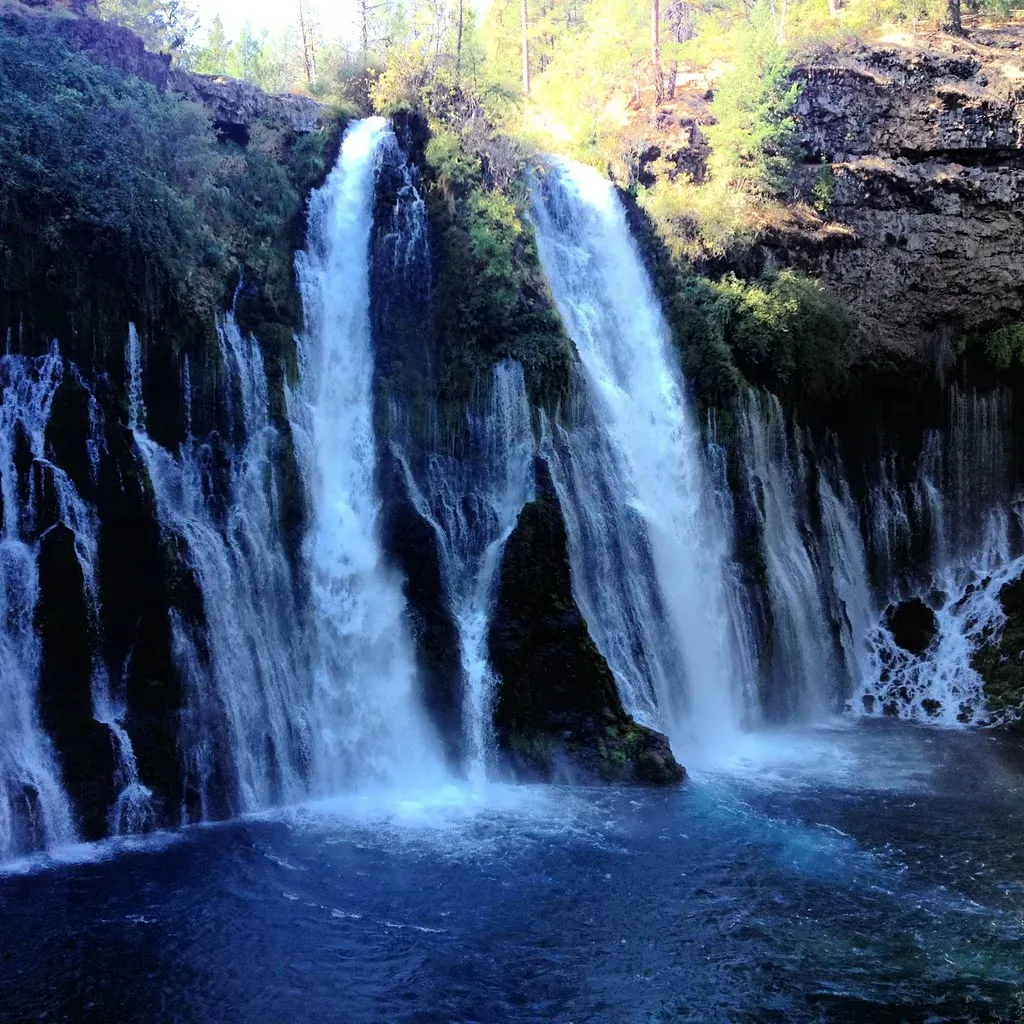
Burney Falls is often described as one of the most beautiful waterfalls in California and was even once called “the Eighth Wonder of the World” by President Theodore Roosevelt. Dropping 129 feet, this cascade pumps out roughly 100 million gallons of water every day, even in the driest summer months, with water coming from underground springs that feed Burney Creek. The constant flow creates an ethereal mist that hangs in the air year-round.
What sets Burney Falls apart is how the water doesn’t just pour over the top but also emerges from the rock face itself, creating a curtain effect that’s mesmerizing to watch. The short trail to the base takes you through lush forest, and once there, you’re surrounded by the cool spray and thunderous sound of falling water. It’s the kind of place where you could sit for hours and never get bored.
McWay Falls: California’s Coastal Treasure
This 80-foot waterfall spills directly onto the beach in a secluded Big Sur cove, creating one of the most photographed scenes along California’s spectacular coastline. Located in Julia Pfeiffer Burns State Park, McWay Falls is unique because it’s one of only two waterfalls in California that falls directly into the ocean (or onto the beach, depending on tide levels). The turquoise water, purple-tinged sand, and rugged cliffs create a scene that looks almost tropical.
The viewing area is accessed via a short trail that winds through cypress trees before opening up to reveal the cove below. You can’t access the beach itself anymore due to safety concerns, but the elevated viewpoint provides a perfect perspective. Sunset visits are particularly magical when golden light bathes the entire scene in warm tones.
Clear Lake: Oregon’s Underwater Forest
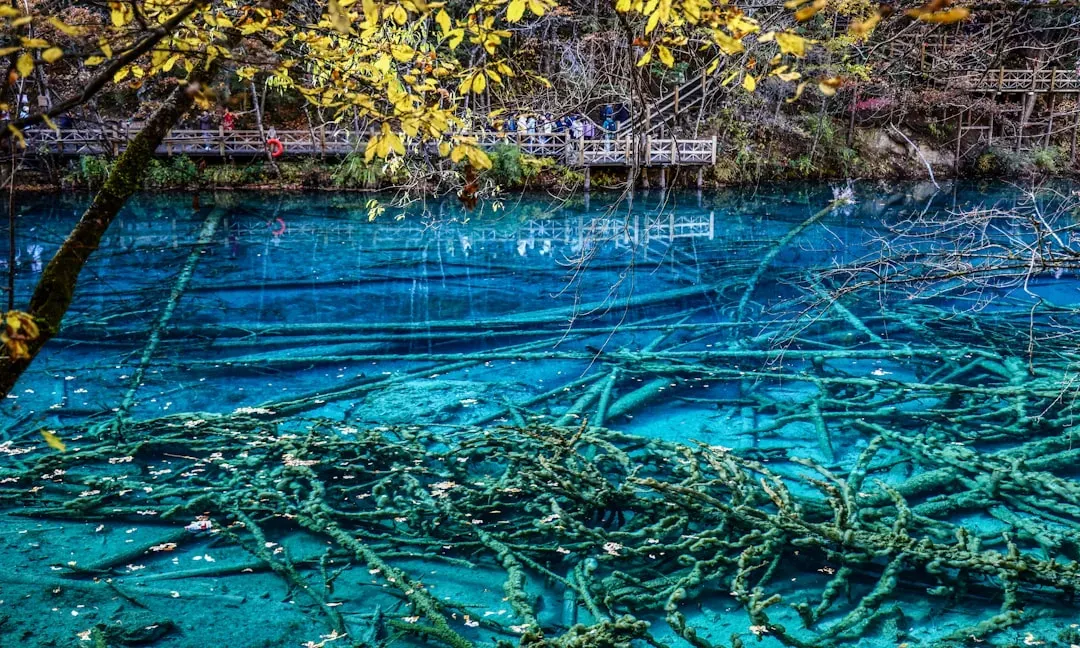
In Sisters, Oregon, Clear Lake truly lives up to its name as a 3,000-year-old lake that’s home to trees just below the surface that are the same age, making it a popular spot for divers and snorkelers. The water is so clear that you can see these ghostly tree trunks standing upright on the lakebed as if frozen in time. The underwater forest can be seen all year round, but swimmers should beware since the water sits at a constant temperature that’s barely above freezing.
The lake formed when a lava flow dammed a river, flooding the forest that stood there. The icy water preserved the trees remarkably well, creating an eerie yet beautiful underwater landscape. Paddling across the glassy surface while peering down at the submerged forest below is an experience that blends beauty with just a hint of the surreal.
Thor’s Well: Oregon’s Drainpipe of the Pacific
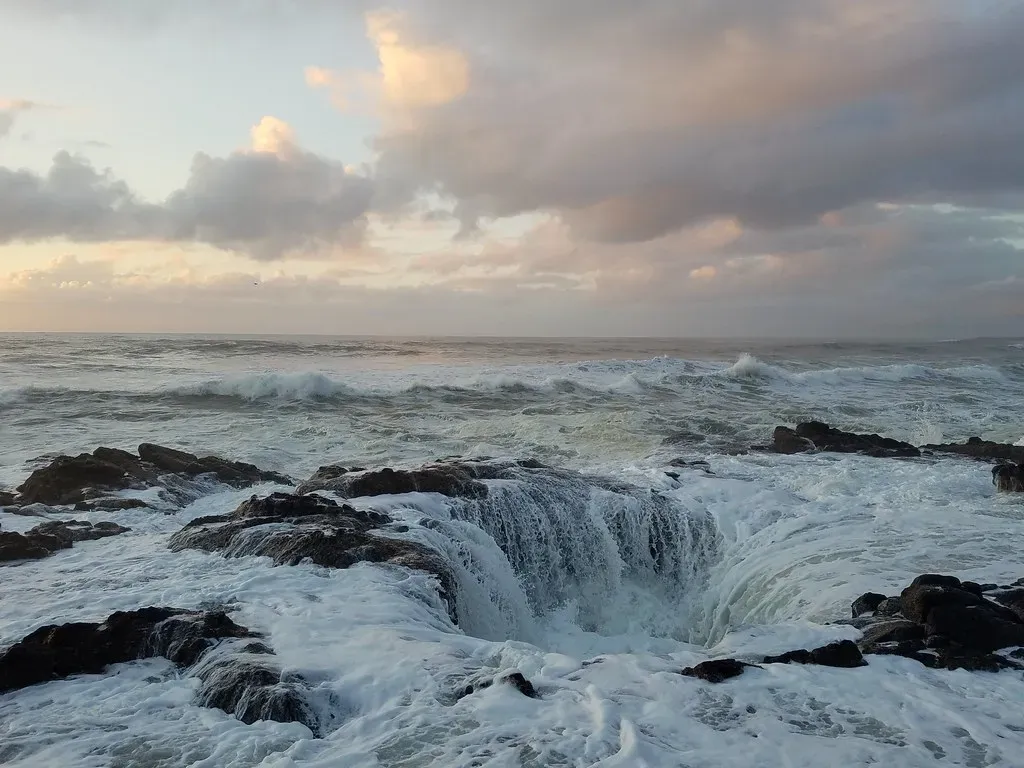
Thor’s Well near Cape Perpetua appears to be a bottomless sinkhole, though it was likely once a sea cave that collapsed, pushing water from the ocean in and creating a geyser-like effect before emptying it back into the ocean. During high tide and rough seas, waves surge into the hole and then explode upward in dramatic fountains of spray. The physics might be straightforward, but watching it happen feels like witnessing something supernatural.
Visiting Thor’s Well requires careful timing and extreme caution. The best views come during high tide when waves are active, but getting too close to the edge can be genuinely dangerous. Many photographers have been caught off guard by rogue waves while trying to capture the perfect shot. The dramatic coastline surrounding the well makes the entire area worth exploring, with tide pools and rugged rocks stretching in both directions.
Yosemite Falls: California’s Towering Giant
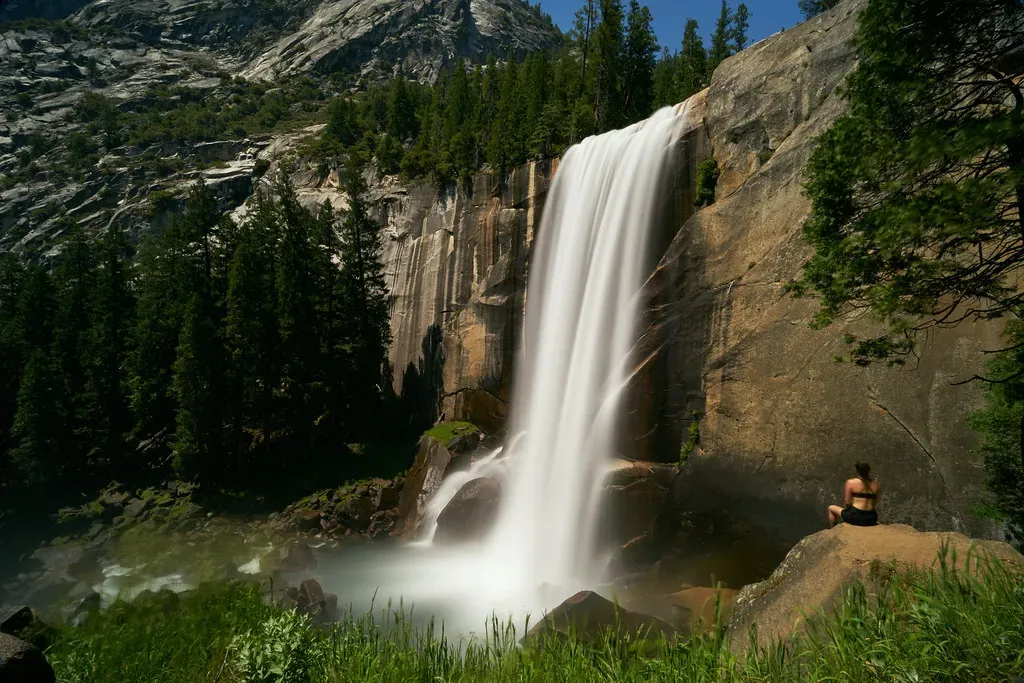
At 2,245 feet, Yosemite Falls is one of the tallest waterfalls in the world, dominating the northern wall of Yosemite Valley in one of America’s most beloved national parks. The falls are actually composed of three sections: Upper Yosemite Fall, the middle cascades, and Lower Yosemite Fall. During peak snowmelt in late spring, the combined force of all three sections creates a thunderous display that can be heard throughout the valley.
By late summer, the falls often slow to a trickle or dry up completely, transforming the experience entirely. The contrast between the spring torrent and the summer dribble is honestly quite remarkable. A hike to the top of Yosemite Falls is challenging but rewarding, offering perspectives on the valley below that few visitors experience. Whether you view it from the valley floor or make the climb to the top, Yosemite Falls reminds you just how powerful and dynamic nature truly is.
Conclusion
The watery wonders scattered across showcase nature’s incredible ability to sculpt, carve, and create beauty in unexpected places. From desert canyons to coastal cliffs, from volcanic lakes to underground springs, each of these ten destinations offers something unique and unforgettable. These aren’t just pretty pictures on a postcard but real places where you can stand in the spray of ancient waterfalls, peer into impossibly clear lakes, or watch the ocean surge through holes in the rock.
The West continues to surprise even those who think they know it well. So which of these watery wonders speaks to you most? Would you brave the cold waters of Clear Lake to see that underwater forest, or would you rather feel the thunderous spray of Yosemite Falls at peak flow? The beauty of these places is that they’re all waiting out there, ready to be experienced firsthand.
