


For many dog lovers, one of the hardest aspects of pet ownership is dealing with their comparatively short lifespans. While the average canine lives between 10-13 years, certain breeds are known for their exceptional longevity. If you’re looking for a four-legged companion who might stay by your side for 15 years or more, these long-lived breeds deserve your consideration. Genetics, size, and breed-specific traits all play crucial roles in determining canine lifespan. In this comprehensive guide, we’ll explore 14 dog breeds known for their impressive longevity and the factors that contribute to their extended lifespans.
Understanding Canine Longevity Factors

Before diving into specific breeds, it’s important to understand what influences a dog’s lifespan. Generally, smaller dogs live longer than larger breeds – a unique phenomenon in the animal kingdom. This inverse relationship between size and lifespan is thought to relate to growth rates; larger dogs age more rapidly, experiencing accelerated development of age-related diseases. Additionally, purebred dogs with diverse genetic backgrounds typically enjoy better health than those from limited gene pools. Diet, exercise, preventative healthcare, and environmental factors also significantly impact how long your canine companion will live. While genetics establish a baseline for potential longevity, proper care can help ensure your dog reaches their maximum lifespan.
Chihuahua Tiny Dogs with Impressive Lifespans

The Chihuahua, recognized as the world’s smallest dog breed, compensates for its diminutive stature with remarkable longevity. These pocket-sized companions regularly live 15-20 years, with some documented cases exceeding 20 years. Their small size contributes significantly to their extended lifespan, as they experience slower metabolic rates and less physical stress on their bodies compared to larger breeds. Despite their longevity advantage, Chihuahuas can be prone to specific health concerns including dental issues, patellar luxation, and hypoglycemia. Their small size means they require relatively little exercise, making them ideal for apartment living and owners with limited mobility. Regular dental care is particularly crucial for extending their healthy years, as dental disease can impact their overall health and quality of life.
Australian Cattle Dog Rugged Working Dogs Built to Last
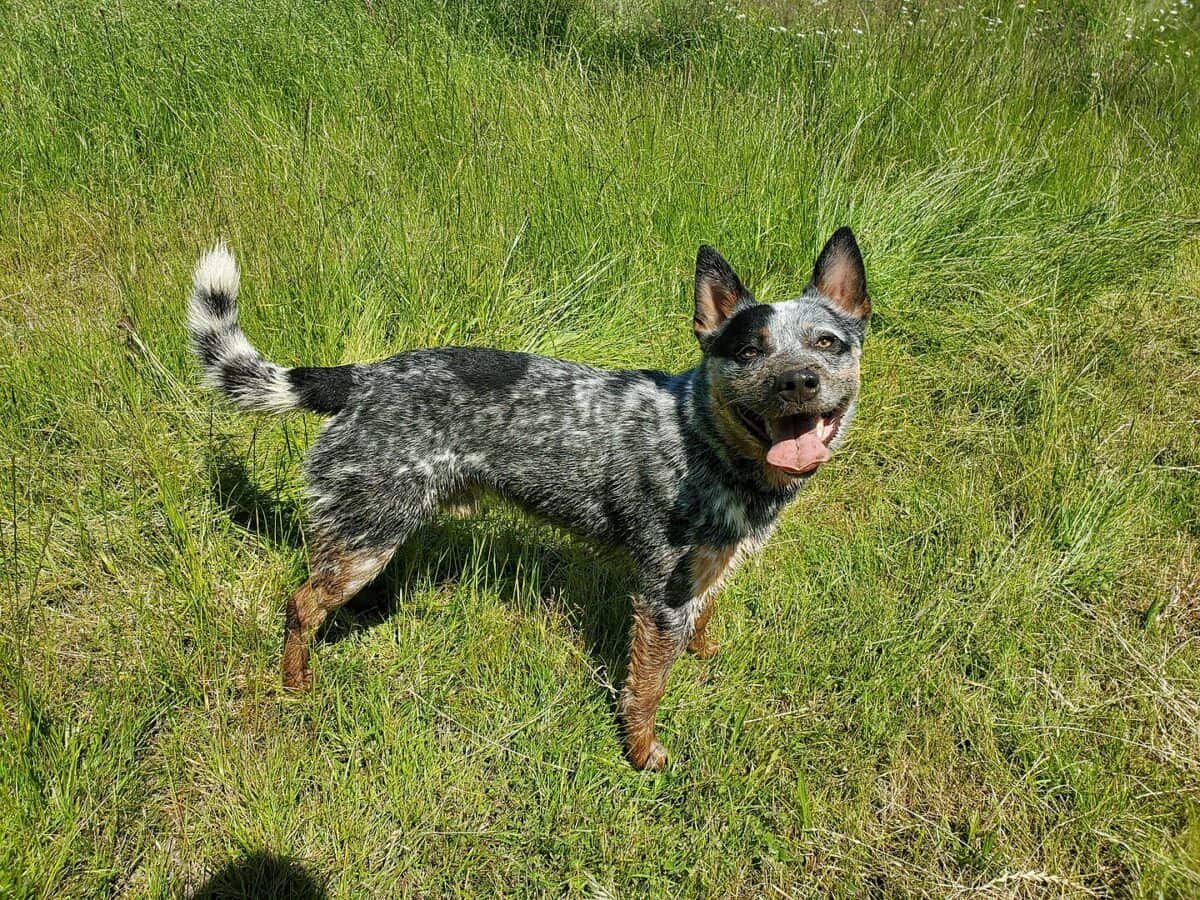
The Australian Cattle Dog stands as an impressive exception to the “smaller dogs live longer” rule. These medium-sized working dogs regularly reach 12-16 years, with the Guinness World Record for oldest dog once belonging to an Australian Cattle Dog named Bluey, who lived to an astounding 29 years. These dogs were bred for durability and resilience in the harsh Australian outback, resulting in a naturally robust constitution. Their active lifestyle as herding dogs contributes to their longevity, as they maintain excellent physical condition throughout their lives. Australian Cattle Dogs thrive with plenty of exercise and mental stimulation, which helps prevent obesity and related health issues. Their intelligence and work ethic means they require significant daily activity and engagement to remain healthy and happy throughout their long lives.
Beagle Long-Lived Scent Hounds

Beagles typically enjoy lifespans of 12-15 years, making them one of the longer-lived medium-sized breeds. Their continued popularity since the Roman era speaks to both their charming personalities and inherent hardiness. Originally bred for hunting, Beagles possess naturally strong constitutions and relatively few inherited health conditions compared to many other purebreds. Their moderate size places them in a sweet spot for longevity – not so small as to be fragile, yet not large enough to suffer from the accelerated aging that affects giant breeds. The breed’s social nature contributes to their emotional wellbeing, which can positively impact physical health. However, Beagles have hearty appetites and can become obese if overfed, which can significantly reduce their lifespan. Regular exercise and careful portion control are essential for keeping these scent hounds healthy throughout their long lives.
Dachshund The Long Dog with a Long Life

Dachshunds, with their distinctive elongated bodies, typically enjoy lifespans of 12-16 years, with many reaching their late teens. These German-bred “badger dogs” benefit from their small to medium size in terms of longevity, though their unique body structure presents specific health considerations. Their long backs make them susceptible to intervertebral disc disease (IVDD), which can be mitigated by maintaining a healthy weight and preventing jumping from heights. Standard Dachshunds tend to live slightly shorter lives than their miniature counterparts, reinforcing the size-lifespan correlation. The breed’s hunting heritage has contributed to their resilience and adaptability, factors that positively influence longevity. Dachshunds typically maintain their playful, spirited personalities well into their senior years, showing less cognitive decline than many other breeds. Their moderate exercise needs make them adaptable to various living situations while still maintaining the activity levels necessary for healthy aging.
Shih Tzu Ancient Companions with Modern Longevity

The Shih Tzu, whose name translates to “little lion,” has been bred as a companion dog for over a thousand years in Chinese imperial courts. These small dogs typically live 10-18 years, with 14-16 years being common with proper care. Their longevity can be attributed partly to their purpose-bred temperament; as dogs specifically developed for companionship rather than working roles, they haven’t been subjected to the physical stresses that can affect working breeds. Shih Tzus do face breed-specific health challenges, particularly related to their brachycephalic (flat-faced) structure, which can cause breathing difficulties and heat intolerance. Their long, luxurious coats require regular grooming to prevent skin issues that could impact overall health. Despite these considerations, with proper preventative healthcare, dental maintenance, and weight management, many Shih Tzus remain active and engaged well into their mid-to-late teens.
Jack Russell Terrier Energetic and Enduring

Jack Russell Terriers have earned a reputation not only for their boundless energy but also for their impressive longevity, typically living 13-16 years, with many reaching 18 or beyond. Originally bred as working terriers for fox hunting in England, these dogs possess a natural vitality that seems to extend their youthful period well into what would be considered senior years for other breeds. Their high energy levels and need for regular exercise contribute to their longevity by maintaining cardiovascular health and muscle tone throughout life. Jack Russells generally maintain their mental acuity and physical capabilities remarkably well into old age. The breed has relatively few hereditary health issues, though lens luxation, deafness, and patellar luxation can occur. Their natural intelligence and problem-solving abilities mean they require both physical exercise and mental stimulation to thrive, which inadvertently contributes to their overall wellness and longevity.
Toy Poodle Intelligent Companions for the Long Haul

Toy Poodles combine remarkable intelligence with impressive longevity, regularly living 14-18 years. As the smallest variety of Poodle (under 10 inches tall), they benefit from the “small dog advantage” in lifespan while retaining the breed’s renowned intelligence and trainability. These dogs have a relatively low incidence of genetic health problems compared to many other toy breeds, contributing to their extended lifespans. Dental care is particularly important for Toy Poodles, as dental disease is common in small breeds and can impact overall health. Their non-shedding coats require regular grooming but provide the benefit of being hypoallergenic, making them suitable companions for allergy sufferers. The breed’s intellectual capabilities mean they stay mentally engaged throughout their lives, which may contribute to their cognitive health in advanced age. Toy Poodles often remain playful and alert well into their senior years, showing less age-related cognitive decline than many other breeds.
Lhasa Apso Tibetan Sentinels with Staying Power
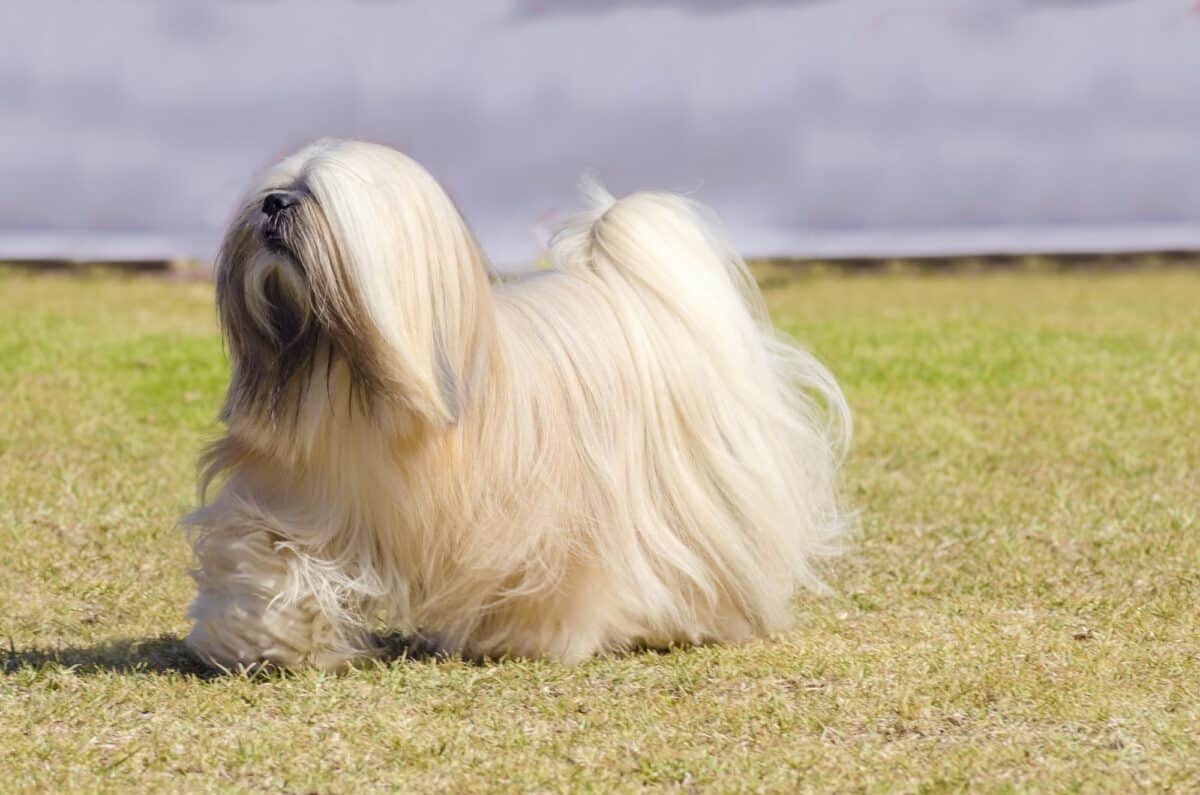
The Lhasa Apso, developed in Tibet as temple sentinels, carries its ancient heritage into remarkable longevity, with typical lifespans of 12-15 years and many living well into their late teens. Their development in the isolated, harsh environment of the Himalayas contributed to their hardiness and adaptability. Unlike many small breeds, Lhasa Apsos mature slowly, not reaching full adulthood until about 3 years of age, which may correlate with their extended lifespans. Their thick double coats evolved to protect them from extreme Tibetan temperatures but require regular grooming to prevent skin issues that could impact overall health. While generally healthy, they can be prone to certain hereditary conditions including progressive retinal atrophy, cherry eye, and kidney issues. Lhasa Apsos tend to maintain their dignified, independent personalities throughout their long lives. Their moderate exercise needs make them suitable for various living situations while still maintaining the activity necessary for healthy aging.
Maltese Ancient Lapdogs with Modern Longevity
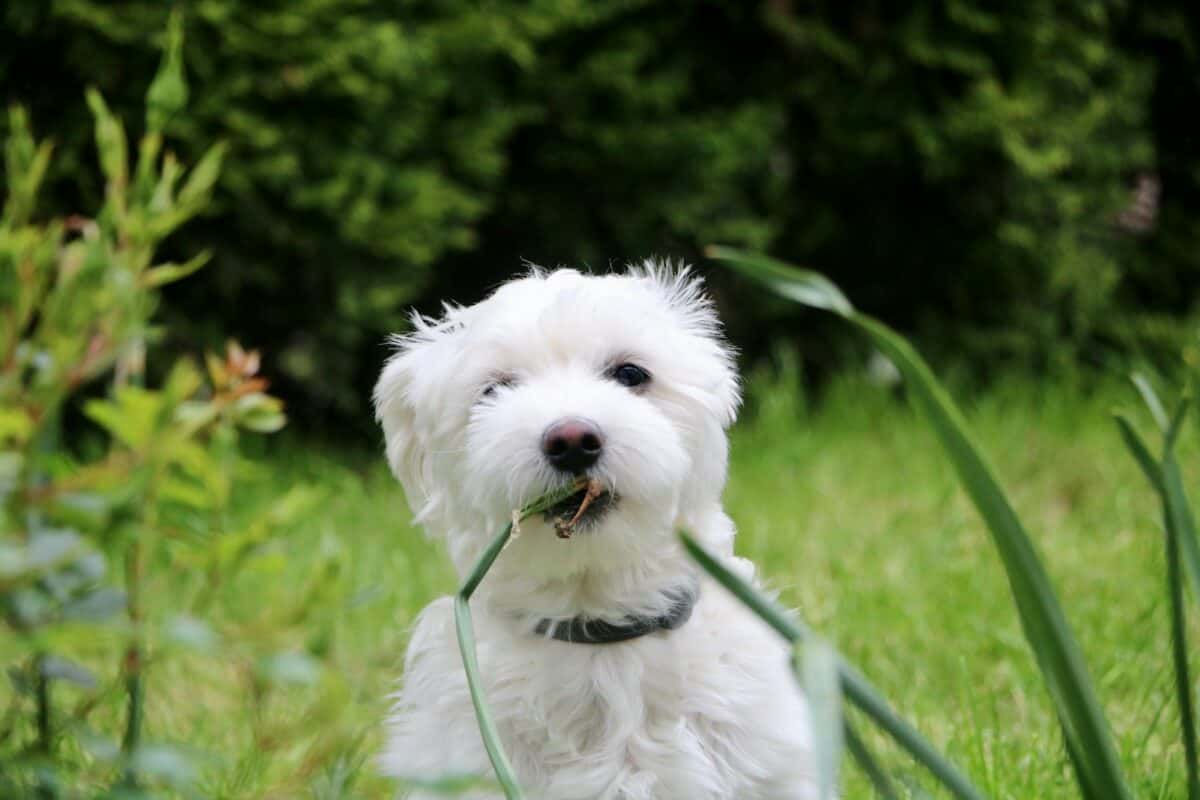
The Maltese, with its distinctive flowing white coat, has been gracing the laps of nobility since ancient Greek and Roman times. These small companion dogs typically enjoy lifespans of 12-15 years, with many reaching 17 or 18 with proper care. Their small size contributes significantly to their longevity advantage, as they experience less physical stress on their bodies compared to larger breeds. Despite their delicate appearance, Maltese dogs are generally robust with relatively few breed-specific health conditions, though they can be prone to dental issues, luxating patellas, and tear staining. Their long history as companion animals means they’ve been selectively bred for temperament and longevity rather than working abilities. Maltese dogs typically maintain their playful, affectionate personalities well into their senior years. Their low exercise requirements make them suitable for apartment living and less active owners, though they still benefit from regular moderate activity to maintain healthy weight and muscle tone throughout their long lives.
Miniature Schnauzer German Efficiency in Longevity
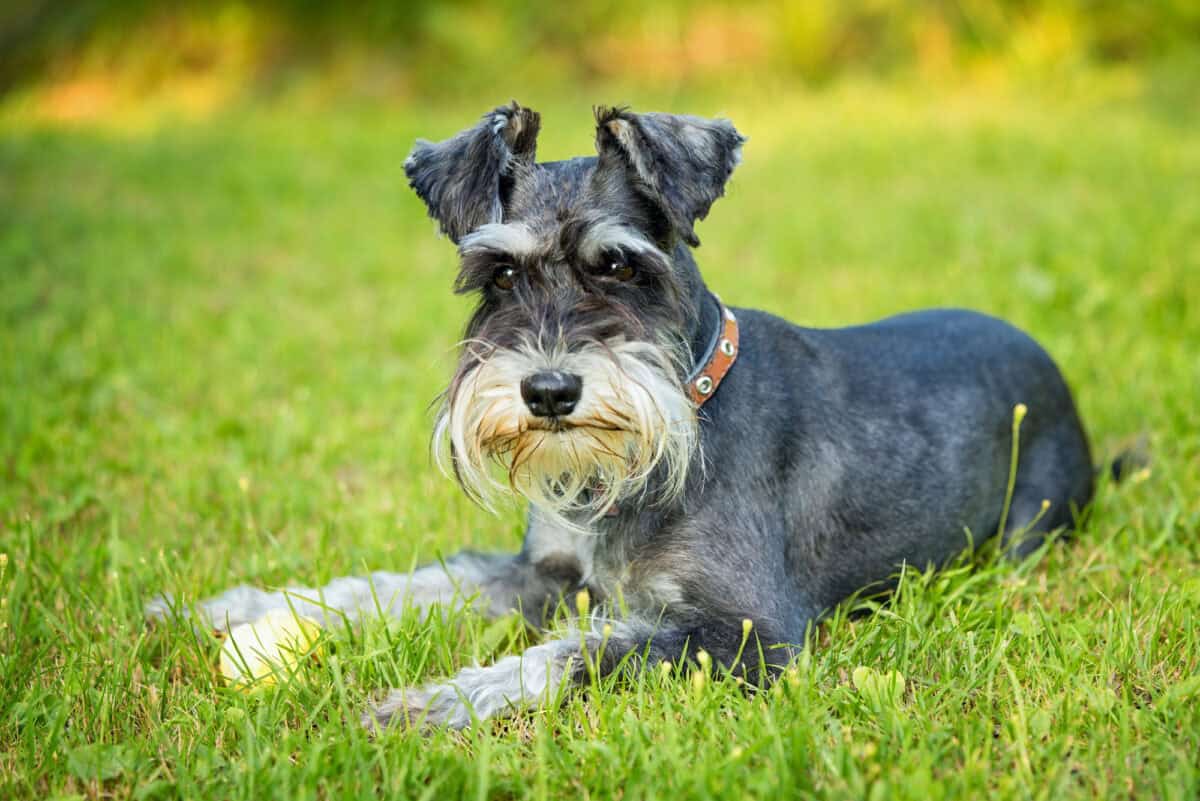
Miniature Schnauzers typically enjoy lifespans of 12-15 years, with many reaching 16 or 17 with proper care. The smallest of the three Schnauzer varieties, they benefit from the size advantage while maintaining the breed’s robust constitution and distinctive bearded appearance. Their German breeding background focused on creating hardy, versatile farm dogs, resulting in a naturally healthy genetic foundation. Miniature Schnauzers have a lower incidence of genetic health issues than many other small breeds, though they can be prone to high cholesterol, diabetes, and urinary stones, all conditions that can be managed with proper diet and preventative care. Their double coats require regular grooming but shed minimally, making them suitable for allergy sufferers. The breed’s alert, spirited nature means they typically remain mentally engaged throughout their lives, which may contribute to better cognitive health in their senior years. Their moderate exercise needs align perfectly with maintaining cardiovascular health without overtaxing aging joints.
Border Terrier Rugged Workers with Remarkable Lifespans

Border Terriers, originally bred to hunt foxes in the rugged border country between England and Scotland, typically live 12-15 years, with many reaching 17 or beyond. Their working heritage has contributed to a naturally robust constitution with relatively few hereditary health problems. Unlike many purebred dogs, Border Terriers have maintained a diverse genetic pool and a body structure that closely resembles their original working form, which likely contributes to their hardiness. While small, they’re not miniaturized or extremely bred for appearance, giving them balanced proportions that support good health. The breed’s intelligent, adaptable nature means they typically adjust well to changing circumstances as they age, reducing stress that could impact longevity. Border Terriers require moderate regular exercise throughout their lives, which helps maintain muscle tone and cardiovascular health well into their senior years. Their wiry coats need minimal grooming beyond occasional stripping, reducing the skin issues that can affect breeds with more demanding coat care requirements.
Shiba Inu Ancient Japanese Breed with Modern Longevity
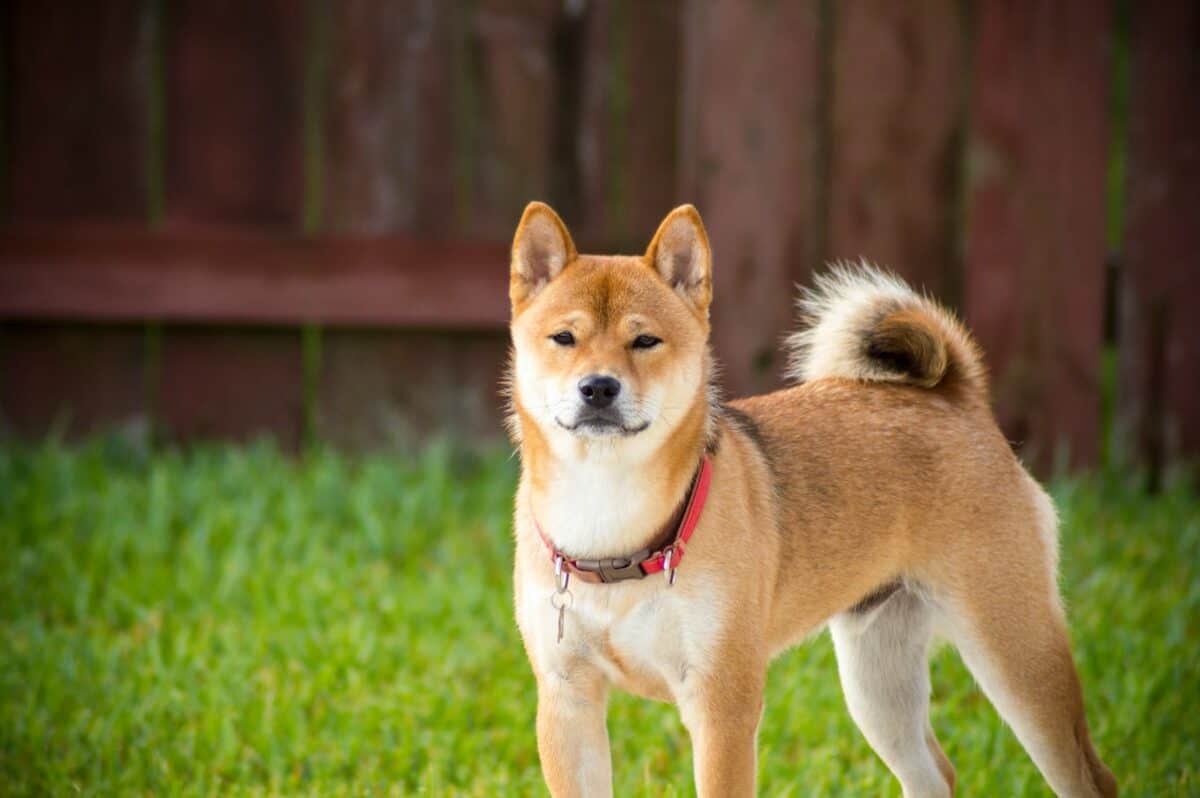
The Shiba Inu, one of Japan’s oldest and smallest native breeds, typically enjoys lifespans of 13-16 years. As an ancient breed that developed naturally rather than through intensive human selection, Shibas benefit from genetic diversity that contributes to their overall health and longevity. Their medium-small size places them in an optimal range for canine lifespan – not so small as to be fragile, yet not large enough to suffer from the accelerated aging that affects larger dogs. Shibas generally have few breed-specific health conditions, though they can be prone to allergies and patellar luxation. Their naturally clean, cat-like behavior means they typically maintain good hygiene, which can prevent certain health issues. The breed’s independent nature and moderate exercise needs allow them to adapt well to changing capabilities as they age. Their double coat requires seasonal blowing out but is otherwise relatively low-maintenance. Shibas often maintain their alert, spirited temperament well into their senior years, showing less age-related decline than many other breeds.
Pomeranian Tiny Dogs with Impressive Vitality

Pomeranians, with their fox-like expressions and fluffy double coats, typically live 12-16 years, with many reaching their late teens with proper care. As one of the smallest breeds, weighing just 3-7 pounds, they benefit significantly from the longevity advantage associated with diminutive size. Despite their tiny stature, Pomeranians descend from much larger Arctic sled dogs, retaining some of the hardiness of their working ancestors in a miniature package. Their small size means they require relatively little exercise to maintain good physical condition, though they are naturally active and playful. Dental care is particularly important for this breed, as dental disease is common in toy breeds and can impact overall health and longevity. While generally healthy, Pomeranians can be prone to tracheal collapse, luxating patellas, and certain skin conditions. The breed’s alert, intelligent nature means they typically maintain good cognitive function well into old age. Their minimal exercise requirements make them suitable for apartment living and less active owners while still maintaining the activity necessary for healthy aging.
Caring for Your Dog to Maximize Longevity

While genetics establish a baseline for potential lifespan, proper care can significantly influence whether your dog reaches those upper limits. Regular veterinary care, including preventative check-ups, vaccinations, and dental cleanings, can identify and address health issues before they become serious. Maintaining appropriate weight is perhaps the single most important factor in extending canine lifespan; studies show that maintaining lean body condition can add 1.8 years to a dog’s life. Providing mental stimulation through training, puzzles, and varied experiences helps maintain cognitive function throughout life. Creating a safe environment that prevents accidents and injuries, while obvious, is crucial for longevity. High-quality nutrition tailored to your dog’s specific needs, life stage, and health conditions supports overall wellness. Finally, the human-animal bond itself appears to have positive effects on canine health; dogs who receive affection, attention, and engagement tend to live longer, healthier lives than those with minimal human interaction.
Conclusion: Choosing and Cherishing a Long-Lived Canine Companion
While these 14 breeds tend to enjoy longer lifespans than many other dogs, it’s important to remember that individual variation exists within every breed. When selecting a dog with longevity in mind, research the health testing and lifespans within specific bloodlines rather than relying solely on breed averages. Regardless of breed, providing appropriate preventative healthcare, nutrition, exercise, and mental stimulation will help maximize your dog’s potential lifespan. The breeds highlighted in this article offer the possibility of 15+ years of companionship, but they still require the same commitment to responsible ownership as any other dog. Perhaps the most important factor in canine longevity is the quality of care and depth of the human-animal bond, which suggests that the best long-lived dog might be the one you’re prepared to love and care for most completely, regardless of its breed.

As a little kid, I fell in love with nature, wildlife, and animals. Living in the USA, South Africa, Italy, China and Germany gave me the opportunity to discover the world's Wildlife. My favorite animals are Mountain Gorillas, Siberian Tigers, and Great White Sharks.
I'm a certified PADI Open Water Diver, went to Everest Base Camp and Trekked Gorillas in Uganda. I hold a Master of Science in Economics and Finance.
Please send any feedback to feedback@animalsaroundtheglobe.com
- The Deepest Dwelling Sharks That Lurk Beneath US Waters - June 22, 2026
- 14 Rare Horse Breeds You Didn’t Know About - June 22, 2026
- 10 Common Chicken Behaviors and What They Mean - June 22, 2026