
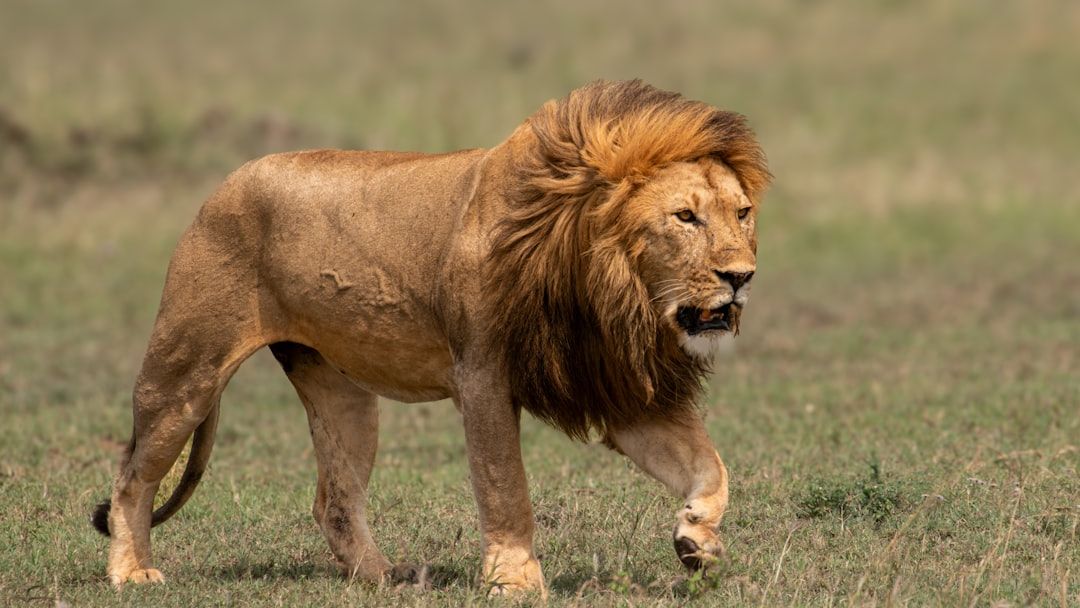
Picture a river that once teemed with fish and birds, now choked with algae and struggling wildlife. Or a grassland where herds roam unchecked, stripping the land bare. These shifts often trace back to the absence of top predators, creatures whose presence quietly holds entire systems together.
The idea that lions or crocodiles matter beyond their own survival feels distant at first. Yet the connections run deeper than most realize, linking predator health to water quality, plant growth, and even the air we breathe.
The Quiet Power of Apex Predators
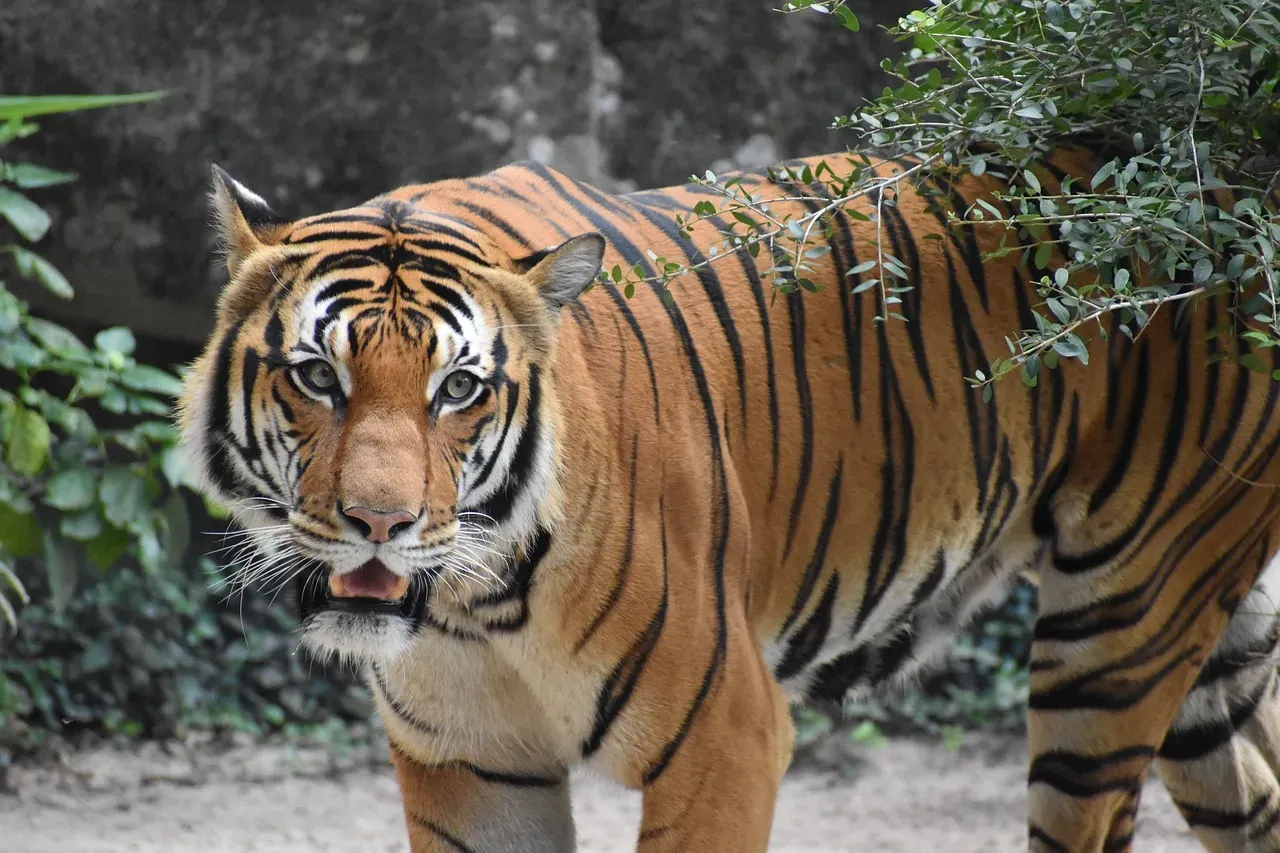
Apex predators sit at the top of food webs, where they influence everything below them through hunting and mere presence. Their absence lets prey populations surge, which then overconsume plants and smaller animals in turn. This ripple effect changes landscapes over time in ways that are hard to reverse once underway.
These animals also select weaker or sick individuals, keeping herds healthier overall. The result is a more stable mix of species rather than dominance by a few. Without that filter, ecosystems lose the variety that supports everything from insects to soil microbes.
Lions Shape Savanna Dynamics
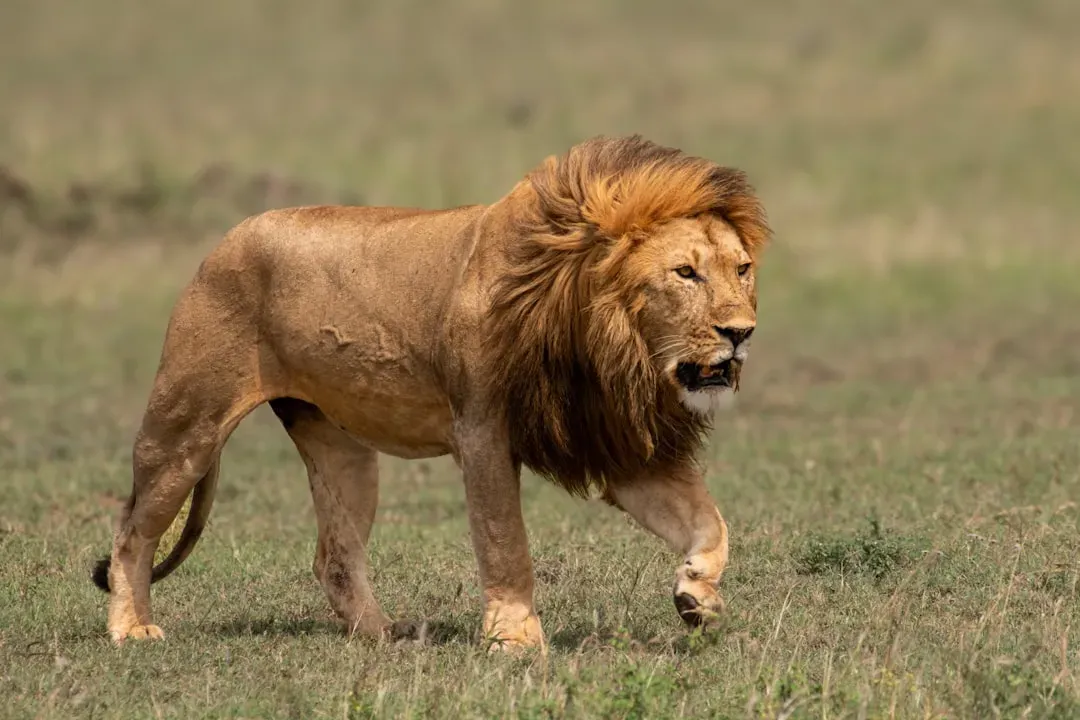
Lions control herbivore numbers across African grasslands, preventing overgrazing that would otherwise turn fertile plains into dust. Their hunting patterns encourage prey to move more, which spreads grazing pressure and allows vegetation to recover in patches. This movement creates varied habitats that support birds, insects, and smaller mammals.
Studies of fenced reserves show how quickly grass and tree cover decline when lions disappear. The change affects everything from antelope behavior to the insects that pollinate local plants. In places where lions remain, the landscape stays more resilient to drought and seasonal shifts.
Crocodiles Guard Aquatic Balance
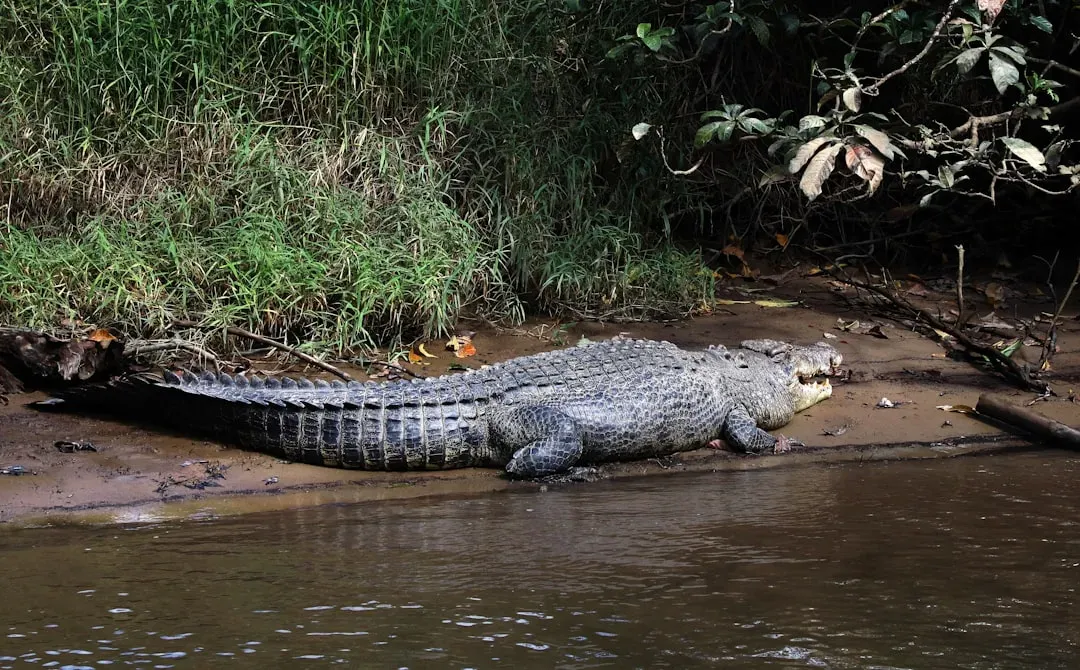
Crocodiles patrol rivers and wetlands, feeding on fish and other creatures that would otherwise multiply unchecked. Their feeding keeps populations in check and stirs up sediment, which can improve nutrient cycling in the water. Dead animals they leave behind also feed scavengers and enrich the surrounding soil.
Along many tropical waterways, crocodile presence correlates with clearer water and healthier fish stocks over the long term. Without them, invasive species or algae blooms often take hold faster. The predators act as a natural check that benefits both wildlife and the people who rely on those waters for fishing or farming.
Trophic Cascades in Action
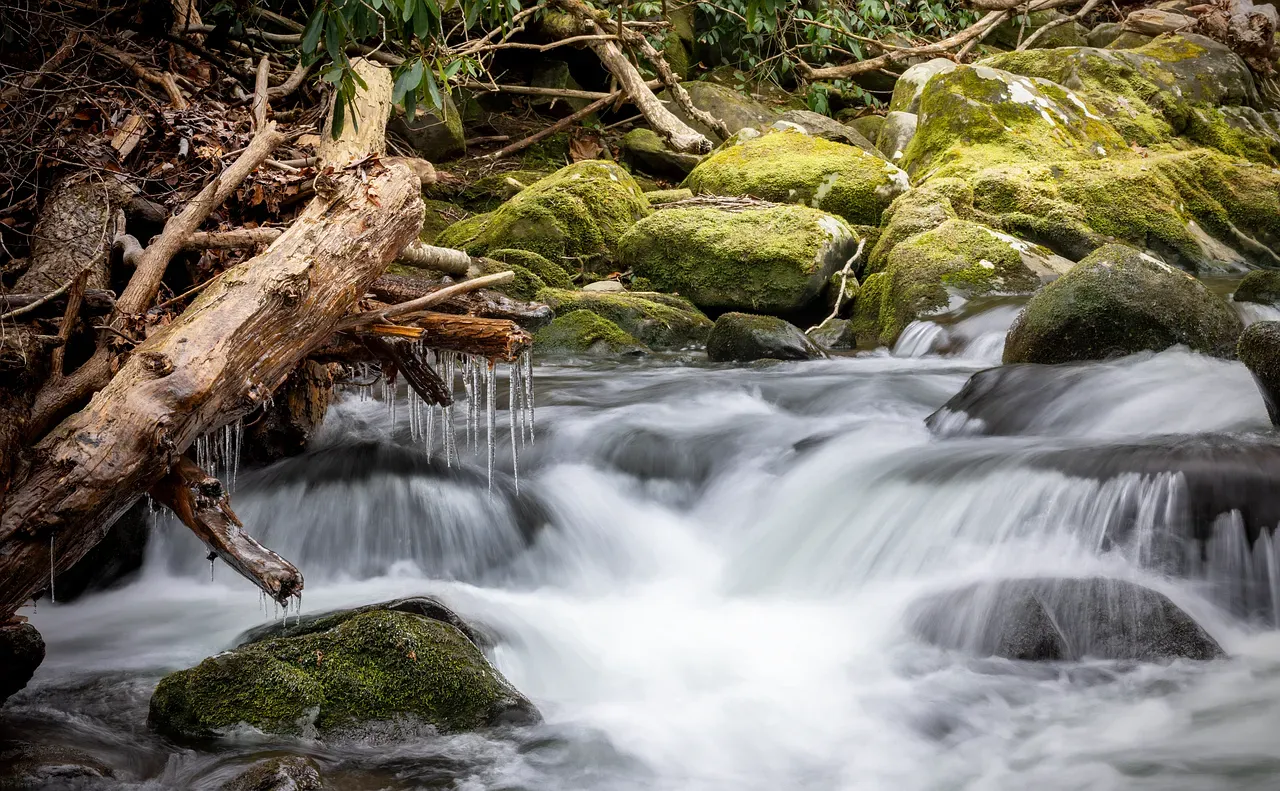
When predators decline, the effects travel down the chain in what ecologists call a trophic cascade. Herbivores increase, plants decrease, and the soil loses the root systems that hold it in place during rains. The pattern repeats across continents, from North American wolves to African big cats.
Restoring predators has reversed some of these changes in protected areas. Vegetation rebounds, water tables stabilize, and species diversity climbs within a few seasons. The process shows how one group of animals can anchor far more than its immediate surroundings.
Biodiversity Gains from Predator Protection
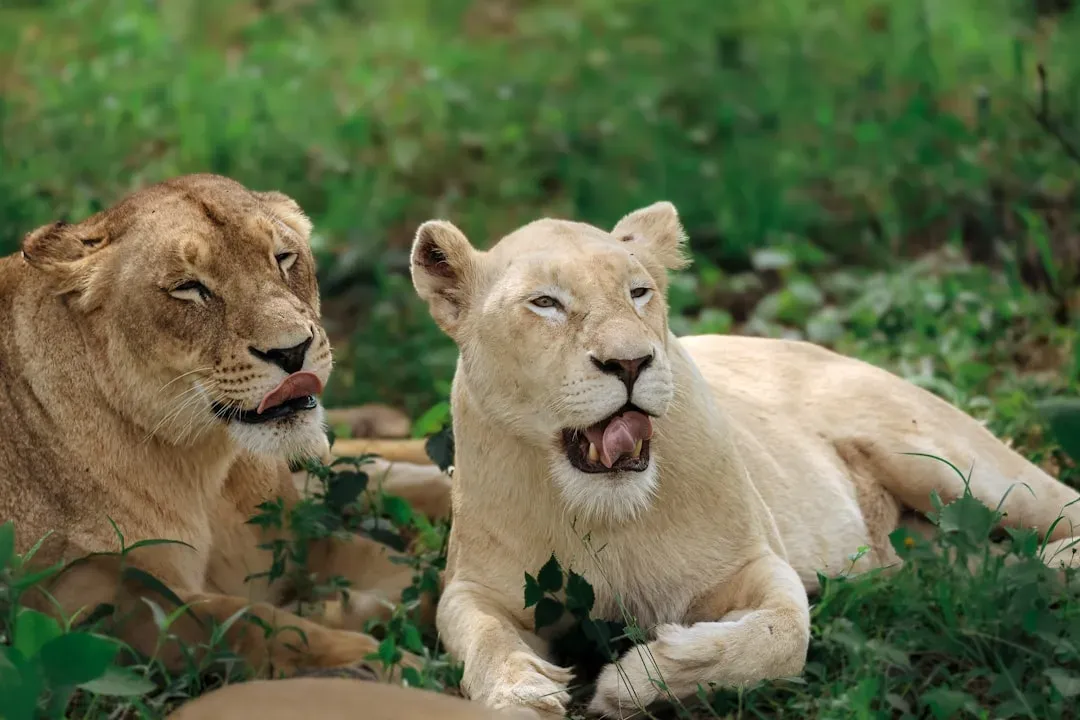
Healthy predator populations support a wider range of life by creating opportunities for other species to thrive. Scavengers follow kills, smaller carnivores fill niches left by prey movement, and plants grow in new patterns that shelter additional insects and birds. The whole web gains strength from that top-down pressure.
Regions with intact apex predators often show higher overall species counts than similar areas where those animals have been removed. This richness matters for resilience against disease or climate shifts. Protecting the large hunters therefore becomes a practical way to safeguard many other forms of life at once.
Real World Conservation Pressures
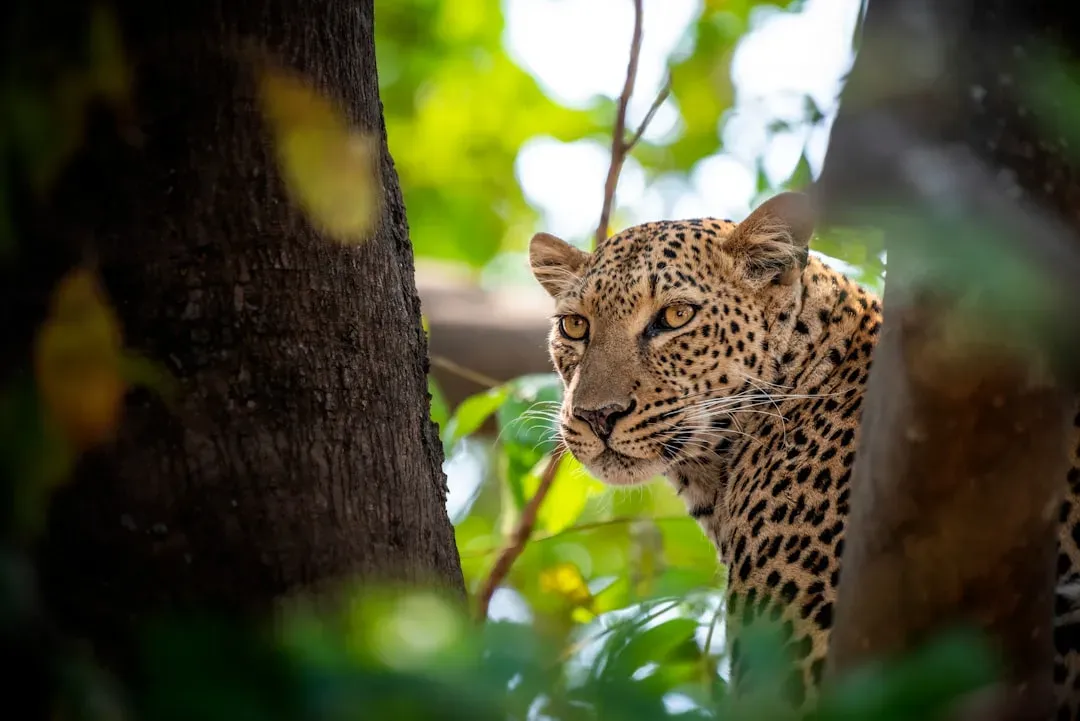
Habitat loss, conflict with livestock, and illegal hunting continue to reduce lion and crocodile numbers in many places. These pressures shrink the areas where predators can roam freely and do their ecological work. Recovery takes time and consistent effort across borders.
Community programs that reduce human wildlife clashes have helped in some zones, allowing populations to stabilize. Tourism revenue from viewing these animals also gives local economies a reason to value them alive. The balance remains delicate, though, and requires ongoing attention to land use and enforcement.
Our Shared Stake in Their Survival
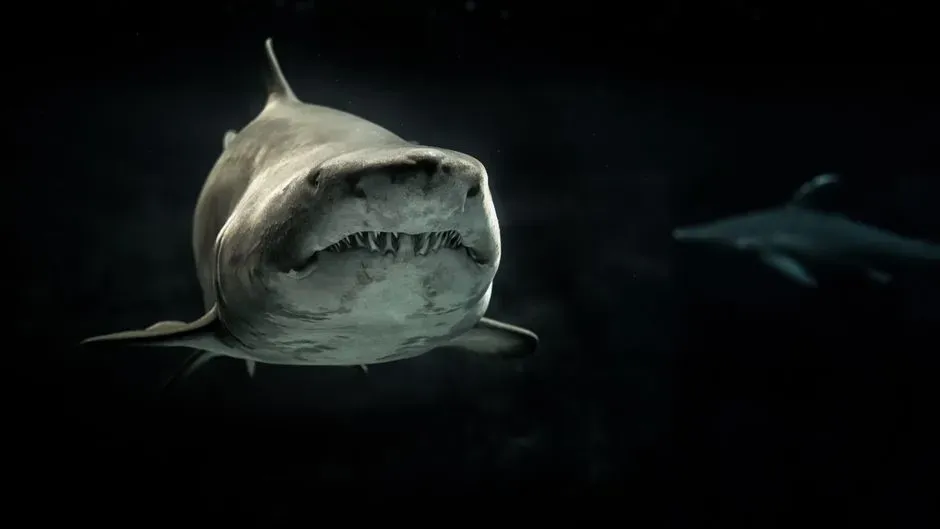
Keeping apex predators in place ultimately protects the services ecosystems provide to people, from clean water to fertile soil and stable climates. Losing them means accepting more fragile environments that demand greater human intervention to maintain. The choice carries consequences that stretch well beyond any single species.
Investing in their protection now avoids steeper costs later, both in restoration work and lost natural benefits. These animals remind us that strength at the top sustains the whole structure underneath. In the end, their future and ours remain tightly linked through the living systems we all depend on.

- 17 Ways a Horse Shows It Has Picked Its Person That Even Experienced Riders Completely Miss - August 8, 2026
- 18 Quiet Signals a Horse Sends the One Person It Has Completely Claimed as Its Own - August 8, 2026
- 18 Signs an Old Cat Has Quietly Chosen One Person to Be Beside It at the End - August 8, 2026